
Related News
- 00
0000-00
Swappable Battery Scooter Market: Key Growth Segments and Fleet Demand Signals - 00
0000-00
Fleet Battery Swap Solutions: How to Compare Throughput, Downtime, and Site Needs - 00
0000-00
Battery Swapping Network Cost: What Drives Setup and Operating Expenses? - 00
0000-00
Battery Swapping in China vs Charging: Which Model Fits Shared Scooter Fleets? - 00
0000-00
Thermal Management for Swappable Battery Scooters: Key Design Factors to Compare
Electric Powertrain Analyst
Weekly Insights
Stay ahead with our curated technology reports delivered every Monday.
Swappable Battery Scooter Market: Key Growth Segments and Fleet Demand Signals





The swappable battery scooter market is no longer defined by experiments alone. It is becoming a practical operating model for urban mobility systems that depend on high daily utilization, rapid vehicle turnaround, and predictable energy access.
That shift matters because battery swapping changes more than charging time. It affects fleet economics, vehicle design, infrastructure planning, software integration, and the competitive position of operators working across delivery, sharing, and short-range transport.
From the UMMS perspective, this is where micro-mobility intelligence becomes useful. The value sits at the intersection of powertrain efficiency, battery management logic, urban policy, and the real constraints of last-mile operations.
Why Battery Swapping Is Gaining Commercial Weight
In conventional scooter charging, downtime is often treated as a technical inconvenience. In practice, it is a financial variable. The longer a vehicle waits to recharge, the lower its productive hours and the harder it becomes to optimize fleet assets.
The swappable battery scooter market addresses that friction directly. Instead of waiting for a fixed charging cycle, the vehicle returns to service after a short battery exchange. For dense urban fleets, that difference can reshape utilization rates.
This is especially relevant where city traffic is congested, curb space is limited, and electrification targets are becoming more strict. A swap model can support decarbonization goals without forcing every operator to build slow, space-heavy charging routines.
It also aligns with broader two-wheeler electrification. As UMMS tracks across smart e-scooters and high-speed e-motorcycles, one pattern is clear: battery architecture now influences market access almost as much as vehicle performance.
What the Swappable Battery Scooter Market Really Includes
The market is not limited to scooters with removable packs. It includes a wider operating ecosystem built around standardized batteries, swap stations, energy management software, connected vehicles, and service workflows.
A realistic view of the swappable battery scooter market usually involves four linked layers. Each layer has its own cost structure and adoption barrier.
- Vehicle platforms designed for safe, frequent battery replacement.
- Battery packs with stable thermal, communication, and cycle-life performance.
- Swap cabinets or staffed exchange points placed near demand centers.
- Digital control systems for state-of-charge, asset tracking, and demand balancing.
This matters because many early market assessments focused too narrowly on hardware. Yet the stronger commercial cases usually come from integrated systems, where battery availability, route planning, and fleet dispatch are coordinated in real time.
The Growth Segments Worth Tracking
Not every scooter category benefits equally from battery swapping. Growth is strongest where daily mileage is high, downtime is expensive, and charging access is uncertain.
Shared Urban Mobility
Shared scooter operators need asset uptime and fast redeployment. In this segment, the swappable battery scooter market offers a way to reduce retrieval frequency and improve service continuity in busy corridors.
The operational gain is strongest where fleets already use IoT controls, geofencing, and route analytics. Swapping works best when it becomes part of an existing digital operating stack rather than a separate manual process.
Delivery and Courier Fleets
This is one of the clearest demand engines. Riders working on food delivery, parcel distribution, and local logistics often need continuous vehicle availability across long operating windows.
In these conditions, charging delays can break route economics. Swapping supports tighter turnaround and can reduce the need for oversizing fleets simply to cover inactive charging time.
Campus, Industrial, and Closed-Loop Mobility
Airports, university districts, business parks, and industrial compounds present another practical segment. Travel patterns are repetitive, infrastructure can be centrally managed, and vehicle usage is easier to forecast.
These environments often serve as early scale zones. They allow operators to test battery standardization, maintenance routines, and energy demand balancing before entering more fragmented city networks.
Fleet Demand Signals That Matter More Than Headlines
Public interest and policy support are useful indicators, but they do not confirm business readiness. The stronger signals in the swappable battery scooter market usually come from operating behavior and infrastructure stress points.
Another useful signal is behavior from OEMs and component suppliers. When manufacturers begin designing around shared battery interfaces, service contracts, and powertrain interoperability, the market is moving beyond isolated pilots.
Where the Real Value Is Created
The headline benefit is speed, but the deeper value comes from operational control. A mature swappable battery scooter market gives operators more flexibility in how they allocate vehicles, labor, and energy assets.
Battery swapping can separate the ownership of the vehicle from the ownership of the battery. That opens different financing paths and may lower the barrier to electrification for fleets that want to preserve cash flow.
It also improves maintenance visibility. When batteries are managed through connected stations, cycle counts, temperature patterns, and degradation trends can be monitored more consistently than in loosely managed charging fleets.
For an intelligence-led platform like UMMS, this is where technology and commercial insight converge. Battery management systems, vehicle telemetry, and urban deployment models have to be read together, not as separate market stories.
Constraints That Still Shape the Market
The swappable battery scooter market still carries structural limits. The most common issue is lack of standardization. Different pack sizes, connector systems, and communication protocols can slow network expansion and reduce cross-brand compatibility.
Station density is another challenge. A swap system only works at scale when exchange points sit where demand is concentrated. Poor station placement can erase the time advantage that swapping promises.
Safety and lifecycle control also remain central. Frequent handling increases the importance of pack durability, enclosure design, thermal management, and software alerts. Weak control in any of these areas can raise operational risk quickly.
Regulation adds another layer. Cities may support electrification broadly while still limiting kiosk placement, sidewalk use, or battery storage conditions. The commercial model depends on local rules more than broad sustainability narratives.
How to Evaluate Market Readiness in Practice
A useful assessment starts with route intensity and dwell time. If vehicles spend many hours moving and little time parked, swapping deserves close analysis. If usage is light, conventional charging may remain adequate.
It is also important to model the full system, not only the scooter price. The swappable battery scooter market should be judged through total operating cost, energy throughput, labor needs, station utilization, and battery replacement schedules.
- Map high-demand corridors before selecting station locations.
- Check whether battery software can integrate with fleet platforms.
- Compare swap turnaround against real charging dwell times.
- Review battery warranty terms under high-cycle commercial use.
- Track local permitting rules before infrastructure rollout.
Pilot programs still have value, but they need the right scope. The best pilots test dispatch logic, battery circulation, and station service levels under real demand pressure, not just technical feasibility in low-stress environments.
What to Watch Next
The next phase of the swappable battery scooter market will likely be defined by standardization, data integration, and multi-segment fleet adoption. Growth should become more durable when batteries can serve broader vehicle families across urban mobility networks.
Another area to watch is the link between smart e-scooters and higher-performance electric two-wheelers. As UMMS continues to monitor both categories, shared battery logic may become a stronger bridge across last-mile and mid-range mobility systems.
For now, the most reliable approach is to treat battery swapping as an operating strategy, not a novelty feature. The strongest decisions come from aligning vehicle utilization, battery intelligence, infrastructure density, and local policy realities.
A practical next step is to build an evaluation framework around route patterns, downtime costs, battery turnover, and station economics. That usually reveals whether the swappable battery scooter market fits as a niche solution or a scalable urban mobility platform.
Related News
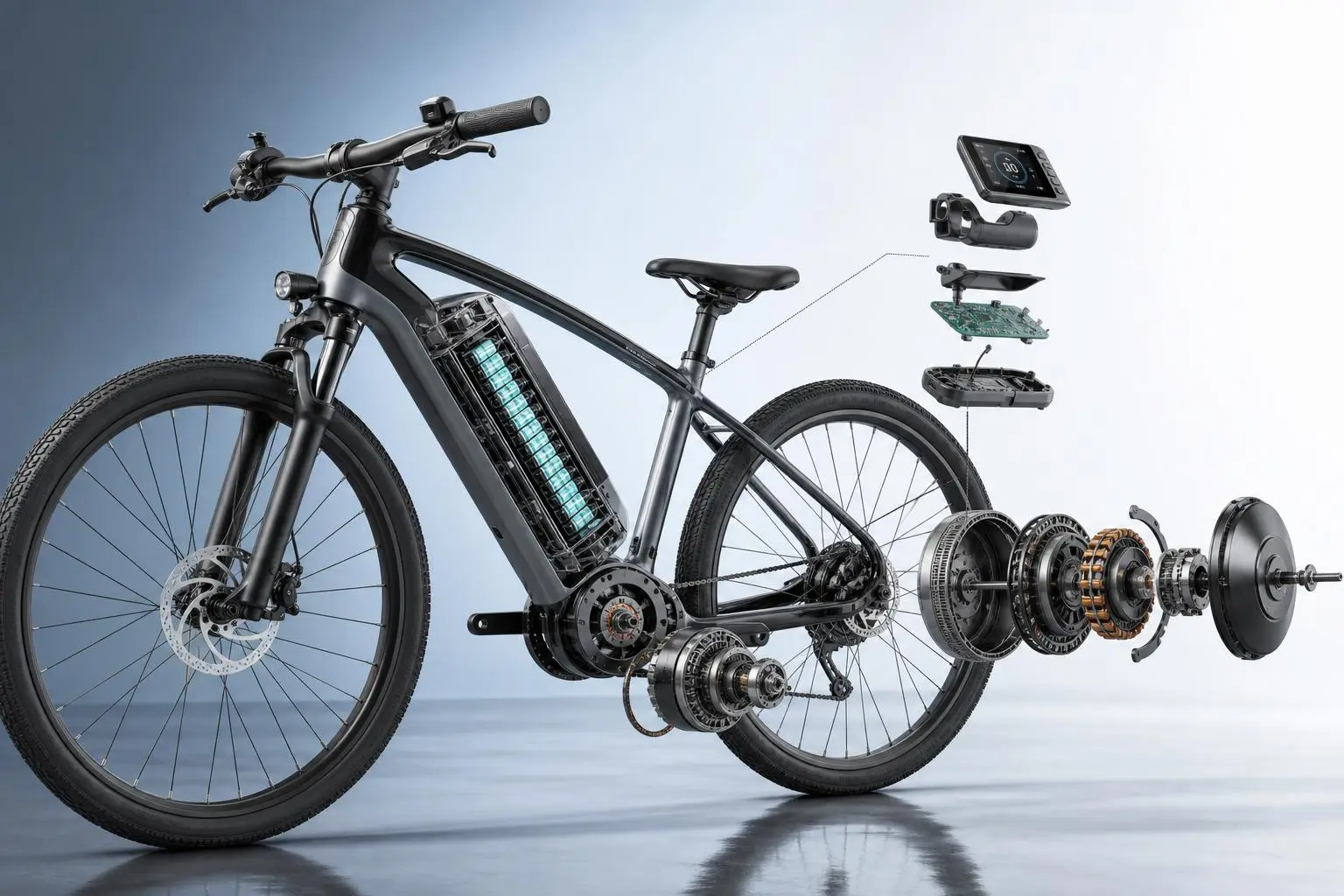
E-Bike Technology Explained: Motor Types, Battery Range, and Control Systems
E-bike technology explained: compare motor types, battery range, and control systems to understand real-world performance, smarter buying decisions, and urban mobility value.

What Affects Urban Traffic Innovation Price in Smart City Transport Projects?
Urban traffic innovation price depends on project scope, software, battery infrastructure, safety, and integration. Discover the real cost drivers behind scalable smart city transport projects.
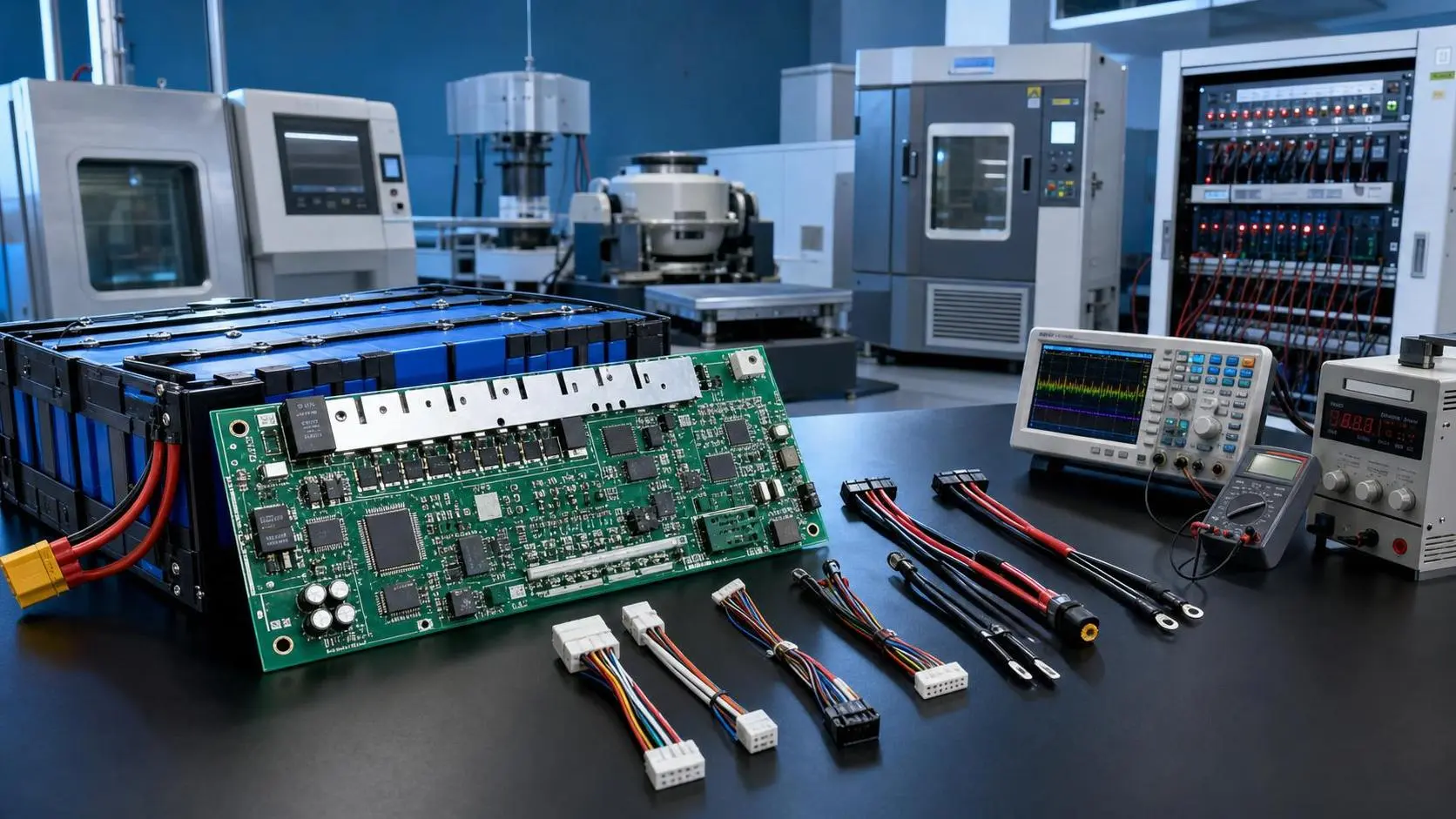
How to Evaluate a Battery Management Systems Exporter for Quality, Compliance, and Support
Battery management systems exporter selection affects safety, compliance, and uptime. Learn how to compare quality records, certification readiness, and support before you buy.
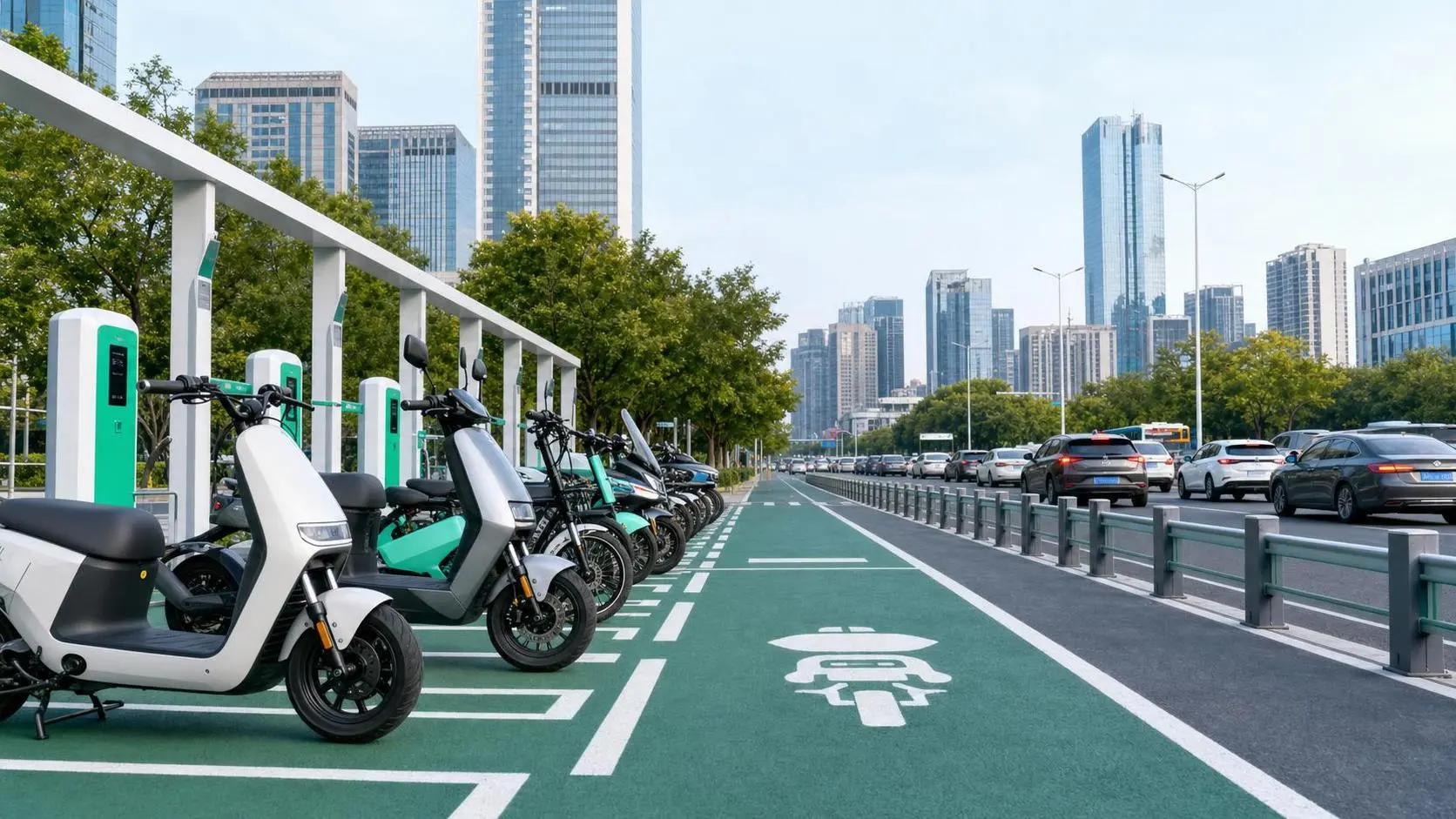
What Drives Urban Mobility Adoption in Congested Cities: Cost, Convenience, and Policy
Urban mobility adoption is accelerating in congested cities as cost savings, daily convenience, and smart policy reshape commuting. Discover what drives faster adoption and long-term market growth.
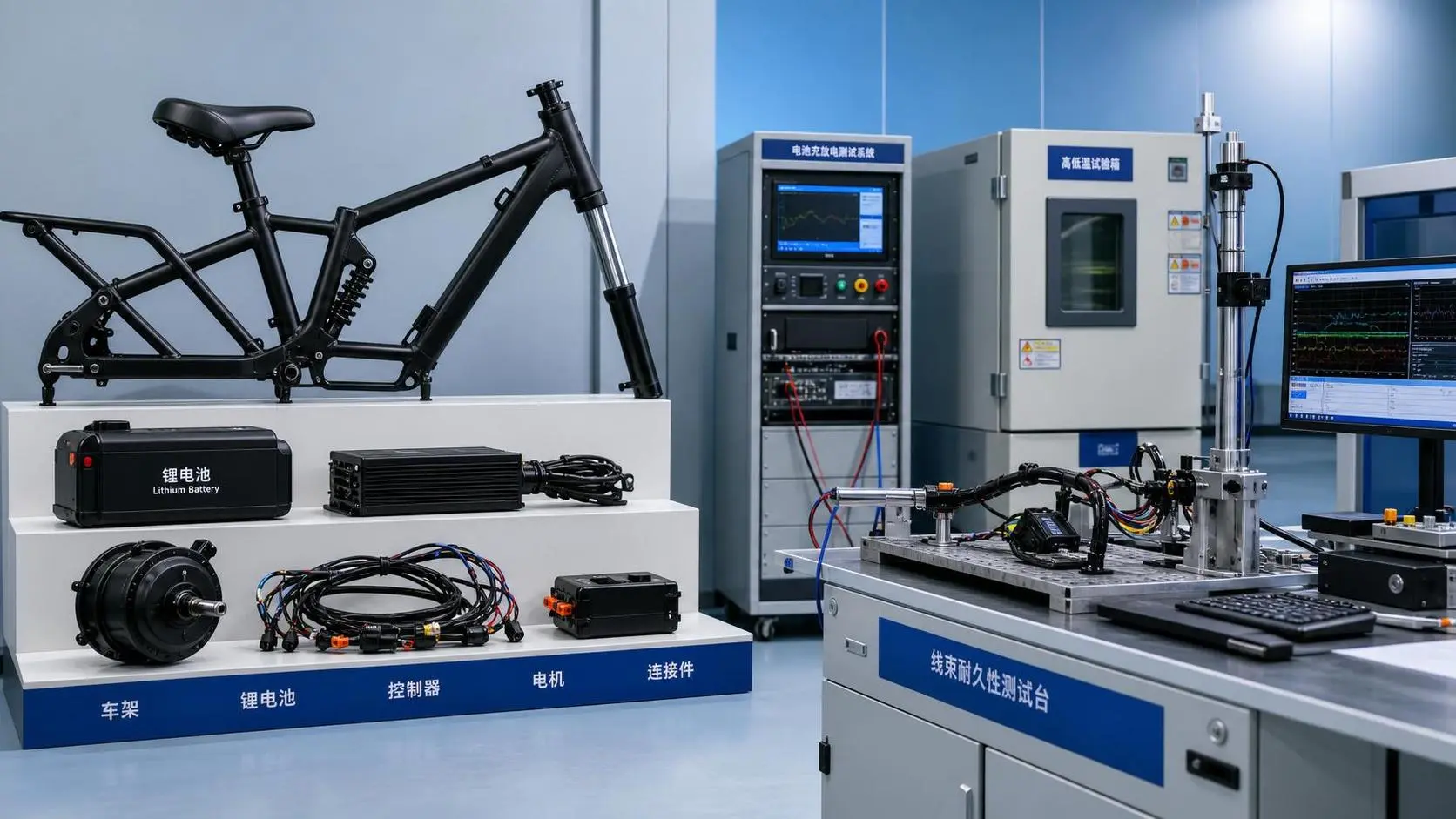
How to Verify Micro Mobility Technical Credibility Before Supplier Approval
Micro mobility technical credibility starts with proof, not promises. Learn how to verify tests, compliance, field data, and supplier controls before approval.
Urban Electric Vehicles Fleet Planning: Key Cost and Maintenance Factors to Compare
Urban electric vehicles fleet planning goes beyond purchase price. Compare battery life, charging, maintenance, uptime, and TCO to choose a smarter, more scalable fleet.
Electric Torque for Ebikes Explained: What Power Delivery Means for Climbing and Cargo
Electric torque for ebikes explained: learn how torque shapes hill climbing, cargo hauling, smoother starts, and real-world commuting performance before you buy.

Photoelectric Recognition for Scooters: How It Improves Detection in Urban Riding
Photoelectric recognition for scooters improves obstacle detection, edge awareness, and rider safety in urban traffic. Discover how it boosts smarter, more reliable city riding.
How to Evaluate a Micro-Mobility Supplier for Shared Fleet Reliability
Micro-mobility supplier selection directly shapes fleet uptime, maintenance costs, and rider trust. Learn how to evaluate durability, batteries, software, and service support for reliable shared fleet growth.