
Related News
- 00
0000-00
Photoelectric Recognition for Scooters: How It Improves Detection in Urban Riding - 00
0000-00
How to Evaluate a Micro-Mobility Supplier for Shared Fleet Reliability - 00
0000-00
How to Choose CE-Certified IoT Scooter Modules for Shared Fleet Compliance - 00
0000-00
Vehicle Visibility Safety Technology: Key Features for Low-Speed Urban Fleets - 00
0000-00
Why Green Scooter Demand Is Rising in Shared Mobility and Last-Mile Delivery
Urban Transit Fellow
Weekly Insights
Stay ahead with our curated technology reports delivered every Monday.
How to Evaluate a Micro-Mobility Supplier for Shared Fleet Reliability





How to Evaluate a Micro-Mobility Supplier for Shared Fleet Reliability
Choosing the right micro-mobility supplier can make or break shared fleet uptime, maintenance costs, and rider satisfaction.
For procurement decisions, price is only one variable. Reliability lives in hardware durability, battery consistency, spare parts response, software stability, and service execution.
In practice, one weak link can affect the whole fleet. A strong micro-mobility supplier reduces downtime, protects rider trust, and gives operators room to scale.
This matters even more in today’s urban environment. Shared e-bikes and smart e-scooters face tighter regulations, harder usage cycles, and stronger pressure on unit economics.
That also means supplier evaluation should be structured. You are not only buying vehicles or parts. You are buying operating stability over time.
Start with Fleet Use Conditions, Not Catalog Claims
A reliable micro-mobility supplier must be judged against real operating conditions. Catalog data often looks clean. Street conditions never are.
Before comparing suppliers, define the fleet profile clearly:
- Average trips per vehicle per day
- Road quality, curb impacts, and slope conditions
- Local climate, rain exposure, and temperature swings
- Charging pattern or battery swap frequency
- Expected service life and refurbishment cycle
These inputs change what “good” looks like. A supplier that performs well in low-density campuses may struggle in dense city centers with vandalism and nonstop turnover.
A capable micro-mobility supplier asks detailed questions early. That is usually a good sign. It suggests the supplier understands lifecycle risk, not only sales conversion.
Check Core Product Durability in the Right Way
Durability should be tested component by component. Shared fleets fail through repeated stress, not dramatic one-time events.
Frame and Structural Integrity
Ask for fatigue testing data, weld quality controls, and corrosion resistance results. Focus on stem joints, folding areas, rear forks, and battery mount interfaces.
A strong micro-mobility supplier should explain failure rates by part family, not hide behind generic compliance language.
Powertrain and Braking
Motor efficiency matters, but thermal behavior matters more in shared fleets. Repeated short trips, stop-start traffic, and heavy payloads create heat stress.
Review brake wear rate, rotor consistency, water resistance, and replacement intervals. Frequent brake servicing quickly destroys operating margins.
Ingress Protection and Outdoor Survival
Shared vehicles live outdoors. Ask the micro-mobility supplier for sealed connector design, controller enclosure details, and field failure data during wet seasons.
If the supplier only offers lab ratings without fleet evidence, treat that as incomplete validation.
Evaluate Battery Quality Beyond Range Numbers
Battery performance sits at the center of fleet reliability. A low-cost pack with unstable cells can create service interruptions, safety exposure, and customer complaints.
When assessing a micro-mobility supplier, ask for evidence in five areas:
- Cell sourcing transparency and approved vendor list
- BMS logic, balancing strategy, and thermal protection
- Cycle life under realistic discharge patterns
- Consistency between production batches
- Incident response process for battery faults
Range claims alone are weak decision data. What matters more is how many packs remain usable after repeated charge cycles in heat, cold, vibration, and daily handling.
The better micro-mobility supplier will also provide traceability. That includes pack serial tracking, firmware records, and root-cause analysis for failures.
Review IoT, Software, and Data Integration Readiness
For a shared fleet, reliability is not only mechanical. It also depends on the vehicle’s digital layer.
A micro-mobility supplier should support secure telematics, stable firmware updates, accurate vehicle location, battery status visibility, and fault-code readability.
Ask practical questions, not only technical ones:
- Can the system integrate with your fleet platform or API stack?
- How often do false lock, unlock, or geolocation errors occur?
- How are OTA updates validated before rollout?
- Can technicians access usable diagnostics in the field?
Software instability can create large hidden costs. Vehicles may be physically sound yet unavailable because of bad firmware, weak connectivity, or fragmented data architecture.
This is where a mature micro-mobility supplier stands out. It treats hardware, battery systems, and digital operations as one reliability system.
Test Spare Parts Depth and Service Response
Many supplier evaluations look strong until the first repair wave begins. Then the weak points appear: slow parts, unclear manuals, and delayed warranty approval.
A dependable micro-mobility supplier should provide:
- A standard spare parts list with lead times
- Parts interchangeability across models where possible
- Repair manuals and technician training material
- Defined warranty turnaround and escalation paths
- Regional inventory or committed replenishment plans
Ask for historical fill rates and actual response times. Promises are common. Service data is more useful.
In actual procurement work, the strongest micro-mobility supplier is often the one that makes repairs simple, predictable, and fast.
Look Closely at Manufacturing and Quality Systems
Factory capability affects field reliability more than polished presentations. A supplier may have good samples but weak production discipline.
During evaluation, request visibility into:
- Incoming material inspection controls
- Critical process checkpoints
- End-of-line testing standards
- Corrective action workflow for defects
- Change management for key components
A serious micro-mobility supplier should explain how it handles supplier substitutions, firmware revisions, and engineering changes without destabilizing deployed fleets.
If possible, compare pilot units with mass-production units. That gap reveals a lot about process control.
Use a Pilot Program to Validate the Supplier Under Stress
A pilot should not be a formality. It should be structured to expose failure patterns before scale makes them expensive.
Set clear pilot metrics for each micro-mobility supplier under review:
Keep the pilot long enough to include real weather, rider abuse, and routine servicing. Four clean demo weeks are rarely enough.
The best micro-mobility supplier will stay engaged during this phase, review the data openly, and act quickly on weaknesses.
Assess Commercial Risk, Not Just Product Risk
Reliable fleets also depend on supplier stability. A technically solid partner can still become a risk if capacity, cash flow, or compliance discipline is weak.
Review these points before final selection:
- Production capacity versus forecast demand
- Export experience in target regions
- Regulatory familiarity and certification readiness
- Insurance coverage and recall handling ability
- Financial resilience for multi-year support
In urban mobility, regulations move quickly. A prepared micro-mobility supplier tracks regional battery rules, device compliance, and fleet-specific safety expectations.
Build a Practical Supplier Scorecard
To make decisions more defensible, use a weighted scorecard. This keeps discussions grounded when different stakeholders prioritize different risks.
A practical structure may include product durability, battery reliability, software integration, parts support, quality systems, and commercial strength.
The point is not bureaucracy. The point is to compare each micro-mobility supplier against the same operational standard.
When the process is disciplined, supplier selection becomes clearer. Lower quoted cost no longer hides higher lifecycle risk.
Final Takeaway
A good micro-mobility supplier does more than ship vehicles. It helps protect uptime, simplify maintenance, and support long-term fleet economics.
The strongest decisions usually come from field-based testing, transparent service data, and careful review of battery, software, and spare parts performance.
Use the evaluation process to pressure-test every claim. In a shared fleet, reliability is rarely an accident. It is usually the result of disciplined supplier selection.
Related News
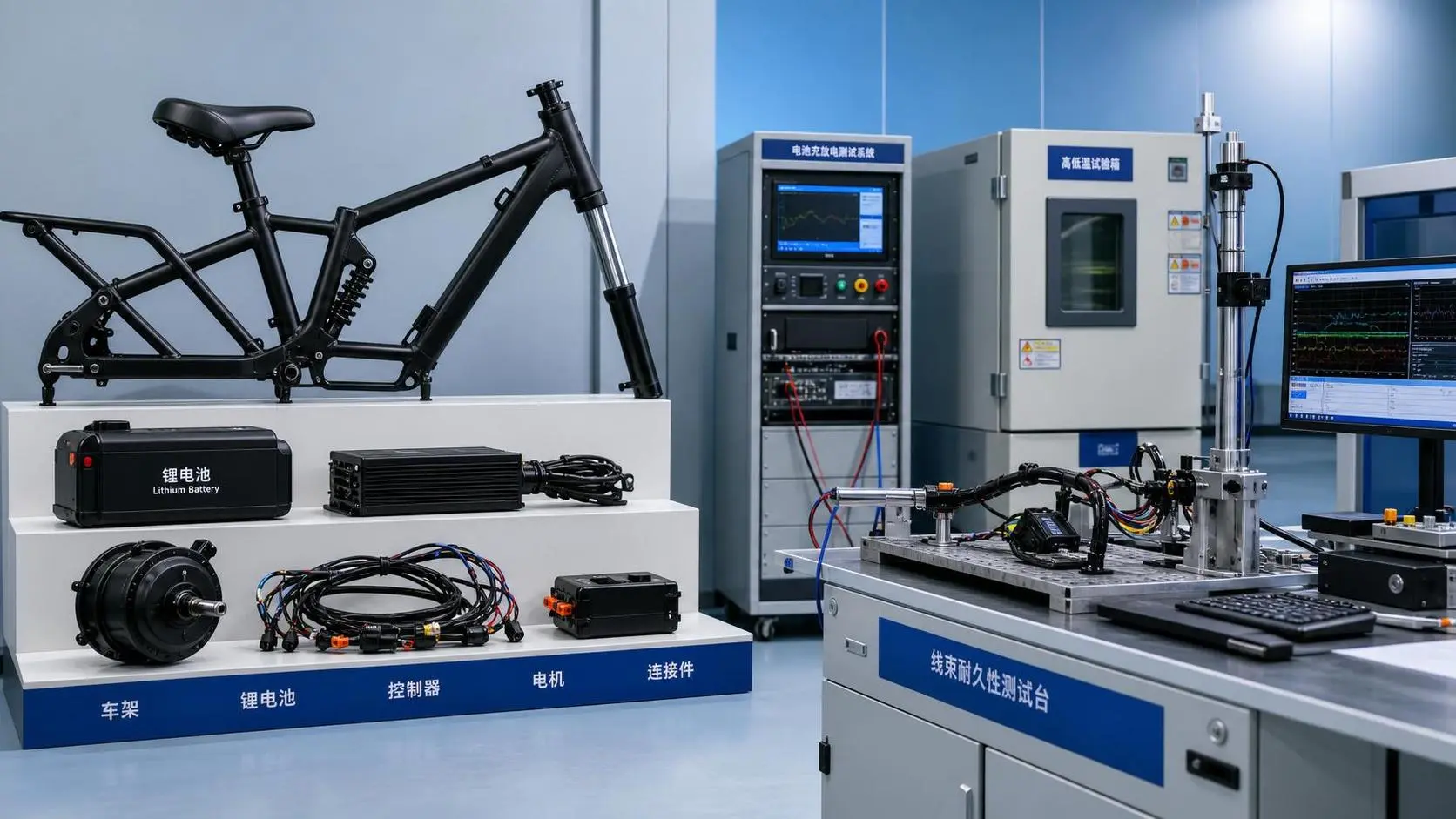
How to Verify Micro Mobility Technical Credibility Before Supplier Approval
Micro mobility technical credibility starts with proof, not promises. Learn how to verify tests, compliance, field data, and supplier controls before approval.

Urban Electric Vehicles Fleet Planning: Key Cost and Maintenance Factors to Compare
Urban electric vehicles fleet planning goes beyond purchase price. Compare battery life, charging, maintenance, uptime, and TCO to choose a smarter, more scalable fleet.
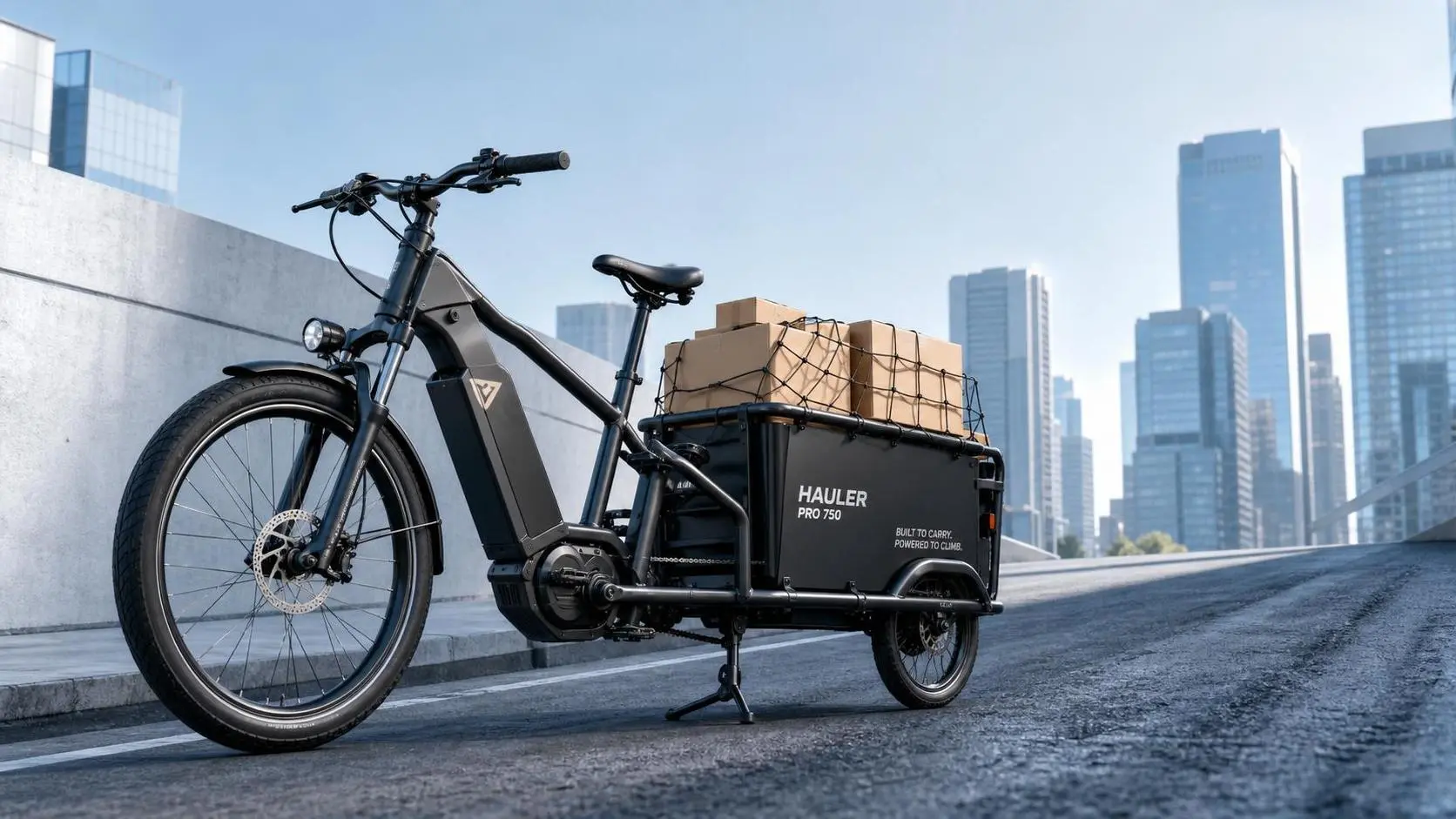
Electric Torque for Ebikes Explained: What Power Delivery Means for Climbing and Cargo
Electric torque for ebikes explained: learn how torque shapes hill climbing, cargo hauling, smoother starts, and real-world commuting performance before you buy.

Photoelectric Recognition for Scooters: How It Improves Detection in Urban Riding
Photoelectric recognition for scooters improves obstacle detection, edge awareness, and rider safety in urban traffic. Discover how it boosts smarter, more reliable city riding.
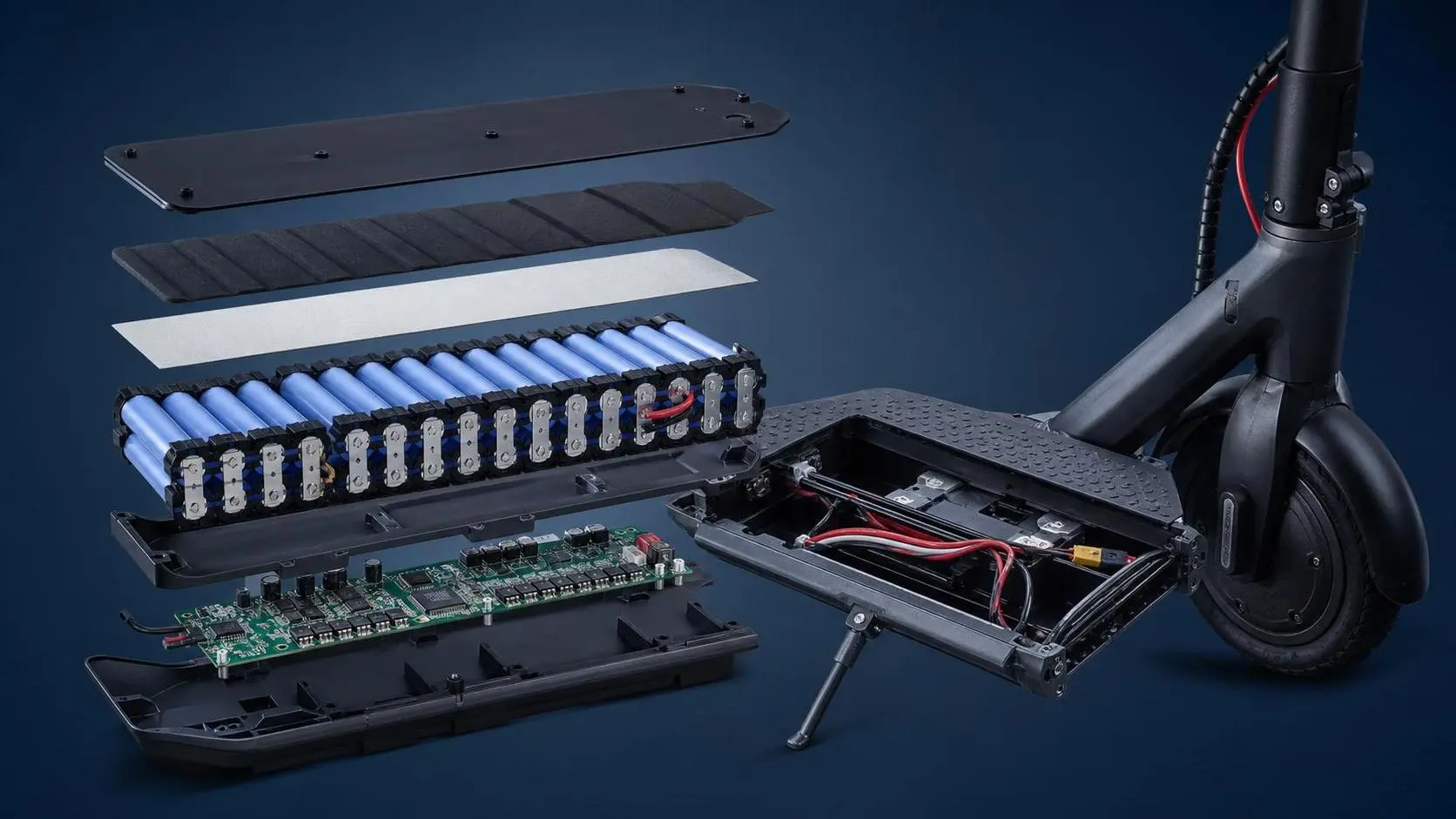
Component Selection for E-Scooters Battery Systems: Cells, BMS, and Thermal Protection
Component selection for e-scooters battery starts with the right cells, BMS, and thermal protection. Learn how to improve safety, range, lifecycle, and compliance.

Electric Bike Technology Solutions for Urban Fleets: Connectivity, BMS, and Service Data
Electric bike technology solutions for urban fleets: discover how connectivity, BMS, and service data improve uptime, battery safety, and maintenance efficiency.

International Voice Building in Southeast Asia: What Brands Must Localize to Be Found
International voice building Southeast Asia requires more than translation. Learn what brands must localize in technical, regulatory, and search content to improve visibility, trust, and regional demand.
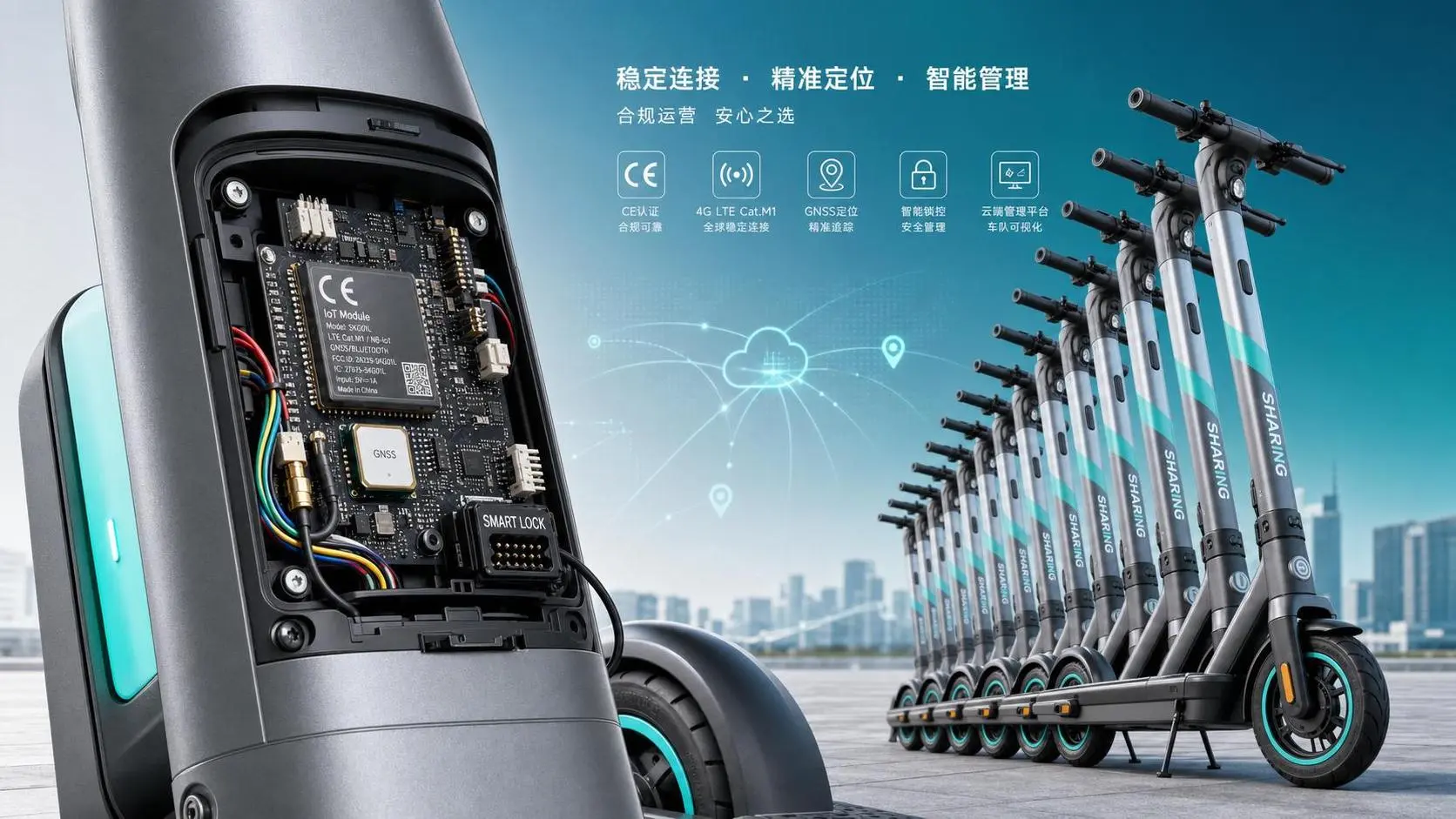
How to Choose CE-Certified IoT Scooter Modules for Shared Fleet Compliance
IoT scooter modules CE certified: learn how to verify compliance scope, documentation, and field performance for shared fleets to reduce risk, avoid downtime, and scale with confidence.

Electric Bicycles ODM: How to Evaluate Design, MOQ, and Customization Capabilities
Electric bicycles ODM evaluation starts with design, MOQ, and customization. Learn how to compare suppliers, reduce sourcing risk, and choose a partner that supports faster launches.