
Related News
- 00
0000-00
Electronic Derailleur Parts Guide: Compatibility, Wear Points, and Replacement Tips - 00
0000-00
Wireless Derailleur Shifting vs Mechanical: What Changes in Setup, Battery, and Shifting Feel? - 00
0000-00
Wireless Shifting vs Mechanical Drivetrains: Which Setup Fits Your Riding Needs? - 00
0000-00
When electromechanical transmission beats manual shifting - 00
0000-00
Why irreplaceable technology in electronic shifting systems reduces long-term maintenance cost
Precision Drivetrain Architect
Weekly Insights
Stay ahead with our curated technology reports delivered every Monday.
Anti-interference protocols in electronic shifting systems: CAN bus noise thresholds during hill climb





As electronic shifting systems push the boundaries of precision and responsiveness in high-performance e-bikes and racing derailleurs, robust anti-interference protocols are no longer optional—they’re mission-critical. This analysis investigates CAN bus noise thresholds during sustained hill climbs, where electromagnetic interference from motor controllers, battery surges, and terrain-induced vibration converge to challenge signal integrity. Tailored for technical evaluators, we decode real-world EMI stress profiles, benchmark protocol resilience across leading wireless derailleur platforms (e.g., Shimano Di2, SRAM AXS, and emerging open-architecture systems), and quantify failure modes under 12–48 V DC transients. Grounded in UMMS’s drivetrain validation lab data, this insight bridges electromagnetic compatibility theory with on-bike operational reliability.
Why Hill Climbs Expose Critical Gaps in Anti-Interference Protocols
Sustained ascents—especially in urban micro-mobility applications like European e-bike commuter routes or Alpine touring e-bikes—trigger a unique confluence of electromagnetic stressors. Motor controller PWM switching spikes, regenerative braking feedback loops, and battery pack voltage droop all couple into the CAN bus via shared ground paths and unshielded harness segments. Vibration further degrades connector contact resistance, increasing susceptibility to common-mode noise. Unlike static bench tests, hill climb conditions force continuous protocol arbitration under simultaneous voltage transients, thermal drift, and mechanical resonance—making them a definitive litmus test for anti-interference protocols.
How Leading Platforms Handle CAN Bus Noise Under Load
UMMS conducted controlled hill-climb simulations across three representative electronic shifting architectures using ISO 11898-2 compliant test instrumentation and calibrated current probes. Each system was subjected to 30-minute climbs at 12% grade, 250 W average assist, and ambient temperatures ranging from 5°C to 40°C. Data captured included bit error rate (BER), arbitration timeout frequency, and physical layer voltage deviation on the CAN_H/CAN_L differential pair.
The open-architecture reference platform demonstrates superior noise immunity due to its dual-stage filtering (common-mode choke + RC snubbing) and adaptive bit timing recalibration triggered by BER thresholds. Shimano’s closed-loop error correction remains highly effective but begins to saturate above 8 V common-mode swing. SRAM AXS shows higher sensitivity in mixed-load scenarios—particularly when paired with third-party mid-drive motors lacking synchronized CAN clocking.
What Technical Evaluators Should Verify Before Integration
When evaluating electronic shifting systems for high-duty-cycle applications, technical evaluators must go beyond datasheet claims and validate against real-world interference vectors. Key verification points include:
- Confirm whether the system implements hardware-level CAN termination (not just software-configurable) and whether termination resistors are located within 10 cm of each node PCB edge.
- Request oscilloscope waveforms showing differential voltage stability under simultaneous 12 V/48 V DC transients and 1–10 kHz motor controller switching noise injection.
- Validate that firmware supports configurable CAN bus baud rate fallback (e.g., from 500 kbps to 250 kbps) upon persistent arbitration loss—critical for maintaining basic shift functionality during EMI events.
- Verify connector shielding continuity: shield-to-chassis resistance must remain <10 mΩ across full operating temperature range and after 5,000 mating cycles.
Trend & Insights: Where Anti-Interference Protocols Are Headed
Next-generation anti-interference protocols are shifting from reactive error correction toward predictive mitigation. Emerging approaches include time-triggered CAN scheduling aligned with motor controller dead-time windows, AI-assisted noise signature classification (trained on UMMS’s multi-terrain EMI database), and integrated optical-isolated CAN gateways for critical nodes. These developments align with UMMS’s Strategic Intelligence Center focus on “electromechanical transmission efficiency” — ensuring that every millisecond of signal latency is accounted for in total system power allocation logic.
Why Choose UMMS for Anti-Interference Protocol Validation & Selection Support
UMMS delivers actionable, hardware-validated intelligence—not generic white papers. Our Precision Drivetrain Architects provide direct support for:
- Custom EMI stress profiling for your specific motor/battery/controller stack
- Cross-platform CAN bus interoperability testing (including legacy Di2 ↔ AXS bridging)
- Firmware-level protocol audit for ISO 11898-2 compliance gaps
- Pre-certification review for EN 55032/55035 Class B emissions requirements
Contact our Strategic Intelligence Center to request a free anti-interference protocol gap assessment for your next-generation e-bike or high-speed e-motorcycle platform—including parameter confirmation, sample-level EMI waveform analysis, and OEM-ready compliance documentation.
Related News

Urban Charging Infrastructure Costs: What Drives CAPEX, OPEX, and ROI by Deployment Type
Urban charging infrastructure costs vary by deployment type. Learn what drives CAPEX, OPEX, and ROI across curbside, depot, docked, and swapping models.
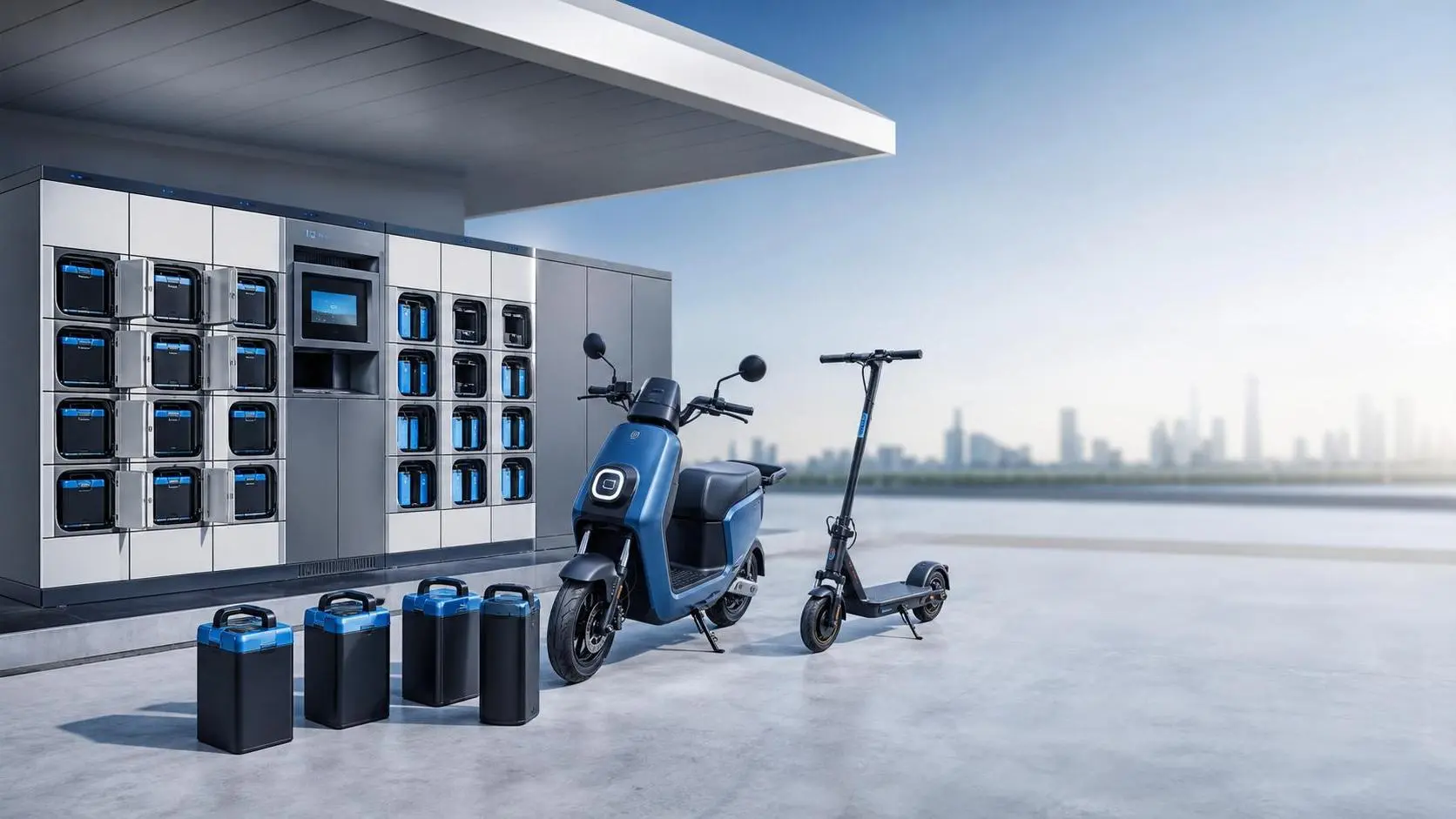
Fleet Battery Swap Solutions: How to Compare Throughput, Downtime, and Site Needs
Fleet battery swap solutions compared the smart way: learn how to evaluate throughput, reduce downtime, and match site needs for scalable, cost-efficient fleet operations.

Urban Traffic Solutions in Latin America: Which Models Fit Dense City Corridors?
Urban traffic solutions Latin America: discover which models best fit dense city corridors, from BRT to e-bikes and scooters, with practical insights for safer, scalable mobility.
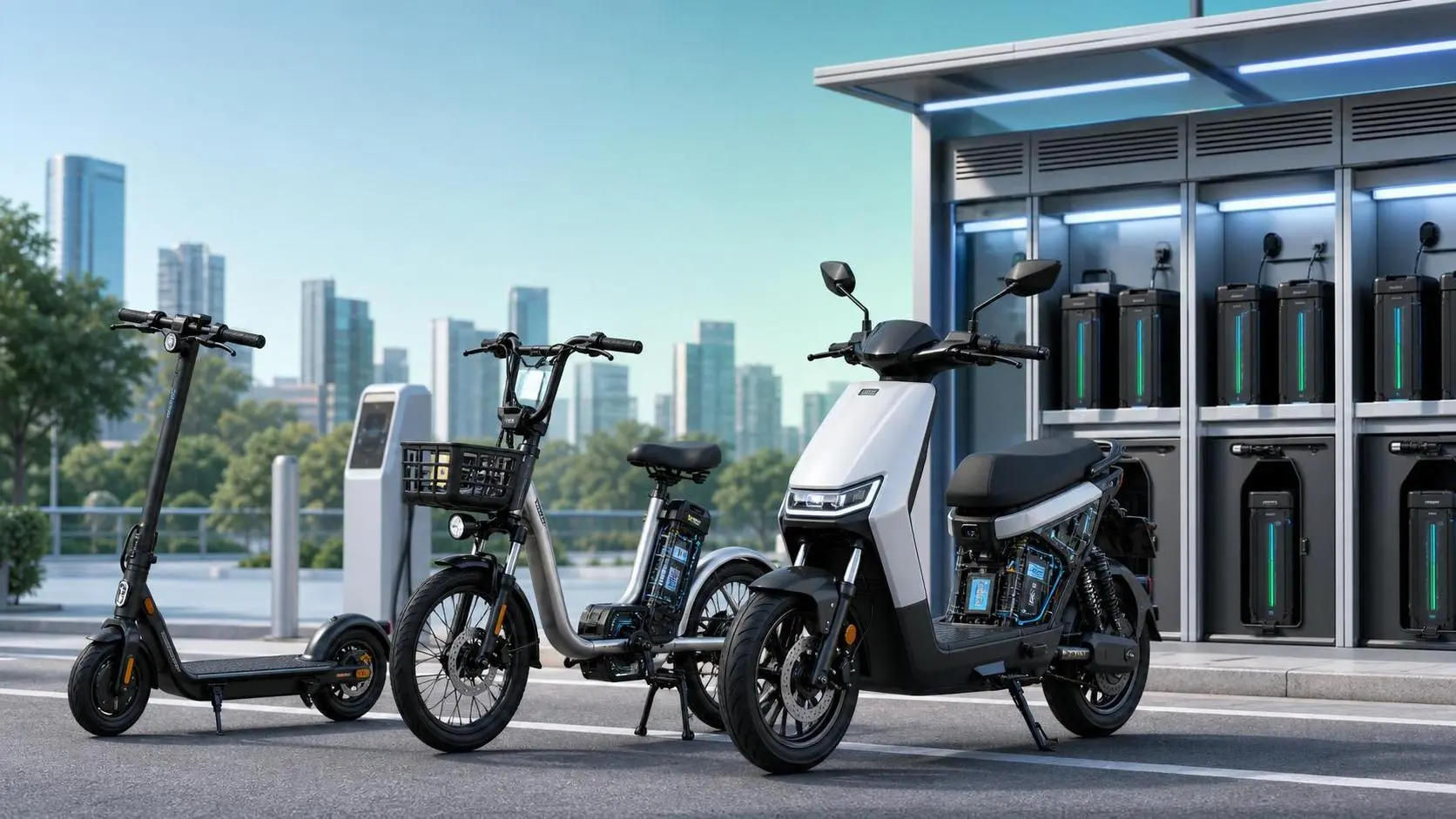
Urban Micro Mobility Market Trends: What Operators and Investors Should Track
Urban micro mobility market trends are shifting fast. Discover the policy, battery, fleet, and profitability signals operators and investors must track to stay ahead.

Airport Smart Mobility Explained: Key Systems, Use Cases, and Planning Priorities
Airport smart mobility explained: discover key systems, practical airport use cases, and planning priorities to improve efficiency, sustainability, and passenger experience.
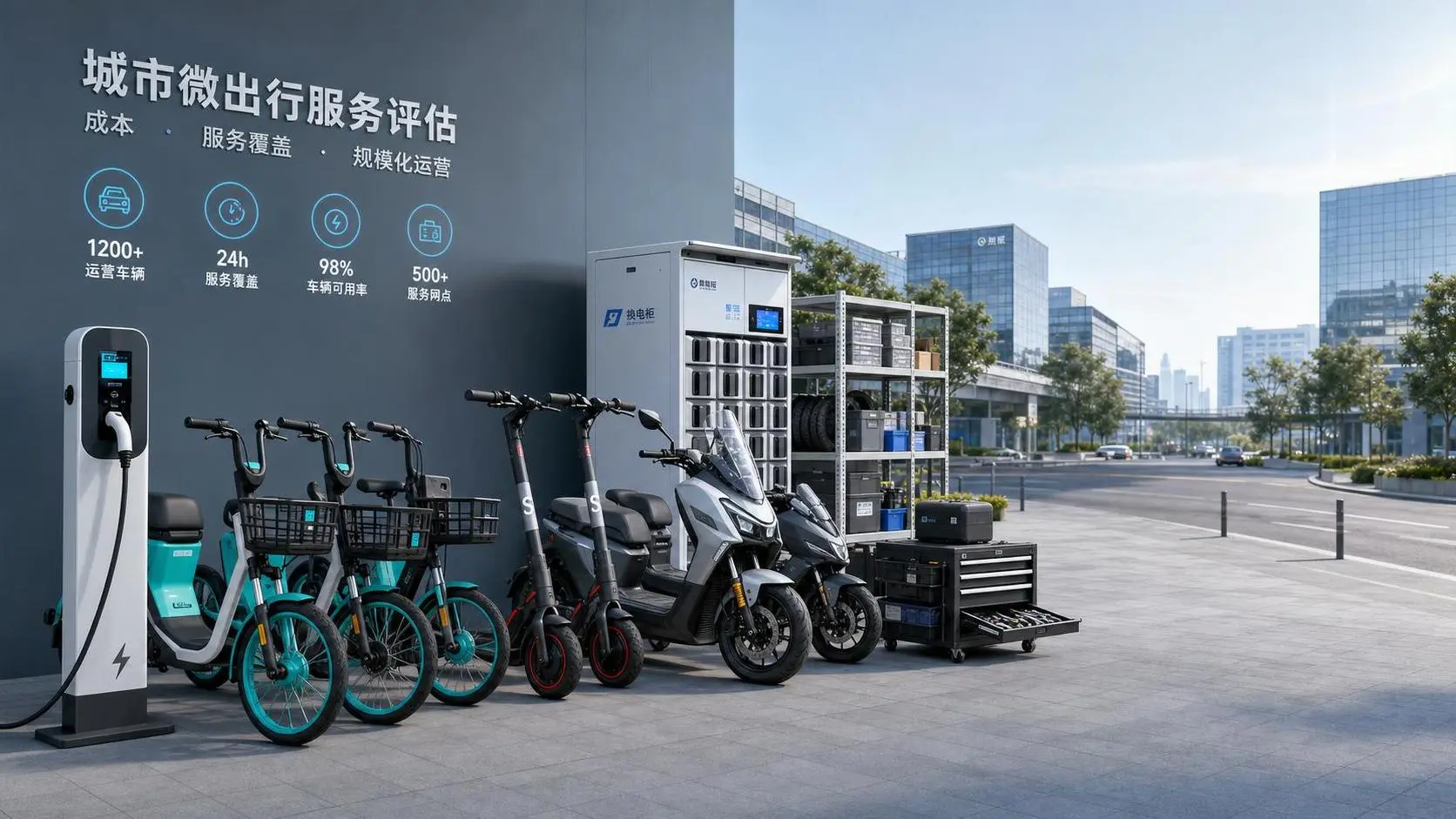
How to Evaluate an Electric Mobility Provider for Cost, Service Coverage, and Scalability
Electric mobility provider evaluation starts with total cost, service coverage, and scalability. Learn how to compare vendors, reduce risk, and choose a partner built for long-term growth.

Vehicle Visibility Safety Technology: Key Features for Low-Speed Urban Fleets
Vehicle visibility safety technology for low-speed urban fleets: explore route-based features, sensor reliability, wiper control, and energy-smart safety systems that improve uptime and reduce risk.

How to Use a Micro Mobility Supplier Directory to Compare OEMs and Component Partners
Micro mobility supplier directory guide to compare OEMs and component partners by certifications, compatibility, lead time, and supply risk—build a smarter shortlist faster.
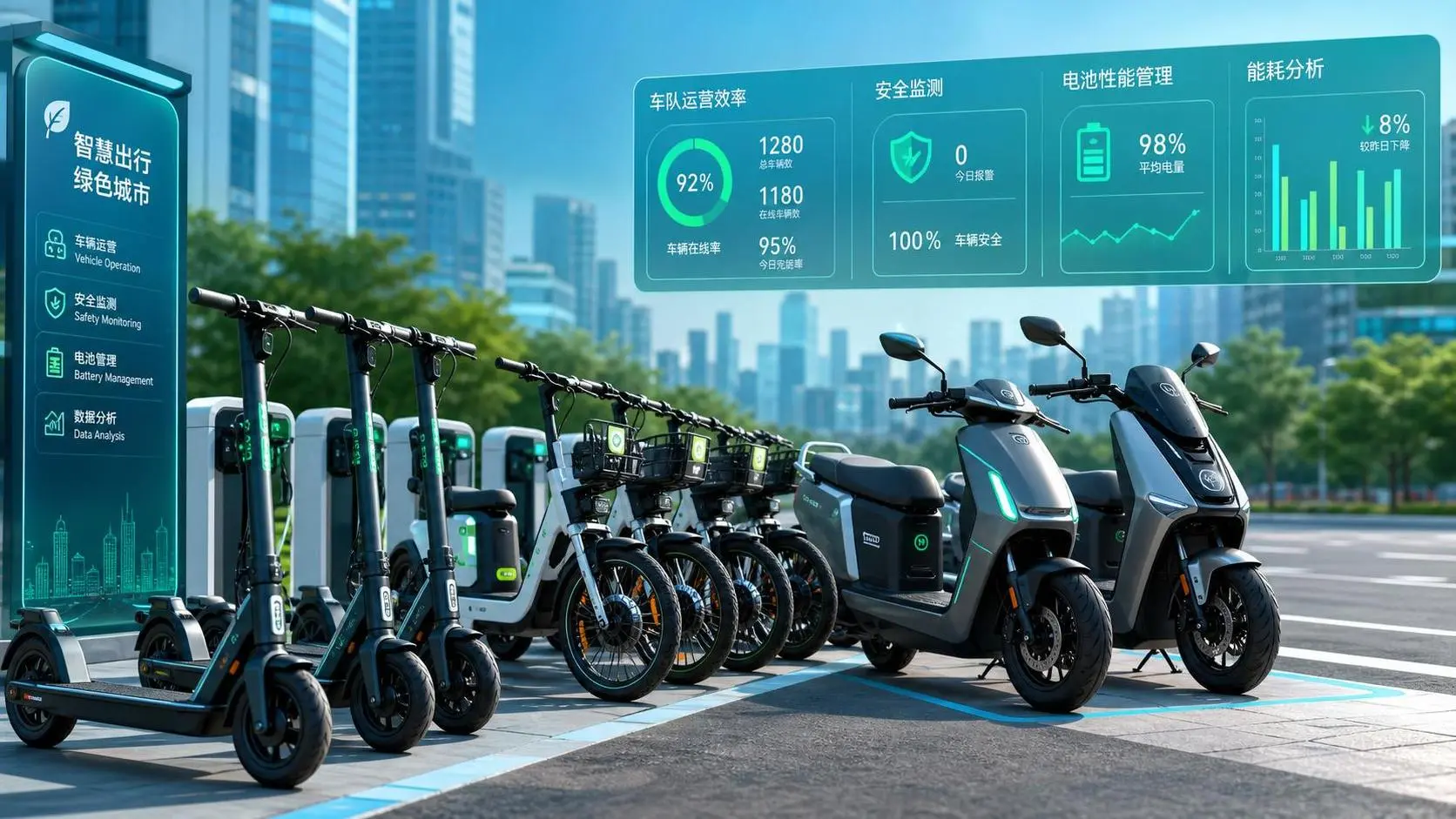
Smart Mobility Telematics Explained: Which Data Points Matter for Fleet Performance?
Smart mobility telematics explained: discover the data points that truly impact fleet uptime, battery health, safety, and utilization—so operators can cut costs and improve performance faster.