
Related News
- 00
0000-00
Electronic Derailleur Parts Guide: Compatibility, Wear Points, and Replacement Tips - 00
0000-00
Wireless Derailleur Shifting vs Mechanical: What Changes in Setup, Battery, and Shifting Feel? - 00
0000-00
Wireless Shifting vs Mechanical Drivetrains: Which Setup Fits Your Riding Needs? - 00
0000-00
When electromechanical transmission beats manual shifting - 00
0000-00
Why irreplaceable technology in electronic shifting systems reduces long-term maintenance cost
Precision Drivetrain Architect
Weekly Insights
Stay ahead with our curated technology reports delivered every Monday.
Wireless Derailleur Shifting vs Mechanical: What Changes in Setup, Battery, and Shifting Feel?





Wireless Derailleur Shifting vs Mechanical: What Changes in Setup, Battery, and Shifting Feel?
For technical evaluators, drivetrain comparison starts with architecture, not marketing.
Wireless derailleur shifting removes cables, but it adds electronics, firmware, batteries, and radio behavior.
That changes installation sequence, service planning, fault isolation, and the rider’s sense of precision.
Mechanical systems remain relevant because they are simple, field-repairable, and widely understood.
Still, wireless derailleur shifting is reshaping premium bicycle components with cleaner integration and repeatable shift logic.
The real question is not which system is newer. It is which system fits the use case, service model, and risk tolerance.
Why the Architecture Difference Matters
A mechanical derailleur relies on cable tension, housing condition, spring force, and accurate limit adjustment.
Wireless derailleur shifting replaces that cable path with electronic actuation and signal-based commands.
This seems like a simple substitution, but the engineering logic changes substantially.
Mechanical performance drifts gradually as cables stretch, housing contaminates, and friction rises.
Wireless derailleur shifting usually holds indexing more consistently, because there is no cable friction to accumulate.
However, consistency now depends on battery charge, actuator calibration, firmware stability, and communication integrity.
Setup Workflow: Cleaner Routing, Different Priorities
Mechanical setup is labor-heavy at the front end.
The installer must cut housing, reduce friction points, route cables, set tension, and fine-tune indexing under load.
Internal routing can make this process slow, especially on modern aero frames.
Wireless derailleur shifting simplifies the physical installation stage.
There are no shift cables to route through bars, stems, frame ports, or tight frame channels.
That saves assembly time and reduces cosmetic and friction-related variables.
But the setup burden does not disappear. It shifts into digital and electromechanical steps.
A typical wireless derailleur shifting workflow includes pairing components, checking firmware, assigning button logic, and confirming micro-adjustment.
In practical evaluation, the setup checklist changes in three key ways:
- Physical routing effort decreases, especially on integrated cockpit platforms.
- Digital validation effort increases, including firmware and battery state checks.
- Initial indexing is often quicker, but system-level compatibility becomes more critical.
So, wireless derailleur shifting often improves assembly efficiency, yet demands a more disciplined electronic commissioning process.
Battery Dependency: The Most Visible Trade-Off
The biggest behavioral change is obvious: mechanical systems do not need electrical power to shift.
Wireless derailleur shifting does, and that creates a new maintenance category.
For evaluation teams, battery management is not a side issue. It directly affects service reliability.
Battery risk has several dimensions.
- Charge interval planning for riders, fleets, and workshop inventory.
- Cold-weather performance degradation and charging habits.
- Battery contact cleanliness, sealing quality, and retention security.
- Spare battery availability during events, testing, or field deployments.
From a systems view, wireless derailleur shifting introduces a predictable but non-zero probability of power-related failure.
That failure may be preventable, yet it still must be managed.
Mechanical systems, by contrast, usually degrade progressively.
A dirty cable often gives warning through heavier lever feel or less precise shifts.
A depleted battery can create a more abrupt loss of function, unless the user monitors it carefully.
Signal Reliability and Environmental Robustness
Another major concern is whether radio-based control is dependable in real riding environments.
In mature systems, wireless derailleur shifting is usually highly reliable.
The command distance is short, the protocol is optimized, and the component ecosystem is tightly controlled.
Even so, evaluators should separate routine reliability from edge-case resilience.
Mechanical shifting is vulnerable to contamination, crash damage, cable drag, and alignment drift.
Wireless derailleur shifting is less affected by cable contamination, but more exposed to battery depletion and electronic fault modes.
In harsh weather, water sealing and connector design matter as much as shift logic.
In high-vibration use, battery retention and actuator stability become more important.
For technical assessment, signal reliability should be measured with battery status, interference exposure, and environmental stress included.
Shifting Feel: What Riders Actually Notice
Shifting feel is where opinions get emotional, but it can still be analyzed systematically.
Mechanical systems provide direct tactile feedback through lever force and cable tension.
Many riders interpret this as connection, control, and mechanical honesty.
Wireless derailleur shifting feels different because the button input is light, short, and electronically mediated.
The shift event often feels sharper and more binary.
That is especially true when the drivetrain is clean and the derailleur motor is well calibrated.
In comparative testing, riders usually notice these differences:
- Lower hand effort with wireless derailleur shifting.
- More uniform shift response across the cassette.
- Less tactile modulation at the control point.
- Higher perceived precision when the drivetrain is under moderate load.
Mechanical systems can feel excellent too, especially when cables are fresh and routing is optimized.
But their feel changes more over time.
That long-term consistency is one reason wireless derailleur shifting stands out in premium evaluations.
Maintenance Logic: Less Cable Drift, More Diagnostic Thinking
Mechanical maintenance is familiar and physical.
Inspect the cable, replace the housing, reset tension, align the hanger, and test under load.
Wireless derailleur shifting reduces the need for cable-related service, but it raises the need for structured diagnostics.
When a shift issue appears, the workflow is different.
- Check battery charge and contact condition.
- Confirm pairing and control input response.
- Verify derailleur alignment and limit settings.
- Review firmware status and calibration settings.
- Test drivetrain wear, because electronics cannot mask worn cassettes forever.
This means workshop skill requirements evolve.
Technicians need both traditional drivetrain knowledge and comfort with digital service routines.
For OEM assessment, that has direct implications for training cost, warranty handling, and after-sales support readiness.
Decision Matrix for Technical Evaluation
The best choice depends on what you are optimizing.
- Choose mechanical when field serviceability, low dependency, and broad parts familiarity matter most.
- Choose wireless derailleur shifting when integration quality, clean assembly, and stable long-term indexing are top priorities.
- Review battery policy if the platform serves fleets, rentals, testing labs, or endurance users.
- Review environmental risk if the product targets rain, cold, vibration, or infrequent maintenance cycles.
From a market direction perspective, wireless derailleur shifting aligns with the wider move toward connected, higher-value bicycle systems.
That makes it strategically relevant for advanced e-bikes and premium component programs.
Yet mechanical drivetrains remain highly competitive where durability, simplicity, and cost control define success.
In other words, wireless derailleur shifting is not an automatic upgrade in every operating context.
Final Takeaway
Wireless derailleur shifting changes setup by simplifying routing and adding digital commissioning.
It changes maintenance by reducing cable drift and introducing battery and firmware management.
It changes shifting feel by delivering lighter controls and more uniform electronic response.
Mechanical shifting still wins on independence, service familiarity, and graceful degradation.
A sound evaluation should score both systems across setup time, battery risk, signal reliability, service model, and rider perception.
If the goal is precise, premium, and integration-friendly performance, wireless derailleur shifting deserves serious consideration. If the goal is robust simplicity, mechanical still makes a strong case.
Related News
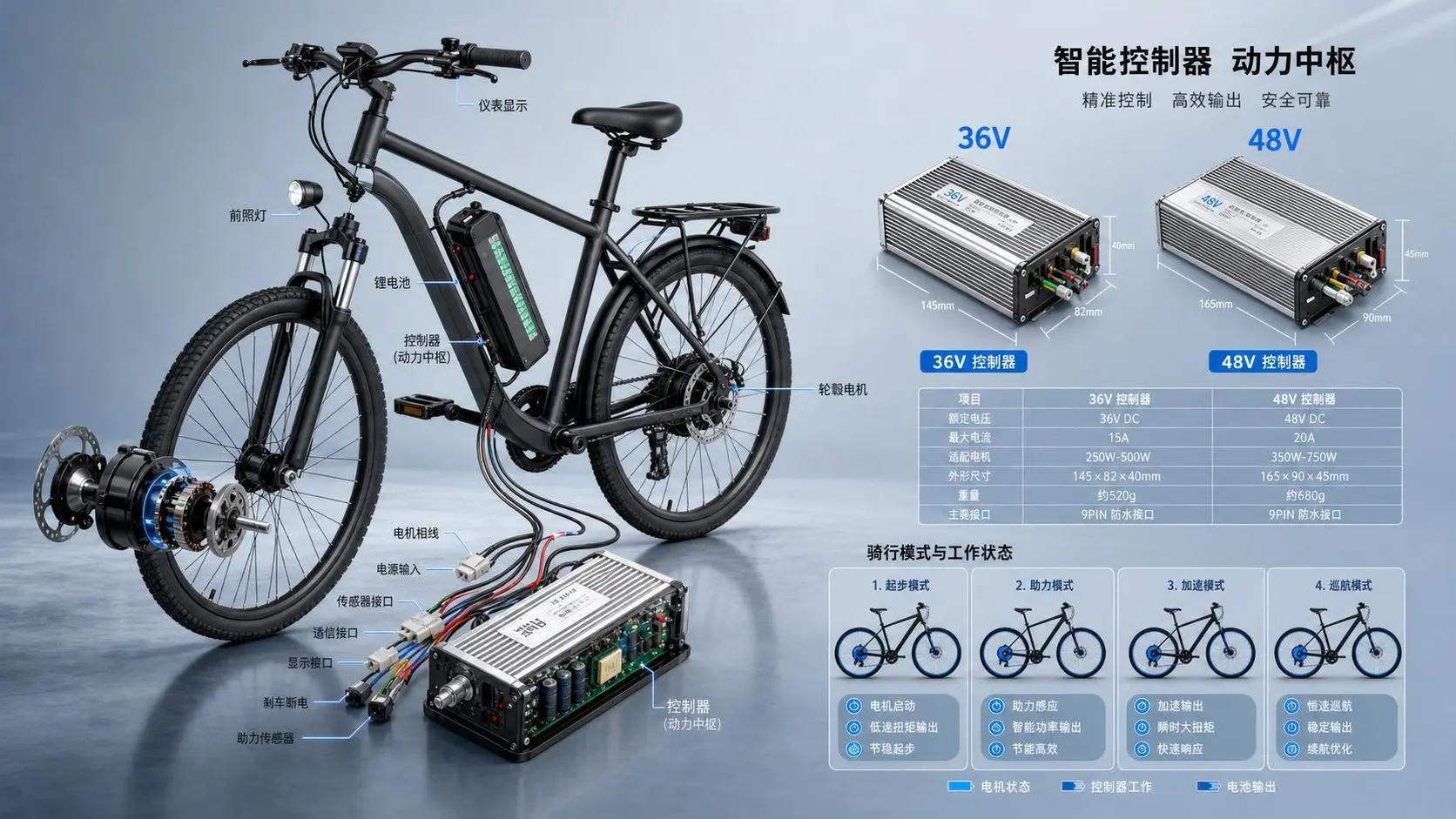
E Bike Controllers Explained: How to Match Voltage, Current, and Riding Mode
E bike controllers explained: learn how to match voltage, current, and riding mode for smoother power, safer compatibility, better efficiency, and more confident e-bike upgrades.
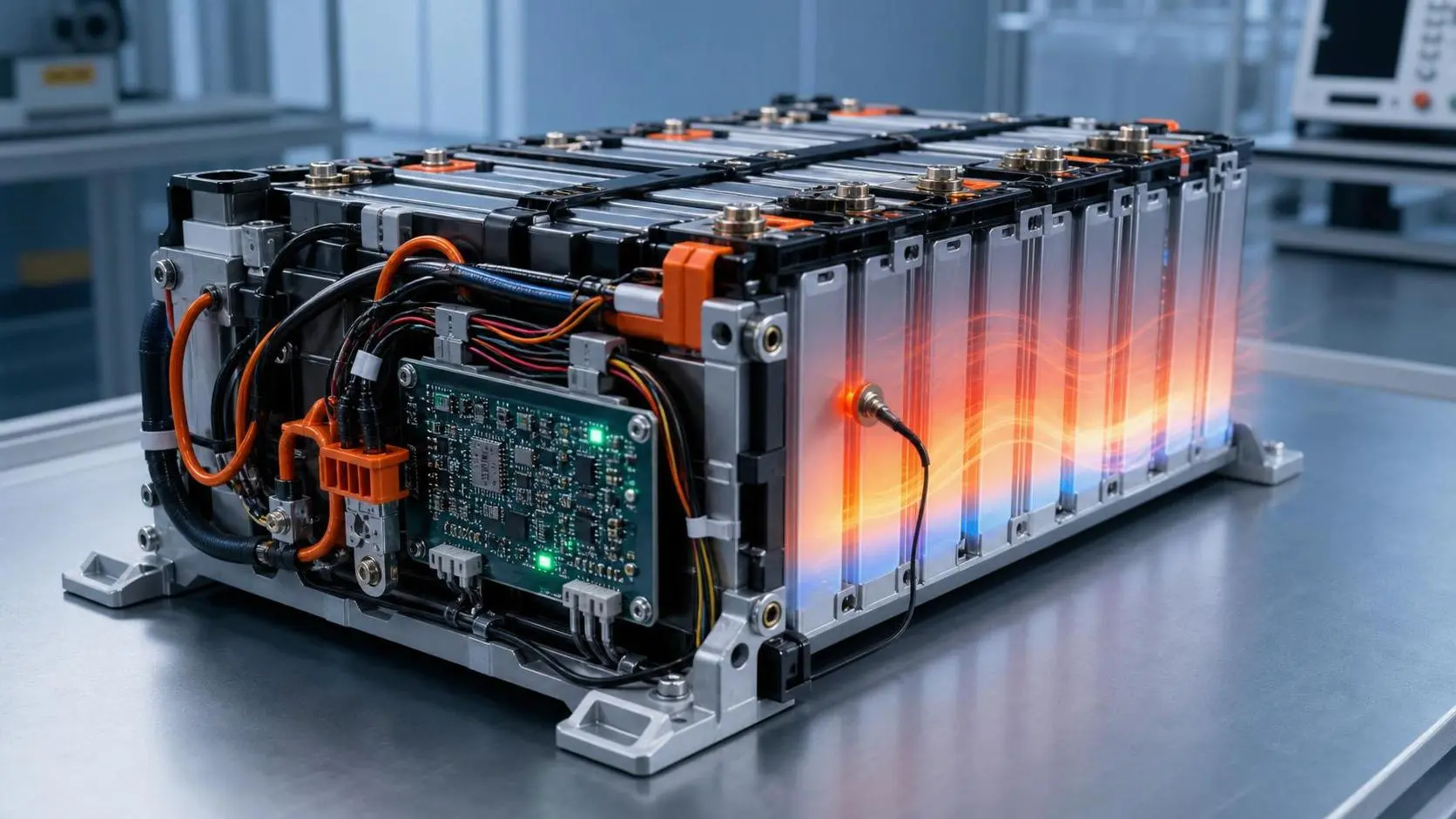
Battery Overheating Management in Light EVs: Causes, Sensors, and Control Strategies
Battery overheating management in light EVs: learn the main causes, key sensors, and proven control strategies to improve safety, reliability, and thermal compliance.
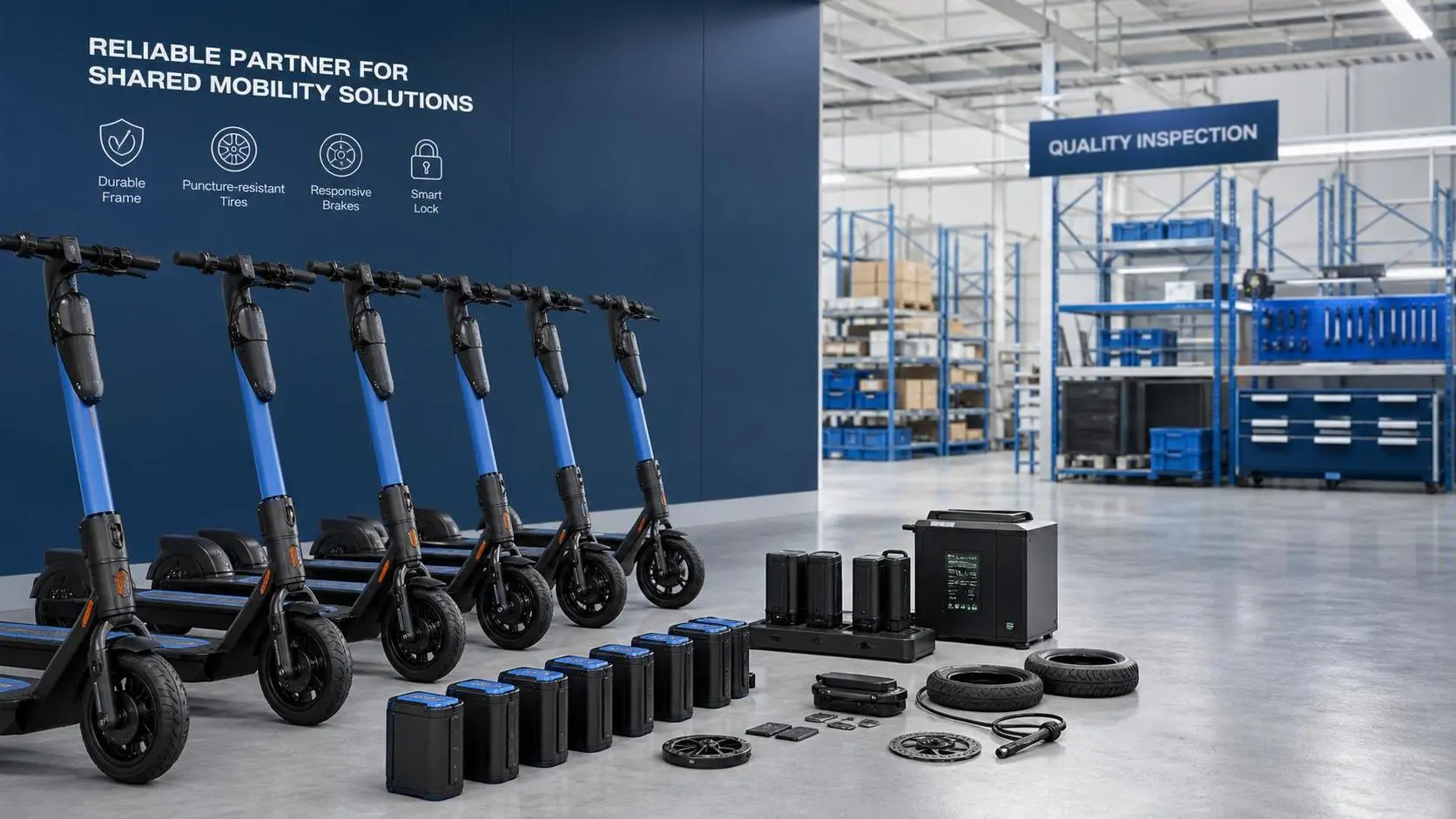
Shared Scooters Supplier Checklist: What to Compare Before Fleet Procurement
Shared scooters supplier checklist: compare total cost, durability, battery strategy, IoT, compliance, and support before fleet procurement to reduce risk and improve long-term ROI.
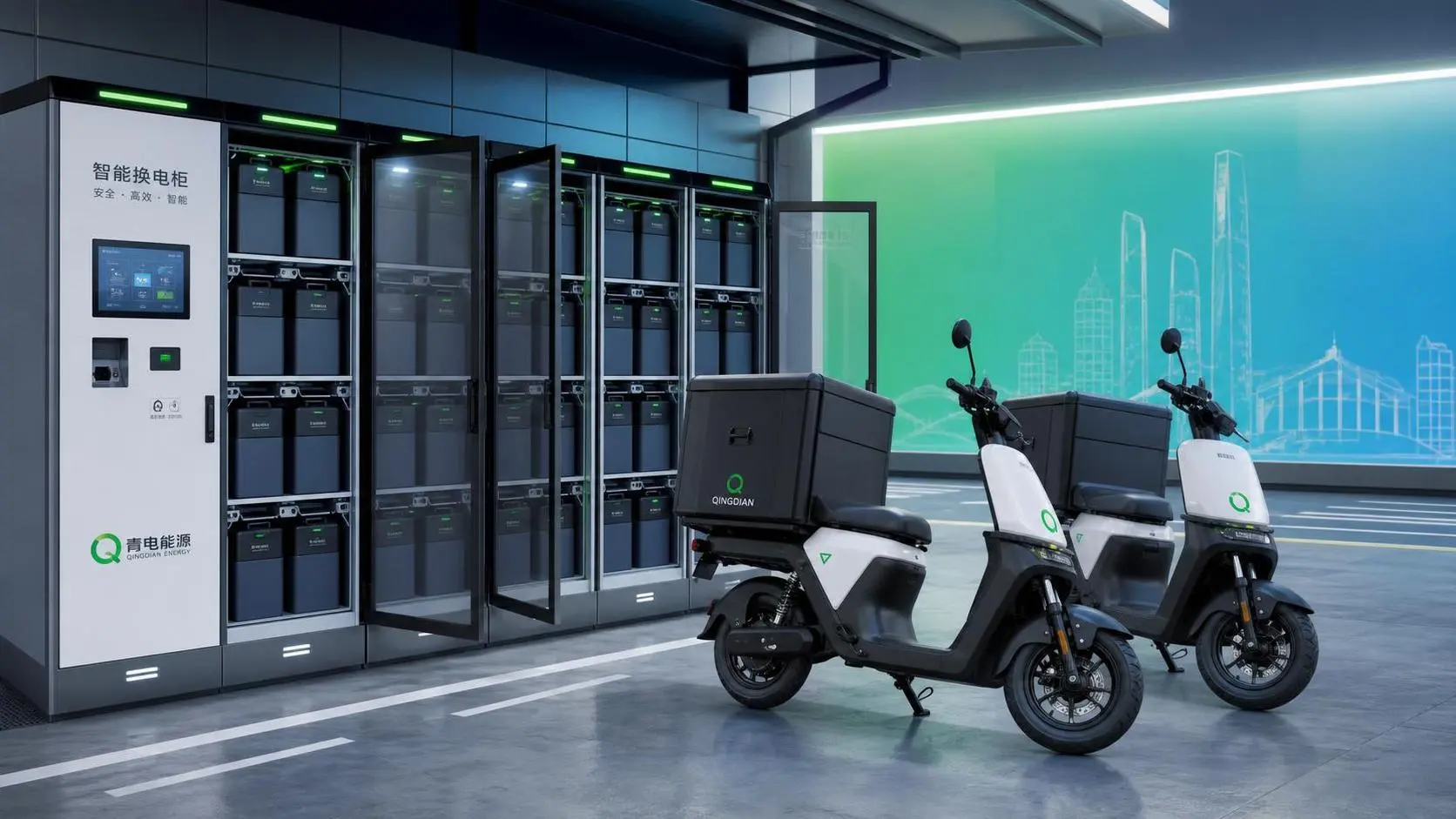
Battery-Swapping Networks for Motorcycles: Key Cost Drivers and Deployment Models
Battery-swapping networks motorcycles explained: explore key cost drivers, utilization risks, and deployment models shaping profitable electric two-wheeler infrastructure.
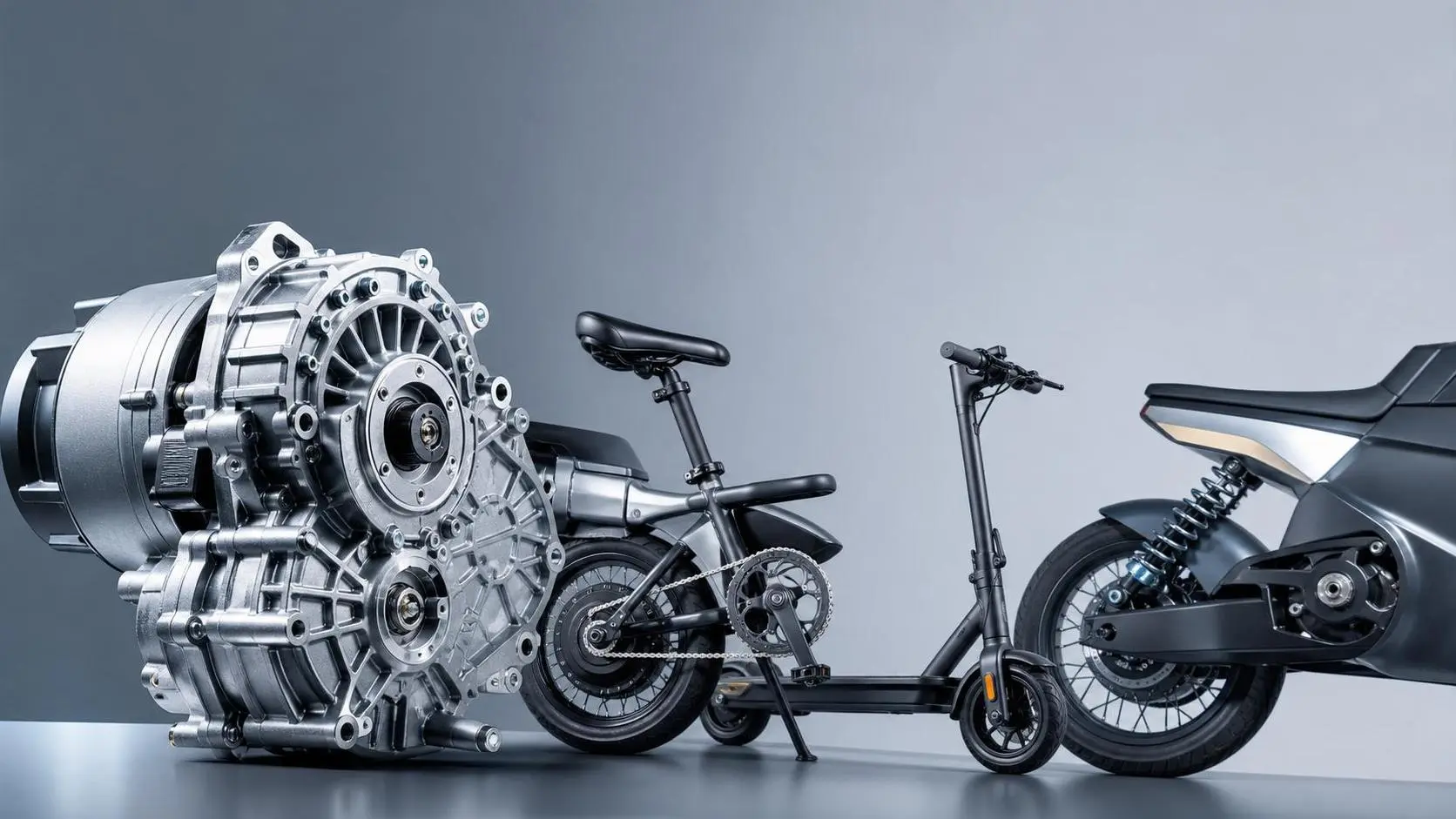
How to Choose an Electromechanical Transmission Manufacturer for E-Mobility Projects
Electromechanical transmission manufacturer selection can make or break e-mobility projects. Learn how to compare suppliers for performance, quality, compliance, and long-term value.
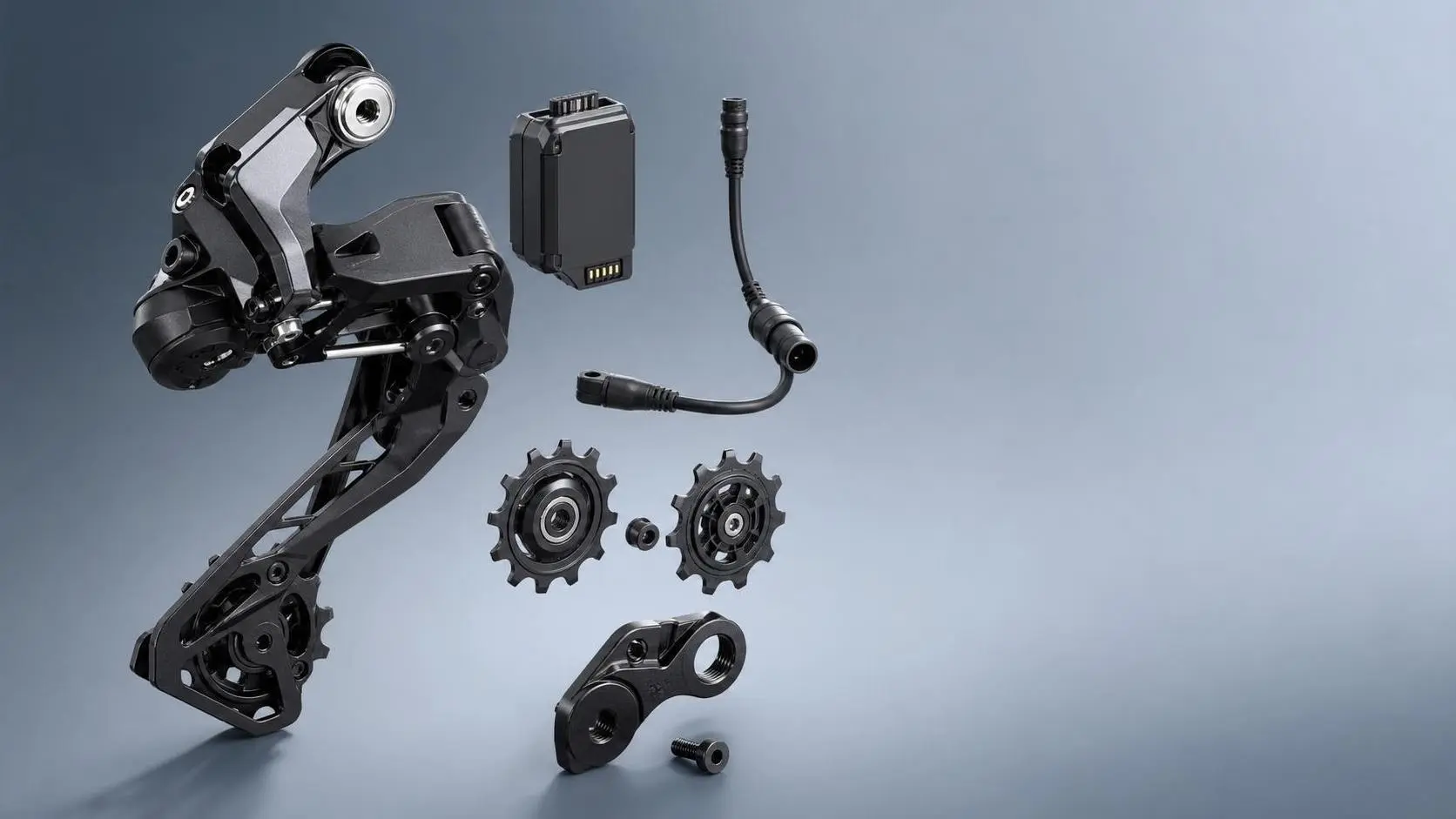
Electronic Derailleur Parts Guide: Compatibility, Wear Points, and Replacement Tips
Electronic derailleur parts guide covering compatibility, common wear points, and smart replacement tips. Learn how to diagnose issues faster, avoid mismatch errors, and improve shifting reliability.
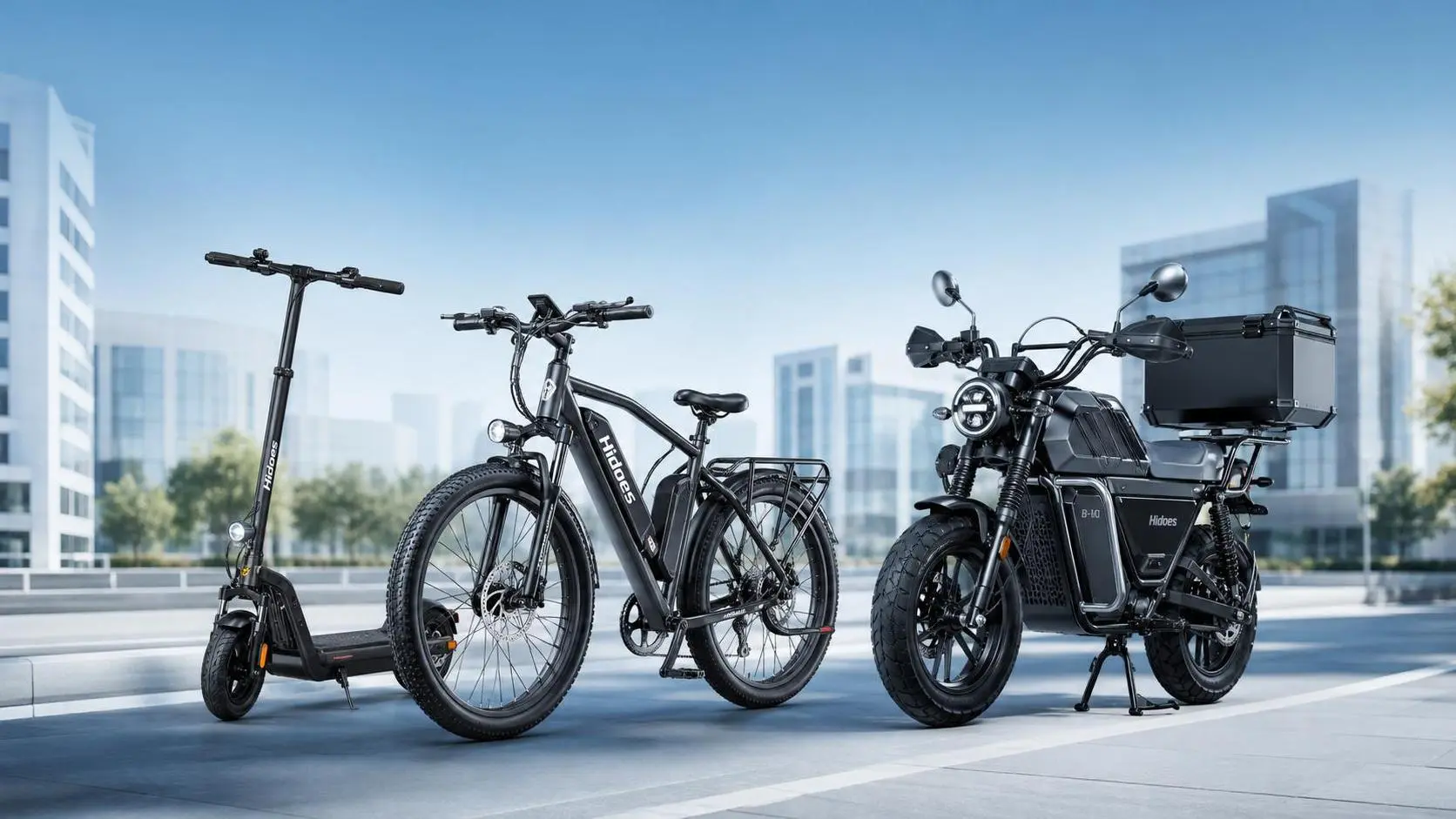
How to Choose Urban Mobility Devices for Shared Use, Campus Travel, or Delivery
Urban mobility devices for shared fleets, campus travel, or delivery require the right mix of safety, uptime, battery strategy, and serviceability—discover how to choose smarter.
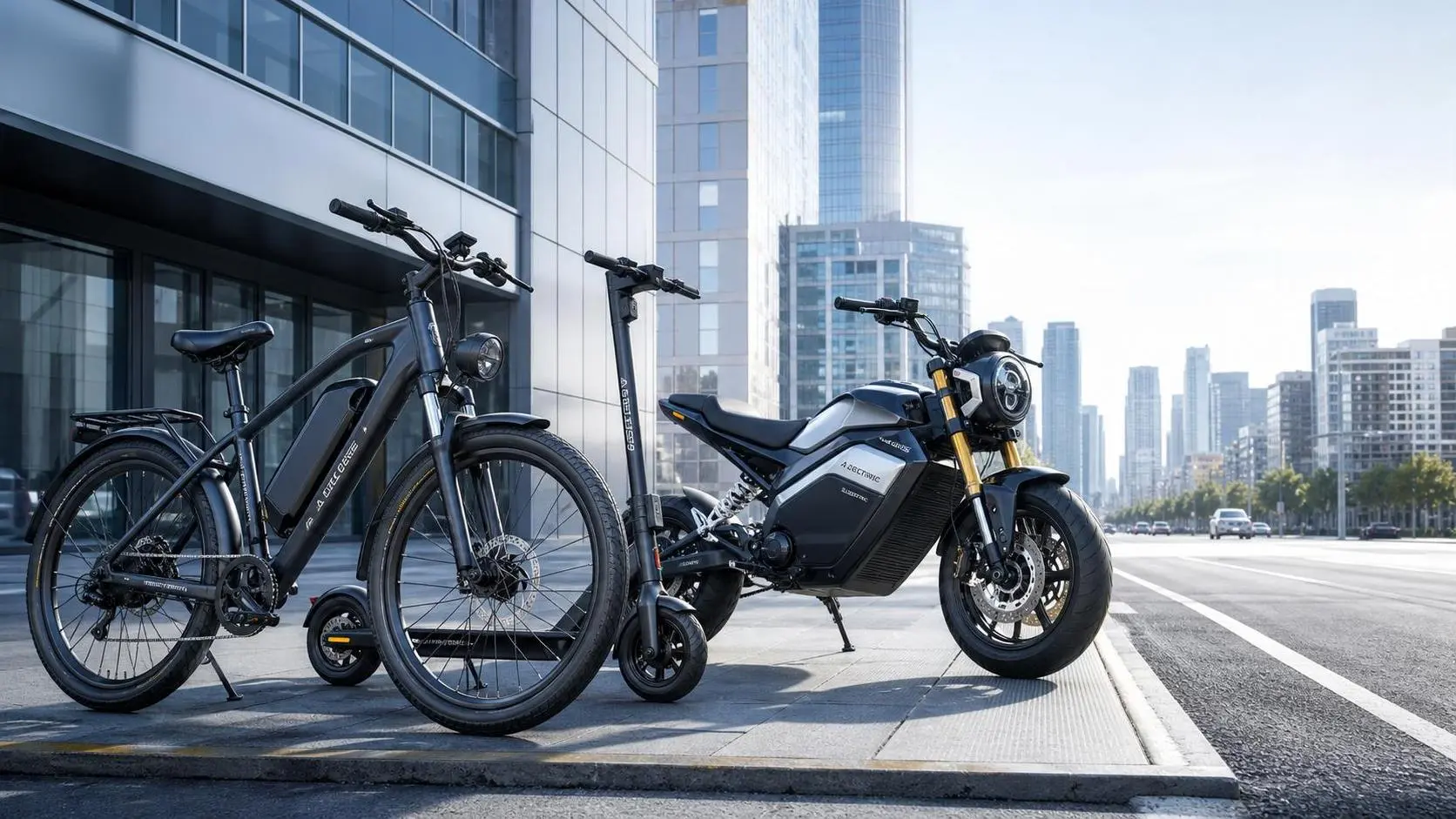
Micro Mobility USA Market: Key Regulations, Demand Signals, and Growth Segments
Micro mobility USA is entering a regulation-led growth phase. Explore key rules, demand signals, and top segments shaping e-bikes, scooters, and electric two-wheel opportunities.
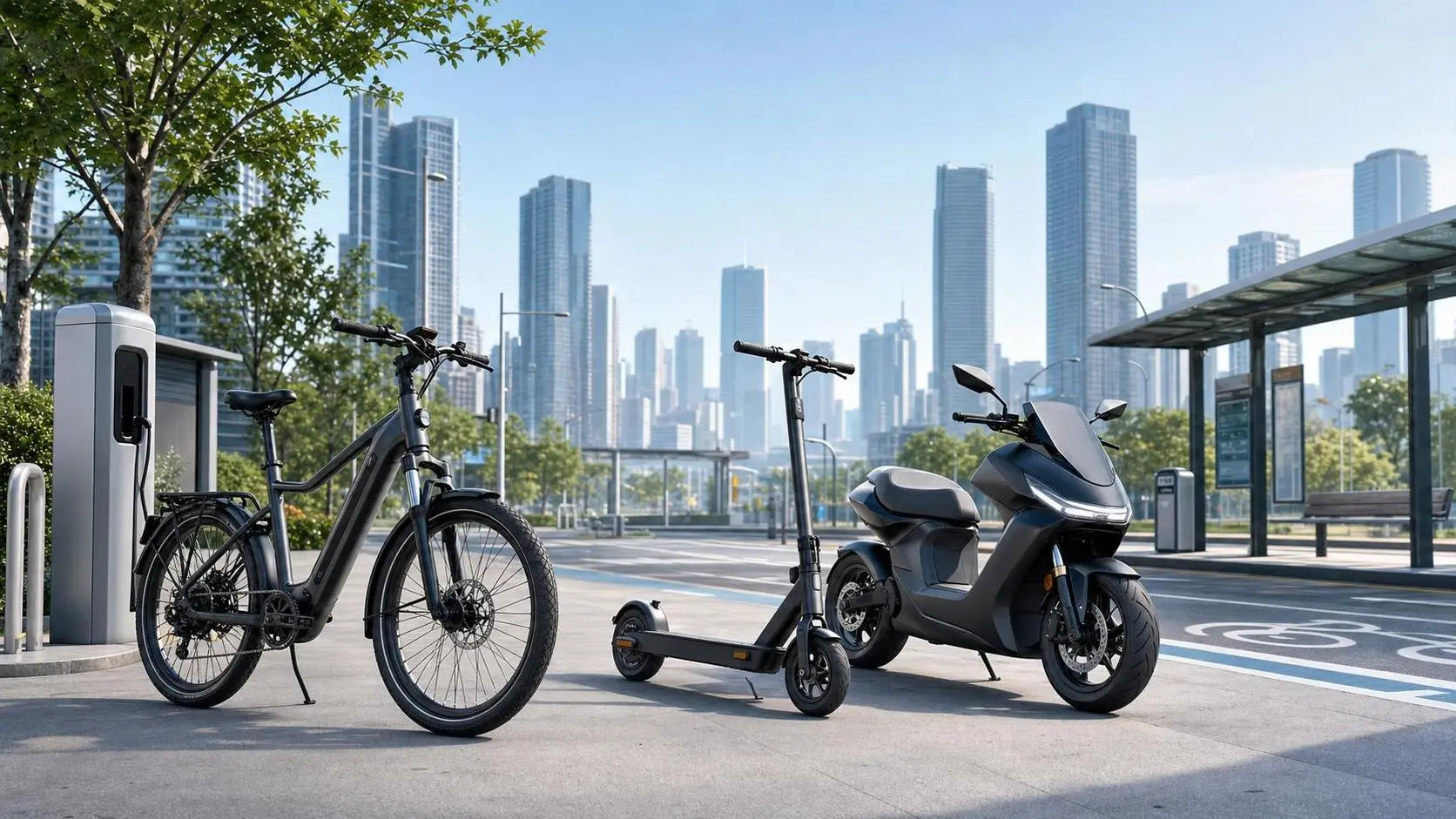
Clean Urban Transport Options Explained: Which Modes Fit Dense City Routes?
Clean urban transport explained for dense city routes—compare e-bikes, smart e-scooters, and e-motorcycles to find the best fit for speed, comfort, range, and city compliance.