
Related News
- 00
0000-00
How to Evaluate an Electronic Shifting Drivetrain for E-bikes: Compatibility, Response, and Maintenance - 00
0000-00
Wireless Electronic Shifting in North America: Compatibility, Standards, and Upgrade Limits - 00
0000-00
Electronic Derailleur Parts Guide: Compatibility, Wear Points, and Replacement Tips - 00
0000-00
Wireless Derailleur Shifting vs Mechanical: What Changes in Setup, Battery, and Shifting Feel? - 00
0000-00
Wireless Shifting vs Mechanical Drivetrains: Which Setup Fits Your Riding Needs?
Precision Drivetrain Architect
Weekly Insights
Stay ahead with our curated technology reports delivered every Monday.
When electromechanical transmission beats manual shifting





Manual shifting has long been trusted for its mechanical simplicity and rider control, but today’s electromechanical transmission systems are redefining precision.
Across e-bikes, high-speed e-motorcycles, and advanced bicycle drivetrains, electromechanical transmission changes how power, cadence, torque, and terrain response are managed.
The question is no longer whether automation can imitate manual input. It is where smart actuation delivers repeatable gains manual shifting cannot sustain.
Where electromechanical transmission starts beating manual shifting
Manual systems work well when load is predictable, rider fatigue is low, and gear changes are occasional.
Electromechanical transmission becomes stronger when conditions change quickly, power demand fluctuates, or multiple vehicle systems must coordinate in milliseconds.
In micro-mobility, the difference is practical. A late shift wastes battery energy, stresses chains, and interrupts acceleration.
A calibrated electromechanical transmission can read cadence, torque, speed, gradient, motor output, and battery state before selecting the next ratio.
That makes the system valuable in urban traffic, shared mobility, cargo movement, sport riding, and high-speed electric two-wheel applications.
Urban stop-start riding favors automated drivetrain decisions
City riding repeatedly compresses decision time. Traffic lights, pedestrians, curbs, and delivery stops create constant acceleration and deceleration.
Manual shifting often lags behind the riding situation. The rider may restart in a high gear after an unexpected stop.
Electromechanical transmission avoids this common mismatch by preselecting lower ratios during braking or when wheel speed drops sharply.
For commuter e-bikes, this improves launch smoothness and reduces peak motor current during the first pedal strokes.
The benefit is not only comfort. Lower current spikes support thermal stability and help protect battery management logic.
Core judgment points in city traffic
- Frequent stops make automatic downshifts more valuable.
- Short intersections reward faster ratio correction.
- Battery efficiency improves when launch torque is managed.
- Electromechanical transmission reduces drivetrain shock during restart.
Cargo e-bikes need torque protection more than rider preference
Cargo e-bikes carry variable payloads. A route may include flat lanes, ramps, bridges, and repeated curbside starts.
Manual shifting depends on anticipation. Heavy payloads punish hesitation because chain tension rises rapidly under poor gear selection.
Electromechanical transmission can limit shifts under extreme torque or time them when motor assistance briefly softens the load.
This coordination matters because drivetrain durability is a cost issue, not only a performance issue.
A well-integrated electromechanical transmission protects cassettes, chains, mid-drive motors, and hub interfaces from repeated overload events.
When cargo use clearly favors automation
- Payload changes several times per route.
- Routes include ramps, bridges, or underground parking exits.
- Maintenance cost is driven by drivetrain wear.
- Electromechanical transmission can coordinate motor cut and shift timing.
Performance bicycles benefit when cadence consistency matters
In sport riding, manual shifting is still valued for feel and direct control.
However, performance gaps appear when cadence must stay stable through rolling terrain, sprints, or fatigue.
Electromechanical transmission offers precise derailleur movement, repeatable indexing, and programmable shift logic across different riding modes.
Wireless electronic shifting also removes cable stretch, housing contamination, and mechanical friction from the control path.
The result is not simply faster shifting. It is more consistent shifting after rain, vibration, transport, and long-distance use.
Where manual still has a role
Manual shifting remains attractive for ultra-simple builds, low-cost maintenance, and remote touring where charging access is uncertain.
Yet electromechanical transmission is usually stronger when exact indexing and rapid multi-shift response are performance requirements.
High-speed e-motorcycles require system-level power coordination
High-speed electric motorcycles place shifting decisions inside a larger powertrain strategy.
Acceleration, regenerative braking, motor temperature, inverter behavior, and battery discharge limits must work as one control loop.
Manual shifting cannot always match that coordination, especially when torque arrives instantly and traction conditions change quickly.
Electromechanical transmission can support smoother torque transitions during acceleration, corner exit, or high-load climbing.
It also helps reduce rider workload when the machine demands attention to braking, lean angle, visibility, and road risk.
For this scenario, the value of electromechanical transmission depends heavily on calibration quality and sensor reliability.
Shared e-scooters and fleet devices prioritize consistency
Shared mobility vehicles face inconsistent user behavior. Some riders accelerate gently, while others overload brakes and drivetrains.
Although many scooters use simplified drivetrains, the same logic applies to electromechanical transmission in fleet-grade platforms.
Automation reduces dependency on skill. It can cap mechanical stress, stabilize launch behavior, and support predictive maintenance data.
For fleets, the winning metric is not maximum speed. It is uptime, component survival, and predictable energy consumption.
Electromechanical transmission therefore fits platforms where lifecycle cost matters more than traditional mechanical familiarity.
Scenario differences: what each application really needs
The table shows why electromechanical transmission should not be judged by one universal benchmark.
Each scenario demands a different balance of speed, protection, efficiency, weight, cost, and control transparency.
How to decide if electromechanical transmission is the better fit
A practical decision starts with the duty cycle. Count stops, gradients, average load, and shift frequency before comparing hardware.
Next, examine whether manual decisions regularly create energy waste, chain shock, cadence gaps, or thermal stress.
If those problems appear often, electromechanical transmission deserves serious evaluation, even when manual shifting seems cheaper.
Recommended evaluation checklist
- Map real routes instead of relying on laboratory assumptions.
- Measure current spikes during launch and climbing.
- Track chain wear, cassette wear, and derailleur alignment drift.
- Compare shift quality after rain, dust, vibration, and temperature variation.
- Confirm fail-safe behavior when sensors, batteries, or actuators degrade.
The strongest cases for electromechanical transmission usually combine energy savings with reduced maintenance and improved control consistency.
Common mistakes when comparing automation with manual shifting
The first mistake is comparing only shift speed. Speed matters, but poor timing can still damage efficiency.
The second mistake is ignoring calibration. Electromechanical transmission performs well only when sensors and control software match the vehicle purpose.
The third mistake is treating battery use as a drawback without measuring net energy impact.
Actuators consume power, but better gear selection may reduce motor strain by more than the system consumes.
The fourth mistake is overlooking weather and interference. Wireless systems need robust protocols and stable communication under dense urban conditions.
The fifth mistake is assuming manual simplicity always lowers lifetime cost. Frequent mis-shifts can quietly raise service expense.
What UMMS tracks in electromechanical transmission intelligence
UMMS follows electromechanical transmission through the wider lens of low-carbon, connected, two-wheel mobility.
The focus includes e-bike drive units, wireless electronic shifting, smart scooter control modules, and high-speed e-motorcycle powertrain coordination.
Relevant signals include anti-interference protocols, actuator durability, battery management interaction, thermal models, and drivetrain service data.
This intelligence helps separate meaningful electromechanical transmission upgrades from features that add complexity without measurable scenario value.
Action path: turn scenario evidence into drivetrain decisions
Start with the route, load, and user pattern. Then define the failure mode manual shifting cannot reliably prevent.
If the issue is restart efficiency, prioritize automatic downshift logic and motor-current smoothing.
If the issue is drivetrain wear, prioritize torque-aware shift inhibition and controlled motor assistance reduction.
If the issue is performance consistency, prioritize indexing precision, wireless reliability, and configurable shift maps.
If the issue is high-speed torque coordination, prioritize integration between transmission control, inverter strategy, and battery protection.
Electromechanical transmission beats manual shifting when the riding environment demands repeatable decisions faster than human attention can provide.
For micro-mobility systems, that advantage is becoming central to efficiency, reliability, and smarter urban movement.
Related News
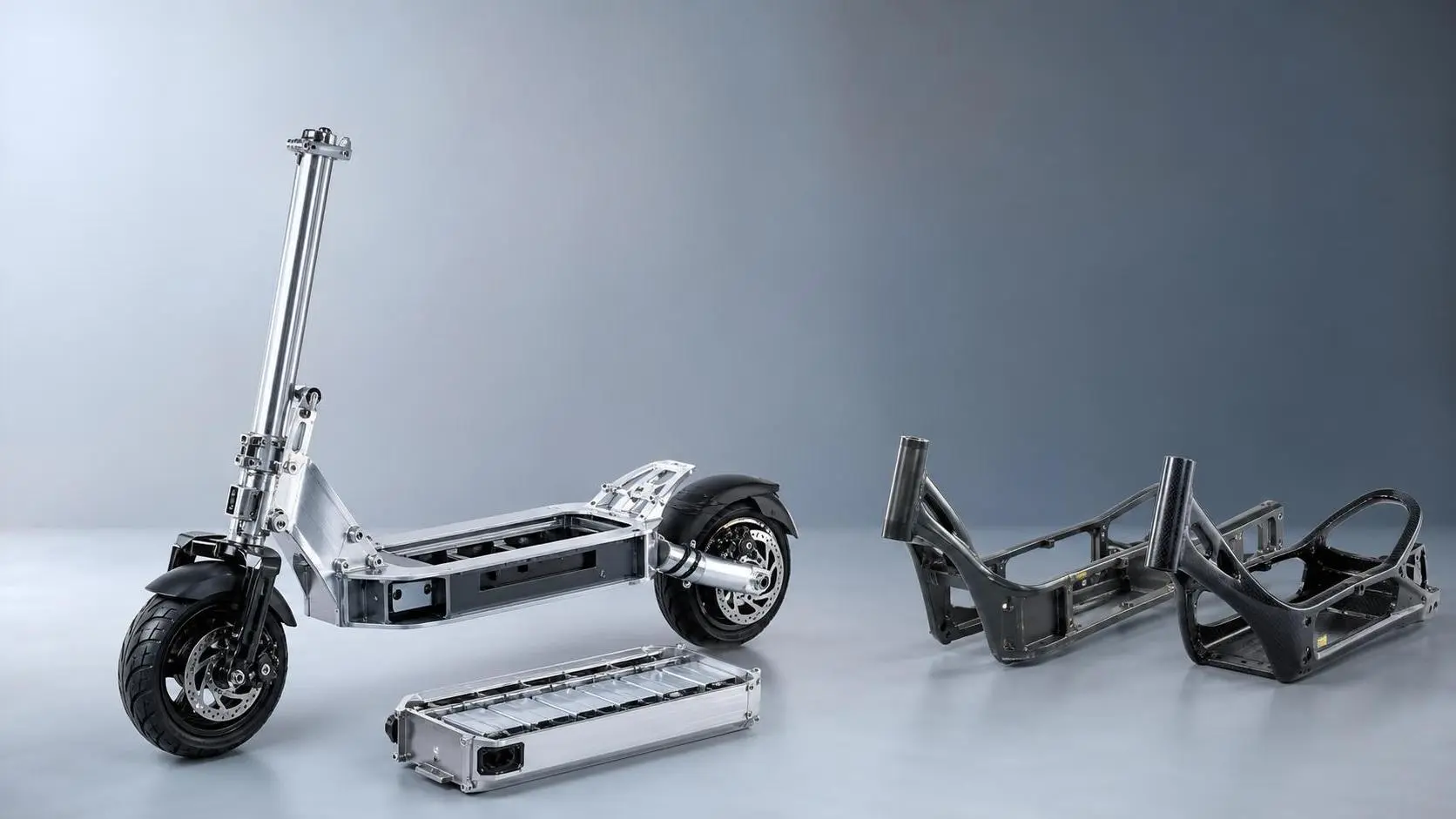
How to Choose Lightweight Scooter Frames in Europe: Materials, Standards, and Use Cases
Lightweight scooter frames Europe buyers need should balance materials, EN standards, durability, and real use cases. Discover how to choose safer, smarter, compliant frames.
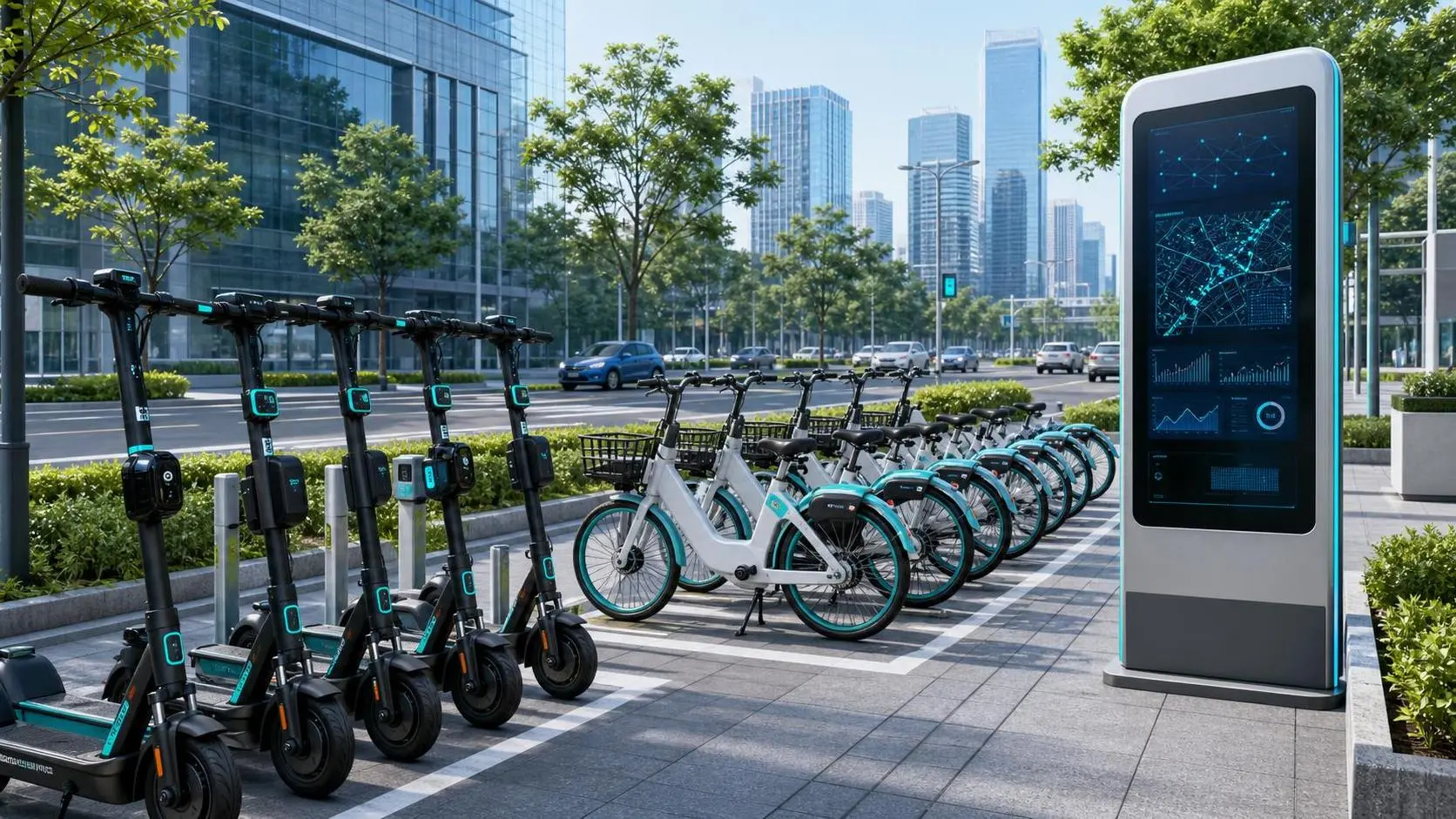
What Is the Intellectualization of Mobility Platform and How Is It Applied in Shared Fleets?
Intellectualization of mobility platform is reshaping shared fleets with real-time data, predictive maintenance, and smarter compliance—learn how it boosts safety, uptime, and urban mobility efficiency.
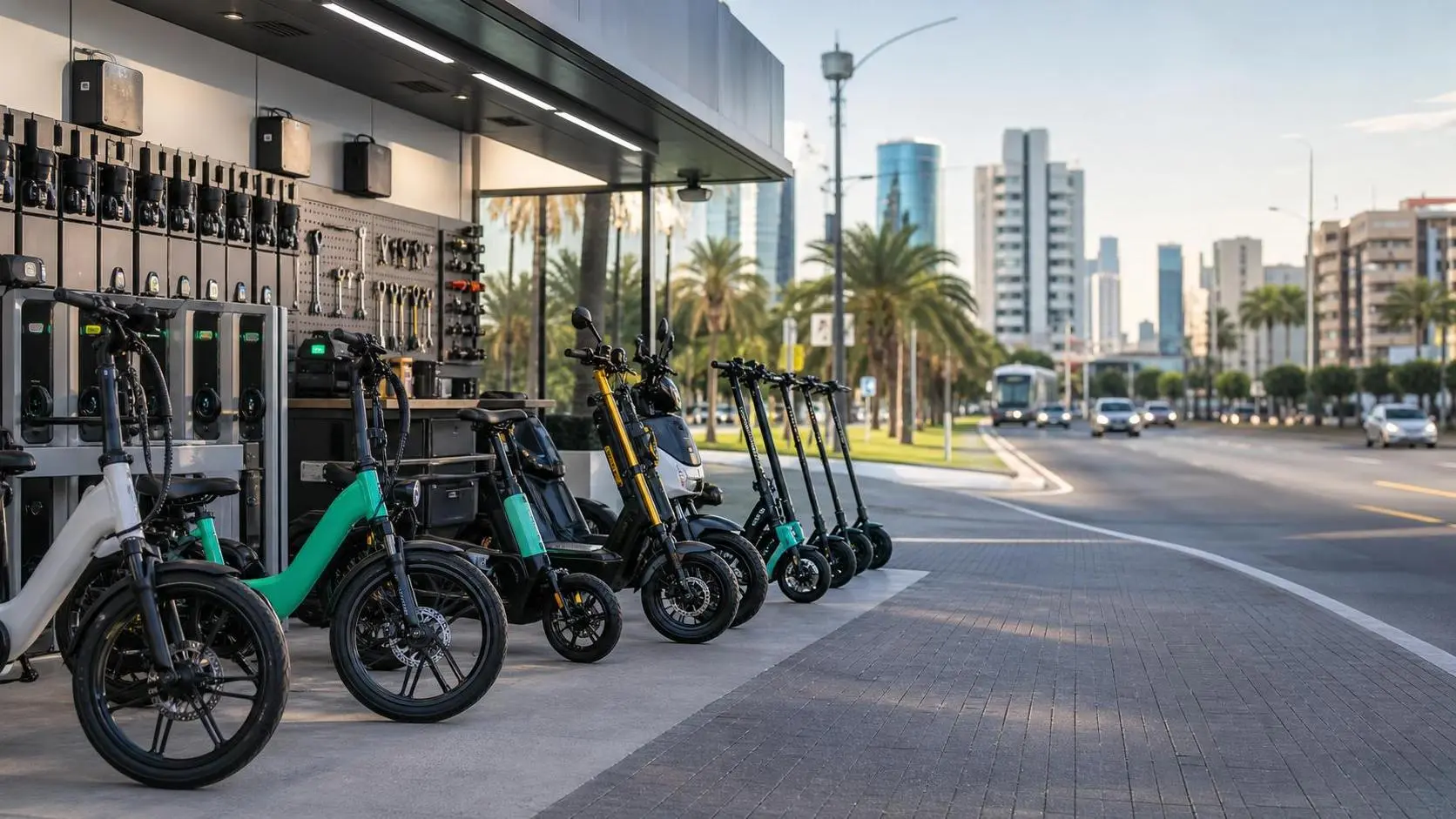
Urban Micro-Mobility Systems in Latin America: Key Market Drivers, Barriers, and Growth Segments
Urban micro-mobility systems Latin America are reshaping city transport. Explore key drivers, barriers, and high-growth segments to spot the region’s most investable opportunities.
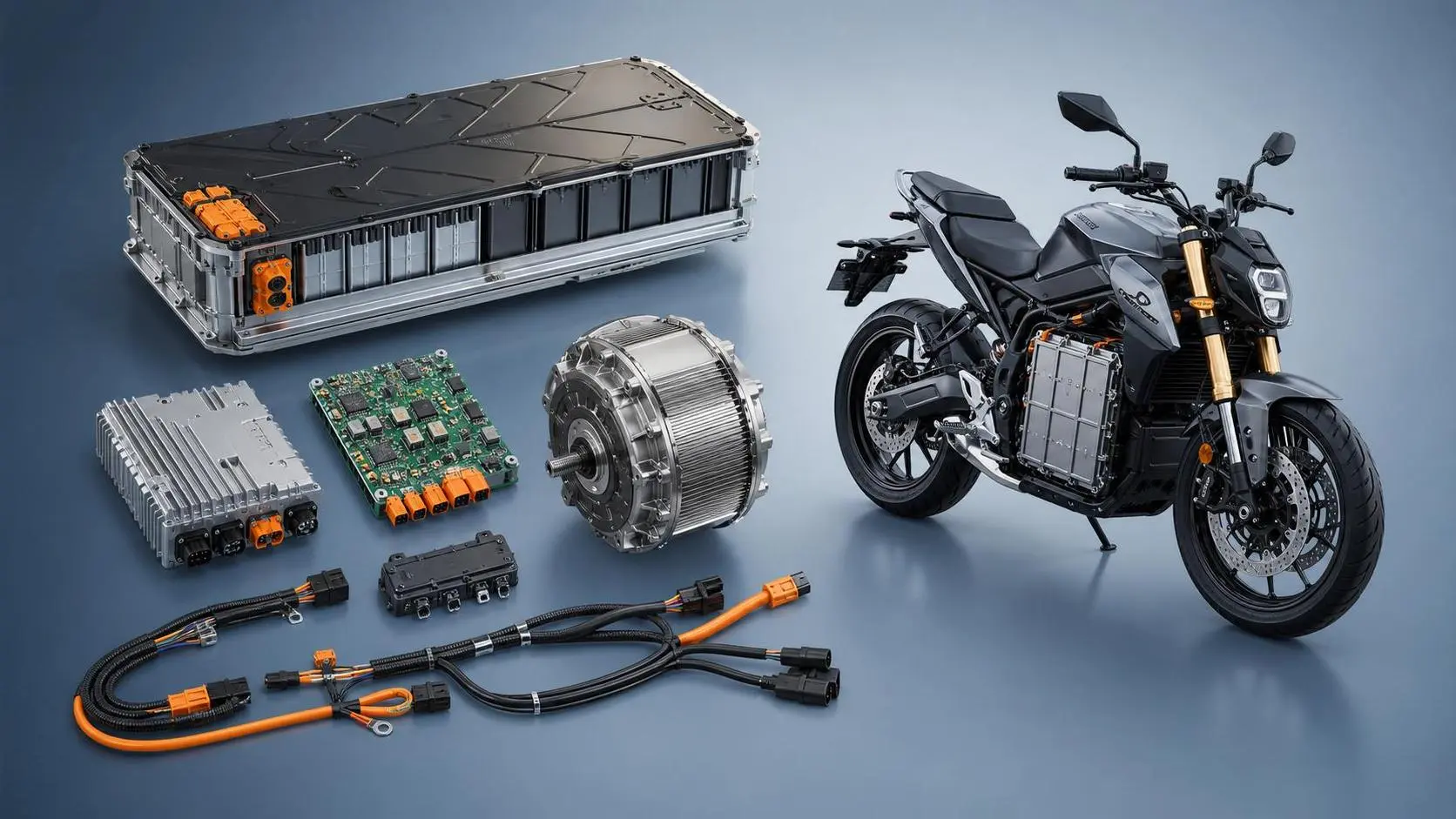
Electric Motorcycle Systems Price Breakdown: What Affects Cost From Battery to Controller?
Electric motorcycle systems price explained: see how battery, controller, motor, BMS, and wiring affect total cost, reliability, and sourcing value before you buy.
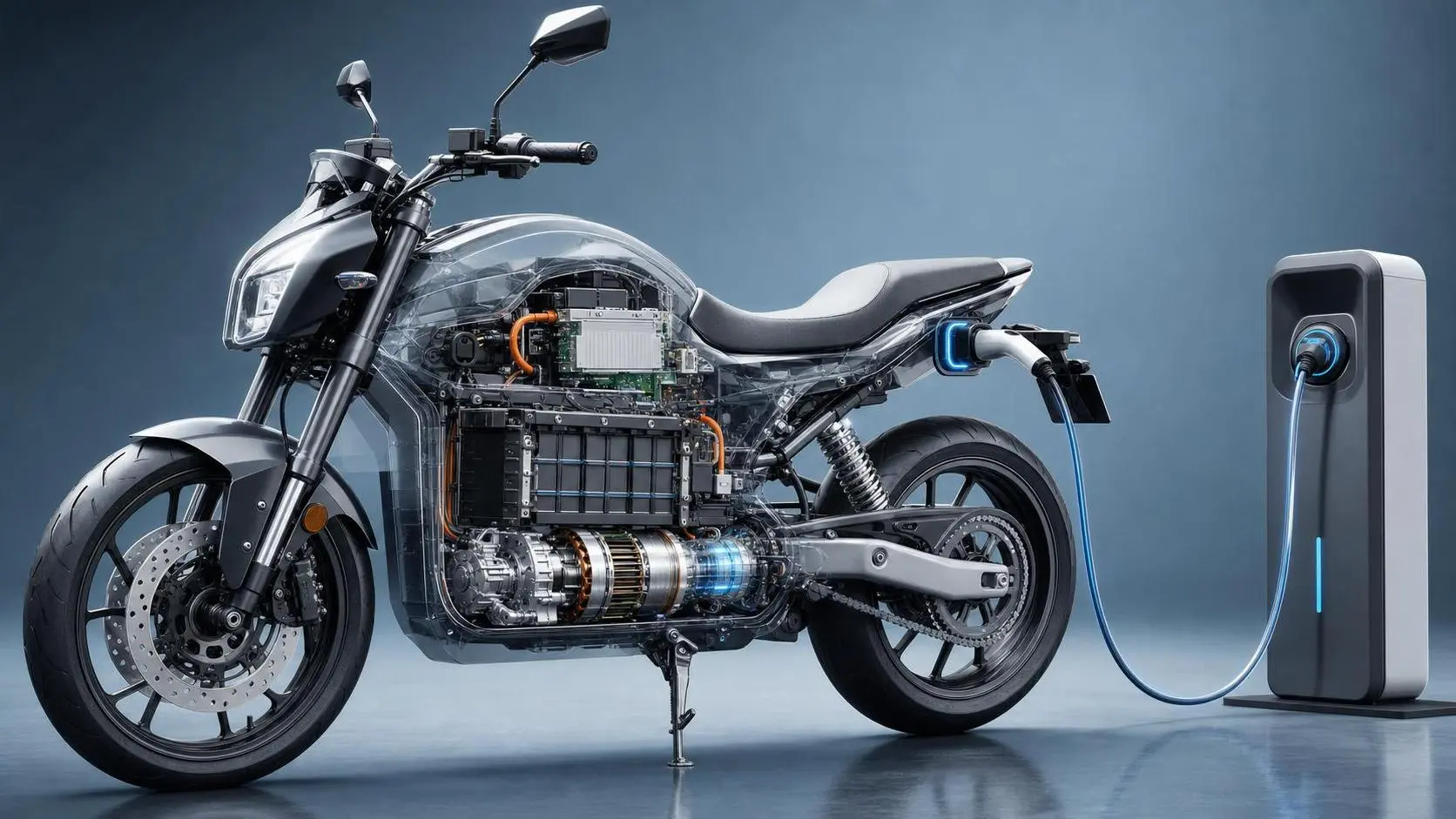
72V Electric Motorcycle Technology Explained: Motors, Controllers, Range, and Charging
Electric motorcycle technology 72V explained clearly: compare motors, controllers, range, battery design, and charging to choose a smoother, stronger, and smarter electric ride.
Where LED Urban Visibility Safety Systems Fit Best in Shared Scooters and City E-bikes
LED urban visibility safety systems deliver the most value in shared scooters and city e-bikes by improving multi-angle safety, fleet durability, and urban compliance across real-world routes.
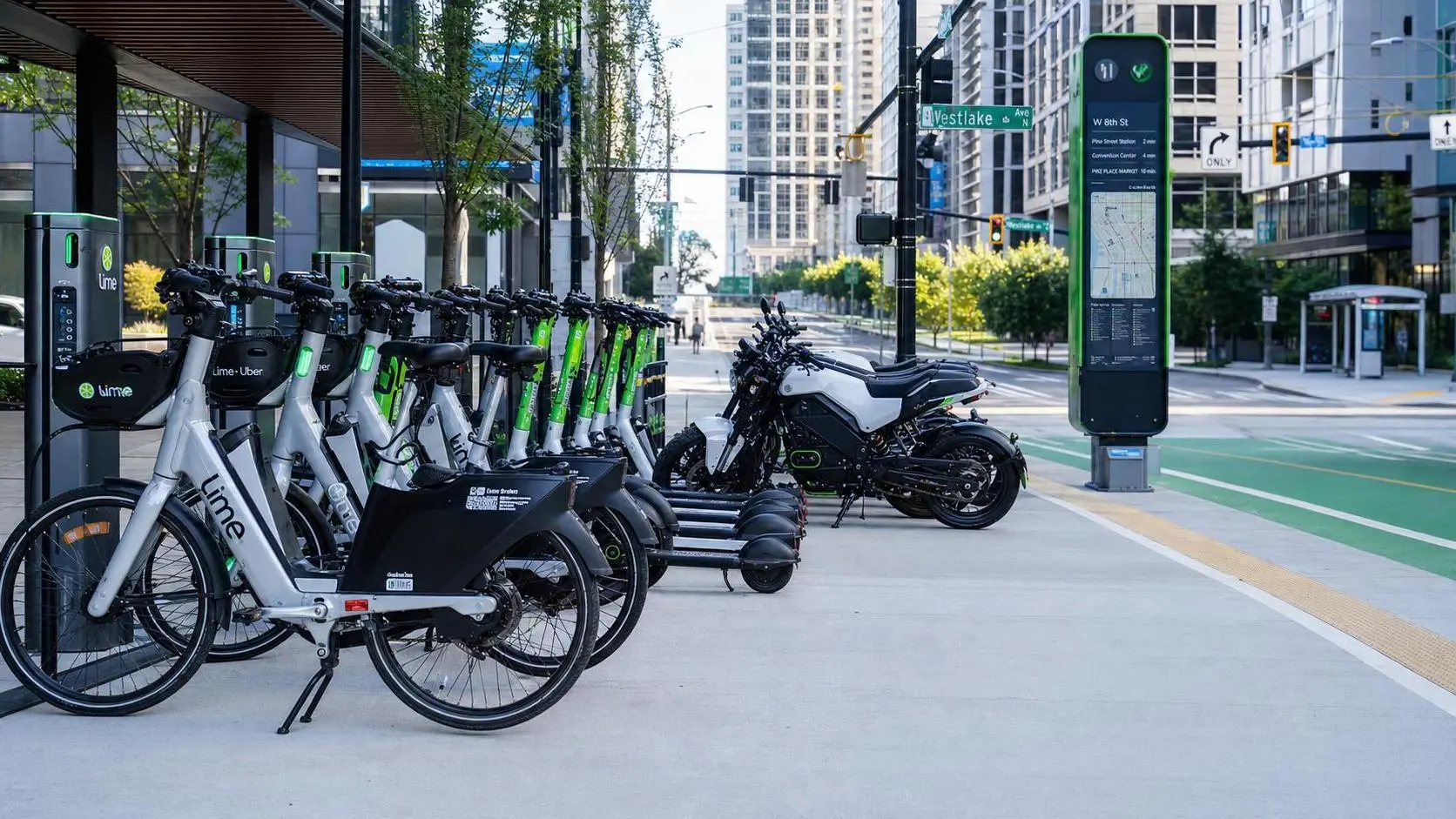
Intellectualization of Mobility in North America: What Is Driving Adoption Across Urban Transport?
Intellectualization of mobility North America is reshaping urban transport through data, smart fleets, and battery intelligence. Explore what is driving adoption and why cities and operators are accelerating now.
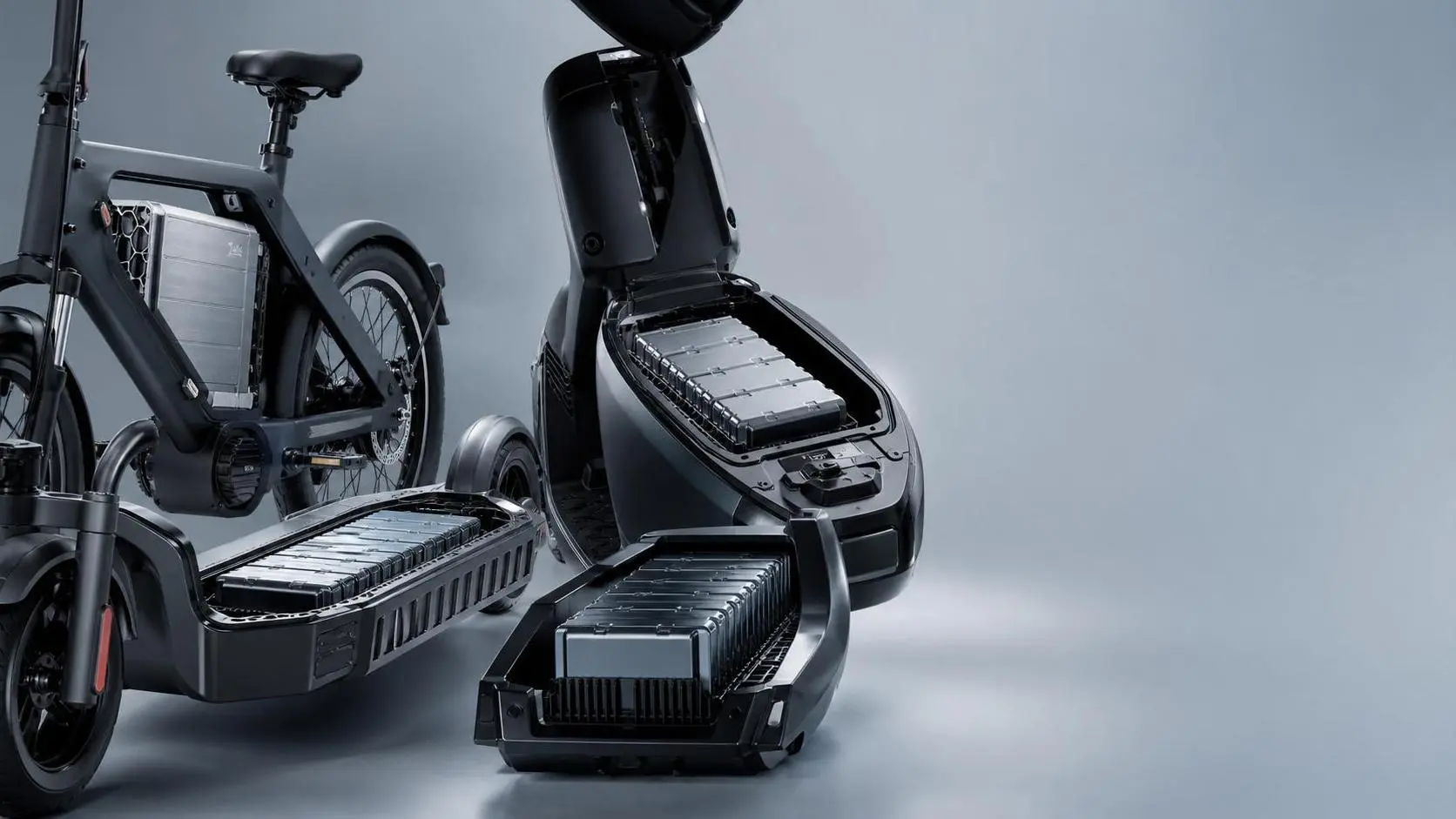
How to Choose a Compact Battery Pack: Size, Energy Density, Thermal Design, and Cycle Life
Compact battery pack selection starts with more than size. Learn how energy density, thermal design, and cycle life shape range, safety, and long-term value.
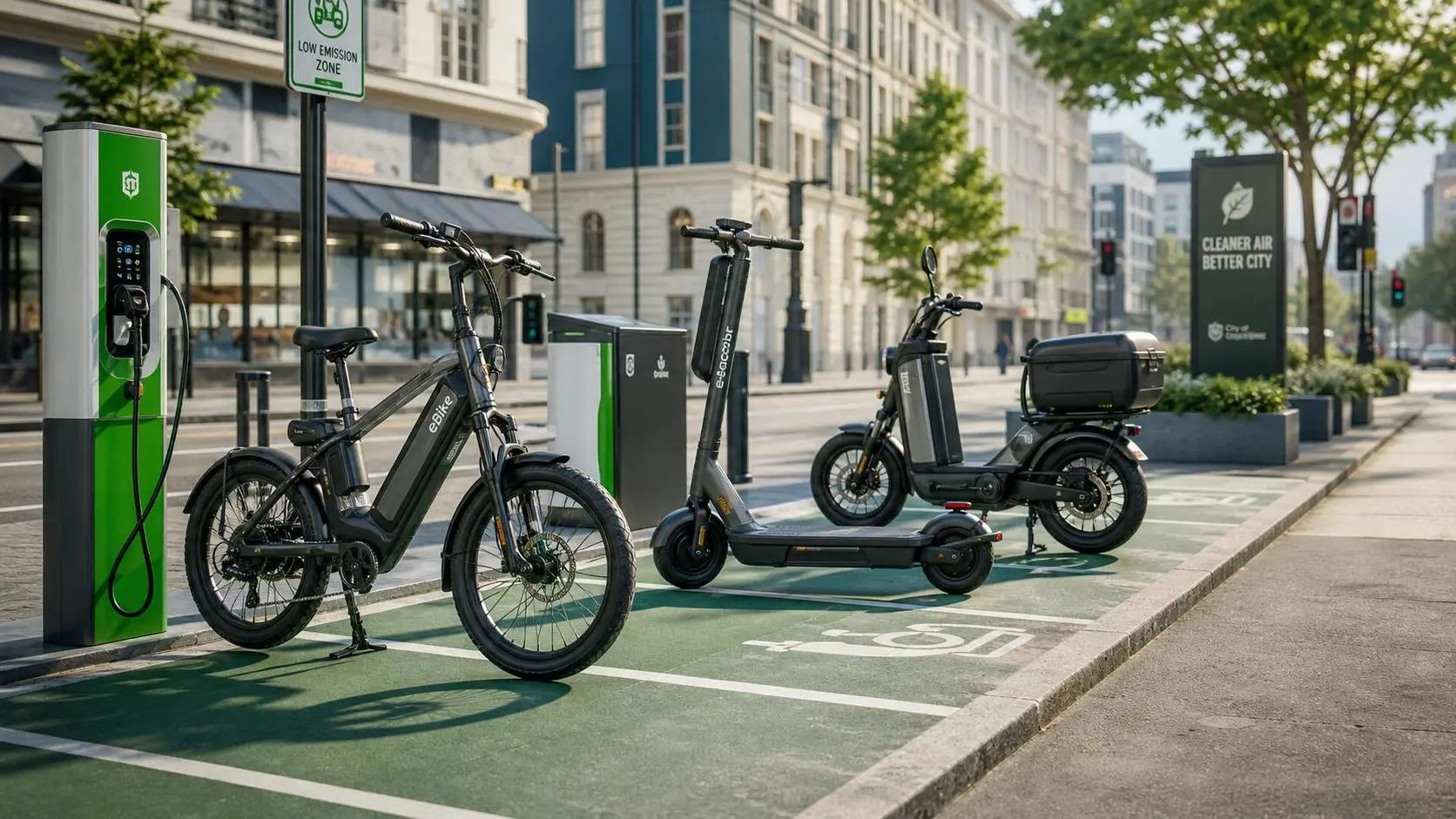
What Is Driving Green Two-wheelers Demand in Europe? Policy, Fuel Costs, and Buyer Segments
Green two-wheelers demand Europe is rising as policy support, fuel cost pressure, and diverse buyer segments reshape urban mobility. Explore the trends driving the next growth wave.