
Related News
- 00
0000-00
How to Evaluate an Electronic Shifting Drivetrain for E-bikes: Compatibility, Response, and Maintenance - 00
0000-00
Wireless Electronic Shifting in North America: Compatibility, Standards, and Upgrade Limits - 00
0000-00
Electronic Derailleur Parts Guide: Compatibility, Wear Points, and Replacement Tips - 00
0000-00
Wireless Derailleur Shifting vs Mechanical: What Changes in Setup, Battery, and Shifting Feel? - 00
0000-00
Wireless Shifting vs Mechanical Drivetrains: Which Setup Fits Your Riding Needs?
Precision Drivetrain Architect
Weekly Insights
Stay ahead with our curated technology reports delivered every Monday.
Wireless Shifting vs Mechanical Drivetrains: Which Setup Fits Your Riding Needs?





Wireless Shifting vs Mechanical Drivetrains: Which Setup Fits Your Riding Needs?
Choosing between wireless shifting and a traditional mechanical drivetrain can shape everything from ride feel to maintenance costs.
For commuting, training, weekend riding, or racing, the best answer depends on priorities, not hype.
Some riders want instant shifts and a cleaner cockpit.
Others care more about low cost, easy repairs, and dependable performance in rough weather.
This guide compares wireless shifting and mechanical drivetrains in practical terms, so the decision feels clearer before you buy or upgrade.
What Wireless Shifting Actually Changes
Wireless shifting replaces shift cables with electronic signals.
When you press a button, the derailleur moves by motor rather than cable tension.
That change sounds small, but it affects setup, shifting feel, maintenance habits, and long-term cost.
Mechanical drivetrains still use levers, housing, and cables.
They remain common because they work well, parts are widely available, and many riders trust their simplicity.
So the real question is not whether wireless shifting is modern.
The question is whether its advantages matter enough for your riding style.
Shift Feel and Riding Experience
This is where wireless shifting usually wins attention first.
Shifts often feel sharp, consistent, and light at the controls.
There is no cable friction building up over time.
That matters most on performance bikes, gravel bikes, and premium e-bikes using precision drivetrain systems.
Mechanical drivetrains can still feel excellent when set up correctly.
In fact, a good mechanical groupset often feels more than good enough for daily riders.
The difference becomes more noticeable under load, during fast gear changes, or after months of use.
If you are sensitive to drivetrain precision, wireless shifting can feel impressively repeatable.
Best fit for ride feel
- Choose wireless shifting for smoother button actuation and highly consistent shift performance.
- Choose mechanical drivetrains if you like direct lever feedback and do not need electronic precision.
Setup, Maintenance, and Reliability
Here the comparison gets more nuanced.
Wireless shifting removes cable stretch, corrosion inside housing, and many adjustment issues linked to dirty routing.
That often means fewer tune-ups once everything is installed correctly.
But electronic systems add battery management.
You must keep derailleur batteries charged and occasionally update firmware, depending on the brand.
Mechanical drivetrains need more periodic adjustment, especially after cable wear or muddy riding.
Still, they are easier to understand for home mechanics and easier to repair with basic tools.
For remote touring or everyday utility bikes, that simplicity stays valuable.
Reliability in the real world
- Wireless shifting handles routine wet rides well, but dead batteries can stop shifting completely.
- Mechanical drivetrains usually degrade gradually, giving warning before performance drops badly.
- For riders who forget charging tasks, mechanical remains the safer low-stress option.
Cost: Upfront Price vs Long-Term Value
Budget often decides this comparison before anything else.
Wireless shifting usually costs significantly more at purchase.
The derailleurs, shifters, batteries, and compatible components push prices into premium territory.
Mechanical drivetrains cover a much wider price range.
That makes them easier to match with entry-level bikes, commuter builds, and cost-conscious upgrades.
From a value perspective, wireless shifting makes the most sense when you will actually use its benefits often.
Frequent climbing, interval training, racing, and high-mileage riding can justify the spend more easily.
For casual miles, the performance gain may feel nice but not necessary.
Which Setup Works Best by Riding Scenario?
The best drivetrain choice becomes easier when you match it to actual use.
Urban commuting
Mechanical drivetrains usually make more sense for daily city use.
They are affordable, familiar to service shops, and less stressful if the bike lives outside sometimes.
Wireless shifting still fits premium commuter bikes, especially when cleaner integration matters.
Fitness and weekend rides
This is the middle ground.
If you enjoy gear feel and smooth upgrades, wireless shifting can be very satisfying.
If your rides are steady and practical, mechanical drivetrains still deliver excellent value.
Road performance and racing
Wireless shifting often earns its keep here.
Fast, repeatable gear changes help when pace changes quickly or fatigue sets in.
Small gains matter more in this category.
Gravel and adventure riding
Both systems work, but the decision depends on support access.
Wireless shifting helps avoid cable contamination from grit and mud.
Mechanical drivetrains remain attractive for long trips where roadside fixes matter more than premium feel.
Questions to Ask Before You Choose
A smart buying decision starts with honest use patterns.
- How often will you ride each week?
- Do you enjoy charging and managing electronic components?
- Will you notice finer shift precision during your typical rides?
- Is repair access easy where you live or travel?
- Would the budget difference improve wheels, tires, or braking more meaningfully?
That last point matters more than many buyers expect.
Sometimes the best upgrade is not wireless shifting at all.
A better bike fit, better tires, or better brakes may change your riding more dramatically.
Final Verdict: Wireless Shifting or Mechanical?
Choose wireless shifting if you want premium control, cleaner integration, and consistently crisp performance.
It suits riders who value precision, ride often, and accept higher upfront cost.
Choose a mechanical drivetrain if you want strong value, easier service, and fewer electronic dependencies.
It remains the practical choice for many commuters, casual riders, and budget-focused builds.
In the end, wireless shifting is not automatically better.
It is better only when its benefits match your terrain, habits, expectations, and budget.
If you are deciding between two bikes, compare the whole package first, then judge the drivetrain.
That approach usually leads to the smartest choice, and a bike you will enjoy riding longer.
Related News
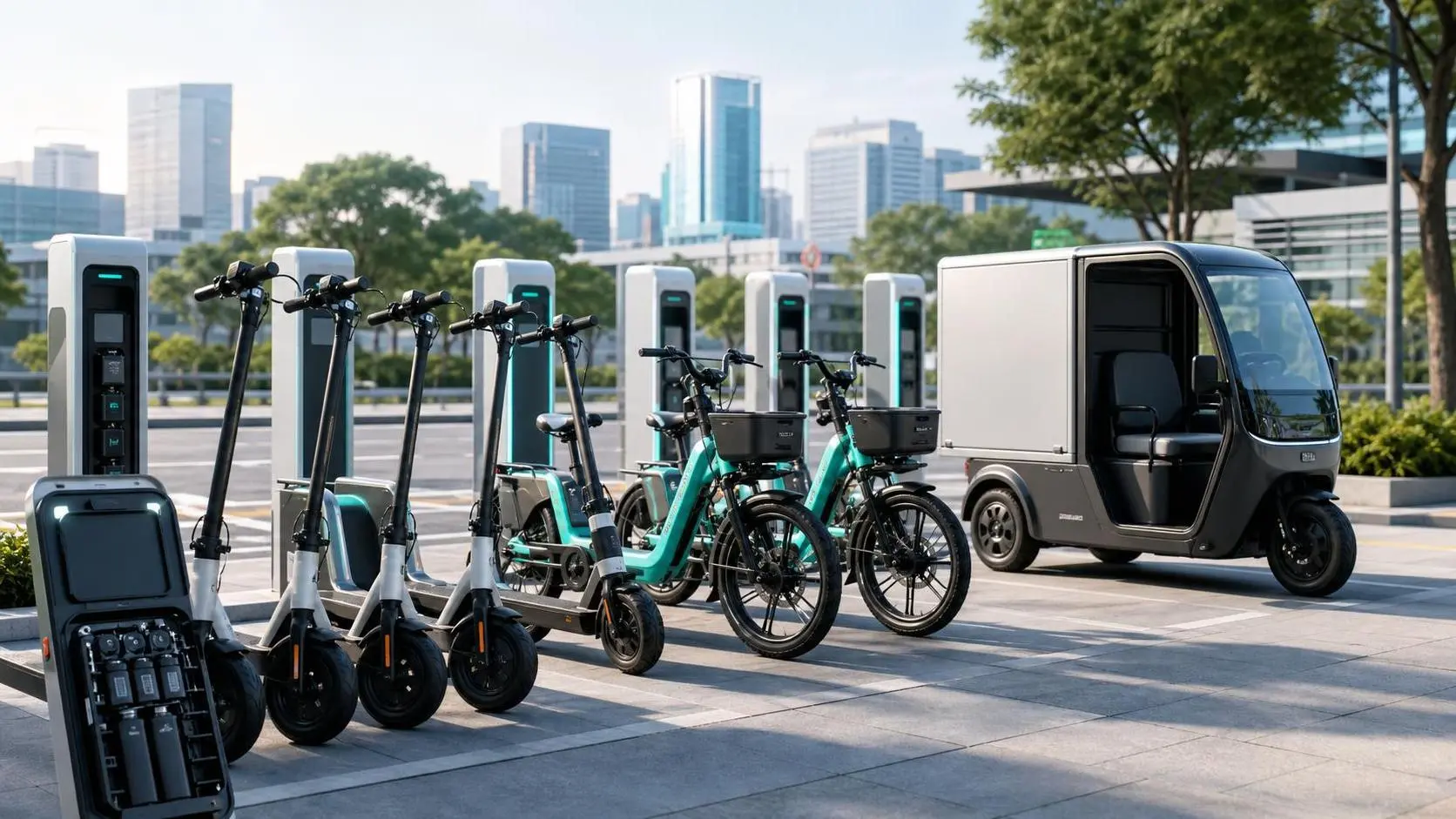
Micro-Mobility Trends Forecast: What Fleet Operators Should Watch Through 2030
Micro-mobility trends forecast for fleet operators through 2030: discover key shifts in batteries, regulation, durability, connectivity, and demand to reduce risk and scale smarter.
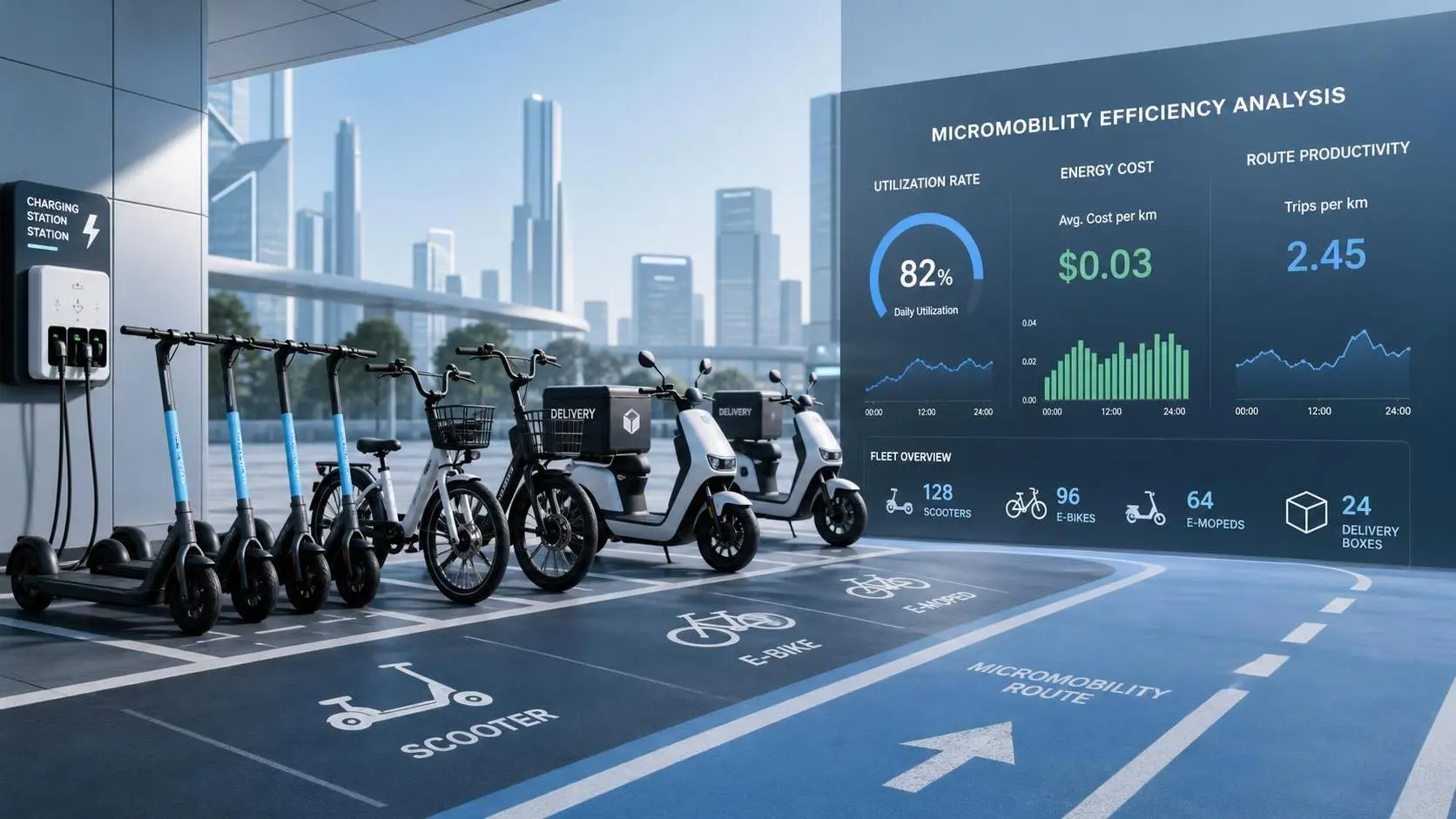
Mobility Efficiency Analysis: How to Measure Vehicle Use, Energy Cost, and Route Productivity
Mobility efficiency analysis reveals how to measure vehicle use, energy cost, and route productivity to cut waste, improve fleet performance, and make smarter urban mobility decisions.
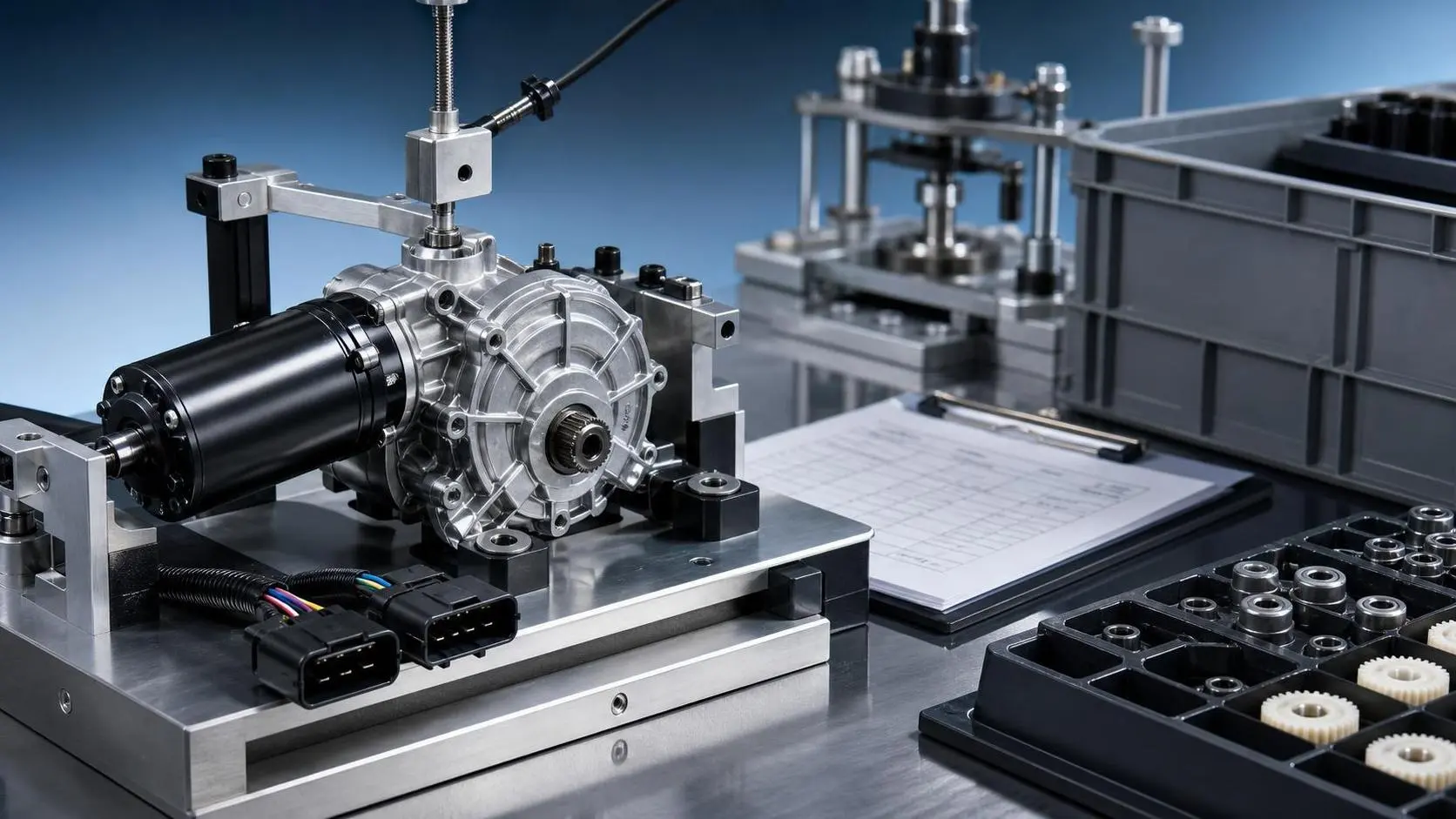
How to Evaluate a Brushless Wiper Motor Supplier for OEM Quality and Lead Time
Brushless wiper motor supplier selection made easier: learn how to assess OEM quality, engineering support, compliance, and lead time to reduce sourcing risk.
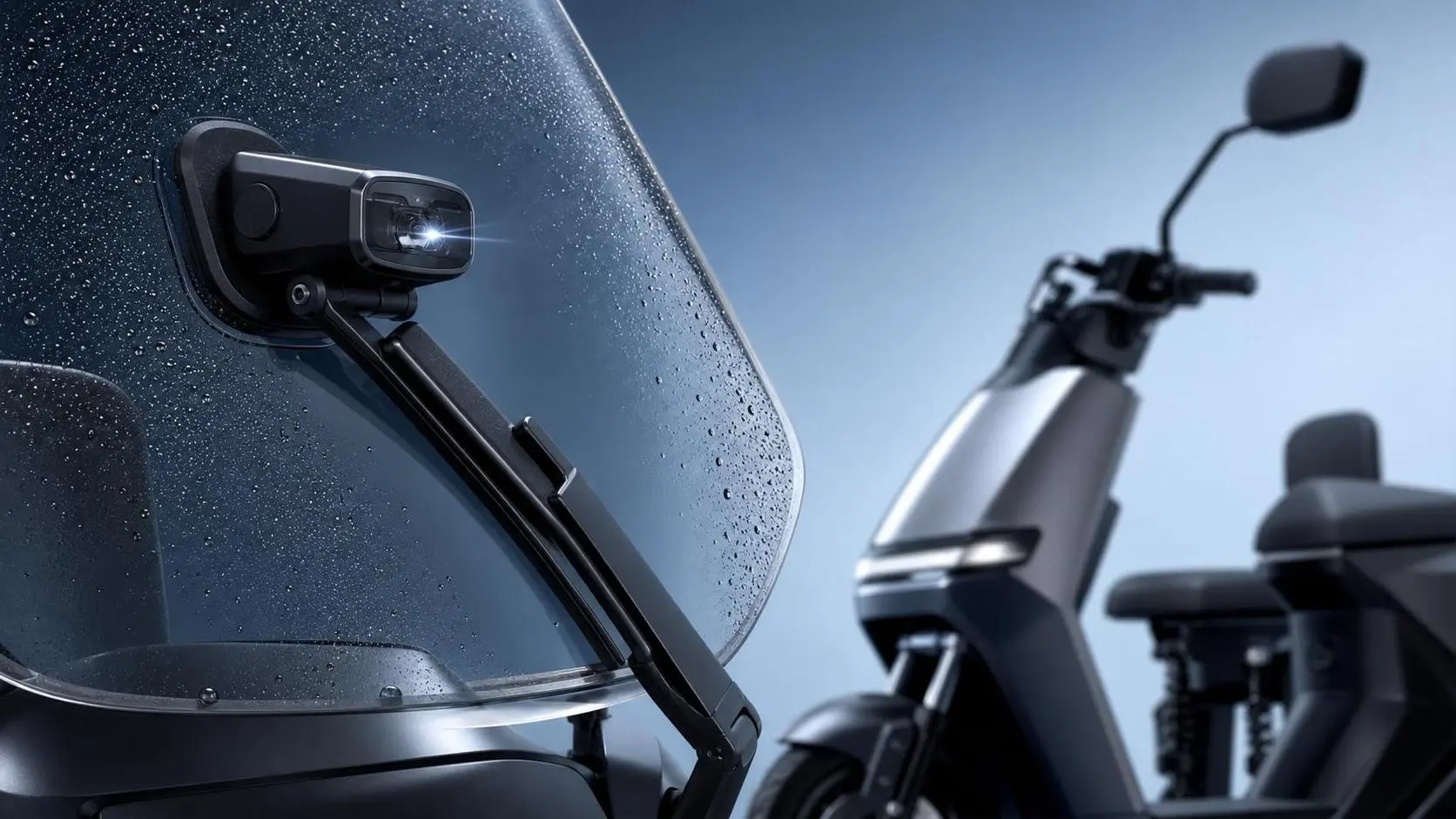
How Do Photoelectric Wiper Sensors Work and Where Are They Most Effective?
Photoelectric wiper sensors explained: learn how they detect rain, reduce false triggers, and deliver the best visibility gains in urban EVs, e-bikes, fleets, and smart mobility.
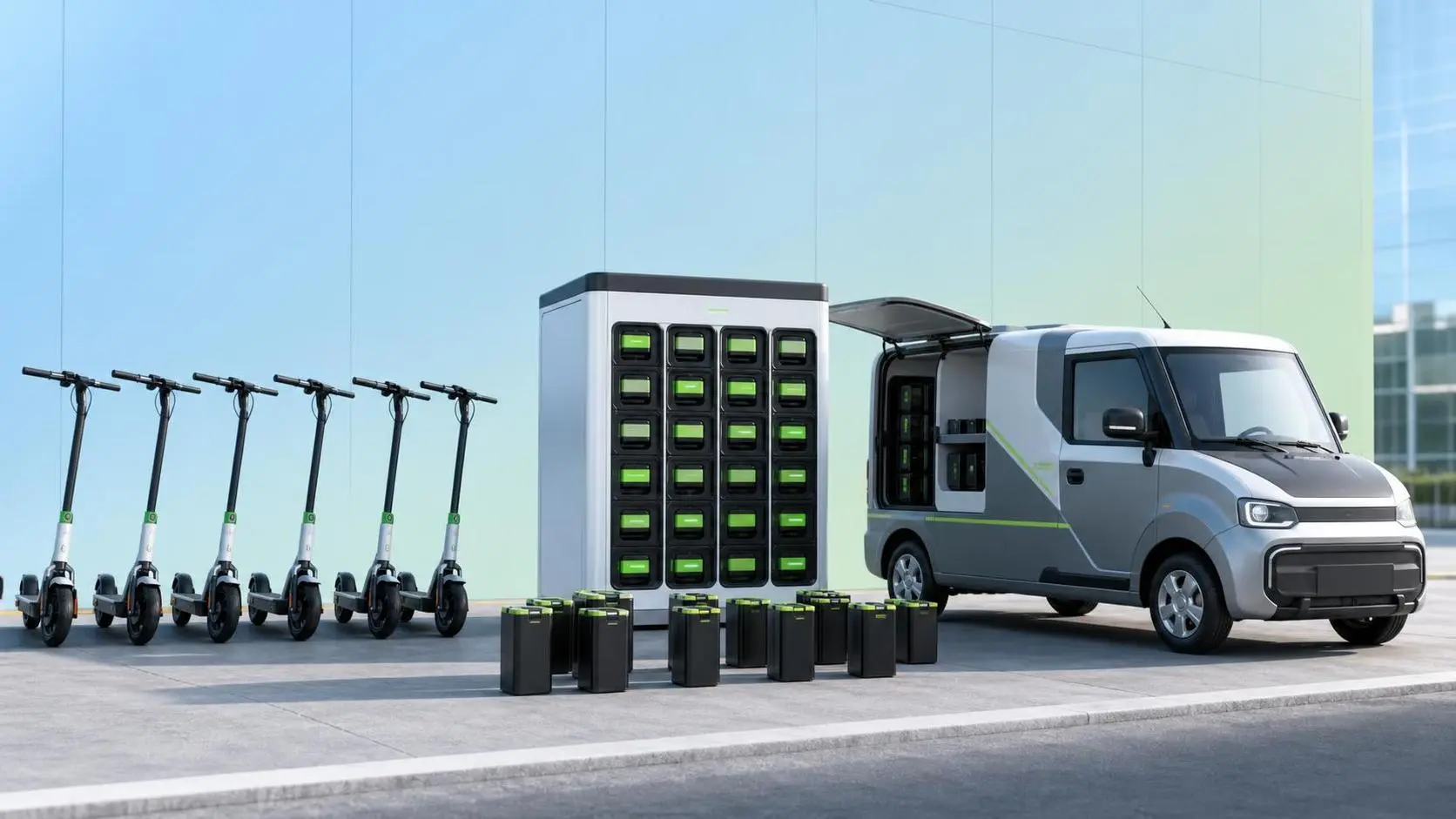
How Battery-Swapping Networks Reduce Downtime in Shared Fleet Scooter Operations
Battery-swapping networks cut scooter fleet downtime by speeding field turnaround, improving uptime in peak zones, and helping operators optimize labor, battery rotation, and service efficiency.
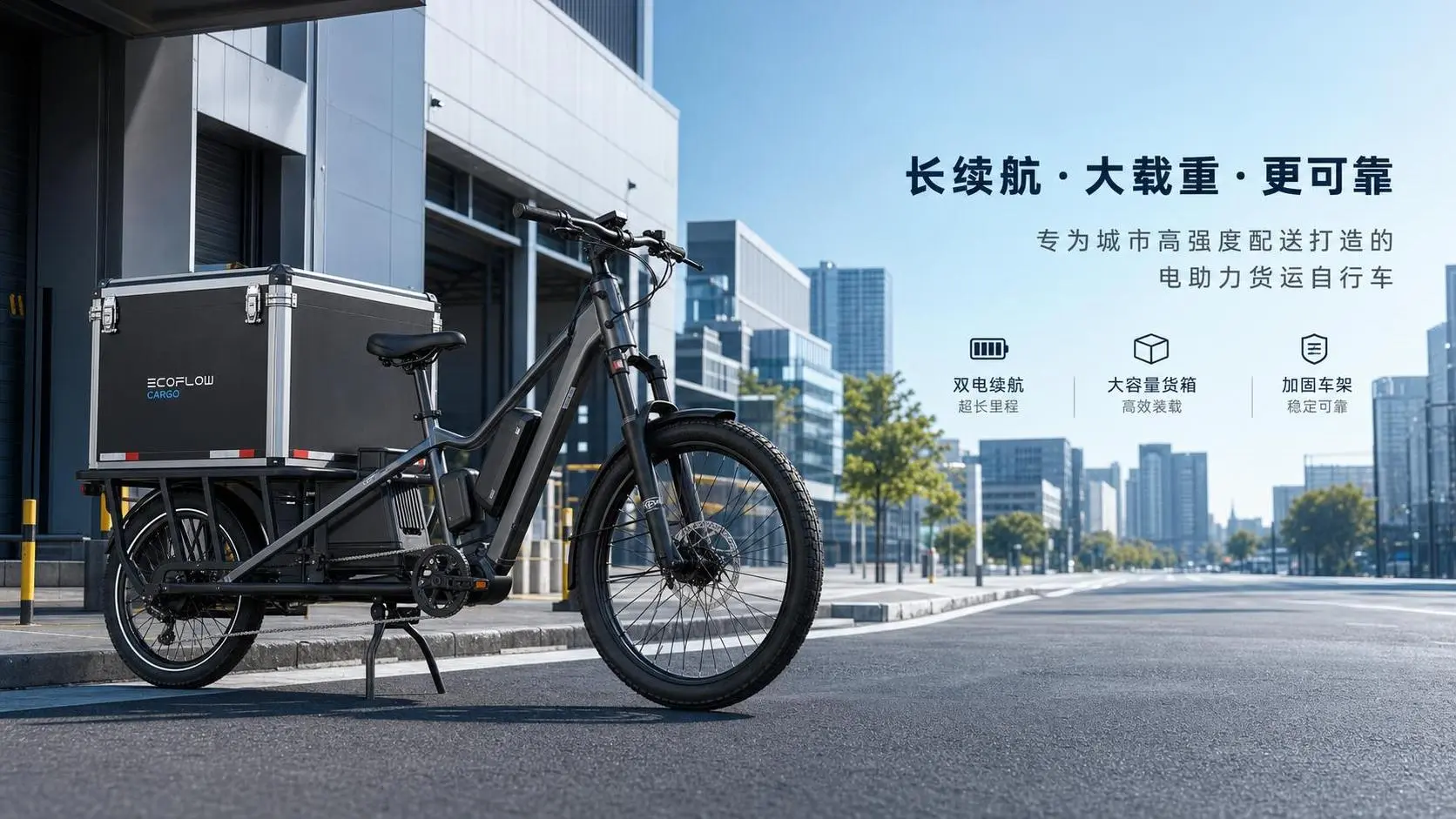
How to Choose a Long-Range Commercial Cargo E-Bike for Delivery Operations
Commercial cargo e-bike long range buying guide: learn how to assess battery, payload, route fit, and uptime support to choose a reliable delivery model with lower operating costs.
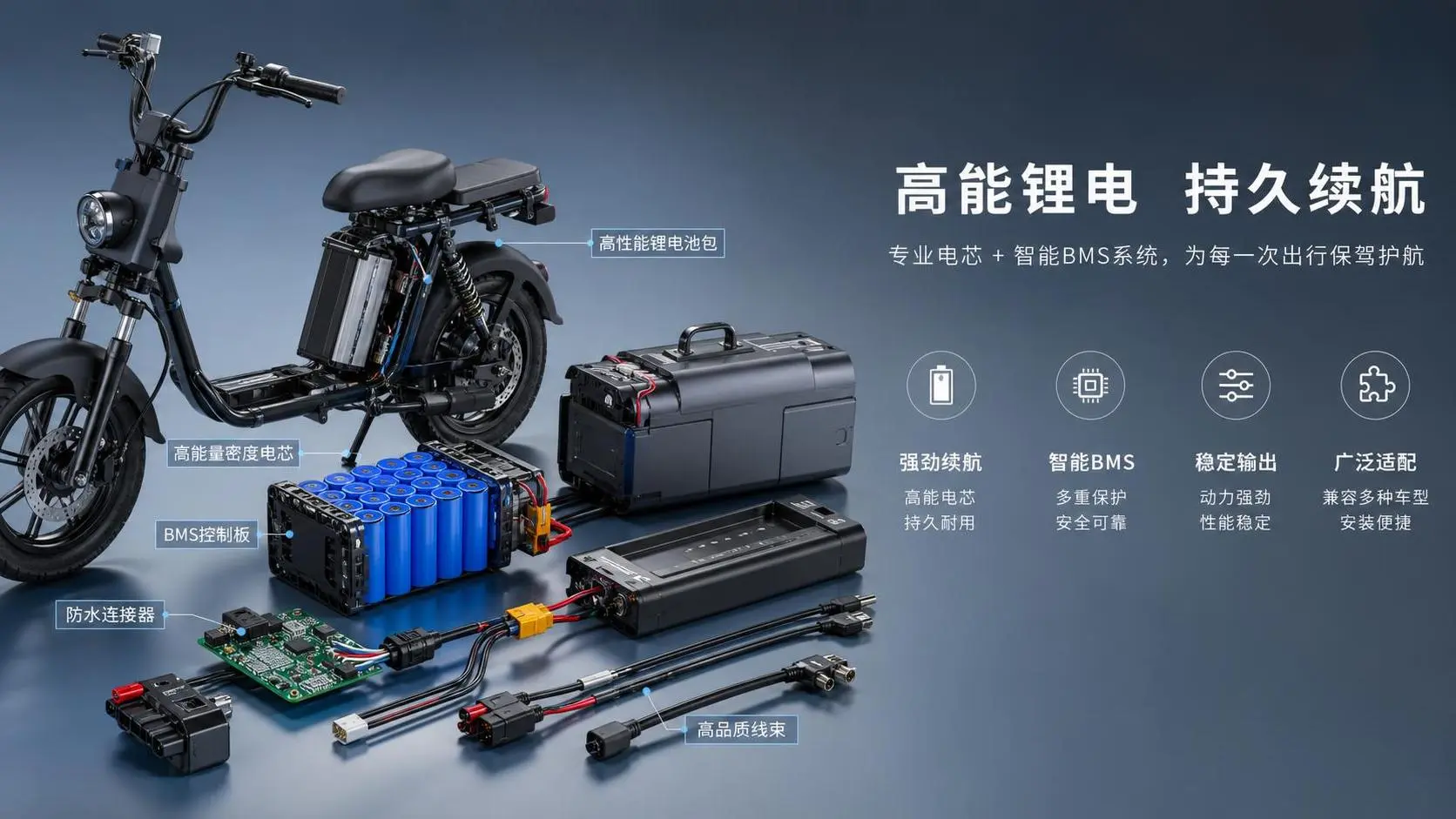
How to Select the Right E-Bike Battery Components for Range, Safety, and Fit?
E-bike component selection battery guide: learn how to choose the right battery components for better range, stronger safety, and perfect fit across modern e-bike platforms.
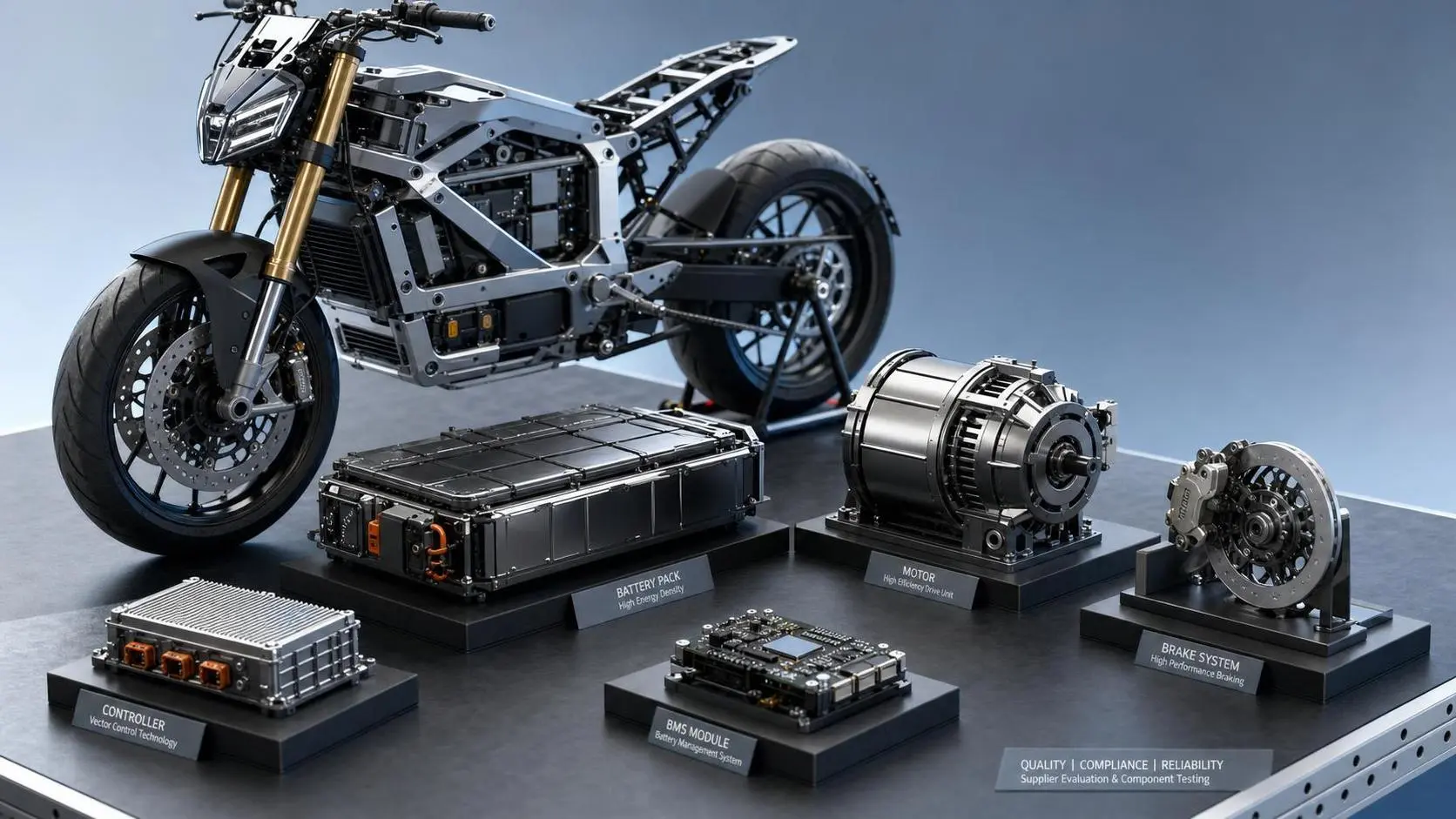
How to Evaluate Core Component Suppliers for Electric Motorcycles Before Sourcing?
Core component suppliers for electric motorcycles can make or break safety, compliance, and delivery. Learn how to assess technical strength, certifications, quality control, and hidden sourcing risks before you buy.
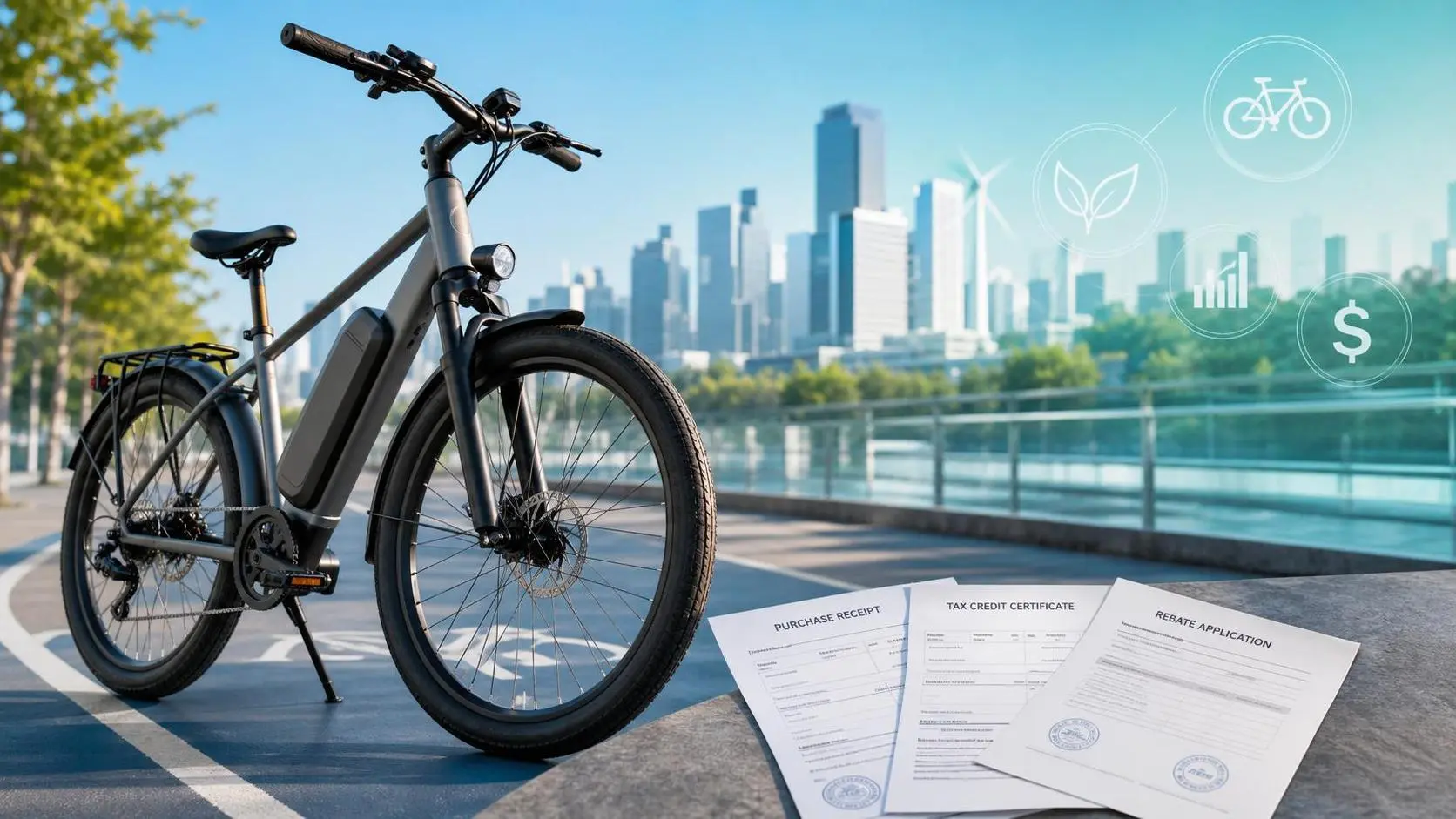
E-Bike Incentives Explained: How Riders Can Find Local Rebates and Tax Credits
E bike incentives explained: learn how to find local rebates, tax credits, and utility offers, avoid common mistakes, and cut the real cost of your next e-bike.