
Related News
- 00
0000-00
Electronic Derailleur Parts Guide: Compatibility, Wear Points, and Replacement Tips - 00
0000-00
Wireless Derailleur Shifting vs Mechanical: What Changes in Setup, Battery, and Shifting Feel? - 00
0000-00
Wireless Shifting vs Mechanical Drivetrains: Which Setup Fits Your Riding Needs? - 00
0000-00
When electromechanical transmission beats manual shifting - 00
0000-00
Why irreplaceable technology in electronic shifting systems reduces long-term maintenance cost
Precision Drivetrain Architect
Weekly Insights
Stay ahead with our curated technology reports delivered every Monday.
Electronic Derailleur Parts Guide: Compatibility, Wear Points, and Replacement Tips





Electronic Derailleur Parts Guide: Compatibility, Wear Points, and Replacement Tips
For service work on modern drivetrains, electronic derailleur parts are no longer a niche topic.
They affect shift speed, fault tracing, service time, and replacement accuracy.
A clean install can still shift poorly if one small interface is wrong.
That is why a practical parts-level view matters more than brand marketing claims.
This guide explains how to assess electronic derailleur parts, where failures usually begin, and how to replace components without creating new problems.
It also reflects the wider shift seen across urban micro-mobility, where precision, reliability, and low downtime now drive service standards.
Why electronic derailleur parts demand a different service mindset
Mechanical derailleurs wear gradually and often show symptoms early.
Electronic derailleur parts can fail more selectively and more suddenly.
A bike may look aligned, yet still miss shifts because of firmware pairing, low battery, or actuator wear.
In practice, service quality depends on reading the whole system, not just the rear mech.
That system usually includes the derailleur body, battery, wiring or wireless modules, shifters, junctions, mounts, and drivetrain contact parts.
When diagnosing electronic derailleur parts, the fastest path is checking compatibility first, then wear, then software-related issues.
Core electronic derailleur parts and what each one actually does
Not every shift issue comes from the derailleur cage or motor.
Several electronic derailleur parts share responsibility for accurate indexing and stable response.
- Derailleur body and actuator: move the cage and control shift timing.
- Cage assembly and pulleys: manage chain path, chain tension, and friction.
- Battery unit: powers the motor and communication functions.
- Wire harness or connectors: carry power and data in wired systems.
- Wireless module or pairing circuit: links shifters to derailleur commands.
- Mounting bolt and hanger interface: determine real-world alignment.
- Limit hardware and calibration points: define travel and protect the drivetrain.
From recent service trends, connector health and hanger alignment cause more trouble than many workshops expect.
That matters because replacing expensive electronic derailleur parts will not solve an interface problem upstream.
Compatibility checks before replacing electronic derailleur parts
Compatibility is the first gate, not the final check.
Many replacement errors happen because the part looks correct and bolts on cleanly.
Yet electronic derailleur parts can still be functionally incompatible.
Check drivetrain generation first
Generation mismatch is a common source of callback repairs.
Speed count, protocol version, and firmware family must match the original system design.
A 12-speed setup may not accept earlier electronic derailleur parts, even when connector shapes appear identical.
Confirm communication architecture
Some systems are fully wired, some semi-wireless, and some fully wireless.
This changes battery placement, pairing logic, and troubleshooting flow.
If communication format is wrong, the derailleur may power on but never respond correctly.
Match cassette range and cage capacity
Electronic derailleur parts still obey mechanical limits.
Cage length, pulley offset, and maximum sprocket clearance must suit the cassette.
This becomes more important on gravel, cargo, and urban utility builds using larger gear ranges.
Review hanger standard and frame interface
A straight-looking hanger can still sit out of plane.
Different frame standards, axle spacing, and direct-mount layouts affect shift path.
Before ordering electronic derailleur parts, confirm the exact hanger type and mounting geometry.
Most common wear points in electronic derailleur parts
Not all failures are electronic in origin.
Many electronic derailleur parts wear through dirt, vibration, chain load, and crash exposure.
Pulley wheels and bearings
Pulleys are among the fastest-wearing electronic derailleur parts.
Teeth hook over time, bearings roughen, and side play increases friction.
These issues often mimic weak motor performance.
Cage structure and pivot joints
A minor impact can twist the cage without obvious visual damage.
Pivot looseness changes chain tracking and causes inconsistent shifts under load.
Battery contacts and terminals
Battery-related faults often come from contact wear, contamination, or moisture.
Intermittent power loss is one of the hardest electronic derailleur parts issues to isolate quickly.
Wires, ports, and seals
On wired systems, repeated service access stresses ports and cable ends.
Damaged seals let water in, especially on commuter bikes used year-round.
Mounting threads and hanger faces
These are easy to overlook during parts replacement.
But damaged threads or uneven hanger faces can compromise even brand-new electronic derailleur parts.
Practical replacement tips that reduce repeat failures
Replacement quality depends on process discipline more than speed.
A few habits make electronic derailleur parts replacement more reliable and more profitable.
- Record the original configuration before removal, including firmware, pairing status, and micro-adjust settings.
- Inspect the hanger with an alignment tool before installing replacement electronic derailleur parts.
- Check chain wear and cassette condition, because worn mating parts distort shift results.
- Clean contacts and ports carefully, using approved methods and no aggressive picks.
- Torque fasteners to specification, especially mounting bolts and cage-related hardware.
- Run full gear-range tests under load, not only on a repair stand.
In real workshop conditions, post-install riding checks catch many issues that bench testing misses.
That is especially true for electronic derailleur parts used on e-bikes, where motor torque exposes setup errors faster.
Troubleshooting patterns that save time
A structured sequence prevents unnecessary parts swaps.
Start with power, then communication, then alignment, then wear.
- No response at all: check battery charge, contact integrity, and wake-up sequence.
- Slow shifting: inspect pulleys, cage friction, contamination, and low-voltage conditions.
- Random missed shifts: verify pairing stability, firmware level, and hanger alignment.
- Noise under load: inspect chain line, pulley wear, and cage stiffness.
- Post-crash errors: check the derailleur body, hanger face, connector seating, and actuator travel.
This approach helps separate failed electronic derailleur parts from secondary drivetrain issues.
It also reduces costly over-replacement when the root cause sits elsewhere in the bike system.
Service implications for evolving micro-mobility platforms
The broader micro-mobility market is pushing drivetrain service to a higher standard.
Urban e-bikes now operate in longer duty cycles, mixed weather, and higher torque conditions.
That means electronic derailleur parts face more contamination, more vibration, and less tolerance for downtime.
More clearly than before, service value now comes from system intelligence, not just parts inventory.
For organizations tracking precision bicycle components, this is also a strategic signal.
Electronic derailleur parts are becoming service-critical assets within the larger electrified two-wheeler ecosystem.
Final checklist for better replacement decisions
- Verify generation, speed, and communication compatibility first.
- Inspect hanger alignment before blaming electronic derailleur parts.
- Replace worn pulleys, damaged cages, or contaminated connectors early.
- Confirm cassette range, chain condition, and cage capacity together.
- Test under load after setup, calibration, and firmware checks.
Good results with electronic derailleur parts rarely come from one isolated fix.
They come from consistent checks, accurate matching, and disciplined replacement habits.
When that process is in place, shift quality improves, repeat visits drop, and service efficiency becomes easier to scale.
For any workshop handling connected drivetrains, that is the most practical way to keep modern bikes dependable on the road.
Related News
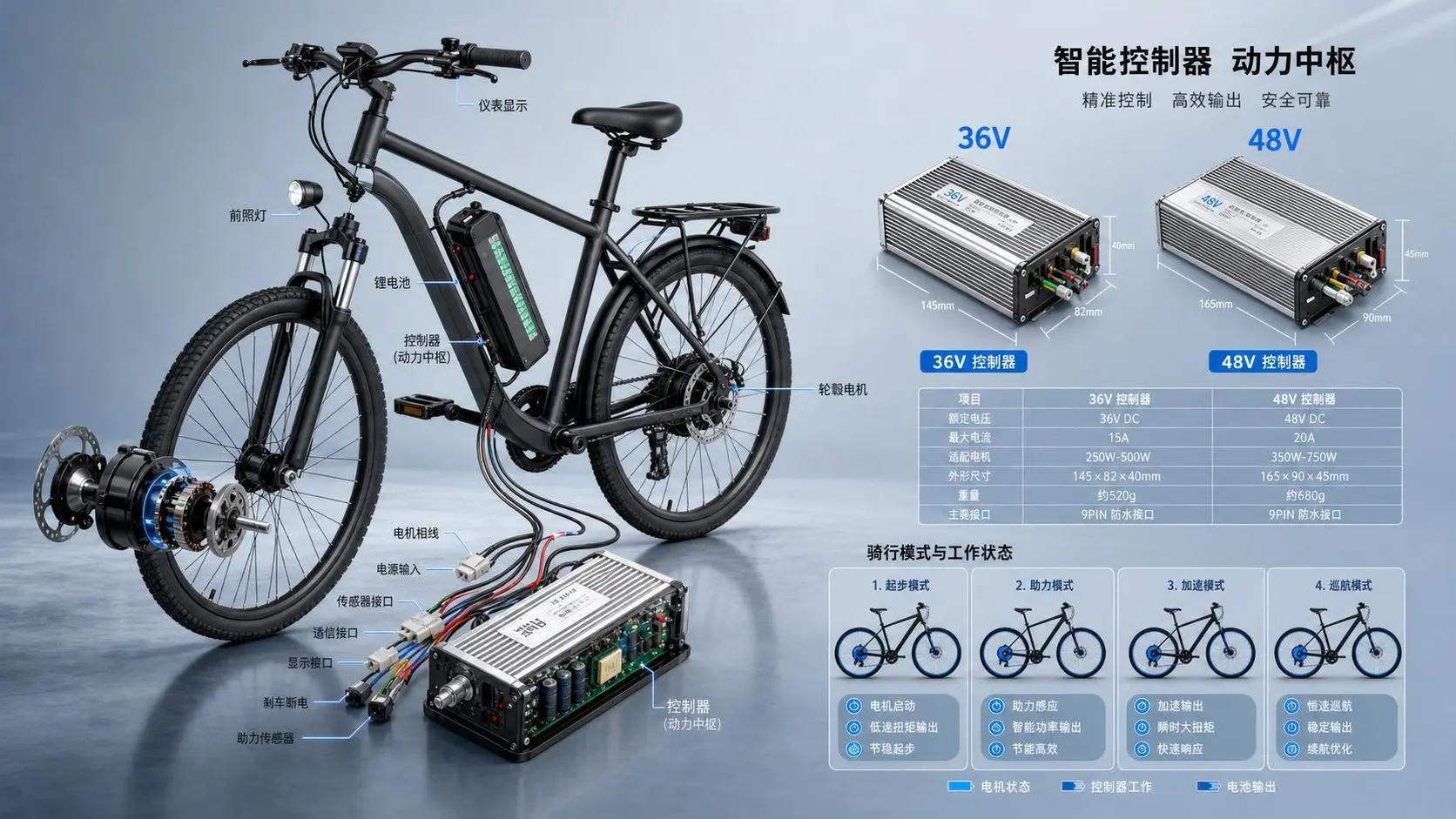
E Bike Controllers Explained: How to Match Voltage, Current, and Riding Mode
E bike controllers explained: learn how to match voltage, current, and riding mode for smoother power, safer compatibility, better efficiency, and more confident e-bike upgrades.
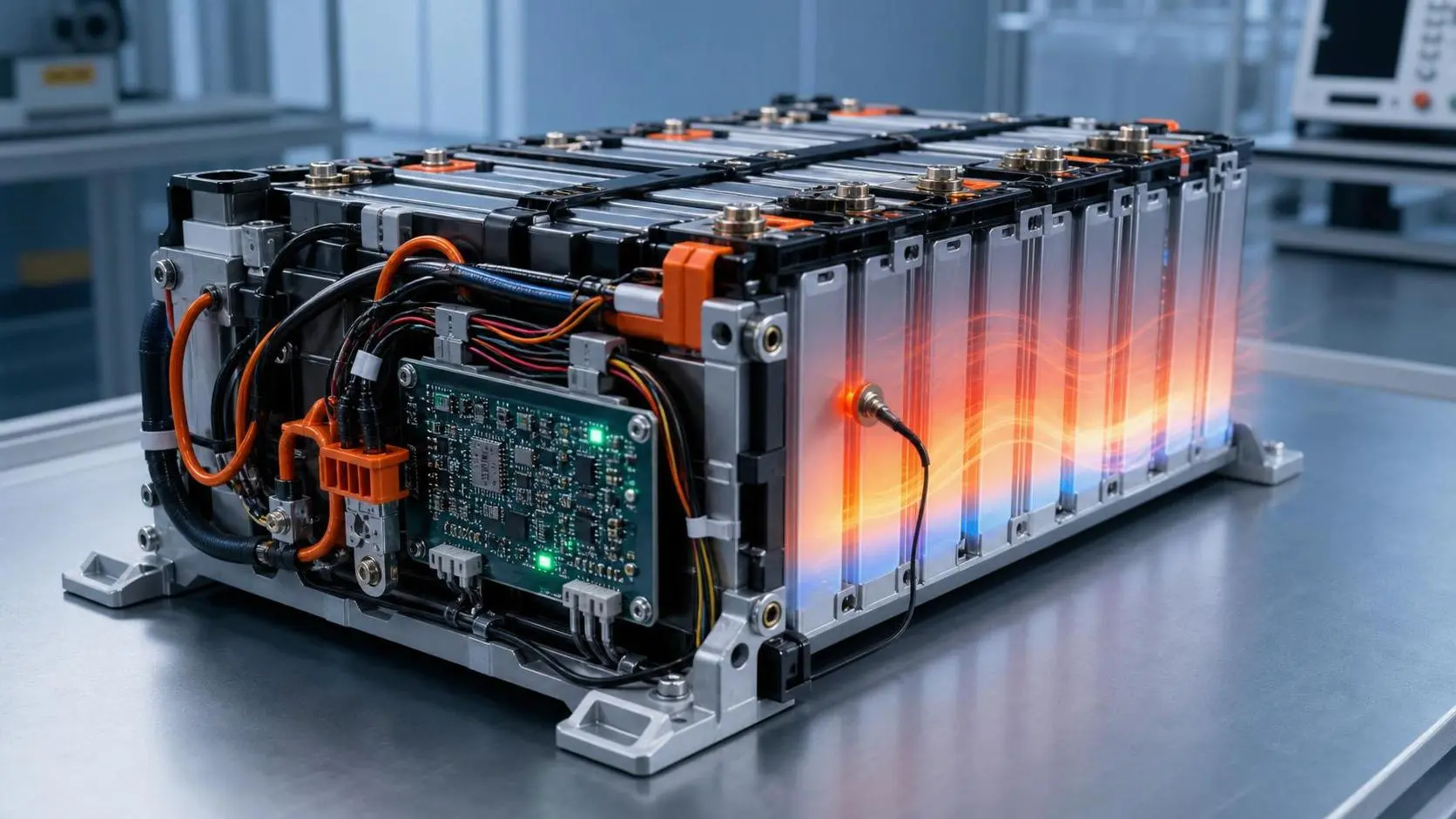
Battery Overheating Management in Light EVs: Causes, Sensors, and Control Strategies
Battery overheating management in light EVs: learn the main causes, key sensors, and proven control strategies to improve safety, reliability, and thermal compliance.
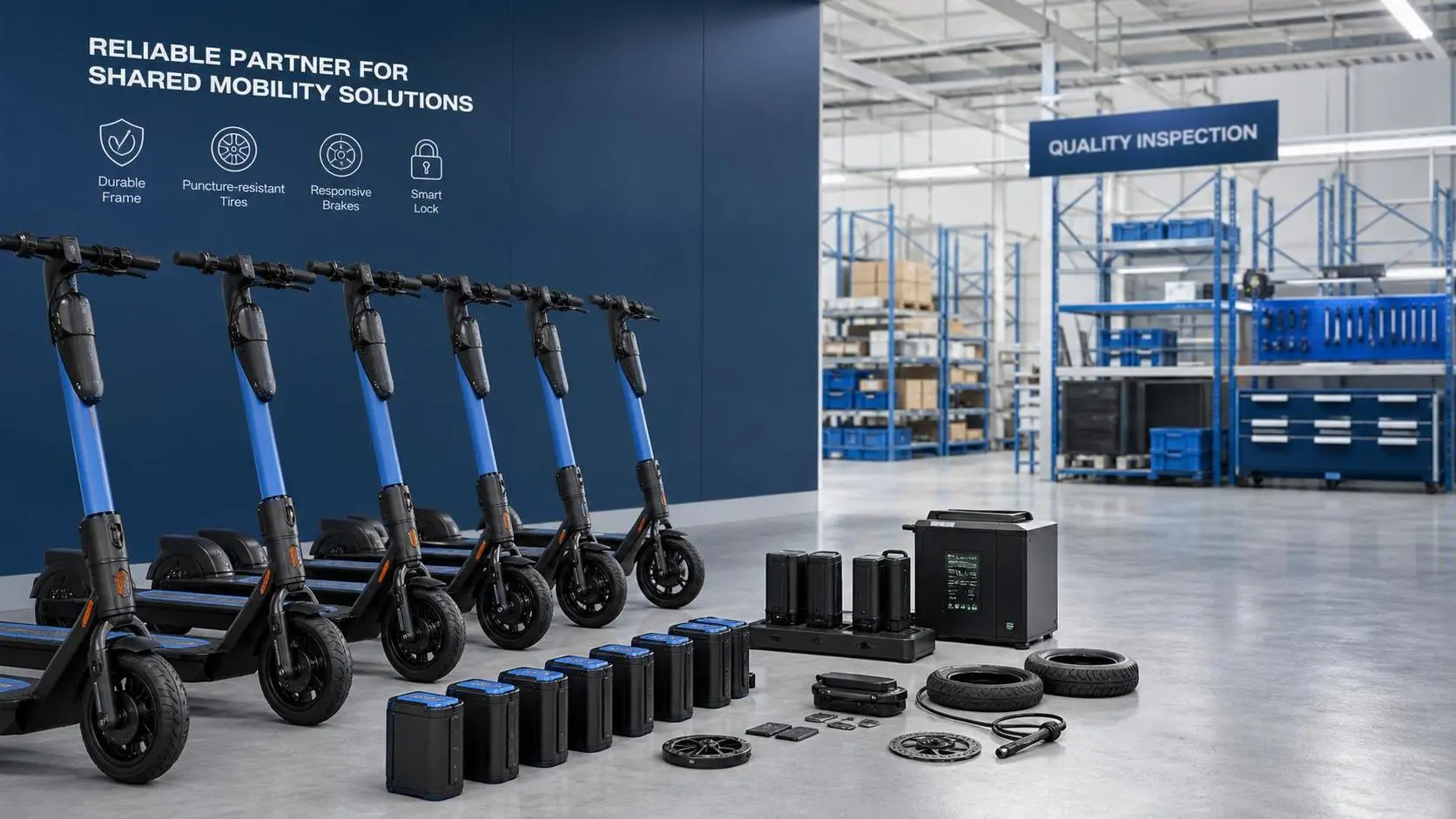
Shared Scooters Supplier Checklist: What to Compare Before Fleet Procurement
Shared scooters supplier checklist: compare total cost, durability, battery strategy, IoT, compliance, and support before fleet procurement to reduce risk and improve long-term ROI.
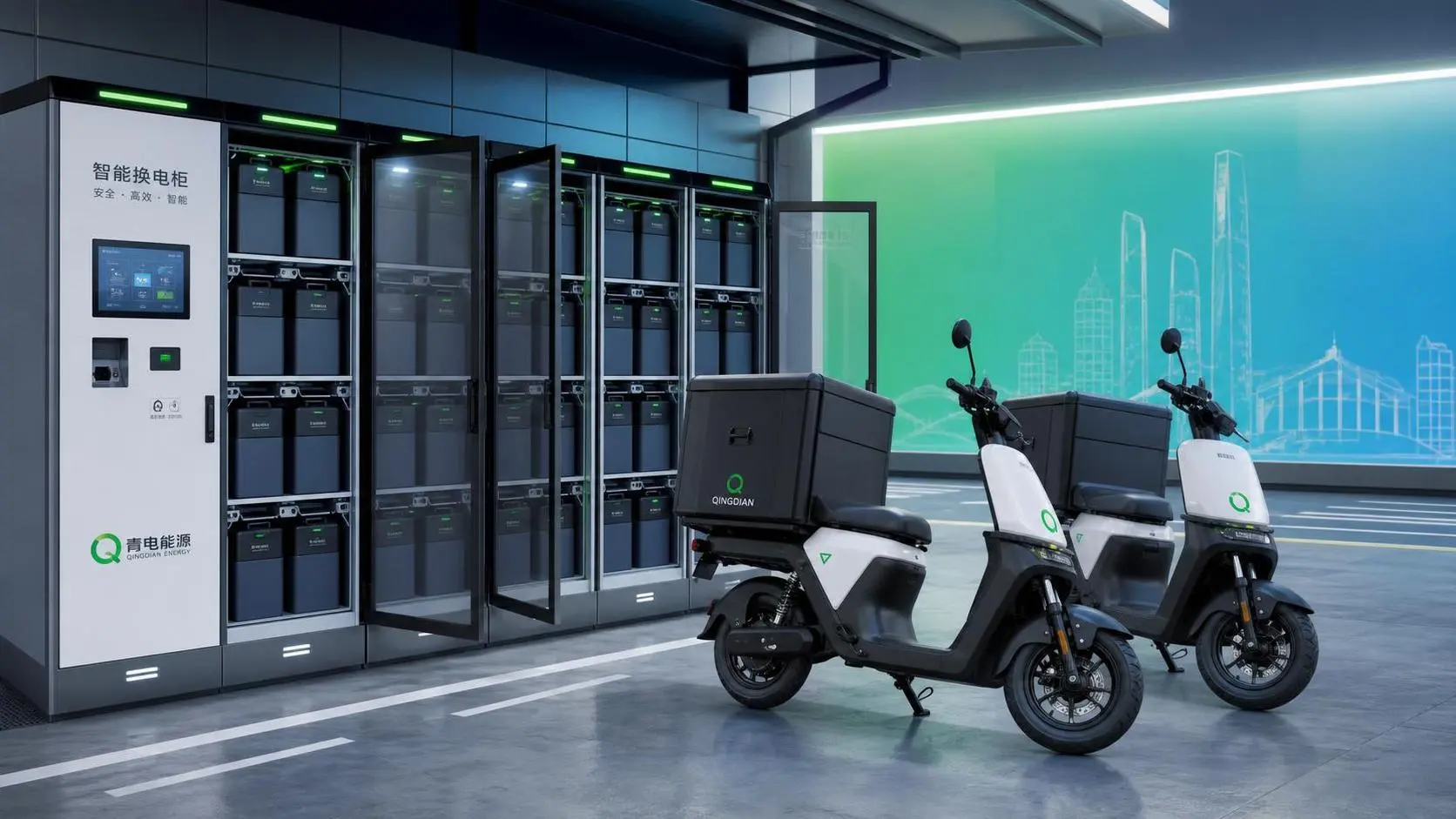
Battery-Swapping Networks for Motorcycles: Key Cost Drivers and Deployment Models
Battery-swapping networks motorcycles explained: explore key cost drivers, utilization risks, and deployment models shaping profitable electric two-wheeler infrastructure.
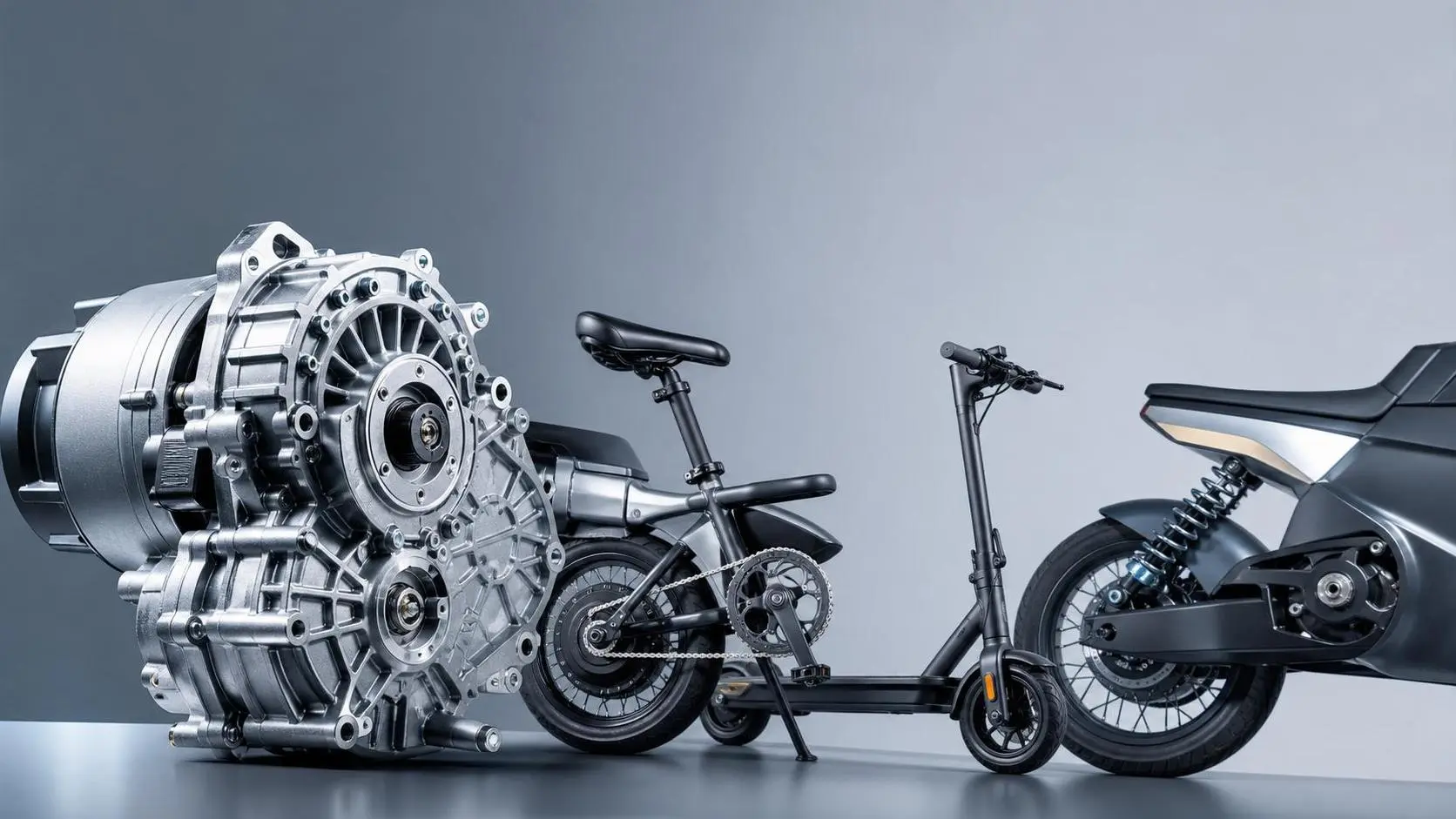
How to Choose an Electromechanical Transmission Manufacturer for E-Mobility Projects
Electromechanical transmission manufacturer selection can make or break e-mobility projects. Learn how to compare suppliers for performance, quality, compliance, and long-term value.
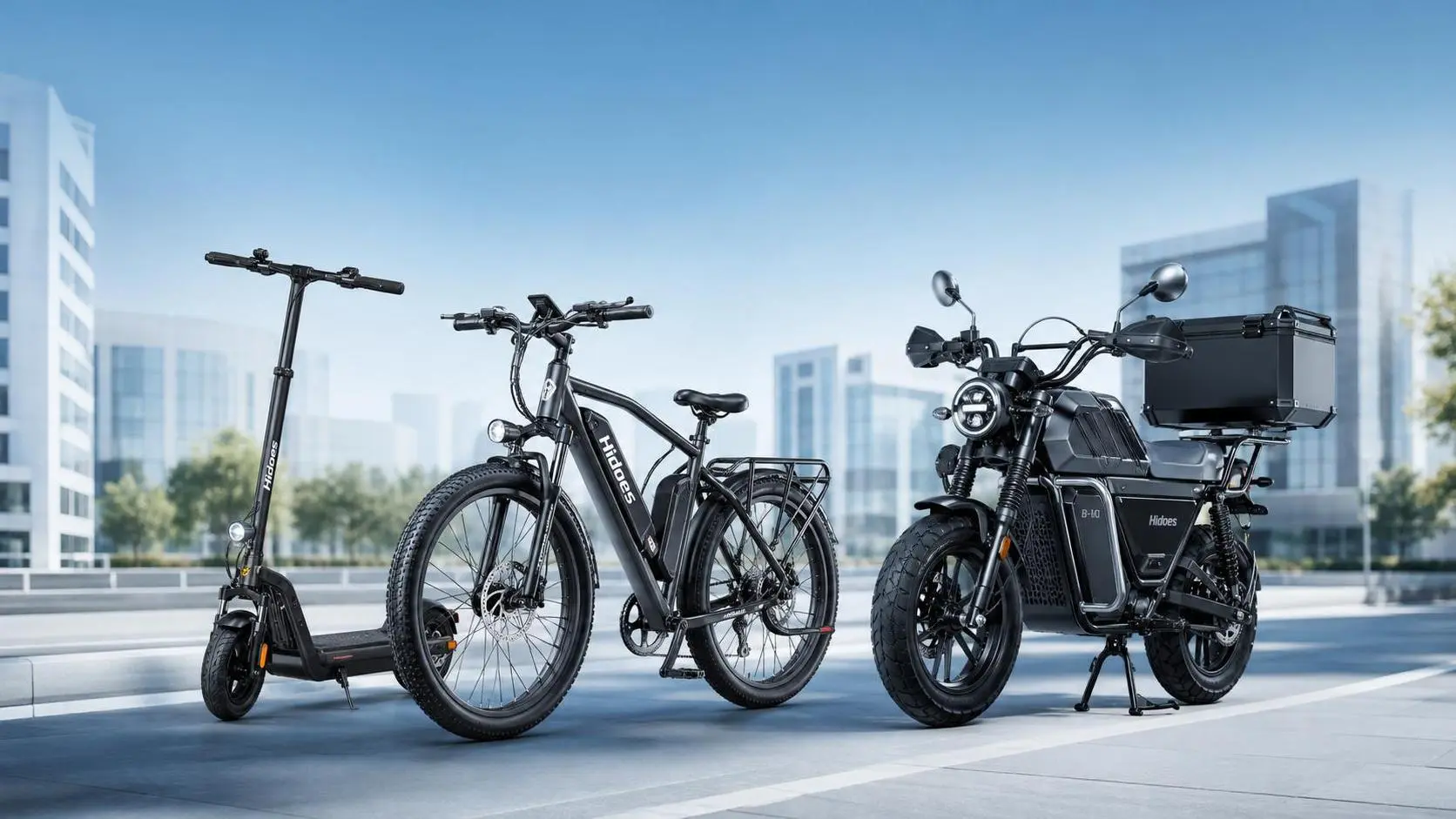
How to Choose Urban Mobility Devices for Shared Use, Campus Travel, or Delivery
Urban mobility devices for shared fleets, campus travel, or delivery require the right mix of safety, uptime, battery strategy, and serviceability—discover how to choose smarter.
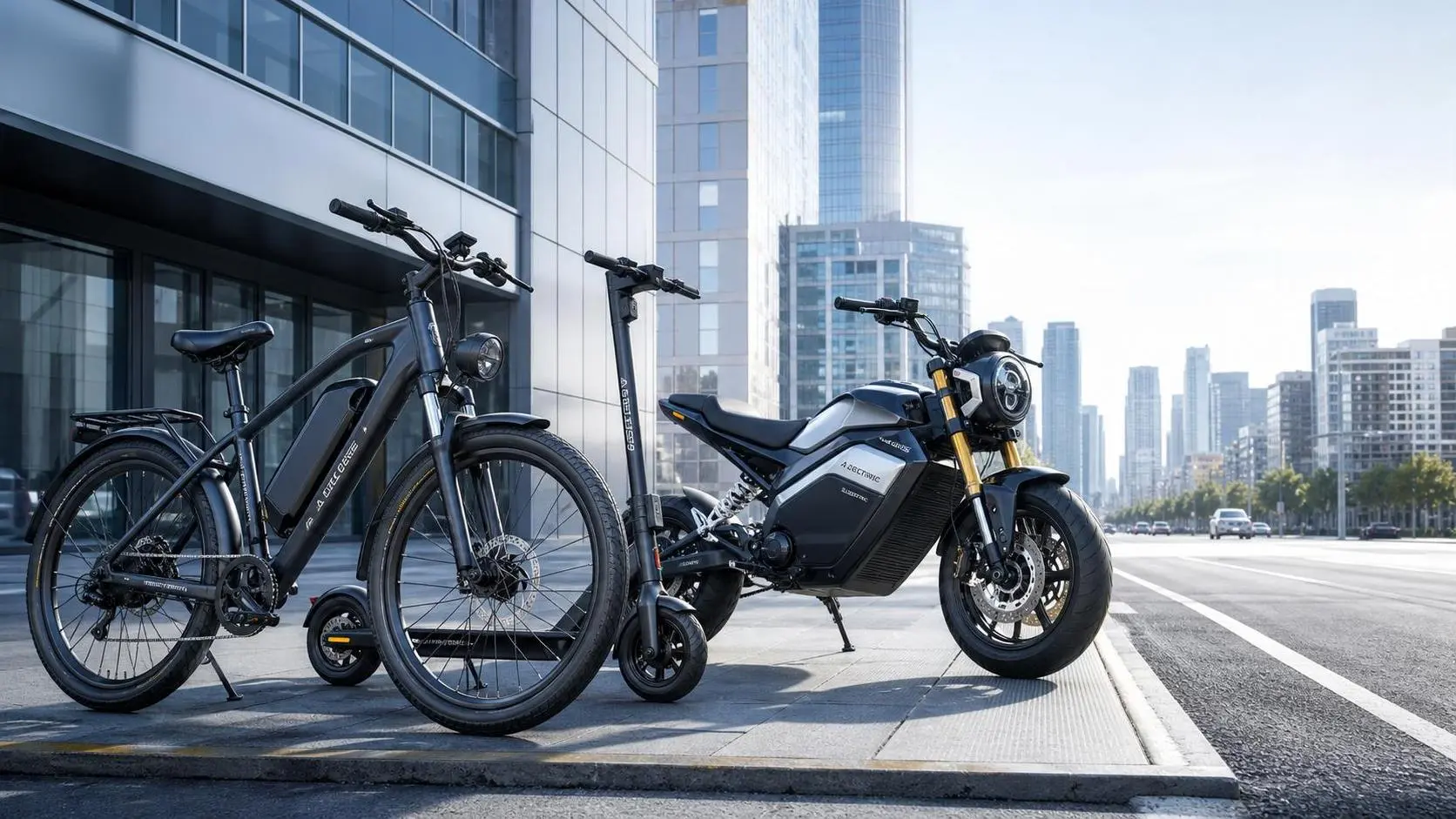
Micro Mobility USA Market: Key Regulations, Demand Signals, and Growth Segments
Micro mobility USA is entering a regulation-led growth phase. Explore key rules, demand signals, and top segments shaping e-bikes, scooters, and electric two-wheel opportunities.
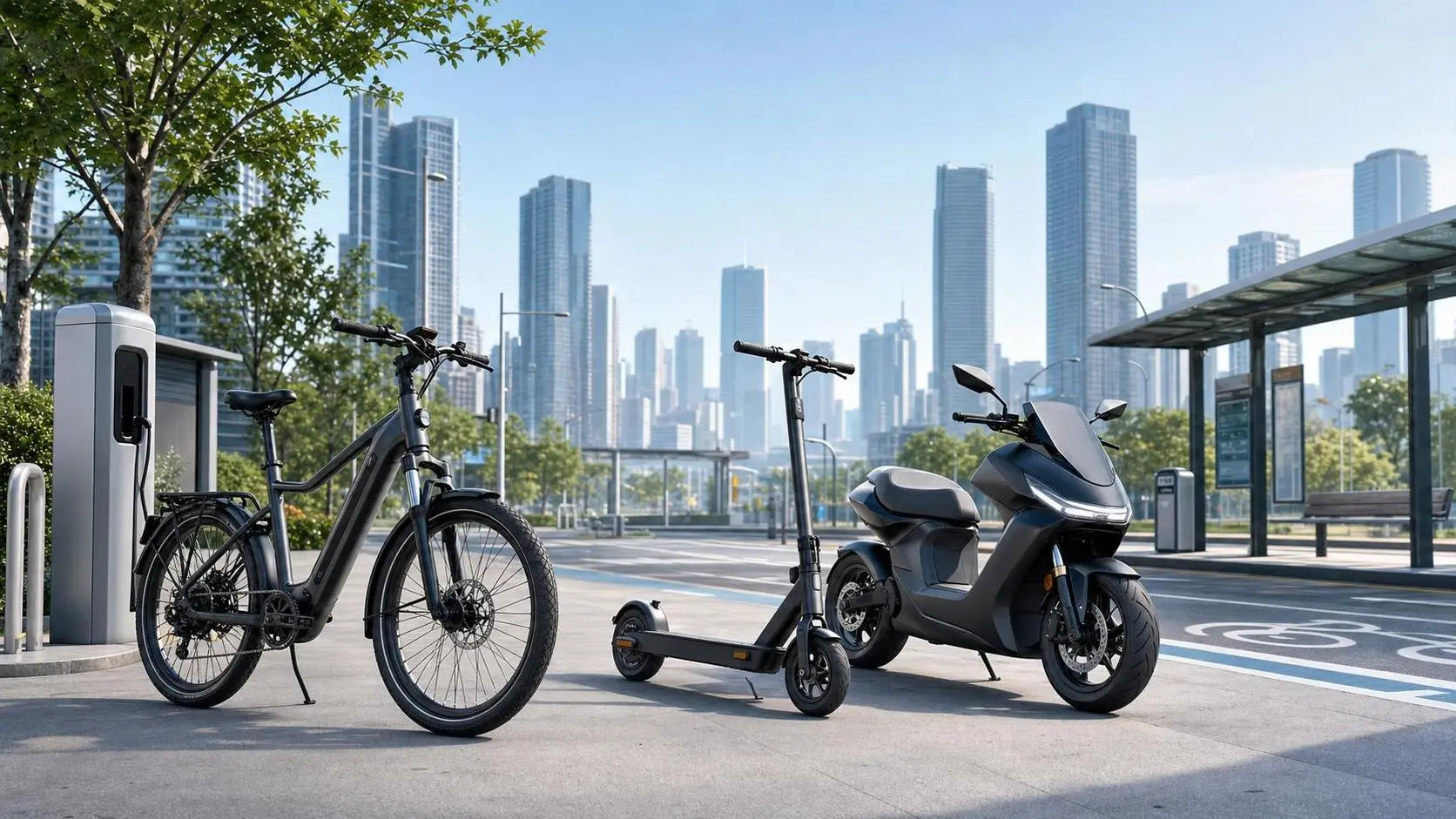
Clean Urban Transport Options Explained: Which Modes Fit Dense City Routes?
Clean urban transport explained for dense city routes—compare e-bikes, smart e-scooters, and e-motorcycles to find the best fit for speed, comfort, range, and city compliance.

Vehicle Electrification Strategy: How to Prioritize Fleets, Charging, and ROI
Vehicle electrification strategy made practical: learn how to prioritize fleets, align charging plans, and model ROI for faster, lower-risk EV deployment.