
Related News
- 00
0000-00
Urban Congestion E-Bike Solutions: What to Look for in Stop-and-Go City Commuting - 00
0000-00
E Bike Controllers Explained: How to Match Voltage, Current, and Riding Mode - 00
0000-00
Electric Bike Technology for Daily Commuting: Which Features Matter Most? - 00
0000-00
E-Bikes Explained: Main Types, Typical Range, and Which Riders They Suit - 00
0000-00
Commuter E-Bikes Explained: Range, Motor Torque, and Fit for Daily City Riding
Micro-Mobility Strategist
Weekly Insights
Stay ahead with our curated technology reports delivered every Monday.
Urban Congestion E-Bike Solutions: What to Look for in Stop-and-Go City Commuting





Urban Congestion E-Bike Solutions: What to Look for in Stop-and-Go City Commuting
In stop-and-go traffic, the right e-bike can turn daily frustration into a faster, cleaner, and less stressful ride.
As urban congestion ebike demand grows, buyers need more than simple motor assist.
They need strong braking, smooth acceleration, battery efficiency, and comfort that still works on crowded streets.
That is where a practical urban congestion ebike setup makes a real difference.
This guide breaks down what to look for, what to avoid, and how to choose a city-ready solution that performs every day.
Why Urban Congestion Changes E-Bike Requirements
City commuting is not just shorter riding with a motor.
It means repeated starts, frequent braking, uneven road surfaces, tight turns, and constant interaction with cars, buses, and pedestrians.
In that environment, an urban congestion ebike must respond quickly without feeling jerky or unstable.
A bike that feels fine on a weekend path may become tiring in downtown traffic.
More importantly, poor component matching can reduce safety, waste battery power, and create maintenance issues long before the bike looks worn out.
Common stop-and-go pressure points
- Frequent acceleration from lights and intersections
- Sudden braking near crosswalks and turning vehicles
- Battery drain from repeated power bursts
- Rider fatigue caused by bad posture and vibration
- Limited storage for bags, locks, or work gear
- Wet-weather visibility and grip challenges
Once these conditions become the baseline, choosing an urban congestion ebike becomes less about speed claims and more about reliable control.
The Core Features That Matter Most
From recent market shifts, the clearest signal is simple.
Urban riders now value predictable behavior over aggressive specifications.
A strong urban congestion ebike should feel calm in traffic, not overpowered.
1. Smooth motor delivery
The best city systems provide power in a gradual, natural way.
That matters when pulling away beside parked cars or mixing with pedestrians at low speed.
Look for responsive torque sensing, balanced assist modes, and low-lag engagement.
2. Reliable braking in all weather
Stop-and-go commuting puts brakes under constant pressure.
Hydraulic disc brakes usually offer better consistency, less hand fatigue, and more confidence in rain.
For any urban congestion ebike, dependable stopping is never optional.
3. Efficient battery behavior
Range figures can be misleading in real city use.
Repeated starts consume more energy than steady cruising on open roads.
A practical urban congestion ebike needs battery management that handles these short bursts efficiently.
4. Upright comfort and visibility
A city bike should help the rider see and be seen.
An upright position reduces neck strain and improves awareness at intersections.
This also makes the urban congestion ebike easier to control at slow speed.
5. Practical carrying options
Commuting usually includes more than a rider and a charger.
Bags, groceries, tools, laptops, and rain gear all affect daily usability.
Integrated racks and stable load handling make an urban congestion ebike far more useful over time.
How to Match the E-Bike to Real Urban Routes
In real operations, route type matters as much as the bike itself.
The right urban congestion ebike for flat streets may not fit hilly districts or mixed-surface commutes.
For dense downtown traffic
- Choose compact geometry for easier maneuvering
- Prioritize fast brake response and stable steering
- Use puncture-resistant tires for rough curbside conditions
For longer mixed commutes
- Look for a larger battery with efficient assist tuning
- Add fenders, lights, and a comfortable saddle
- Check whether charging is easy at home or work
For hills and repeated climbs
- Focus on torque output, not top speed alone
- Choose gearing that supports controlled climbing
- Confirm battery capacity under higher load cycles
This is also why test rides should copy actual traffic conditions, not just smooth parking-lot loops.
What Operators and Daily Riders Often Miss
A lot of buying decisions still focus too heavily on headline specs.
But an urban congestion ebike succeeds or fails through small details repeated every day.
Details that improve real-world performance
- Bright integrated lighting for early mornings and rainy evenings
- Wide tires that absorb broken pavement without feeling sluggish
- Full fenders that keep clothes cleaner in wet streets
- A kickstand stable enough for loaded parking
- Simple display information visible at a glance
- Low-maintenance drivetrain choices for year-round use
These points may sound basic, but they strongly affect reliability.
For a serious urban congestion ebike solution, convenience features often become safety features too.
Common mistakes to avoid
- Buying too much power for crowded streets
- Ignoring service support and spare parts access
- Choosing heavy frames without considering stairs or storage
- Trusting ideal range claims without route testing
- Overlooking wet-weather braking and tire grip
A Simple Evaluation Checklist for Urban Congestion Ebike Selection
When comparing models, it helps to score them using daily commuting priorities.
This kind of checklist keeps an urban congestion ebike purchase grounded in actual use instead of marketing noise.
Final Take: Choose Control, Efficiency, and Everyday Usability
The best urban congestion ebike is not always the fastest or the most expensive.
It is the one that handles traffic calmly, brakes predictably, uses energy wisely, and supports the routine around it.
That also means looking beyond the frame to the full commuting system.
Battery logic, drivetrain efficiency, component durability, and route fit all shape long-term satisfaction.
For anyone evaluating an urban congestion ebike, start with your most difficult daily conditions.
Test how the bike behaves in traffic, under braking, and while carrying your normal load.
When the solution feels stable there, the rest of the commute usually becomes much easier.
Related News
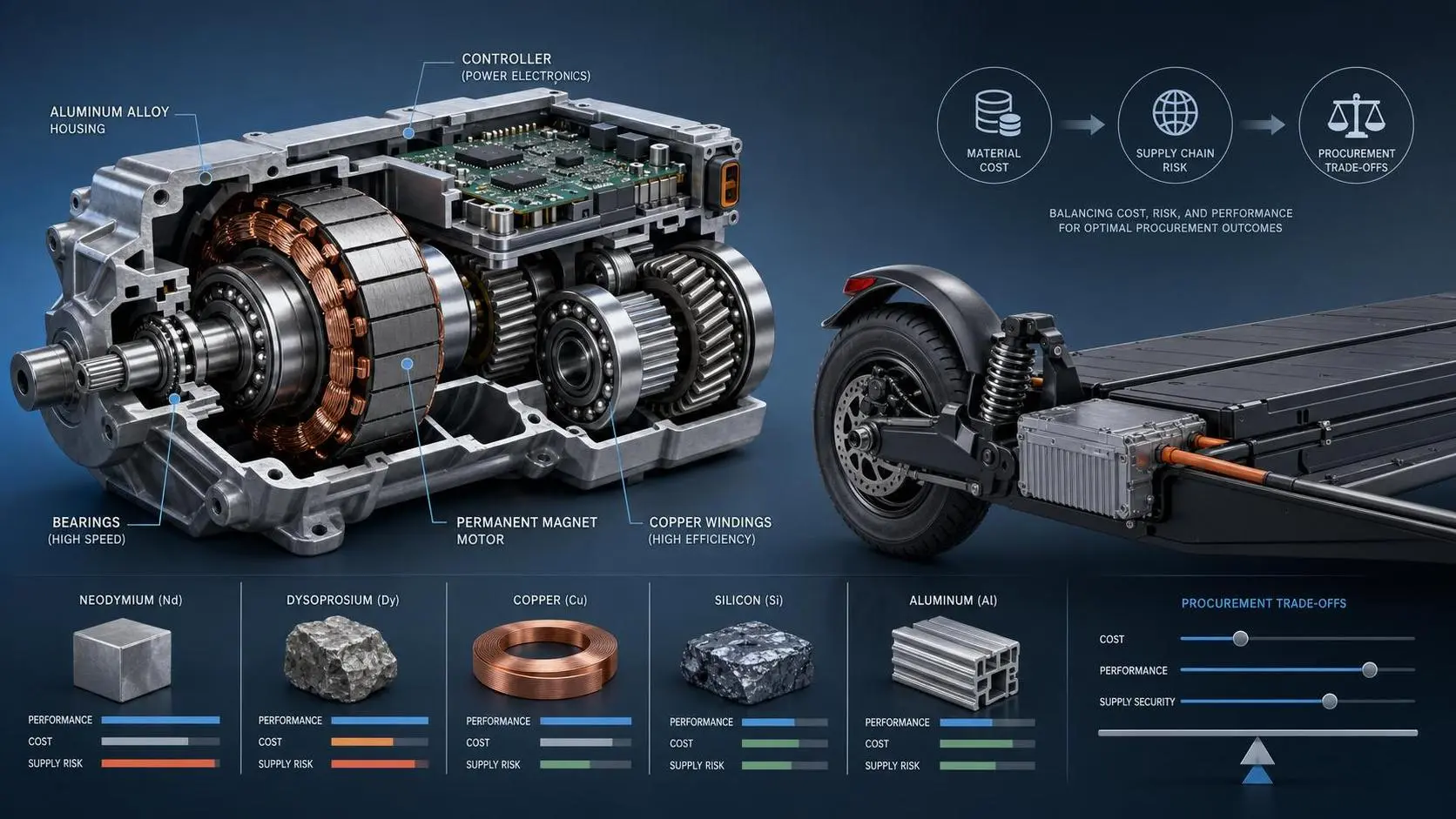
Electric Torque Market Price Drivers: Materials, Supply Risk, and Sourcing Trade-Offs
Electric torque market pricing depends on magnets, copper, controllers, and supply risk. Learn how sourcing trade-offs affect cost, reliability, and long-term value.
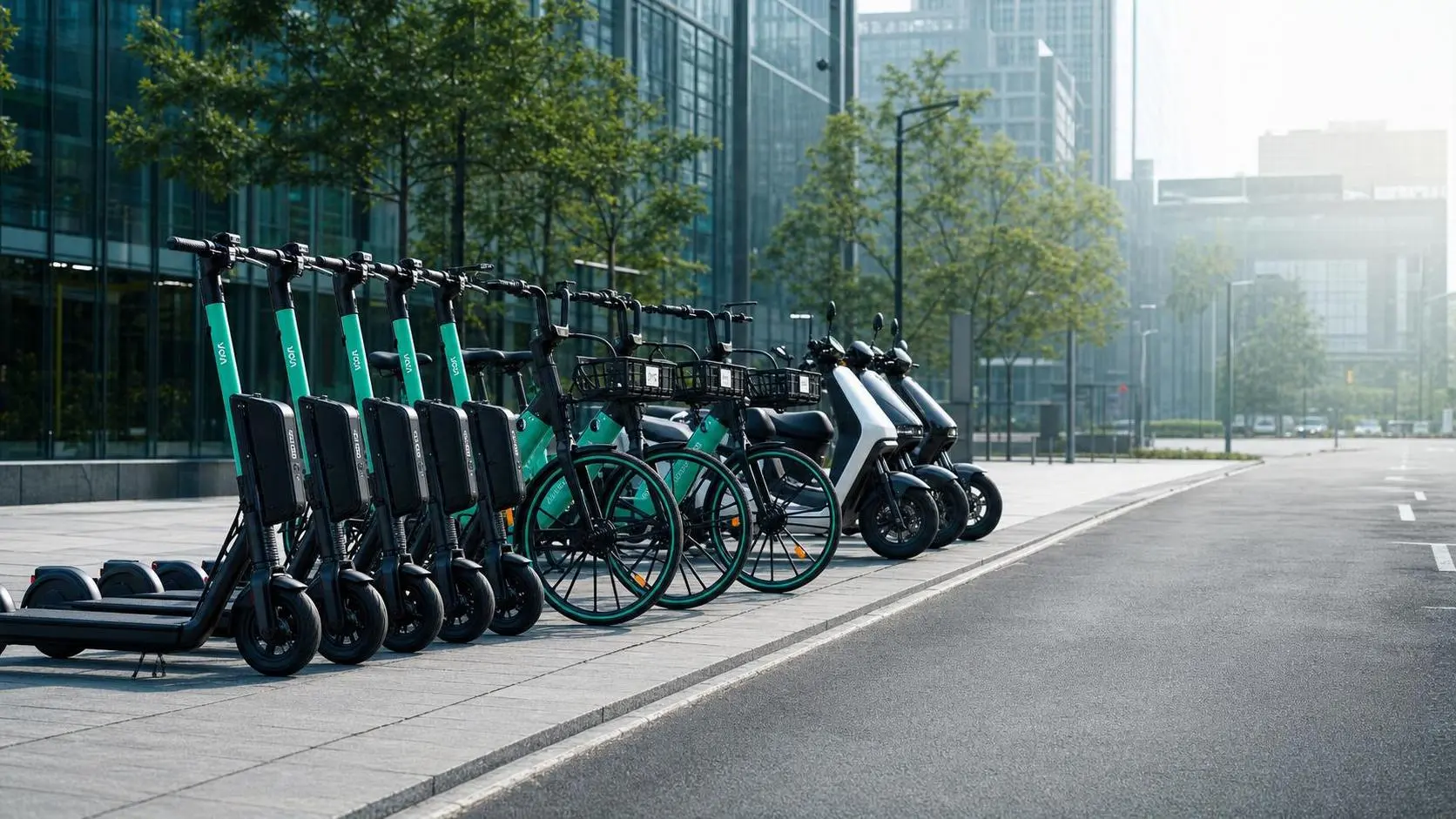
Micro Mobility Report: Which Metrics Matter Most for City Fleet Planning
Micro mobility report insights for city fleet planning: discover the key metrics behind uptime, battery efficiency, safety, and demand to build smarter, scalable urban mobility systems.
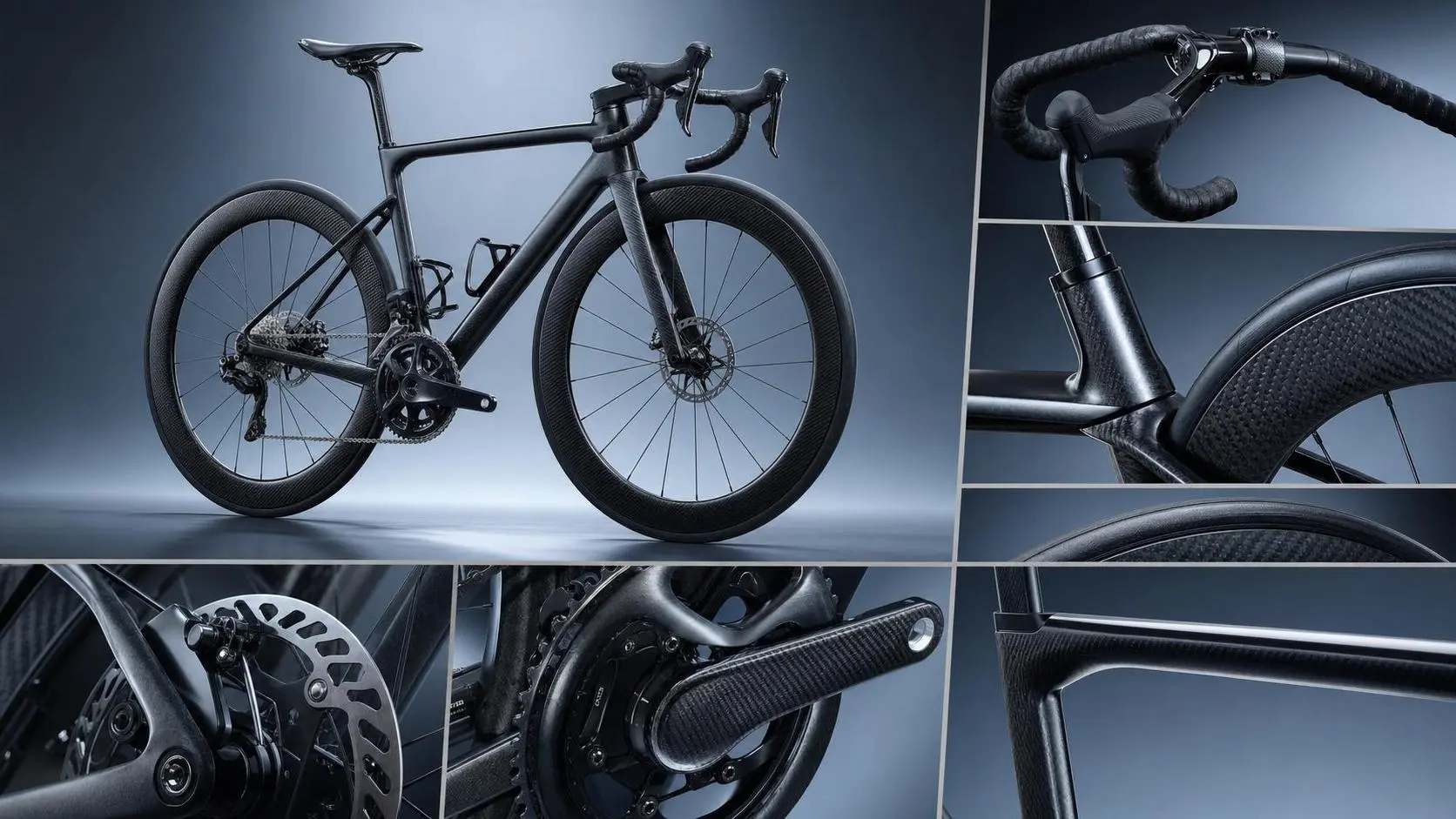
How Carbon Bicycle Components Affect Weight, Stiffness, and Ride Feel
Carbon bicycle components affect weight, stiffness, and ride feel in measurable ways. Learn how smart carbon design improves performance, comfort, and control before you upgrade.
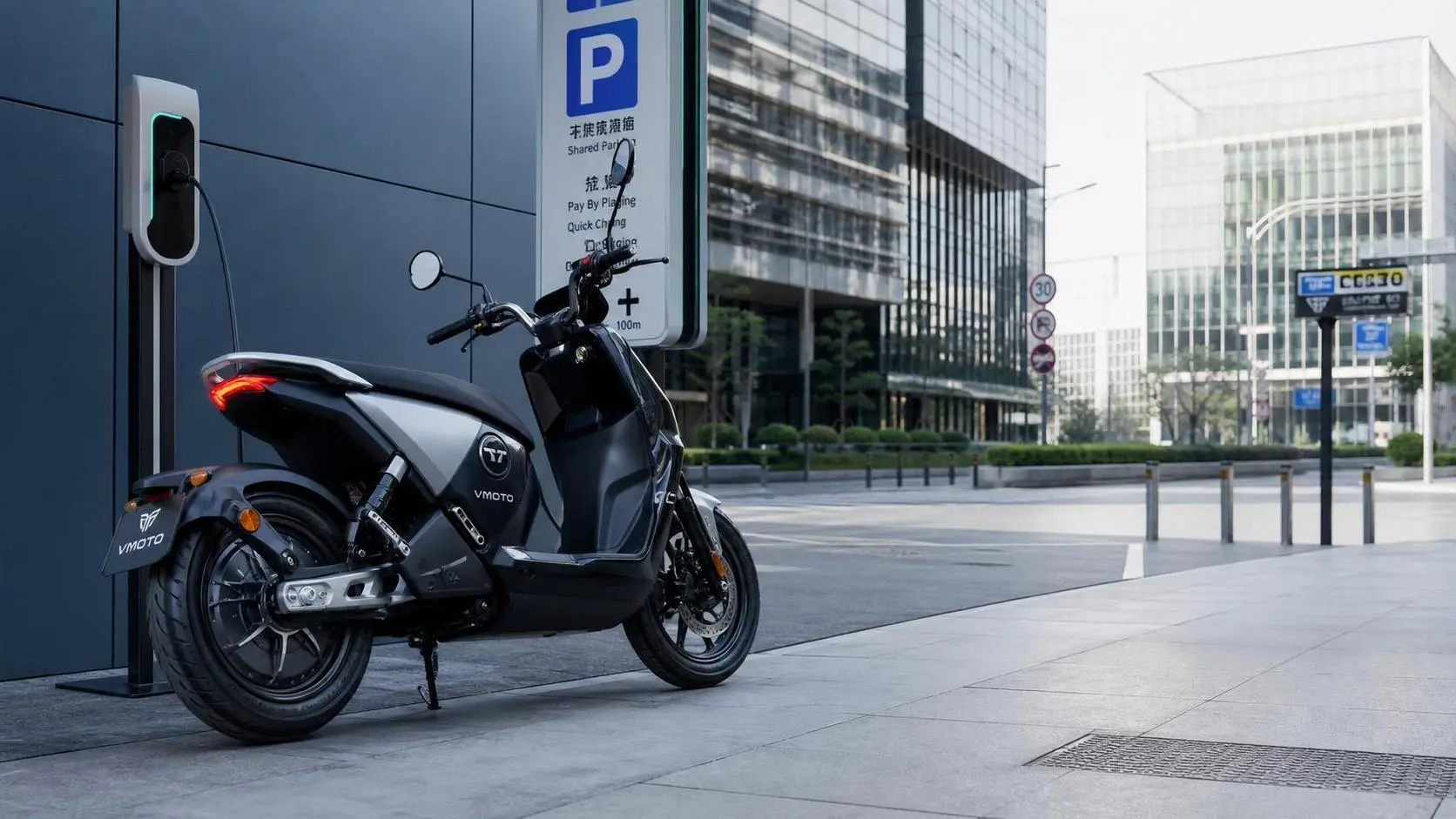
Urban Electric Motorcycle Buying Guide: Range, Top Speed, Licensing, and Daily Use
Urban electric motorcycle buying guide covering real range, top speed, licensing, charging, and daily use. Compare smarter, avoid costly mistakes, and choose the right city ride.
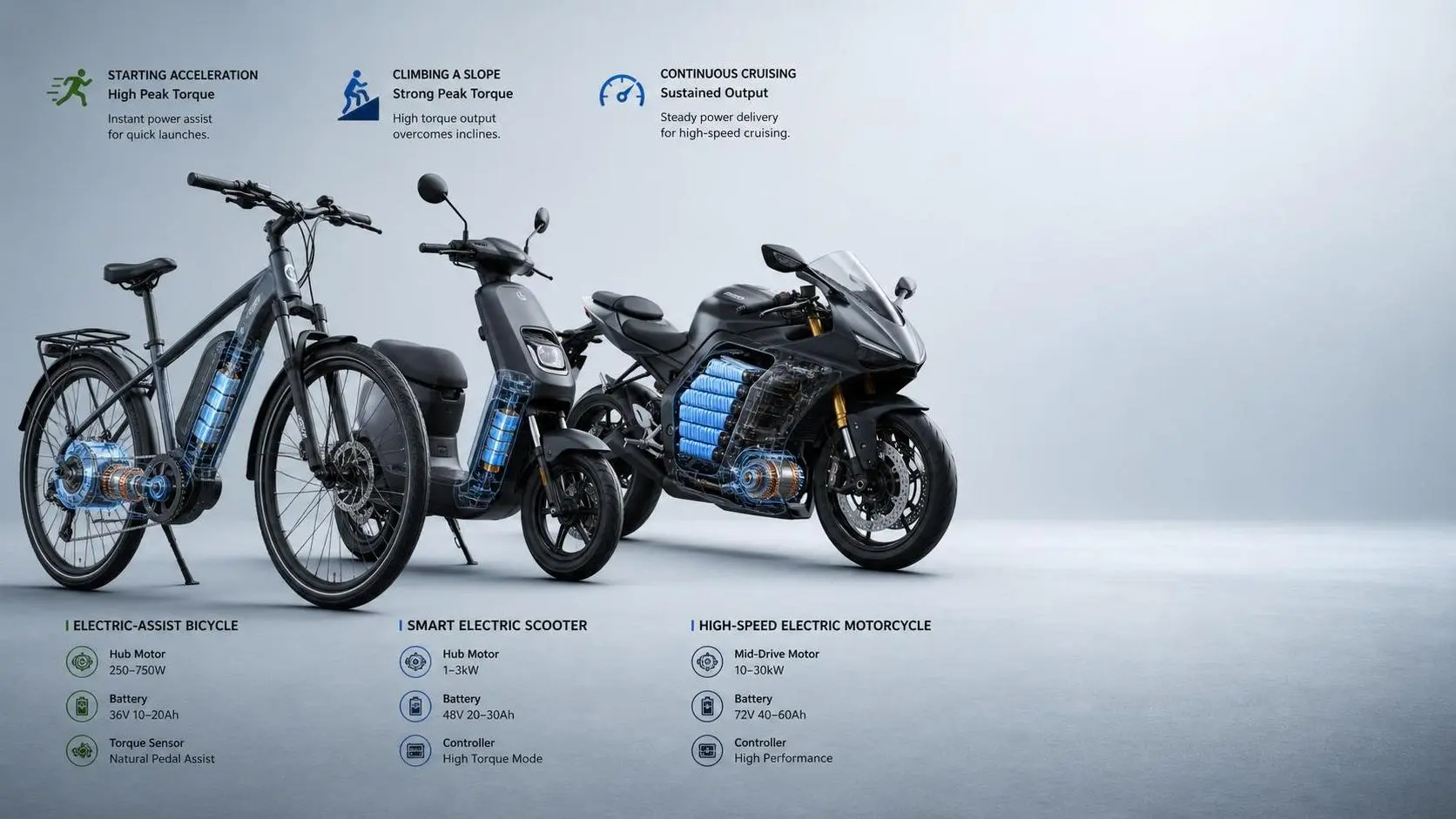
Electric Torque Trends in E-Mobility: How Peak vs Continuous Output Affects Ride Performance
Electric torque trends reveal how peak vs continuous output shapes e-bike, e-scooter, and e-motorcycle performance. Learn what truly improves daily ride quality.
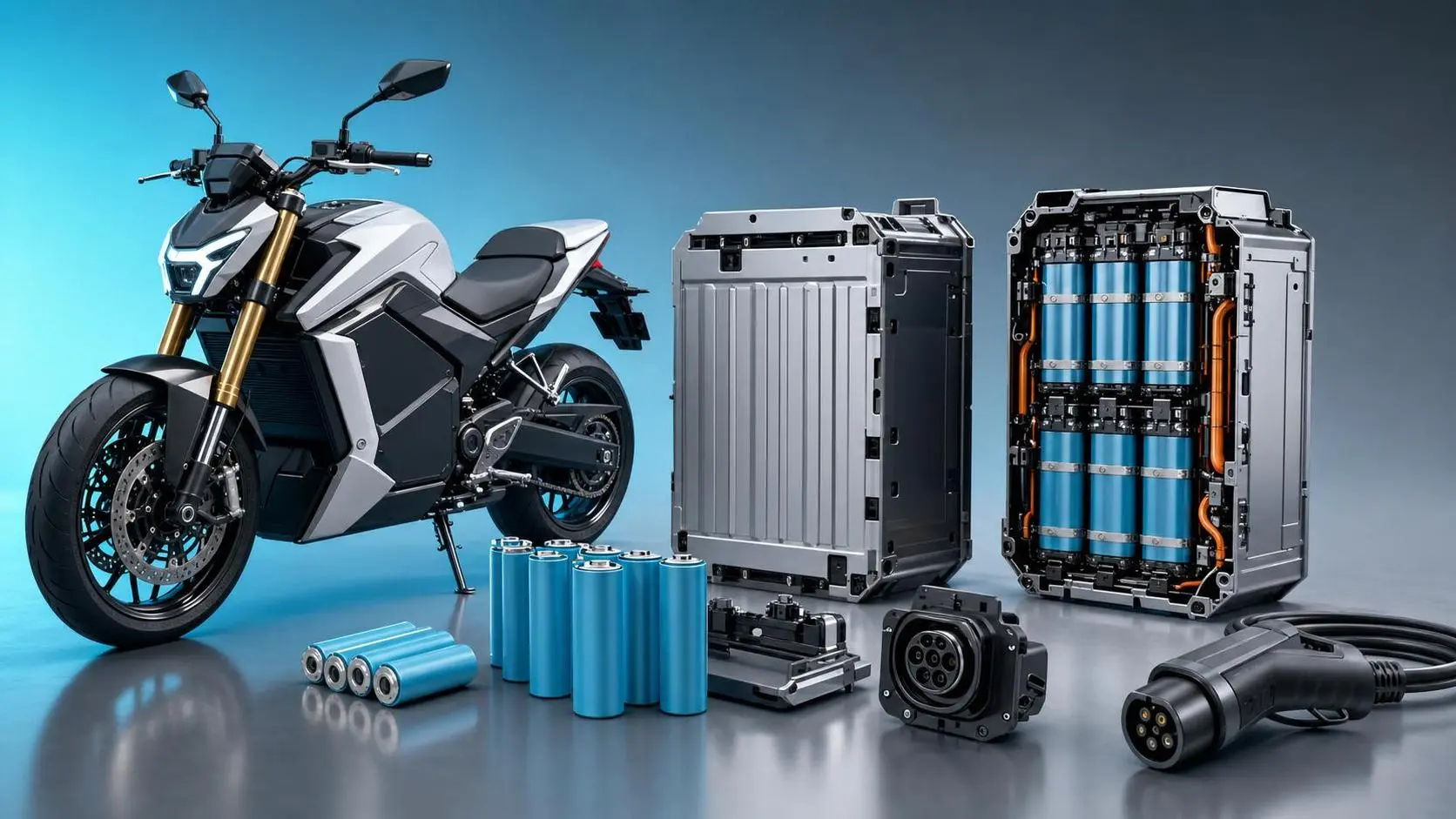
Electric Motorcycle Battery Trends: Cell Chemistry, Fast Charging, and Pack Design Shifts
Electric motorcycle battery trends are redefining range, fast charging, and pack design. Explore how chemistry choices, thermal control, and modular architecture shape safer, smarter, longer-lasting e-motorcycles.
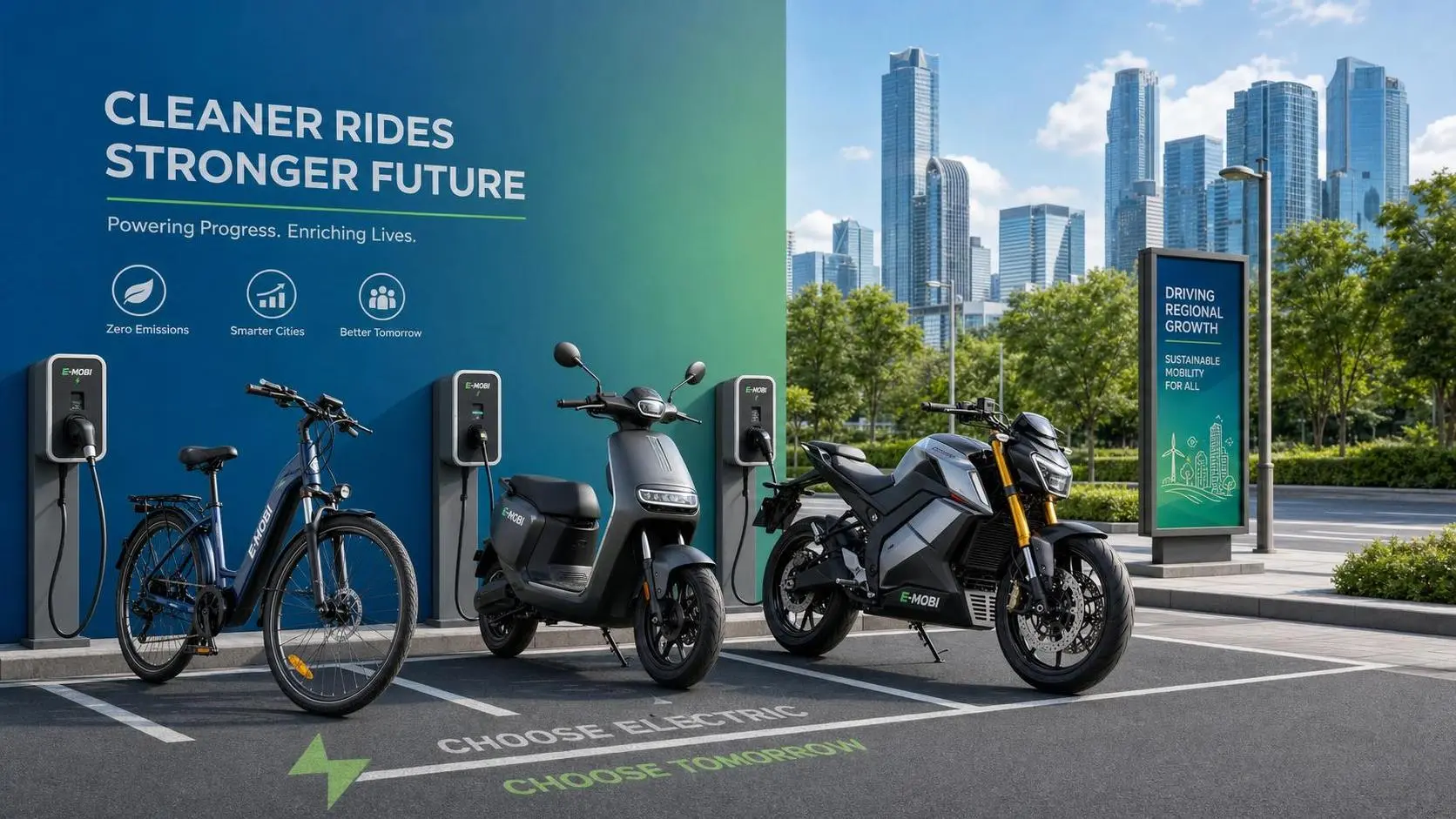
Electric Two-Wheeler Market Size Explained: What Drives Growth by Region and Vehicle Type
Electric two-wheeler market size explained through regional trends, vehicle types, and hidden growth drivers. Discover where demand, margins, and mobility opportunities are rising.
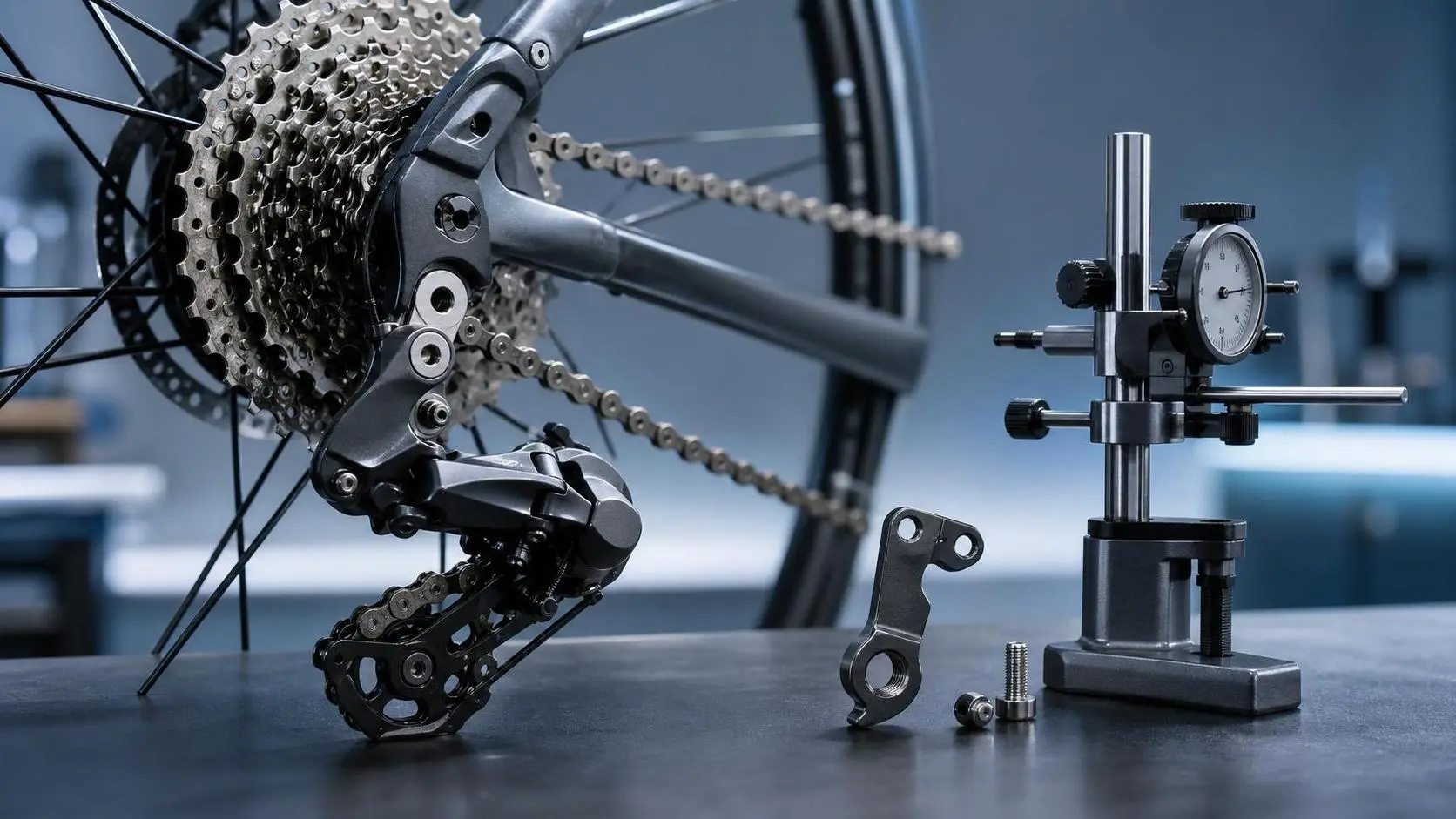
Derailleur Hanger Bent? How to Diagnose Shifting Problems and Decide on Repair or Replacement
Derailleur hanger bent? Learn the key shifting symptoms, how to confirm misalignment, and when repair or replacement is the smarter fix for reliable riding.
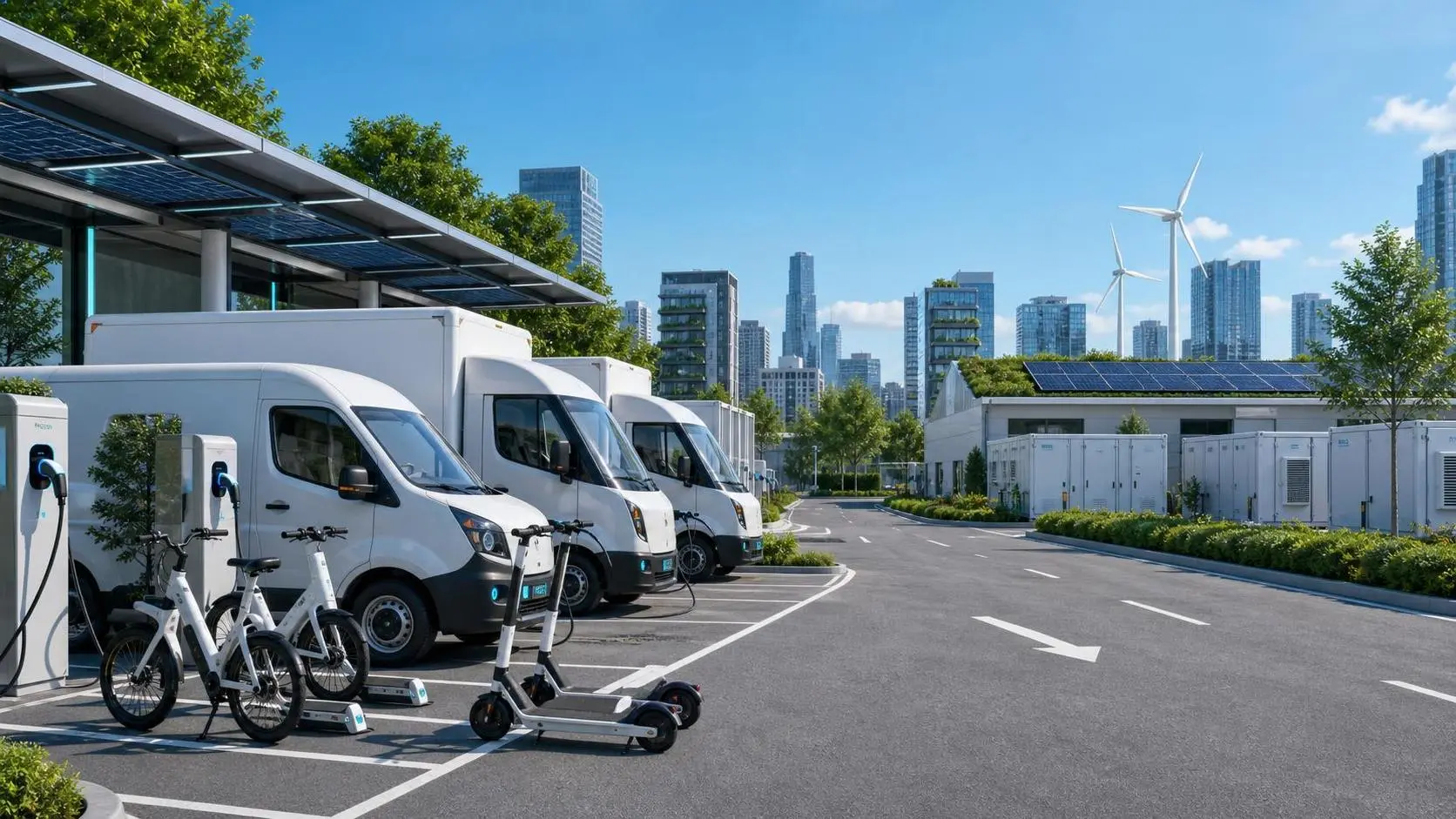
Carbon Neutrality Transport Strategy: 6 Levers That Cut Emissions Across Urban Fleets
Carbon neutrality transport strategy for urban fleets: discover 6 practical levers to cut emissions, lower operating costs, improve routing, and scale cleaner mobility faster.