
Related News
- 00
0000-00
Green Scooter Demand: Which Buyer Segments and City Use Cases Are Growing Fast? - 00
0000-00
Urban Congestion E-Bike Solutions: What to Look for in Stop-and-Go City Commuting - 00
0000-00
E Bike Controllers Explained: How to Match Voltage, Current, and Riding Mode - 00
0000-00
Electric Bike Technology for Daily Commuting: Which Features Matter Most? - 00
0000-00
E-Bikes Explained: Main Types, Typical Range, and Which Riders They Suit
Micro-Mobility Strategist
Weekly Insights
Stay ahead with our curated technology reports delivered every Monday.
Green Scooter Demand: Which Buyer Segments and City Use Cases Are Growing Fast?





Green scooter demand is no longer a niche signal inside urban mobility. It is becoming a practical market shift shaped by tighter emissions rules, rising fuel and parking costs, and a broader push for low-carbon transport.
What matters now is not only that demand is growing, but where it is growing fastest. The strongest pull comes from specific buyer groups and city use cases with clear operational needs.
That makes the topic especially relevant across the wider mobility ecosystem. It links consumer behavior, urban policy, fleet economics, battery strategy, and product compliance in one decision chain.
From the perspective of UMMS, this shift sits at the center of the last-mile revolution. Smart e-scooters are not moving alone; they interact with e-bikes, high-speed e-motorcycles, component supply, and connected urban systems.
Why green scooter demand is climbing now
At a basic level, green scooter demand refers to rising market interest in electric or low-emission scooters for personal use, shared fleets, and business mobility applications.
The word “green” matters because purchase decisions are increasingly tied to policy and operating cost, not just personal preference. Cities want cleaner streets, while riders want lower daily travel expense.
Several forces are converging at once. Urban congestion remains severe, public transport is uneven in many regions, and short-distance trips still need efficient last-mile solutions.
At the same time, battery systems are improving, lightweight frames are becoming more durable, and connected modules make fleet control easier. These technical changes reduce barriers that once slowed adoption.
In practice, green scooter demand grows fastest when affordability, convenience, and regulation point in the same direction. That is why city-level variation matters so much.
The buyer segments driving the fastest expansion
Demand is not evenly distributed across the market. Some segments are moving much faster because scooters solve a specific cost or access problem for them.
Urban commuters seeking predictable daily mobility
This remains one of the most important engines behind green scooter demand. Daily riders want a tool that is cheaper than car ownership and more flexible than crowded transit.
Growth is strongest in cities where average commuting distance is short, parking is expensive, and bike lanes or slow-speed corridors are improving.
Shared mobility operators upgrading fleet efficiency
Shared fleets are becoming more selective. Earlier expansion focused on coverage. Current expansion focuses on vehicle uptime, battery logistics, vandal resistance, and compliance with municipal rules.
This makes green scooter demand more quality-driven. Durable chassis, IoT visibility, replaceable battery architecture, and strong braking systems now influence channel success more than headline speed.
Delivery and service businesses on short urban routes
Food delivery, parcel support, campus service, hospitality transport, and local maintenance teams are creating another fast-growing layer of demand.
They value compact form factors, low charging cost, and simple serviceability. For this group, green scooter demand is less about lifestyle and more about route economics.
Institutions and semi-private mobility programs
Universities, business parks, resorts, airports, and industrial campuses are adopting scooters for controlled short-distance circulation.
These buyers usually care about safety limits, geofencing, spare parts, and service response. Their orders may be smaller than city fleets, but decisions are often stable and repeatable.
Which city use cases are growing fastest
The strongest urban use cases share one feature: scooters fit naturally into a short, repeated route where time savings and access matter more than top speed.
In many European and Asian cities, the last-mile commuter use case remains the clearest growth story. In North America and parts of the Middle East, campus and controlled-area use is gaining traction.
Tourism districts are also noteworthy. Seasonal peaks can produce concentrated green scooter demand, especially where walking distances are long but car access is restricted.
What the market is really rewarding
Fast growth does not automatically mean every scooter model will sell well. Demand is increasingly structured around fit-for-use rather than broad category hype.
Three factors stand out.
- Compliance readiness, including local speed limits, battery certification, lighting, and braking rules.
- Total operating cost, especially battery cycle life, spare parts availability, and repair turnaround.
- Use-case alignment, meaning the scooter’s structure matches the route, rider behavior, and service environment.
This is where UMMS-style market intelligence becomes useful. Understanding subsidy trends, right-of-way rules, battery management logic, and micro-mobility design evolution helps separate temporary spikes from durable demand.
For example, a city may show rising green scooter demand, yet fleet turnover stays weak if parking rules are unstable or charging access remains poor. Volume signals alone can be misleading.
How to read green scooter demand by city type
A useful way to interpret the market is by matching scooter demand to urban form. Not every city supports the same product mix.
Compact, transit-connected cities
These cities favor portable, mid-range scooters for commuting and transfer trips. Folding design, weather resilience, and easy charging matter more than aggressive power output.
Sprawling mixed-use cities
Here, demand shifts toward stronger batteries, better suspension, and tougher tires. Travel distances are longer, and road surfaces may be less consistent.
Regulated tourism and heritage zones
Green scooter demand can be sharp but selective. Buyers often favor geofencing, speed management, anti-theft systems, and high visual durability.
Industrial parks and large campuses
These environments value repeatability. Vehicle uptime, interchangeable components, and predictable maintenance schedules tend to outweigh design novelty.
Practical evaluation points before expanding a scooter portfolio
When green scooter demand accelerates, the common mistake is chasing broad volume without segment discipline. A more reliable approach is to test demand through several filters.
- Check local regulation first, including lane access, rider age rules, fleet permits, and battery transport requirements.
- Map trip distance and charging behavior before choosing battery size or swapping logic.
- Review climate conditions, since rain, heat, and rough pavement directly affect service needs.
- Assess parts support early, especially tires, controllers, brakes, and battery packs.
- Compare personal-use demand and fleet demand separately, because replacement cycles and feature priorities differ.
It also helps to track adjacent categories. In some cities, green scooter demand rises alongside e-bike adoption. In others, e-bikes may capture longer urban trips while scooters dominate station-area circulation.
That relationship matters for forecasting. Micro-mobility categories often grow together, but they do not serve identical travel behavior.
Where the next signals are likely to appear
The next phase of green scooter demand will likely come from better urban integration rather than novelty alone. Cities are starting to connect policy, curb management, charging access, and digital enforcement.
That favors scooters with stronger system compatibility. IoT modules, battery traceability, geofencing controls, and reliable component quality become more important as cities mature.
For anyone tracking growth opportunities, the most useful next step is to build a simple city-by-city matrix. Compare regulation, route type, buyer segment, service capacity, and product fit.
That method turns green scooter demand from a broad trend into a workable market map. It also makes it easier to decide which segments deserve deeper attention, which cities need caution, and which product lines can scale with confidence.
Related News
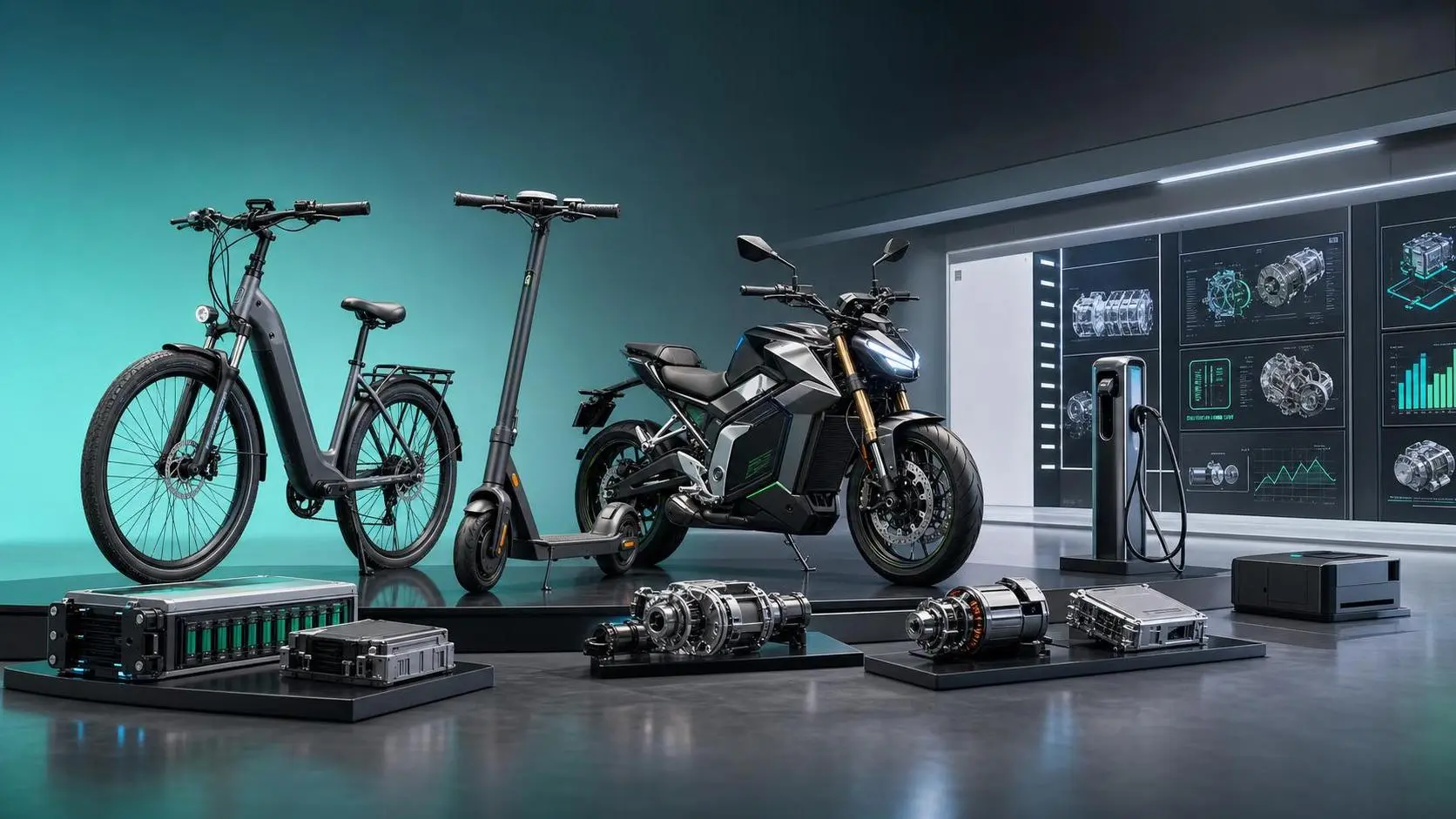
How to Use a Market Intelligence Report to Evaluate EV Two-Wheeler Opportunities
Market intelligence report insights for evaluating EV two-wheeler opportunities—compare e-bikes, e-scooters, and e-motorcycles by demand, policy, technology, and channel fit.
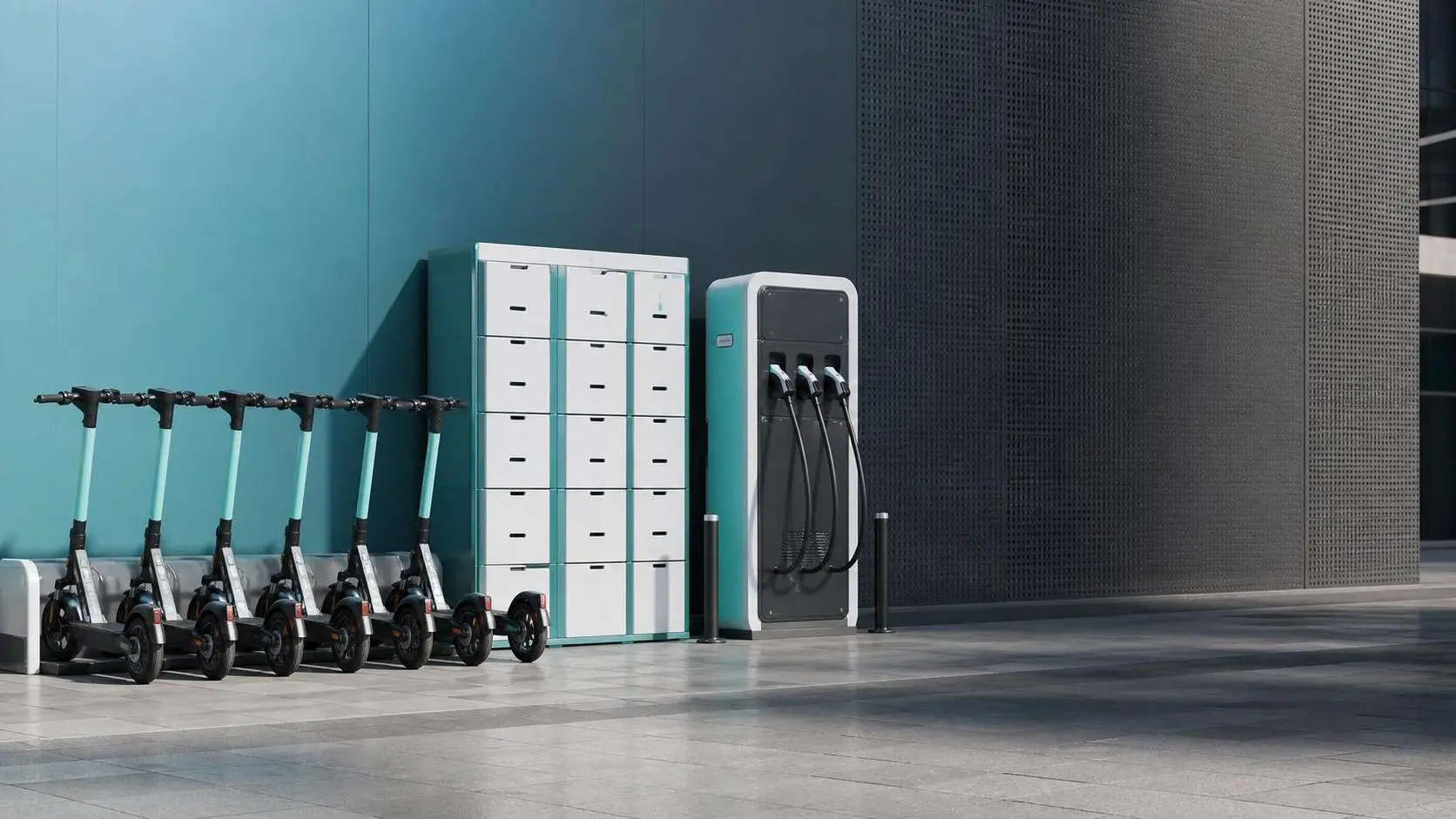
Battery Swapping in China vs Charging: Which Model Fits Shared Scooter Fleets?
Battery swapping China vs charging: discover which model keeps shared scooter fleets safer, more efficient, and easier to scale across dense urban markets.
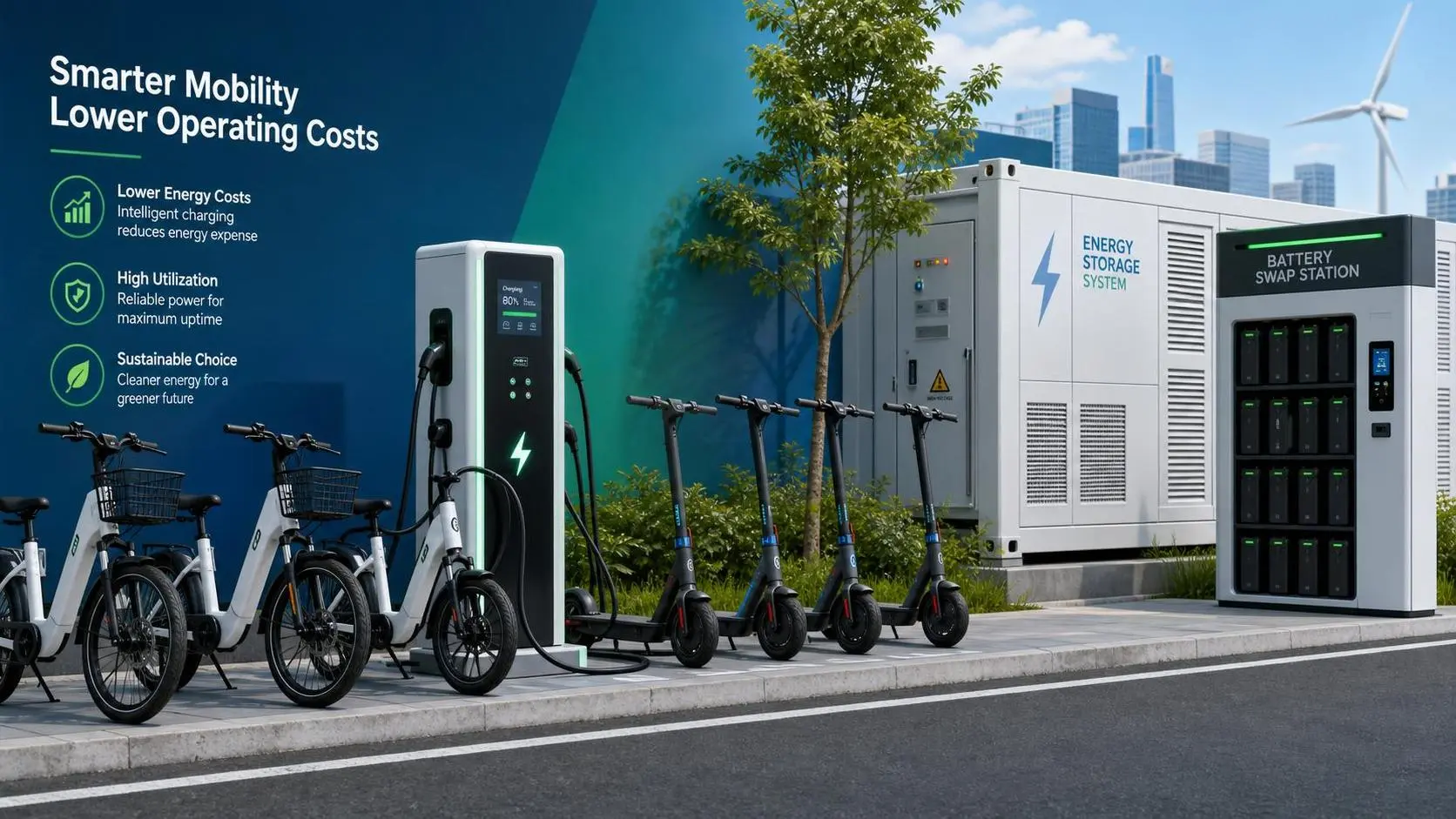
Electric Mobility Challenges Explained: Grid Limits, Charging Access, and TCO
Electric mobility challenges explained: discover how grid limits, charging access, and TCO shape EV adoption, fleet uptime, and smarter micro-mobility growth strategies.
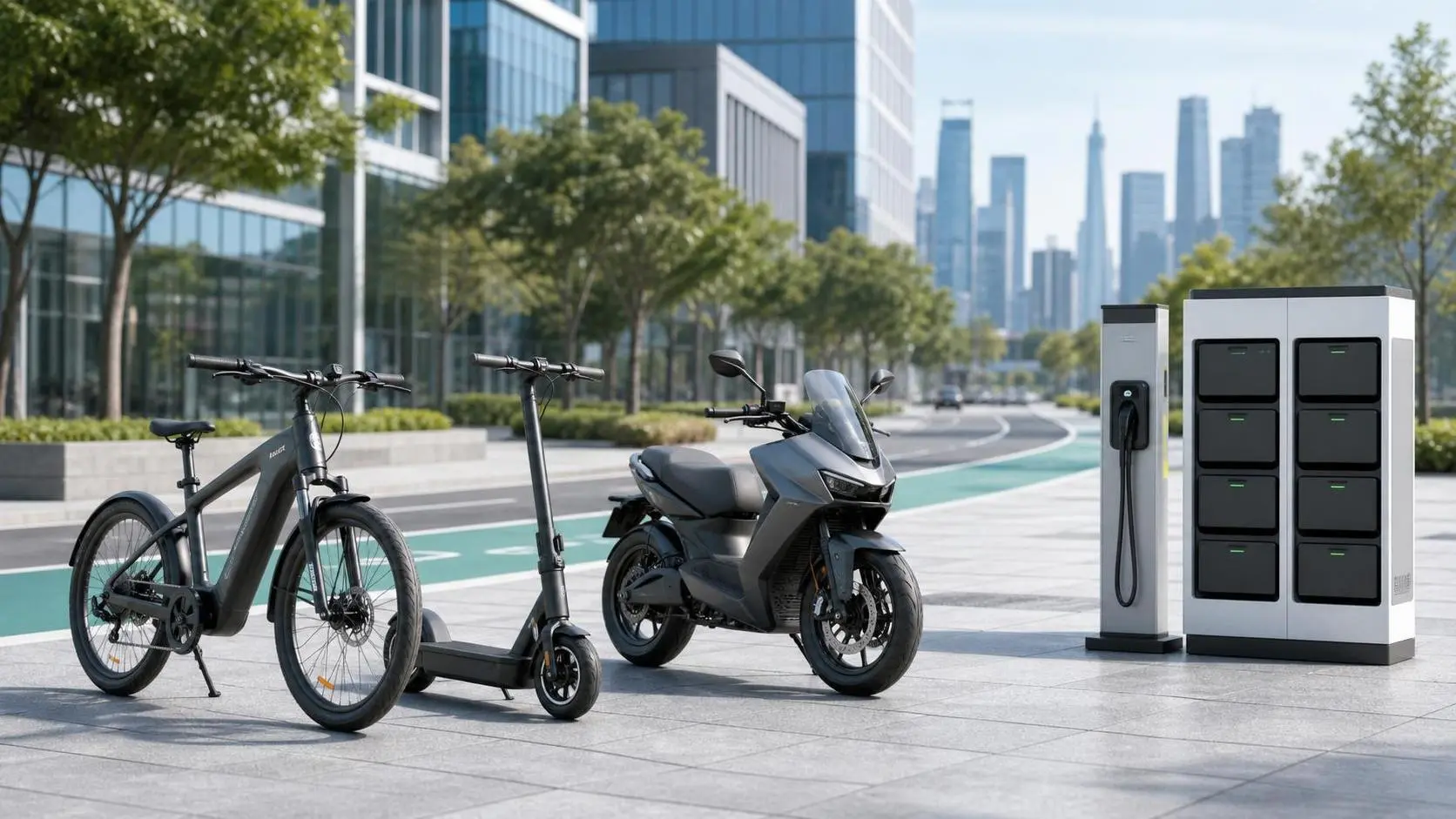
Two Wheeler Electrification Trends: What Is Driving Adoption in Urban Mobility?
Two wheeler electrification trends are reshaping urban mobility through smarter batteries, supportive policy, and flexible transport. Explore what is driving adoption now.
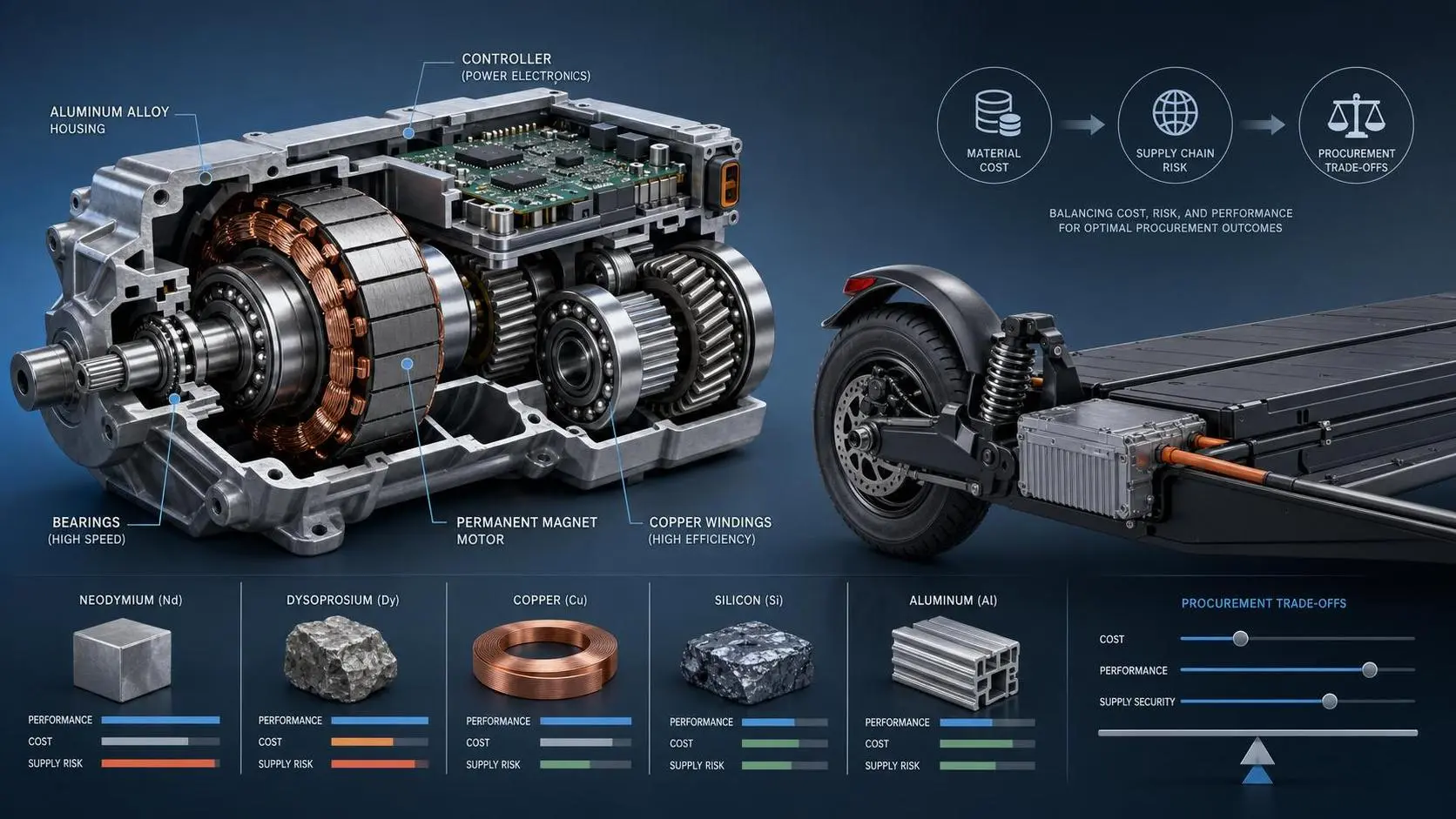
Electric Torque Market Price Drivers: Materials, Supply Risk, and Sourcing Trade-Offs
Electric torque market pricing depends on magnets, copper, controllers, and supply risk. Learn how sourcing trade-offs affect cost, reliability, and long-term value.
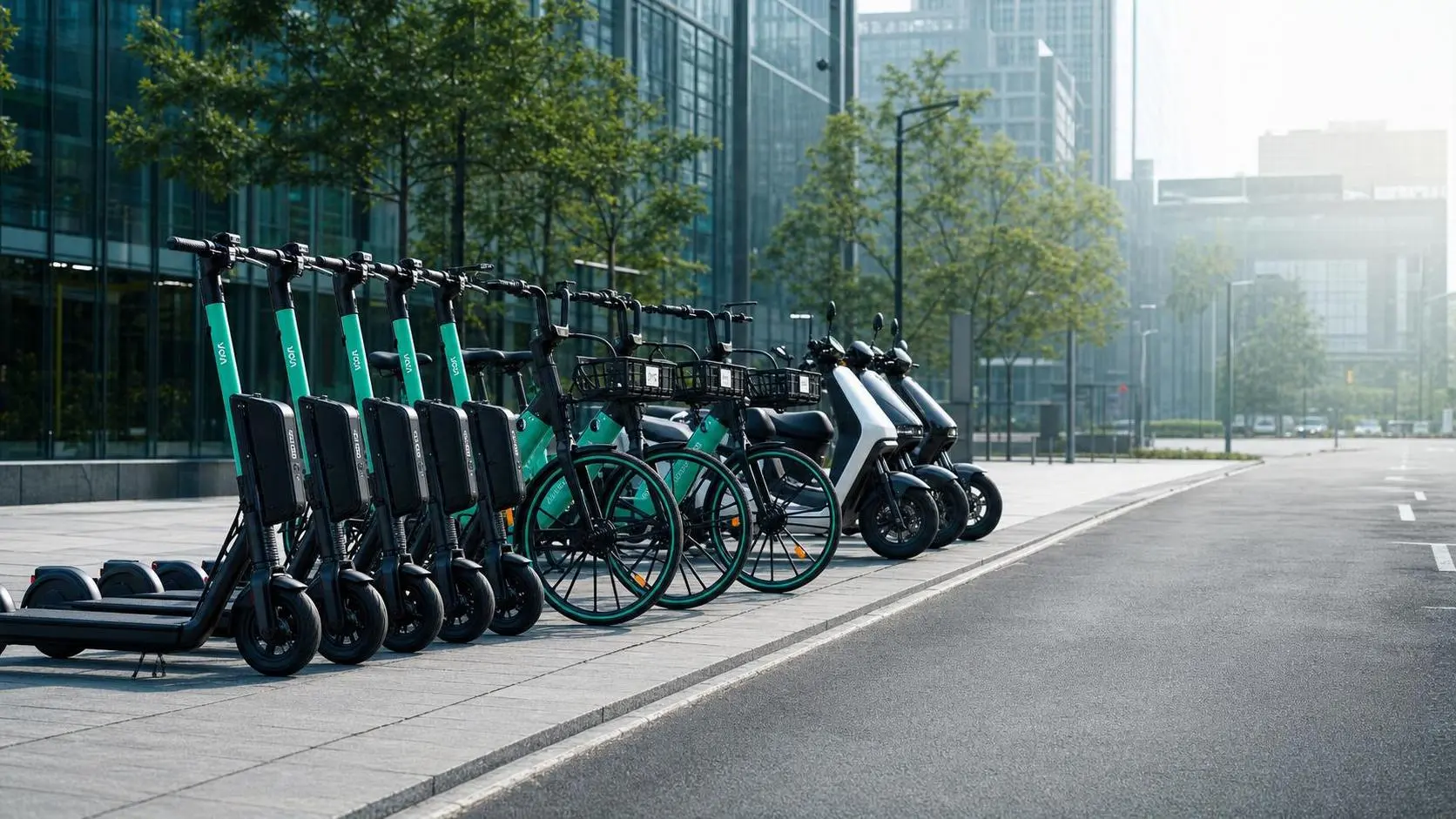
Micro Mobility Report: Which Metrics Matter Most for City Fleet Planning
Micro mobility report insights for city fleet planning: discover the key metrics behind uptime, battery efficiency, safety, and demand to build smarter, scalable urban mobility systems.
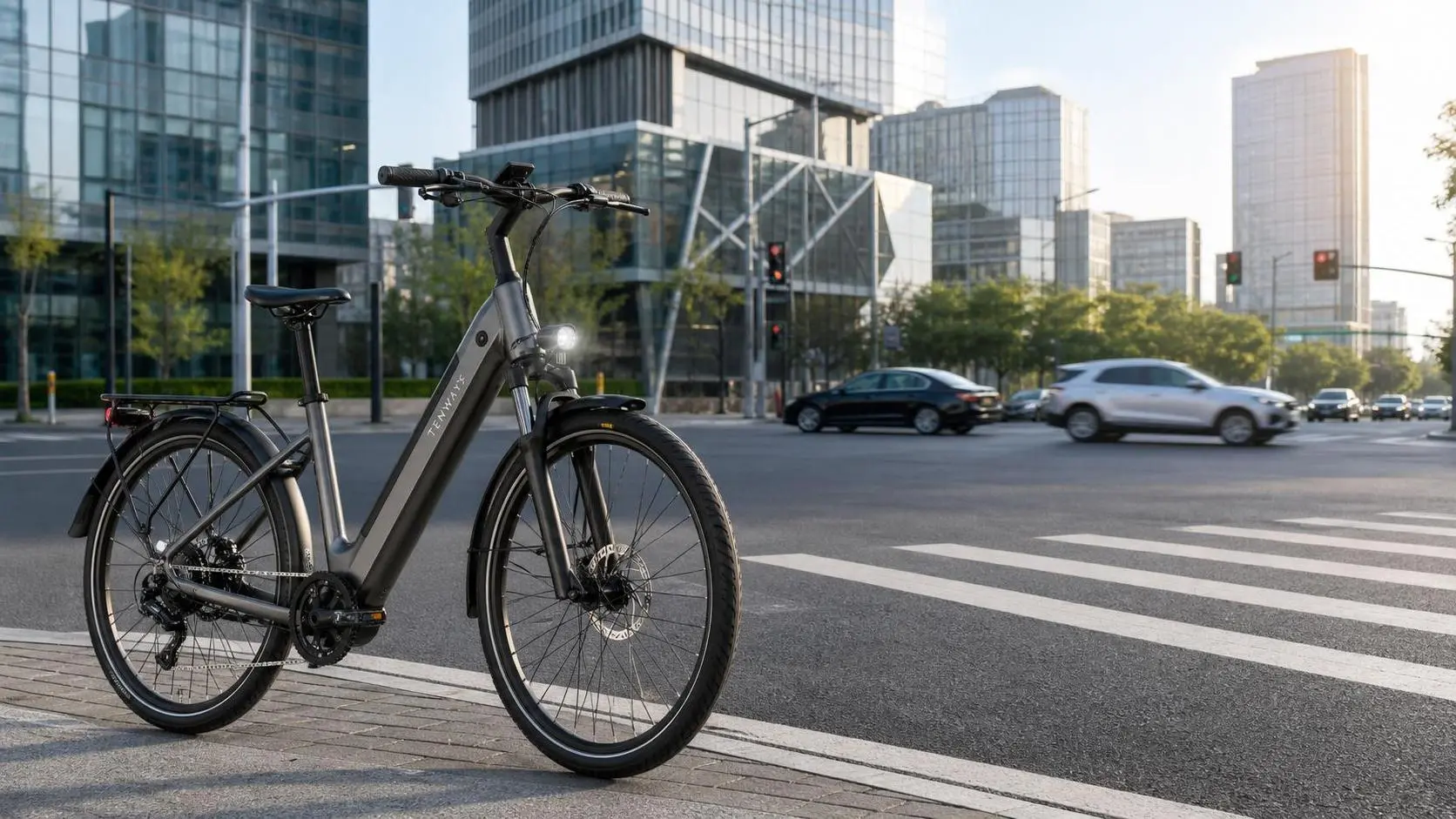
Urban Congestion E-Bike Solutions: What to Look for in Stop-and-Go City Commuting
Urban congestion ebike buying guide for stop-and-go city commuting. Discover smooth power, reliable braking, battery efficiency, and practical comfort for safer, smarter daily rides.
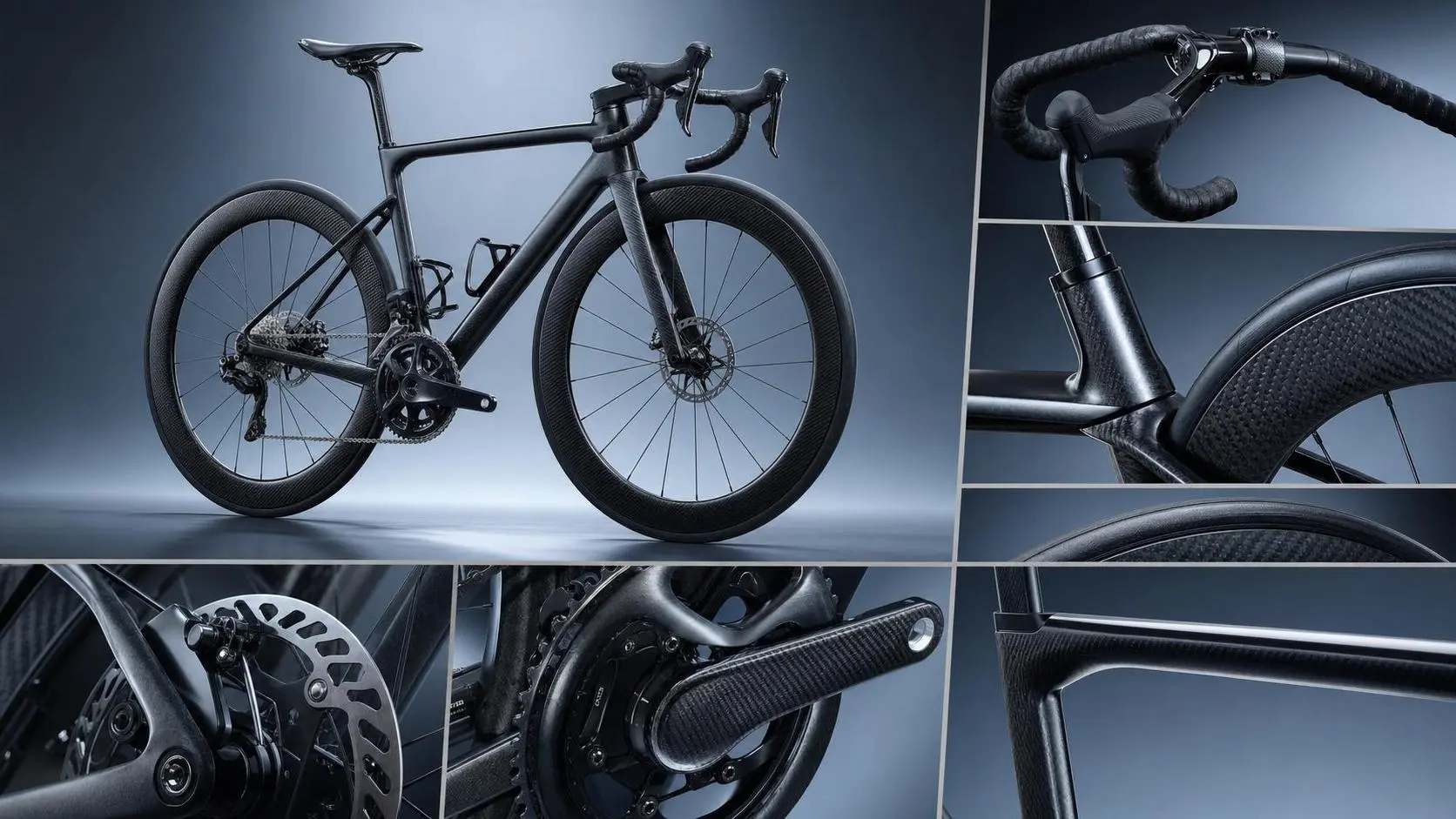
How Carbon Bicycle Components Affect Weight, Stiffness, and Ride Feel
Carbon bicycle components affect weight, stiffness, and ride feel in measurable ways. Learn how smart carbon design improves performance, comfort, and control before you upgrade.
Urban Electric Motorcycle Buying Guide: Range, Top Speed, Licensing, and Daily Use
Urban electric motorcycle buying guide covering real range, top speed, licensing, charging, and daily use. Compare smarter, avoid costly mistakes, and choose the right city ride.