
Related News
- 00
0000-00
Carbon Neutrality Transport Strategy: 6 Levers That Cut Emissions Across Urban Fleets - 00
0000-00
Electric Two Wheeler Market Analysis: How to Compare Demand, Pricing, and Regional Growth - 00
0000-00
Urban Traffic Congestion Solutions: Which Options Work Best for Dense City Corridors? - 00
0000-00
Electric Drivetrain Market Breakdown: Key Segments, Cost Drivers, and Supplier Shifts - 00
0000-00
Battery Technology China: How LFP, Sodium-Ion, and Fast-Charging Cells Compare
Ms. Elena Rodriguez
Weekly Insights
Stay ahead with our curated technology reports delivered every Monday.
Carbon Neutrality Transport Strategy: 6 Levers That Cut Emissions Across Urban Fleets





Carbon Neutrality Transport Strategy: 6 Levers That Cut Emissions Across Urban Fleets
For enterprise decision-makers navigating urban mobility transformation, a carbon neutrality transport strategy is no longer optional. It is now tied to regulation, operating cost, resilience, and brand trust.
In dense cities, transport emissions come from daily choices. Vehicle mix, charging logic, route design, maintenance discipline, and data quality all shape the result.
That is why a practical carbon neutrality transport strategy must move beyond pledges. It should turn emissions reduction into a repeatable operating system.
For urban fleets, the biggest gains rarely come from one headline investment. They usually come from six connected levers that reinforce each other over time.
1. Electrify the right duty cycles first
The first step in any carbon neutrality transport strategy is not full replacement. It is selective electrification based on route, load, speed, and stop frequency.
Short urban loops, predictable mileage, and frequent braking are ideal starting points. These conditions improve battery use and make charging windows easier to manage.
This is where micro-mobility matters. E-bikes, smart e-scooters, and high-speed e-motorcycles can replace many light commercial trips at lower energy intensity.
In actual operations, not every trip needs a van. Service calls, inspections, parcel drops, and campus movement often fit two-wheeled electric platforms better.
- Map daily journeys by distance, payload, terrain, and idle time.
- Prioritize routes under predictable urban range limits.
- Match vehicle classes to real job requirements, not legacy habits.
- Use pilot zones before scaling citywide deployment.
A carbon neutrality transport strategy works faster when electrification starts with the easiest wins. Early savings build internal confidence and strengthen the business case.
2. Redesign urban routes with emissions in mind
From recent market shifts, the clearer signal is this: route planning now matters as much as vehicle technology. A poor route can erase the benefits of cleaner assets.
A strong carbon neutrality transport strategy uses routing software that balances emissions, delivery time, congestion, charging access, and curbside restrictions.
Urban fleets should avoid empty miles, duplicated loops, and high-idling bottlenecks. Even small route improvements can deliver immediate carbon and cost reductions.
This also means using real-time data. Weather, road closures, battery state, and demand spikes should shape dispatch decisions throughout the day.
- Set emissions per stop as a routing KPI.
- Build micro-hubs near dense demand clusters.
- Assign electric two-wheelers to high-frequency downtown trips.
- Update routing rules weekly using live fleet data.
A carbon neutrality transport strategy becomes practical when route design stops being a logistics afterthought and becomes a carbon control tool.
3. Build smart charging and energy management
Electrification alone does not guarantee lower lifecycle emissions. The source, timing, and efficiency of charging all influence the outcome.
That is why a mature carbon neutrality transport strategy includes smart charging, battery health monitoring, and energy scheduling linked to grid conditions.
For urban operators, off-peak charging reduces cost pressure. Renewable power contracts or onsite solar can further lower indirect emissions from fleet operations.
Battery swapping can also help. In high-speed e-motorcycles and shared fleets, it cuts downtime and keeps asset utilization high during peak demand windows.
- Track charging losses, not just electricity use.
- Separate operational charging from emergency fast charging.
- Monitor thermal performance to protect battery life.
- Align charging schedules with low-carbon power availability.
This is especially relevant in micro-mobility systems. Dense battery networks require disciplined management to avoid hidden inefficiency and premature replacement costs.
4. Shift trips to lighter modes wherever possible
One of the most underused levers in a carbon neutrality transport strategy is modal substitution. Many urban tasks are still handled by vehicles larger than necessary.
A lighter mode means lower energy use, easier parking, better access, and often faster trip completion in crowded city cores.
This is where UMMS market intelligence becomes useful. E-bikes and smart e-scooters are no longer niche devices. They are urban work tools with growing operational relevance.
For inspections, security patrols, food logistics, field maintenance, and short-radius service, two-wheeled electrified fleets can outperform heavier alternatives.
A better carbon neutrality transport strategy asks one simple question first: what is the lightest safe vehicle that can complete this job?
5. Treat maintenance as a carbon lever
Maintenance is often discussed as a reliability issue. In reality, it is also central to any carbon neutrality transport strategy.
Poorly maintained fleets consume more energy, suffer more downtime, and require earlier component replacement. That increases both direct and embedded emissions.
For two-wheeled fleets, drivetrain efficiency matters a lot. Precision bicycle components, tire pressure, brake drag, and motor calibration all affect performance.
The same applies to safety systems. In wet climates, advanced wiper systems and sensor accuracy protect visibility and reduce incident-related operational waste.
- Use predictive maintenance instead of calendar-only checks.
- Track energy efficiency by vehicle and component set.
- Replace wear parts before they trigger wider system losses.
- Standardize spare parts for faster service turnaround.
A carbon neutrality transport strategy becomes more durable when maintenance teams, procurement teams, and sustainability teams share the same performance dashboard.
6. Measure what matters and govern at portfolio level
The last lever is governance. Without clear measurement, even a well-funded carbon neutrality transport strategy can stall inside isolated pilots.
The stronger approach is portfolio management. That means comparing sites, asset classes, suppliers, and route types through one decision framework.
Focus on a small set of indicators. Emissions per trip, emissions per payload unit, energy cost per kilometer, uptime, battery health, and asset utilization are enough to start.
This also supports supplier selection. OEMs and component partners should be evaluated on efficiency data, repairability, software support, and lifecycle transparency.
In practice, the best carbon neutrality transport strategy is measurable, staged, and accountable. It does not rely on declarations. It relies on operational proof.
How to turn strategy into a 12-month action plan
If the goal is faster execution, break the carbon neutrality transport strategy into manageable phases. That reduces risk and keeps capital deployment disciplined.
- Months 1 to 3: audit routes, emissions, energy use, and asset fit.
- Months 4 to 6: launch focused pilots in high-density urban zones.
- Months 7 to 9: integrate charging, routing, and maintenance data.
- Months 10 to 12: scale the best-performing fleet models and suppliers.
Along the way, expect friction. Charging gaps, staff adoption, subsidy changes, and infrastructure delays are common. Planning for them is part of the strategy.
The opportunity, however, is bigger than compliance. A well-executed carbon neutrality transport strategy can cut cost, improve service speed, and strengthen urban market positioning.
Closing perspective
Urban fleets are entering a new operating era. Decarbonization is no longer separate from performance. It is becoming a direct measure of operational quality.
The most effective carbon neutrality transport strategy starts with realistic route data, lighter vehicle choices, smarter charging, stronger maintenance, and disciplined governance.
Start with one city, one fleet segment, and one measurable target. Then scale what works. That is how low-carbon urban mobility becomes both practical and profitable.
Related News
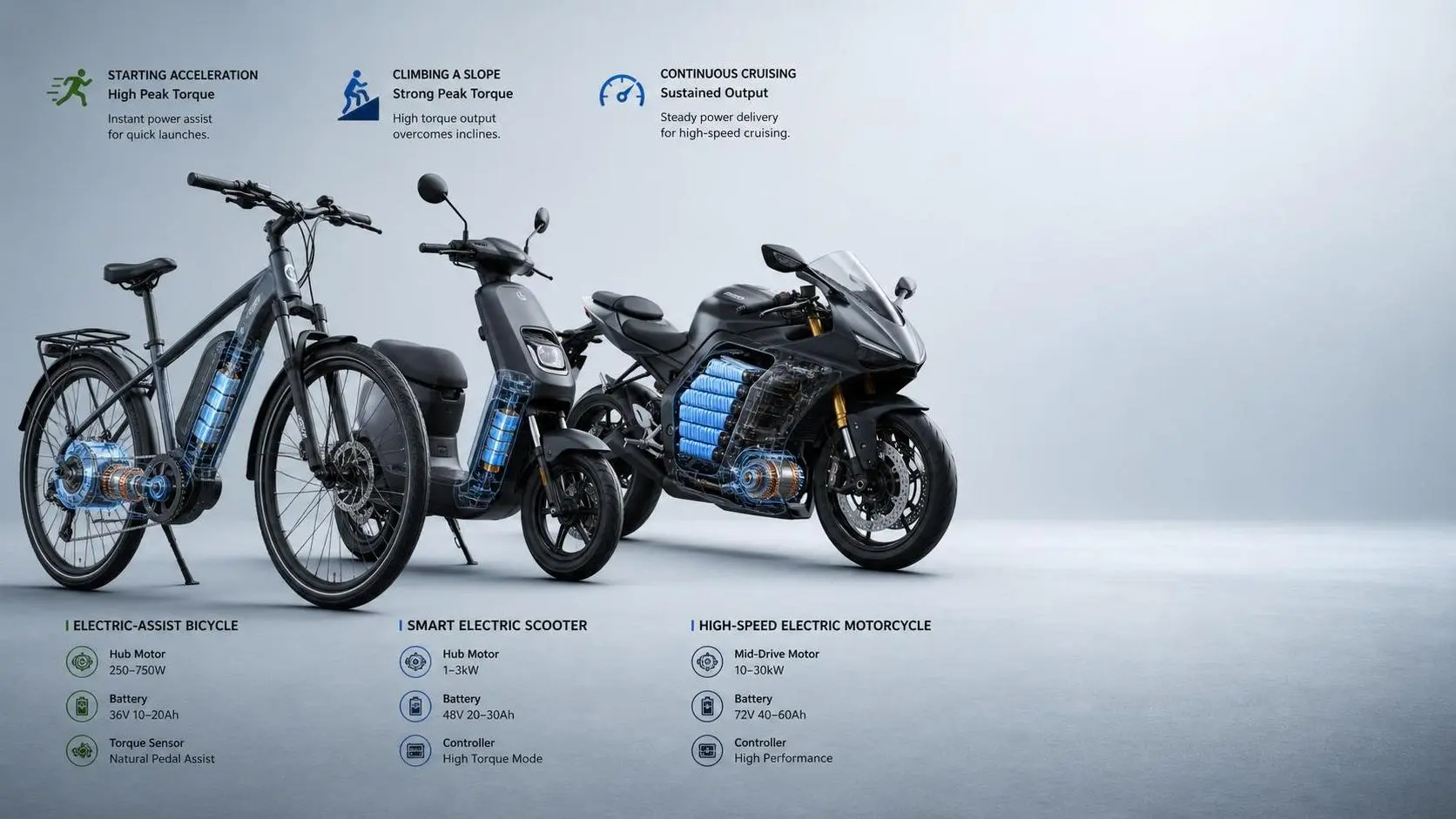
Electric Torque Trends in E-Mobility: How Peak vs Continuous Output Affects Ride Performance
Electric torque trends reveal how peak vs continuous output shapes e-bike, e-scooter, and e-motorcycle performance. Learn what truly improves daily ride quality.
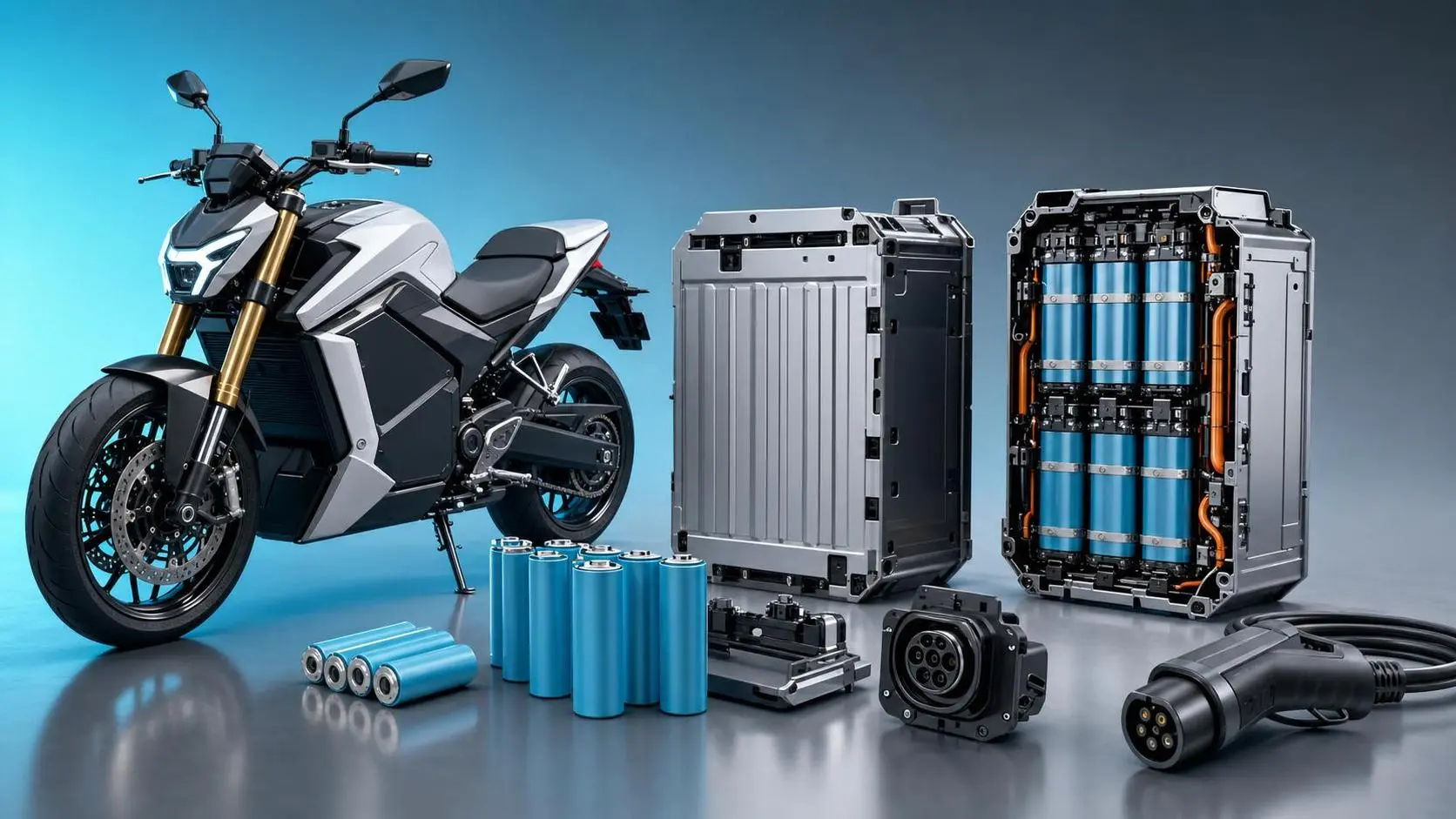
Electric Motorcycle Battery Trends: Cell Chemistry, Fast Charging, and Pack Design Shifts
Electric motorcycle battery trends are redefining range, fast charging, and pack design. Explore how chemistry choices, thermal control, and modular architecture shape safer, smarter, longer-lasting e-motorcycles.
Electric Two-Wheeler Market Size Explained: What Drives Growth by Region and Vehicle Type
Electric two-wheeler market size explained through regional trends, vehicle types, and hidden growth drivers. Discover where demand, margins, and mobility opportunities are rising.

Derailleur Hanger Bent? How to Diagnose Shifting Problems and Decide on Repair or Replacement
Derailleur hanger bent? Learn the key shifting symptoms, how to confirm misalignment, and when repair or replacement is the smarter fix for reliable riding.
Electric Two Wheeler Market Analysis: How to Compare Demand, Pricing, and Regional Growth
Electric two wheeler market analysis made practical: compare real demand, pricing drivers, and regional growth signals to avoid sourcing mistakes and choose smarter suppliers.

Micro Mobility Global Expansion: What Market Entry Risks and Growth Signals Should Distributors Watch?
Micro mobility global expansion demands more than shipment growth. Discover key market entry risks, regulation shifts, battery challenges, and trusted growth signals distributors should watch.
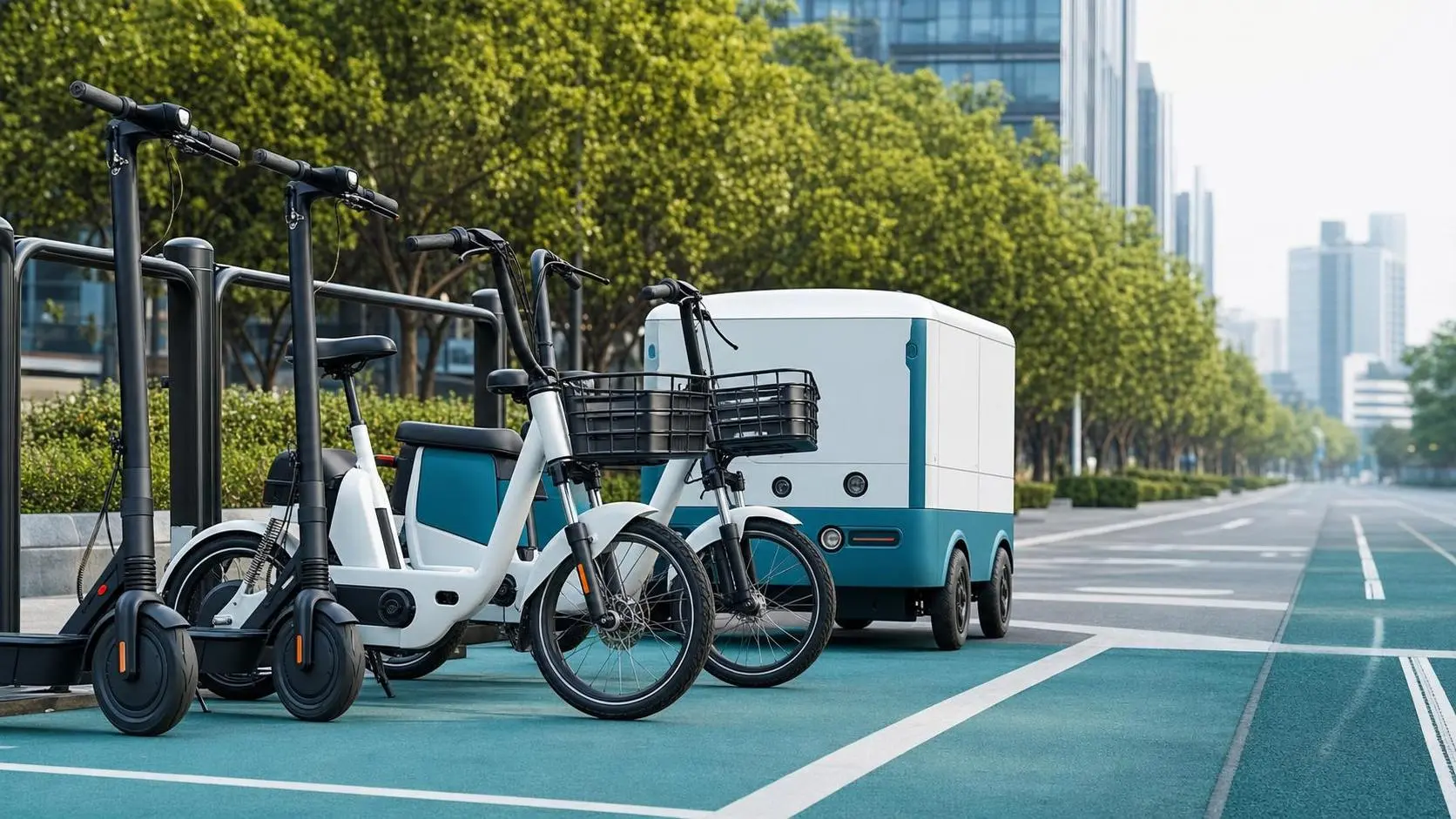
How the Global Mobility Landscape Is Shifting Across Shared, Electric, and Low-Speed Transport
Global mobility landscape trends are redefining urban transport through shared fleets, e-bikes, scooters, and low-speed EVs. Explore the signals shaping smarter, cleaner growth.
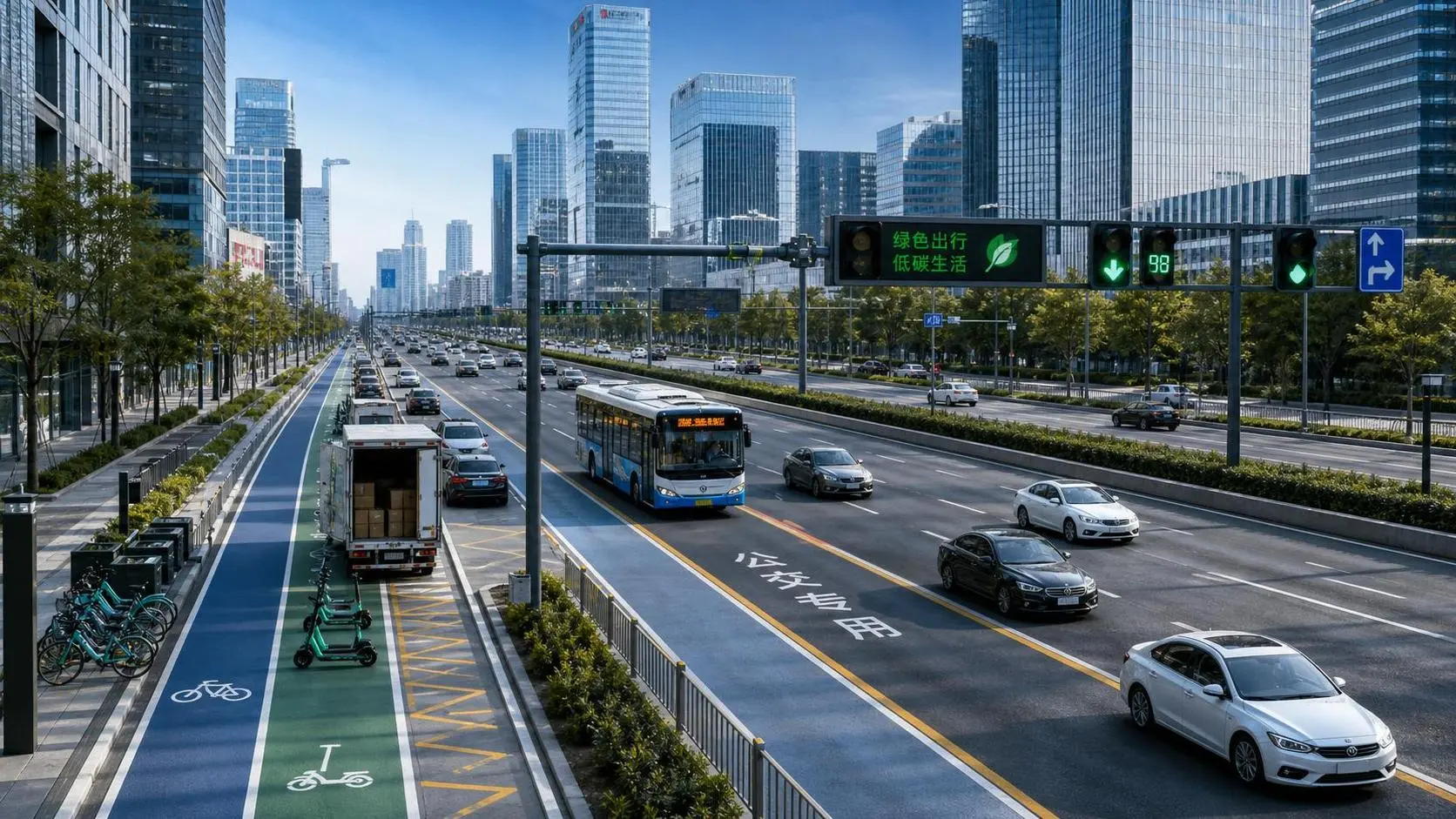
Urban Traffic Congestion Solutions: Which Options Work Best for Dense City Corridors?
Urban traffic congestion solutions that actually work: discover how adaptive signals, transit priority, curb management, and micro-mobility can improve dense city corridors.

Electric Drivetrain Market Breakdown: Key Segments, Cost Drivers, and Supplier Shifts
Electric drivetrain market insights on key segments, cost drivers, and supplier shifts. See where value, risk, and growth opportunities are emerging across mobility platforms.