
Related News
- 00
0000-00
Electric Motorcycle Battery Trends: Cell Chemistry, Fast Charging, and Pack Design Shifts - 00
0000-00
What Causes Torque Lag in Electric Two-Wheelers and How Can Engineers Reduce It? - 00
0000-00
Swappable Battery Motorcycle vs Fixed Battery Models: Which Setup Fits Daily Use? - 00
0000-00
Commuter E Motorcycles vs E-Bikes: Which Urban Option Fits Range, Speed, and Licensing Needs? - 00
0000-00
High Performance Electric Two-Wheeler Market: Buyer Criteria, Price Bands, and Channel Trends
Electric Powertrain Analyst
Weekly Insights
Stay ahead with our curated technology reports delivered every Monday.
Electric Motorcycle Battery Trends: Cell Chemistry, Fast Charging, and Pack Design Shifts





Electric motorcycle battery trends are moving faster than many vehicle roadmaps. Battery choice now shapes not only range, but charging behavior, thermal stability, service strategy, and the commercial logic of urban two-wheel platforms.
That is why the topic matters across the wider micro-mobility chain. For a portal such as UMMS, which tracks electrified two-wheel systems from e-bikes to high-speed e-motorcycles, battery evolution is no longer a component story alone. It is a systems story.
Cell chemistry, fast charging, and pack architecture now influence vehicle packaging, software calibration, swap readiness, safety compliance, and total lifecycle economics. In practical terms, electric motorcycle battery trends reveal which platforms are built for durable use and which are optimized only for headline specifications.
Why battery shifts matter now
The current market no longer rewards battery size alone. High-speed electric motorcycles must satisfy dense urban commuting, fleet uptime targets, and growing expectations for intercity usability.
At the same time, policy pressure around decarbonization is increasing. Buyers, operators, and regulators are asking sharper questions about charging efficiency, pack durability, and end-of-life handling.
This is where electric motorcycle battery trends connect with the broader last-mile transition. E-bikes, smart scooters, and performance motorcycles may use different pack scales, but they increasingly share the same design priorities: safe density, intelligent management, and efficient energy use.
UMMS follows this convergence closely because it sits at the intersection of drivetrain efficiency, battery management logic, and urban mobility strategy. Battery decisions now affect the whole platform stack, not just the power source.
Cell chemistry is becoming more application-specific
One of the clearest electric motorcycle battery trends is the end of the one-chemistry-fits-all mindset. Different motorcycle classes are moving toward different electrochemical priorities.
NMC still serves performance-focused platforms
Nickel manganese cobalt chemistries remain attractive where compact packaging and higher energy density are critical. They help preserve sporty proportions while supporting stronger range claims.
However, the tradeoff is familiar. NMC demands tighter thermal management, stricter charging control, and more careful abuse protection, especially in hot climates or repeated fast-charge cycles.
LFP gains ground in urban and fleet cases
Lithium iron phosphate is becoming harder to ignore. Its lower energy density is often offset by stronger thermal stability, longer cycle life, and a lower-risk operating profile.
For city-focused motorcycles, delivery fleets, and swap-enabled systems, those advantages can outweigh the packaging penalty. In these cases, battery longevity may matter more than maximum kilometers per charge.
Emerging chemistries remain strategic, not mainstream
High-manganese variants, silicon-enhanced anodes, and sodium-ion concepts are drawing attention. Yet most remain in the evaluation stage for motorcycles, where vibration, thermal swings, and space constraints are unforgiving.
The key point is simple. Chemistry selection is increasingly linked to use case, not marketing language.
Fast charging is shifting from feature to architecture
Another major chapter in electric motorcycle battery trends is the move beyond simple charge-time claims. Charging speed now depends on the entire electrical and thermal architecture.
A battery can only charge quickly and repeatedly if the cell chemistry, busbar design, contactors, cooling path, and BMS logic were designed together. Without that integration, fast charging becomes a short-term demo, not a durable operating mode.
Peak charge rate matters less than sustained acceptance
A useful evaluation starts with the charging curve, not the headline number. Two packs may both advertise rapid charging, yet one may taper aggressively after a short window.
That distinction affects real stop time, station throughput, and pack aging. In business terms, usable charge performance is more valuable than promotional peak power.
Thermal behavior is central to charging credibility
Repeated DC charging adds thermal stress quickly. If heat cannot be removed evenly, imbalance grows, degradation accelerates, and safety margins shrink.
This is why more platforms are using improved thermal interfaces, denser sensor placement, and smarter BMS controls. Fast charging is increasingly a thermal engineering challenge with software consequences.
Infrastructure fit still decides real usability
Electric motorcycle battery trends also reflect regional infrastructure realities. In some cities, home and depot charging dominate. In others, public DC charging or battery swapping shapes platform design from the beginning.
A battery strategy that works for private commuters may not work for shared or commercial operation. The correct benchmark is therefore scenario-specific utilization, not abstract charging speed.
Pack design is becoming a competitive differentiator
Pack design used to be treated as packaging work after chemistry selection. That is changing. One of the most important electric motorcycle battery trends is the rise of pack architecture as a competitive engineering layer.
Structural integration changes the vehicle balance
Designers are using the battery pack more strategically in chassis layout. A lower, more central mass helps handling, while tighter integration can improve stiffness and free space for electronics or storage.
The downside is service complexity. More integrated packs can be harder to inspect, remove, repair, or upgrade.
Modularity supports scaling and serviceability
Modular pack strategies are gaining attention because they simplify platform sharing. A brand can support several motorcycle variants through common module blocks, connectors, and control logic.
Modularity also helps aftersales planning. Fault isolation, replacement logistics, and second-life sorting become more manageable when the pack is segmented intelligently.
Sealing, vibration, and crash behavior need closer review
Motorcycles face harsher exposure than many passenger EV assumptions suggest. Water ingress, road shock, side impacts, and repetitive vibration all test pack integrity.
For that reason, pack design shifts are not only about lighter housings or smaller footprints. They are about making the pack survive real riding environments without undermining maintainability.
What deserves closer attention during evaluation
When reviewing electric motorcycle battery trends in a practical context, several indicators reveal whether a platform is technically mature or merely well-positioned on paper.
- Look at energy delivered across the usable state-of-charge window, not only nominal capacity.
- Check how charging performance changes after repeated cycles and under high ambient temperatures.
- Review pack cooling or heat spreading methods, sensor coverage, and fault-detection granularity.
- Compare cell replacement philosophy, pack removal effort, and field service access.
- Verify whether software updates can refine charging, balancing, and thermal control over time.
- Assess whether the platform supports swapping, depot charging, or public charging without compromise.
These points matter because battery value is cumulative. It is expressed through uptime, retained capacity, safety margin, and adaptability over several years of use.
How these trends connect to the wider micro-mobility market
Electric motorcycle battery trends do not exist in isolation. Many design lessons now move across e-bikes, scooters, and motorcycles, even when voltage levels and power demands differ.
BMS intelligence, thermal modeling, connector reliability, and lightweight enclosure design are becoming shared disciplines across the UMMS coverage universe. What is proven in one category often influences the next.
This cross-category view is especially valuable in urban mobility planning. A city or operator may deploy several two-wheel formats at once, making battery ecosystem compatibility more strategic than it first appears.
In that sense, the battery is not only an energy reservoir. It is the anchor point linking performance, operational flexibility, decarbonization goals, and platform economics.
A practical next step
The most useful response to current electric motorcycle battery trends is to build a comparison framework before comparing products. Start with duty cycle, charge environment, thermal exposure, service model, and lifecycle targets.
Then map those needs against chemistry choice, charging curve behavior, and pack architecture. This approach makes it easier to separate real platform suitability from attractive but isolated specifications.
As battery systems continue to define the future of high-speed electric motorcycles, the strongest decisions will come from viewing the pack as a whole system. That is also the most reliable way to judge long-term mobility value.
Related News
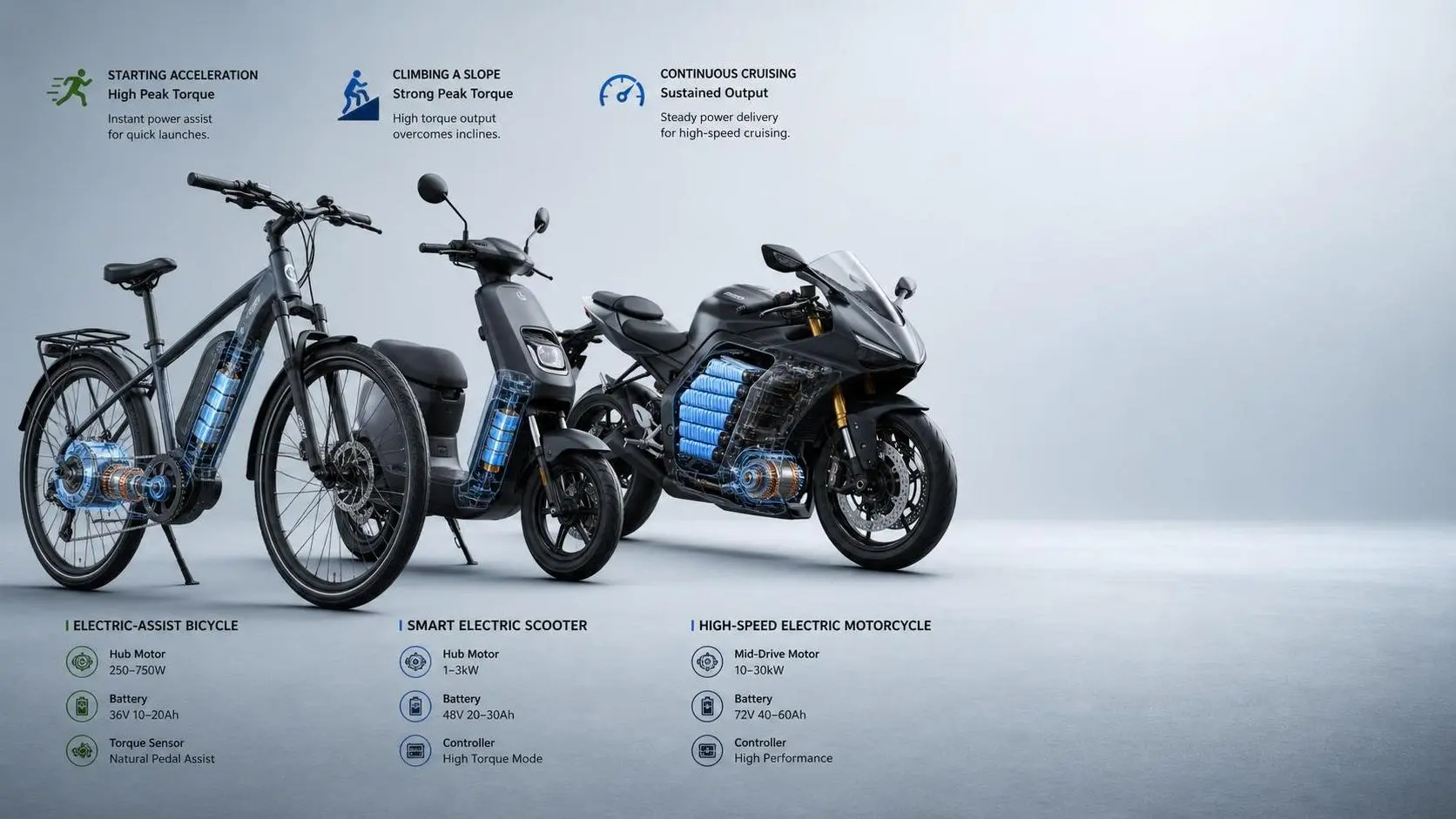
Electric Torque Trends in E-Mobility: How Peak vs Continuous Output Affects Ride Performance
Electric torque trends reveal how peak vs continuous output shapes e-bike, e-scooter, and e-motorcycle performance. Learn what truly improves daily ride quality.
Electric Two-Wheeler Market Size Explained: What Drives Growth by Region and Vehicle Type
Electric two-wheeler market size explained through regional trends, vehicle types, and hidden growth drivers. Discover where demand, margins, and mobility opportunities are rising.
Derailleur Hanger Bent? How to Diagnose Shifting Problems and Decide on Repair or Replacement
Derailleur hanger bent? Learn the key shifting symptoms, how to confirm misalignment, and when repair or replacement is the smarter fix for reliable riding.
Carbon Neutrality Transport Strategy: 6 Levers That Cut Emissions Across Urban Fleets
Carbon neutrality transport strategy for urban fleets: discover 6 practical levers to cut emissions, lower operating costs, improve routing, and scale cleaner mobility faster.
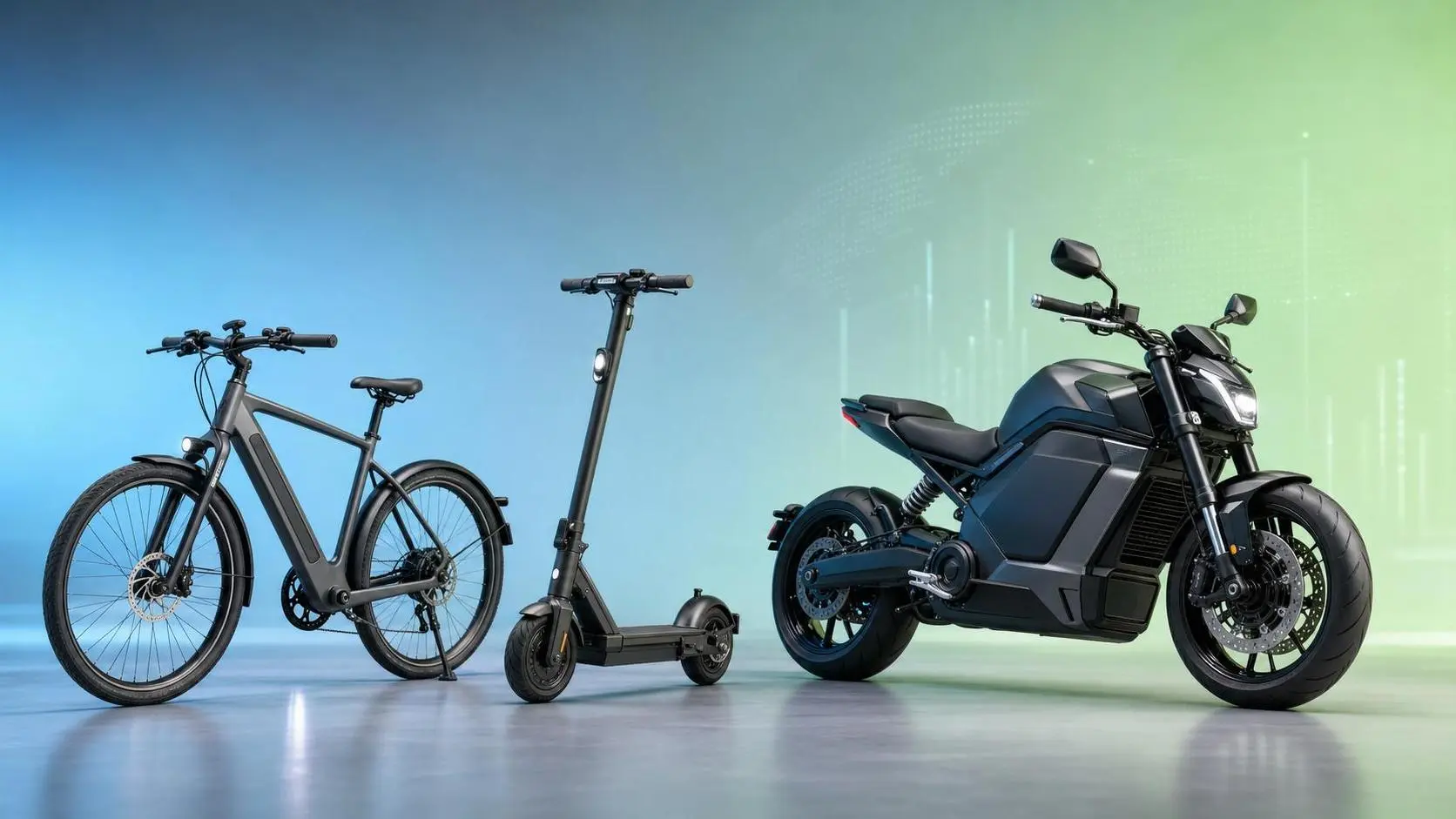
Electric Two Wheeler Market Analysis: How to Compare Demand, Pricing, and Regional Growth
Electric two wheeler market analysis made practical: compare real demand, pricing drivers, and regional growth signals to avoid sourcing mistakes and choose smarter suppliers.
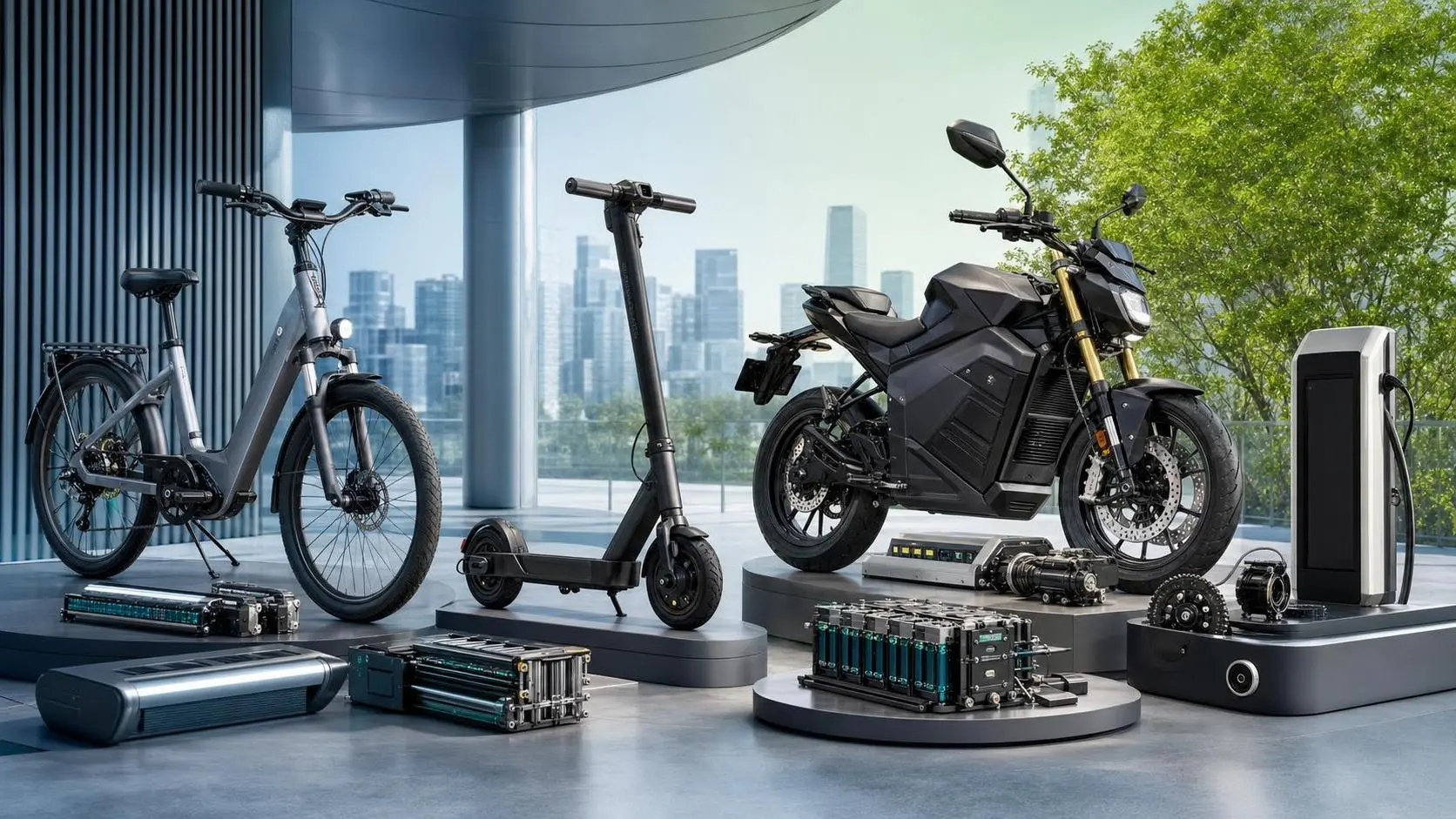
Micro Mobility Global Expansion: What Market Entry Risks and Growth Signals Should Distributors Watch?
Micro mobility global expansion demands more than shipment growth. Discover key market entry risks, regulation shifts, battery challenges, and trusted growth signals distributors should watch.
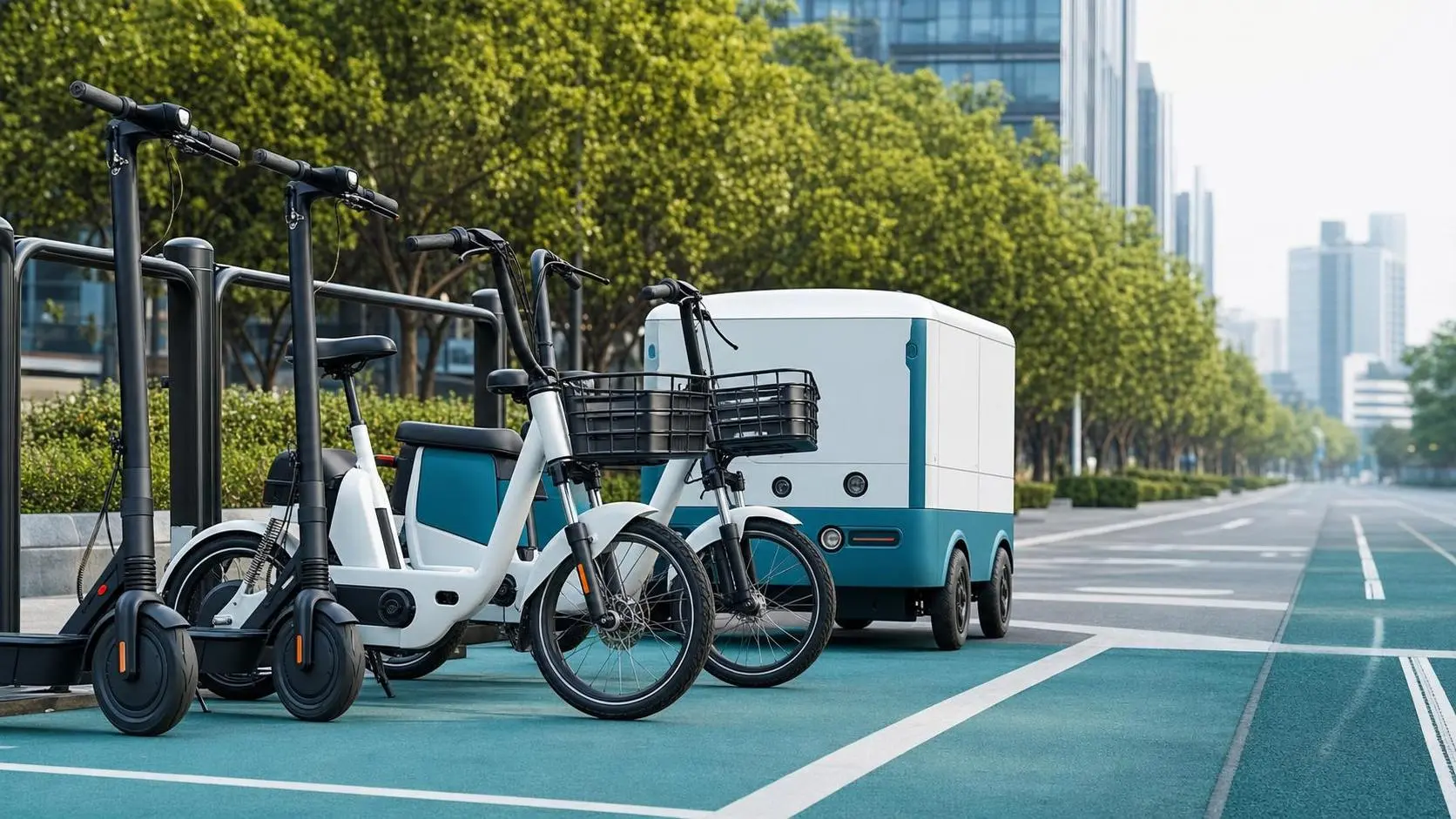
How the Global Mobility Landscape Is Shifting Across Shared, Electric, and Low-Speed Transport
Global mobility landscape trends are redefining urban transport through shared fleets, e-bikes, scooters, and low-speed EVs. Explore the signals shaping smarter, cleaner growth.
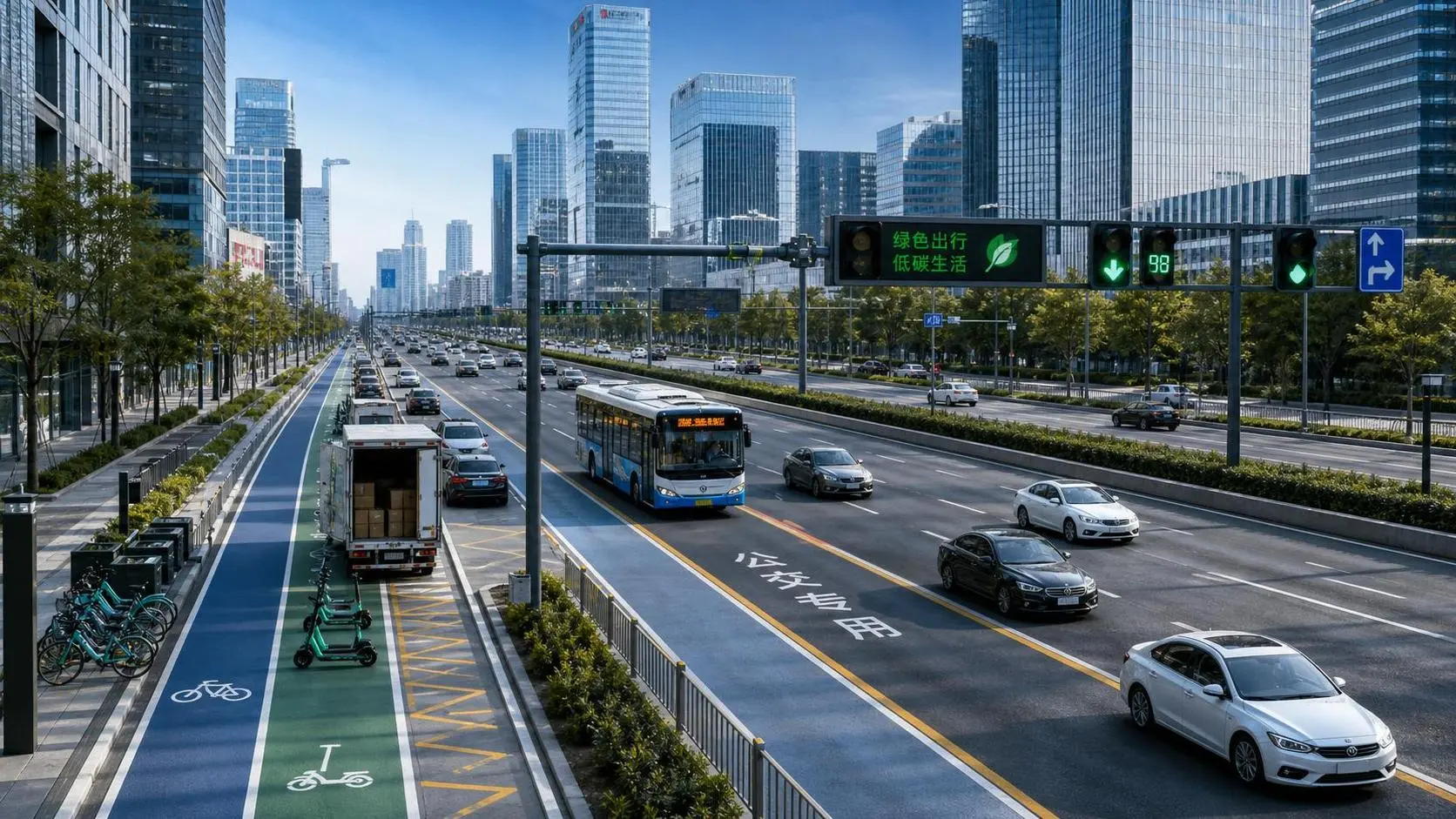
Urban Traffic Congestion Solutions: Which Options Work Best for Dense City Corridors?
Urban traffic congestion solutions that actually work: discover how adaptive signals, transit priority, curb management, and micro-mobility can improve dense city corridors.
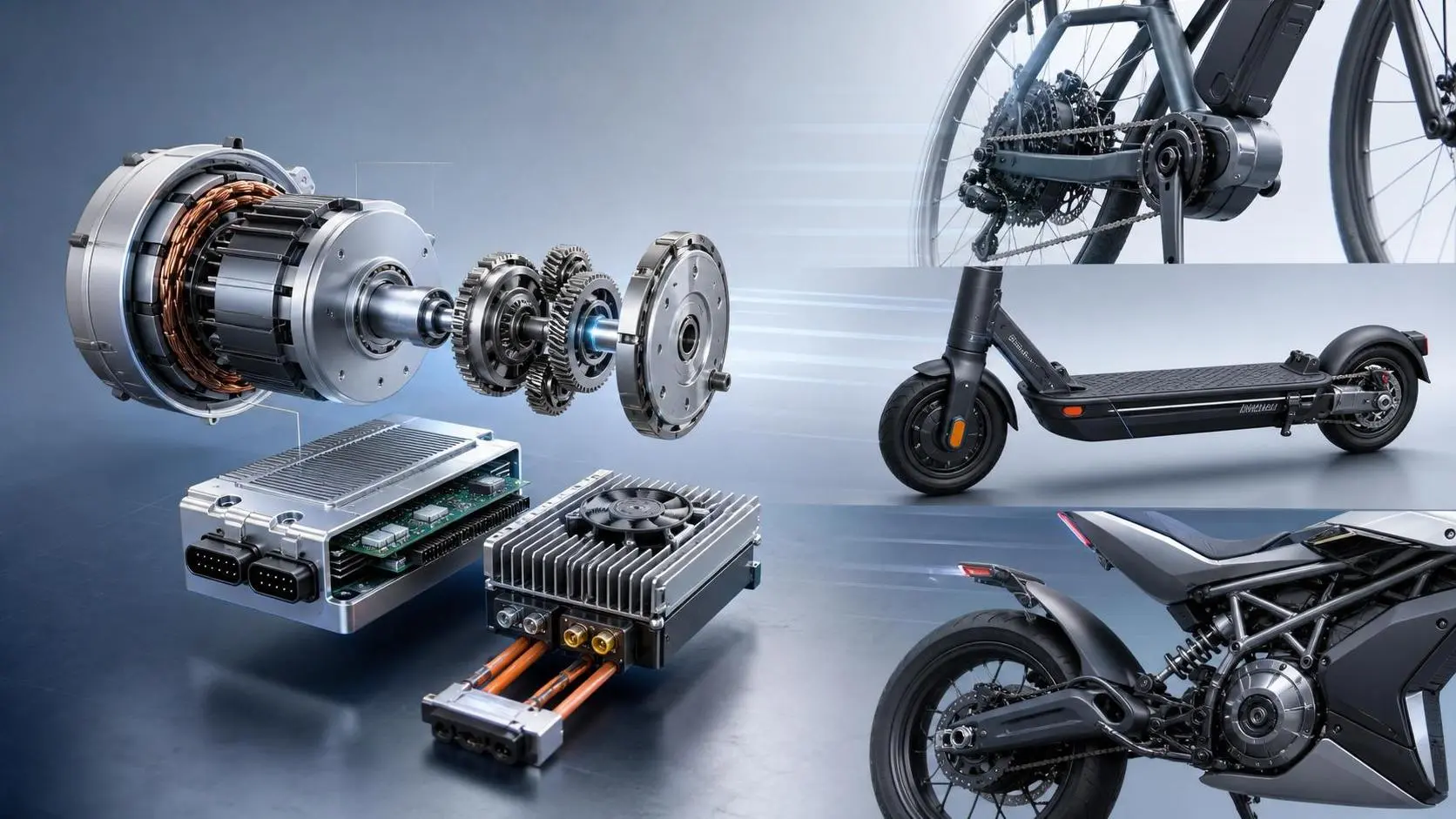
Electric Drivetrain Market Breakdown: Key Segments, Cost Drivers, and Supplier Shifts
Electric drivetrain market insights on key segments, cost drivers, and supplier shifts. See where value, risk, and growth opportunities are emerging across mobility platforms.