
Related News
- 00
0000-00
Micro Mobility Global Expansion: What Market Entry Risks and Growth Signals Should Distributors Watch? - 00
0000-00
How the Global Mobility Landscape Is Shifting Across Shared, Electric, and Low-Speed Transport - 00
0000-00
Electric Two-Wheeler Market Manufacturer Trends: Capacity, Export Strategy, and OEM Shifts - 00
0000-00
Micro Mobility USA Market: Key Regulations, Demand Signals, and Growth Segments - 00
0000-00
Clean Urban Transport Options Explained: Which Modes Fit Dense City Routes?
Prof. Marcus Chen
Weekly Insights
Stay ahead with our curated technology reports delivered every Monday.
Micro Mobility Global Expansion: What Market Entry Risks and Growth Signals Should Distributors Watch?





Micro mobility global expansion is no longer a simple export story. Demand looks strong on the surface, yet market entry success often depends on less visible factors such as regulation, battery movement, channel depth, and the pace of fleet adoption.
That is why commercial decisions in this sector require more than shipment data. In e-bikes, smart e-scooters, high-speed e-motorcycles, and precision components, growth usually belongs to those who read local signals early and avoid markets that appear hot but remain structurally fragile.
For businesses tracking urban mobility, UMMS sits close to this shift. Its intelligence focus across drivetrain efficiency, battery logic, connected systems, and policy movement reflects how tightly product performance and market viability now intersect.
Why this expansion cycle deserves closer attention
The current wave of micro mobility global expansion is shaped by three forces at once. Cities want lower emissions, consumers want flexible transport, and operators want vehicles that can survive dense daily use.
Still, not every category moves for the same reason. E-bikes often benefit from commuting and recreation. Shared e-scooters depend more on right-of-way rules and fleet economics. High-speed e-motorcycles need stronger infrastructure confidence.
This mixed demand profile matters. A market that is attractive for one segment may be weak for another. Expansion decisions improve when each category is judged by its own adoption logic rather than by broad green mobility headlines.
What market entry risk really means in micro-mobility
In practical terms, market entry risk is the gap between visible opportunity and actual ability to scale. Sales potential may look promising, but profitability can erode if compliance, after-sales support, or infrastructure readiness is weak.
In micro mobility global expansion, that gap tends to appear in a few predictable places. Policy can change faster than product cycles. Logistics can become expensive without warning. Technical standards can differ more than expected.
The most resilient strategies start with disciplined screening. Instead of asking only where demand exists, the better question is where demand can be served repeatedly, safely, and without constant exception handling.
Policy and subsidy volatility
Many micro-mobility categories benefit from local incentives, import preferences, or urban mobility programs. These can accelerate early orders, especially for e-bikes and fleet scooters, but they can also distort real demand.
A market fueled mainly by subsidies may cool quickly when budgets shrink or election cycles change. Stronger markets usually show demand from commuters, delivery fleets, and lifestyle riders even without aggressive support.
Compliance and certification gaps
Micro mobility global expansion often slows at the compliance stage. Battery rules, road classifications, speed limits, fire safety expectations, and component certifications can vary across regions and even across cities.
This is especially relevant when products integrate electronics, wireless shifting, telematics, or advanced battery systems. A technically strong model may still fail commercially if certification timing delays the launch window.
Battery logistics and service burden
Lithium battery transport remains one of the clearest risk filters. Freight constraints, storage requirements, replacement cycles, and end-of-life obligations affect both cost and service reputation.
For high-speed e-motorcycles, thermal management and battery-swapping compatibility can influence network economics. For scooters and e-bikes, spare battery availability often matters more than headline motor power.
Growth signals worth trusting
Reliable growth signals are usually operational, not promotional. They appear when a market supports repeated usage, maintenance access, and stable regulation, rather than just short-term excitement around new mobility trends.
The table below highlights practical indicators that often separate scalable opportunity from temporary momentum.
How category differences change the decision
A useful market map for micro mobility global expansion should separate categories instead of treating them as one cluster. The commercial triggers behind each product family are distinct.
E-bikes
E-bikes often perform well where commuting density is high and cycling culture already exists. Watch for subsidy reform, anti-dumping measures, and the availability of certified batteries and motors.
Premium growth can also come from better components. Precision derailleur systems, lightweight frames, and efficient drivetrains usually gain share where riders prioritize reliability over entry price.
Smart e-scooters
Scooters depend heavily on municipal tolerance, parking enforcement, and fleet software performance. IoT stability matters because operators need location accuracy, lock control, and maintenance visibility at scale.
Strong markets often show more than consumer interest. They show structured deployment rules and realistic unit economics for shared operations.
High-speed e-motorcycles
This segment follows a different path. Buyers consider performance, range confidence, battery-swapping access, and national vehicle registration frameworks.
Expansion here is promising, but the risk of entering too early is real. Markets with impressive interest but weak charging or swap ecosystems can absorb marketing budgets without creating durable throughput.
Associated systems and components
Wiper systems, sensors, and drivetrain components may look secondary, yet they often reveal where the market is heading. Demand for advanced safety parts and electronic shifting usually rises when local users move beyond low-cost trial purchases.
That makes component trends useful leading indicators. They can show when a market is beginning to reward performance, maintenance quality, and technical differentiation.
A practical framework for reading new markets
Many teams overrate top-line demand and underrate execution friction. A more balanced reading combines commercial, technical, and operational checks.
- Test whether demand is retail-led, fleet-led, or policy-led.
- Map approvals, battery handling rules, and local standards before launch timing is set.
- Measure spare parts readiness, not only finished unit availability.
- Review whether urban infrastructure supports frequent use, not occasional demonstration use.
- Track technical expectations, including telematics, thermal safety, and component precision.
This is where intelligence platforms become valuable. UMMS, for example, is relevant not because it only follows news, but because it connects policy movement, powertrain evolution, and component-level credibility into one market picture.
That stitched view matters in micro mobility global expansion. Growth signals rarely sit in one dataset. They emerge when regulation, urban use patterns, and product architecture begin to align.
What to watch next
The next phase of micro mobility global expansion will likely reward selective positioning over aggressive breadth. Markets may still grow quickly, but the strongest results will come from places where service logic, compliance, and user behavior already support repeatable deployment.
A useful next step is to build a market screen around five dimensions: regulation stability, battery movement, local service capacity, fleet traction, and willingness to pay for better systems. That creates a clearer basis for comparison than demand headlines alone.
When those signals are reviewed consistently, expansion choices become less reactive and more strategic. In a sector moving as quickly as urban two-wheeler electrification, that discipline often makes the difference between market presence and lasting market position.
Related News
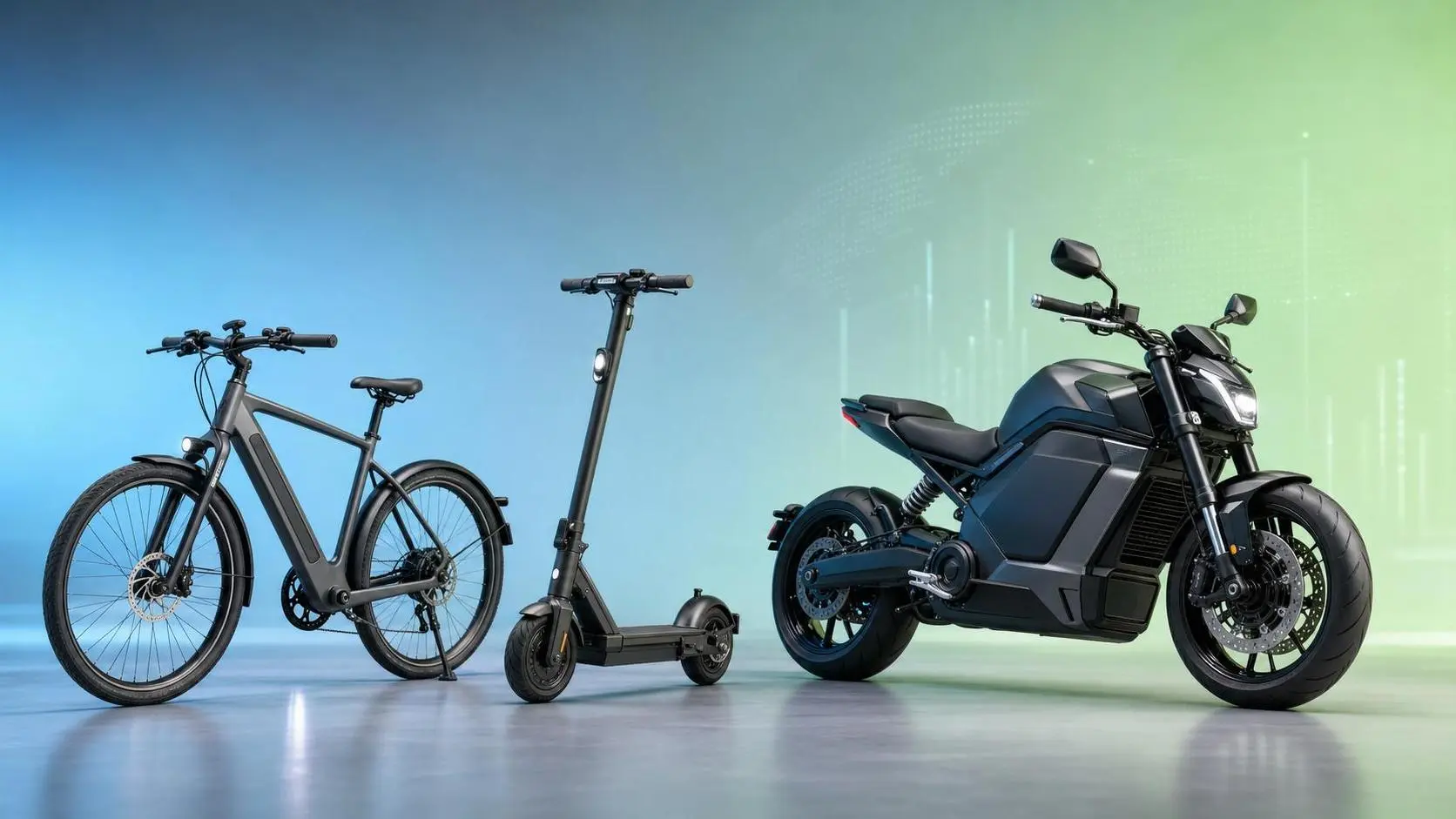
Electric Two Wheeler Market Analysis: How to Compare Demand, Pricing, and Regional Growth
Electric two wheeler market analysis made practical: compare real demand, pricing drivers, and regional growth signals to avoid sourcing mistakes and choose smarter suppliers.
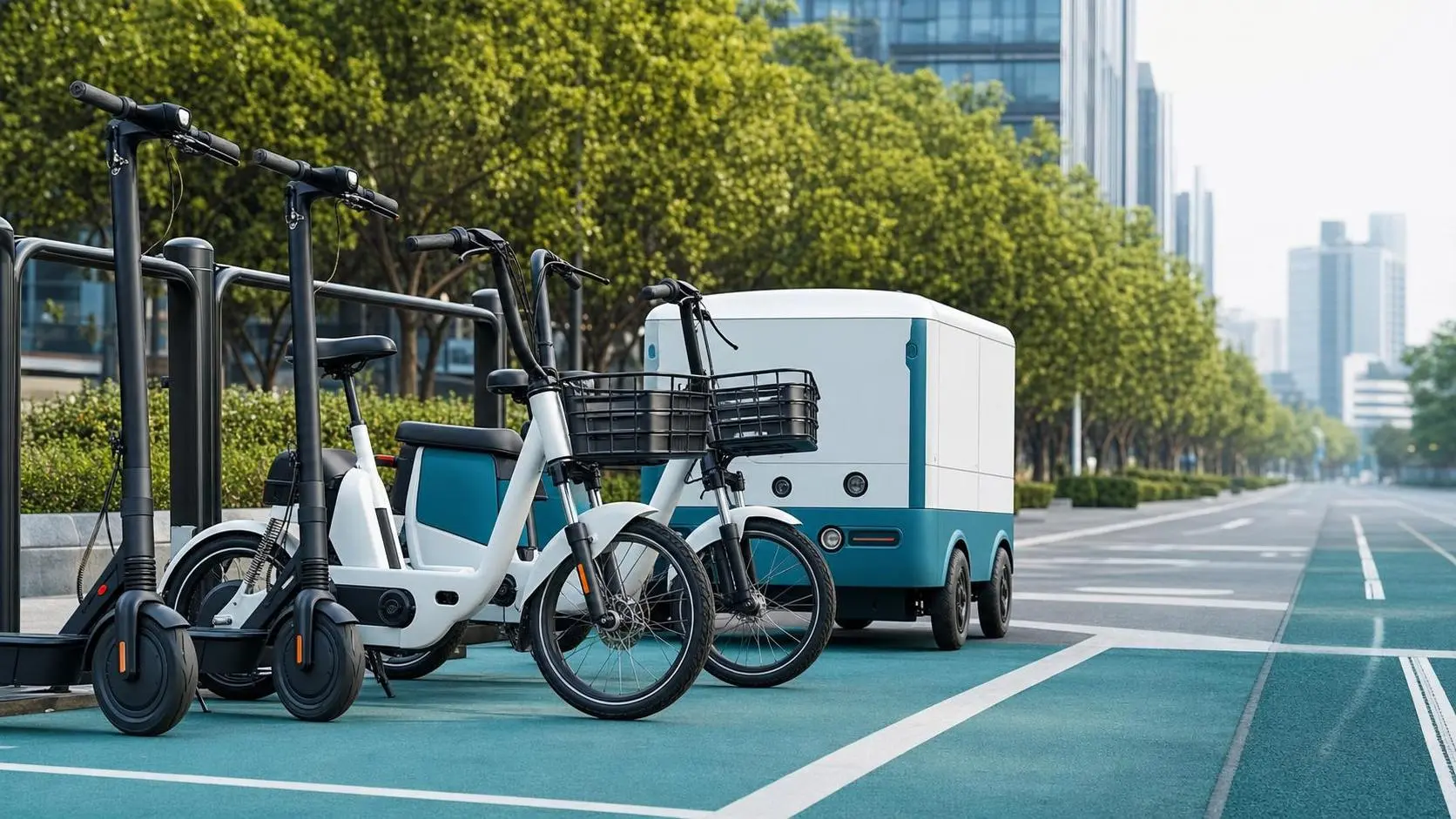
How the Global Mobility Landscape Is Shifting Across Shared, Electric, and Low-Speed Transport
Global mobility landscape trends are redefining urban transport through shared fleets, e-bikes, scooters, and low-speed EVs. Explore the signals shaping smarter, cleaner growth.

Urban Traffic Congestion Solutions: Which Options Work Best for Dense City Corridors?
Urban traffic congestion solutions that actually work: discover how adaptive signals, transit priority, curb management, and micro-mobility can improve dense city corridors.
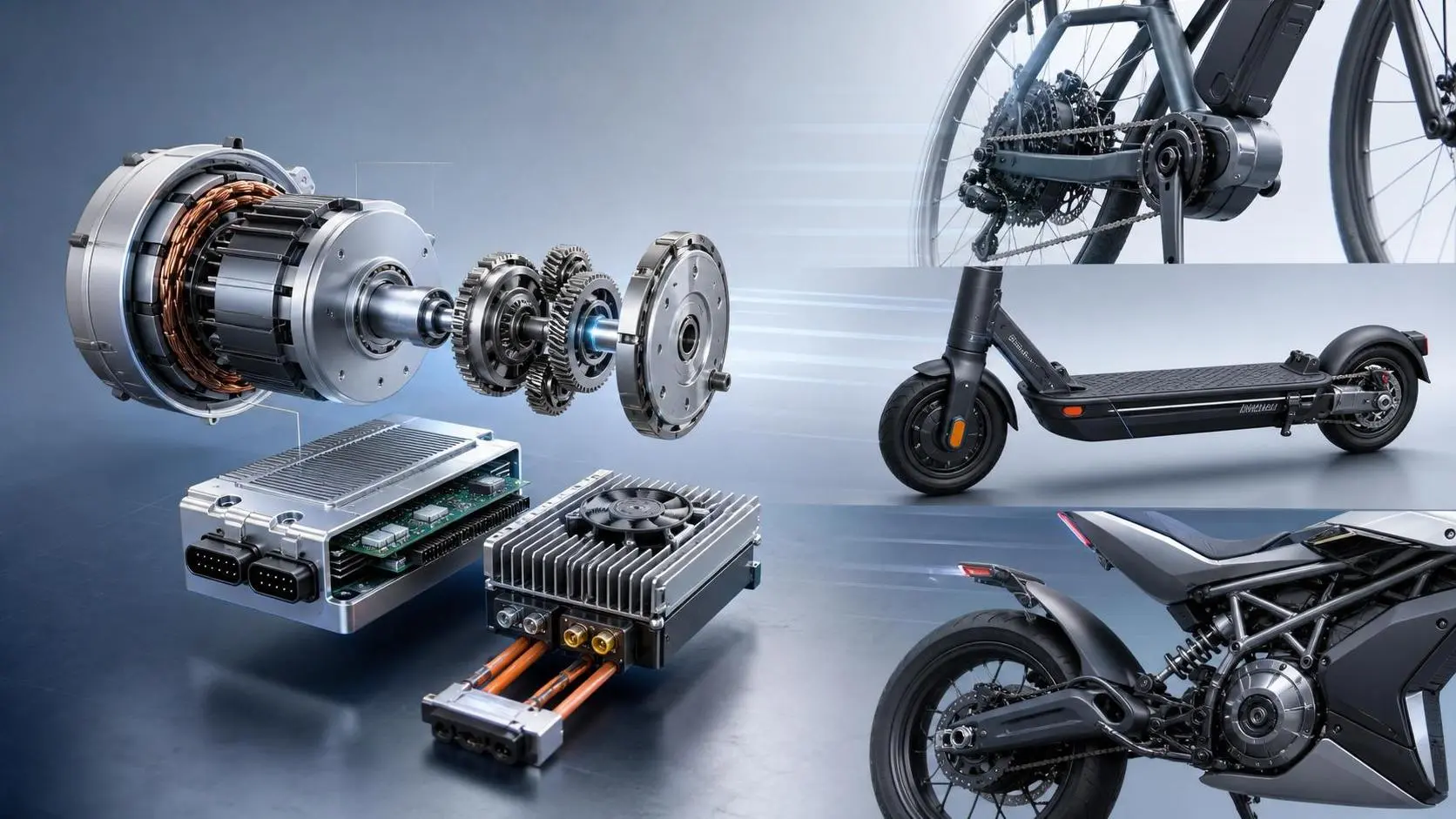
Electric Drivetrain Market Breakdown: Key Segments, Cost Drivers, and Supplier Shifts
Electric drivetrain market insights on key segments, cost drivers, and supplier shifts. See where value, risk, and growth opportunities are emerging across mobility platforms.
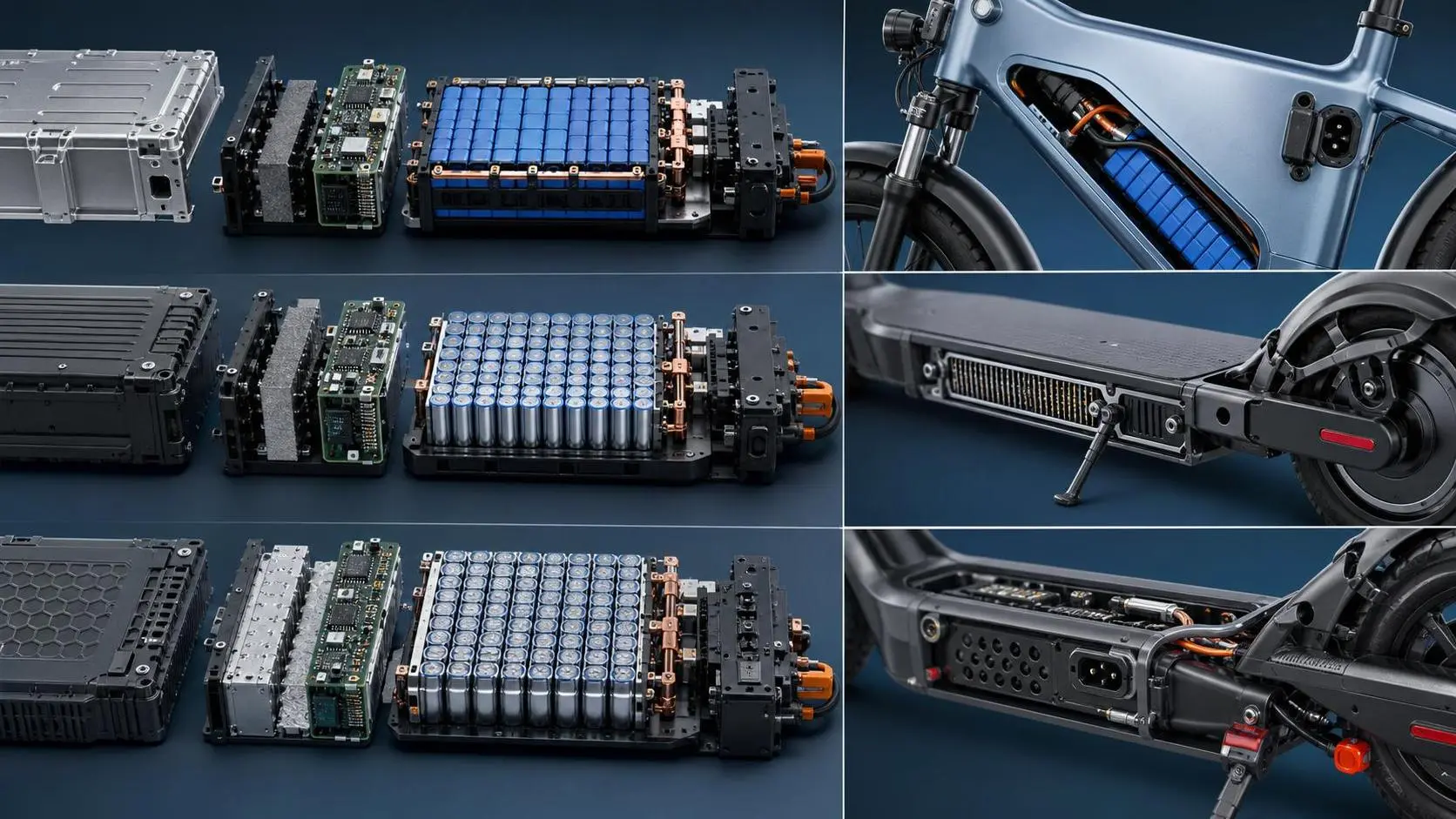
Battery Technology China: How LFP, Sodium-Ion, and Fast-Charging Cells Compare
Battery technology China compared: explore how LFP, sodium-ion, and fast-charging cells differ in cost, safety, range, and fleet value for smarter urban mobility decisions.
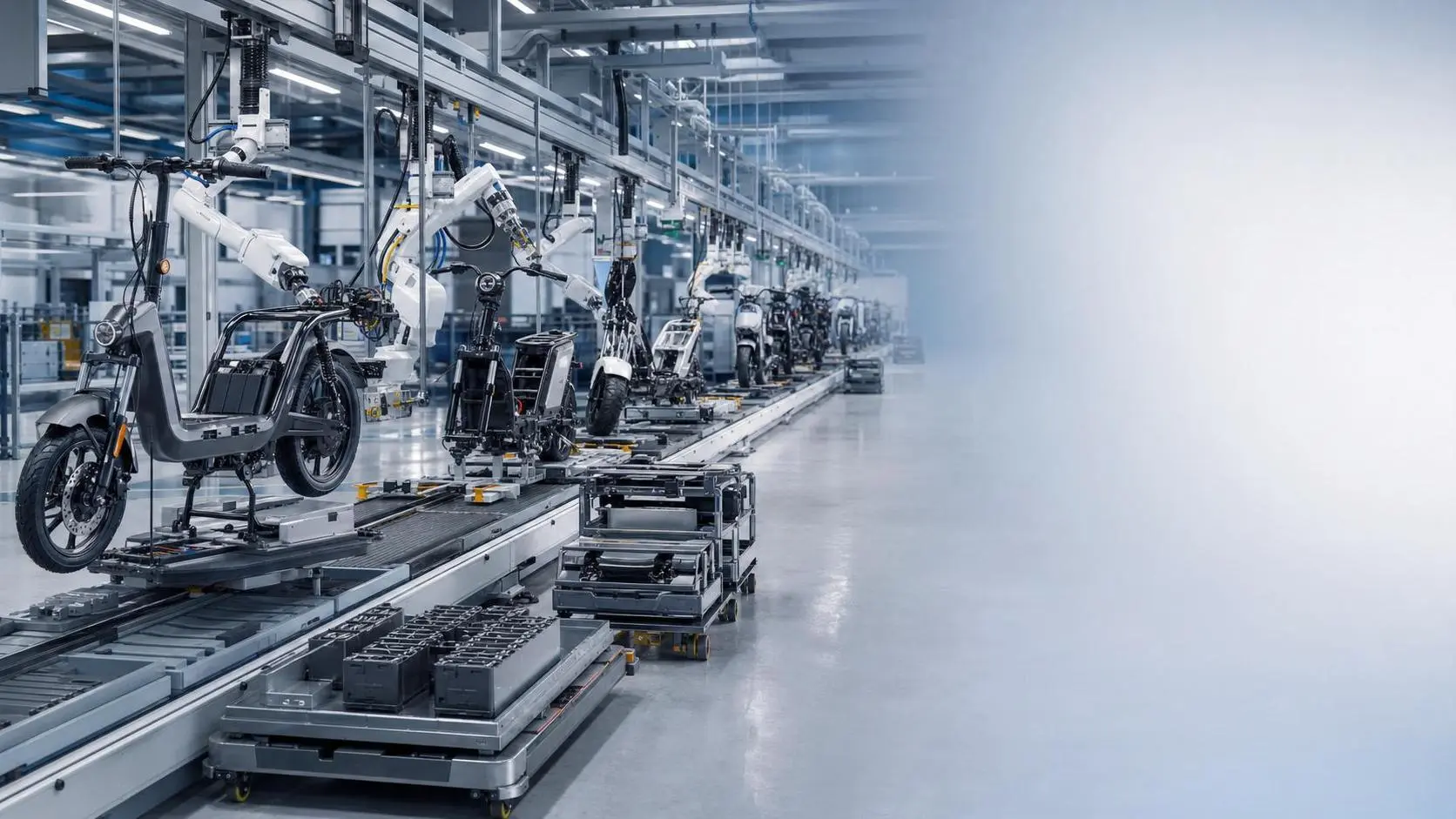
Electric Two-Wheeler Market Manufacturer Trends: Capacity, Export Strategy, and OEM Shifts
Electric two-wheeler market manufacturer trends decoded: explore capacity flexibility, smarter export strategy, and OEM shifts shaping resilient growth and competitive advantage.

How to Choose a Brushless Wiper Motor: Voltage, Torque, IP Rating, and Duty Cycle
Brushless wiper motor selection starts with the right voltage, torque, IP rating, and duty cycle. Learn how to compare specs, reduce failure risk, and choose a reliable fit.
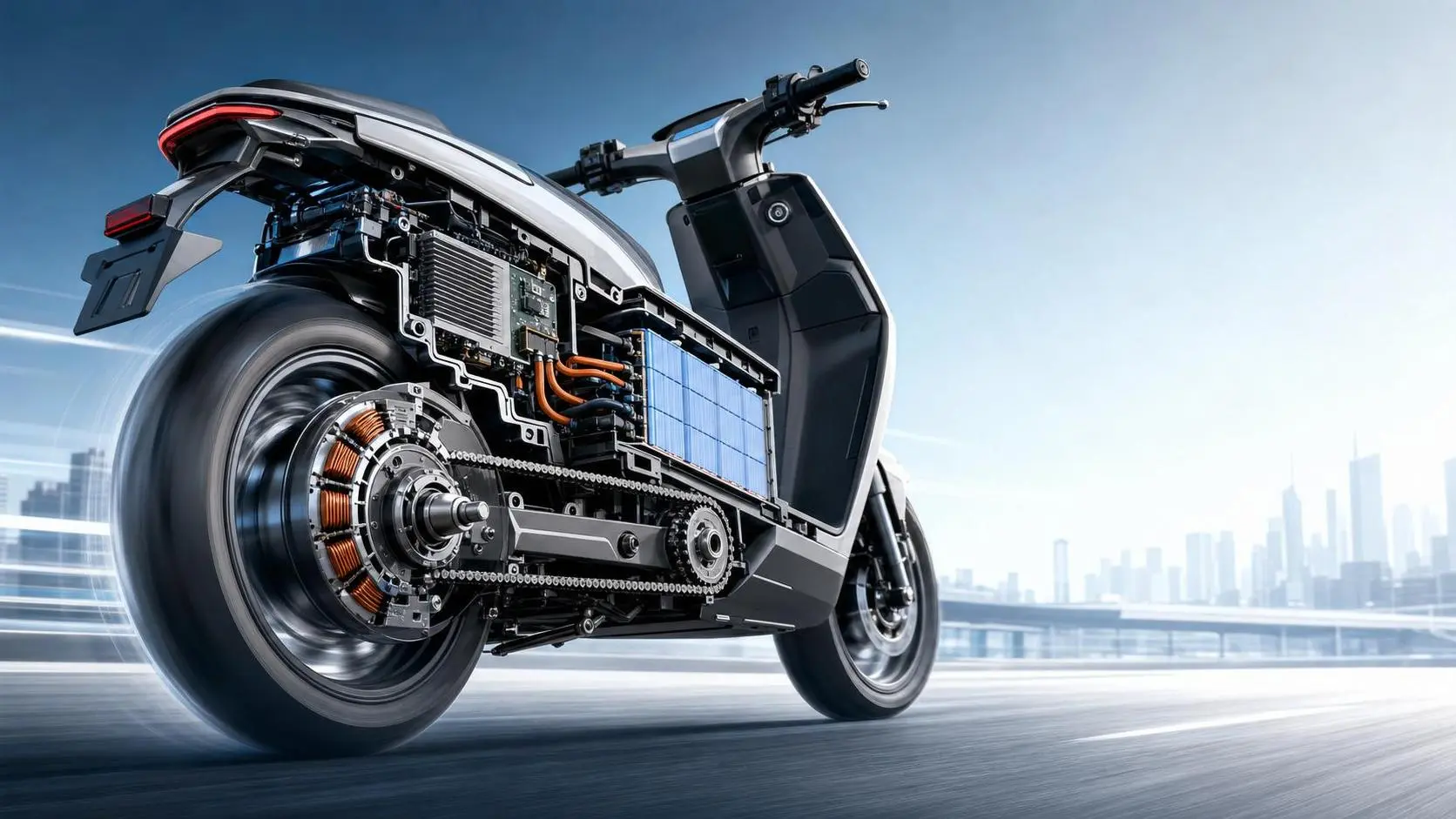
What Causes Torque Lag in Electric Two-Wheelers and How Can Engineers Reduce It?
Torque lag in electric two-wheelers starts with more than the motor. Learn what causes torque lag in e-bikes, e-scooters, and e-motorcycles, and how engineers can reduce it for faster, smoother response.
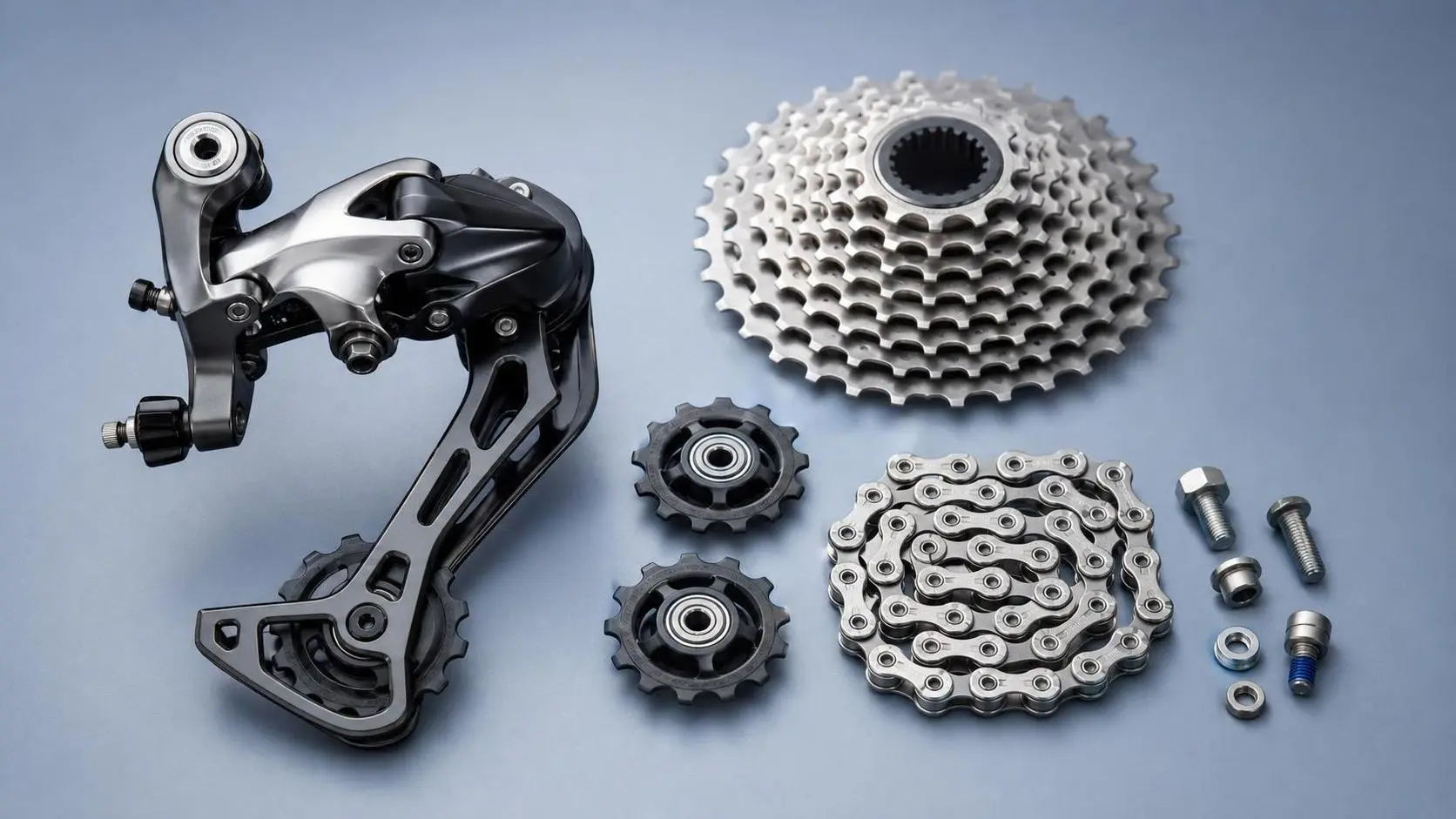
Bike Derailleur Parts Explained: Names, Functions, and What Wears Out First
Bike derailleur parts explained clearly: learn the key names, functions, common wear points, and how to tell adjustment issues from real damage before you repair or upgrade.