
Related News
- 00
0000-00
Derailleur Hanger Bent? How to Diagnose Shifting Problems and Decide on Repair or Replacement - 00
0000-00
Bike Derailleur Parts Explained: Names, Functions, and What Wears Out First - 00
0000-00
How to Choose an Electromechanical Transmission Manufacturer for E-Mobility Projects - 00
0000-00
Derailleur Skipping Gears: 7 Common Causes and How to Fix Each One - 00
0000-00
Bicycle Derailleur Selection: Gear Range, Cage Length, and Compatibility
Precision Drivetrain Architect
Weekly Insights
Stay ahead with our curated technology reports delivered every Monday.
Derailleur Hanger Bent? How to Diagnose Shifting Problems and Decide on Repair or Replacement





Why does a derailleur hanger bent issue matter more than riders expect?
A small alignment problem can create big drivetrain frustration.
When a derailleur hanger bent out of line shifts the rear derailleur sideways, indexing starts to drift.
That often shows up as ghost shifting, clicking under load, or hesitation between cogs.
In urban micro-mobility, that matters more than comfort alone.
E-bikes, cargo bikes, and daily commuters rely on consistent gear engagement during stop-start traffic.
A bent hanger can waste pedaling effort, stress the chain, and reduce confidence at intersections or on climbs.
That is one reason precision drivetrain parts remain a serious topic across the UMMS mobility landscape.
As drivetrains become more refined, tolerance errors become easier to feel.
The tricky part is that visible damage is not always obvious.
Many riders keep adjusting cable tension when the real cause is a derailleur hanger bent after a minor knock.
What symptoms usually point to a derailleur hanger bent problem?
The most common clue is inconsistent shifting across the cassette.
It may shift cleanly in the middle gears, then skip badly near the largest or smallest cogs.
That uneven behavior usually suggests alignment rather than simple cable stretch.
Another warning sign is chain noise that appears after a fall, transport incident, or parking impact.
Rear derailleurs do not need a dramatic crash to move off line.
A bike tipping onto the drivetrain side can be enough.
In practical use, these symptoms are worth separating before any repair decision.
A derailleur hanger bent issue can also imitate other faults.
That includes a worn chain, dirty housing, loose axle, or damaged derailleur cage.
More careful diagnosis saves time and prevents unnecessary part swaps.
How can you confirm the hanger is bent before chasing other fixes?
Start with a simple rear view.
Stand behind the bike and compare the derailleur cage to the cassette cogs.
If the cage leans inward or outward, a derailleur hanger bent condition is likely.
That said, visual checks alone are not precise enough for modern drivetrains.
A proper alignment gauge gives the clearest answer.
It measures hanger position relative to the wheel rim at multiple points.
If readings vary, the hanger is out of line even when it looks nearly straight.
This matters more on 10, 11, and 12-speed systems.
Tighter cog spacing leaves less room for error.
- Check whether the rear wheel is fully seated in the dropout.
- Inspect the derailleur cage for twist or pulley damage.
- Look for cracked threads or stress marks around the hanger.
- Shift through the cassette on a stand if available.
In many workshop cases, poor shifting comes from two problems at once.
For example, a derailleur hanger bent slightly and a cable system already dirty.
That is why smart diagnosis always starts with alignment, then moves to wear items.
Can a bent hanger be repaired, or is replacement the safer choice?
It depends on the material, the degree of bend, and the bike’s use case.
Many replaceable aluminum hangers can be realigned once or a few times.
But every bend cycle adds fatigue.
If the hanger has been bent sharply, repair may be only a short-term fix.
Replacement becomes the better decision when reliability matters more than saving one small part.
That is especially true for heavier e-bikes and loaded urban riding.
Extra torque and system weight place greater demand on precise shifting.
A derailleur hanger bent on a lightweight weekend bike may feel manageable.
On an e-bike used daily, the tolerance for compromise is smaller.
A practical repair-versus-replace guide
If the frame uses an integrated, non-replaceable hanger, the decision becomes more sensitive.
In that case, professional alignment is usually the right path.
Is home realignment realistic, or should this go straight to a shop?
Home repair is realistic only when the tools and limits are clear.
Trying to bend a hanger by hand or with improvised leverage often makes things worse.
The hanger may end up twisted instead of straight.
Thread damage is also common when shortcuts are used.
A shop visit is usually the better answer if shifting suddenly collapsed after impact.
The same applies when the bike has electronic shifting or a high-value rear derailleur.
Within the broader UMMS perspective, this fits the larger trend toward precision maintenance.
As e-bikes and advanced drivetrains become common, small geometry errors create bigger performance penalties.
- Use a derailleur hanger alignment gauge, not pliers.
- Remove the derailleur if inspection access is poor.
- Stop immediately if cracking, flaking, or sudden softness appears.
- Re-index shifting only after alignment is confirmed.
A careful shop can also tell whether the derailleur itself was bent during the same event.
What mistakes keep a derailleur hanger bent problem from being solved?
The biggest mistake is assuming every bad shift comes from cable tension.
That leads to endless barrel adjuster changes and no real improvement.
Another common mistake is replacing the chain first without confirming alignment.
New parts cannot compensate for a derailleur hanger bent out of plane.
Some riders also ignore minor impacts because the bike still rolls normally.
But modern drivetrains can lose precision before obvious damage appears.
There is also a cost mistake.
Delaying replacement of a weak hanger can risk the derailleur entering the spokes.
That turns a small fix into a much larger repair.
In real-world use, the better approach is simple.
Treat shifting changes after impact as a geometry issue first, then a tuning issue second.
So what is the smartest next step if shifting still feels off?
If symptoms started after a fall, transport knock, or parking tip-over, inspect the hanger early.
If the bike is an e-bike or high-mileage commuter, lean toward a more cautious decision.
A derailleur hanger bent only slightly may be realigned and returned to service.
If damage is repeated, cracked, or uncertain, replacement is usually the better long-term move.
The key is not to judge by appearance alone.
Confirm alignment, review wear on related parts, and match the decision to actual riding demands.
That method protects shifting quality, drivetrain lifespan, and daily reliability.
For anyone tracking micro-mobility performance through UMMS-style technical insight, this is the broader lesson.
Small transmission errors can have outsized effects on efficient, low-carbon two-wheel travel.
If shifting remains inconsistent, build a short checklist: alignment, derailleur condition, cable drag, chain wear, and cassette wear.
That sequence gives a practical path from uncertainty to a confident repair or replacement choice.
Related News
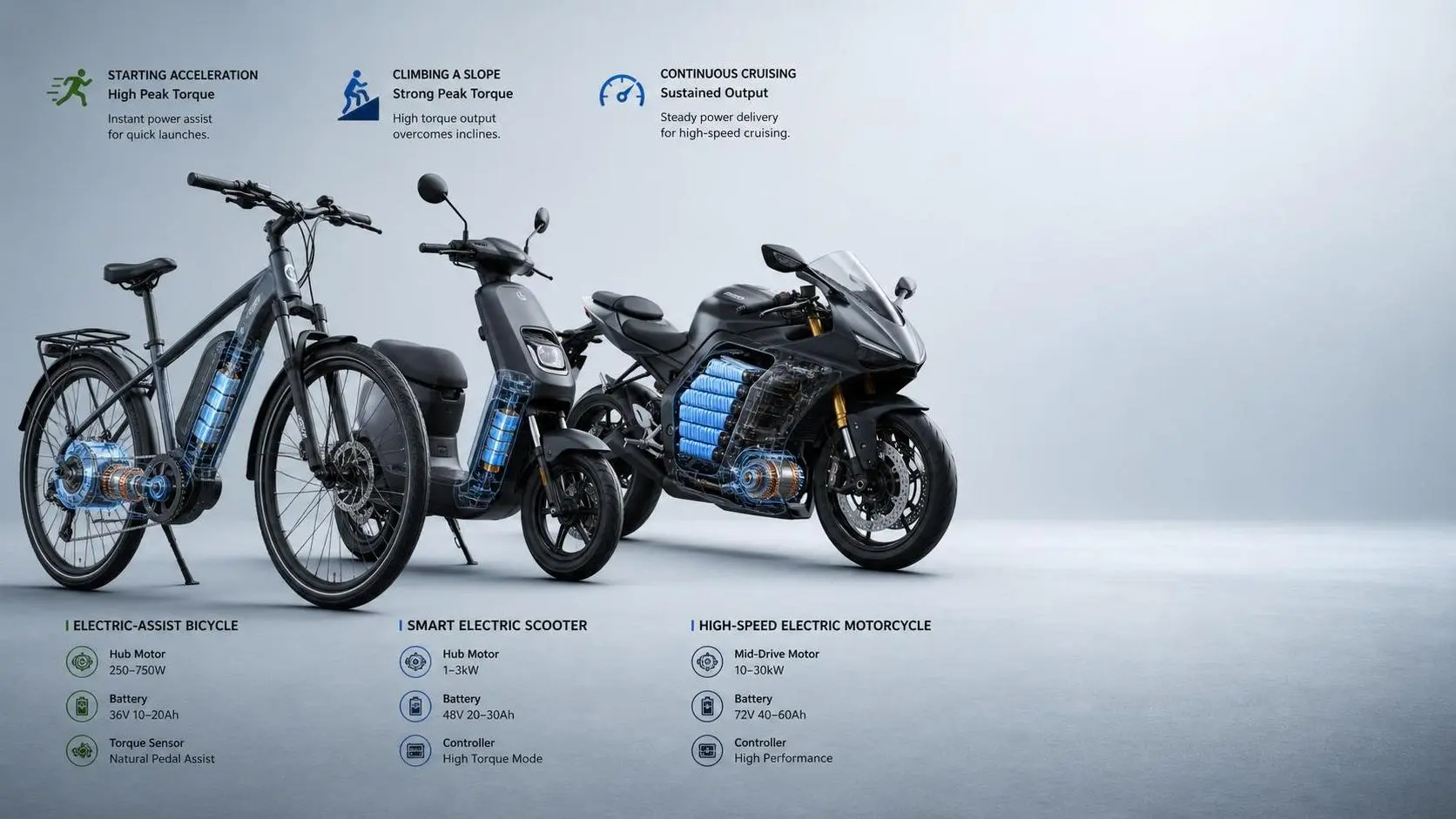
Electric Torque Trends in E-Mobility: How Peak vs Continuous Output Affects Ride Performance
Electric torque trends reveal how peak vs continuous output shapes e-bike, e-scooter, and e-motorcycle performance. Learn what truly improves daily ride quality.
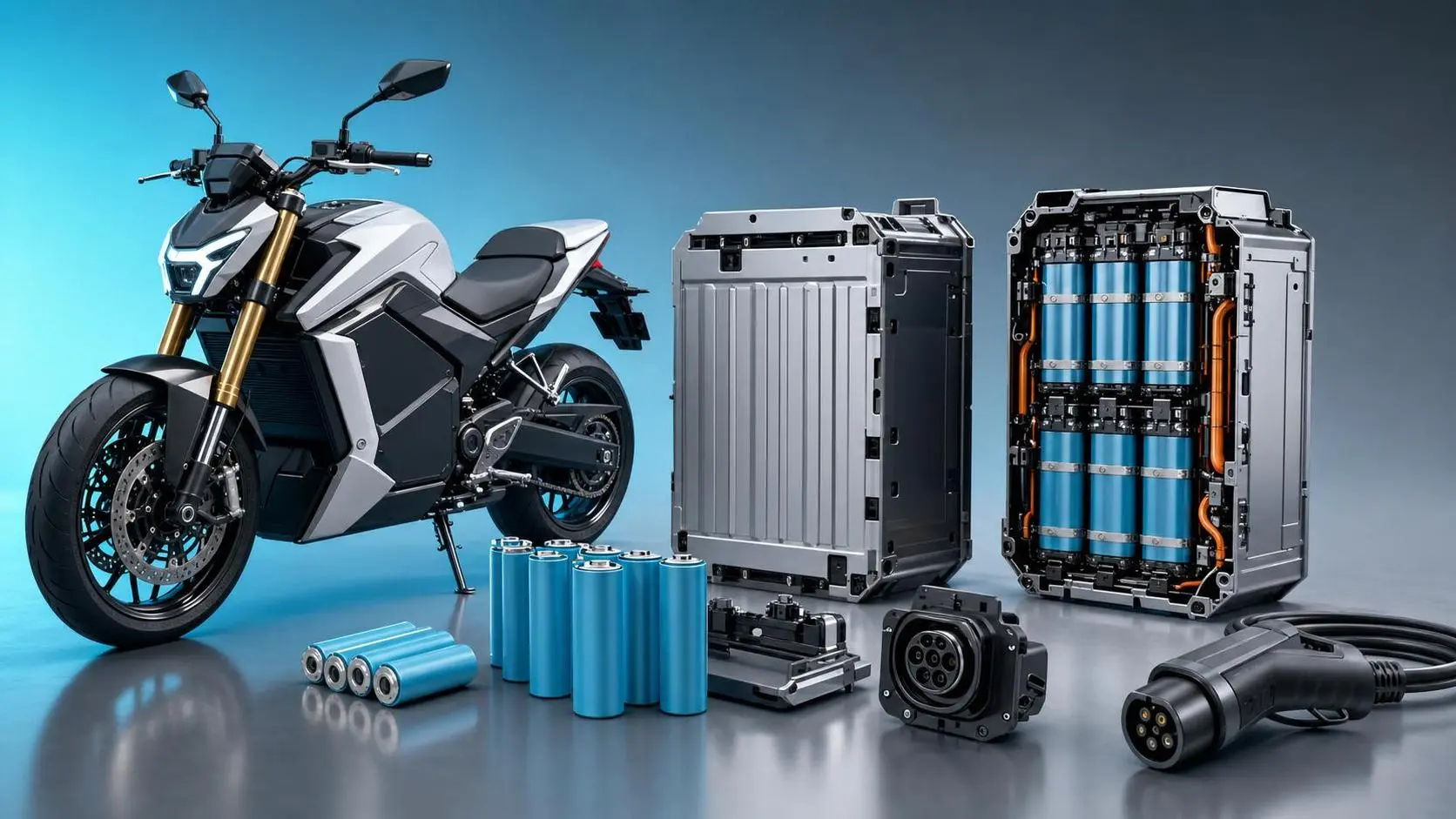
Electric Motorcycle Battery Trends: Cell Chemistry, Fast Charging, and Pack Design Shifts
Electric motorcycle battery trends are redefining range, fast charging, and pack design. Explore how chemistry choices, thermal control, and modular architecture shape safer, smarter, longer-lasting e-motorcycles.
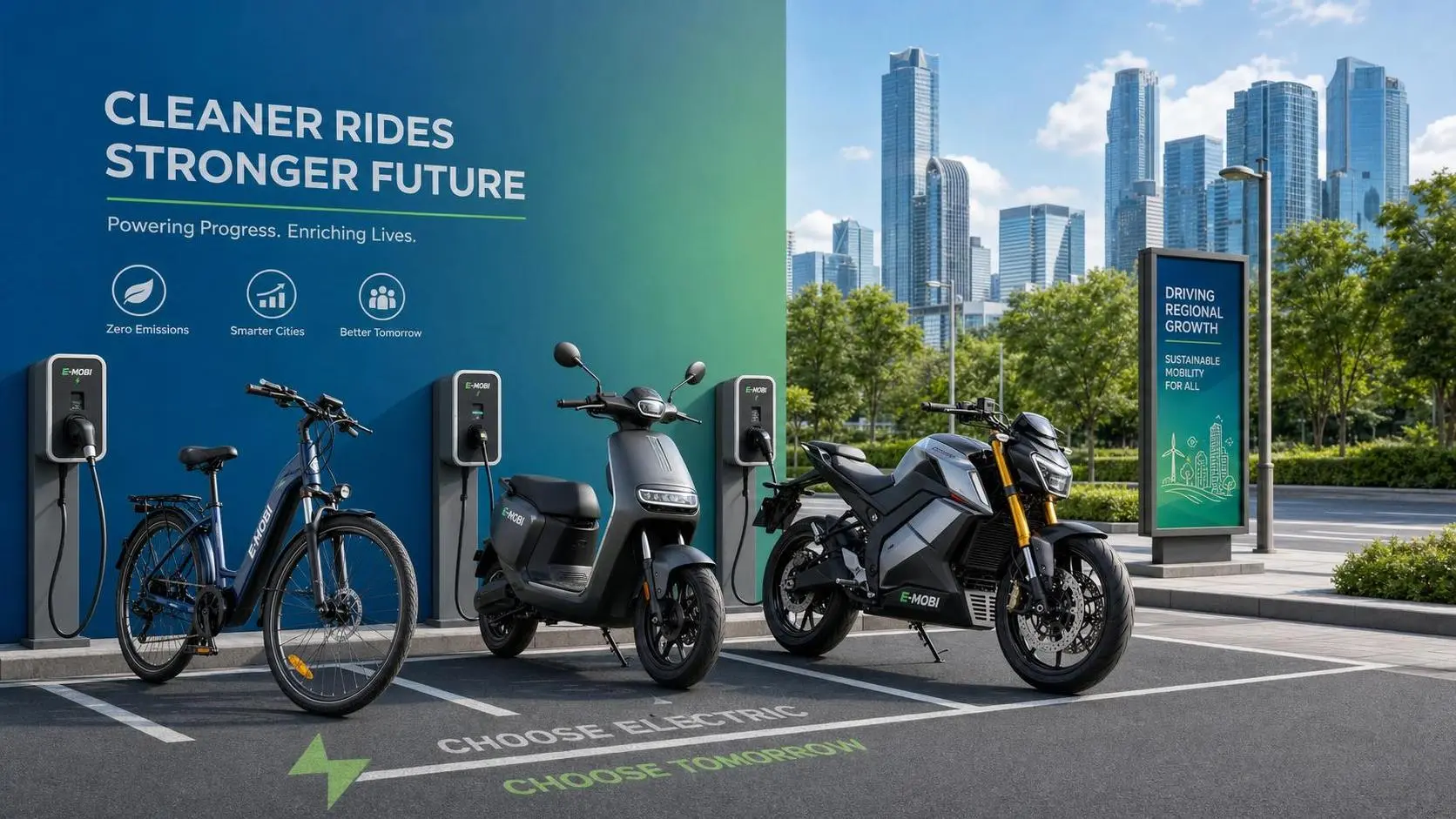
Electric Two-Wheeler Market Size Explained: What Drives Growth by Region and Vehicle Type
Electric two-wheeler market size explained through regional trends, vehicle types, and hidden growth drivers. Discover where demand, margins, and mobility opportunities are rising.

Carbon Neutrality Transport Strategy: 6 Levers That Cut Emissions Across Urban Fleets
Carbon neutrality transport strategy for urban fleets: discover 6 practical levers to cut emissions, lower operating costs, improve routing, and scale cleaner mobility faster.
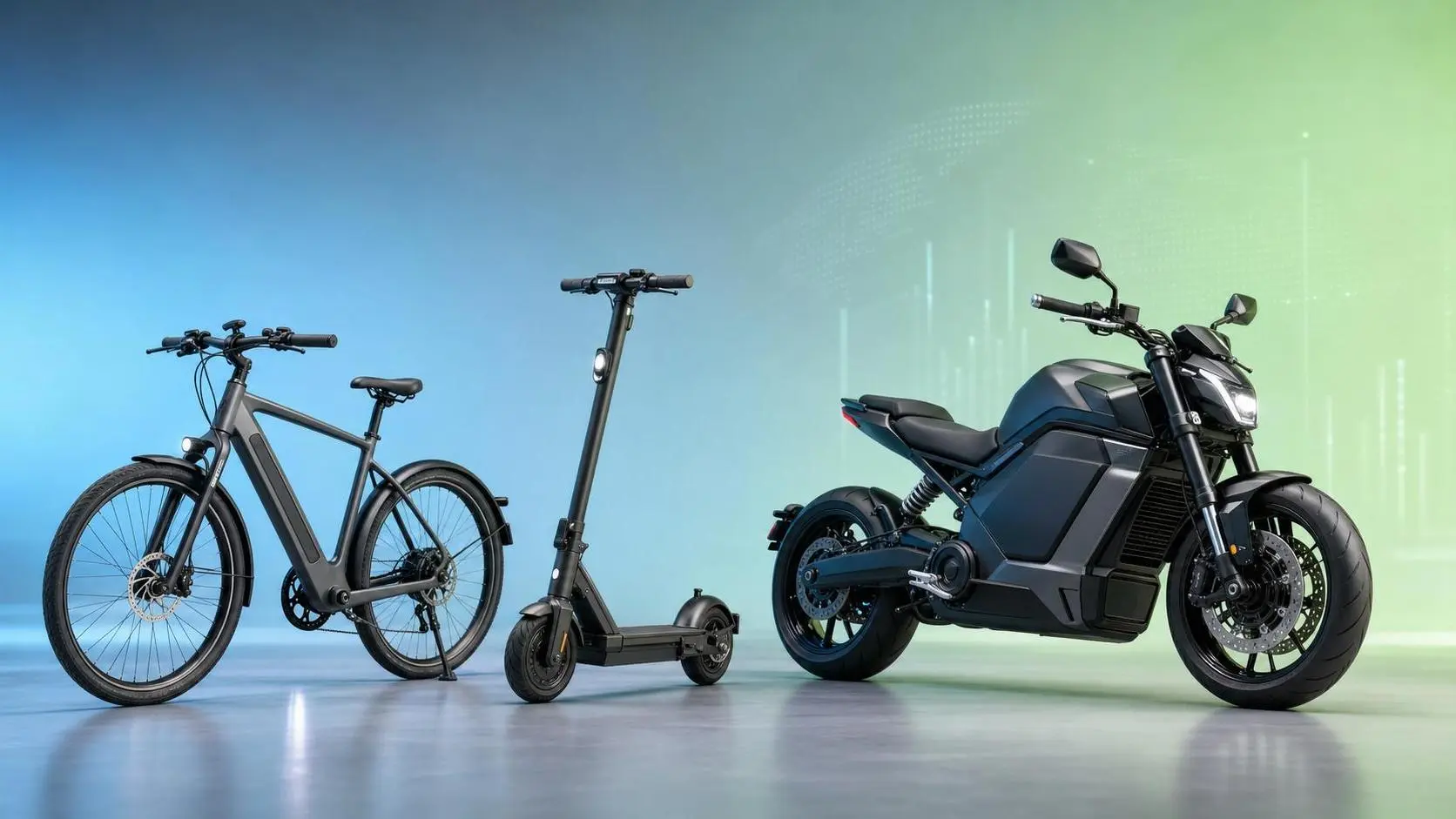
Electric Two Wheeler Market Analysis: How to Compare Demand, Pricing, and Regional Growth
Electric two wheeler market analysis made practical: compare real demand, pricing drivers, and regional growth signals to avoid sourcing mistakes and choose smarter suppliers.
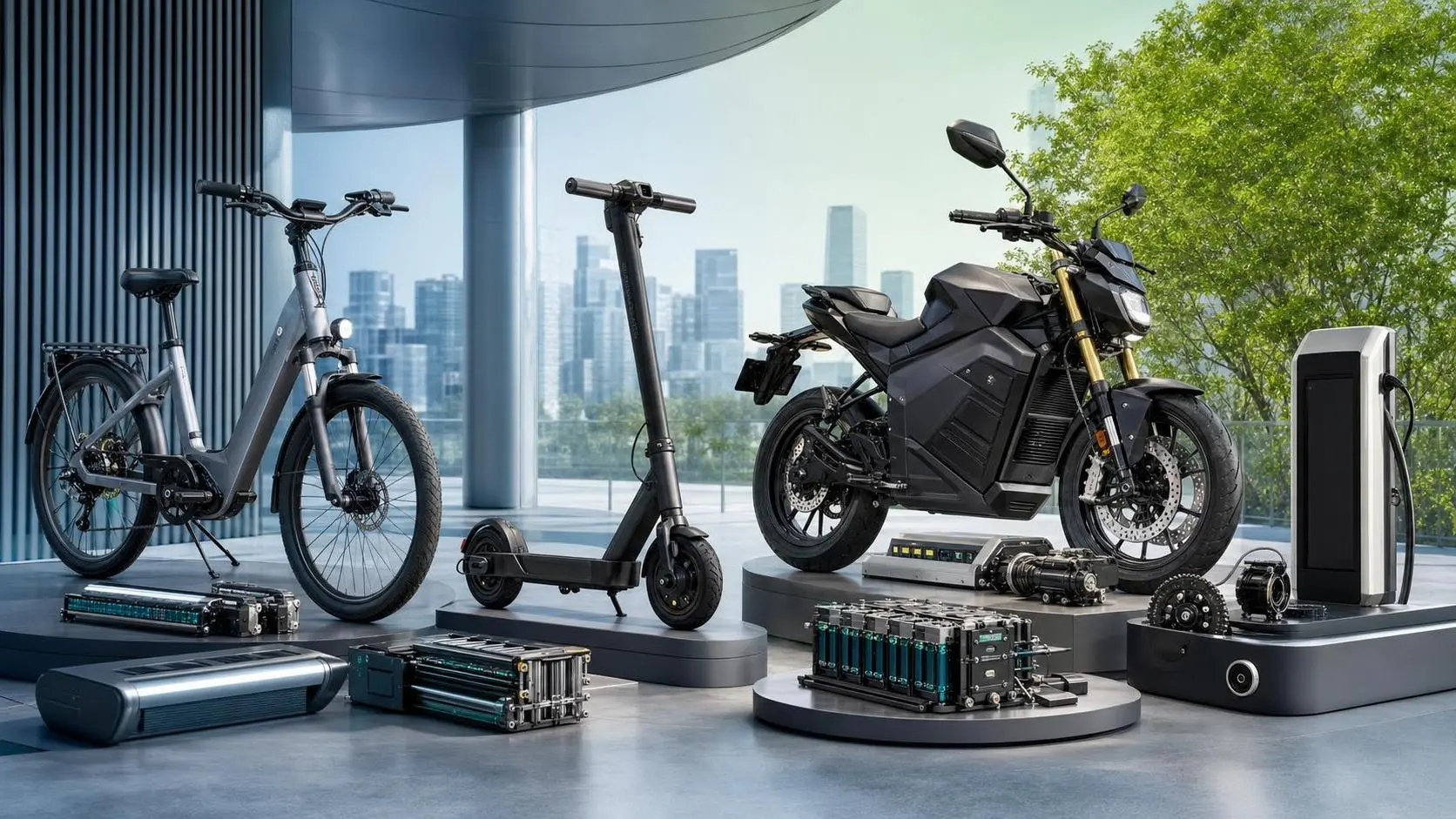
Micro Mobility Global Expansion: What Market Entry Risks and Growth Signals Should Distributors Watch?
Micro mobility global expansion demands more than shipment growth. Discover key market entry risks, regulation shifts, battery challenges, and trusted growth signals distributors should watch.
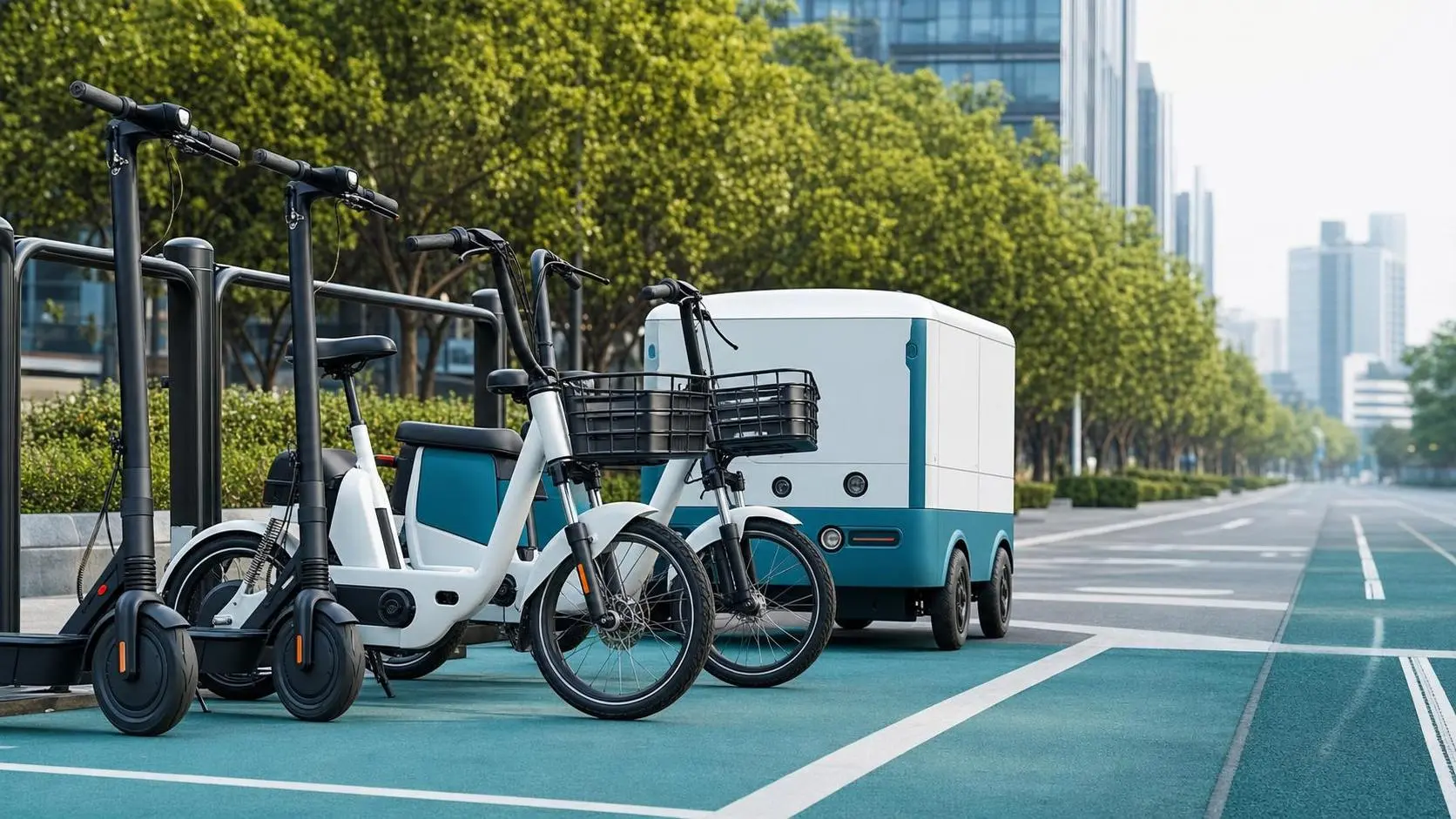
How the Global Mobility Landscape Is Shifting Across Shared, Electric, and Low-Speed Transport
Global mobility landscape trends are redefining urban transport through shared fleets, e-bikes, scooters, and low-speed EVs. Explore the signals shaping smarter, cleaner growth.

Urban Traffic Congestion Solutions: Which Options Work Best for Dense City Corridors?
Urban traffic congestion solutions that actually work: discover how adaptive signals, transit priority, curb management, and micro-mobility can improve dense city corridors.
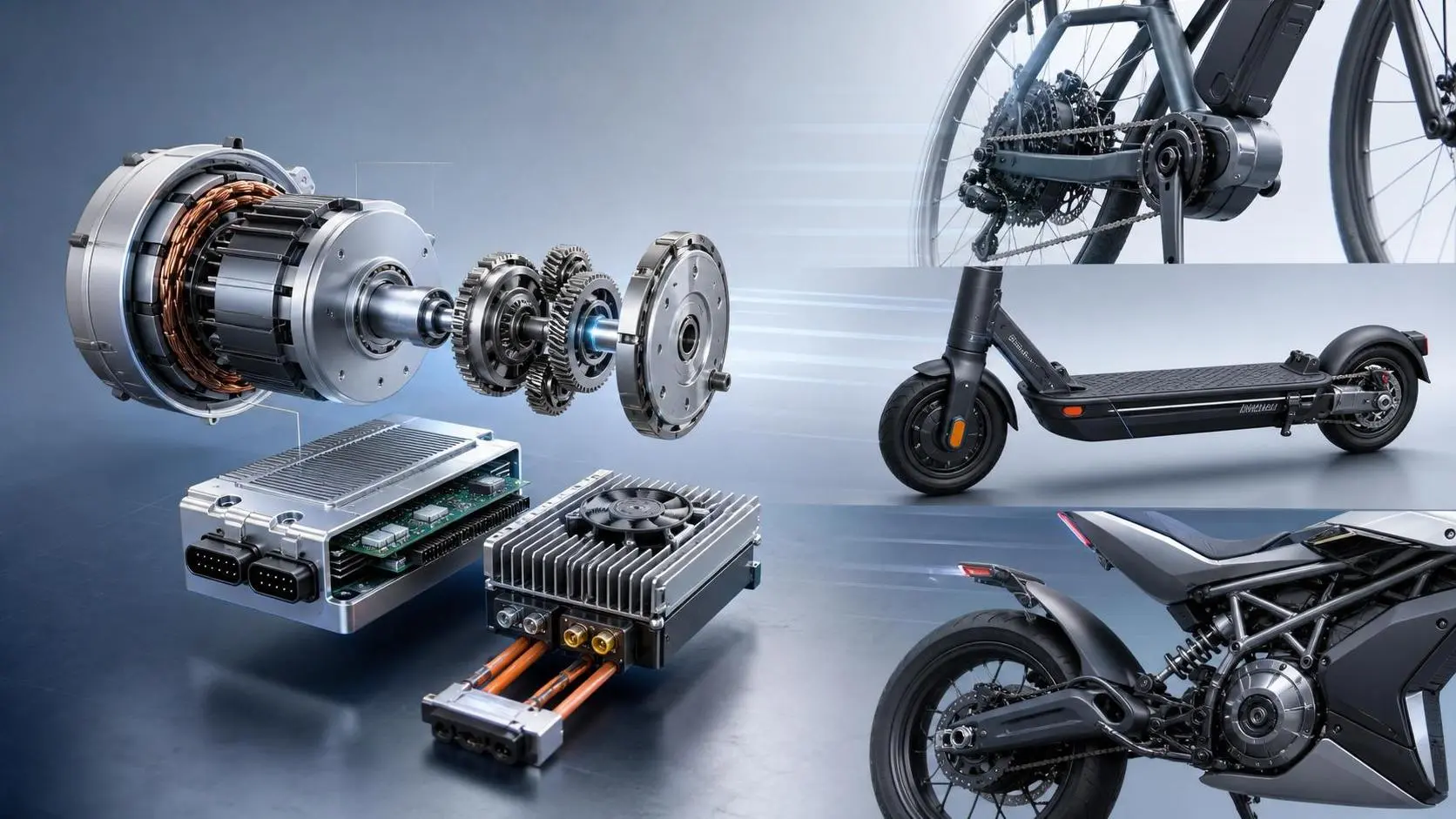
Electric Drivetrain Market Breakdown: Key Segments, Cost Drivers, and Supplier Shifts
Electric drivetrain market insights on key segments, cost drivers, and supplier shifts. See where value, risk, and growth opportunities are emerging across mobility platforms.