
Related News
- 00
0000-00
Electric Torque Trends in E-Mobility: How Peak vs Continuous Output Affects Ride Performance - 00
0000-00
Electric Two-Wheeler Market Size Explained: What Drives Growth by Region and Vehicle Type - 00
0000-00
Micro Mobility Global Expansion: What Market Entry Risks and Growth Signals Should Distributors Watch? - 00
0000-00
How the Global Mobility Landscape Is Shifting Across Shared, Electric, and Low-Speed Transport - 00
0000-00
Electric Two-Wheeler Market Manufacturer Trends: Capacity, Export Strategy, and OEM Shifts
Prof. Marcus Chen
Weekly Insights
Stay ahead with our curated technology reports delivered every Monday.
Electric Two-Wheeler Market Size Explained: What Drives Growth by Region and Vehicle Type





The electric two-wheeler market size is no longer a simple volume story. It reflects how cities manage congestion, how governments price decarbonization, and how consumers balance cost, convenience, and range.
That is why market value can rise even when unit growth slows. Premiumization, battery upgrades, software features, and stronger component integration often reshape revenue faster than headline registrations suggest.
For businesses tracking urban mobility, the real question is not only how large the market is today. It is which regions, vehicle classes, and technical pathways are creating durable demand.
Seen through the lens of UMMS, this market sits at the intersection of e-bikes, smart e-scooters, high-speed e-motorcycles, and precision drivetrain systems. Growth depends on how these segments solve practical urban transport problems.
What the market size really measures
In practice, the electric two-wheeler market size combines unit shipments, retail value, fleet demand, replacement cycles, and aftermarket activity. It also reflects the economics of batteries, controllers, motors, and connected features.
A narrow reading focuses on how many vehicles were sold. A better reading asks where margins are improving, where regulations are opening access, and where local infrastructure reduces adoption friction.
This matters because not all growth is equal. A mature e-bike market with stable subsidies may create predictable returns, while an emerging e-motorcycle market may offer higher upside but greater policy and infrastructure risk.
Why attention remains high across the mobility value chain
The electric two-wheeler market size attracts attention because it touches multiple industries at once. Urban transport, energy storage, electronics, software, components, insurance, and public policy all influence its direction.
In many cities, two-wheel electrification offers a faster emissions win than large vehicle replacement. It uses less material, requires less parking space, and fits dense commuting patterns better than many four-wheel alternatives.
More importantly, the sector is moving from novelty to infrastructure. Battery swapping for high-speed models, IoT tracking for shared scooters, and advanced transmission components for e-bikes are turning categories into ecosystems.
That ecosystem view aligns with UMMS research priorities, where electromechanical efficiency, battery management logic, and micro-mobility policy signals are evaluated together rather than in isolation.
Regional growth patterns are shaped by different triggers
Asia-Pacific: scale, affordability, and electrification speed
Asia-Pacific remains central to the electric two-wheeler market size because of existing two-wheel culture, manufacturing depth, and price-sensitive commuting demand. Electrification here often scales through utility, not lifestyle positioning.
China continues to influence batteries, motors, controllers, and supply chain pricing. India adds a different pattern, where policy support, urban delivery growth, and cost-of-ownership comparisons push adoption forward.
Europe: regulation and premium e-bike momentum
Europe contributes strongly through e-bikes and premium urban mobility products. Here, the electric two-wheeler market size is shaped by bike lane investment, emission targets, fuel prices, and post-pandemic commuting habits.
The region also rewards technical differentiation. Better drivetrains, wireless shifting, lightweight frames, and higher-efficiency motors can support stronger pricing than in highly commoditized markets.
North America: selective adoption with strong urban pockets
North America is less uniform. Demand is concentrated in cities and corridors where commuting distance, bike infrastructure, and local policy support make two-wheel use practical.
E-bikes usually lead, while scooters depend more on city rules and fleet economics. High-speed e-motorcycles remain promising, but charging habits and price expectations still constrain broad expansion.
Latin America, Middle East, and Africa: emerging but uneven
These markets can expand quickly where fuel costs are high and light mobility fills a transport gap. Yet import duties, financing limitations, and service network weakness can slow conversion from interest to sustained sales.
Vehicle type changes the growth equation
A useful way to read the electric two-wheeler market size is by vehicle class. Each category answers a different mobility need and follows a different pricing, policy, and technology logic.
E-bikes usually provide the broadest base. They benefit from wellness trends, practical commuting, and lower operating costs, which makes their contribution to electric two-wheeler market size especially resilient.
Smart e-scooters can grow fast, but they are highly exposed to local restrictions, fleet profitability, parking compliance, and hardware durability. Their market value often depends more on operational design than on retail demand alone.
High-speed e-motorcycles represent a smaller share today, yet they are strategically important. They can shift industry perception, expand battery ecosystem investment, and pull in higher-value components.
The less visible drivers behind expansion
Policy is the most visible driver, but not the only one. In many cases, the electric two-wheeler market size responds more strongly to charging convenience, service coverage, and component reliability than to subsidies alone.
- Battery cost curves influence both affordability and product mix.
- Safety regulation affects certification timelines and market entry barriers.
- Urban rights-of-way determine whether scooters and e-bikes are truly usable.
- Component innovation improves efficiency, ride quality, and replacement demand.
- Data connectivity supports fleet management, theft prevention, and usage analytics.
This is where UMMS-style intelligence becomes useful. Tracking motors, battery management, wireless shifting, sensor algorithms, and vehicle thermal models helps explain why similar products perform differently across regions.
How to interpret market size in a business context
A large electric two-wheeler market size does not automatically mean the best opportunity. What matters is whether growth is profitable, defensible, and supported by policy, infrastructure, and technical fit.
A practical reading usually starts with four questions.
- Is demand led by subsidies, or by real commuting utility?
- Are margins improving through components, software, or premium positioning?
- Can service, charging, or swapping networks support repeat usage?
- How exposed is the market to regulatory reversal or safety incidents?
This approach helps separate temporary spikes from structural growth. It also clarifies whether the opportunity lies in complete vehicles, core components, fleet systems, or aftermarket support.
Signals worth watching next
The next phase of the electric two-wheeler market size will likely be shaped by integration rather than simple expansion. Hardware, software, energy systems, and regulation are becoming more tightly linked.
Three signals deserve close attention. First, whether battery swapping gains standardization in high-speed segments. Second, whether European e-bike demand stays premium rather than promotional. Third, whether shared scooter economics improve under stricter city rules.
It is also worth tracking component sophistication. Precision drivetrains, efficient motors, resilient sensors, and smarter battery management can expand value even when total units grow moderately.
A grounded next step is to compare regions by policy stability, infrastructure readiness, and segment fit rather than by market headlines alone. That framework gives the electric two-wheeler market size real decision value.
Related News
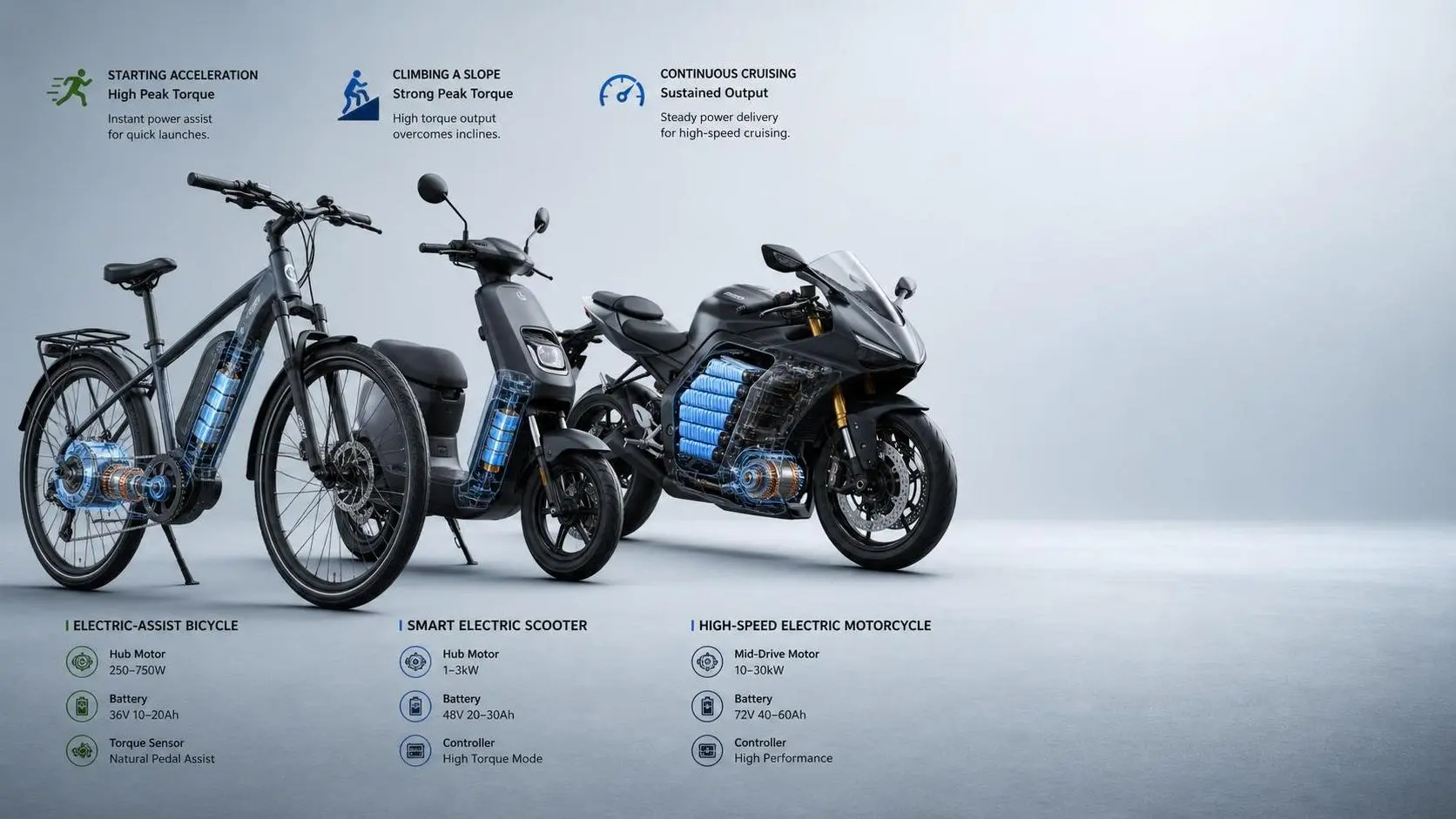
Electric Torque Trends in E-Mobility: How Peak vs Continuous Output Affects Ride Performance
Electric torque trends reveal how peak vs continuous output shapes e-bike, e-scooter, and e-motorcycle performance. Learn what truly improves daily ride quality.
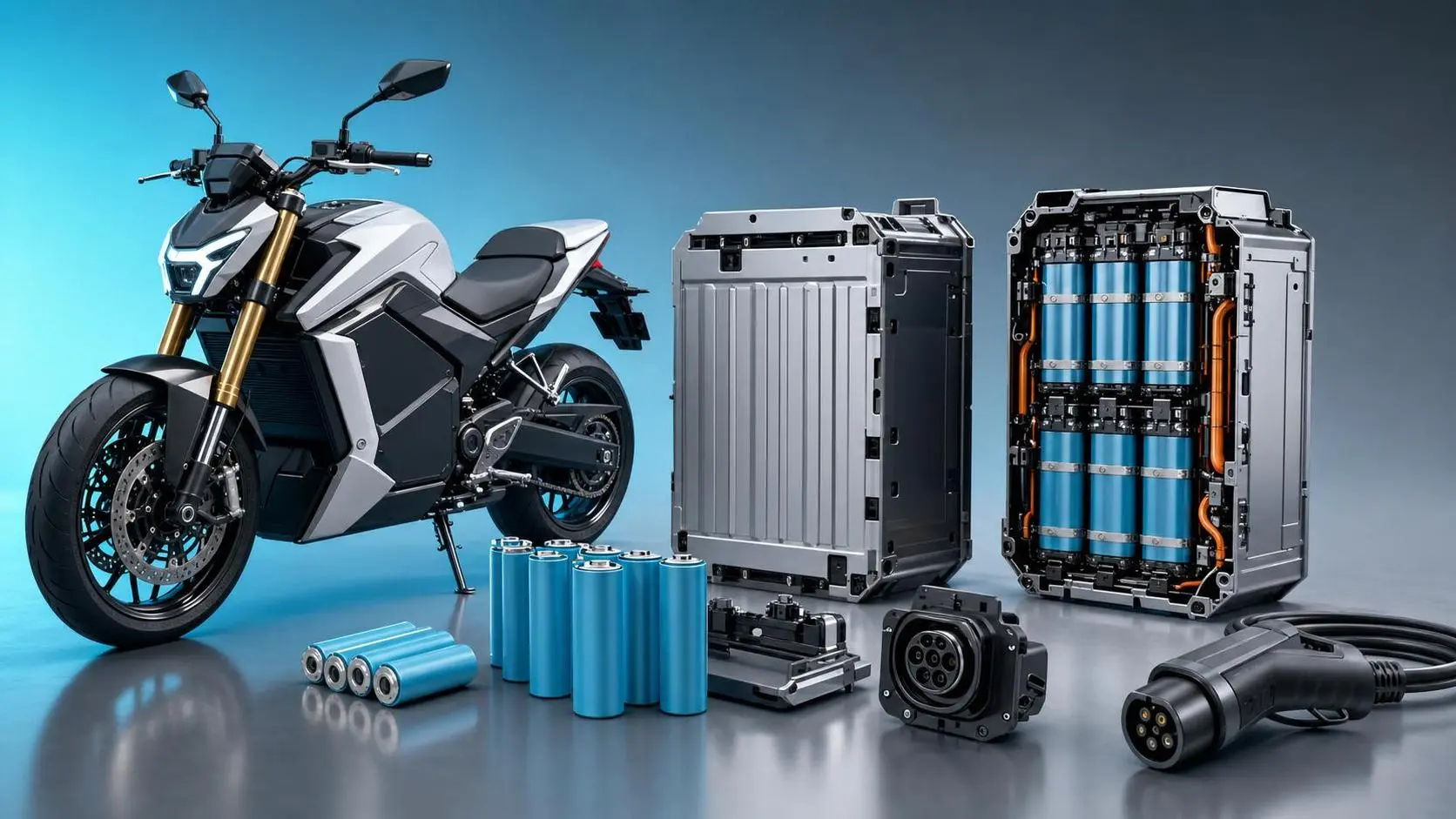
Electric Motorcycle Battery Trends: Cell Chemistry, Fast Charging, and Pack Design Shifts
Electric motorcycle battery trends are redefining range, fast charging, and pack design. Explore how chemistry choices, thermal control, and modular architecture shape safer, smarter, longer-lasting e-motorcycles.
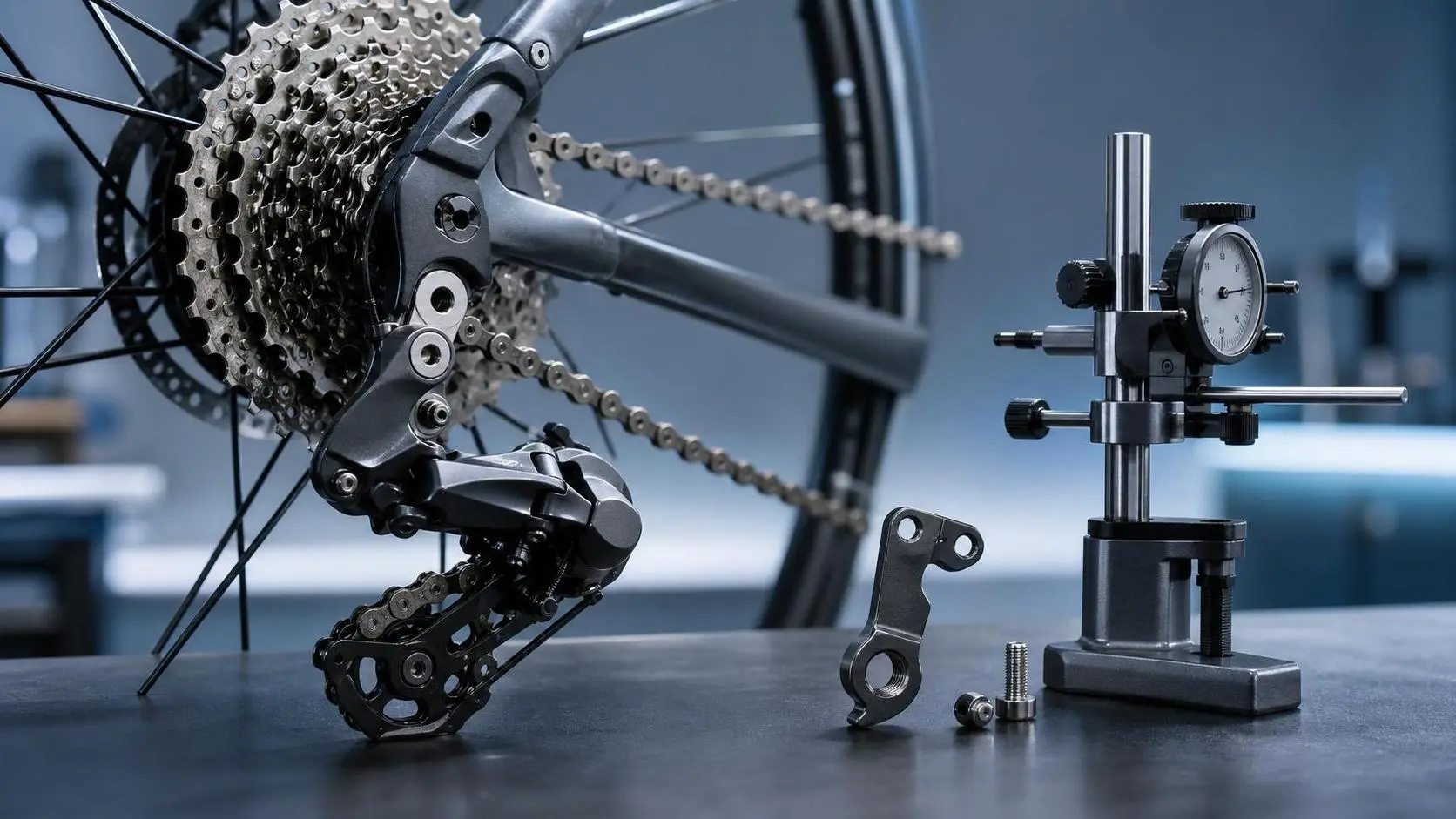
Derailleur Hanger Bent? How to Diagnose Shifting Problems and Decide on Repair or Replacement
Derailleur hanger bent? Learn the key shifting symptoms, how to confirm misalignment, and when repair or replacement is the smarter fix for reliable riding.
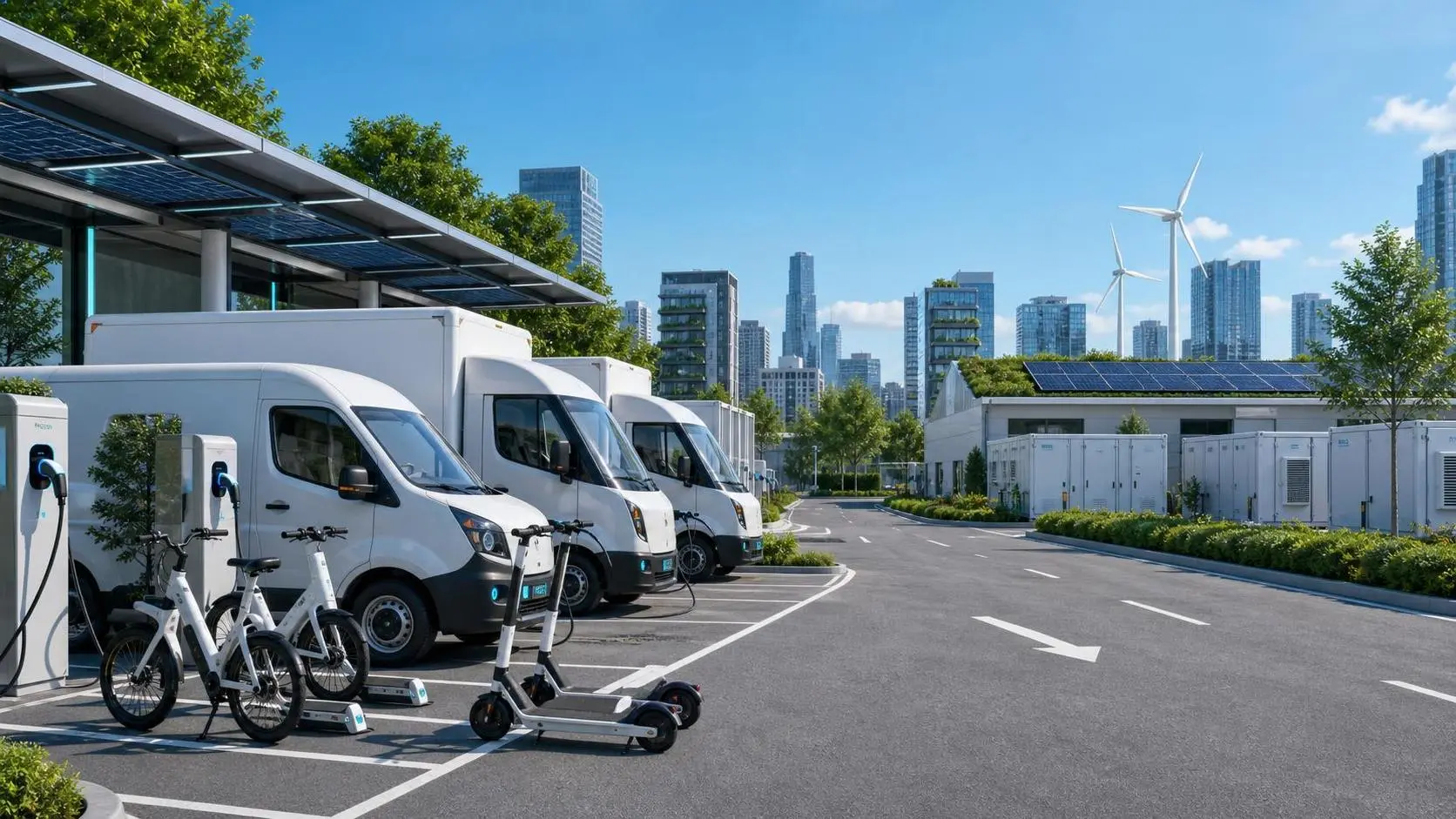
Carbon Neutrality Transport Strategy: 6 Levers That Cut Emissions Across Urban Fleets
Carbon neutrality transport strategy for urban fleets: discover 6 practical levers to cut emissions, lower operating costs, improve routing, and scale cleaner mobility faster.
Electric Two Wheeler Market Analysis: How to Compare Demand, Pricing, and Regional Growth
Electric two wheeler market analysis made practical: compare real demand, pricing drivers, and regional growth signals to avoid sourcing mistakes and choose smarter suppliers.
Micro Mobility Global Expansion: What Market Entry Risks and Growth Signals Should Distributors Watch?
Micro mobility global expansion demands more than shipment growth. Discover key market entry risks, regulation shifts, battery challenges, and trusted growth signals distributors should watch.
How the Global Mobility Landscape Is Shifting Across Shared, Electric, and Low-Speed Transport
Global mobility landscape trends are redefining urban transport through shared fleets, e-bikes, scooters, and low-speed EVs. Explore the signals shaping smarter, cleaner growth.
Urban Traffic Congestion Solutions: Which Options Work Best for Dense City Corridors?
Urban traffic congestion solutions that actually work: discover how adaptive signals, transit priority, curb management, and micro-mobility can improve dense city corridors.
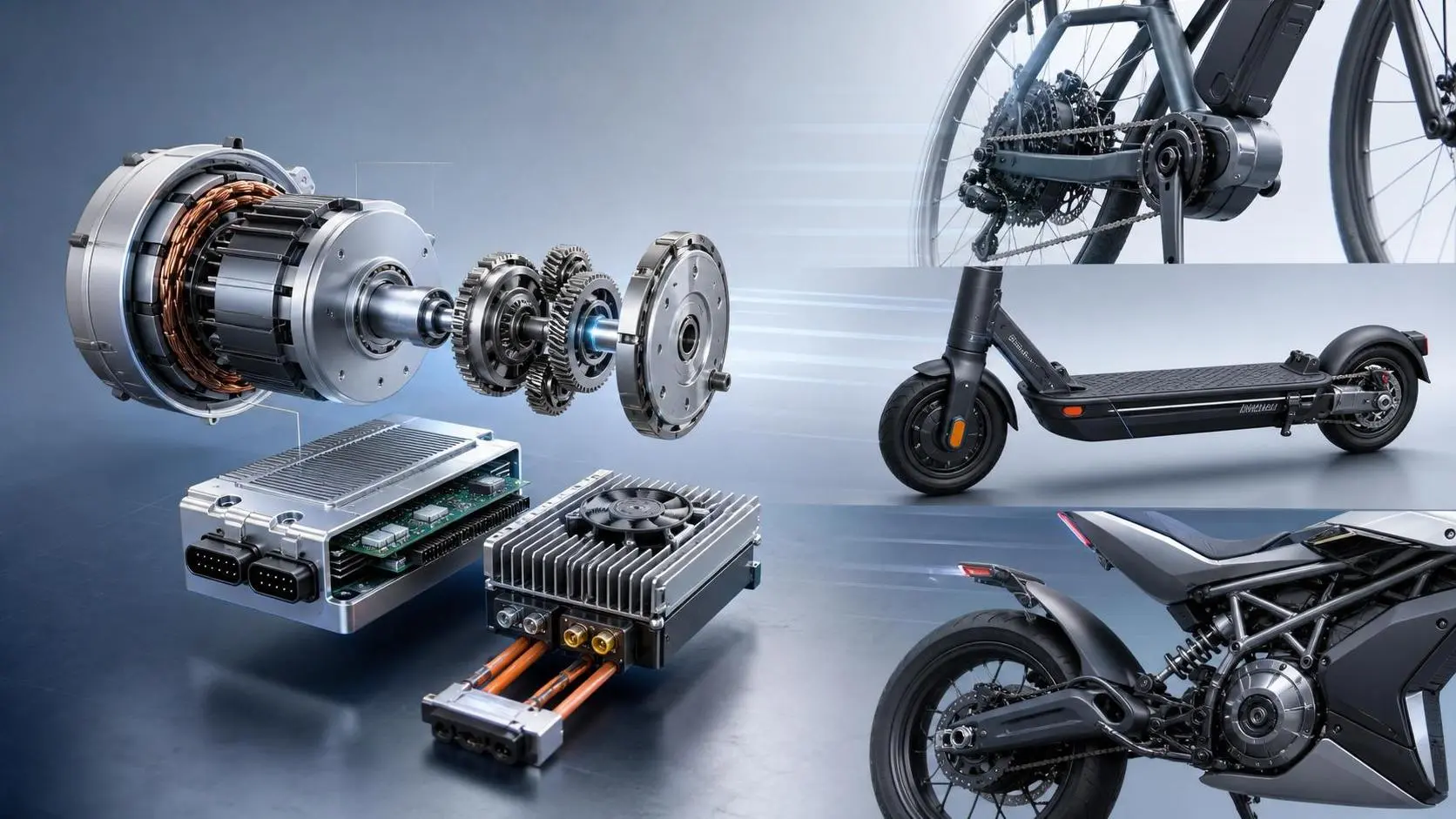
Electric Drivetrain Market Breakdown: Key Segments, Cost Drivers, and Supplier Shifts
Electric drivetrain market insights on key segments, cost drivers, and supplier shifts. See where value, risk, and growth opportunities are emerging across mobility platforms.