
Related News
- 00
0000-00
Micro Mobility Global Expansion: What Market Entry Risks and Growth Signals Should Distributors Watch? - 00
0000-00
How the Global Mobility Landscape Is Shifting Across Shared, Electric, and Low-Speed Transport - 00
0000-00
Electric Two-Wheeler Market Manufacturer Trends: Capacity, Export Strategy, and OEM Shifts - 00
0000-00
Micro Mobility USA Market: Key Regulations, Demand Signals, and Growth Segments - 00
0000-00
Clean Urban Transport Options Explained: Which Modes Fit Dense City Routes?
Prof. Marcus Chen
Weekly Insights
Stay ahead with our curated technology reports delivered every Monday.
How the Global Mobility Landscape Is Shifting Across Shared, Electric, and Low-Speed Transport





The global mobility landscape is no longer defined by private cars alone. Shared fleets, electric two-wheelers, and low-speed transport are changing how cities manage distance, congestion, and energy use.
That shift matters because mobility decisions now sit at the intersection of climate policy, urban design, digital infrastructure, and industrial supply chains. What looks like a simple rise in e-bikes or scooters is actually a deeper reordering of transport logic.
For anyone tracking the global mobility landscape, the key question is not whether change is happening. It is how shared, electric, and low-speed systems are converging, and which signals reveal durable opportunity.
Why the mobility map is being redrawn
Urban travel demand has become more fragmented. Daily trips are shorter, traffic is denser, and public expectations around convenience have risen.
At the same time, cities are under pressure to reduce emissions without sacrificing access. This makes compact, electrified, and connected vehicles more attractive than traditional transport for many use cases.
The global mobility landscape is therefore shifting toward systems that move people efficiently across the last mile, the short commute, and neighborhood-scale distribution routes.
Shared mobility platforms add another layer. They turn vehicles into networked assets, generating usage data, maintenance patterns, and route intelligence that shape fleet economics and policy responses.
What shared, electric, and low-speed transport really includes
This segment is broader than scooters parked on sidewalks. It includes e-bikes, smart e-scooters, high-speed e-motorcycles, and supporting component systems that improve efficiency, safety, and ride control.
Low-speed transport usually refers to vehicles optimized for shorter urban trips. Their value comes from lower energy demand, easier parking, and better fit within dense city networks.
Shared transport refers to access-based use rather than ownership. Electric transport refers to battery-powered propulsion, but the practical story also includes charging strategy, thermal performance, drivetrain precision, and software integration.
In the current global mobility landscape, these categories increasingly overlap. A shared scooter is also an IoT device. An e-bike is also part of an energy and policy discussion. An e-motorcycle is also a platform for battery-swapping and urban logistics.
The strongest forces shaping the global mobility landscape
Policy is becoming more specific
Early regulation often treated micro-mobility as a novelty. That phase is ending. Cities now define right-of-way rules, speed limits, parking requirements, battery standards, and fleet caps with much greater precision.
Subsidies for e-bikes, decarbonization targets, and local safety rules increasingly shape market entry. In many regions, regulation is no longer a background issue. It is a product planning variable.
Hardware performance is becoming decisive
Range alone is not enough. Reliability, battery density, thermal management, braking consistency, and lightweight structure now separate viable products from weak ones.
This is where technical intelligence matters. UMMS focuses on sectors that illustrate the deeper mechanics behind the global mobility landscape, from e-bike motors to wireless derailleur systems and high-speed electric powertrains.
Even components that seem niche can influence adoption. Precision drivetrain parts affect ride quality and energy transfer. Smart wiper systems matter for visibility and safety in extreme weather, especially as connected low-speed vehicles operate year-round.
Data is turning mobility into an operating system
Connected fleets produce information that can improve routing, reduce downtime, and predict component wear. Operators and suppliers now compete not only on hardware, but on the ability to interpret field performance.
The global mobility landscape increasingly rewards businesses that can stitch together policy signals, engineering insight, and commercial demand into one usable view.
Where the business value is becoming clearer
The appeal of these transport modes is practical before it is symbolic. They lower per-trip energy use, support flexible travel patterns, and help cities address congestion without large physical expansion.
From a commercial perspective, the global mobility landscape now offers value across several layers: vehicle manufacturing, core components, fleet software, battery systems, safety modules, and intelligence services.
This broader value chain explains why the conversation has moved beyond vehicles alone. The global mobility landscape is also about systems architecture, supply resilience, and credible technical differentiation.
How major segments are evolving
Electric bicycles
E-bikes have become one of the most visible indicators of change. They serve commuters, delivery riders, and leisure users, while benefiting from favorable regulation in many markets.
Their growth also reflects a simple calculation: they deliver meaningful distance at low energy cost. In the global mobility landscape, that makes them both a consumer product and a policy tool.
Smart e-scooters
Scooters remain central to the last-mile model. What has changed is the level of scrutiny. Durability, parking behavior, geofencing, and compliance now matter as much as convenience.
The most relevant question is no longer whether scooters are useful. It is whether operators can align product design with city rules and long-term maintenance economics.
High-speed e-motorcycles
This category shows how electrification is moving into performance territory. Instant torque, software-based tuning, and battery-swapping networks are changing expectations around two-wheeler capability.
As part of the global mobility landscape, high-speed electric motorcycles connect urban mobility with broader questions about infrastructure readiness and premium electric adoption.
Precision components and safety systems
Micro-mobility performance depends on details. Electronic shifting, anti-interference protocols, sensor logic, braking modules, and weather visibility systems can determine whether a product scales successfully.
UMMS pays close attention to these layers because they often reveal competitive strength before headline sales numbers do.
A practical way to read market signals
Not every growth story in the global mobility landscape has equal weight. It helps to separate temporary enthusiasm from structural change.
- Track regulation and subsidy design, not just headline announcements.
- Compare real operating conditions, including weather, terrain, and charging access.
- Look at component quality, because weak subsystems create hidden failure points.
- Treat data capability as a strategic asset, especially for shared fleets.
- Watch how local infrastructure supports parking, swapping, maintenance, and safety.
This kind of framework makes the global mobility landscape easier to interpret. It also helps connect technical details with market timing and policy direction.
What to assess next
The next phase of mobility will not be decided by one vehicle category. It will be shaped by how shared access, electrified platforms, and low-speed networks fit together in real urban systems.
A useful next step is to evaluate markets through a combined lens: policy maturity, infrastructure support, component innovation, and operating data quality. That is where the strongest patterns in the global mobility landscape are now emerging.
For ongoing analysis, it is worth following sources that connect commercial trends with engineering depth. In a sector shaped by rapid iteration, clear intelligence often matters as much as speed.
The mobility story ahead is less about replacing one mode with another. It is about understanding how these connected transport layers create a more flexible, lower-carbon urban system, and where the next durable advantage will appear.
Related News
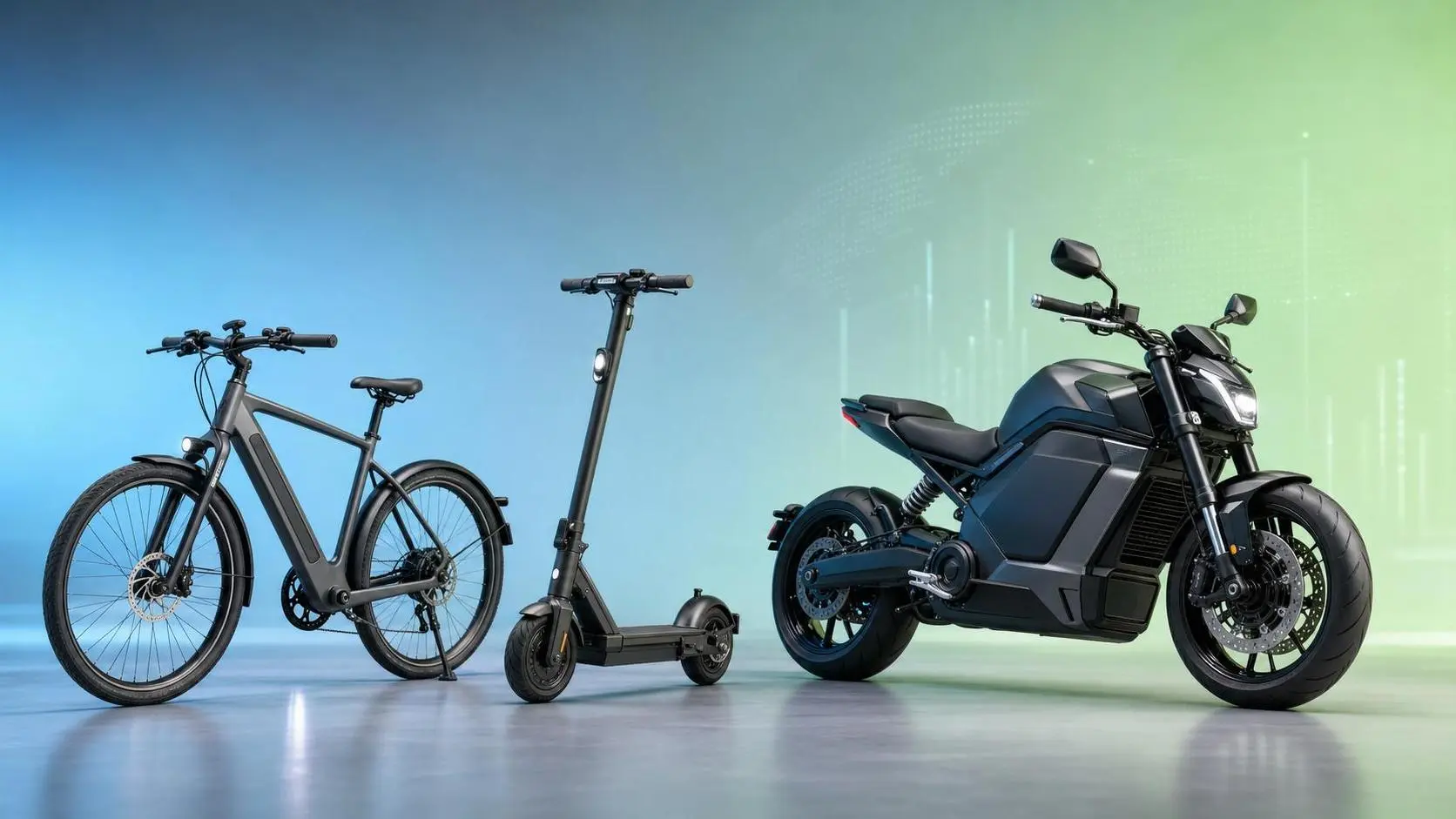
Electric Two Wheeler Market Analysis: How to Compare Demand, Pricing, and Regional Growth
Electric two wheeler market analysis made practical: compare real demand, pricing drivers, and regional growth signals to avoid sourcing mistakes and choose smarter suppliers.
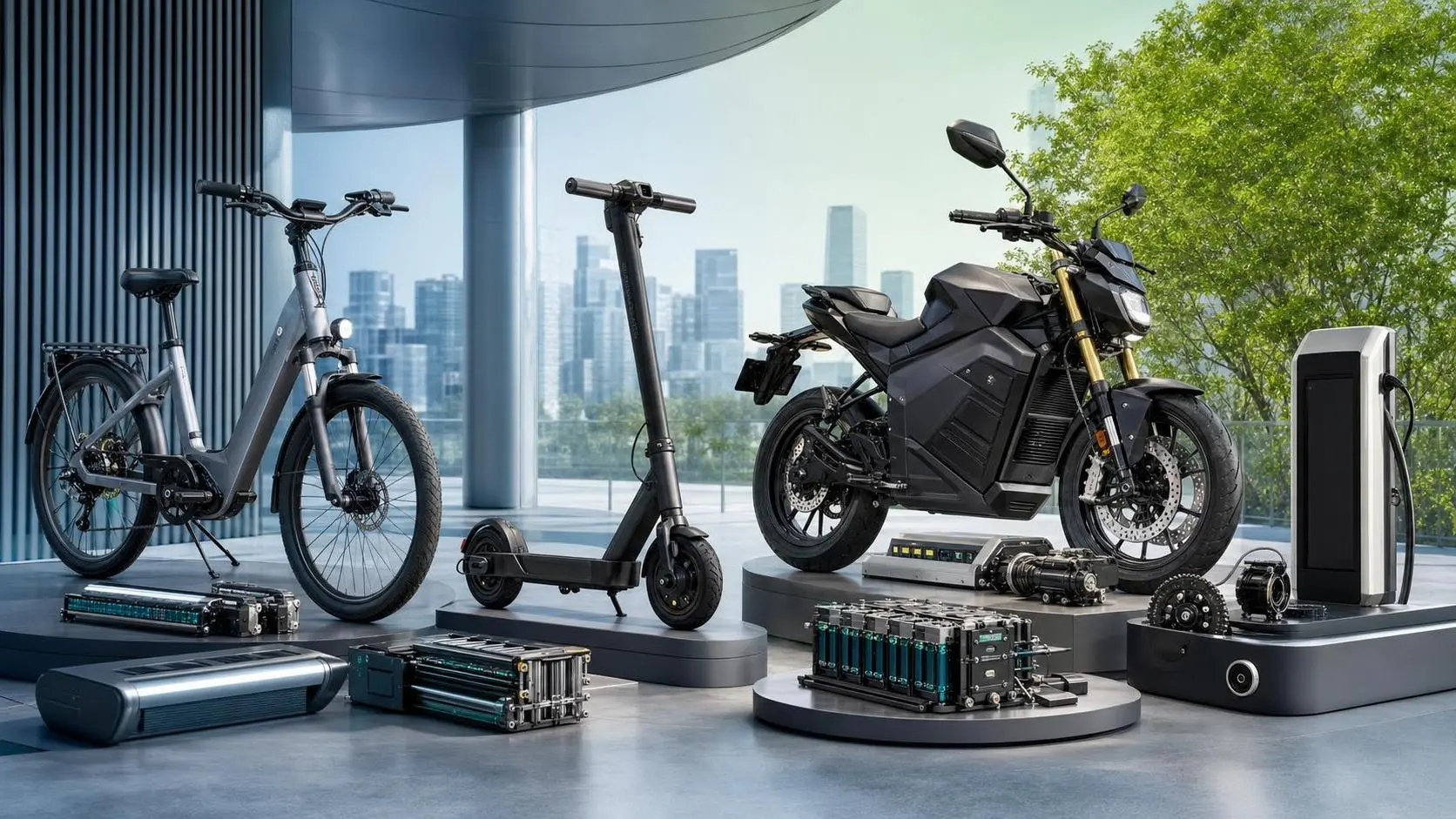
Micro Mobility Global Expansion: What Market Entry Risks and Growth Signals Should Distributors Watch?
Micro mobility global expansion demands more than shipment growth. Discover key market entry risks, regulation shifts, battery challenges, and trusted growth signals distributors should watch.

Urban Traffic Congestion Solutions: Which Options Work Best for Dense City Corridors?
Urban traffic congestion solutions that actually work: discover how adaptive signals, transit priority, curb management, and micro-mobility can improve dense city corridors.
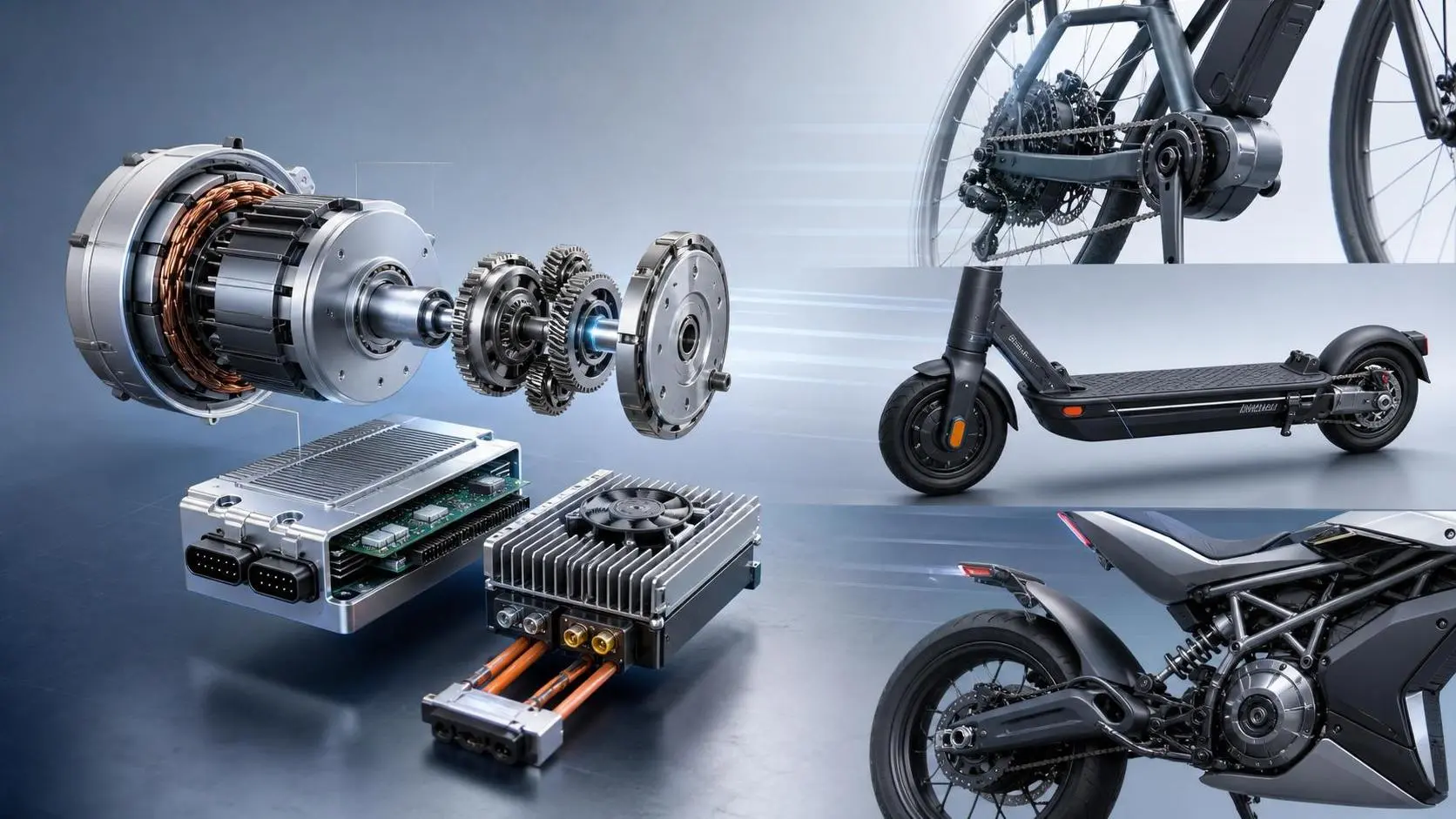
Electric Drivetrain Market Breakdown: Key Segments, Cost Drivers, and Supplier Shifts
Electric drivetrain market insights on key segments, cost drivers, and supplier shifts. See where value, risk, and growth opportunities are emerging across mobility platforms.
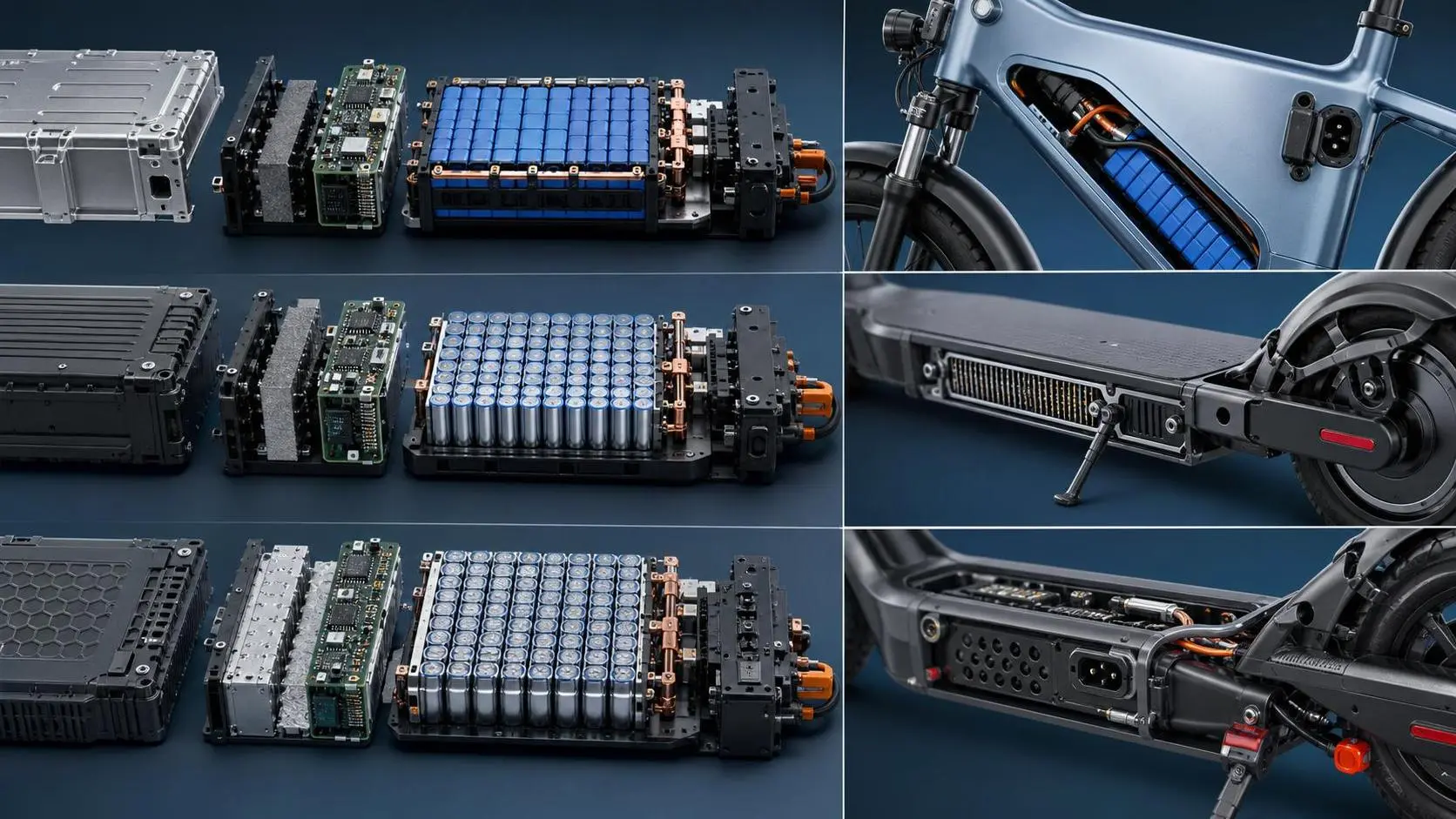
Battery Technology China: How LFP, Sodium-Ion, and Fast-Charging Cells Compare
Battery technology China compared: explore how LFP, sodium-ion, and fast-charging cells differ in cost, safety, range, and fleet value for smarter urban mobility decisions.
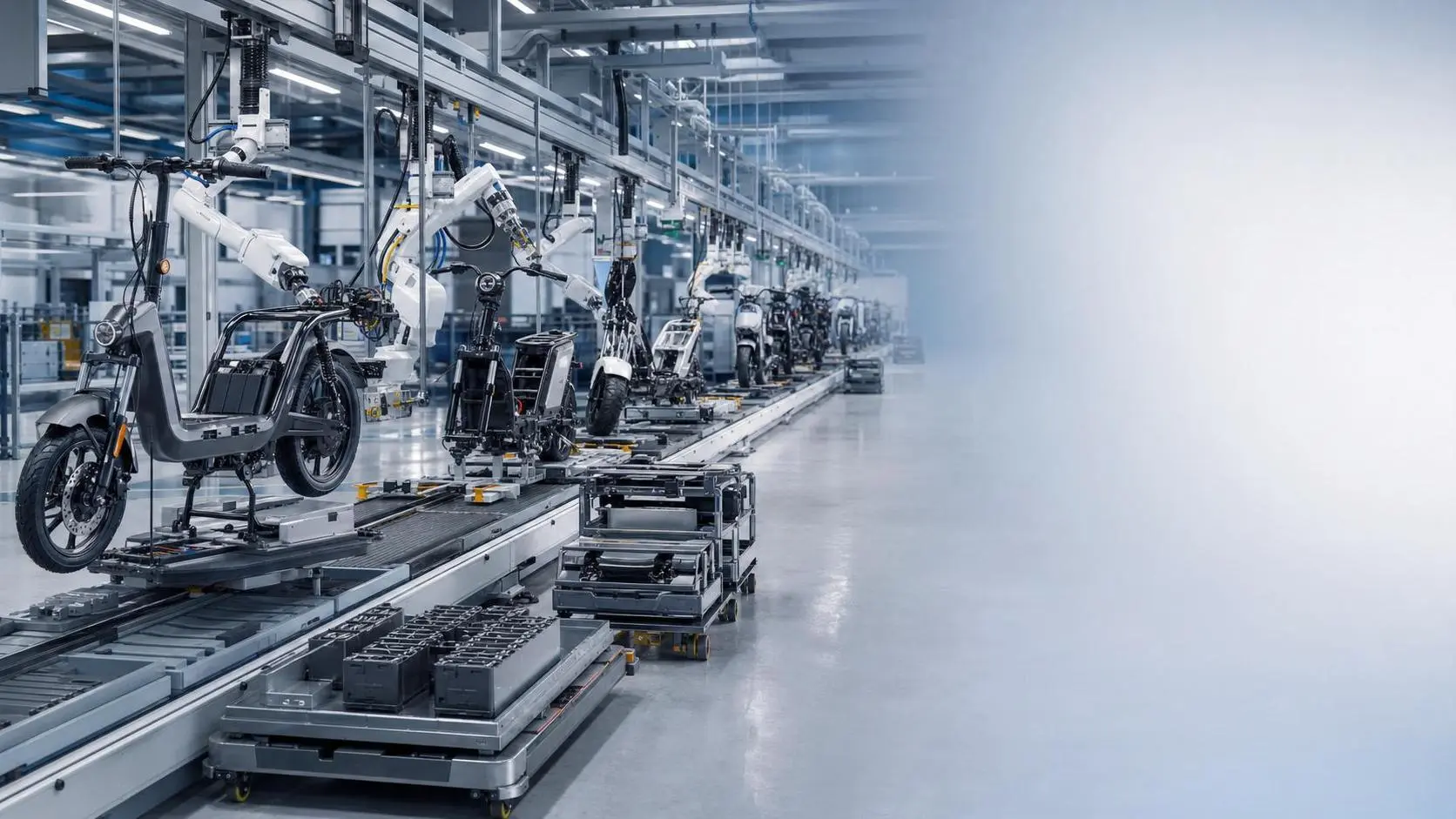
Electric Two-Wheeler Market Manufacturer Trends: Capacity, Export Strategy, and OEM Shifts
Electric two-wheeler market manufacturer trends decoded: explore capacity flexibility, smarter export strategy, and OEM shifts shaping resilient growth and competitive advantage.

How to Choose a Brushless Wiper Motor: Voltage, Torque, IP Rating, and Duty Cycle
Brushless wiper motor selection starts with the right voltage, torque, IP rating, and duty cycle. Learn how to compare specs, reduce failure risk, and choose a reliable fit.
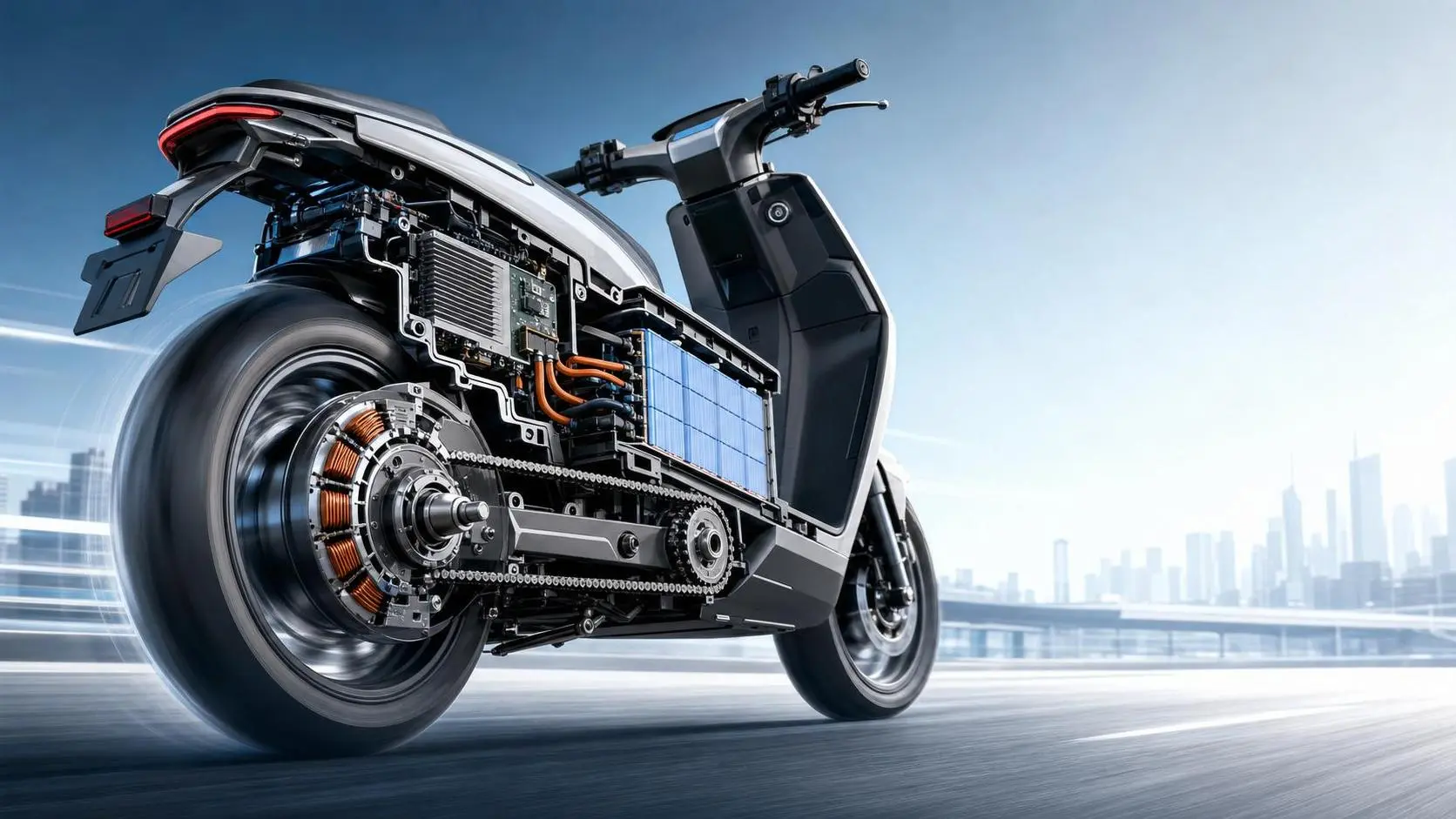
What Causes Torque Lag in Electric Two-Wheelers and How Can Engineers Reduce It?
Torque lag in electric two-wheelers starts with more than the motor. Learn what causes torque lag in e-bikes, e-scooters, and e-motorcycles, and how engineers can reduce it for faster, smoother response.
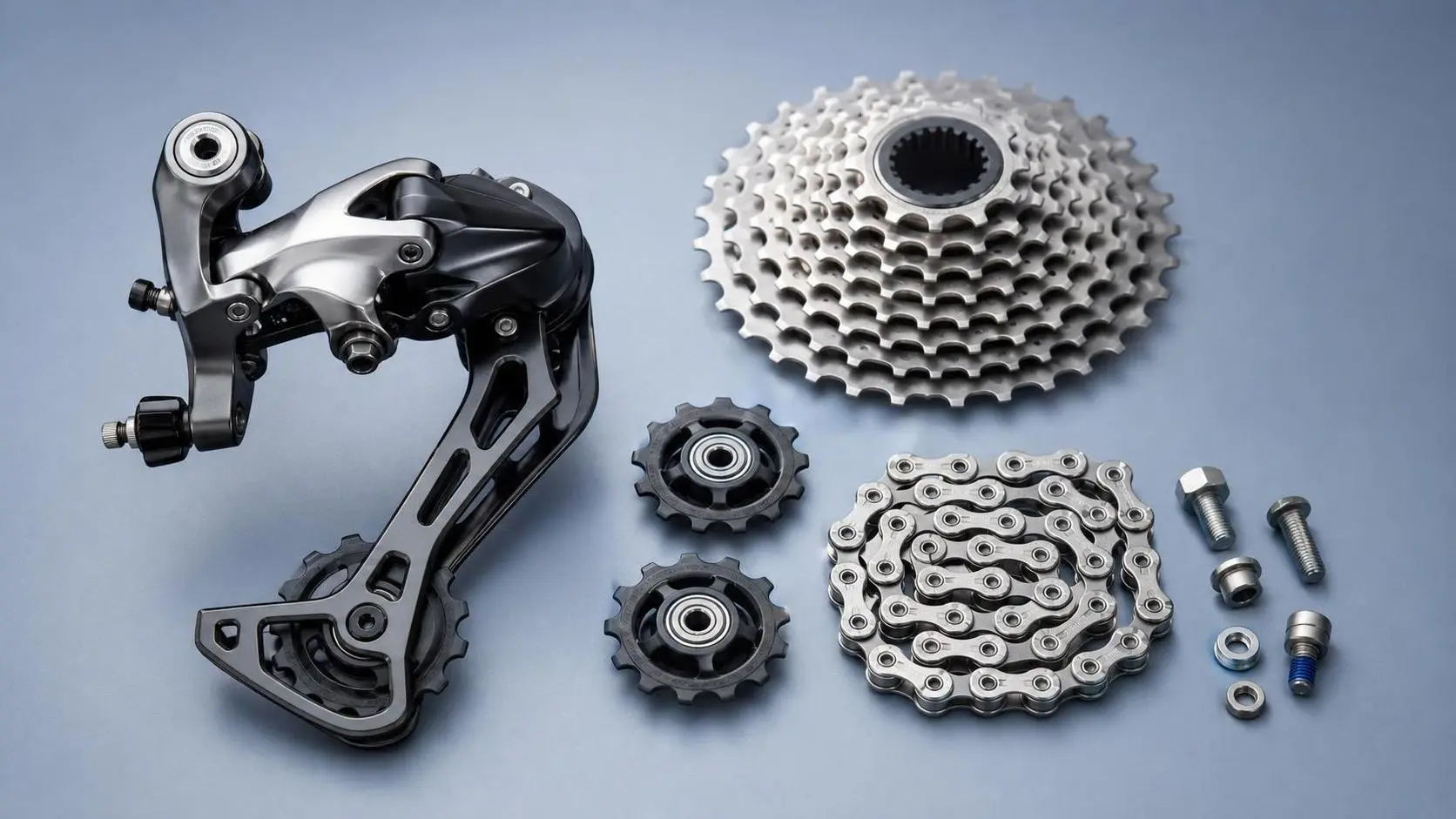
Bike Derailleur Parts Explained: Names, Functions, and What Wears Out First
Bike derailleur parts explained clearly: learn the key names, functions, common wear points, and how to tell adjustment issues from real damage before you repair or upgrade.