
Related News
- 00
0000-00
Electric Torque Trends in E-Mobility: How Peak vs Continuous Output Affects Ride Performance - 00
0000-00
Electric Two-Wheeler Market Size Explained: What Drives Growth by Region and Vehicle Type - 00
0000-00
Micro Mobility Global Expansion: What Market Entry Risks and Growth Signals Should Distributors Watch? - 00
0000-00
How the Global Mobility Landscape Is Shifting Across Shared, Electric, and Low-Speed Transport - 00
0000-00
Electric Two-Wheeler Market Manufacturer Trends: Capacity, Export Strategy, and OEM Shifts
Prof. Marcus Chen
Weekly Insights
Stay ahead with our curated technology reports delivered every Monday.
Electric Torque Trends in E-Mobility: How Peak vs Continuous Output Affects Ride Performance





Electric torque trends are changing how performance is judged across e-bikes, smart e-scooters, and high-speed e-motorcycles. A stronger number on a product sheet may look decisive, yet ride quality depends on when torque appears, how long it lasts, and how the system manages heat, battery flow, and drivetrain stress.
That is why the distinction between peak and continuous output matters so much in urban mobility. It affects launch feel at traffic lights, hill starts with cargo, speed consistency on longer climbs, and the confidence riders feel when a vehicle is used daily rather than briefly tested.
For UMMS, which tracks the electrification of two-wheelers and the wider logic of low-carbon transport systems, electric torque trends are not an isolated technical topic. They connect motor design, battery density, thermal strategy, transmission efficiency, policy expectations, and the commercial reality of last-mile mobility.
Why torque metrics deserve closer attention
Torque is the turning force that moves the wheel. In e-mobility, it shapes how quickly a vehicle responds under load, especially from low speed where electric drivetrains show their main advantage over combustion systems.
Peak output refers to the highest torque a motor can deliver for a short period. Continuous output shows what the powertrain can sustain without overheating or forcing protective limits.
This difference explains why two models with similar advertised torque can feel very different on the road. One may surge strongly for a few seconds, while another maintains cleaner, steadier support through repeated stops, headwinds, and gradual elevation changes.
In practical terms, electric torque trends now reflect a move away from headline claims alone. The market increasingly values usable torque, controlled delivery, and thermal resilience rather than a single impressive burst figure.
Peak torque sells excitement, continuous torque builds trust
Peak torque is easy to feel and easy to market. It creates fast starts, quick overtakes, and a stronger sense of immediacy. In short test rides, that instant response often becomes the first thing people remember.
Continuous torque tells a deeper story. It reveals whether the motor, controller, and battery can keep delivering force after repeated acceleration cycles or extended climbing. That matters more in delivery use, commuter duty, and dense stop-and-go traffic.
These two metrics are not rivals. They describe different parts of ride performance. Peak torque improves short-term punch. Continuous torque supports repeatable real-world operation.
When comparing systems, the better question is not which number is bigger. The better question is how torque is delivered across time, speed, load, and temperature.
How electric torque trends differ by vehicle category
E-bikes: assistance quality matters more than raw force
In e-bikes, torque needs to blend with pedaling rhythm. Riders usually notice smooth engagement, predictable support on inclines, and low noise before they think about absolute output.
A high peak figure can help on sharp ramps or loaded starts. Still, if continuous support fades too quickly, the ride becomes uneven. That is especially important in European commuting conditions and longer urban-suburban routes.
Smart e-scooters: torque control shapes safety and usability
For scooters, instant torque must be balanced carefully. Too little torque makes starts feel weak. Too much uncontrolled torque can reduce stability on wet roads, rough pavement, or shared urban lanes.
Electric torque trends in this segment increasingly favor refined controller logic. Smooth ramp-up, regenerative coordination, and thermal consistency matter as much as nominal motor claims.
High-speed e-motorcycles: continuous delivery separates serious platforms
High-speed e-motorcycles often lead marketing conversations because electric torque arrives immediately. Yet sustained riding exposes the difference between thrilling specifications and durable platform engineering.
Here, battery-swapping compatibility, thermal management, and controller calibration become central. UMMS closely watches these interactions because they influence both performance credibility and market scalability.
The hidden system behind torque delivery
Torque is never just a motor issue. It depends on the entire electromechanical chain, from battery chemistry and current capability to inverter efficiency, gear ratio, tire grip, and frame loading.
This broader view aligns with UMMS intelligence work. The portal does not separate drivetrain force from battery logic, thermal models, or precision component behavior because real performance emerges from system integration.
- Battery management determines how much current can be released repeatedly.
- Controller software decides how sharply torque is introduced or limited.
- Thermal strategy governs how long performance stays available.
- Transmission and wheel components influence how efficiently torque reaches the ground.
Even adjacent categories, such as precision derailleur systems or smart sensing components, reflect the same industrial direction. Efficiency, response speed, and control intelligence now shape competitive value across the micro-mobility stack.
What the market is really signaling
Current electric torque trends suggest a more mature market. Buyers, platform operators, and analysts increasingly compare sustained ride behavior instead of relying only on short test impressions or isolated peak numbers.
This shift is driven by several forces. Urban congestion raises demand for dependable daily mobility. Carbon neutrality targets favor electric two-wheelers with credible efficiency. Regulation also pushes manufacturers toward safer, more transparent performance claims.
As a result, torque discussions now overlap with durability, compliance, and total operating experience. In many cases, the best-performing product is not the one with the most dramatic launch, but the one that keeps behaving predictably after weeks of real use.
How to compare ride performance more accurately
A useful evaluation starts with riding context. Flat urban commuting, food delivery, shared fleet duty, leisure riding, and high-speed corridor travel all place different demands on torque behavior.
Instead of asking for one best torque figure, compare systems through a more grounded set of filters.
- Check whether quoted torque is motor torque or wheel torque.
- Look for sustained climbing or repeated acceleration performance.
- Review thermal derating behavior after longer use.
- Consider battery voltage sag under load.
- Assess whether control tuning matches road surface and traffic conditions.
This is where electric torque trends become especially valuable for market insight. They help separate marketing emphasis from engineering substance and make cross-category comparisons more realistic.
Where to focus next
Electric torque trends are likely to become even more nuanced as micro-mobility platforms add smarter sensors, tighter software control, and better battery architectures. The next wave of differentiation may come from how efficiently torque is managed, not simply how strongly it peaks.
For anyone comparing products, tracking suppliers, or following urban mobility strategy, the most useful next step is to build a simple review framework. Match peak torque, continuous output, thermal behavior, and route profile in one view.
That approach creates a clearer basis for evaluating e-bikes, smart e-scooters, and high-speed e-motorcycles. It also reflects the kind of integrated intelligence UMMS brings to the market: performance understood not as a single claim, but as a system-level outcome with real transport value.
Related News
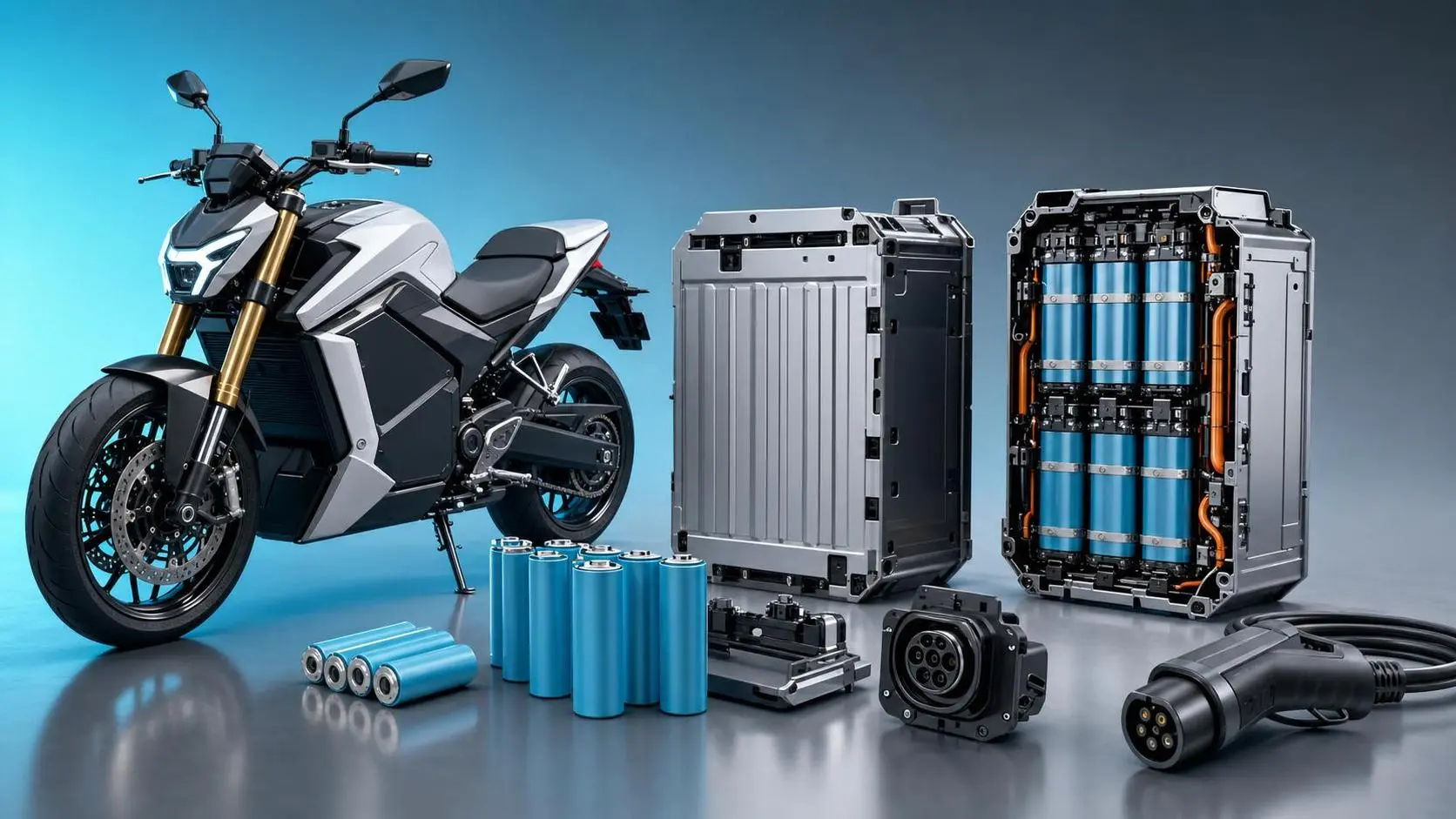
Electric Motorcycle Battery Trends: Cell Chemistry, Fast Charging, and Pack Design Shifts
Electric motorcycle battery trends are redefining range, fast charging, and pack design. Explore how chemistry choices, thermal control, and modular architecture shape safer, smarter, longer-lasting e-motorcycles.
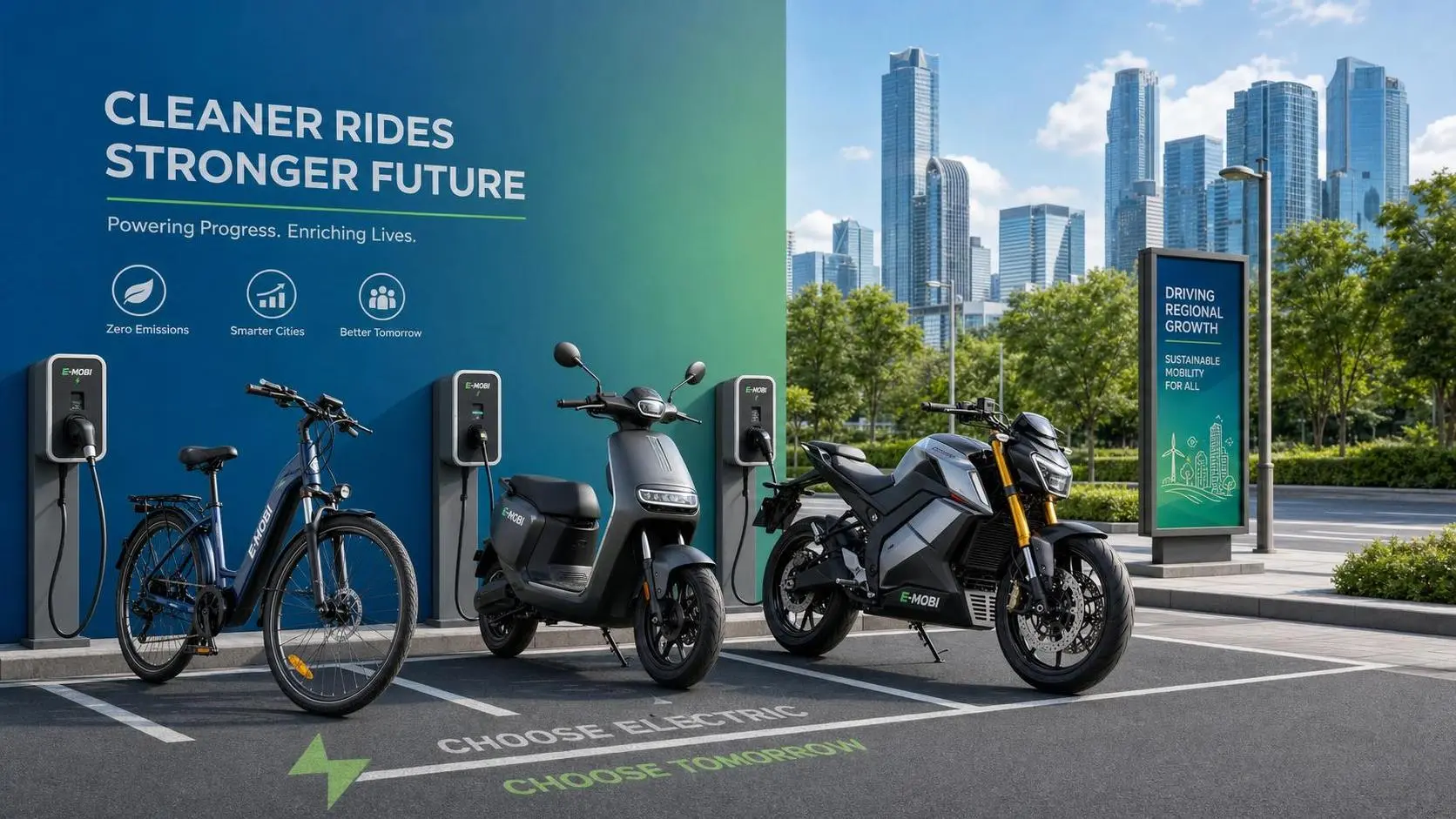
Electric Two-Wheeler Market Size Explained: What Drives Growth by Region and Vehicle Type
Electric two-wheeler market size explained through regional trends, vehicle types, and hidden growth drivers. Discover where demand, margins, and mobility opportunities are rising.
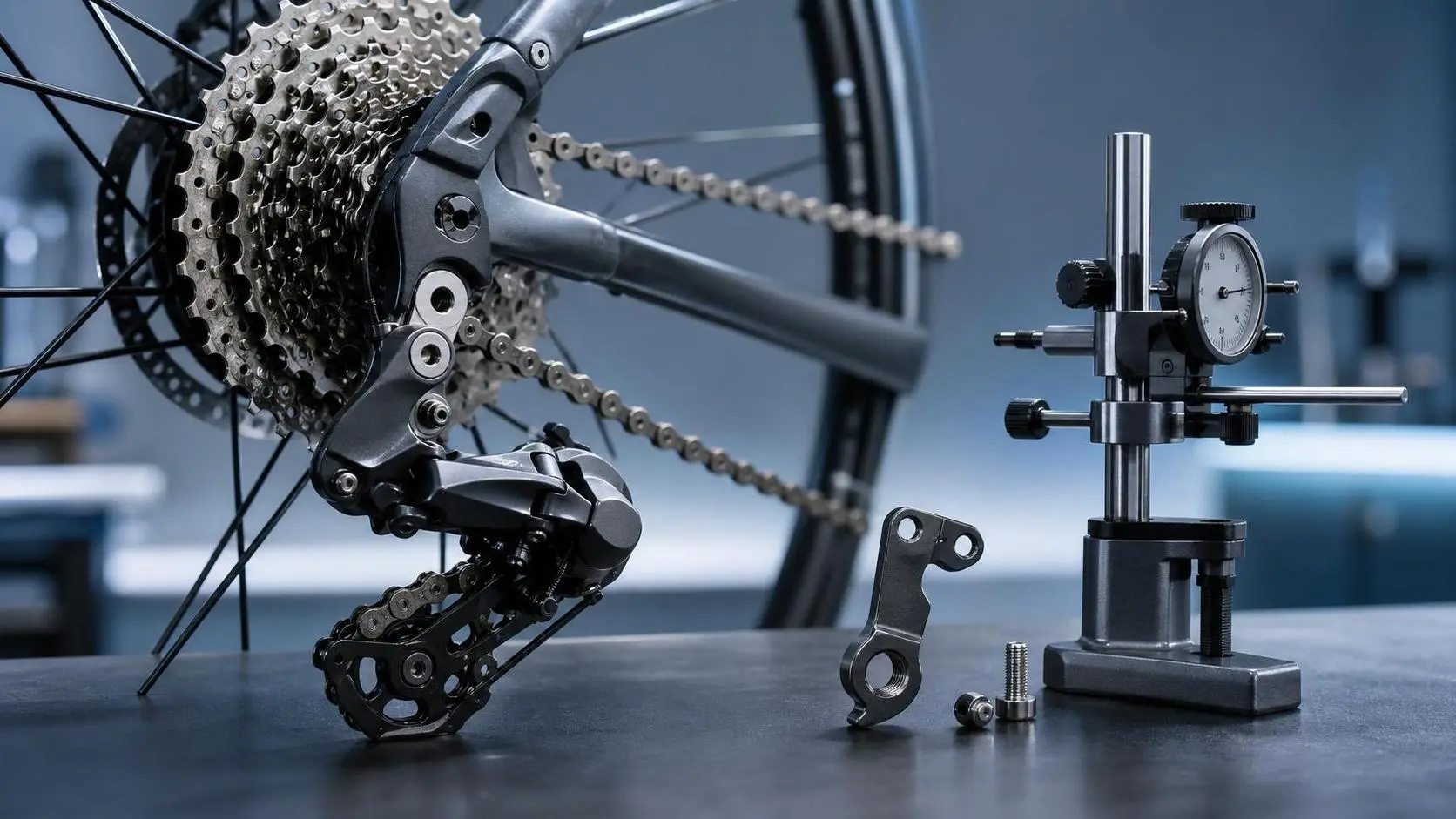
Derailleur Hanger Bent? How to Diagnose Shifting Problems and Decide on Repair or Replacement
Derailleur hanger bent? Learn the key shifting symptoms, how to confirm misalignment, and when repair or replacement is the smarter fix for reliable riding.
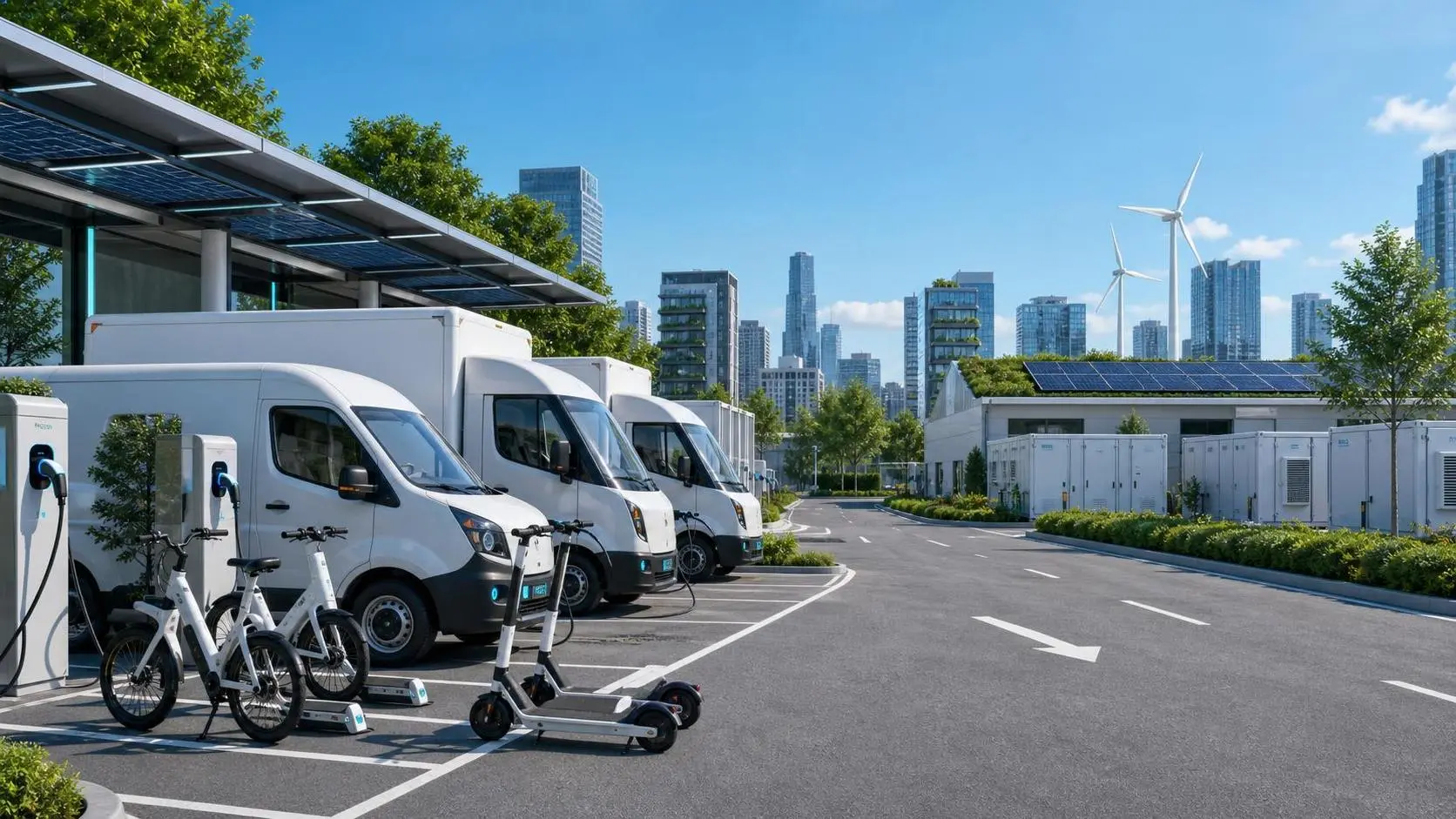
Carbon Neutrality Transport Strategy: 6 Levers That Cut Emissions Across Urban Fleets
Carbon neutrality transport strategy for urban fleets: discover 6 practical levers to cut emissions, lower operating costs, improve routing, and scale cleaner mobility faster.
Electric Two Wheeler Market Analysis: How to Compare Demand, Pricing, and Regional Growth
Electric two wheeler market analysis made practical: compare real demand, pricing drivers, and regional growth signals to avoid sourcing mistakes and choose smarter suppliers.
Micro Mobility Global Expansion: What Market Entry Risks and Growth Signals Should Distributors Watch?
Micro mobility global expansion demands more than shipment growth. Discover key market entry risks, regulation shifts, battery challenges, and trusted growth signals distributors should watch.
How the Global Mobility Landscape Is Shifting Across Shared, Electric, and Low-Speed Transport
Global mobility landscape trends are redefining urban transport through shared fleets, e-bikes, scooters, and low-speed EVs. Explore the signals shaping smarter, cleaner growth.
Urban Traffic Congestion Solutions: Which Options Work Best for Dense City Corridors?
Urban traffic congestion solutions that actually work: discover how adaptive signals, transit priority, curb management, and micro-mobility can improve dense city corridors.
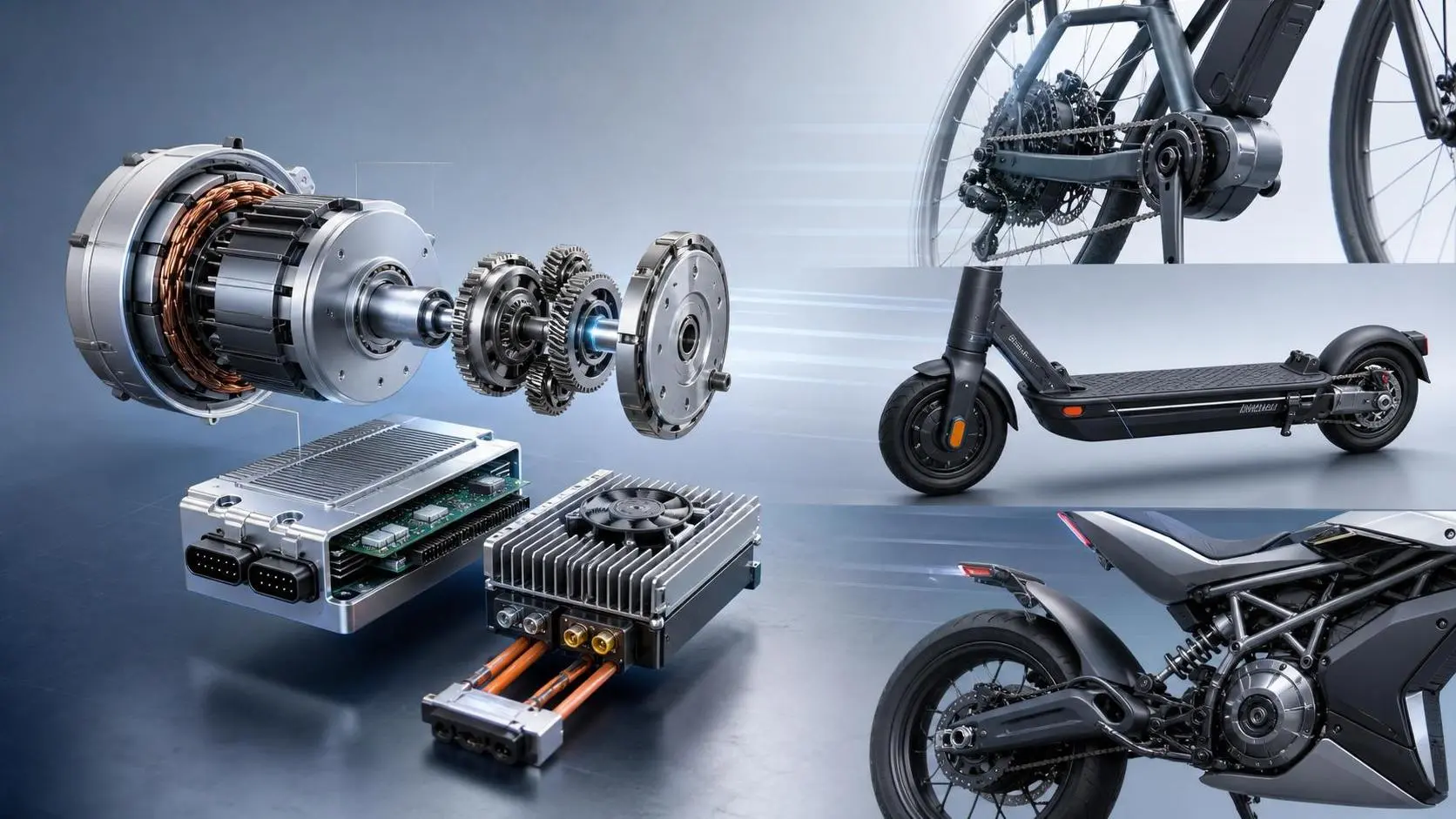
Electric Drivetrain Market Breakdown: Key Segments, Cost Drivers, and Supplier Shifts
Electric drivetrain market insights on key segments, cost drivers, and supplier shifts. See where value, risk, and growth opportunities are emerging across mobility platforms.