
Related News
- 00
0000-00
Battery Technology China: How LFP, Sodium-Ion, and Fast-Charging Cells Compare - 00
0000-00
How to Evaluate an Electric Two-Wheeler Market Manufacturer for Supply and Compliance - 00
0000-00
Battery Overheating Management in Light EVs: Causes, Sensors, and Control Strategies - 00
0000-00
Vehicle Electrification Strategy: How to Prioritize Fleets, Charging, and ROI - 00
0000-00
How to Choose a Wiper Sensor Supplier: Key Specs, Testing Standards, and OEM Risks
Ms. Elena Rodriguez
Weekly Insights
Stay ahead with our curated technology reports delivered every Monday.
Battery Technology China: How LFP, Sodium-Ion, and Fast-Charging Cells Compare





Battery technology China has become a strategic lens for reading the future of micro-mobility. In e-bikes, smart e-scooters, and high-speed e-motorcycles, battery choice now shapes far more than range. It influences export competitiveness, platform cost, charging behavior, thermal safety, and even product positioning across urban markets. That is why the comparison between LFP, sodium-ion, and fast-charging cells matters: each chemistry points to a different industrial logic, and each creates a different path for scale.
Why this comparison matters now
China remains central to battery manufacturing, materials processing, pack integration, and two-wheeler electrification. As a result, battery technology China is not just a domestic story. It is a supply chain signal for the global last-mile economy.
For UMMS, this matters because battery architecture sits at the center of urban mobility intelligence. It connects energy density, charging logic, vehicle thermal management, drivetrain efficiency, and market access in one decision stack.
The pressure is rising from several directions at once. Raw material volatility remains a concern. Safety regulation is tightening. Urban users expect shorter charging downtime. Export brands also need battery strategies that fit local price bands and compliance standards.
Against that backdrop, LFP looks established, sodium-ion looks promising, and fast-charging cells look commercially attractive but technically demanding.
Three battery pathways, three different priorities
The current battery technology China landscape is not a single race toward one winner. It is better understood as three overlapping routes, each optimized for a different business problem.
LFP: the stability-first option
Lithium iron phosphate, or LFP, has moved from a cost-conscious alternative into a mainstream chemistry. Its strongest argument is balance. It offers good cycle life, relatively strong thermal stability, and improving manufacturing maturity.
For urban two-wheelers, that matters because duty cycles are repetitive. Delivery fleets, shared scooters, and daily commuters need predictable degradation curves more than maximum peak performance.
The trade-off is familiar. LFP usually delivers lower energy density than nickel-rich lithium systems. In compact vehicles, that can mean heavier packs or shorter range if pack size is fixed.
Sodium-ion: the cost and resource hedge
Sodium-ion is gaining attention because it changes the raw material conversation. It reduces dependence on lithium and can support a different cost structure if large-scale production keeps improving.
In battery technology China, sodium-ion is often discussed not as a direct replacement for every lithium pack, but as a practical fit for shorter-range, value-sensitive, or cold-weather applications.
Its current challenge is density. Many sodium-ion systems still trail LFP in energy per kilogram. That limits immediate use in performance-oriented motorcycles, but it can be acceptable in low-speed vehicles and structured fleet operations.
Fast-charging cells: the time-efficiency play
Fast-charging cells are less about a single chemistry label and more about a design target. They combine cell chemistry, electrode design, thermal control, pack architecture, and charging algorithms to reduce downtime.
That makes them highly relevant for shared mobility, courier operations, and premium urban motorcycles. In these segments, idle charging time can damage fleet economics as much as battery replacement cost.
The catch is that fast charging adds system pressure. Heat generation rises. BMS calibration becomes more critical. Infrastructure compatibility also becomes part of the commercial equation.
How LFP, sodium-ion, and fast-charging cells compare
A useful comparison should avoid treating all batteries as interchangeable. The better question is which chemistry performs best under a specific operating model.
In practical terms, LFP wins on maturity, sodium-ion attracts attention as a supply hedge, and fast-charging solutions compete on operational efficiency.
What this means for micro-mobility platforms
Battery technology China is especially relevant in micro-mobility because vehicle architecture is constrained. Space is limited. Weight is visible in handling. Charging behavior depends on urban habits, not laboratory conditions.
For e-bikes, LFP can support dependable daily usage where low fire risk and long service life outweigh the penalty of extra mass. That is often attractive in commuter and utility categories.
For shared e-scooters, the decision can shift. If the platform relies on frequent turnaround and centralized maintenance, fast-charging packs may improve asset utilization. If the model is highly price-sensitive, sodium-ion may become relevant once supply consistency improves.
For high-speed e-motorcycles, the balance becomes stricter. Range, acceleration, pack cooling, and recharge time all matter together. Here, no chemistry should be judged in isolation from the vehicle’s thermal and control systems.
Even adjacent systems matter. UMMS often tracks how electric powertrain logic interacts with smart components, sensor reliability, and vehicle packaging. Batteries do not sit outside that ecosystem. They define it.
Where the real business risks sit
The most common mistake is to compare cell chemistries only by headline cost per kilowatt-hour. That is too narrow for a serious battery technology China assessment.
A more useful review includes pack integration, warranty exposure, charging infrastructure, low-temperature performance, transport regulation, and replacement logistics. In many cases, system cost changes the ranking.
- A cheap chemistry can become expensive if degradation is unpredictable.
- A high-density pack can underperform if thermal control is weak.
- A fast-charging platform can lose value if chargers are mismatched.
- A promising new cell can face delays if certification pathways are unclear.
That is why commercialization timing matters as much as laboratory progress. LFP already benefits from scale and field data. Sodium-ion still needs broader proof in real operating fleets. Fast-charging cells need tighter coordination between hardware, software, and infrastructure.
A practical way to evaluate next steps
When reviewing battery technology China, it helps to match chemistry to mission profile rather than chasing a universal answer.
Questions worth testing early
- How many charge cycles are expected under actual daily use?
- Is downtime more expensive than battery replacement?
- How sensitive is the vehicle to added pack weight?
- What temperature range defines the target market?
- Which regulations govern shipping, storage, and local compliance?
Likely fit by scenario
LFP is often the safest starting point for broad urban deployment. Sodium-ion deserves attention in controlled fleet pilots and cost-focused product lines. Fast-charging cells make the most sense where utilization rates justify higher system sophistication.
The broader lesson is simple. Battery technology China should be read as a portfolio of options, not a single winner-takes-all market. Different vehicles, geographies, and service models will keep rewarding different battery choices.
The next smart move is to compare chemistry claims against real duty cycles, local compliance needs, and pack-level economics. That approach reveals which battery pathway fits future urban mobility demand, and which one only looks attractive on paper.
Related News
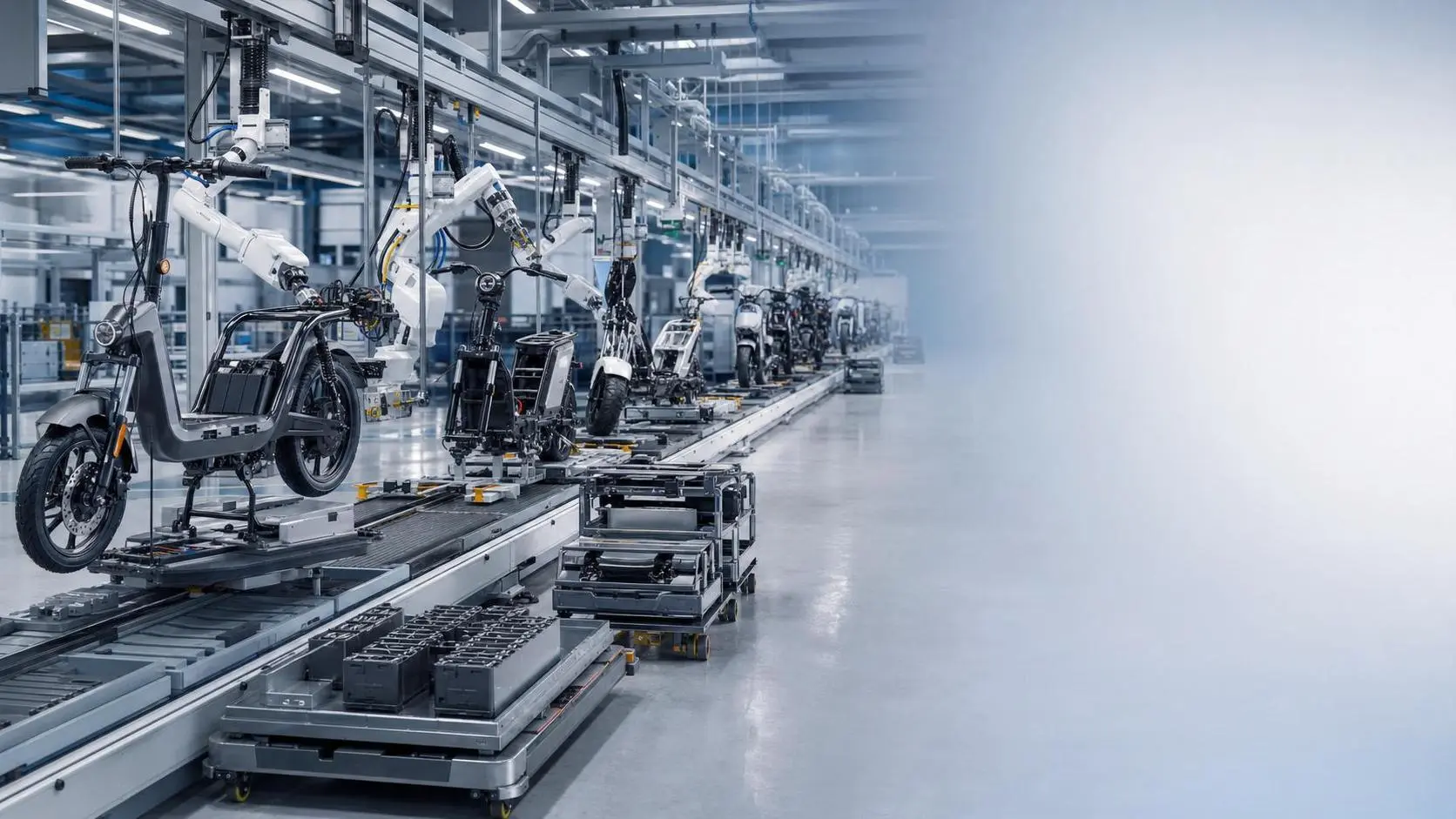
Electric Two-Wheeler Market Manufacturer Trends: Capacity, Export Strategy, and OEM Shifts
Electric two-wheeler market manufacturer trends decoded: explore capacity flexibility, smarter export strategy, and OEM shifts shaping resilient growth and competitive advantage.

How to Choose a Brushless Wiper Motor: Voltage, Torque, IP Rating, and Duty Cycle
Brushless wiper motor selection starts with the right voltage, torque, IP rating, and duty cycle. Learn how to compare specs, reduce failure risk, and choose a reliable fit.
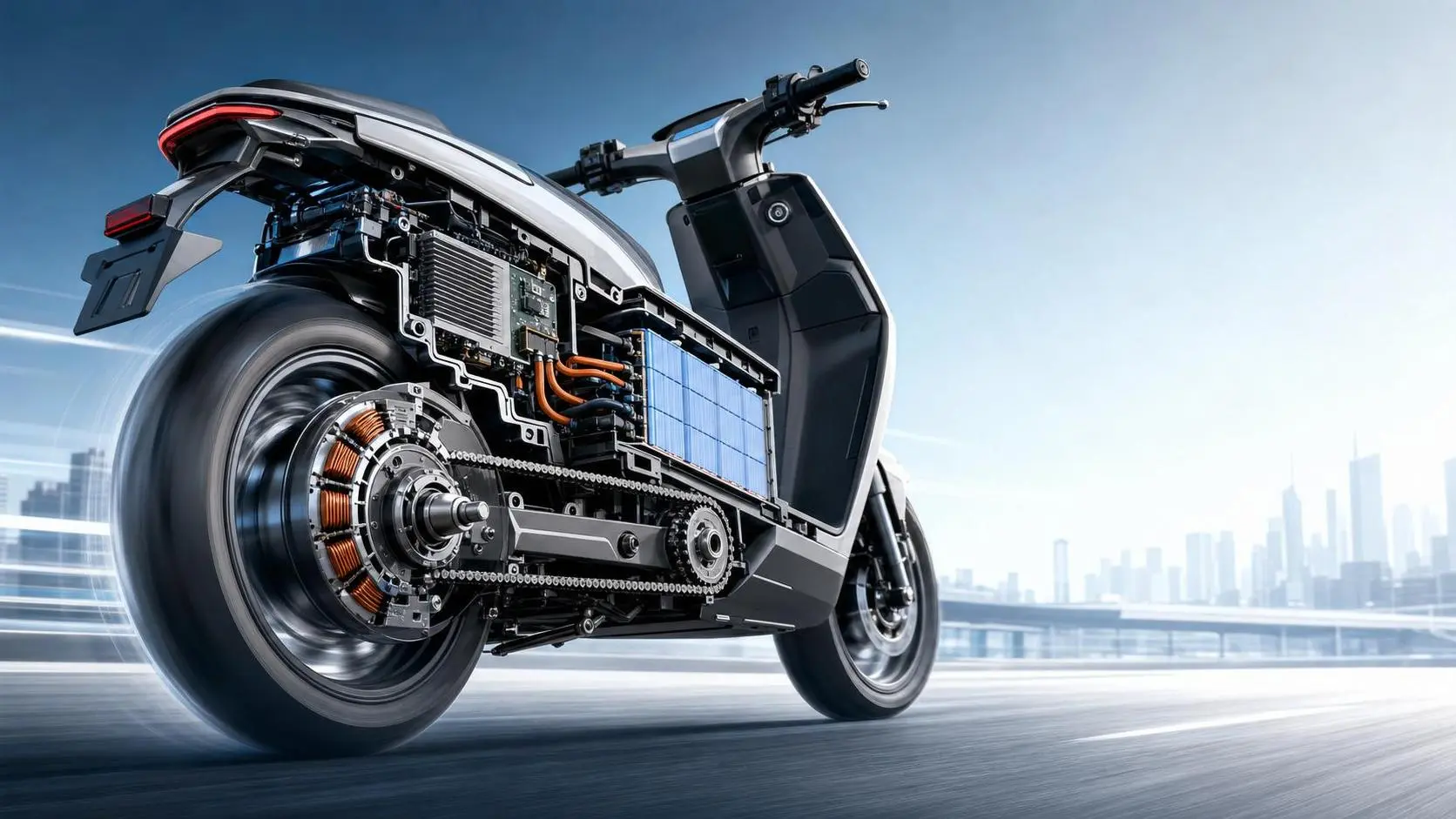
What Causes Torque Lag in Electric Two-Wheelers and How Can Engineers Reduce It?
Torque lag in electric two-wheelers starts with more than the motor. Learn what causes torque lag in e-bikes, e-scooters, and e-motorcycles, and how engineers can reduce it for faster, smoother response.
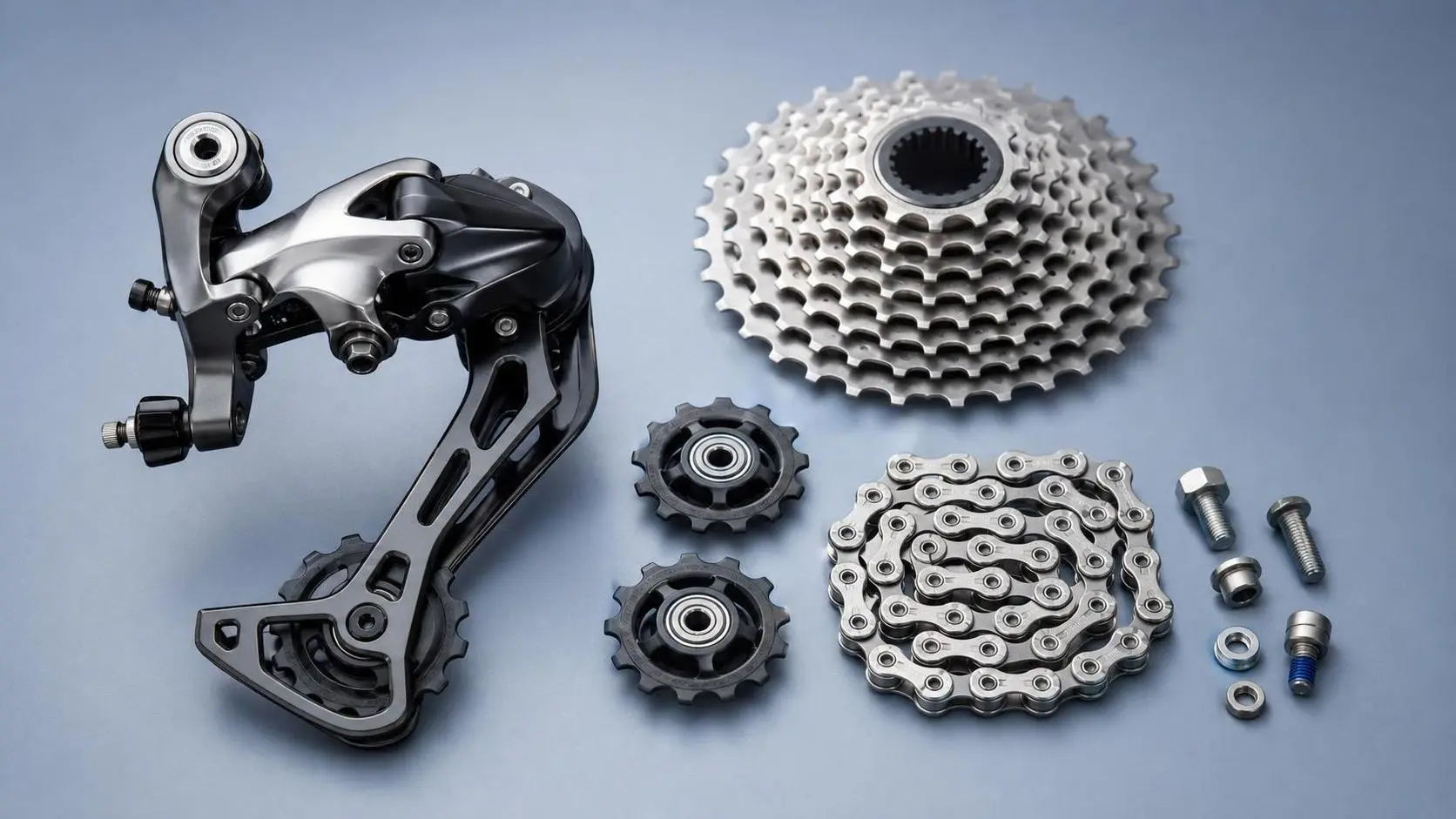
Bike Derailleur Parts Explained: Names, Functions, and What Wears Out First
Bike derailleur parts explained clearly: learn the key names, functions, common wear points, and how to tell adjustment issues from real damage before you repair or upgrade.
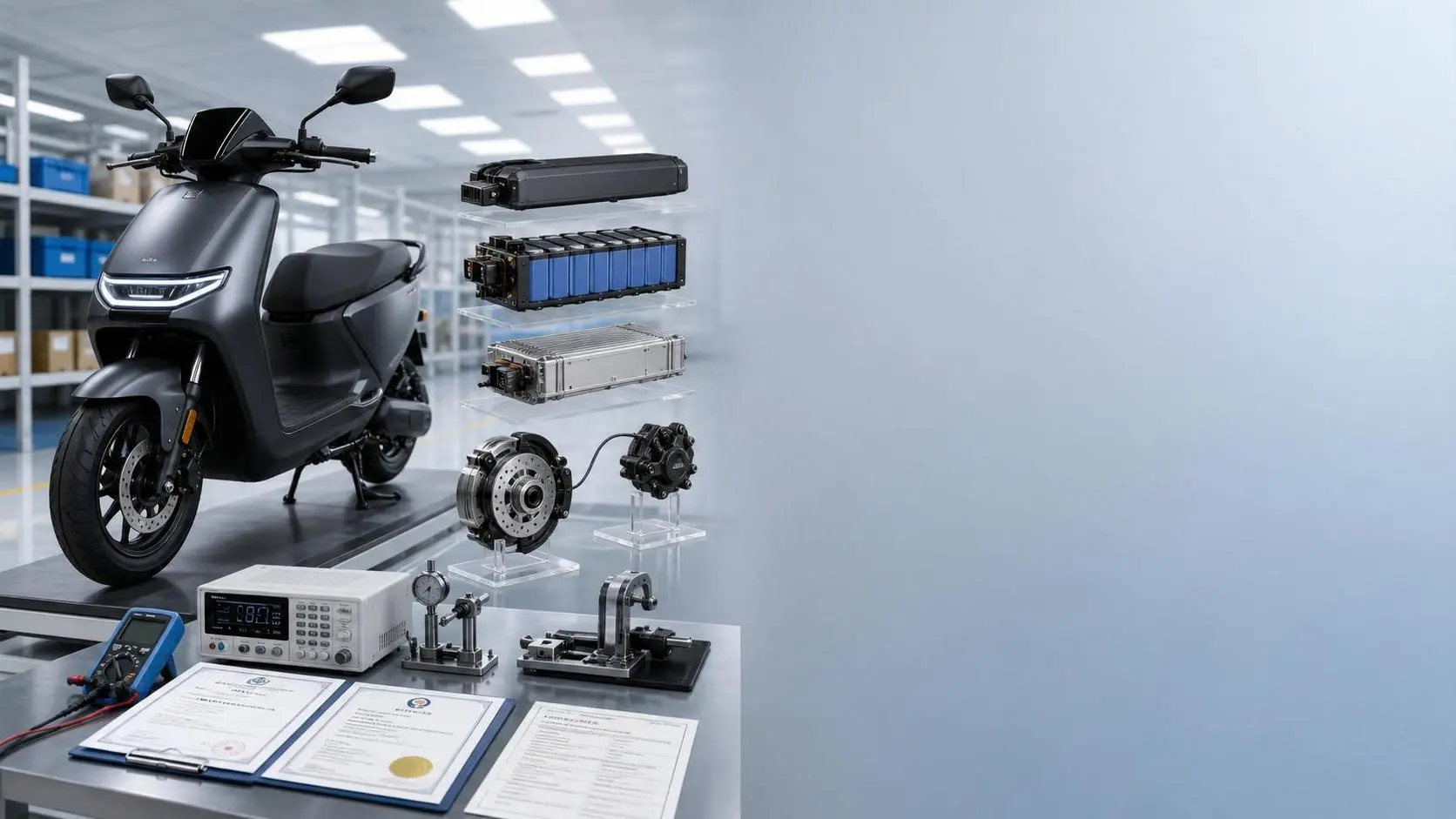
How to Evaluate an Electric Two-Wheeler Market Manufacturer for Supply and Compliance
Electric two-wheeler market manufacturer evaluation guide: learn how to assess supply stability, compliance systems, quality risk, and total cost to choose a reliable partner.
Common Scooter Battery Issues and How to Troubleshoot Range Drop, Heat, and Charging Faults
Scooter battery issues explained: learn how to troubleshoot range drop, overheating, and charging faults with practical checks that help riders and fleets diagnose faster and avoid costly replacements.
Low Carbon Commuting Options: E-bikes, Foldable Scooters, and Public Transit Compared
Low carbon commuting compared: discover how e-bikes, foldable scooters, and public transit differ in cost, flexibility, range, and last-mile convenience for smarter daily travel.
Thermal Management for Swappable Battery Scooters: Key Design Factors to Compare
Thermal management is the key factor when comparing swappable battery scooters. Discover how cooling, BMS logic, charging behavior, and pack design impact safety, uptime, and fleet ROI.
How Battery-Swapping Networks Work for Shared Fleet Scooters
Battery-swapping networks keep shared fleet scooters running with less downtime, smarter dispatch, and safer battery management. See how they boost uptime and urban fleet efficiency.