
Related News
- 00
0000-00
Electric Two Wheeler Market Analysis: How to Compare Demand, Pricing, and Regional Growth - 00
0000-00
Urban Traffic Congestion Solutions: Which Options Work Best for Dense City Corridors? - 00
0000-00
Electric Drivetrain Market Breakdown: Key Segments, Cost Drivers, and Supplier Shifts - 00
0000-00
Battery Technology China: How LFP, Sodium-Ion, and Fast-Charging Cells Compare - 00
0000-00
How to Evaluate an Electric Two-Wheeler Market Manufacturer for Supply and Compliance
Ms. Elena Rodriguez
Weekly Insights
Stay ahead with our curated technology reports delivered every Monday.
Electric Drivetrain Market Breakdown: Key Segments, Cost Drivers, and Supplier Shifts





The electric drivetrain market is no longer a single growth story built on electrification alone. It is becoming a layered market shaped by platform differences, cost volatility, software integration, and a noticeable reshuffling of suppliers across mobility categories.
That shift matters because drivetrain decisions now affect far more than propulsion. They influence product positioning, compliance readiness, service economics, battery strategy, and the speed at which new mobility programs can scale or adapt.
In urban micro-mobility especially, the electric drivetrain market sits at the center of value creation. E-bikes, smart e-scooters, and high-speed e-motorcycles all depend on tighter coordination between motors, controllers, batteries, thermal logic, and precision transmission components.
Seen through the intelligence lens of UMMS, the real question is not whether electric drivetrains will expand. It is which segment structures, supplier models, and cost assumptions remain dependable as the market matures.
What the electric drivetrain market really includes
At a basic level, an electric drivetrain converts stored electrical energy into controlled wheel movement. In practice, that simple description hides a complex system of hardware, firmware, and mechanical interfaces.
The core stack usually includes the traction motor, inverter or controller, gearbox or reduction stage, battery pack interface, thermal management elements, sensors, and embedded control software.
For smaller two-wheeled platforms, the architecture can look compact. Yet the engineering trade-offs are often sharper because packaging limits, rider safety, weight targets, and price ceilings leave little room for inefficiency.
This is why the electric drivetrain market should be read as a system market, not only a motor market. Performance comes from interaction quality, not from isolated component specifications.
Why segmentation is becoming more important
A few years ago, many assessments treated electric propulsion demand as broadly transferable across categories. That view is becoming less useful as use cases diverge.
An e-bike drivetrain optimized for cadence feel and low noise does not solve the same problem as a shared e-scooter drivetrain built for fleet durability. A high-speed e-motorcycle needs yet another balance of torque density, cooling, and peak-load consistency.
The electric drivetrain market is therefore splitting along application logic, not just power bands. That makes segment-level evaluation more reliable than broad market averages.
Major segment lenses
- Consumer e-bikes: efficiency, ride feel, integration with frames, and regulatory power limits dominate.
- Shared or personal e-scooters: ruggedization, IP protection, controller reliability, and service intervals matter more.
- High-speed e-motorcycles: thermal stability, acceleration response, battery-swapping compatibility, and software tuning become critical.
- Precision bicycle components: electronic shifting and transmission optimization increasingly influence drivetrain efficiency indirectly.
This segmentation also explains why supplier winners vary by category. A company strong in hub motors may not automatically lead in mid-drive systems or performance motorcycle platforms.
Cost drivers are moving beyond raw material headlines
Cost still begins with magnets, copper, semiconductors, aluminum housings, and battery-linked electronics. But in the electric drivetrain market, total cost pressure now comes from a broader set of factors.
Controller design complexity has become one of the most overlooked cost drivers. Better motor control can improve range and ride quality, yet it also raises software validation needs and electronics sourcing risk.
Thermal management is another growing variable. As performance expectations rise, especially in high-speed electric two-wheelers, the cost of managing heat safely becomes harder to separate from drivetrain economics.
Then there is integration cost. A drivetrain that appears inexpensive at the component level may require expensive calibration, warranty reserves, or redesign work once installed into a specific vehicle platform.
For serious assessment, the useful metric is not only unit cost. It is cost-to-performance under real operating conditions and after aftersales exposure is included.
Supplier shifts are changing competitive structure
The supplier map in the electric drivetrain market is changing in three visible ways. First, vertical integration is expanding where scale and software control create strategic advantage.
Second, specialist suppliers are defending their position by offering deeper application expertise. In micro-mobility, that often means tuning for ride feel, anti-interference performance, compact packaging, or low-maintenance operation.
Third, OEMs are becoming more selective about dependency risk. Single-source arrangements that once looked efficient may now appear fragile when policy shifts, logistics disruptions, or certification bottlenecks hit.
This is where UMMS-style intelligence becomes practical. Tracking subsidy changes for e-bikes, right-of-way rules for shared scooters, and technical evolution in controllers or wireless shifting helps explain why some suppliers gain share before revenue data makes it obvious.
What supplier realignment often signals
- A move from commodity hardware toward integrated drivetrain ecosystems.
- Greater emphasis on certified, region-ready platforms.
- More value assigned to firmware, diagnostics, and data visibility.
- Stronger bargaining power for suppliers with proven field reliability.
Where business value is actually created
The electric drivetrain market creates value in different ways depending on the vehicle and business model. In export-oriented e-bikes, energy efficiency and compliance alignment may outweigh raw power.
In shared e-scooters, uptime can be more valuable than top-speed improvement. A drivetrain that reduces maintenance events may produce a stronger business case than one with a slightly lower purchase price.
For high-speed e-motorcycles, the value equation often extends to battery-swapping compatibility, thermal consistency, and brand-level performance differentiation. Here, drivetrain quality shapes both rider experience and infrastructure economics.
Even adjacent fields such as electronic derailleur systems matter. Precision transmission control can improve how mechanical and electric assistance interact, especially in premium cycling applications where responsiveness becomes part of product identity.
How to read the market in practical terms
A useful review of the electric drivetrain market usually starts with platform fit. The same supplier can look excellent in one category and risky in another because the operating duty cycle is different.
It also helps to separate visible specification claims from system behavior. Rated power, torque peaks, and range estimates matter, but they rarely tell the full story without thermal data, controller logic, and field durability evidence.
Another practical filter is regulatory exposure. Power thresholds, speed caps, safety standards, and battery transport rules can quickly change the attractiveness of a drivetrain configuration in cross-border markets.
Evaluation points worth prioritizing
- Architecture fit between motor type, battery strategy, and intended usage profile.
- Exposure to key materials, semiconductors, and specialized firmware dependencies.
- Field reliability data, not only laboratory performance.
- Ability to support regional regulation and product certification.
- Supplier resilience across scaling, servicing, and future platform updates.
Signals to watch in the next phase
The next stage of the electric drivetrain market will likely be shaped less by basic adoption and more by design discipline. Efficiency gains, software-defined control, and supply chain credibility are becoming stronger differentiators.
Urban mobility categories deserve particular attention because they compress many market pressures into a smaller physical product. Weight, cost, safety, weather resistance, and user experience all converge in one drivetrain decision.
That is why intelligence platforms focused on micro-mobility offer an advantage. They connect component evolution, policy movement, and commercial timing rather than treating each signal in isolation.
A grounded next step is to compare drivetrain opportunities by segment, then test assumptions against total system cost, supplier depth, and regulatory durability. In a market this dynamic, better judgment usually comes from better framing, not just more data.
Related News
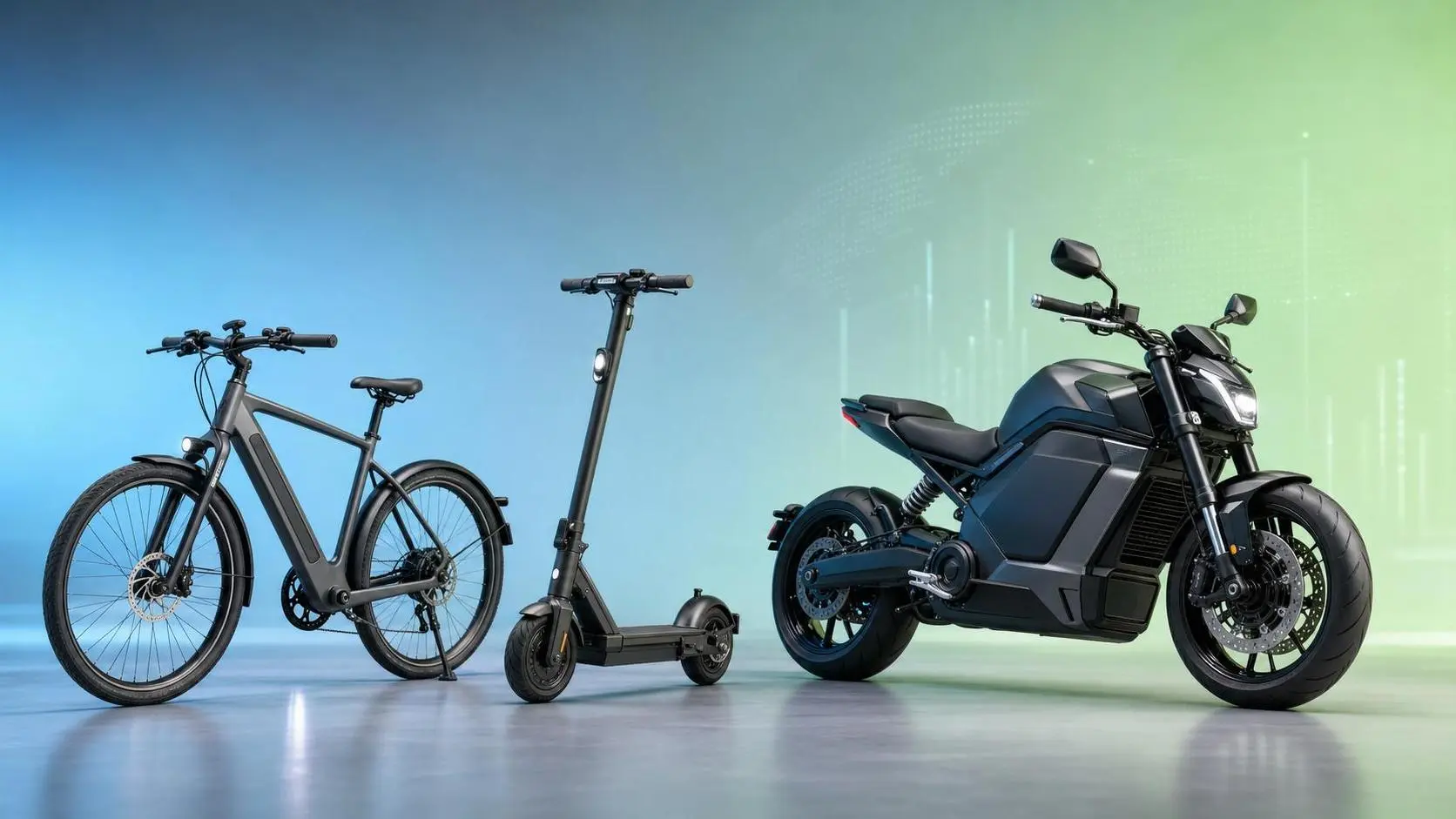
Electric Two Wheeler Market Analysis: How to Compare Demand, Pricing, and Regional Growth
Electric two wheeler market analysis made practical: compare real demand, pricing drivers, and regional growth signals to avoid sourcing mistakes and choose smarter suppliers.
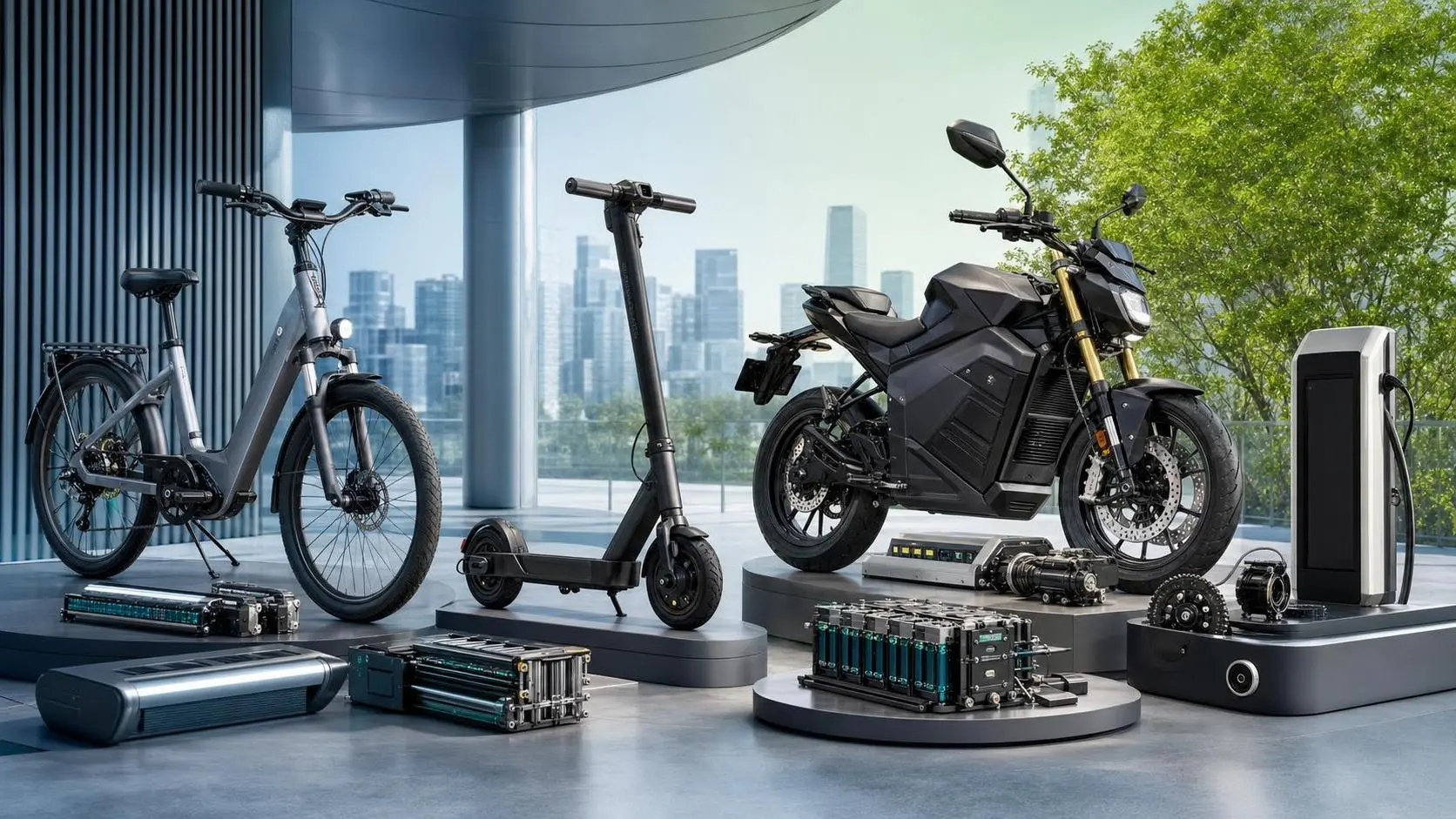
Micro Mobility Global Expansion: What Market Entry Risks and Growth Signals Should Distributors Watch?
Micro mobility global expansion demands more than shipment growth. Discover key market entry risks, regulation shifts, battery challenges, and trusted growth signals distributors should watch.
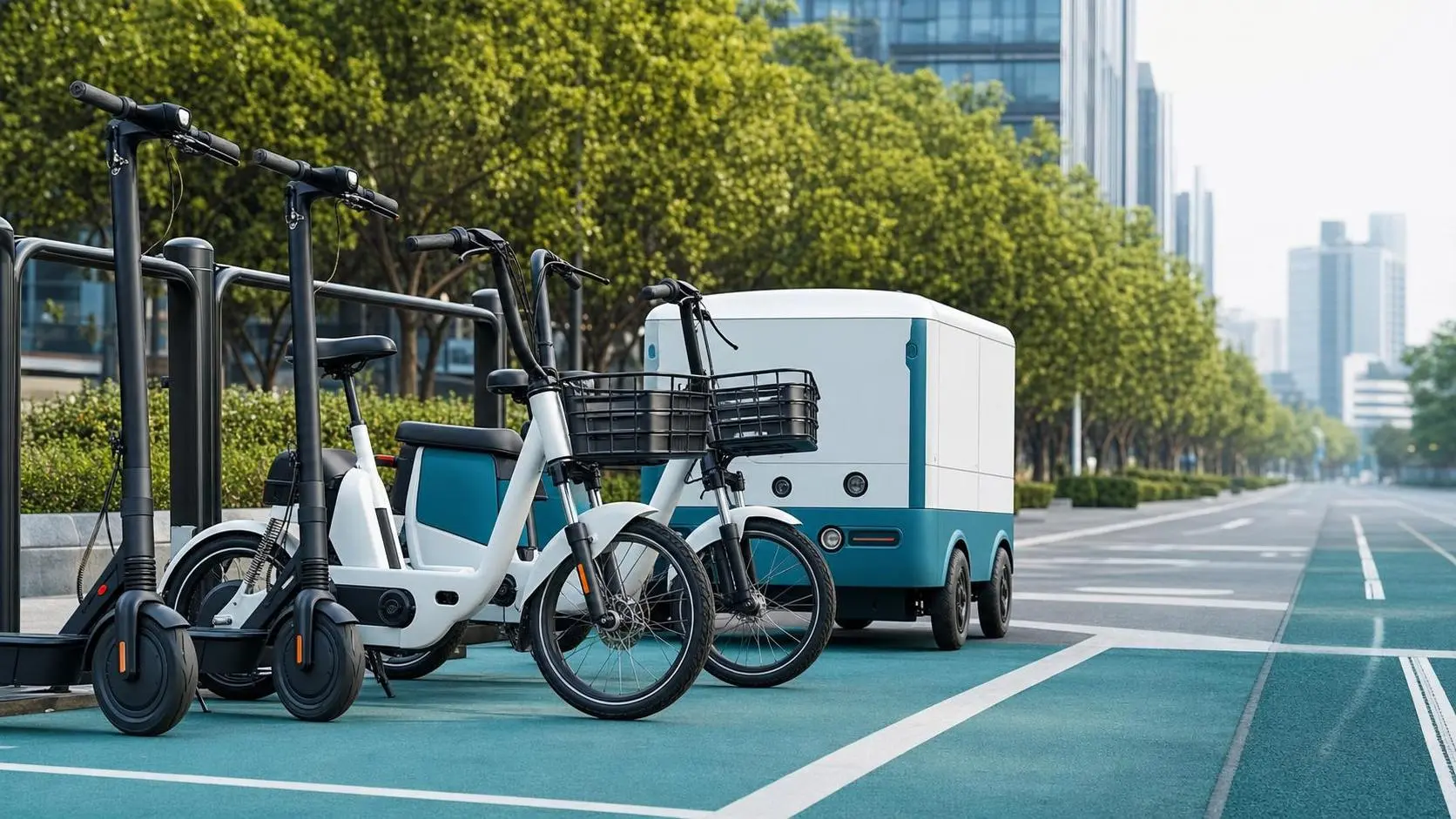
How the Global Mobility Landscape Is Shifting Across Shared, Electric, and Low-Speed Transport
Global mobility landscape trends are redefining urban transport through shared fleets, e-bikes, scooters, and low-speed EVs. Explore the signals shaping smarter, cleaner growth.

Urban Traffic Congestion Solutions: Which Options Work Best for Dense City Corridors?
Urban traffic congestion solutions that actually work: discover how adaptive signals, transit priority, curb management, and micro-mobility can improve dense city corridors.
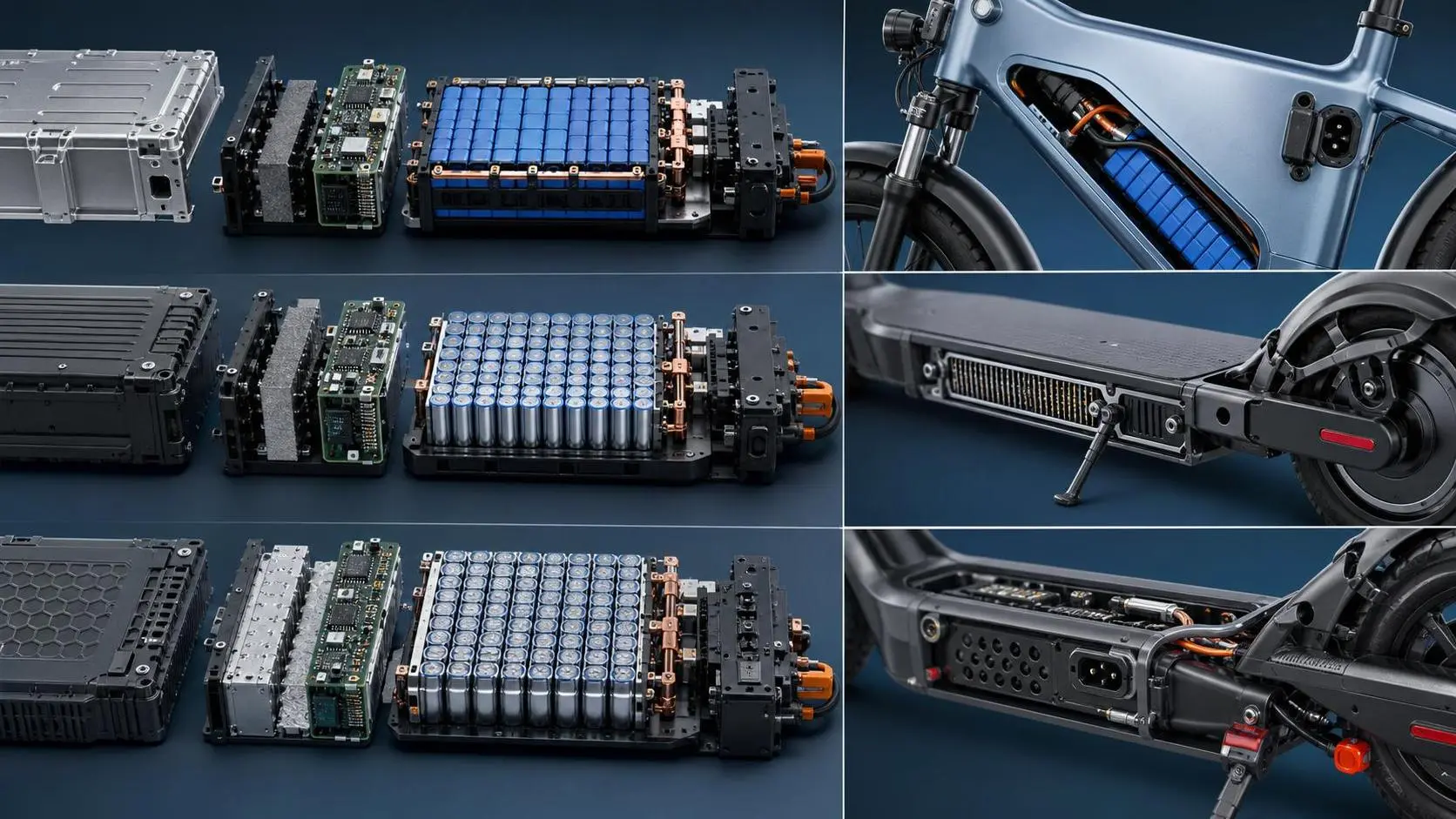
Battery Technology China: How LFP, Sodium-Ion, and Fast-Charging Cells Compare
Battery technology China compared: explore how LFP, sodium-ion, and fast-charging cells differ in cost, safety, range, and fleet value for smarter urban mobility decisions.
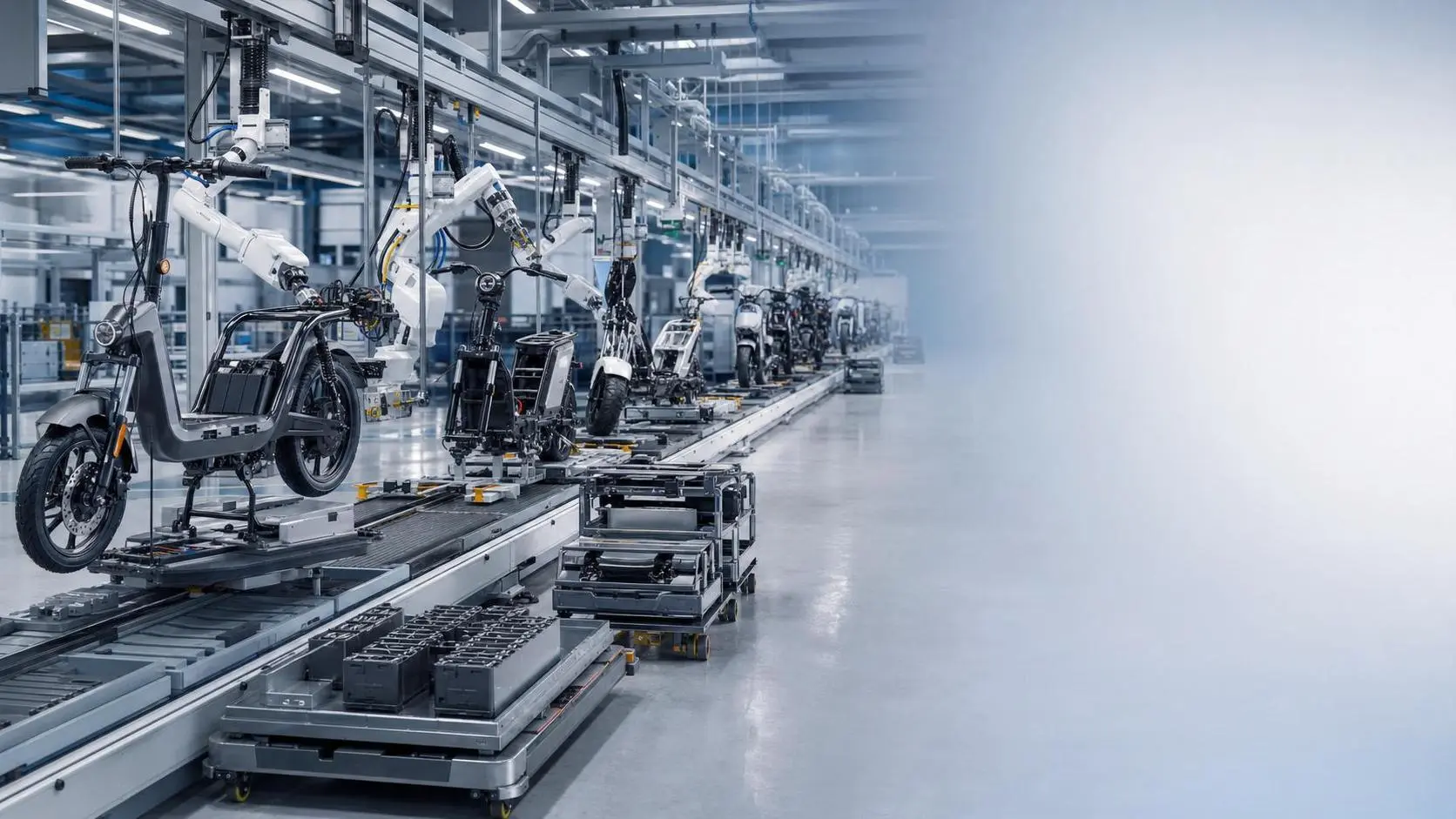
Electric Two-Wheeler Market Manufacturer Trends: Capacity, Export Strategy, and OEM Shifts
Electric two-wheeler market manufacturer trends decoded: explore capacity flexibility, smarter export strategy, and OEM shifts shaping resilient growth and competitive advantage.

How to Choose a Brushless Wiper Motor: Voltage, Torque, IP Rating, and Duty Cycle
Brushless wiper motor selection starts with the right voltage, torque, IP rating, and duty cycle. Learn how to compare specs, reduce failure risk, and choose a reliable fit.
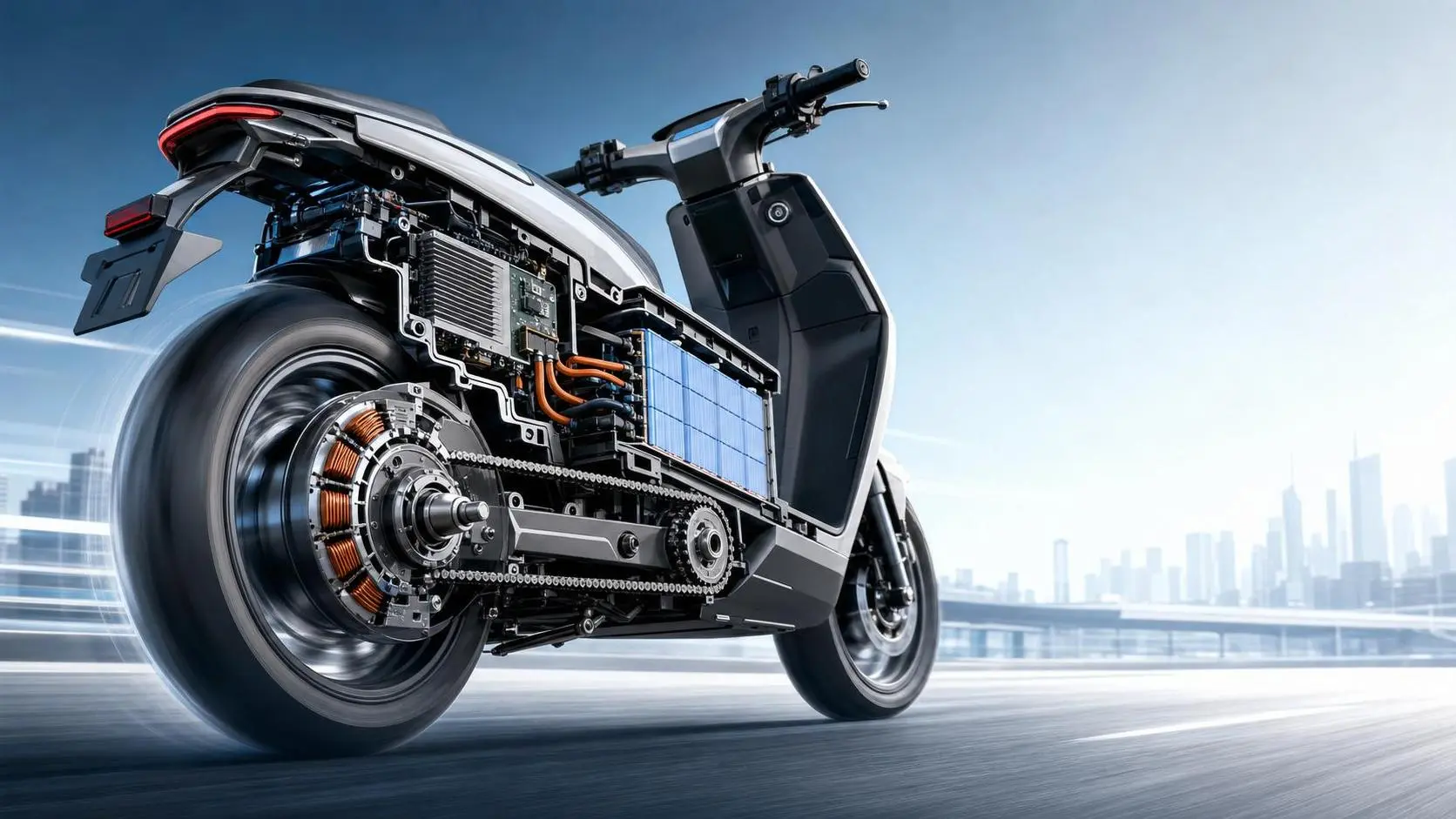
What Causes Torque Lag in Electric Two-Wheelers and How Can Engineers Reduce It?
Torque lag in electric two-wheelers starts with more than the motor. Learn what causes torque lag in e-bikes, e-scooters, and e-motorcycles, and how engineers can reduce it for faster, smoother response.
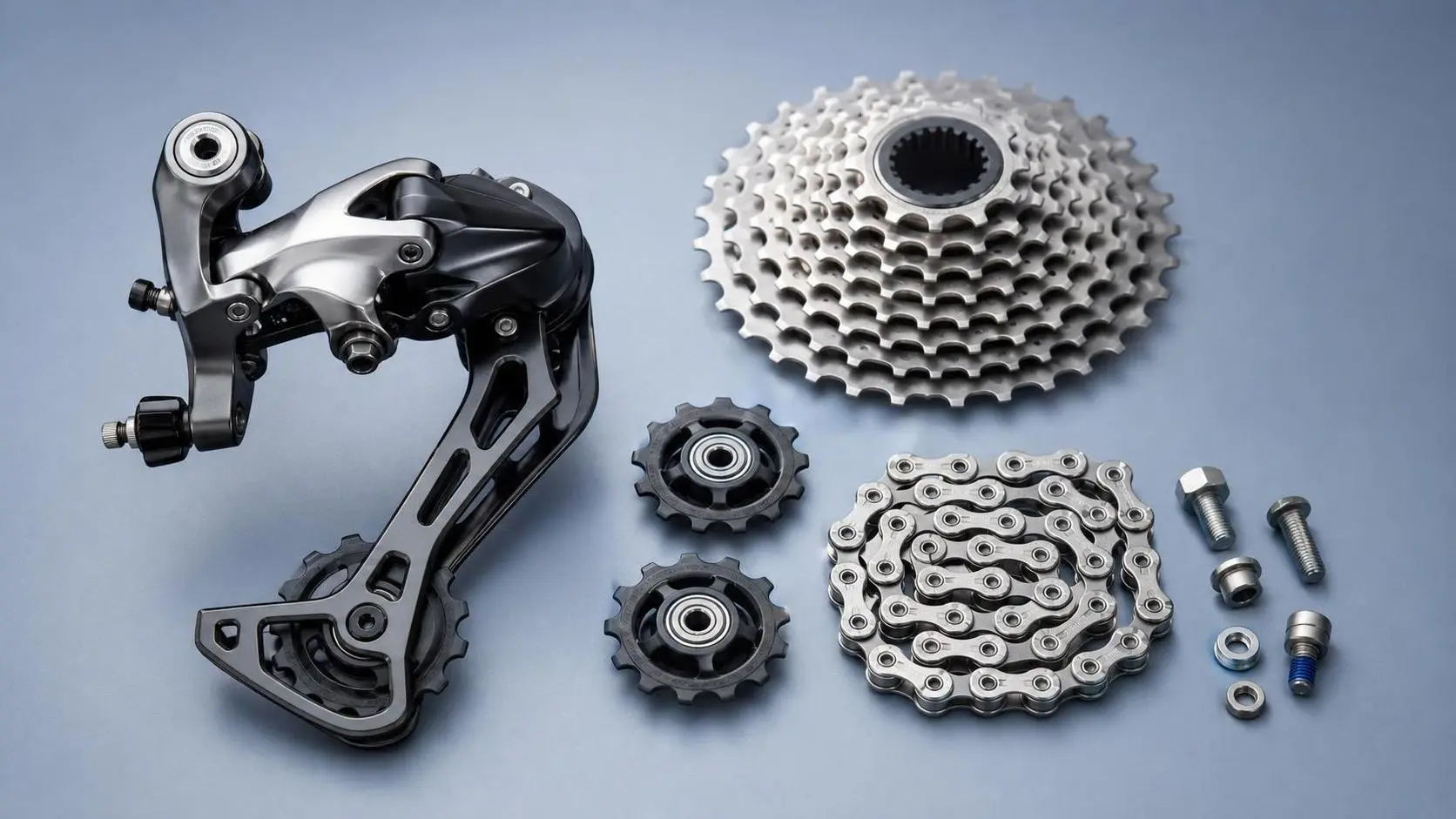
Bike Derailleur Parts Explained: Names, Functions, and What Wears Out First
Bike derailleur parts explained clearly: learn the key names, functions, common wear points, and how to tell adjustment issues from real damage before you repair or upgrade.