
Related News
- 00
0000-00
Electric Two Wheeler Market Analysis: How to Compare Demand, Pricing, and Regional Growth - 00
0000-00
Urban Traffic Congestion Solutions: Which Options Work Best for Dense City Corridors? - 00
0000-00
Electric Drivetrain Market Breakdown: Key Segments, Cost Drivers, and Supplier Shifts - 00
0000-00
Battery Technology China: How LFP, Sodium-Ion, and Fast-Charging Cells Compare - 00
0000-00
How to Evaluate an Electric Two-Wheeler Market Manufacturer for Supply and Compliance
Ms. Elena Rodriguez
Weekly Insights
Stay ahead with our curated technology reports delivered every Monday.
Electric Two Wheeler Market Analysis: How to Compare Demand, Pricing, and Regional Growth





Why does electric two wheeler market analysis matter before comparing suppliers?
Urban mobility demand is moving faster than many sourcing cycles. That is why electric two wheeler market analysis matters before any serious price comparison begins.
A low quote can look attractive, yet fail once subsidies change, battery cells tighten, or local road rules reshape product demand.
In practical terms, market analysis helps separate short-term sales noise from durable purchasing signals. That is especially important across e-bikes, smart e-scooters, and high-speed e-motorcycles.
The more useful approach is not asking which model is cheapest. It is asking where demand is stable, which specifications are becoming standard, and which cost drivers are likely to move next.
This is also where sector intelligence platforms such as UMMS become relevant. Their value is not promotion. Their value is structured visibility across policy, drivetrain evolution, battery logic, and regional market shifts.
When electric two wheeler market analysis is grounded in real policy data and component trends, sourcing decisions become less reactive and more defensible.
What should be measured first: demand, price, or product category fit?
The honest answer is category fit comes first. If the vehicle type does not match market use, even strong demand data can mislead.
For example, an e-bike may perform well in subsidy-backed commuter markets. A smart e-scooter may grow faster where shared mobility rules are clear.
High-speed e-motorcycles follow a different logic. They depend more on charging access, battery-swapping readiness, licensing rules, and urban-to-suburban commuting patterns.
After category fit, demand quality should be reviewed. That means looking at more than shipment volume.
- Is growth driven by recurring commuter need or a short subsidy window?
- Are distributors holding healthy inventory or pushing discount clearance?
- Do local regulations support long-term use of the category?
- Are core parts, such as motors and battery packs, becoming standardized?
Only then should price be compared. Otherwise, buyers often benchmark unlike products and misread cost differences as supplier advantage.
A good electric two wheeler market analysis always ties price back to use case, compliance burden, and component architecture.
A quick comparison table helps frame the first review
How do pricing trends actually move in the electric two wheeler market?
Pricing rarely moves for one reason. In electric two wheeler market analysis, the headline unit price is only the visible layer.
Battery chemistry remains the biggest swing factor. Cell availability, energy density targets, and thermal safety requirements directly affect landed cost.
Motor systems matter too. Mid-drive e-bike systems, high-torque hub motors, and motorcycle-grade controllers do not share the same cost behavior.
Then there is electronics content. Smart e-scooters with IoT modules, app connectivity, and fleet-ready diagnostics can carry higher upfront cost but lower management friction.
Another often-missed factor is compliance packaging. Lighting, braking, battery certification, waterproofing, and local connectivity standards can reshape the final price more than basic frame cost.
This is why a useful quote review should include at least four layers:
- Base vehicle cost by category and power class
- Battery and controller cost sensitivity
- Compliance, testing, and warranty allocation
- Logistics, spare parts, and after-sales burden
Without that breakdown, electric two wheeler market analysis becomes too shallow to support negotiation or supplier ranking.
Which regions show real growth, and which signals are more reliable?
Regional growth should never be judged by one data point. Registration growth alone can exaggerate opportunity.
Europe still stands out for e-bike maturity, especially where commuting, cycling infrastructure, and post-pandemic mobility habits remain strong.
Smart e-scooter demand is more policy-sensitive. Cities with stable shared mobility rules and controlled fleet expansion usually offer cleaner signals.
High-speed e-motorcycles need a different filter. Look for urban congestion pressure, fuel substitution economics, and battery-swapping ecosystem development.
In many cases, the strongest indicator is not gross volume. It is whether the local market supports repeated use with reasonable infrastructure and regulatory clarity.
UMMS-style intelligence becomes useful here because regional opportunity is tied to technical detail. Battery thermal management, drivetrain efficiency, and right-of-way rules all change commercial viability.
More reliable growth signals usually include:
- Policy continuity rather than one-off subsidy headlines
- Dealer or operator reorder behavior
- Expansion of charging or battery-swapping support
- Rising demand for precision components and service parts
That last point matters. When component demand grows with vehicle demand, the market is usually becoming more durable.
Where do sourcing teams misread electric two wheeler market analysis?
One common mistake is treating all electric two-wheelers as one market. In reality, e-bikes, scooters, and e-motorcycles have different margin logic and compliance exposure.
Another mistake is overvaluing shipment growth while ignoring service complexity. Fast volume without spare parts discipline can create expensive downstream problems.
There is also a habit of comparing ex-factory quotes without studying system integration. That is risky when batteries, controllers, sensors, and smart modules come from mixed sources.
In actual sourcing reviews, the following warning signs deserve attention:
- Unusually low pricing with vague battery origin disclosure
- Strong demand claims without regional policy context
- Limited warranty structure for motors, BMS, or connectivity modules
- No clear roadmap for model updates or compliance refresh
A stronger electric two wheeler market analysis connects commercial demand to engineering credibility. That is especially true in urban micro-mobility, where reliability and regulation move together.
This broader view is why market watchers increasingly follow not only vehicle brands, but also drivetrain specialists, battery analysts, and component intelligence sources.
What is the most practical way to turn market analysis into a sourcing decision?
The best approach is to convert market insight into a short decision framework. Keep it commercial, technical, and regional at the same time.
Start with the category that matches the target use environment. Then check whether demand is policy-driven, infrastructure-backed, or discount-led.
Next, model the full cost picture. Include certification, spare parts, data modules, and battery risk, not just unit price.
After that, compare regions by durability of growth rather than enthusiasm of headlines. A slower market with stable rules can outperform a fast but uncertain one.
A simple checklist can keep decisions disciplined:
- Confirm the correct two-wheeler category for the intended mobility scenario
- Map price exposure to batteries, electronics, and compliance items
- Check whether regional growth is supported by rules and infrastructure
- Review supplier capability beyond assembly, especially systems integration
- Track technical trend signals from specialized intelligence sources like UMMS
In the end, electric two wheeler market analysis is less about predicting one winner and more about reducing avoidable mistakes.
When demand, pricing, and regional growth are reviewed together, sourcing decisions become clearer, negotiations become firmer, and risk becomes easier to explain internally.
A useful next step is to build a side-by-side matrix for target categories, regions, and component risk. That turns market information into an actionable buying standard.
Related News
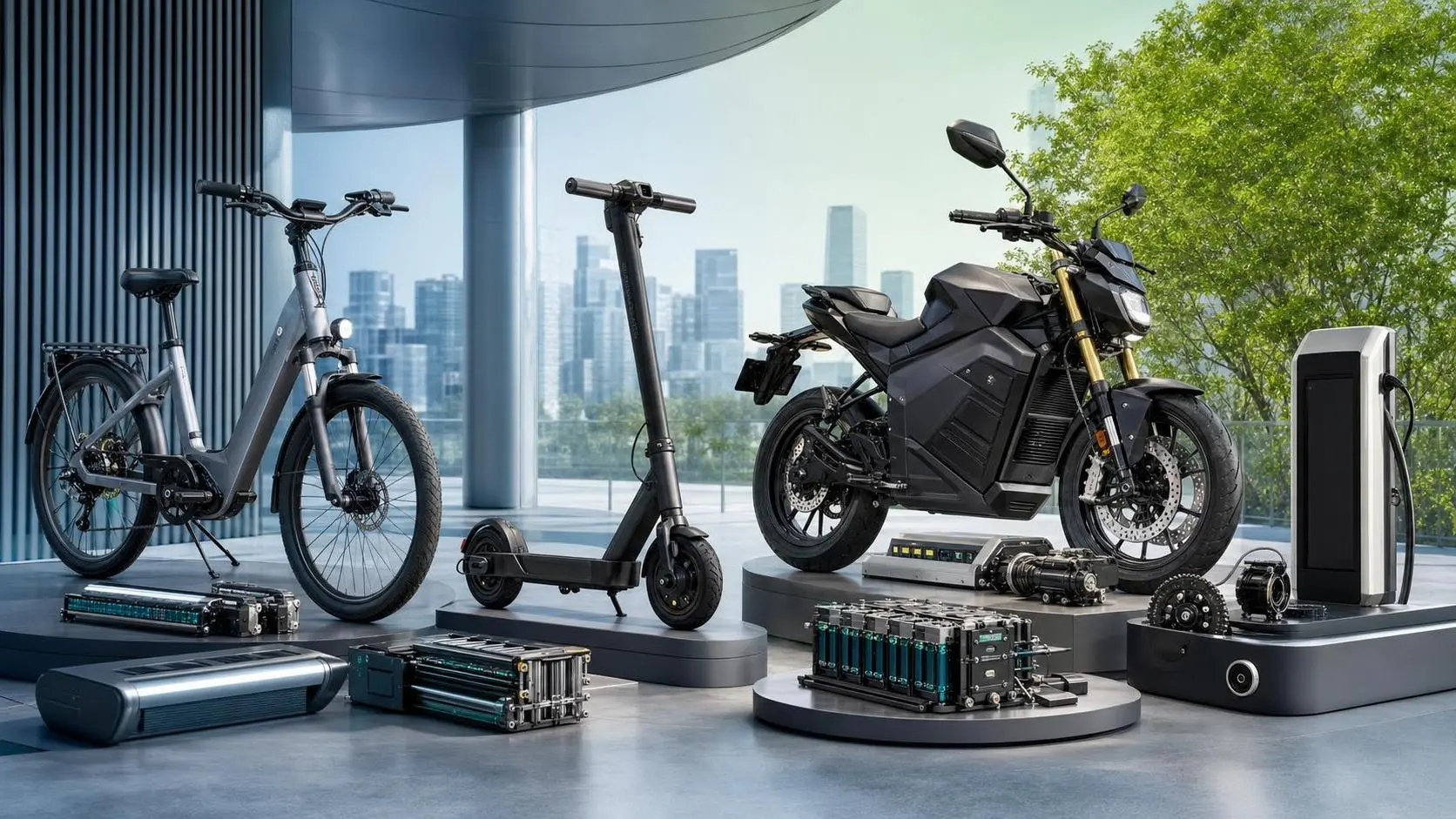
Micro Mobility Global Expansion: What Market Entry Risks and Growth Signals Should Distributors Watch?
Micro mobility global expansion demands more than shipment growth. Discover key market entry risks, regulation shifts, battery challenges, and trusted growth signals distributors should watch.
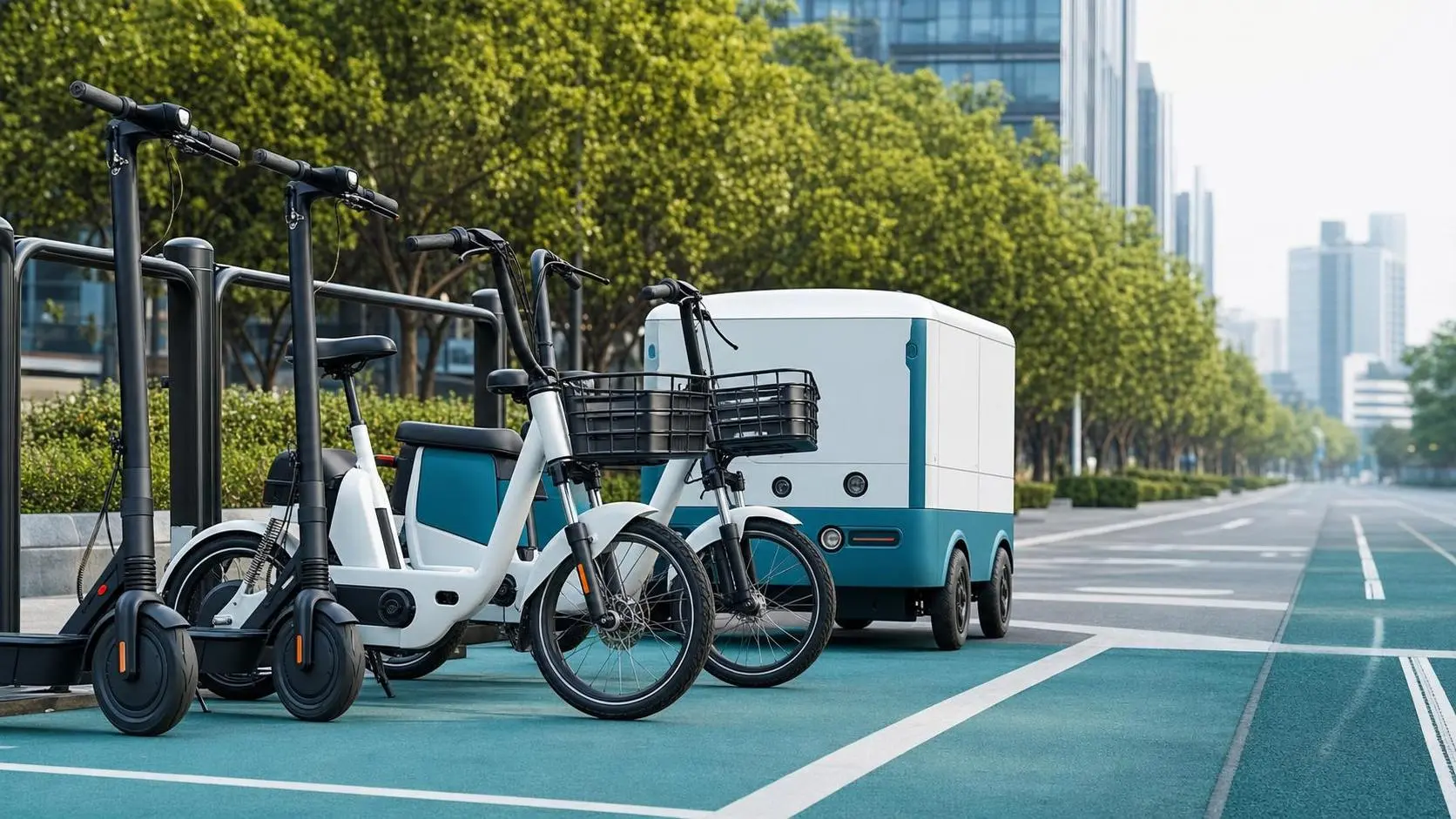
How the Global Mobility Landscape Is Shifting Across Shared, Electric, and Low-Speed Transport
Global mobility landscape trends are redefining urban transport through shared fleets, e-bikes, scooters, and low-speed EVs. Explore the signals shaping smarter, cleaner growth.
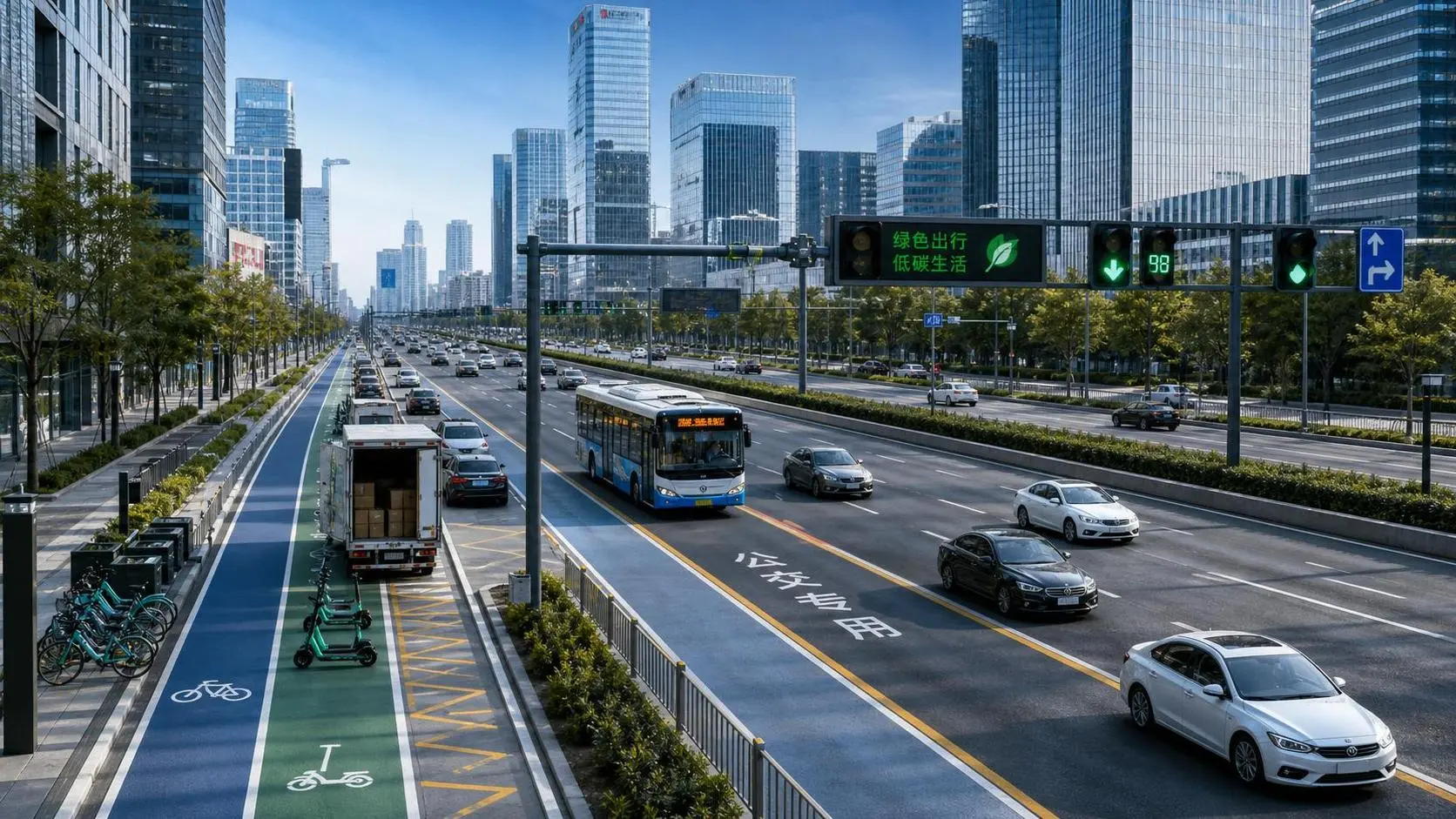
Urban Traffic Congestion Solutions: Which Options Work Best for Dense City Corridors?
Urban traffic congestion solutions that actually work: discover how adaptive signals, transit priority, curb management, and micro-mobility can improve dense city corridors.
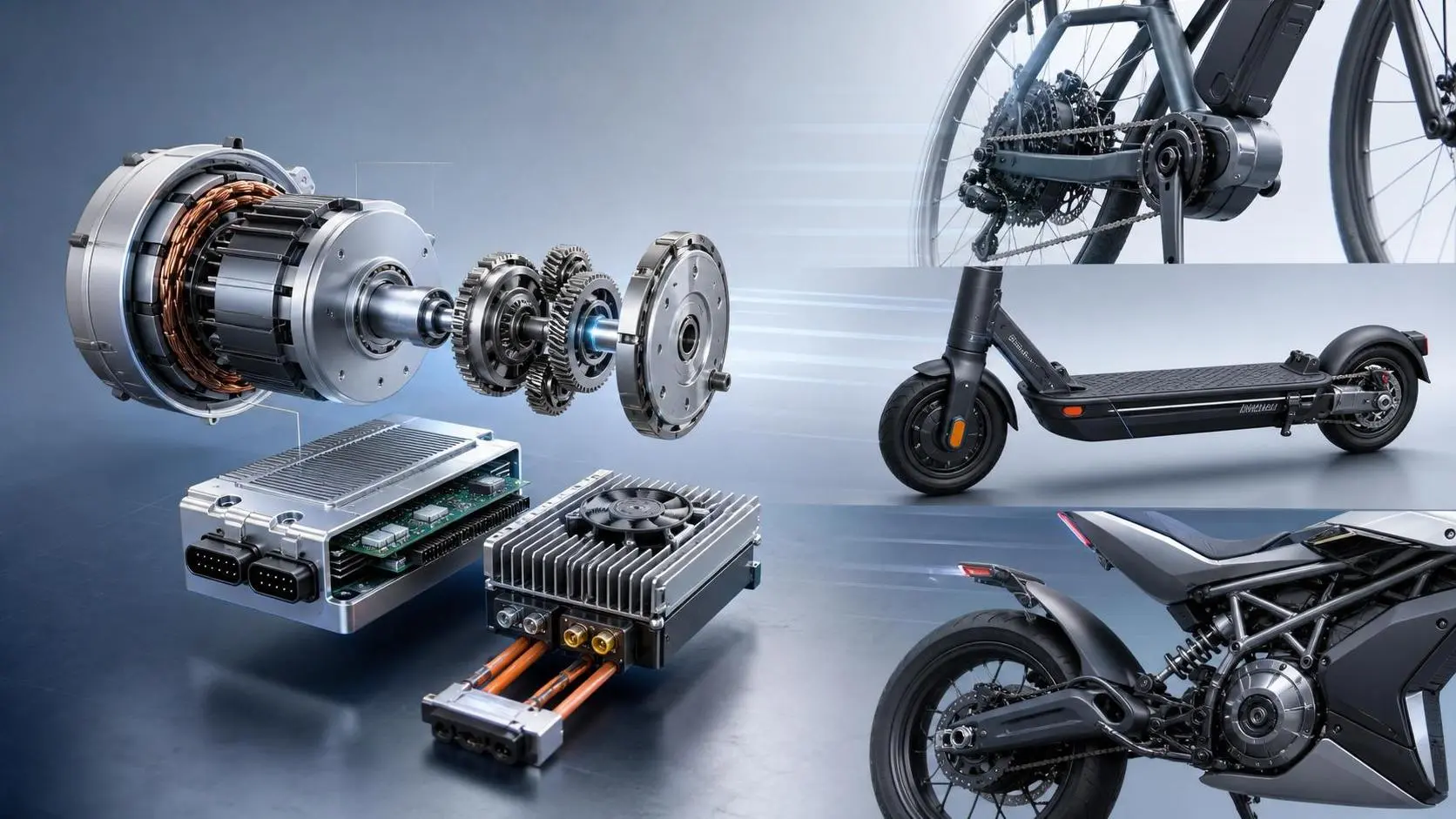
Electric Drivetrain Market Breakdown: Key Segments, Cost Drivers, and Supplier Shifts
Electric drivetrain market insights on key segments, cost drivers, and supplier shifts. See where value, risk, and growth opportunities are emerging across mobility platforms.
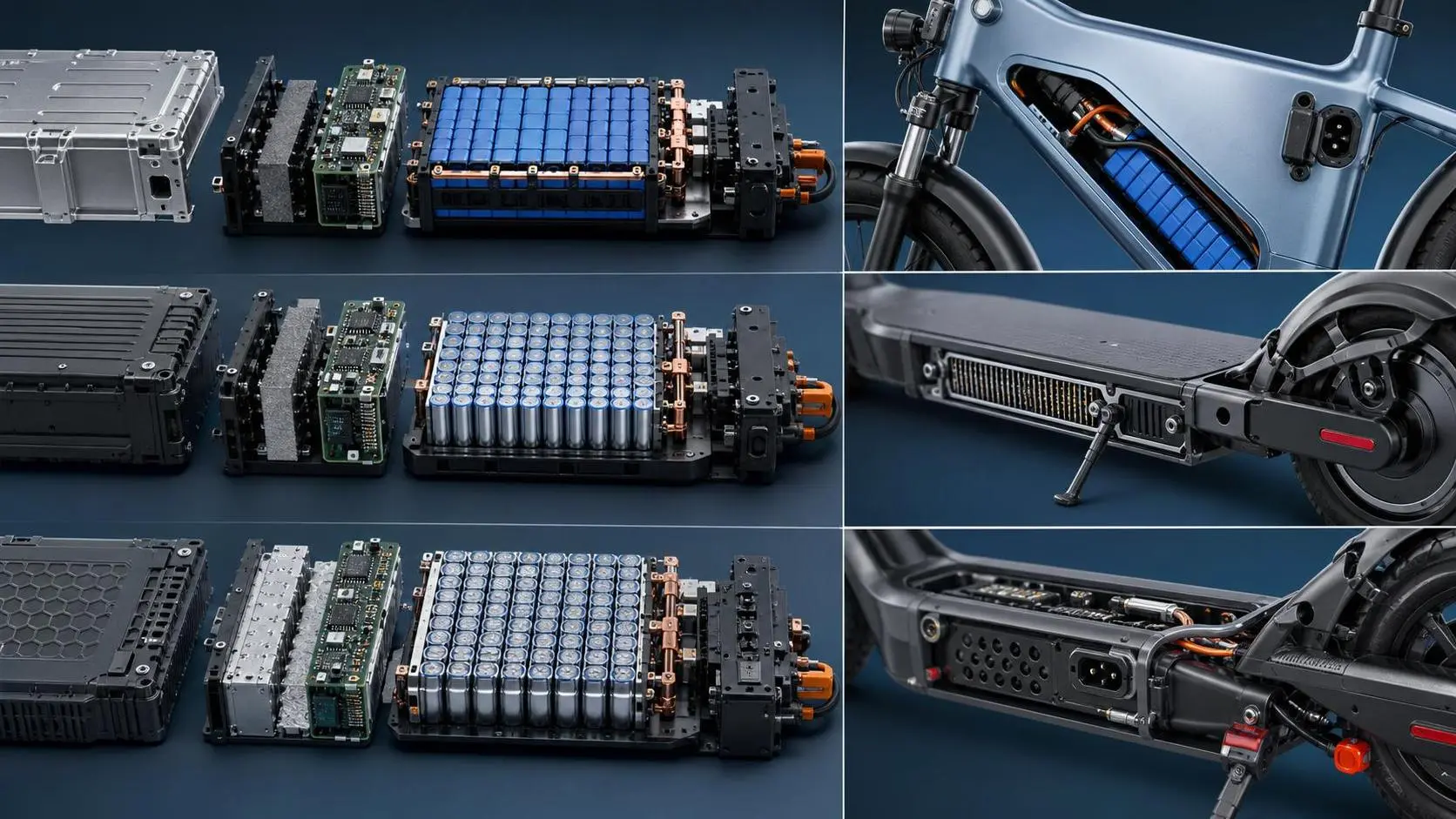
Battery Technology China: How LFP, Sodium-Ion, and Fast-Charging Cells Compare
Battery technology China compared: explore how LFP, sodium-ion, and fast-charging cells differ in cost, safety, range, and fleet value for smarter urban mobility decisions.
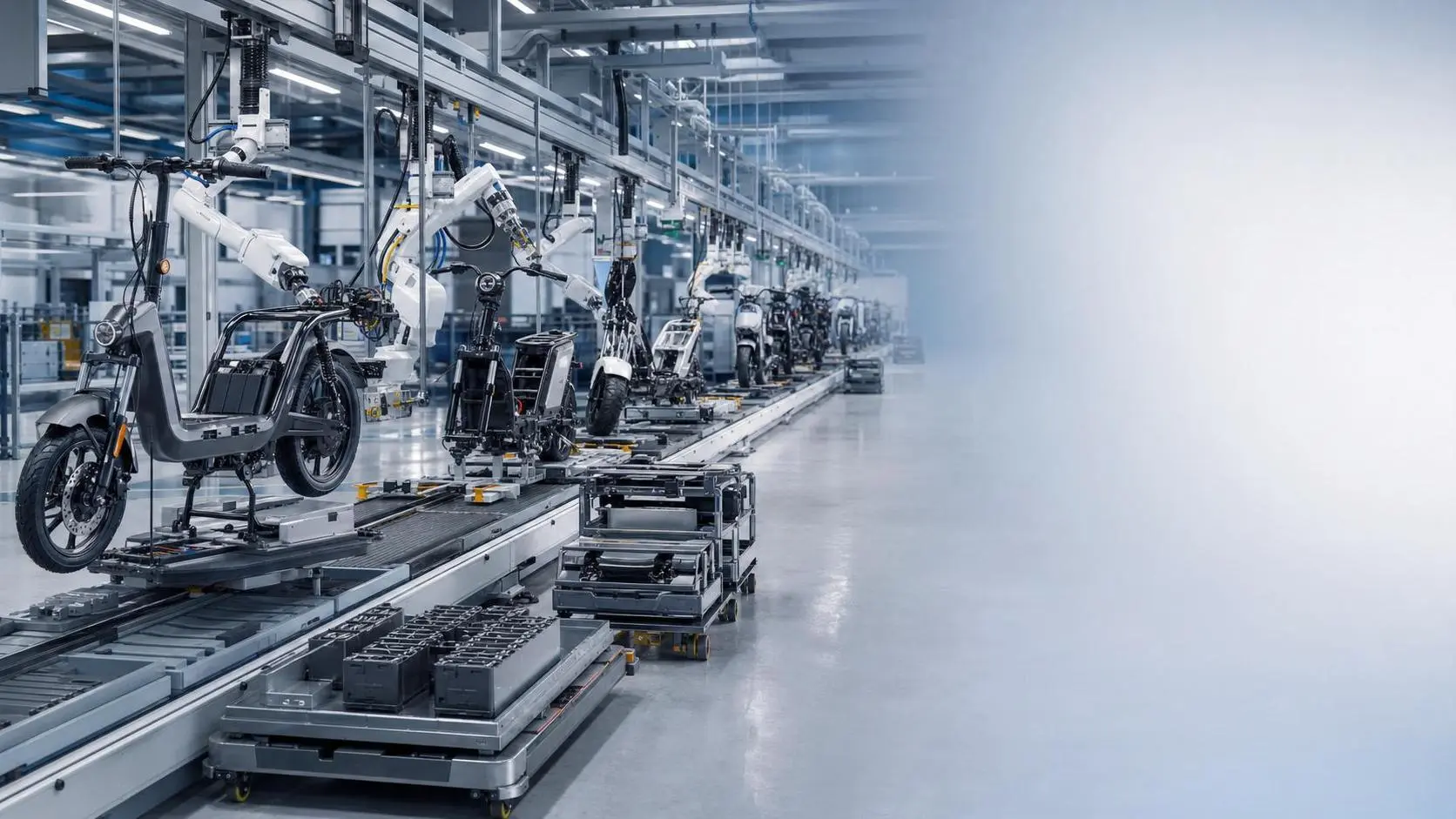
Electric Two-Wheeler Market Manufacturer Trends: Capacity, Export Strategy, and OEM Shifts
Electric two-wheeler market manufacturer trends decoded: explore capacity flexibility, smarter export strategy, and OEM shifts shaping resilient growth and competitive advantage.
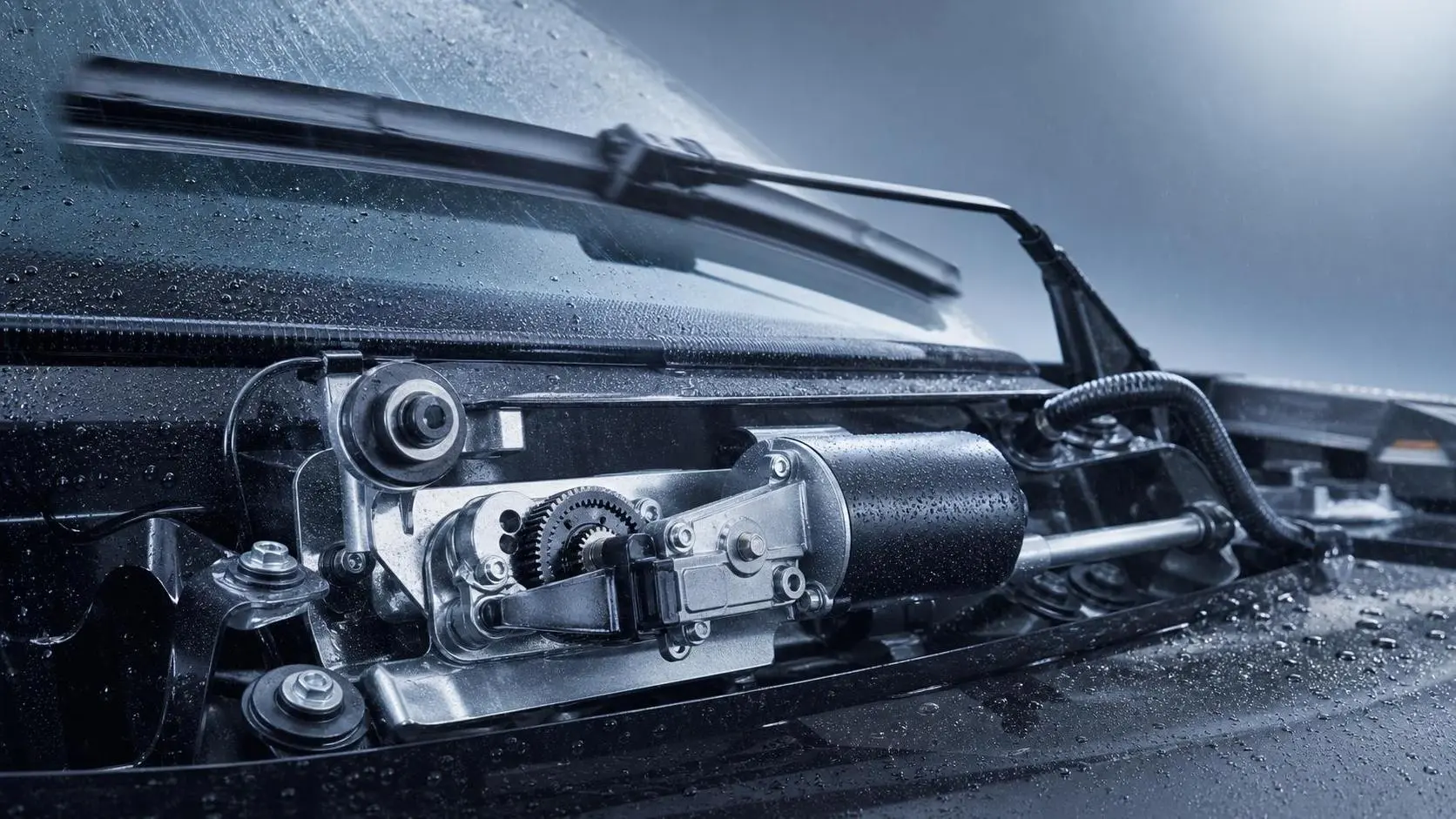
How to Choose a Brushless Wiper Motor: Voltage, Torque, IP Rating, and Duty Cycle
Brushless wiper motor selection starts with the right voltage, torque, IP rating, and duty cycle. Learn how to compare specs, reduce failure risk, and choose a reliable fit.
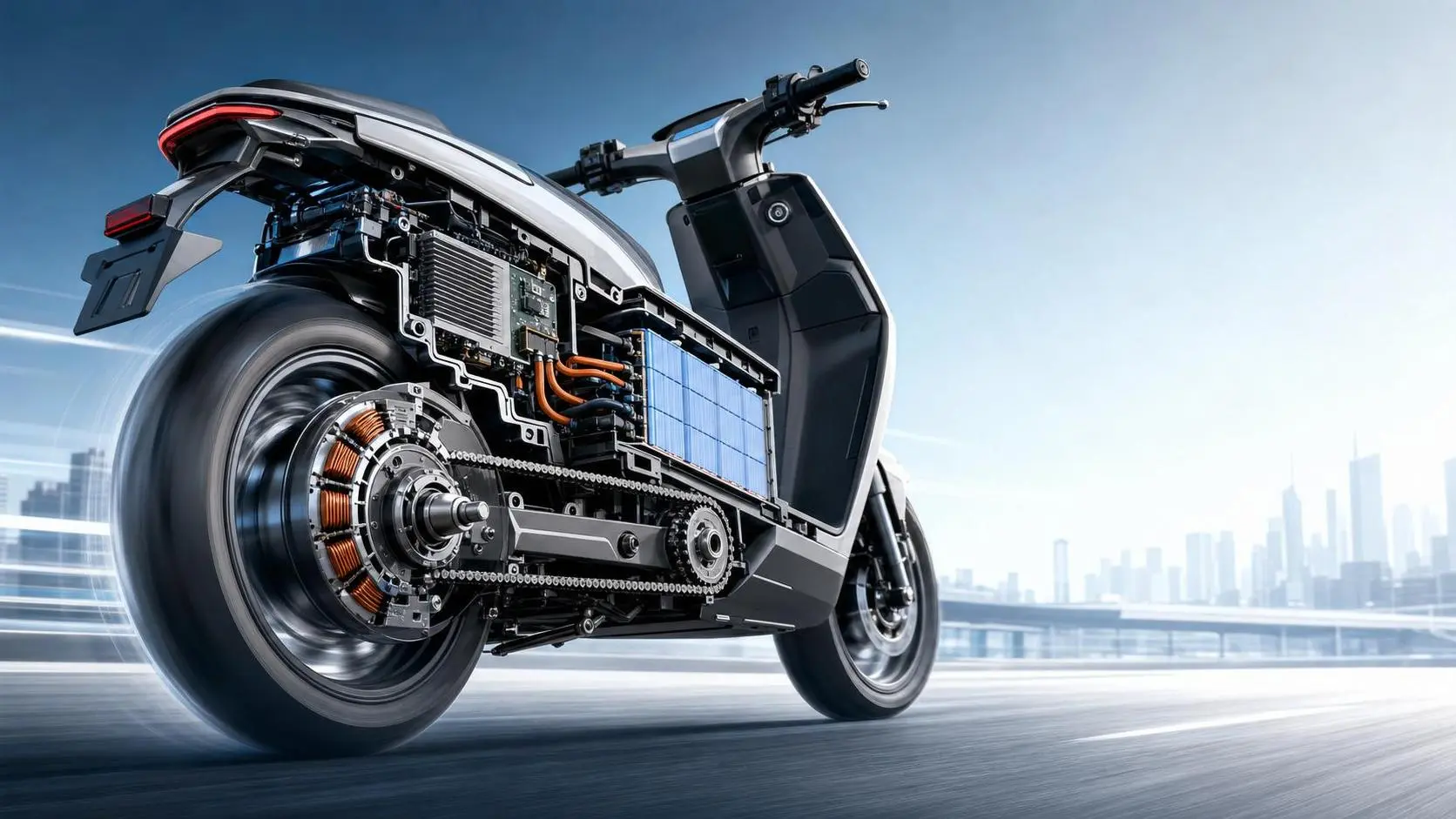
What Causes Torque Lag in Electric Two-Wheelers and How Can Engineers Reduce It?
Torque lag in electric two-wheelers starts with more than the motor. Learn what causes torque lag in e-bikes, e-scooters, and e-motorcycles, and how engineers can reduce it for faster, smoother response.
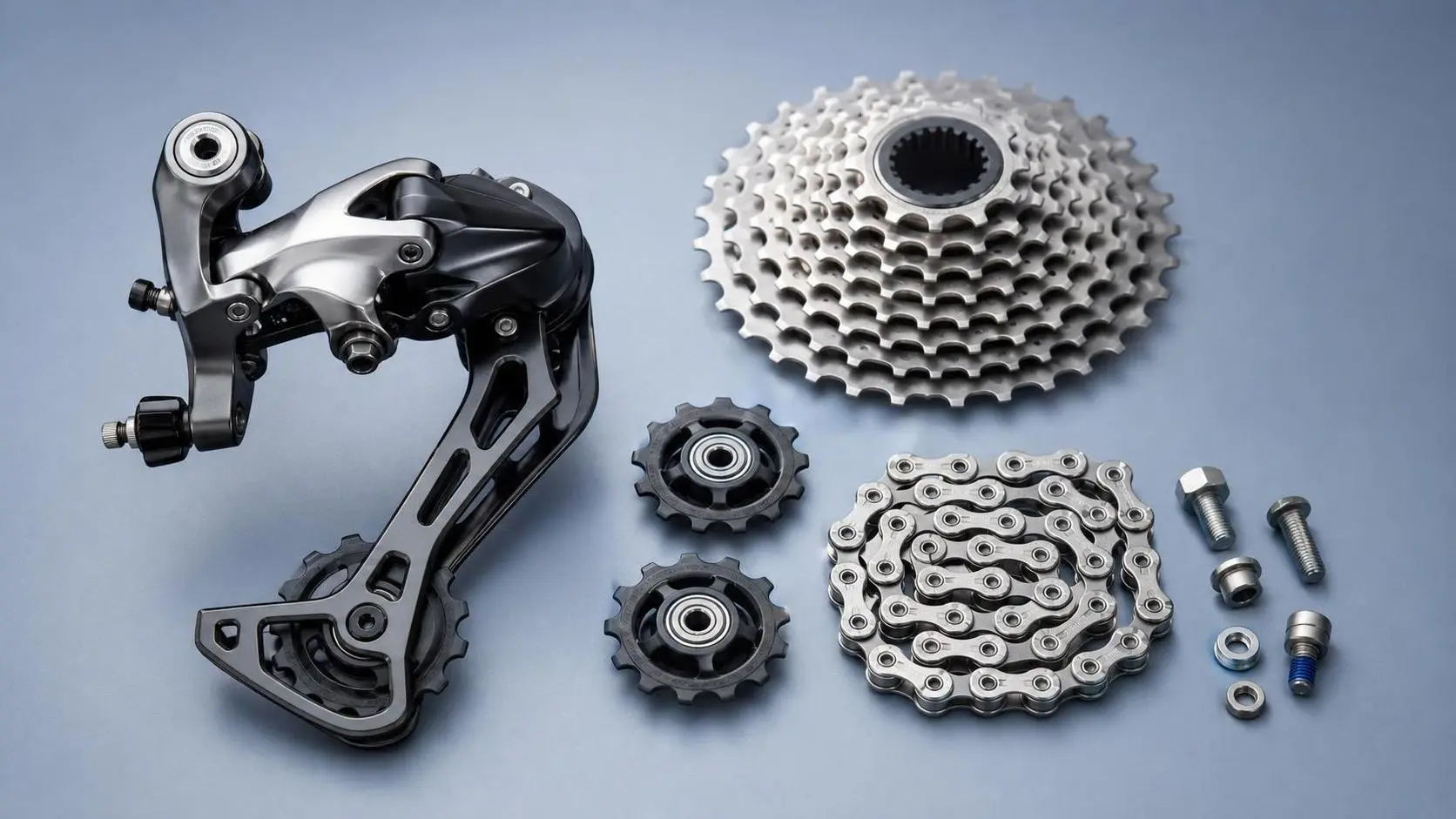
Bike Derailleur Parts Explained: Names, Functions, and What Wears Out First
Bike derailleur parts explained clearly: learn the key names, functions, common wear points, and how to tell adjustment issues from real damage before you repair or upgrade.