
Related News
- 00
0000-00
EMI Interference Mitigation Methods: Shielding, Grounding, and Filter Selection Explained - 00
0000-00
Wiper System Market Analysis: Demand Drivers, OEM Trends, and Aftermarket Opportunities - 00
0000-00
Connected Two Wheelers: Which Telematics Features Matter for Fleet Control? - 00
0000-00
Battery Subsidy Europe: Which E-bike and Scooter Incentives Lower Total Cost? - 00
0000-00
How to Choose Last Mile Delivery Solutions for Urban Routes, Cold Chain, and Heavy Loads
Ms. Elena Rodriguez
Weekly Insights
Stay ahead with our curated technology reports delivered every Monday.
EMI Interference Mitigation Methods: Shielding, Grounding, and Filter Selection Explained





EMI interference mitigation sits at the center of reliable micro-mobility electronics. In e-bike controllers, smart e-scooter connectivity modules, high-speed e-motorcycle powertrains, and electronic shifting systems, unwanted noise can corrupt signals, trigger resets, and complicate compliance testing. Shielding, grounding, and filter selection are often discussed separately, yet in practice they work as one control strategy that reduces emissions at the source and improves immunity across the whole vehicle.
Why EMI matters more in micro-mobility systems
Urban micro-mobility products pack dense electronics into compact frames. High-current motors, battery management systems, DC-DC converters, wireless modules, displays, and sensors share limited space.
That density creates ideal conditions for coupling. Fast switching edges from inverters or chargers can radiate into communication lines, sensor paths, and human-machine interfaces.
For a platform like UMMS, which tracks electrification, wireless shifting, thermal management, and intelligent vehicle functions, EMI interference mitigation is not a side topic. It affects performance, safety, durability, and export readiness.
In practical terms, poor EMI control may appear as throttle instability, CAN or UART errors, GPS dropouts, inaccurate sensor readings, display flicker, or unexpected controller behavior during peak load.
A useful way to frame the problem
EMI is easier to evaluate when it is broken into three linked questions: where the noise starts, how it travels, and what is sensitive to it.
The source may be a motor inverter, switching regulator, relay, charger, or high-speed digital clock. The path may be conduction through cables or radiation through air and structure.
The victim may be a wireless receiver, Hall sensor, brake signal line, shifting actuator, or dashboard processor. Effective EMI interference mitigation addresses all three points together.
This matters because a stronger shield alone will not fix a noisy ground return. A larger filter alone will not help if cable routing creates an antenna.
Shielding is about containing fields, not hiding bad design
Shielding works by reducing the electric or magnetic field that escapes a source or reaches a sensitive circuit. The right method depends on frequency, enclosure geometry, and cable design.
At higher frequencies, conductive enclosures, shield cans, braided cable shields, and carefully bonded covers can be very effective. At lower frequencies, especially with strong magnetic fields, shielding becomes harder.
In micro-mobility products, cable shielding often deserves more attention than enclosure shielding. Battery leads, motor phase cables, display harnesses, and antenna paths run close together.
A shield only works well when termination is correct. A floating or poorly bonded shield can become decorative metal rather than a controlled return path.
Where shielding helps most
- Motor controller enclosures near switching power stages
- Sensor and communication cables routed beside power lines
- Wireless modules installed near batteries, displays, or chargers
- Electronic derailleur or precision actuator systems with low-level signals
The design judgment is simple: use shielding to interrupt coupling paths, not to compensate for avoidable noise generation.
Grounding defines return current behavior
Grounding is often misunderstood as a generic connection to metal. In EMI work, grounding is really about controlling return paths and keeping noisy currents away from quiet circuits.
When return current takes a long or shared path, voltage differences develop across that path. Sensitive electronics then see those differences as noise.
In compact two-wheeler systems, the challenge is sharper because chassis grounding, battery negative, signal ground, and shield termination may intersect in small spaces with high current variation.
Good EMI interference mitigation usually starts with a grounding map. That map shows power returns, sensor returns, shield bonds, and enclosure connections before layout is frozen.
Common grounding priorities
- Keep high-current switching loops short and tight
- Separate dirty power returns from quiet analog returns
- Bond shields with low impedance at intended points
- Avoid accidental ground loops across harnesses and housings
Single-point grounding can help at lower frequencies. Multi-point bonding can perform better at higher frequencies. The correct choice depends on current paths, not preference.
Filter selection should match the noise profile
Filters are often added late, especially after a failed test. That approach can work, but it is expensive and rarely elegant.
A better approach is to match filter topology to the measured or expected disturbance. Common-mode noise and differential-mode noise behave differently and need different treatment.
Ferrite beads, common-mode chokes, LC filters, feedthrough capacitors, and RC damping networks each solve different problems. Picking by habit often leads to weak results or new side effects.
Filter placement is as important as filter choice. A well-sized component placed far from the noise entry point can underperform badly.
How the three methods interact in real platforms
Consider an e-bike drive unit with a battery pack, controller, display, and Bluetooth module. If inverter switching noise returns through a shared ground path, the radio may lose sensitivity.
Adding a shield to the communication cable may help. Yet the larger gain may come from tightening the power loop, improving enclosure bonding, and adding a common-mode choke at the right interface.
In a smart e-scooter, telematics reliability can degrade when charger noise couples into the low-voltage network. Here, EMI interference mitigation often combines input filtering, cable separation, and disciplined ground partitioning.
For wireless electronic shifting or other precision bicycle components, even small disturbances matter. Signal lines may be low power, but their timing and integrity requirements are tight.
That is why UMMS-style analysis across drivetrain electronics, IoT modules, and power systems is useful. The noise source may sit in one subsystem, while the failure appears in another.
Practical evaluation points before redesign or sourcing
When reviewing a board, module, or complete vehicle architecture, a structured checklist saves time. It also prevents expensive late-stage fixes.
- Identify dominant noise sources by switching speed, current level, and cable length
- Map coupling paths across harnesses, enclosures, and return planes
- Separate emission problems from immunity problems before selecting remedies
- Review shield terminations and enclosure bonding details, not just materials
- Check filter parts against real operating current, frequency, and temperature
- Confirm that fixes do not weaken thermal design, sealing, or serviceability
This approach keeps EMI interference mitigation connected to product reality. A clean bench result is not enough if the field harness, charger, or battery swap interface changes the noise environment.
What deserves attention next
The next step is rarely a single component change. More often, it is a decision framework that links architecture, layout, harness design, and verification planning.
Start by ranking the most sensitive functions, such as braking signals, wireless links, battery management, or precision shifting control. Then review where high-energy switching events can overlap those functions.
From there, compare shielding options, grounding schemes, and filter candidates as a system. That is the most reliable way to reduce compliance risk and avoid repeated test cycles.
For organizations following the micro-mobility market through UMMS, the value is broader than one fix. EMI interference mitigation becomes a lens for judging technical maturity, integration quality, and long-term platform readiness.
Related News
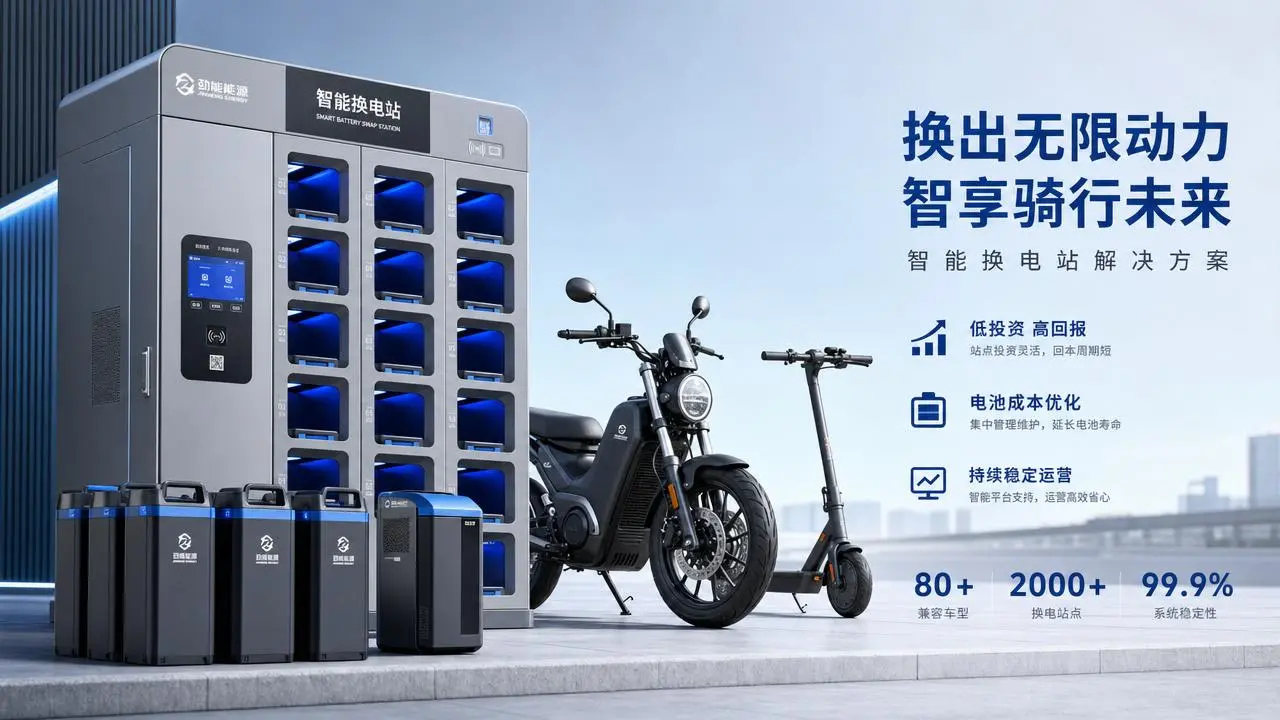
Battery Swapping Cost Breakdown: Station CapEx, Pack Pricing, and Operating Fees
Battery swapping cost explained: compare station CapEx, battery pack pricing, and operating fees to forecast ROI, reduce risk, and choose the right deployment model.
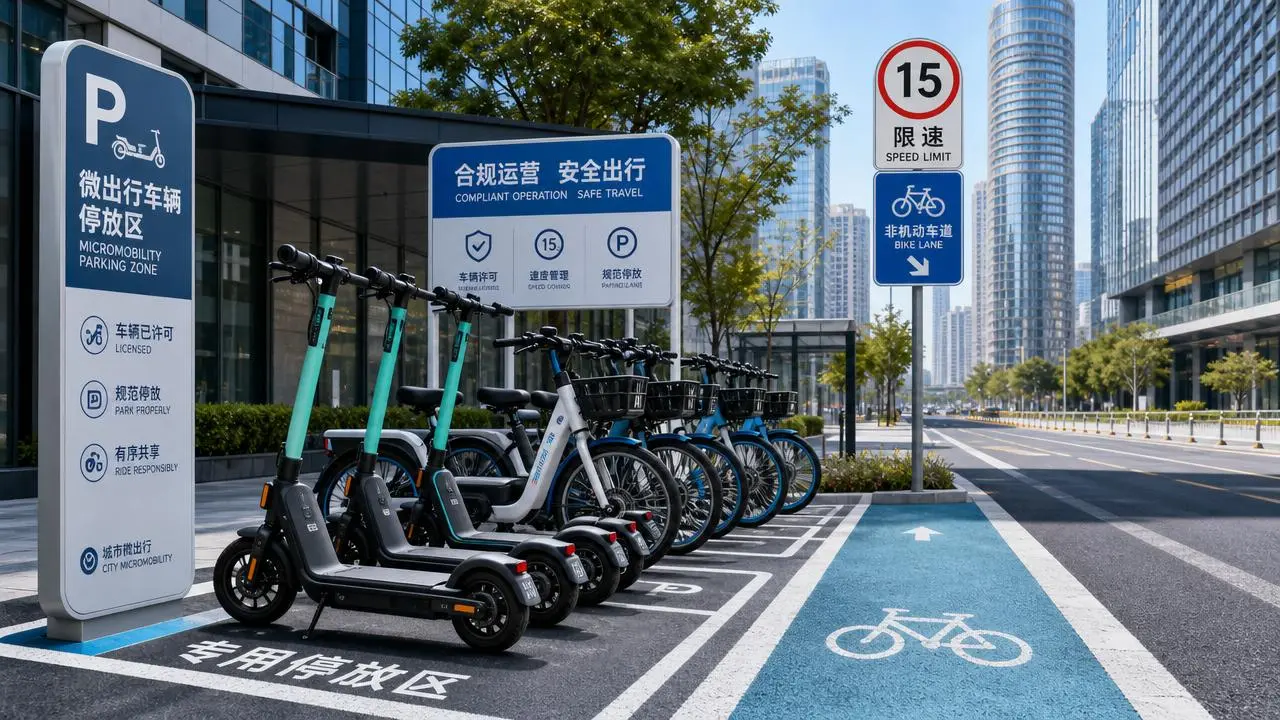
How Micromobility Regulations Affect Fleet Permits, Speed Limits, and Parking Rules
Micromobility regulations shape fleet permits, speed limits, and parking rules. Learn how city compliance impacts growth, safety, costs, and smarter fleet expansion.
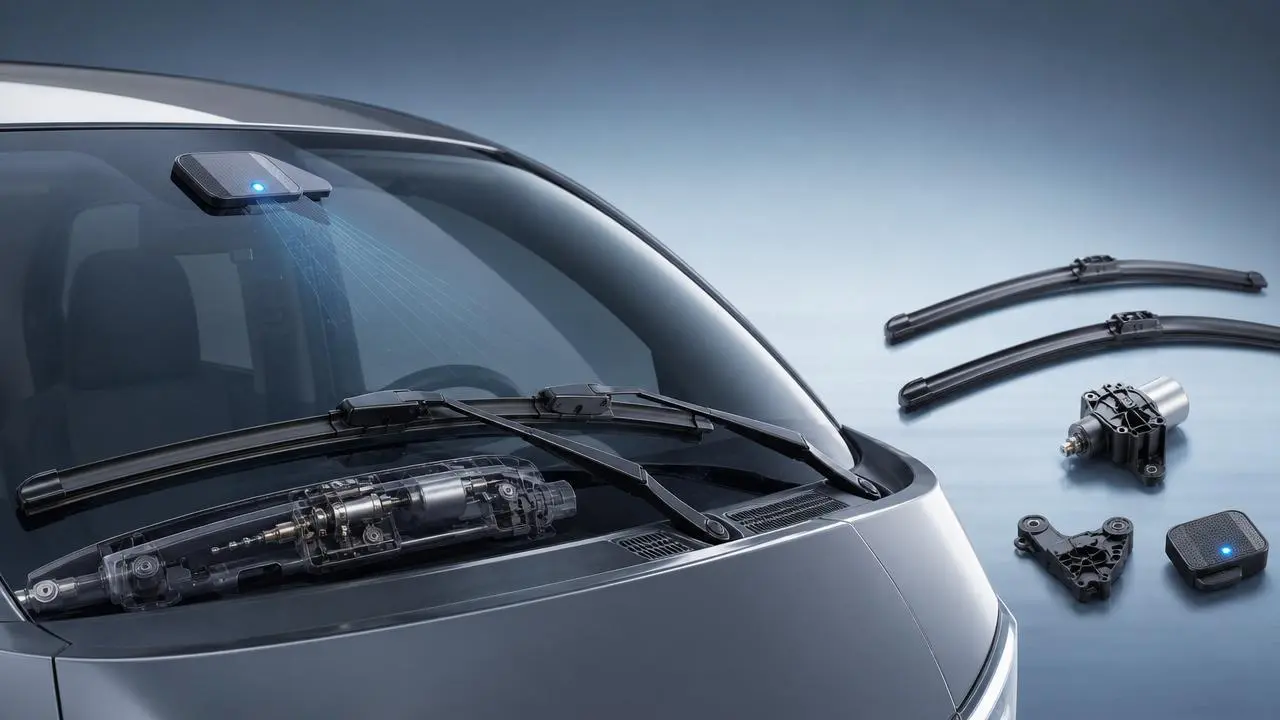
Wiper System Market Analysis: Demand Drivers, OEM Trends, and Aftermarket Opportunities
Wiper system market analysis of demand drivers, OEM integration trends, and aftermarket opportunities. Explore safety, electrification, and regional insights shaping future growth.
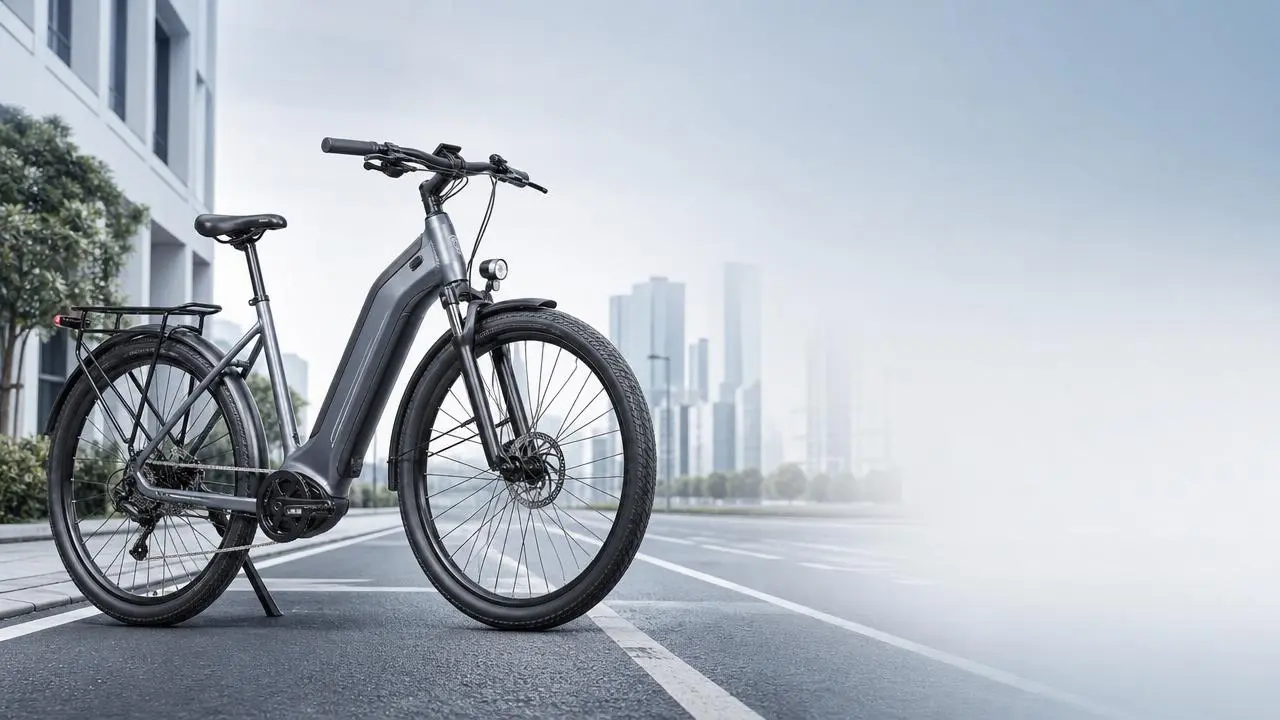
Commuter E-Bikes Explained: Range, Motor Torque, and Fit for Daily City Riding
Commuter e bikes explained for real city riding: compare honest range, motor torque, and bike fit to choose a smarter, more comfortable daily commute.
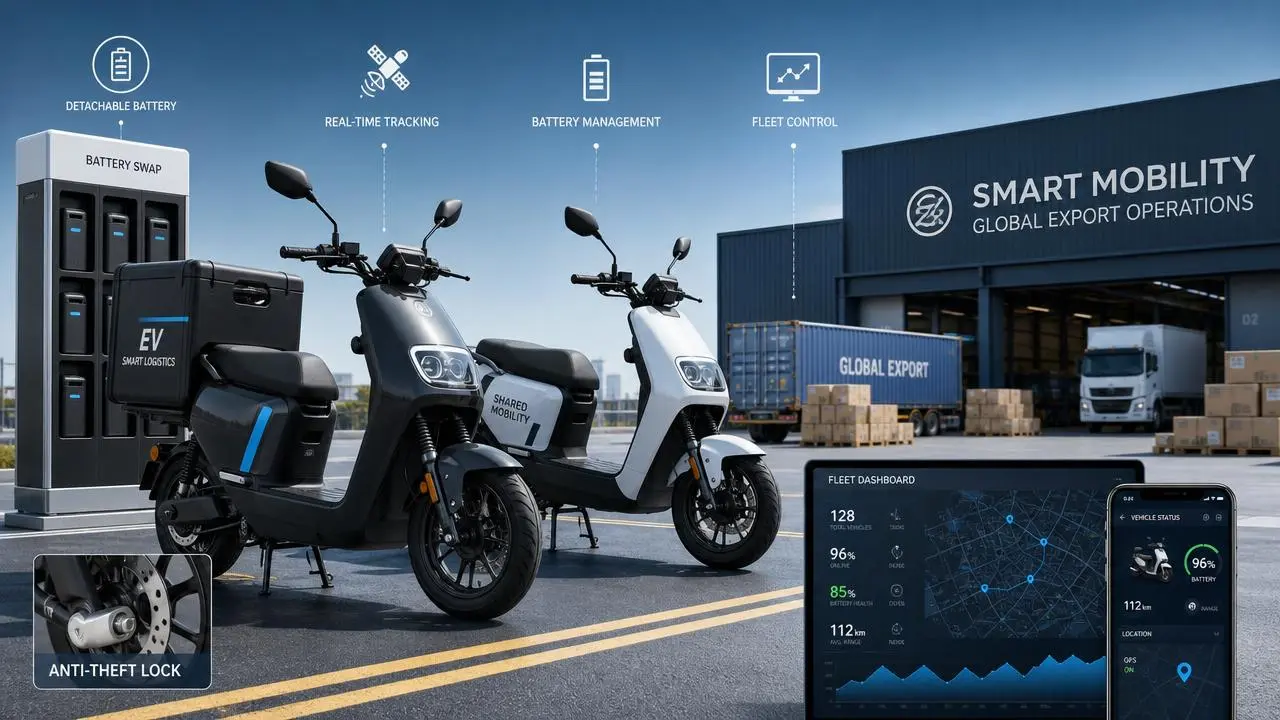
Connected Two Wheelers: Which Telematics Features Matter for Fleet Control?
Connected two wheelers need more than basic GPS. Discover the telematics features that improve fleet control, battery insight, safety, uptime, and theft protection.

Shared Scooters China: Operating Models, Policy Risks, and Expansion Lessons
Shared scooters China reveals the real drivers of micro-mobility success: operating models, policy risks, and scalable expansion lessons for smarter urban growth.
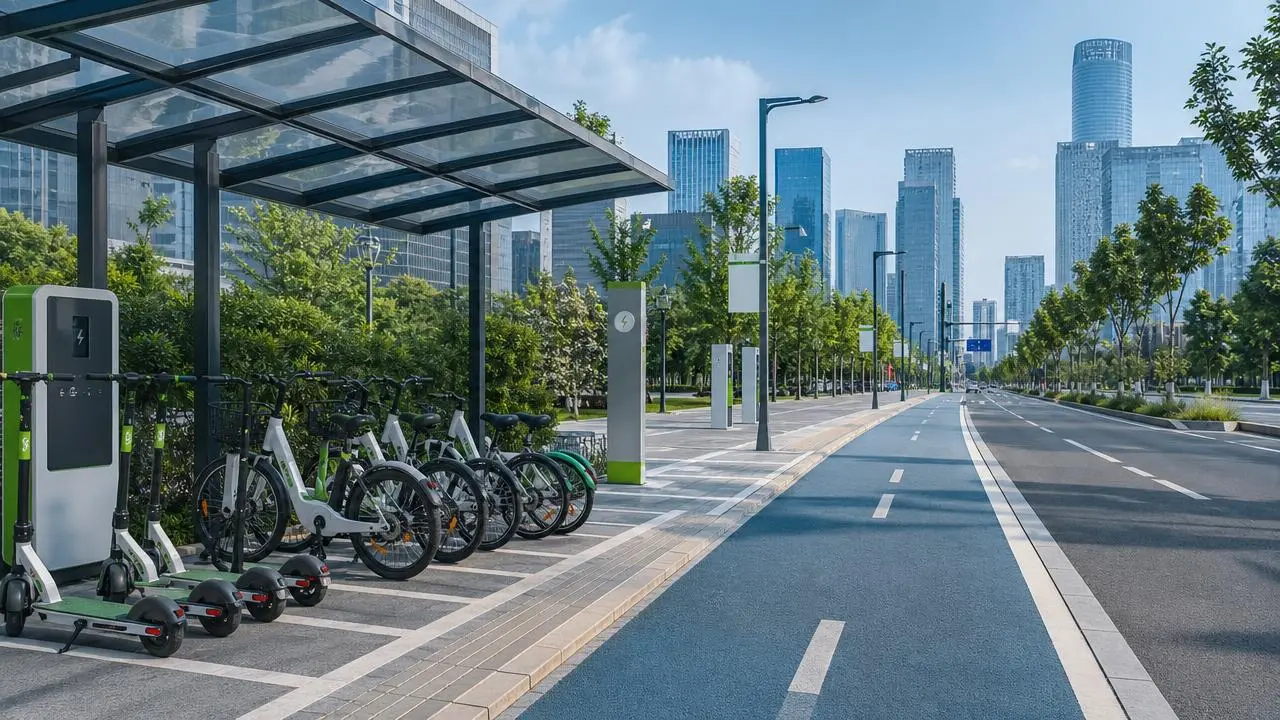
Micro Mobility Adoption Barriers: What Stops Cities From Scaling Daily Use?
Micro mobility adoption barriers are keeping cities stuck in pilot mode. Explore how regulation, infrastructure, safety, and economics block reliable daily use.
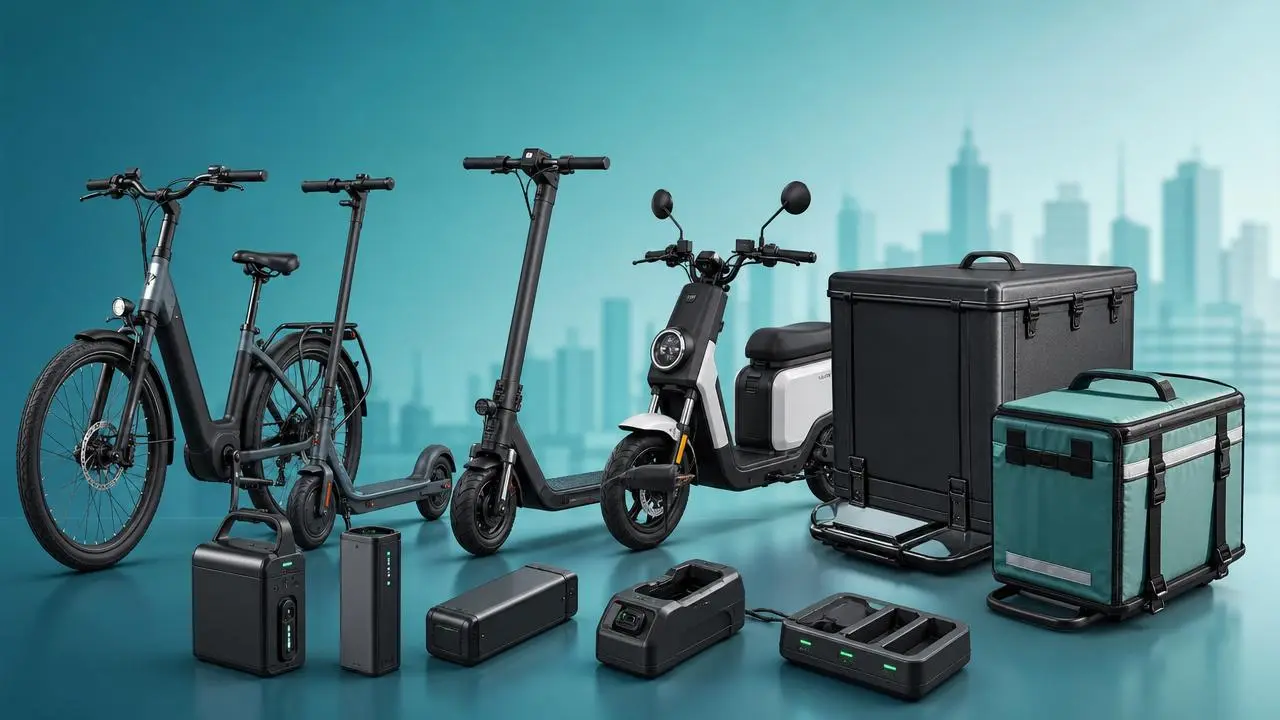
Battery Subsidy Europe: Which E-bike and Scooter Incentives Lower Total Cost?
Battery subsidy Europe explained: compare e-bike and scooter incentives, real battery cost impact, and where grants, leasing, and city rebates can truly lower total ownership cost.
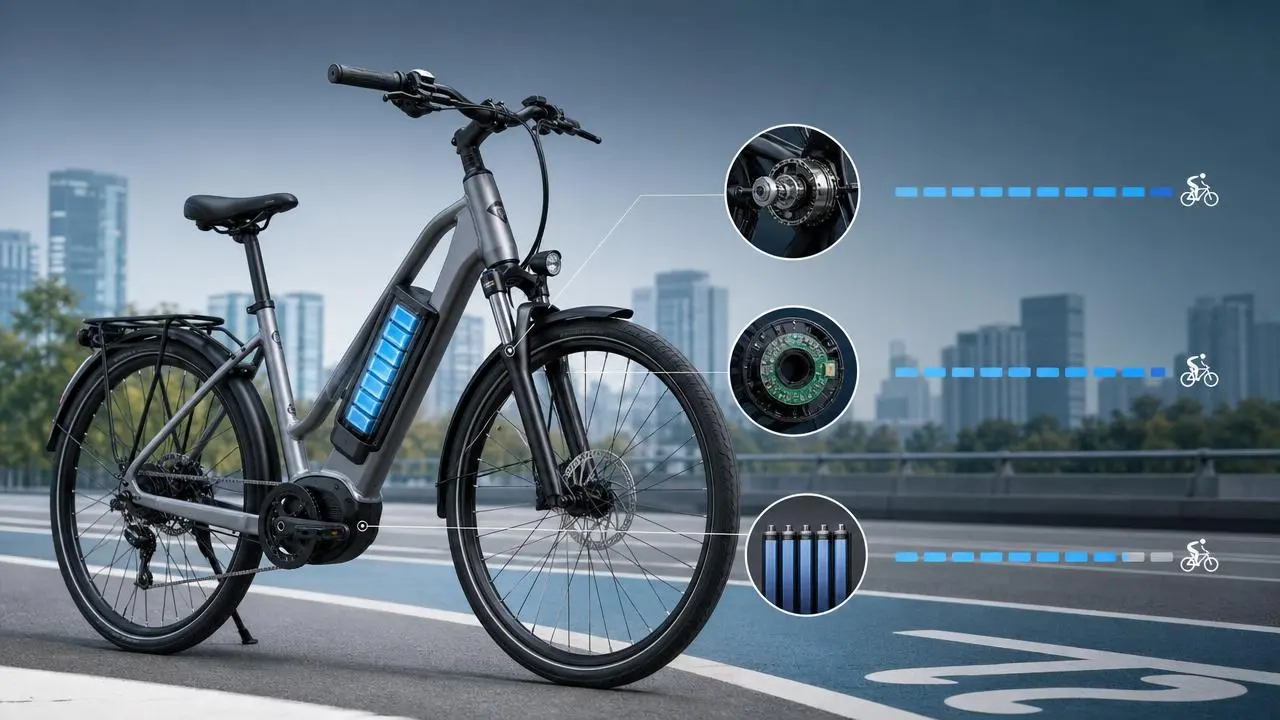
Pedal Assist Ebike Buying Guide: Motor Torque, Sensor Type, and Range Explained
Pedal assist ebike buying guide: learn how motor torque, sensor type, and real-world range affect comfort, control, and value—compare smarter before you buy.