
Related News
- 00
0000-00
Pedal Assist Ebike Buying Guide: Motor Torque, Sensor Type, and Range Explained - 00
0000-00
Shared Electric Bike Market Explained: Growth Drivers, City Models, and Revenue Risks - 00
0000-00
Green E-bike Demand by Use Case: Commuting, Delivery, and Leisure Compared - 00
0000-00
Urban Commuting E-bike Buying Guide: Range, Motor Power, Weight, and Daily Use Fit - 00
0000-00
Electric Bike Electronics Explained: Controllers, BMS, Sensors, and Failure Points
Micro-Mobility Strategist
Weekly Insights
Stay ahead with our curated technology reports delivered every Monday.
Pedal Assist Ebike Buying Guide: Motor Torque, Sensor Type, and Range Explained





A pedal assist ebike looks simple on paper, yet the buying decision quickly becomes technical. Motor torque, sensor type, and battery range all shape how the bike feels on real streets, especially in today’s fast-changing urban mobility market.
That matters more now because e-bikes sit at the center of the wider last-mile shift. Across the micro-mobility landscape tracked by UMMS, electric bicycles have become one of the clearest examples of low-carbon transport meeting everyday convenience.
For anyone comparing models, the challenge is not finding impressive specifications. It is understanding which specifications actually improve comfort, control, efficiency, and long-term satisfaction during daily use.
Why pedal assist ebikes matter in urban mobility
A pedal assist ebike adds motor support only when pedaling. It does not replace rider input. Instead, it amplifies effort, making hills, headwinds, and stop-and-go commutes easier to manage.
This balance is one reason the category has expanded so quickly in Europe and other dense urban markets. It blends personal movement, lower operating cost, and practical electrification without the complexity of larger electric vehicles.
From a broader industry view, the pedal assist ebike also connects several technical systems. Motor efficiency, battery management, drivetrain design, and sensor logic all influence the final riding experience.
That systems perspective is important. UMMS often highlights how modern micro-mobility products succeed when hardware, control logic, and energy use work together rather than compete with each other.
Motor torque is about feel, not just force
Torque is usually shown in Newton-meters, or Nm. In simple terms, it describes how strongly the motor helps you push forward, especially when starting from a stop or climbing.
Many buyers assume higher torque always means a better pedal assist ebike. That is only partly true. More torque can feel great, but it also needs to match bike weight, tire choice, terrain, and intended speed.
How torque changes daily riding
On flatter city routes, moderate torque often feels smoother and more controllable. It helps the bike move naturally through traffic lights, bike lanes, and casual weekend rides.
On steeper roads or cargo-focused use, higher torque becomes more valuable. It reduces strain at low cadence and makes starts under load feel less sluggish.
The real question is not “What is the biggest number?” It is “What support level fits the route I actually ride?”
Sensor type shapes how natural the bike feels
If torque tells you how much support is available, the sensor tells you how that support arrives. This is one of the most overlooked parts of any pedal assist ebike purchase.
The two most common systems are cadence sensors and torque sensors. Both activate assistance during pedaling, but the riding sensation can be very different.
Cadence sensor
A cadence sensor detects whether the pedals are turning. Once movement starts, the motor delivers support based on the selected assist level rather than how hard you push.
This setup is usually more affordable. It can work well for relaxed city use, short commutes, and riders who prefer simple operation over a highly responsive feel.
Torque sensor
A torque sensor measures pedal force. The harder you press, the more assistance the motor provides. That creates a smoother, more intuitive connection between rider and machine.
For many people, a torque-sensing pedal assist ebike feels more like an ordinary bicycle with stronger legs. It can also improve control on technical routes and crowded streets.
Which sensor makes more sense
- Choose cadence sensing for simpler riding, lower cost, and predictable assistance.
- Choose torque sensing for natural response, better modulation, and a more refined experience.
- Test rides matter here more than spec sheets because sensor behavior is felt immediately.
Range numbers need context
Range is often the most advertised figure, yet it is also the easiest to misunderstand. A stated maximum range usually reflects ideal conditions, low assist, moderate temperature, and lighter loads.
In practice, the usable range of a pedal assist ebike depends on much more than battery size. Riding style, route profile, tire pressure, wind, rider weight, and stop frequency all matter.
What really affects battery performance
- Higher assist modes consume energy much faster than eco settings.
- Steep climbs increase draw, especially on heavier bikes.
- Cold weather can reduce effective battery output.
- Frequent starts in dense traffic use more power than steady cruising.
- Poor maintenance, including underinflated tires, shortens real-world range.
Battery capacity is often listed in watt-hours, or Wh. A larger number generally supports longer rides, but only when the motor system and assist settings are used sensibly.
This is where UMMS’s system-focused view becomes useful. Battery management is not just about capacity. It is about how efficiently the motor, controller, and drivetrain convert stored energy into useful travel.
How to match specifications to real use
The best pedal assist ebike is rarely the one with the largest motor or longest advertised range. It is the one that fits the route, pace, storage conditions, and comfort expectations of daily life.
Short urban commutes
A lighter frame, moderate torque, and practical battery size often make more sense than maximum power. Quick handling and easy carrying can matter more than extreme output.
Mixed terrain and longer distances
Here, mid-range to higher torque, a larger battery, and a torque sensor usually improve consistency. These features reduce fatigue when conditions vary across the ride.
Recreation and weekend riding
Comfort geometry, intuitive pedal response, and reliable range estimation often outweigh top-speed marketing. A pleasant ride encourages more use than aggressive specifications do.
Buying signals that deserve closer attention
A good buying guide should go beyond three headline specs. The broader quality of a pedal assist ebike often appears in smaller details that affect ownership over time.
- Check whether the drivetrain matches motor output, especially on higher-torque models.
- Look for realistic range claims rather than unusually optimistic numbers.
- Consider battery removability if charging access is limited.
- Pay attention to brake quality because added speed and weight increase stopping demands.
- Review local rules on motor assistance limits before comparing categories.
It is also useful to view the bike as part of a bigger mobility ecosystem. Urban regulations, charging habits, security concerns, and infrastructure all shape whether a model remains practical after purchase.
A practical way to compare options
Start with the route, not the brochure. Estimate normal distance, average hills, cargo load, and how often the bike will be carried, stored, or charged indoors.
Then compare motor torque, sensor type, and battery capacity against those conditions. This turns a confusing list of features into a useful decision framework.
For many buyers, the smartest next step is building a short comparison list with three priorities only. Usually that means ride feel, realistic range, and daily practicality.
A pedal assist ebike should make urban movement easier, not more complicated. When the motor supports your terrain, the sensor matches your pedaling style, and the range fits your routine, the right choice becomes much clearer.
Related News
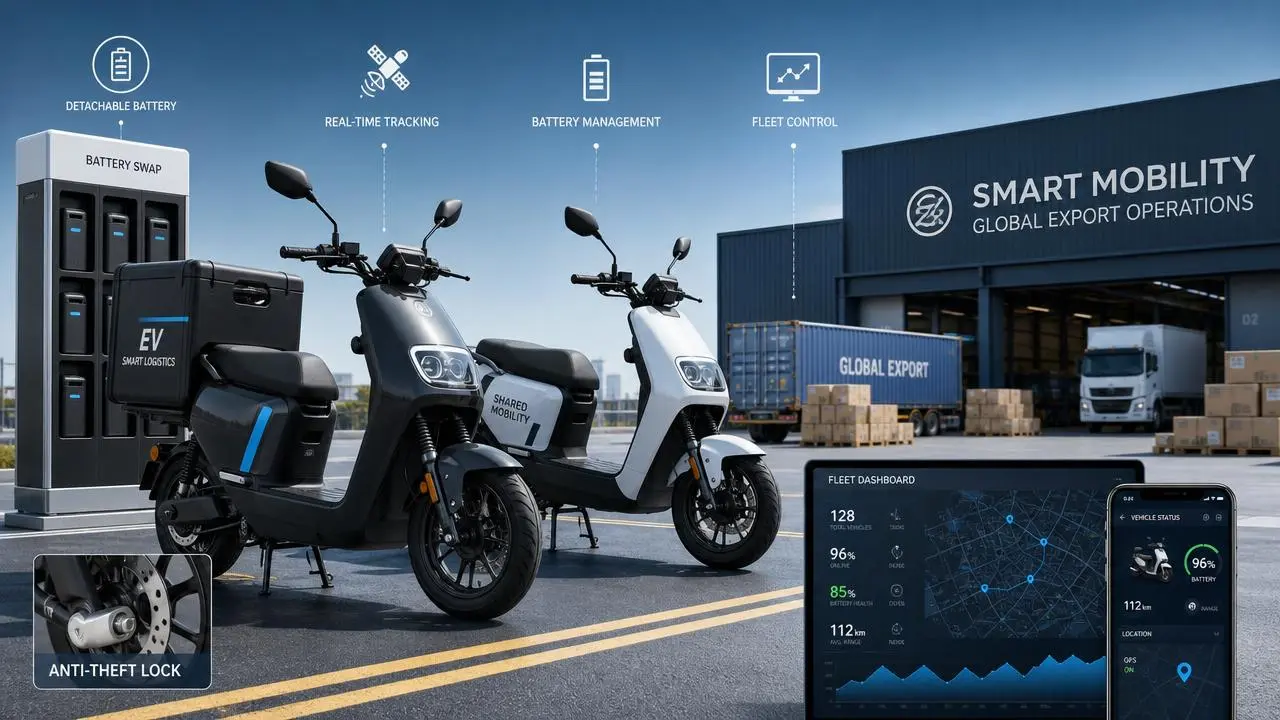
Connected Two Wheelers: Which Telematics Features Matter for Fleet Control?
Connected two wheelers need more than basic GPS. Discover the telematics features that improve fleet control, battery insight, safety, uptime, and theft protection.
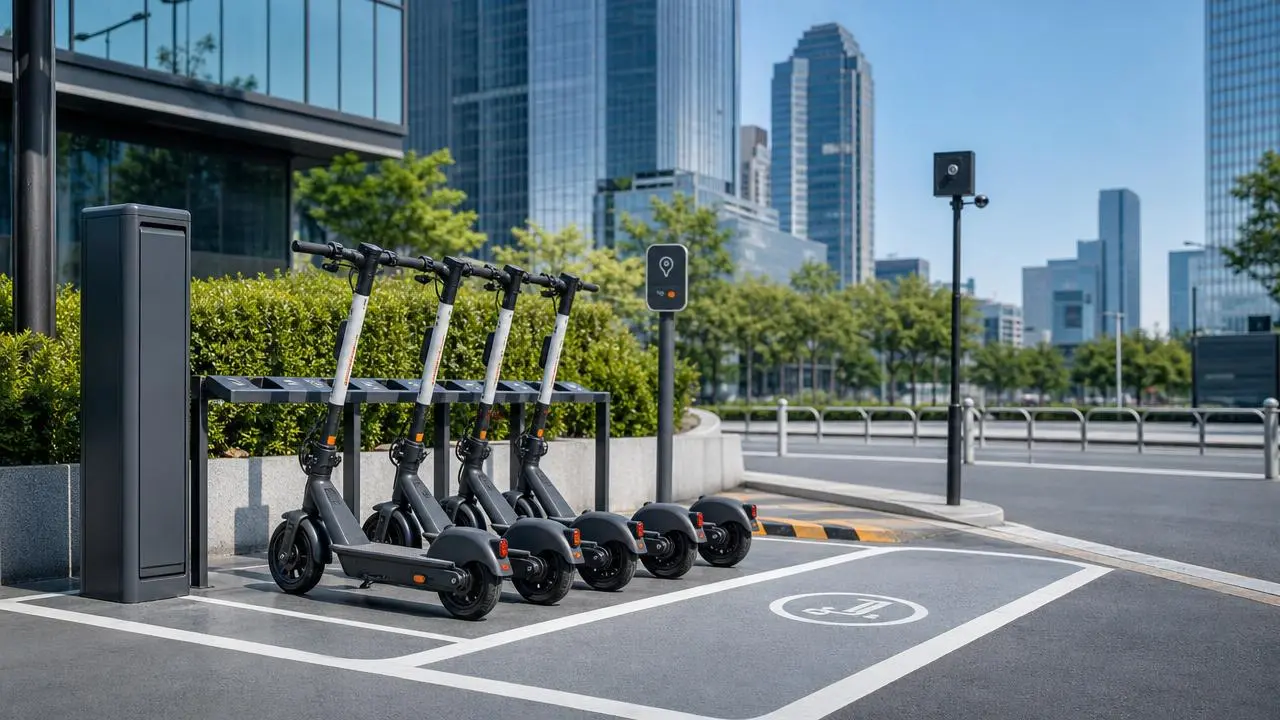
Shared Scooters China: Operating Models, Policy Risks, and Expansion Lessons
Shared scooters China reveals the real drivers of micro-mobility success: operating models, policy risks, and scalable expansion lessons for smarter urban growth.
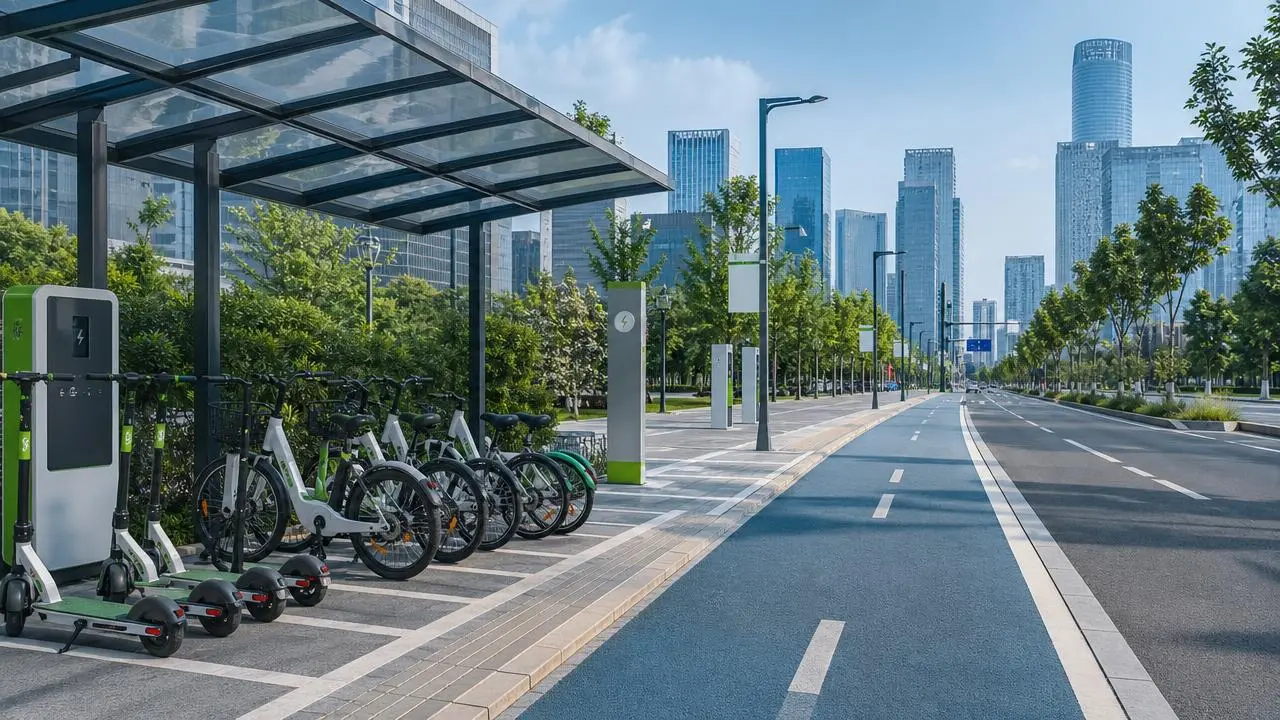
Micro Mobility Adoption Barriers: What Stops Cities From Scaling Daily Use?
Micro mobility adoption barriers are keeping cities stuck in pilot mode. Explore how regulation, infrastructure, safety, and economics block reliable daily use.
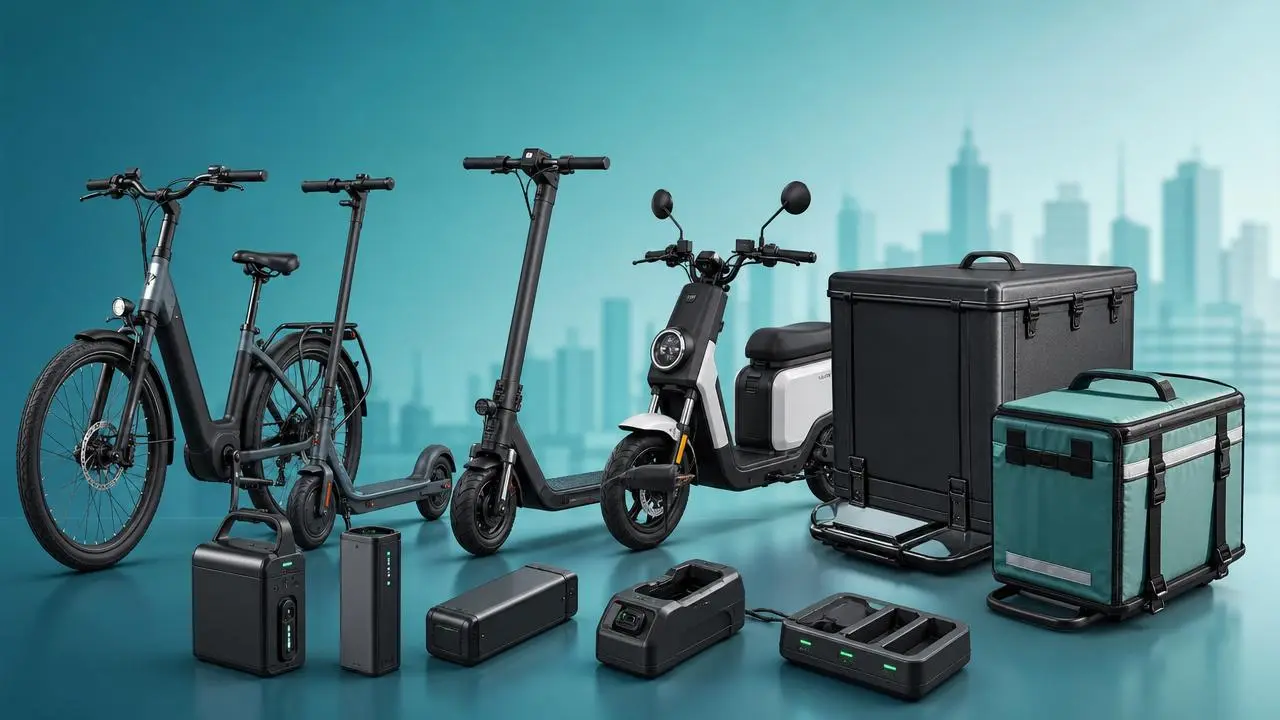
Battery Subsidy Europe: Which E-bike and Scooter Incentives Lower Total Cost?
Battery subsidy Europe explained: compare e-bike and scooter incentives, real battery cost impact, and where grants, leasing, and city rebates can truly lower total ownership cost.
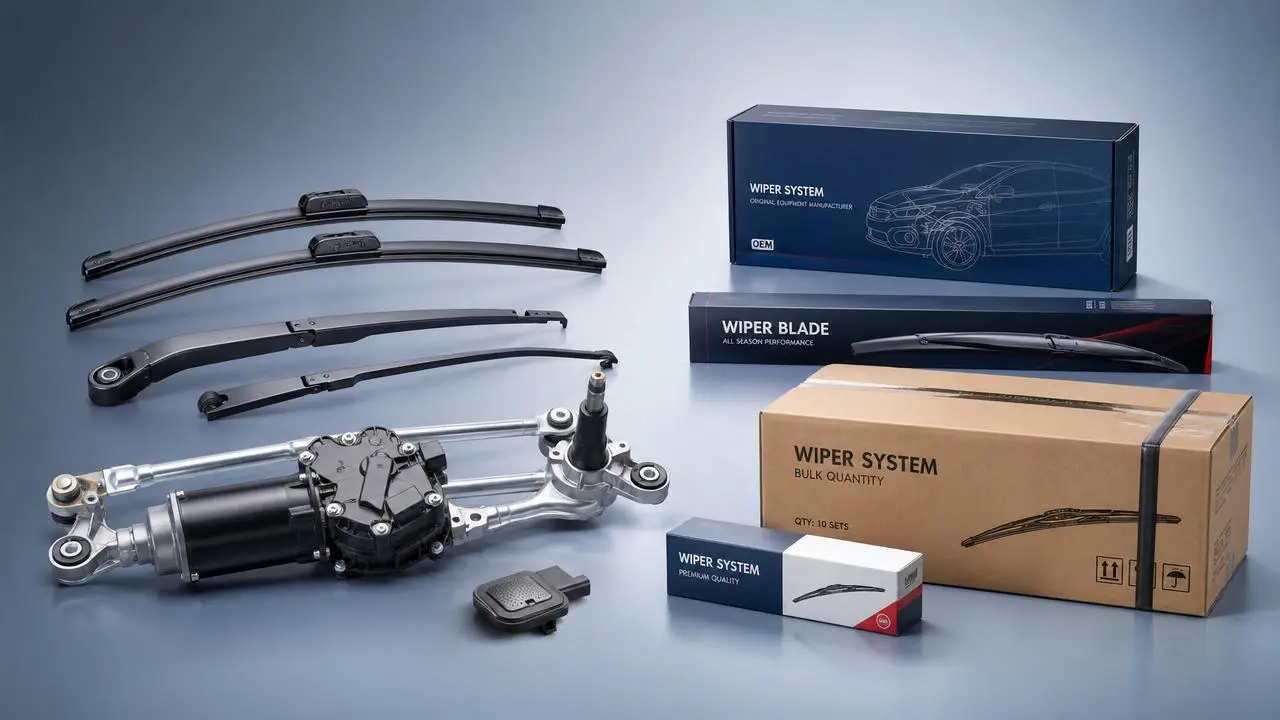
Wiper System Price Breakdown: What Changes Cost Across OEM, Aftermarket, and Fleet Orders
Wiper system price explained: compare OEM, aftermarket, and fleet costs, uncover hidden charges, and learn how to choose suppliers for better value, lower risk, and smarter sourcing.
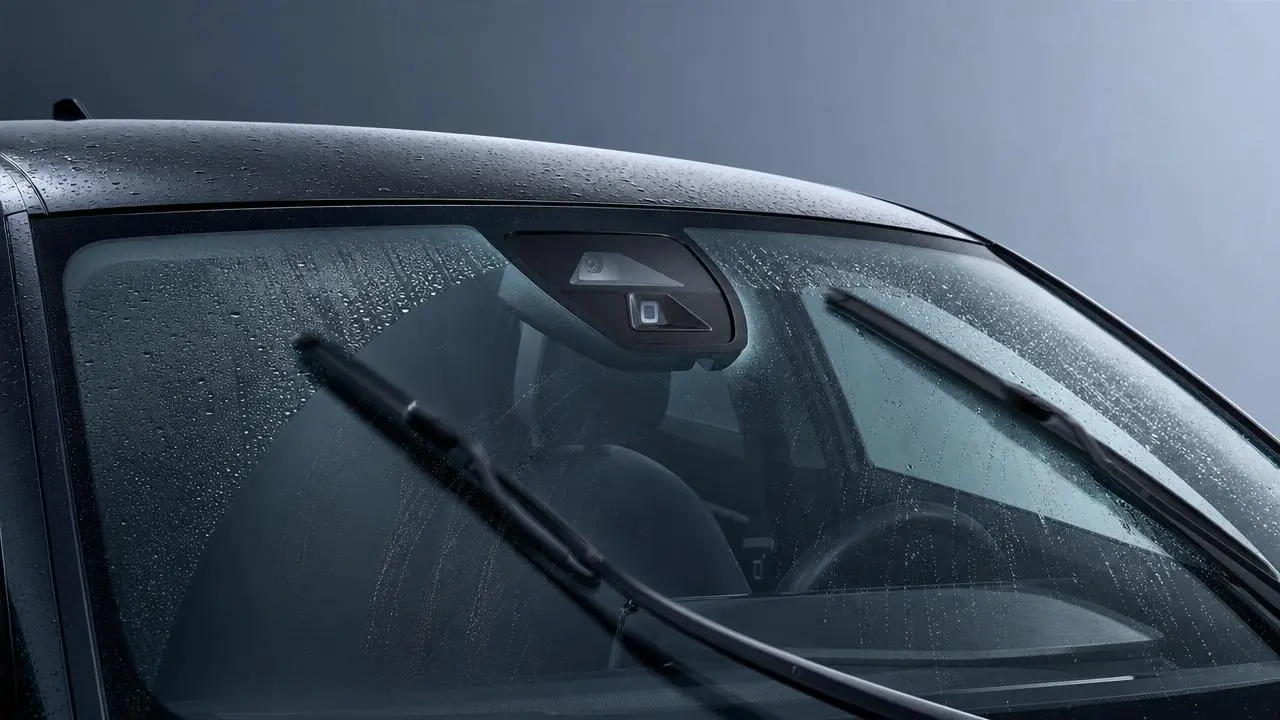
Wiper Sensor Technology: How Rain Detection Works and What Affects Response Accuracy
Wiper sensor technology explained: learn how rain detection works, what affects response accuracy, and how to evaluate reliable, safety-focused performance across modern mobility platforms.
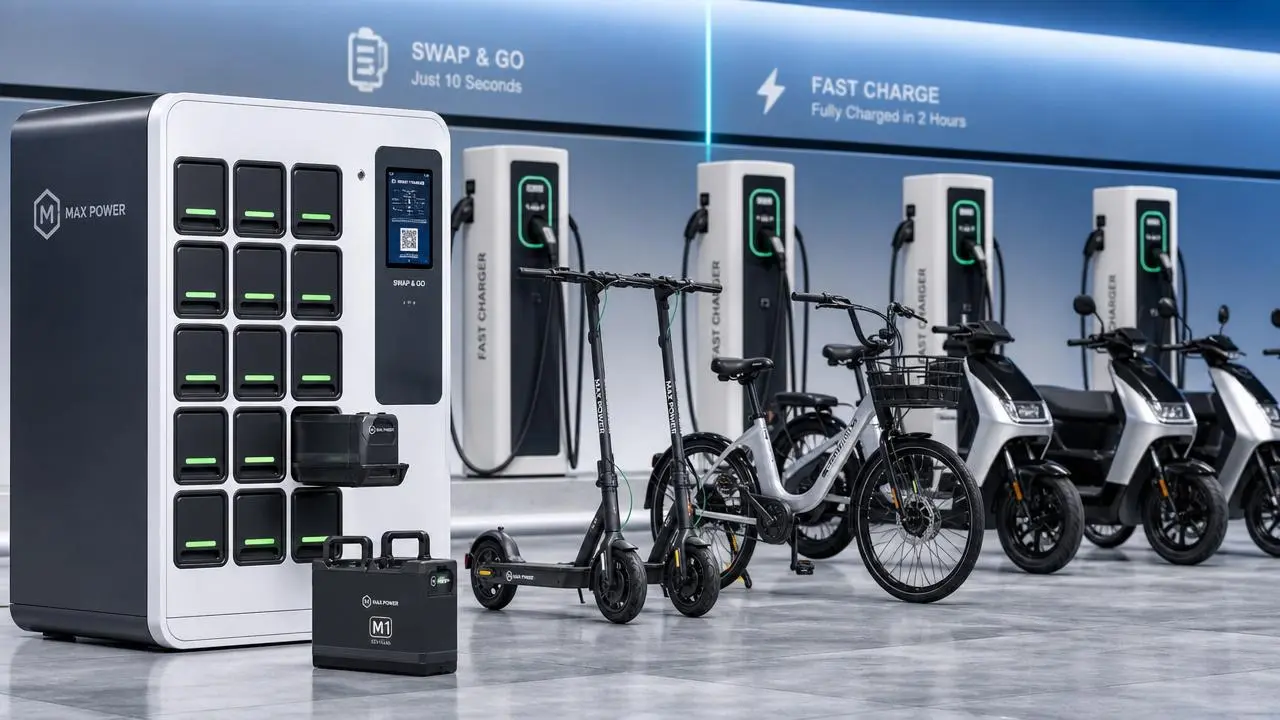
Battery Swapping vs Fast Charging: Which Lowers Fleet Downtime and Operating Costs?
Battery swapping vs fast charging: discover which model cuts fleet downtime, improves uptime, and lowers operating costs for e-bikes, scooters, and urban mobility fleets.
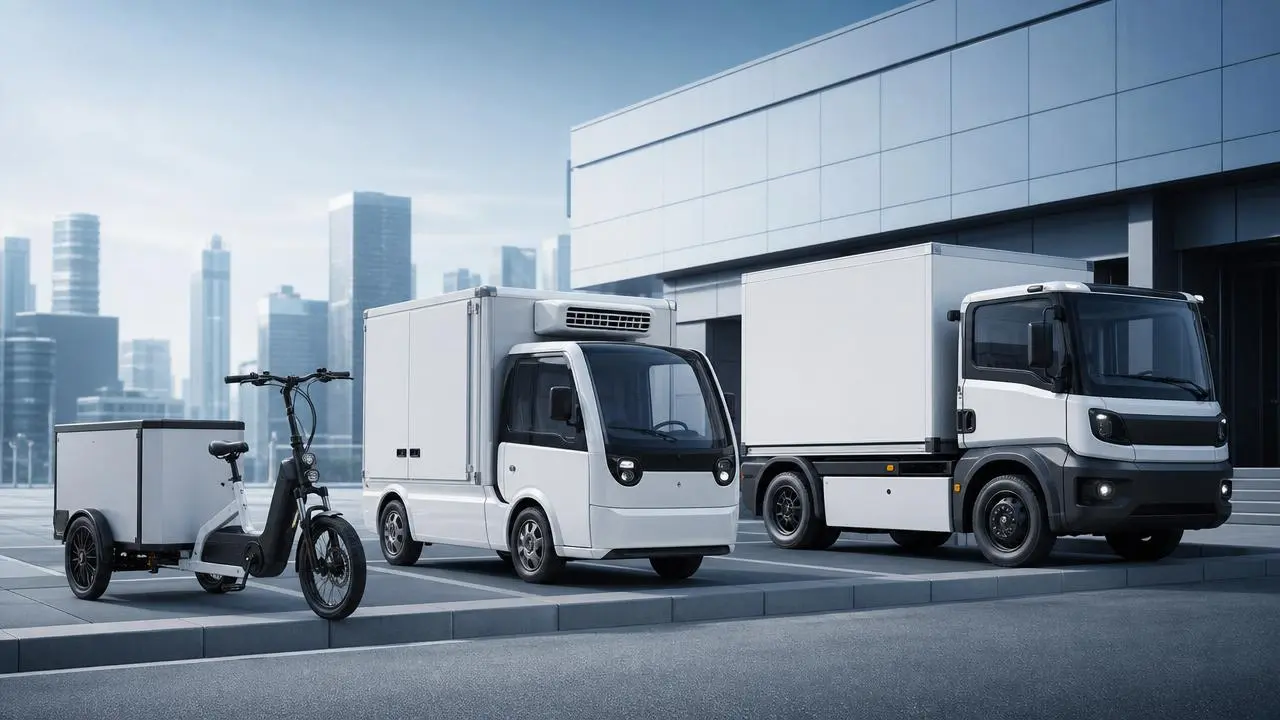
How to Choose Last Mile Delivery Solutions for Urban Routes, Cold Chain, and Heavy Loads
Last mile delivery solutions for urban routes, cold chain, and heavy loads: learn how to compare fleet fit, control risk, and improve delivery performance with a smarter decision framework.
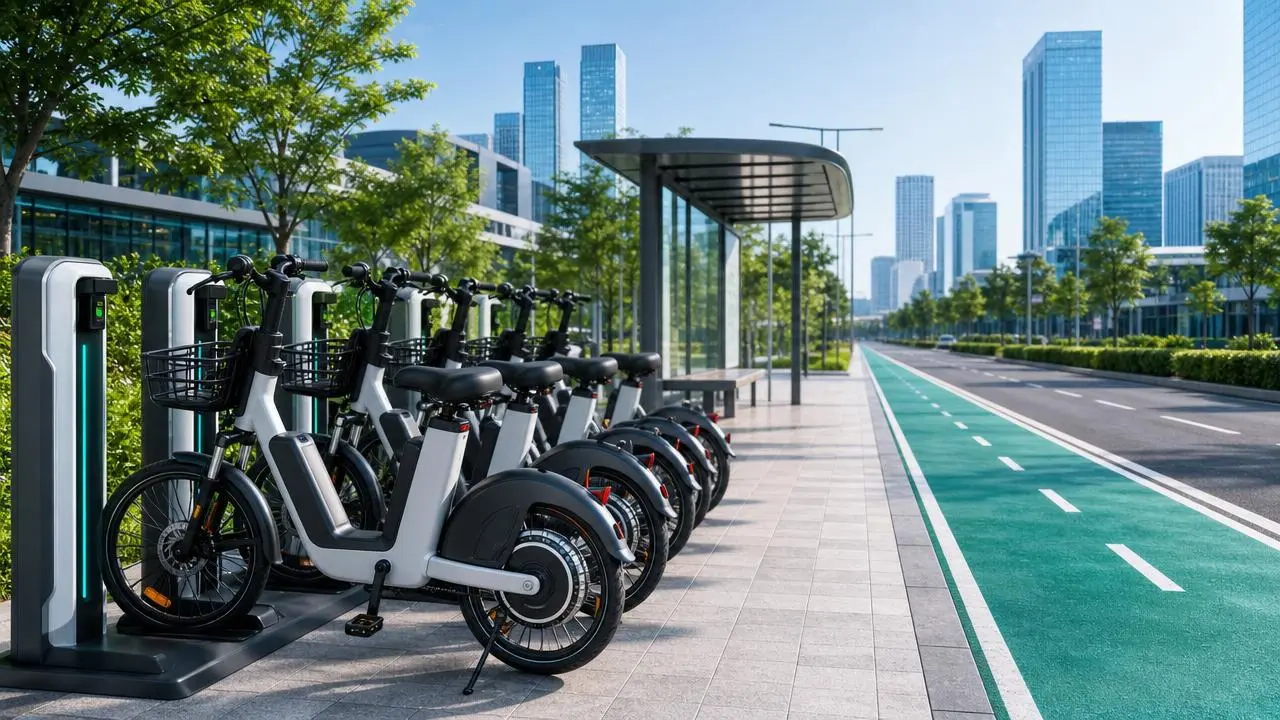
Shared Electric Bike Market Explained: Growth Drivers, City Models, and Revenue Risks
Shared electric bike market trends are reshaping urban mobility. Explore growth drivers, city models, revenue risks, and what defines profitable, regulation-ready fleets.