
Related News
- 00
0000-00
EMI Interference Mitigation Methods: Shielding, Grounding, and Filter Selection Explained - 00
0000-00
Wiper System Market Analysis: Demand Drivers, OEM Trends, and Aftermarket Opportunities - 00
0000-00
Connected Two Wheelers: Which Telematics Features Matter for Fleet Control? - 00
0000-00
Battery Subsidy Europe: Which E-bike and Scooter Incentives Lower Total Cost? - 00
0000-00
How to Choose Last Mile Delivery Solutions for Urban Routes, Cold Chain, and Heavy Loads
Ms. Elena Rodriguez
Weekly Insights
Stay ahead with our curated technology reports delivered every Monday.
Wiper System Market Analysis: Demand Drivers, OEM Trends, and Aftermarket Opportunities





The wiper system market is no longer a low-attention category
The wiper system market is moving into a more strategic position across global mobility supply chains.
What once looked like a routine visibility component now reflects larger shifts in safety, electronics, and platform design.
That change is especially visible in segments tied to urban mobility, compact vehicles, and weather-sensitive transport usage.
For platforms tracking the last-mile transition, this matters because visibility systems increasingly connect with sensor logic, power management, and vehicle reliability.
The immediate signal is clear: demand is no longer shaped only by vehicle output volumes.
It is now influenced by stricter safety expectations, OEM design upgrades, and a durable replacement cycle in the aftermarket.
In the broader mobility ecosystem, the wiper system market also benefits from a deeper industry focus on fail-safe operation under rain, dust, and mixed urban conditions.
Why recent demand signals are becoming more visible
Recent movement in the wiper system market comes from a combination of production recovery and specification upgrades.
Vehicle output still matters, but it explains less than before.
A stronger driver is the way OEMs treat visibility systems as part of a broader safety architecture.
This is where blade design, motor efficiency, sensor response, and control integration begin to affect market value.
In practical terms, the market is being reshaped by the following forces:
- Regulatory pressure on visibility performance in heavy rain, snow, and debris exposure.
- Higher OEM use of rain sensors and electronic control modules.
- Demand for quieter, lighter, and more aerodynamic wiping solutions.
- Replacement demand from aging fleets in passenger, commercial, and shared mobility operations.
- Growth of compact electric platforms that require energy-conscious auxiliary systems.
The last point deserves more attention.
As electrification expands, even relatively small subsystems are reviewed for efficiency, packaging, and software compatibility.
That creates new opportunities for suppliers able to combine durable mechanics with low-power electronic control.
OEM priorities are shifting from standardization to smarter integration
The OEM side of the wiper system market is changing in a subtle but important way.
Older procurement logic often emphasized cost consistency and platform carryover.
Now the conversation includes software communication, sensor calibration, and aerodynamic drag reduction.
Flat blades, brushless motors, and intelligent wipe control are gaining attention because they support several priorities at once.
They improve visibility stability, reduce maintenance noise, and fit better with modern vehicle electronics.
This trend is relevant beyond traditional passenger cars.
In urban micro-mobility adjacent systems, where compact architecture and harsh weather resilience matter, smart wiper sensors and efficient actuation logic reflect the same engineering direction.
That is consistent with UMMS’s wider lens on electromechanical efficiency and intelligent mobility subsystems.
The result is a market with wider performance differentiation than headline volume figures suggest.
The aftermarket remains one of the most stable opportunity pools
The aftermarket continues to anchor the wiper system market, especially when new vehicle cycles become uneven.
Blades are consumable, but replacement behavior is not purely routine.
It depends on climate, road contamination, fleet usage intensity, and consumer sensitivity to safety performance.
In mature regions, premium replacement products gain traction when they promise quieter operation, better durability, and cleaner windshield contact.
In cost-sensitive regions, the volume story is stronger, but quality inconsistency remains a major issue.
That creates a split aftermarket, not a single one.
One side rewards brand trust and fit precision.
The other side rewards distribution reach and acceptable durability at controlled price points.
This is also where data matters.
Replacement cycles can be mapped more accurately by region, weather volatility, and fleet density than by national vehicle parc alone.
For businesses evaluating entry or expansion, that level of segmentation often reveals better opportunities than broad market averages.
Regional and mobility-specific differences are shaping market quality
Not every region is moving through the wiper system market in the same way.
North America and Europe continue to reward performance upgrades, compliance strength, and established aftermarket brands.
Asia-Pacific shows a more mixed picture.
It combines large production potential with highly varied price tolerance, vehicle classes, and weather patterns.
That makes local adaptation more important than headline scale.
The same logic applies to mobility categories.
Urban delivery vehicles, compact electric platforms, specialty utility vehicles, and selected micro-mobility adjacencies all place different demands on wiping systems.
Some need compact motors and sealed electronics.
Others prioritize long replacement intervals and low-noise operation.
Seen through the UMMS perspective, this cross-segment variation matters because the future of mobility hardware is increasingly modular, connected, and climate responsive.
The wiper system market fits that direction more closely than many assume.
What deserves closer attention over the next planning cycle
The next phase of the wiper system market will likely be defined by selective upgrading rather than uniform expansion.
That means market evaluation should go beyond total size and look at where pricing power is actually forming.
- Track how safety standards influence blade performance specifications and test requirements.
- Compare OEM platforms by sensor adoption, electrical architecture, and auxiliary power constraints.
- Map aftermarket replacement behavior by weather severity, fleet type, and channel structure.
- Watch materials innovation in rubber compounds, coatings, and corrosion-resistant assemblies.
- Assess whether smart visibility systems are becoming standard in compact electric mobility platforms.
A useful working assumption is that the wiper system market will become more polarized.
Low-end commoditized supply will remain active, but margin quality will increasingly sit in engineered reliability, integration capability, and aftermarket fit accuracy.
That is why technical credibility and channel intelligence need to be evaluated together, not separately.
A grounded way to approach the opportunity
The wiper system market is becoming a better indicator of how mobility hardware is evolving overall.
It reflects the convergence of regulation, electronics, energy efficiency, and replacement economics.
That makes it more than a component category tied to rainfall and vehicle output.
It is now a useful lens for judging where safety-led upgrades and service-led resilience may create defensible value.
A practical next step is to review market exposure in three layers: OEM integration depth, aftermarket replacement quality, and regional weather-linked demand patterns.
From there, it becomes easier to compare technology paths, prioritize segments, and build a phased response plan around the most credible growth signals.
Related News
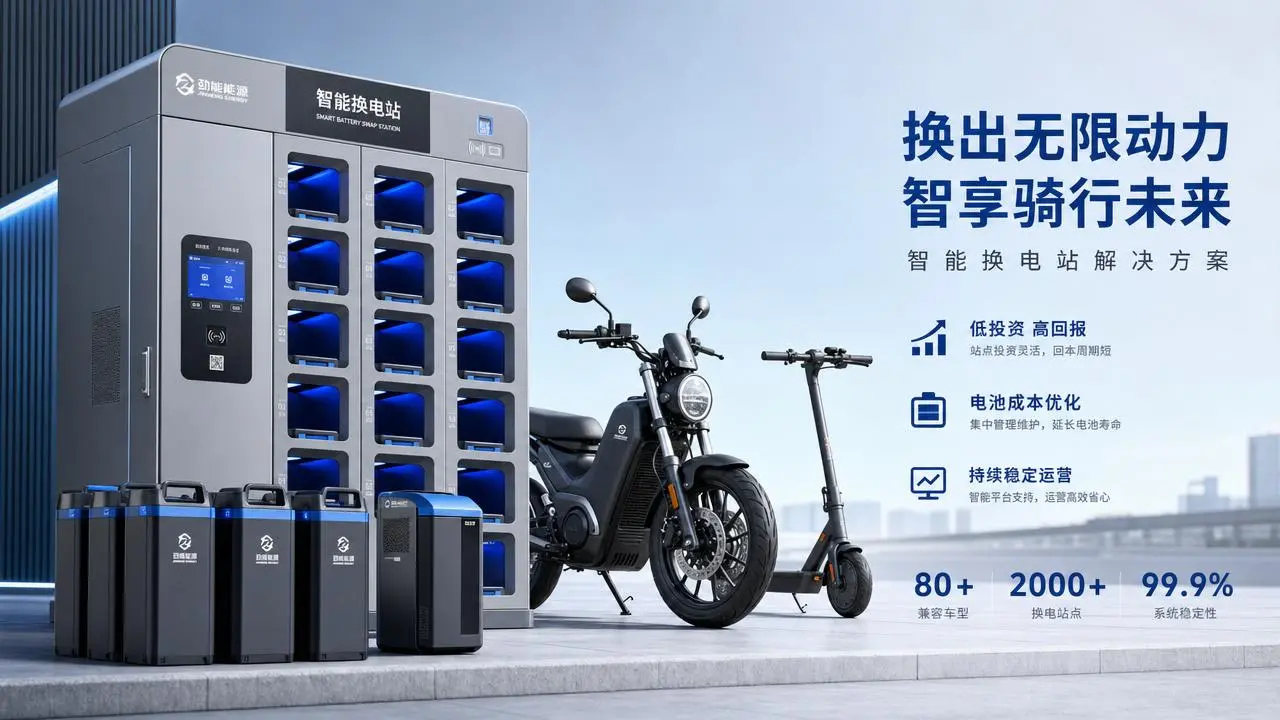
Battery Swapping Cost Breakdown: Station CapEx, Pack Pricing, and Operating Fees
Battery swapping cost explained: compare station CapEx, battery pack pricing, and operating fees to forecast ROI, reduce risk, and choose the right deployment model.
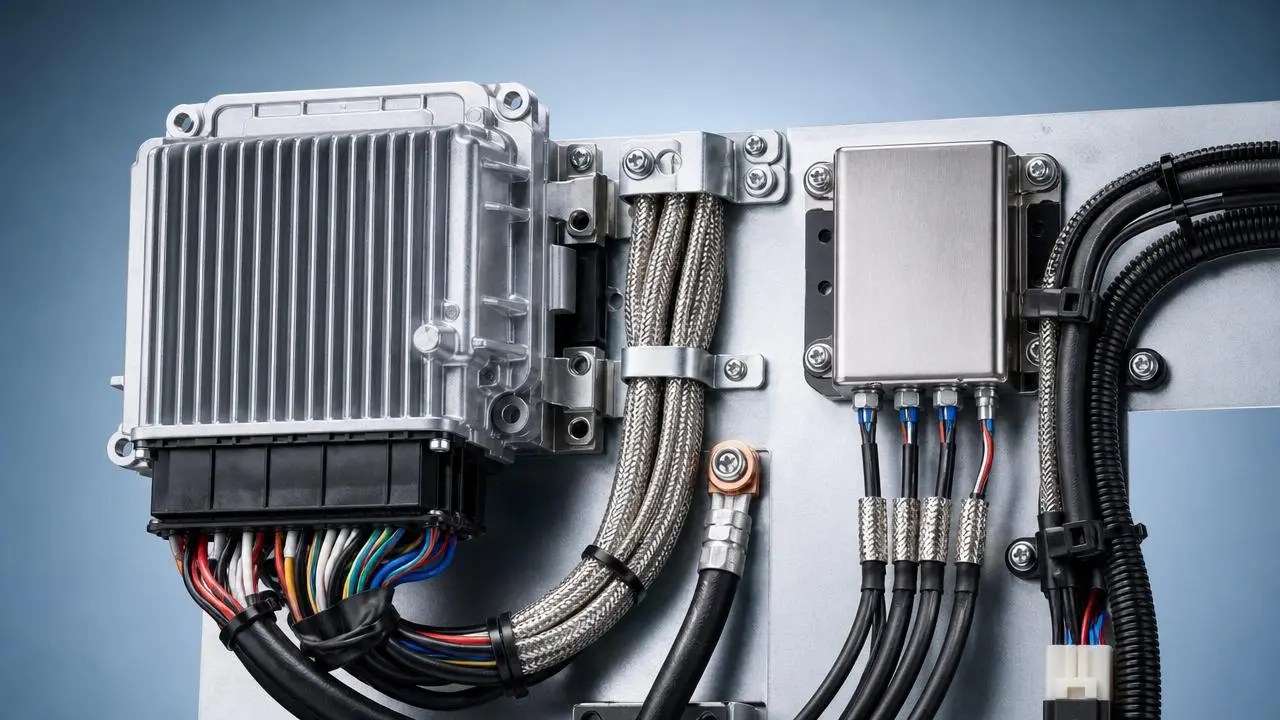
EMI Interference Mitigation Methods: Shielding, Grounding, and Filter Selection Explained
EMI interference mitigation explained for micro-mobility electronics: learn how shielding, grounding, and filter selection improve reliability, compliance, and system performance.
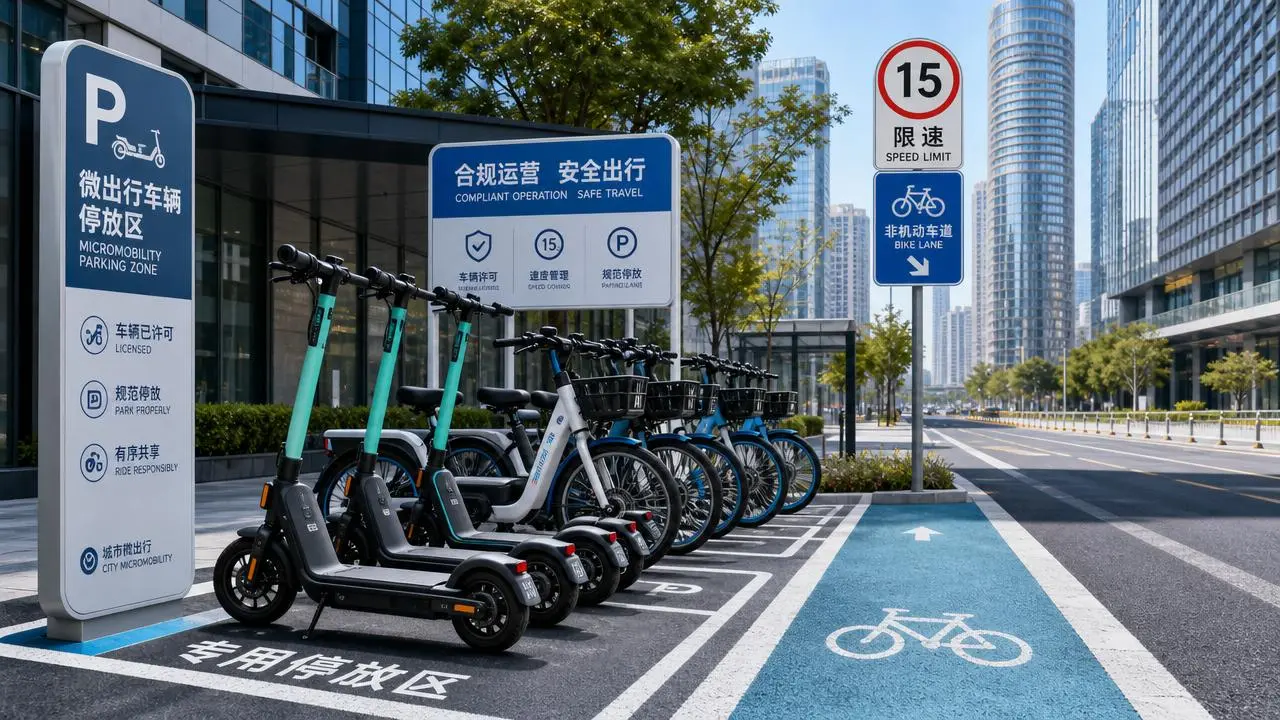
How Micromobility Regulations Affect Fleet Permits, Speed Limits, and Parking Rules
Micromobility regulations shape fleet permits, speed limits, and parking rules. Learn how city compliance impacts growth, safety, costs, and smarter fleet expansion.
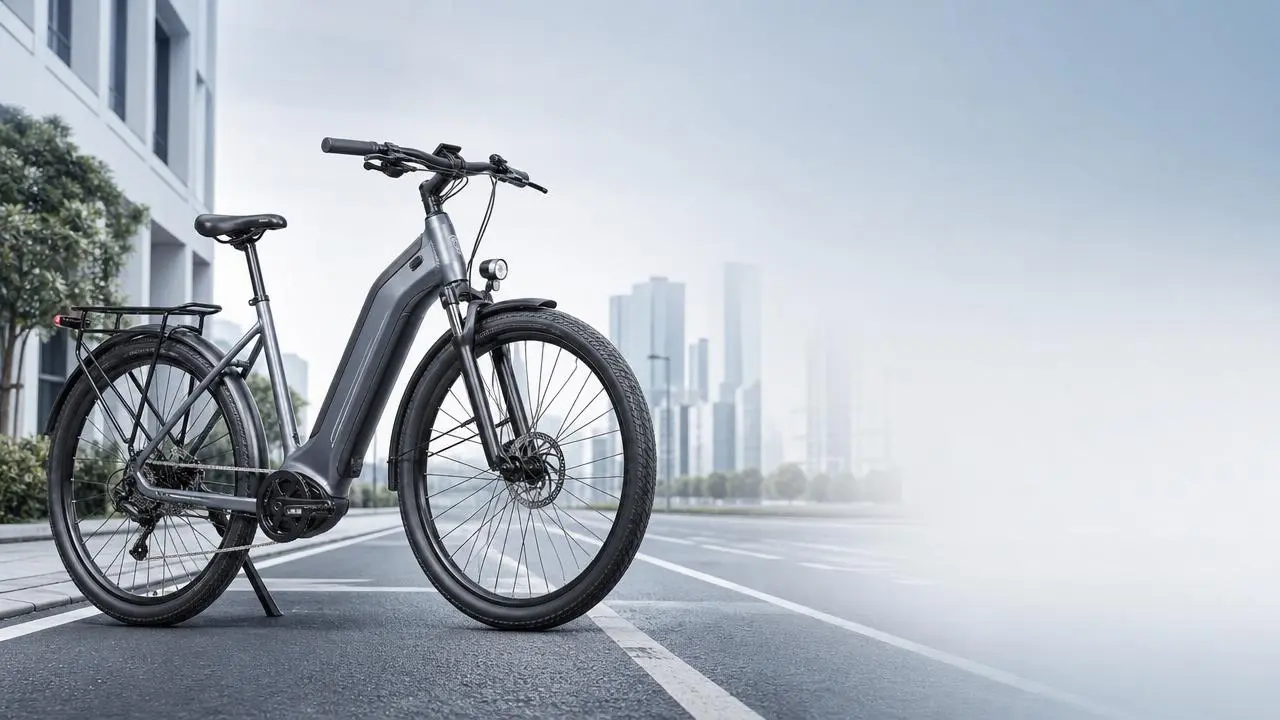
Commuter E-Bikes Explained: Range, Motor Torque, and Fit for Daily City Riding
Commuter e bikes explained for real city riding: compare honest range, motor torque, and bike fit to choose a smarter, more comfortable daily commute.
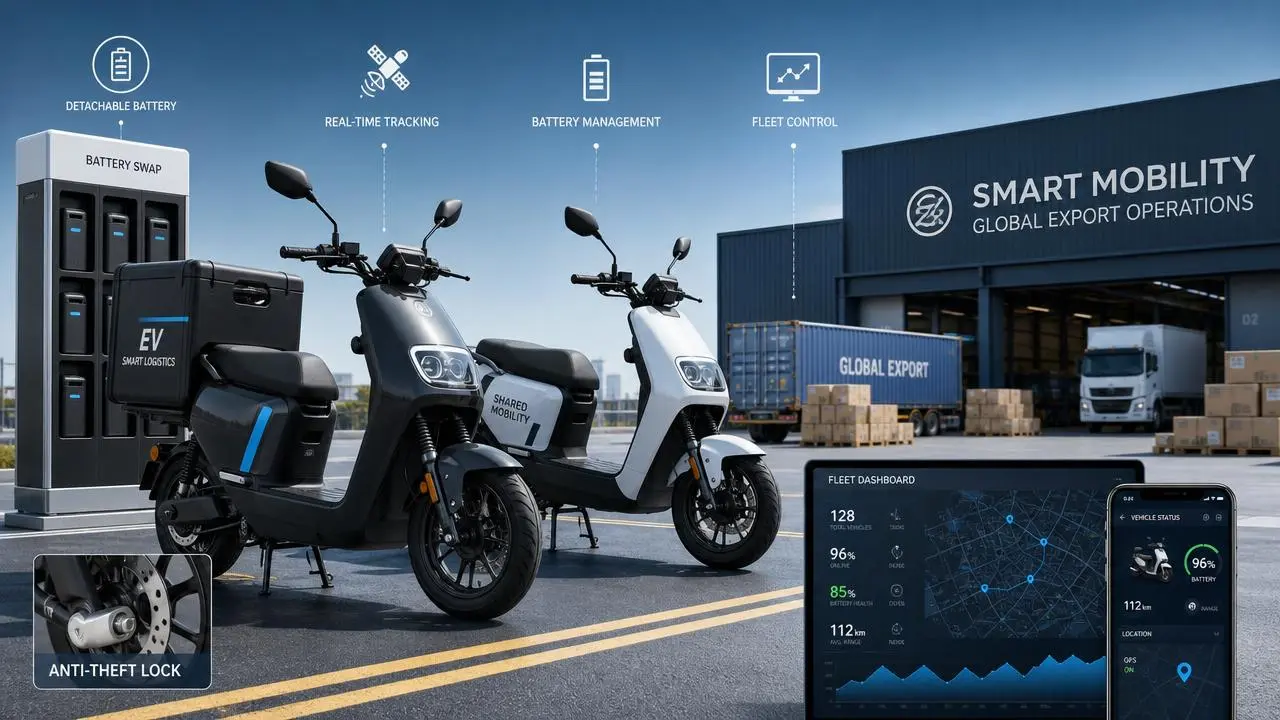
Connected Two Wheelers: Which Telematics Features Matter for Fleet Control?
Connected two wheelers need more than basic GPS. Discover the telematics features that improve fleet control, battery insight, safety, uptime, and theft protection.
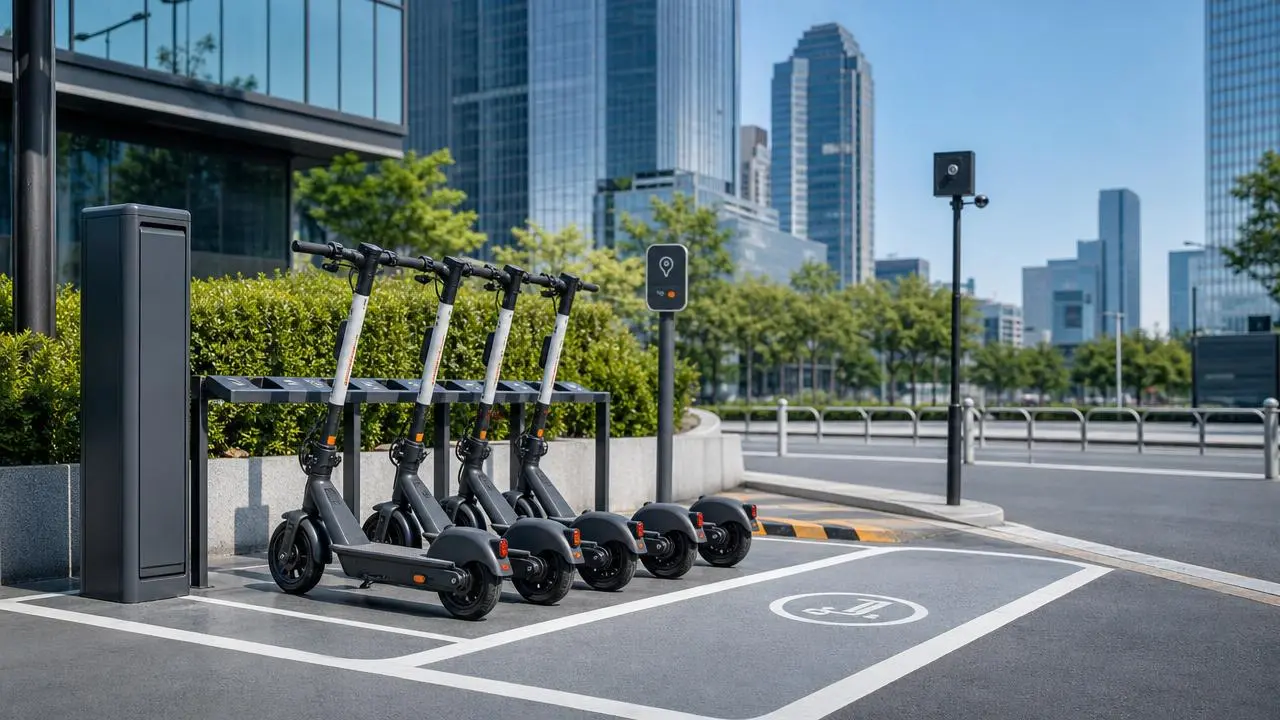
Shared Scooters China: Operating Models, Policy Risks, and Expansion Lessons
Shared scooters China reveals the real drivers of micro-mobility success: operating models, policy risks, and scalable expansion lessons for smarter urban growth.

Micro Mobility Adoption Barriers: What Stops Cities From Scaling Daily Use?
Micro mobility adoption barriers are keeping cities stuck in pilot mode. Explore how regulation, infrastructure, safety, and economics block reliable daily use.
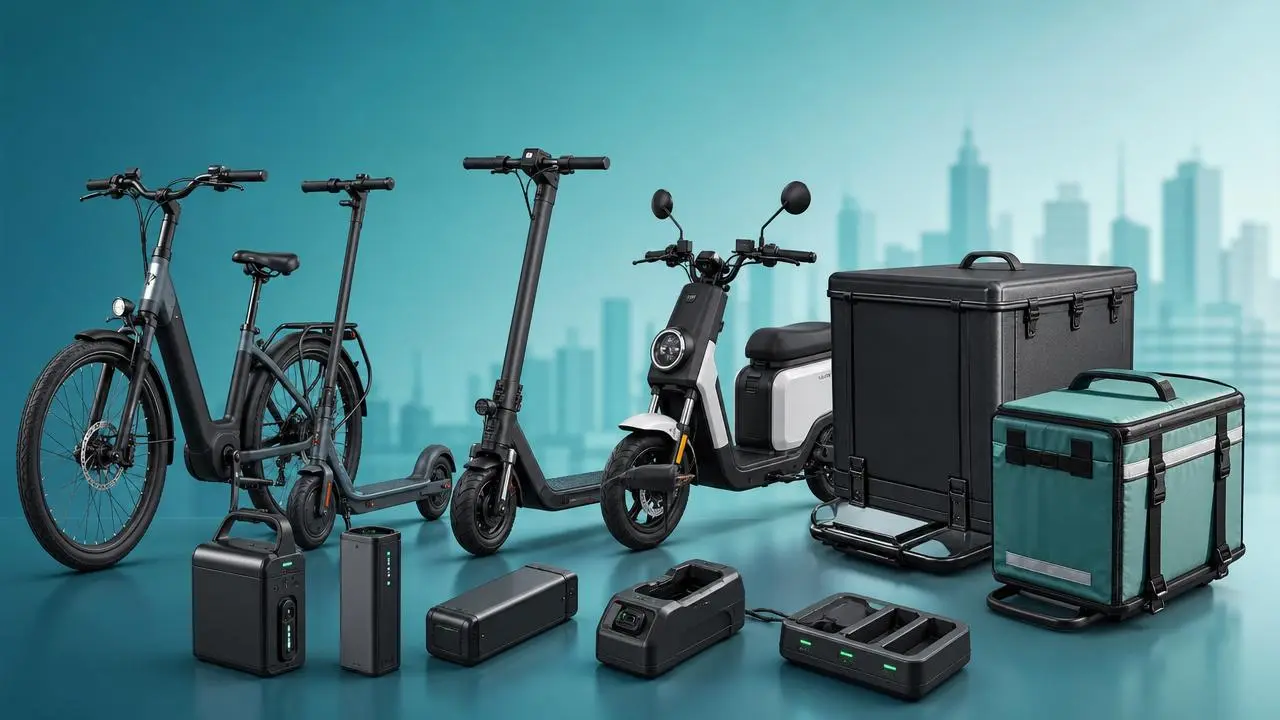
Battery Subsidy Europe: Which E-bike and Scooter Incentives Lower Total Cost?
Battery subsidy Europe explained: compare e-bike and scooter incentives, real battery cost impact, and where grants, leasing, and city rebates can truly lower total ownership cost.
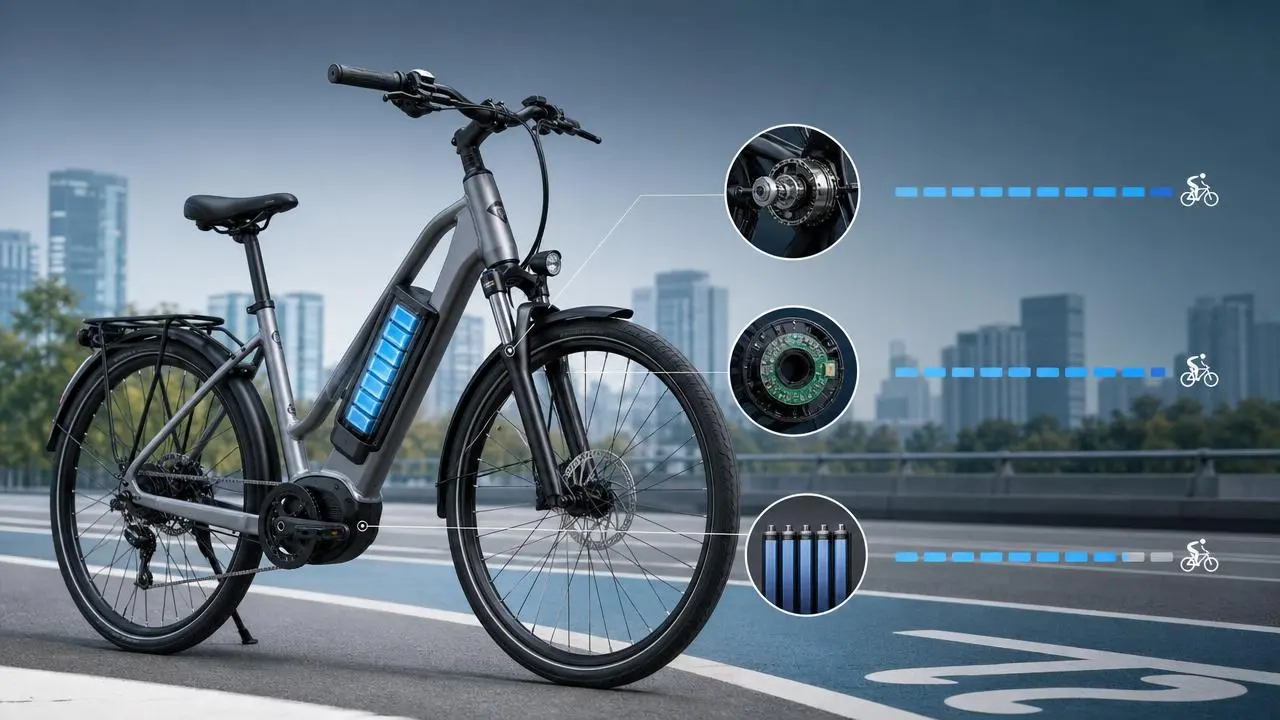
Pedal Assist Ebike Buying Guide: Motor Torque, Sensor Type, and Range Explained
Pedal assist ebike buying guide: learn how motor torque, sensor type, and real-world range affect comfort, control, and value—compare smarter before you buy.