
Related News
- 00
0000-00
Battery Swapping Cost Breakdown: Station CapEx, Pack Pricing, and Operating Fees - 00
0000-00
Battery Swapping vs Fast Charging: Which Lowers Fleet Downtime and Operating Costs? - 00
0000-00
Battery Technology Trends for Swappable Scooters: Energy Density, Charging Speed, and Cycle Life - 00
0000-00
How Battery-Swapping Networks Work for Urban Fleets: Cost, Uptime, and Site Planning - 00
0000-00
Can battery-swapping networks reduce fleet downtime?
Electric Powertrain Analyst
Weekly Insights
Stay ahead with our curated technology reports delivered every Monday.
Battery Swapping Cost Breakdown: Station CapEx, Pack Pricing, and Operating Fees





Battery Swapping Cost Breakdown: Station CapEx, Pack Pricing, and Operating Fees
For financial approvers, battery swapping cost is not a single line item. It is a layered capital and operating decision.
A swapping network may look simple from the outside. In practice, the economics depend on asset intensity, battery ownership, and daily utilization.
That matters even more in e-bikes, smart e-scooters, and high-speed e-motorcycles, where margins are often tight and scale decides viability.
This battery swapping cost breakdown examines station CapEx, pack pricing, and recurring fees. The goal is clearer approval logic and better cost forecasting.
Why battery swapping cost needs a full-system view
A common mistake is focusing only on station hardware. That understates total exposure and can distort payback expectations.
In most deployments, battery swapping cost includes three linked pools of spending. Each pool scales differently as networks expand.
- Station CapEx for cabinets, power modules, fire protection, software, and site setup.
- Battery pack investment for the active fleet and reserve inventory.
- Operating fees for electricity, maintenance, connectivity, rent, and service labor.
The more useful view is cost per swap, cost per rider, and cost per delivered kilometer. Those metrics align better with procurement decisions.
This also means a lower sticker price does not always mean a lower battery swapping cost over time.
Station CapEx: the first major block of battery swapping cost
Station CapEx usually sets the entry barrier. It also shapes how quickly a network can scale across dense urban routes.
Core hardware and enclosure cost
The cabinet itself is only one piece. Financial reviews should include charging modules, thermal management, connectors, locking systems, and safety sensors.
Weatherproof design raises cost, but it often reduces failures and extends service life. That tradeoff is usually favorable in outdoor mobility networks.
Electrical and site preparation
Site works are frequently underestimated. Grid access, distribution panels, cabling, grounding, permits, and civil adjustments can materially increase battery swapping cost.
Urban sites with limited power availability may require upgrades. In some cases, that cost exceeds the cabinet premium between two vendors.
Software and system integration
A modern swapping station is not just metal and batteries. It is also an operating system for authentication, charging logic, telemetry, and revenue settlement.
Integration with fleet platforms, rider apps, and payment gateways adds upfront cost. Yet poor integration creates leakage and weakens operational control.
Useful CapEx questions before approval
- What is the all-in installed cost per station, not the ex-factory cabinet price?
- How many battery slots are usable at peak demand?
- What safety certifications support insurance and local compliance?
- What software licenses are one-time, and which become recurring fees?
Battery pack pricing: the hidden driver of battery swapping cost
In many projects, battery pack pricing becomes the largest share of battery swapping cost. That is especially true when reserve inventory is high.
Pack chemistry and performance level
Pack cost changes with cell chemistry, energy density, cycle life, thermal design, and BMS sophistication. Cheaper packs may weaken total lifecycle returns.
For high-speed e-motorcycles, performance demands often require more advanced packs. That raises procurement cost, but may improve rider acceptance and station throughput.
Inventory ratio and spare capacity
A network does not operate with one pack per vehicle. It needs charging inventory, safety stock, and redistribution buffer.
This is where battery swapping cost can rise sharply. An extra inventory ratio of even 0.3 to 0.5 packs per vehicle changes capital needs fast.
Residual value and replacement timing
Battery packs are depreciating assets. Their replacement cycle should be tied to capacity fade, safety thresholds, and service-level commitments.
A lower initial price can still mean a higher battery swapping cost if replacement arrives earlier than planned.
Pack pricing checkpoints
- Quoted price per pack and price per usable kWh.
- Guaranteed cycle life under real operating conditions.
- BMS data visibility for health tracking and warranty claims.
- Second-life or buyback options that support residual value.
Operating fees: the recurring side of battery swapping cost
Once stations launch, operating fees decide whether margins improve or erode. These costs are smaller per month, but relentless over time.
Electricity and demand management
Electricity is the most visible operating fee. Yet tariffs vary by hour, site type, and contracted power demand.
Smart charging can lower battery swapping cost by shifting load. Without that control, energy spend becomes harder to predict.
Maintenance, repairs, and field service
Locks fail, fans clog, screens break, and connectors wear. A realistic model should include preventive maintenance and emergency call-outs.
In actual operations, response time matters almost as much as repair cost. Downtime reduces swaps and inflates effective battery swapping cost.
Connectivity, software, and support
SIM fees, cloud hosting, software subscriptions, and cybersecurity support often sit outside initial CapEx quotes. They still belong in the same approval model.
The clearer signal here is that digital operating costs rise with station count and data complexity.
Rent, insurance, and compliance
Premium locations improve rider convenience, but they raise rent. Insurance and safety compliance can also vary sharply between cities and asset classes.
For that reason, battery swapping cost should always be modeled by site cluster, not by one generic average.
How to compare battery swapping cost across deployment models
Not every project should buy and own everything. The right structure depends on capital strategy, risk appetite, and speed requirements.
Owned infrastructure model
Full ownership gives maximum control over standards, data, and margins. It also creates the heaviest upfront battery swapping cost.
This model works best when utilization is predictable and balance sheet capacity is strong.
Asset-light partnership model
A partner can own stations, packs, or both. That reduces CapEx pressure, but shifts cost into service fees and long-term dependency.
The question is not whether this model is cheaper. The question is whether it lowers risk-adjusted battery swapping cost.
Hybrid rollout model
Many operators start with outsourced infrastructure, then internalize selected assets after demand stabilizes. This can smooth learning and preserve flexibility.
From a procurement standpoint, hybrid models need clear triggers for ownership transfer and pricing review.
Practical evaluation framework for approval
A useful review framework keeps battery swapping cost grounded in operational reality. It also avoids overconfidence from aggressive utilization assumptions.
- Calculate all-in installed station cost by location type.
- Model battery pack investment using realistic spare ratios.
- Stress-test replacement cycles against climate and duty intensity.
- Separate fixed operating fees from variable energy and service costs.
- Translate the result into cost per swap and payback under low, base, and high utilization.
That final step is critical. A project may look attractive on annual revenue, yet still carry weak battery swapping cost efficiency during ramp-up.
Final take: where battery swapping cost really converges
Battery swapping cost converges where three factors meet: high station utilization, disciplined battery inventory, and reliable operations.
If one of those fails, the economics weaken quickly. If all three align, swapping can become a scalable infrastructure model for urban two-wheel mobility.
Before approval, compare vendors and models using total lifecycle cost, not promotional hardware pricing. That is the clearest way to judge durable value.
In practical terms, the best next move is simple: request a location-based cost model, a battery replacement forecast, and a utilization sensitivity table before signing.
Related News
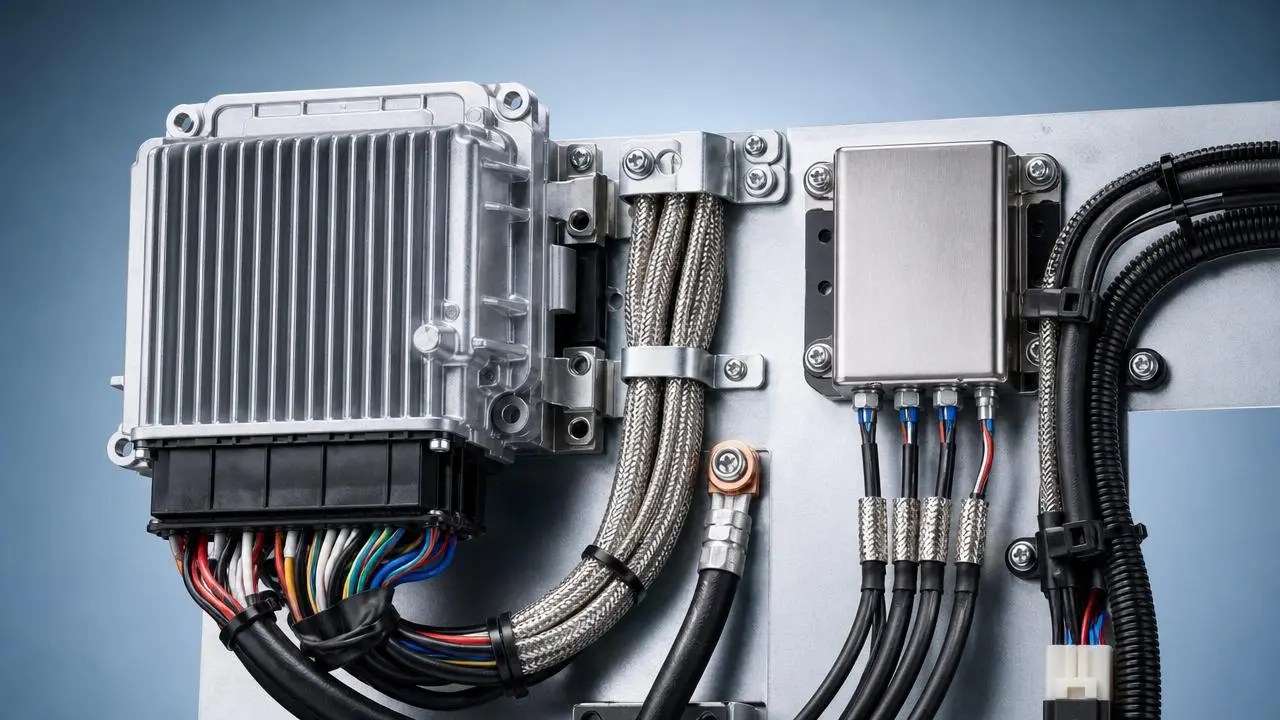
EMI Interference Mitigation Methods: Shielding, Grounding, and Filter Selection Explained
EMI interference mitigation explained for micro-mobility electronics: learn how shielding, grounding, and filter selection improve reliability, compliance, and system performance.
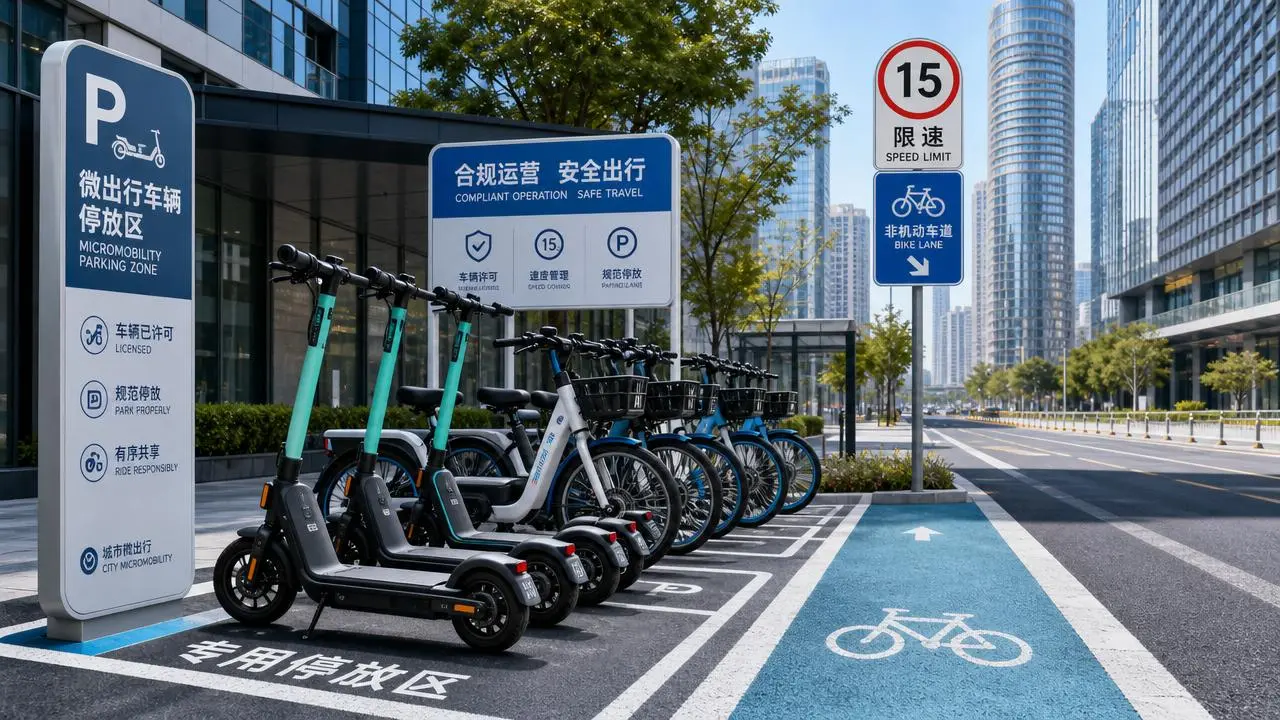
How Micromobility Regulations Affect Fleet Permits, Speed Limits, and Parking Rules
Micromobility regulations shape fleet permits, speed limits, and parking rules. Learn how city compliance impacts growth, safety, costs, and smarter fleet expansion.
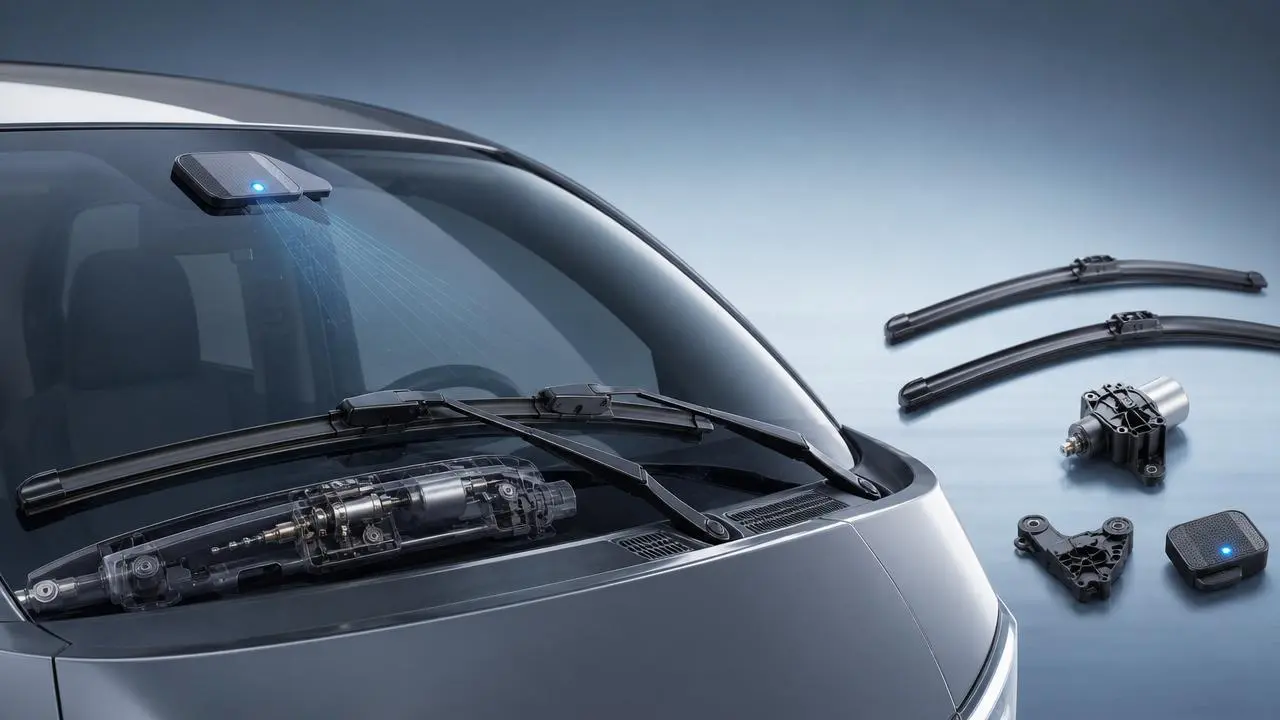
Wiper System Market Analysis: Demand Drivers, OEM Trends, and Aftermarket Opportunities
Wiper system market analysis of demand drivers, OEM integration trends, and aftermarket opportunities. Explore safety, electrification, and regional insights shaping future growth.

Commuter E-Bikes Explained: Range, Motor Torque, and Fit for Daily City Riding
Commuter e bikes explained for real city riding: compare honest range, motor torque, and bike fit to choose a smarter, more comfortable daily commute.
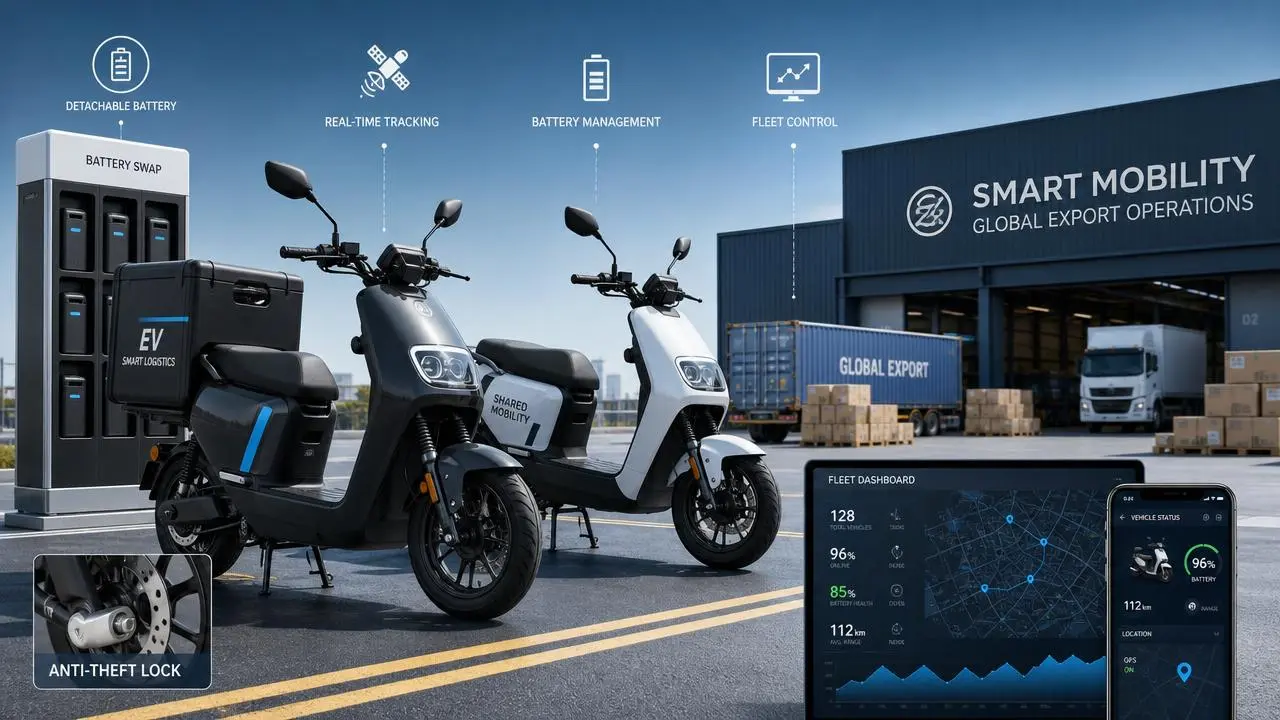
Connected Two Wheelers: Which Telematics Features Matter for Fleet Control?
Connected two wheelers need more than basic GPS. Discover the telematics features that improve fleet control, battery insight, safety, uptime, and theft protection.

Shared Scooters China: Operating Models, Policy Risks, and Expansion Lessons
Shared scooters China reveals the real drivers of micro-mobility success: operating models, policy risks, and scalable expansion lessons for smarter urban growth.

Micro Mobility Adoption Barriers: What Stops Cities From Scaling Daily Use?
Micro mobility adoption barriers are keeping cities stuck in pilot mode. Explore how regulation, infrastructure, safety, and economics block reliable daily use.

Battery Subsidy Europe: Which E-bike and Scooter Incentives Lower Total Cost?
Battery subsidy Europe explained: compare e-bike and scooter incentives, real battery cost impact, and where grants, leasing, and city rebates can truly lower total ownership cost.
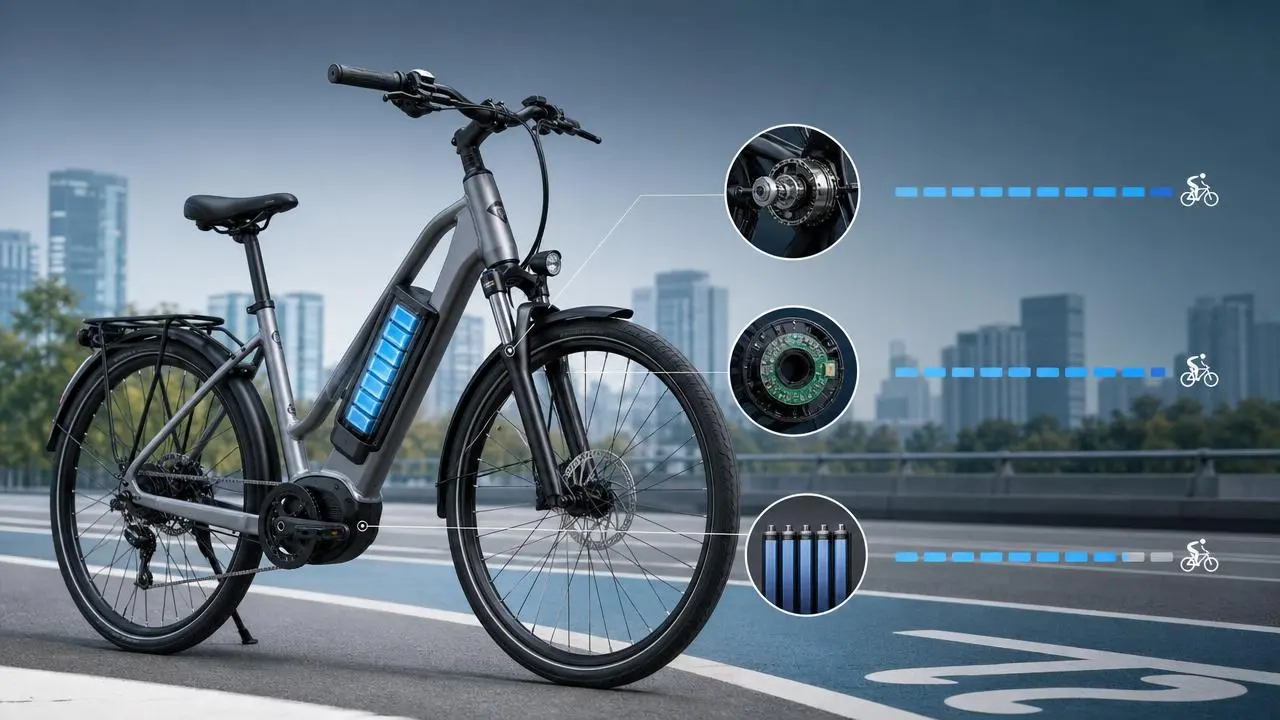
Pedal Assist Ebike Buying Guide: Motor Torque, Sensor Type, and Range Explained
Pedal assist ebike buying guide: learn how motor torque, sensor type, and real-world range affect comfort, control, and value—compare smarter before you buy.