
Related News
- 00
0000-00
Micro Mobility Adoption Barriers: What Stops Cities From Scaling Daily Use? - 00
0000-00
Green Mobility Demand Explained: What Is Driving Growth Across Urban Transport? - 00
0000-00
Electric Torque Market Analysis: What Buyers Should Watch in Pricing, Supply, and Demand - 00
0000-00
Micro Mobility Intelligence China: How Data Is Shaping Fleet Deployment and City Expansion - 00
0000-00
Electric Mobility Transition: Cost Drivers, Policy Risks, and ROI for City Projects
Prof. Marcus Chen
Weekly Insights
Stay ahead with our curated technology reports delivered every Monday.
Micro Mobility Adoption Barriers: What Stops Cities From Scaling Daily Use?





Micro-mobility is no longer blocked by curiosity, but by daily-use friction
Cities no longer struggle to explain micro-mobility. They struggle to normalize it.
That shift matters because the biggest micro mobility adoption barriers appear after public awareness is already established.
Pilots attract headlines, downloads, and trial rides. Daily commuting demands something harder: trust, routine, and system reliability.
Across e-bikes, smart e-scooters, and high-speed electric two-wheelers, the same pattern keeps emerging.
Usage grows quickly at launch, then plateaus when infrastructure, rules, and service economics fail to mature together.
From UMMS market observation, the issue is not whether the last-mile model is relevant.
The issue is whether urban systems can support repeatable, weather-resistant, safe, and financially viable daily use.
This is why micro mobility adoption barriers have become a board-level and policy-level question, not just an operational one.
The strongest recent signal is a move from expansion metrics to retention metrics
A few years ago, city conversations centered on fleet size, launch speed, and app penetration.
Now the conversation is changing toward repeat riders, utilization by corridor, parking compliance, and maintenance downtime.
That change reveals where micro mobility adoption barriers really live.
They are embedded in the gap between pilot convenience and everyday transport discipline.
In practical terms, a city may have scooters on the street and still lack a functioning micro-mobility system.
A city may subsidize e-bikes and still fail to create reliable modal shift.
The difference lies in whether transport planning, charging access, safety design, and component durability evolve together.
Why the plateau arrives faster than expected
- Trial use is driven by novelty, but commuting depends on predictability.
- Shared fleets can scale quickly, but curb management often lags behind.
- Vehicle technology improves fast, while right-of-way policy moves slowly.
- Investors seek density and margin, yet cities demand order and public acceptance.
These tensions explain why micro mobility adoption barriers keep resurfacing even in otherwise progressive urban markets.
Regulation is still fragmented, and that keeps daily riders cautious
One of the most persistent micro mobility adoption barriers is regulatory inconsistency across neighborhoods, vehicle classes, and operating models.
Rules for helmets, speed caps, parking, sidewalk riding, licensing, and battery charging often conflict or remain unclear.
That uncertainty affects rider behavior more than many operators expect.
People can tolerate ambiguity for a leisure ride. They avoid it when they are trying to arrive at work on time.
The problem grows sharper as the vehicle landscape becomes more diverse.
E-bikes, shared scooters, cargo bikes, and high-speed e-motorcycles do not fit one regulatory template.
UMMS has tracked how subsidy policy, curb-space rules, and right-of-way standards increasingly shape adoption outcomes.
The cities making progress are not always the ones spending the most.
They are often the ones reducing legal ambiguity around where, how, and when micro-mobility can operate.
Infrastructure gaps remain the most visible micro mobility adoption barriers
When a ride feels unsafe, inconvenient, or exposed to weather, daily use drops quickly.
This is where infrastructure matters far beyond bike lanes alone.
Secure parking, charging points, protected intersections, signage, and maintenance-friendly surfaces all influence repeat usage.
More cities now understand that micro-mobility is part of transport engineering, not just platform design.
That broader view also brings attention to component resilience.
For e-bikes and scooters, battery reliability and drivetrain efficiency affect service continuity.
For higher-speed use cases, braking confidence, thermal management, and visibility systems become central.
Even vehicle visibility technologies, including advanced wiper systems in related urban electric segments, reflect a larger truth.
If weather resilience is weak, people revert to cars or transit.
The infrastructure question is therefore physical and technical at the same time.
Where everyday friction usually appears
- No protected connection between residential streets and main transport corridors.
- Insufficient battery charging or swapping logic for dense fleet operations.
- Weak theft protection for privately owned e-bikes and precision components.
- Poor rain, night, or winter usability in core commuter routes.
Safety concerns are no longer a perception issue alone
Early market debates treated safety as a communications problem.
The current phase is more concrete. Safety is now a design, enforcement, and hardware issue.
This is another reason micro mobility adoption barriers persist despite rising consumer familiarity.
Riders pay attention to braking distance, lane conflict, lighting, tire stability, and battery fire risk.
Cities pay attention to pedestrian conflict and emergency response exposure.
Operators pay attention to claims, maintenance cost, and hardware damage rates.
These are connected, not separate, concerns.
From a systems perspective, safer adoption requires better batteries, more stable frames, smarter sensors, and clearer operating rules.
It also requires better component intelligence.
UMMS has highlighted how drivetrain precision, anti-interference control logic, and powertrain management increasingly influence rider confidence.
The lesson is simple: hardware quality has become a policy issue because bad hardware can destroy public trust.
The economics still look attractive on paper, but messy in operation
Some of the toughest micro mobility adoption barriers are financial rather than technical.
The unit economics of shared fleets remain vulnerable to vandalism, rebalancing cost, charging labor, compliance overhead, and seasonal demand swings.
Private ownership has different pressures, including financing, insurance, maintenance, and storage.
That complexity is why many promising launches fail to convert into stable urban mobility layers.
A city can support adoption goals and still struggle to define who pays for reliability.
A platform can show demand and still lose money serving fragmented corridors.
A hardware supplier can offer strong performance and still face slow uptake if public policy remains inconsistent.
This also affects adjacent categories.
Precision bicycle components, battery systems, and high-speed electric motorcycle platforms all depend on credible long-term adoption curves.
Without that visibility, investment stays selective.
What stronger business cases now require
- Route density tied to real commuting demand, not tourist traffic.
- Charging and maintenance models designed for uptime, not reactive repair.
- Vehicle specifications aligned with local weather, road quality, and theft risk.
- Data sharing frameworks that help cities manage fleets without stalling operators.
What deserves attention next is integration, not isolated deployment
The next phase of scaling will depend less on how many vehicles enter a city and more on how well they fit urban systems.
That means integration with transit, curb strategy, charging standards, weather resilience, and component intelligence.
It also means treating micro mobility adoption barriers as a cross-functional issue.
Transport policy, fleet software, battery engineering, precision drivetrain design, and public-space governance now intersect.
From recent market signals, the winners are likely to be those that read adoption quality more carefully than launch volume.
That is where strategic intelligence becomes useful.
UMMS follows these shifts across e-bikes, smart e-scooters, high-speed e-motorcycles, and critical component ecosystems.
The value is not in repeating that electrified two-wheelers are growing.
The value is in seeing why some cities convert momentum into habit while others remain stuck in pilot mode.
For the next planning cycle, the most useful move is to map where daily-use friction actually begins.
Compare policy gaps, charging logic, safety performance, and route design before expanding supply.
That approach will reveal whether micro mobility adoption barriers are operational, regulatory, or structural—and which ones can realistically be removed first.
Related News
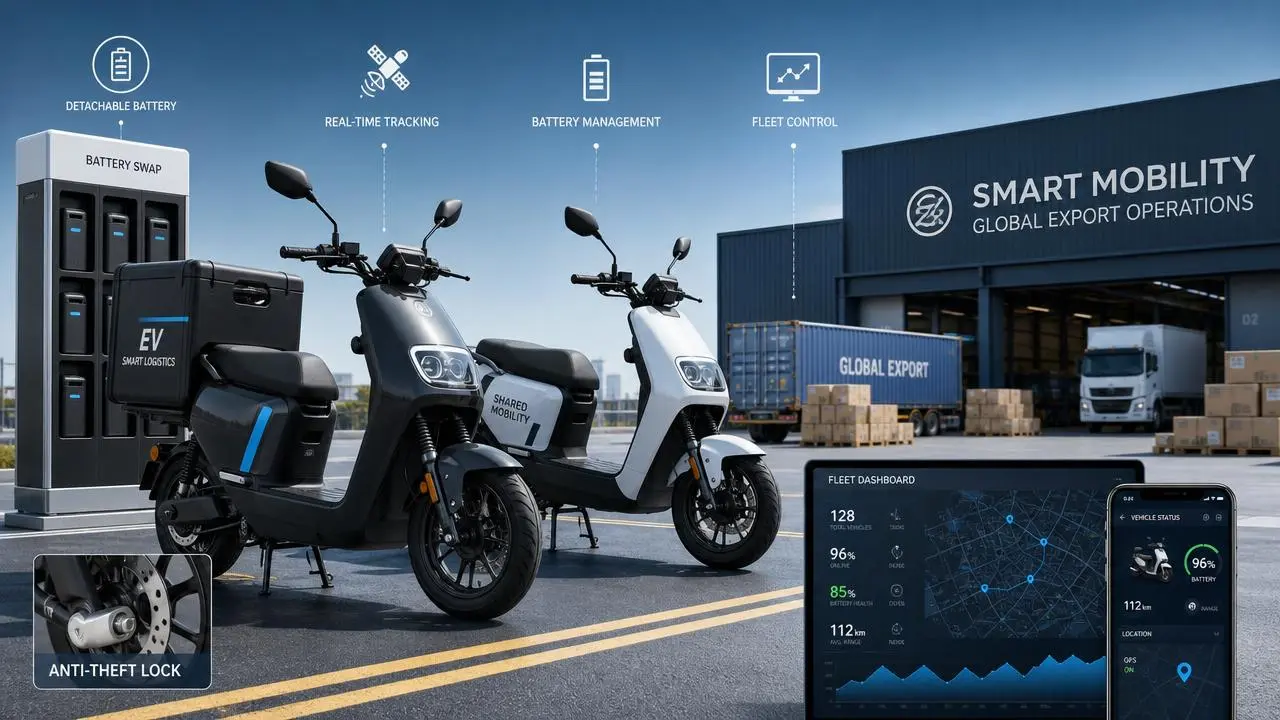
Connected Two Wheelers: Which Telematics Features Matter for Fleet Control?
Connected two wheelers need more than basic GPS. Discover the telematics features that improve fleet control, battery insight, safety, uptime, and theft protection.
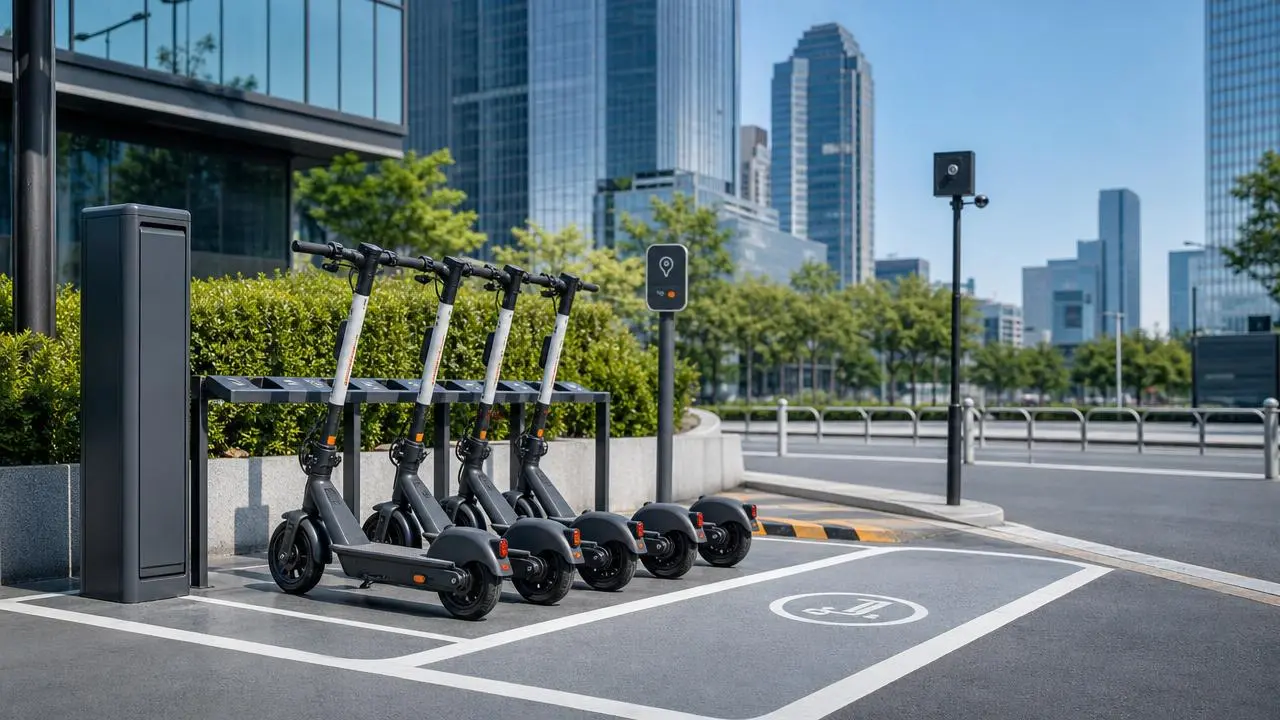
Shared Scooters China: Operating Models, Policy Risks, and Expansion Lessons
Shared scooters China reveals the real drivers of micro-mobility success: operating models, policy risks, and scalable expansion lessons for smarter urban growth.
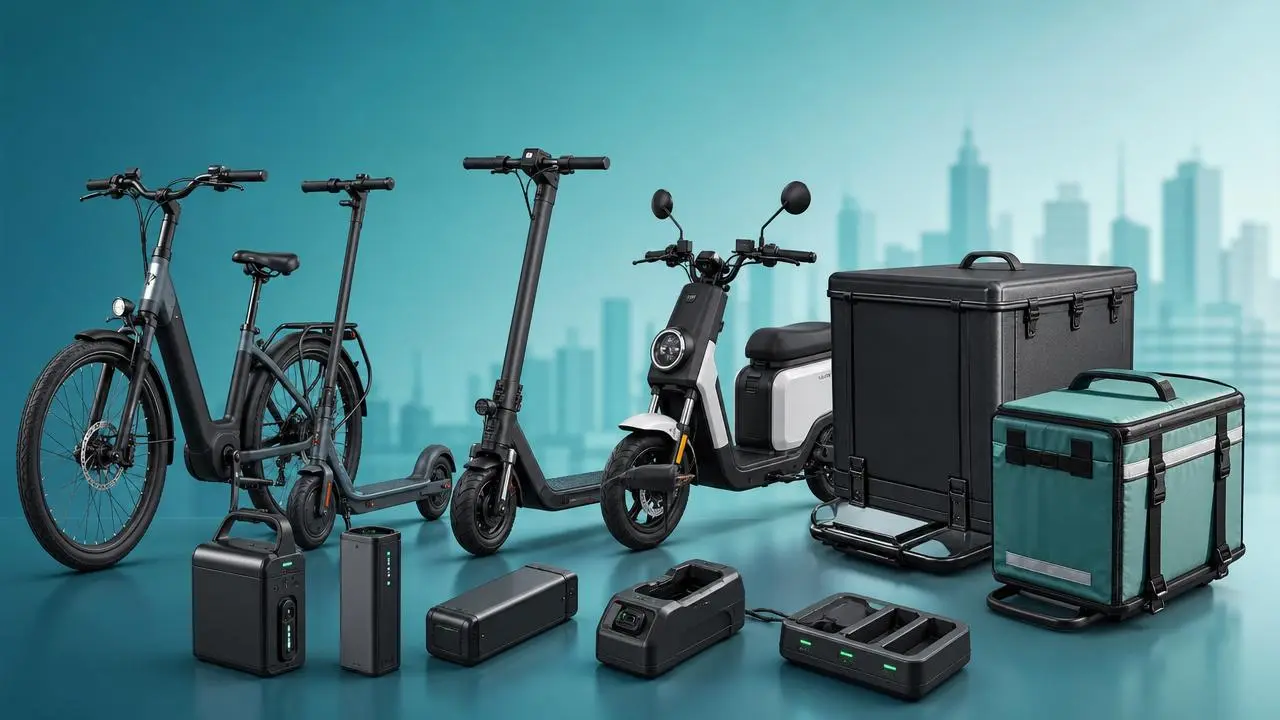
Battery Subsidy Europe: Which E-bike and Scooter Incentives Lower Total Cost?
Battery subsidy Europe explained: compare e-bike and scooter incentives, real battery cost impact, and where grants, leasing, and city rebates can truly lower total ownership cost.
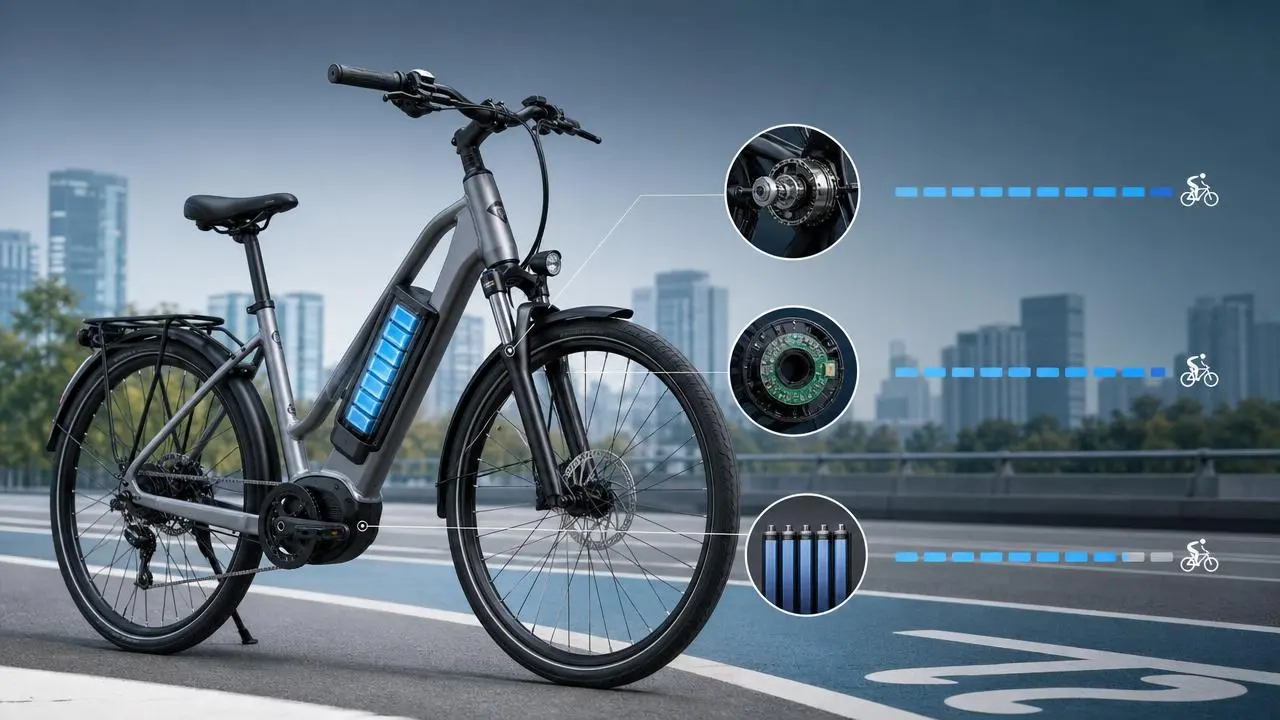
Pedal Assist Ebike Buying Guide: Motor Torque, Sensor Type, and Range Explained
Pedal assist ebike buying guide: learn how motor torque, sensor type, and real-world range affect comfort, control, and value—compare smarter before you buy.
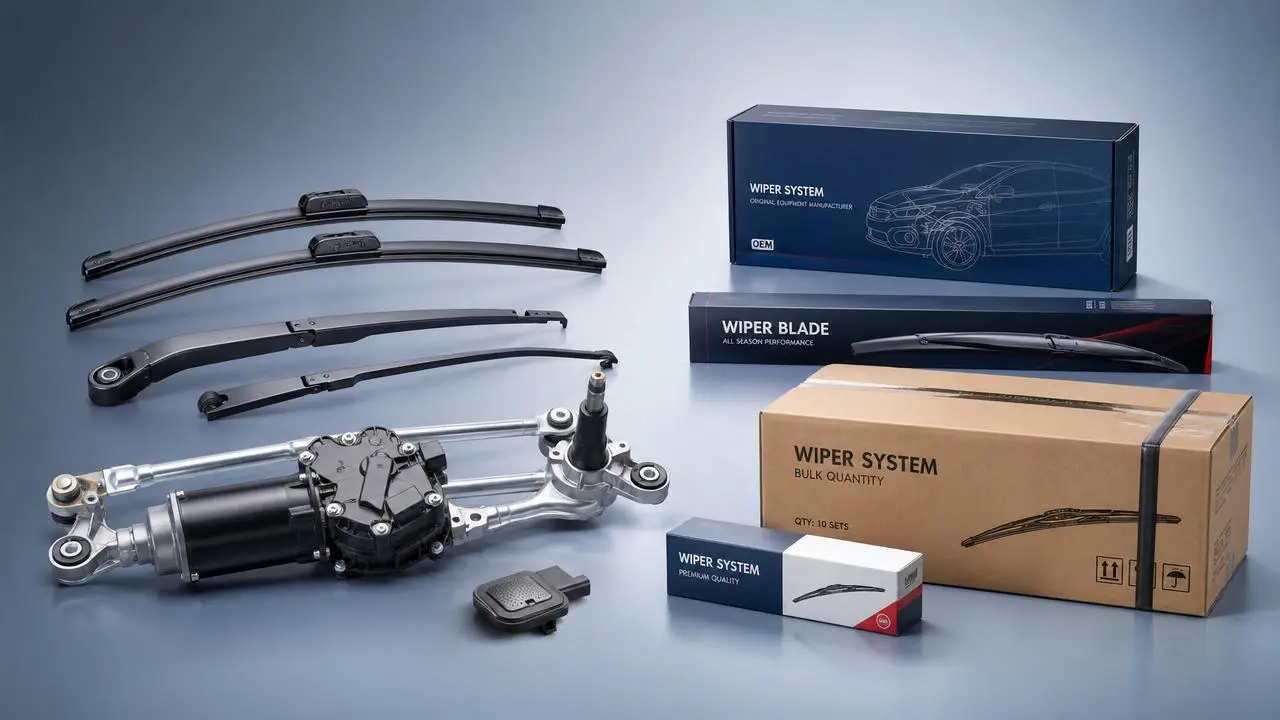
Wiper System Price Breakdown: What Changes Cost Across OEM, Aftermarket, and Fleet Orders
Wiper system price explained: compare OEM, aftermarket, and fleet costs, uncover hidden charges, and learn how to choose suppliers for better value, lower risk, and smarter sourcing.

Wiper Sensor Technology: How Rain Detection Works and What Affects Response Accuracy
Wiper sensor technology explained: learn how rain detection works, what affects response accuracy, and how to evaluate reliable, safety-focused performance across modern mobility platforms.
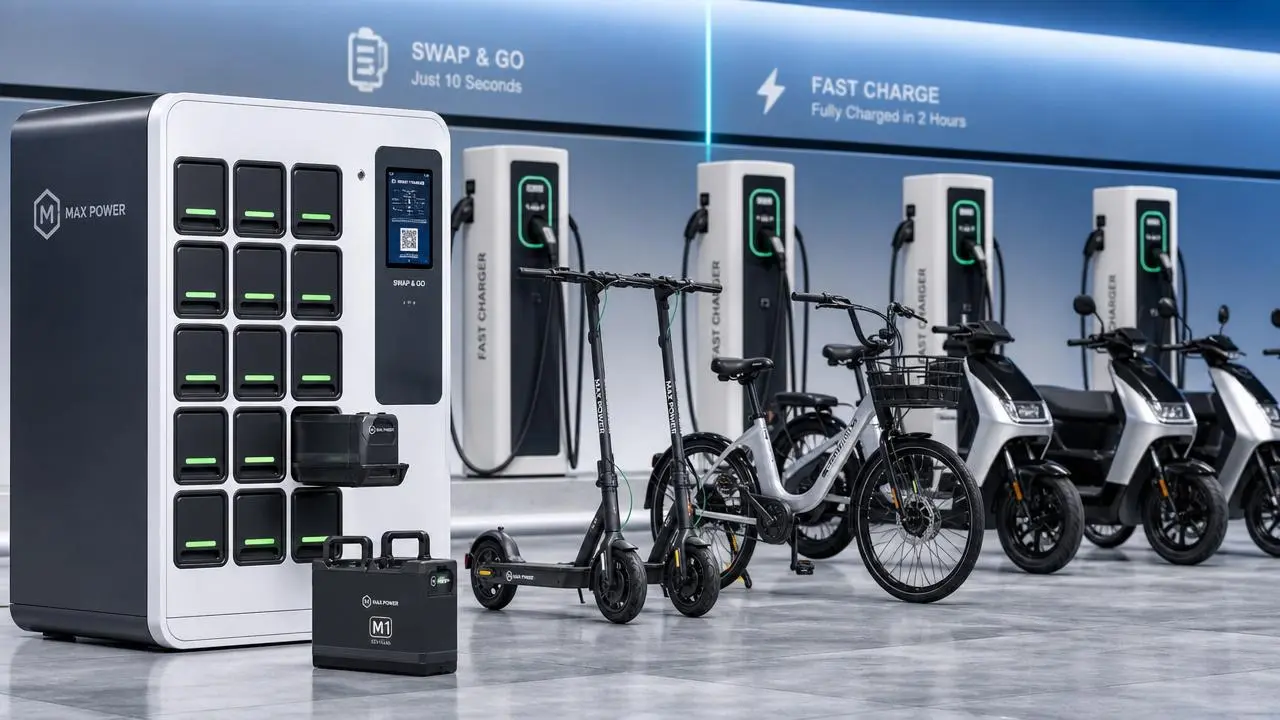
Battery Swapping vs Fast Charging: Which Lowers Fleet Downtime and Operating Costs?
Battery swapping vs fast charging: discover which model cuts fleet downtime, improves uptime, and lowers operating costs for e-bikes, scooters, and urban mobility fleets.
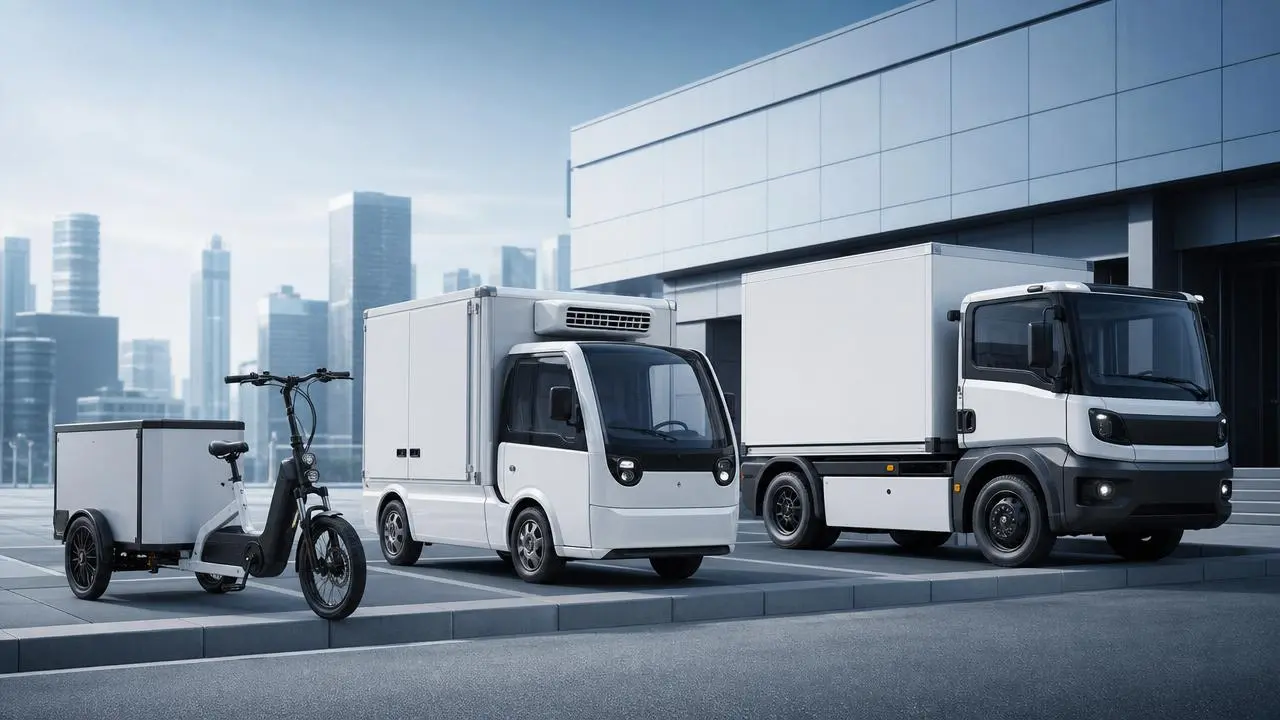
How to Choose Last Mile Delivery Solutions for Urban Routes, Cold Chain, and Heavy Loads
Last mile delivery solutions for urban routes, cold chain, and heavy loads: learn how to compare fleet fit, control risk, and improve delivery performance with a smarter decision framework.
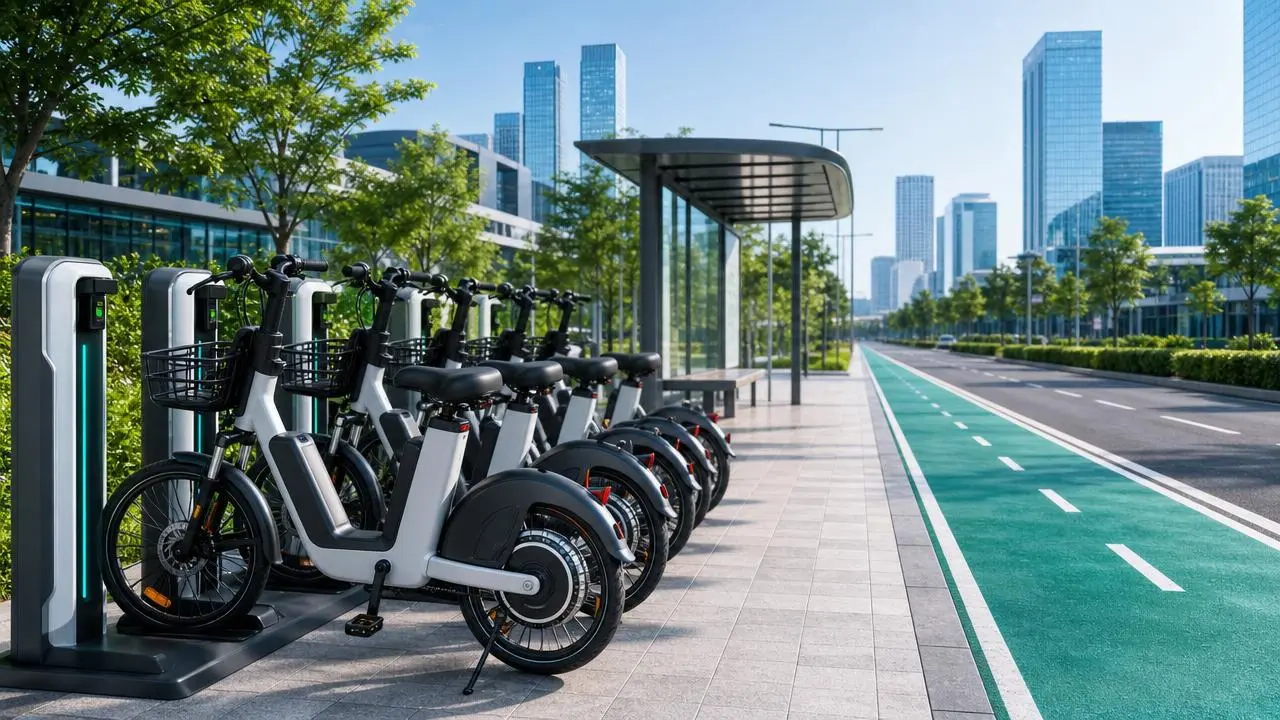
Shared Electric Bike Market Explained: Growth Drivers, City Models, and Revenue Risks
Shared electric bike market trends are reshaping urban mobility. Explore growth drivers, city models, revenue risks, and what defines profitable, regulation-ready fleets.