
Related News
- 00
0000-00
Commuter E-Bikes Explained: Range, Motor Torque, and Fit for Daily City Riding - 00
0000-00
Pedal Assist Ebike Buying Guide: Motor Torque, Sensor Type, and Range Explained - 00
0000-00
Shared Electric Bike Market Explained: Growth Drivers, City Models, and Revenue Risks - 00
0000-00
Green E-bike Demand by Use Case: Commuting, Delivery, and Leisure Compared - 00
0000-00
Urban Commuting E-bike Buying Guide: Range, Motor Power, Weight, and Daily Use Fit
Micro-Mobility Strategist
Weekly Insights
Stay ahead with our curated technology reports delivered every Monday.
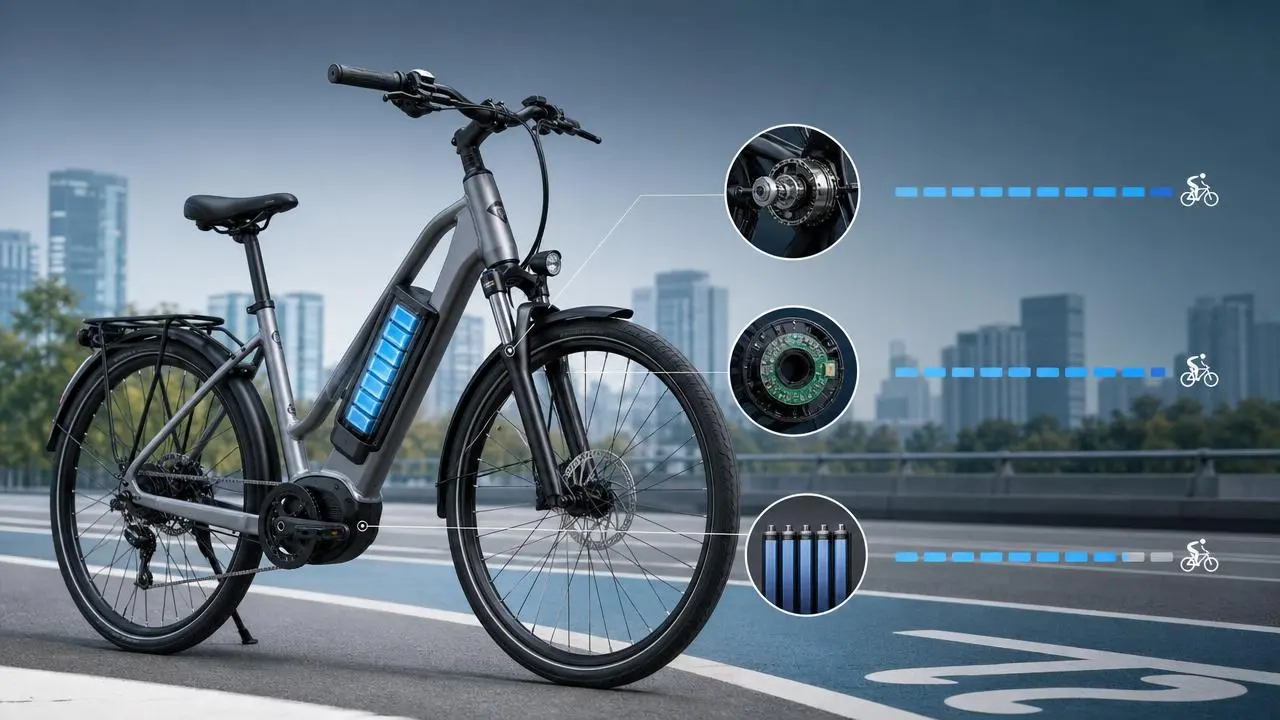
Commuter E-Bikes Explained: Range, Motor Torque, and Fit for Daily City Riding





Commuter e bikes have moved from niche gadgets to practical urban tools. For daily riding, the real questions are rarely about style alone.
Most people want to know how far the bike can go, how strong the motor feels, and whether the frame actually suits everyday city use.
That is where buying decisions become easier. A good fit between battery range, motor torque, and riding position usually matters more than headline marketing numbers.
From the broader micro-mobility view followed by UMMS, commuter e bikes sit at the center of a larger shift toward cleaner, smarter, low-carbon transport.
They are part of the same city circulation conversation that includes smart scooters, advanced drive systems, and better energy management across two-wheel mobility.
What really defines commuter e bikes in everyday city riding?
In simple terms, commuter e bikes are built for repeat, utility-focused trips. Think office rides, grocery runs, school drop-offs, and short cross-town travel.
They usually balance comfort, durability, and efficiency better than sporty e-MTBs or leisure-focused cruisers. The goal is steady usefulness, not weekend-only excitement.
A true commuter setup often includes fenders, lights, rack mounts, wider tires, and upright geometry. These details sound small, but they shape the daily experience.
In real traffic, convenience matters as much as power. Step-through frames, integrated locks, and easy charging can save more stress than an extra burst of speed.
That is also why commuter e bikes are closely watched in urban mobility intelligence. They reflect how cities adapt to congestion, emissions goals, and changing travel habits.
How much range do you actually need, and why do claims often feel optimistic?
This is one of the most searched questions for a reason. Advertised range and real-world range are often very different things.
Battery size, rider weight, tire pressure, wind, temperature, stop-start traffic, and assist level all change the result. Urban riding rarely matches ideal lab conditions.
A practical rule is to ignore the highest published number. Instead, estimate your normal ride, then add a comfort buffer.
For many city riders, 20 to 40 miles of honest range covers several days of commuting. If hills, cargo, or cold weather are common, plan for more reserve.
The better question is not “What is the maximum range?” but “What range stays reliable on my worst routine day?” That is a much smarter buying lens.
This is where battery management becomes more than a spec sheet topic. UMMS often tracks how energy density and system efficiency affect practical two-wheeler performance.
Is more motor torque always better for commuter e bikes?
Not always. More torque sounds attractive, but the best motor feel depends on where and how you ride.
Torque affects how strongly the bike accelerates, how easily it starts at traffic lights, and how confidently it handles bridges, ramps, or short urban climbs.
For mostly flat streets, moderate torque is often enough. It can also feel smoother, quieter, and easier on battery consumption.
If your route includes steep grades, headwinds, or loaded panniers, higher torque becomes more valuable. It reduces strain and keeps the ride predictable.
Motor placement matters too. Mid-drive systems usually climb better and feel more natural through the drivetrain. Hub motors can be simpler and often cost less.
A useful way to judge commuter e bikes is to ask whether the torque supports control, not just speed. Smooth delivery is often better than abrupt punch.
- Flat city grid: moderate torque may be enough.
- Frequent hills: stronger torque improves consistency.
- Carrying bags or a child seat: torque matters more.
- Stop-and-go traffic: smooth takeoff is more important than top-end force.
Why does bike fit matter almost as much as the battery and motor?
Because discomfort turns a practical ride into a chore. Even strong commuter e bikes feel wrong if the frame size, reach, or saddle position fights your body.
City commuting usually favors a more upright posture. It improves visibility in traffic, reduces wrist pressure, and feels less tiring in everyday clothes.
Step-through or low-step frames help riders who make frequent stops. They are also useful when carrying bags or riding in tighter urban spaces.
Wheelbase, handlebar height, and tire width all shape confidence. A bike that is easy to mount, steer, and park tends to get used more often.
In practice, fit also affects efficiency. If pedaling feels natural, the motor does not need to work as hard, which can support better real-world range.
This links back to a wider UMMS theme: micro-mobility works best when mechanical design, electric assistance, and human ergonomics operate as one system.
What mistakes do people make when comparing commuter e bikes?
A common mistake is buying from a single headline number. One bike claims longer range, another claims higher torque, but neither may suit the actual route.
Another mistake is ignoring total ownership reality. Charging access, replacement battery availability, service support, and spare parts can matter more after the first month.
Weight is also underestimated. A heavy e-bike may feel fine while powered, but awkward on stairs, in elevators, or when parking indoors.
Some riders overbuy performance they rarely use. Others underbuy durability and regret it during wet commutes or repeated curb impacts.
It helps to compare commuter e bikes with a practical checklist rather than brand excitement alone.
So how should you choose commuter e bikes for a real city routine?
Start with the route, not the catalog. Measure weekly distance, note your steepest climb, and think about where the bike will live and charge.
Then rank your priorities. Some riders need low maintenance. Others need easy carrying, stronger hill support, or better weather readiness.
A sensible shortlist often includes these points:
- Realistic range with a usable buffer.
- Motor torque matched to hills and cargo.
- Comfortable fit for daily clothes and frequent stops.
- Reliable brakes, lights, and wet-weather equipment.
- Battery and drivetrain support that will still matter later.
Commuter e bikes work best when the system feels coherent. Battery logic, drivetrain efficiency, and practical geometry should support the same daily purpose.
That system view is exactly why the category remains so important within urban micro-mobility analysis. It connects technology decisions to real movement inside crowded cities.
If you are comparing options now, map your route, estimate honest range needs, test the riding position, and judge torque by control rather than hype.
With those steps, choosing commuter e bikes becomes less confusing and far more practical for everyday city life.
Related News
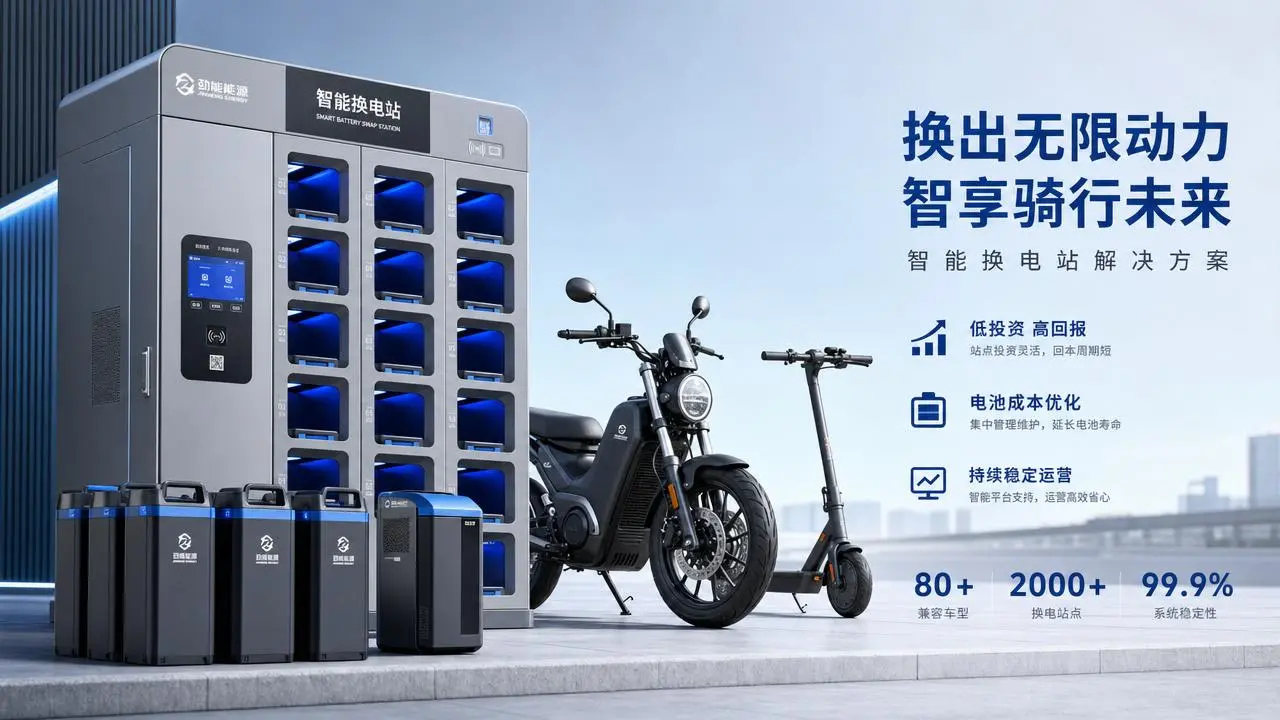
Battery Swapping Cost Breakdown: Station CapEx, Pack Pricing, and Operating Fees
Battery swapping cost explained: compare station CapEx, battery pack pricing, and operating fees to forecast ROI, reduce risk, and choose the right deployment model.
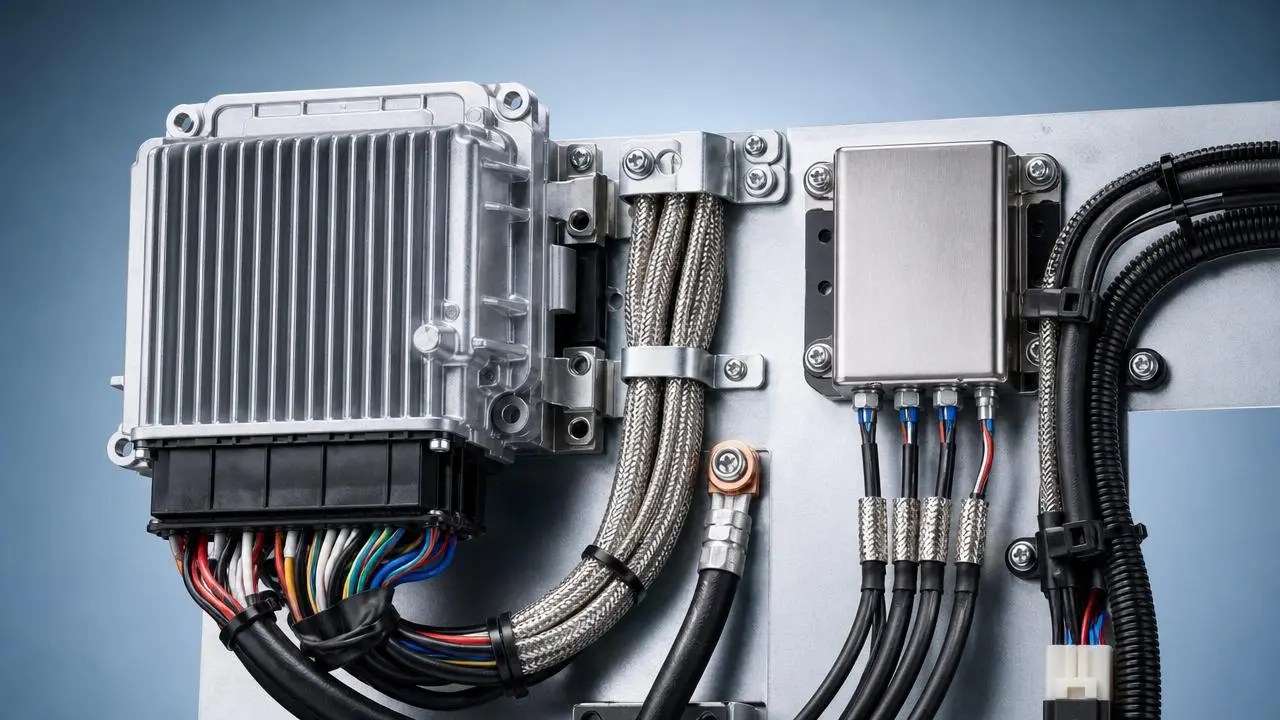
EMI Interference Mitigation Methods: Shielding, Grounding, and Filter Selection Explained
EMI interference mitigation explained for micro-mobility electronics: learn how shielding, grounding, and filter selection improve reliability, compliance, and system performance.
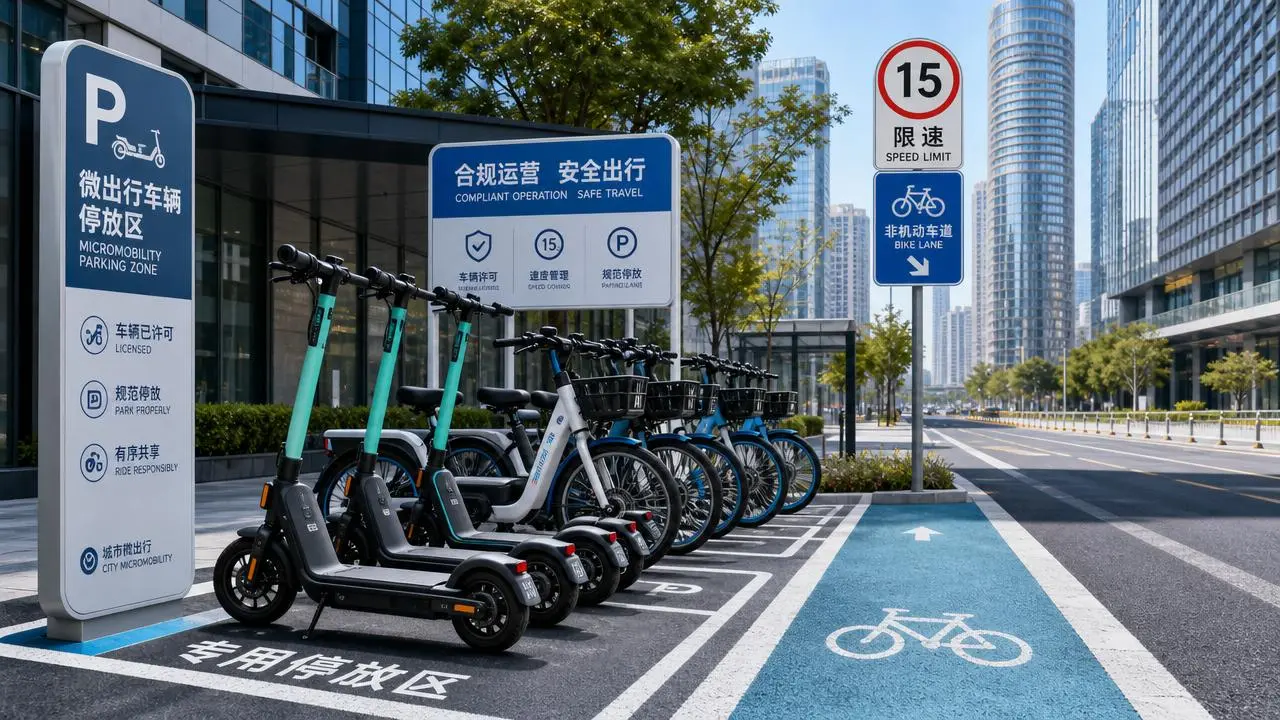
How Micromobility Regulations Affect Fleet Permits, Speed Limits, and Parking Rules
Micromobility regulations shape fleet permits, speed limits, and parking rules. Learn how city compliance impacts growth, safety, costs, and smarter fleet expansion.
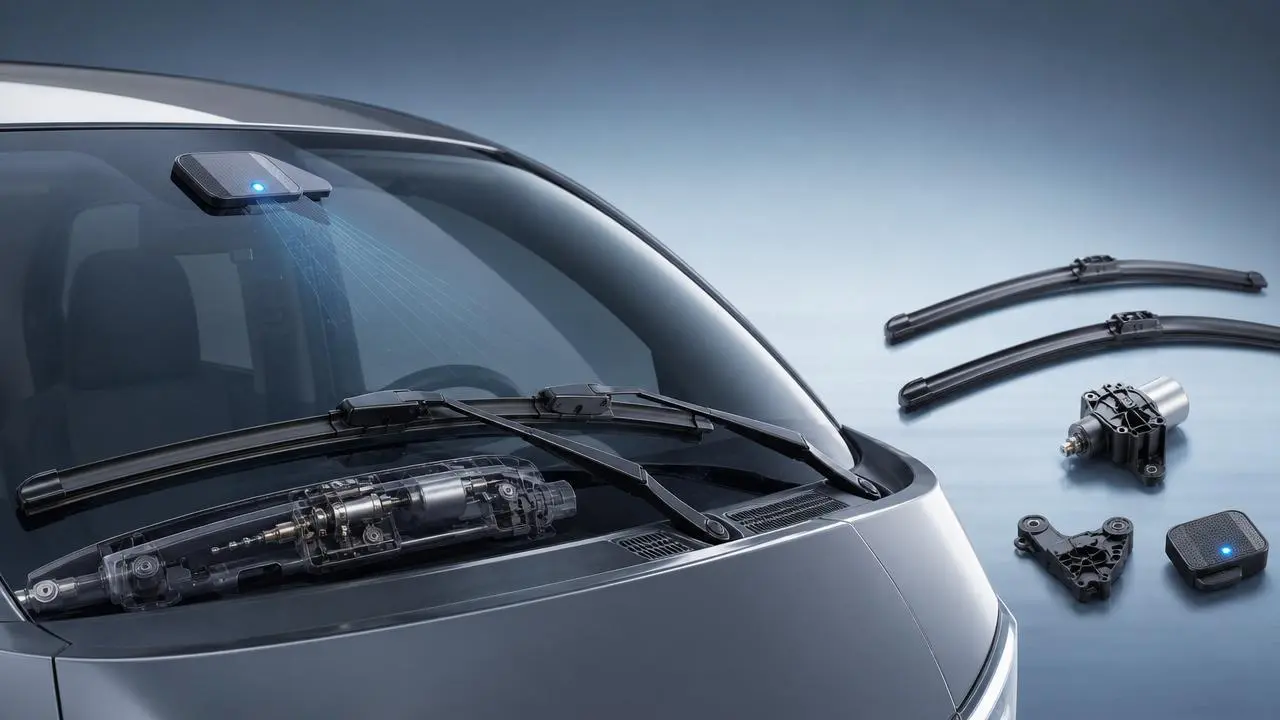
Wiper System Market Analysis: Demand Drivers, OEM Trends, and Aftermarket Opportunities
Wiper system market analysis of demand drivers, OEM integration trends, and aftermarket opportunities. Explore safety, electrification, and regional insights shaping future growth.
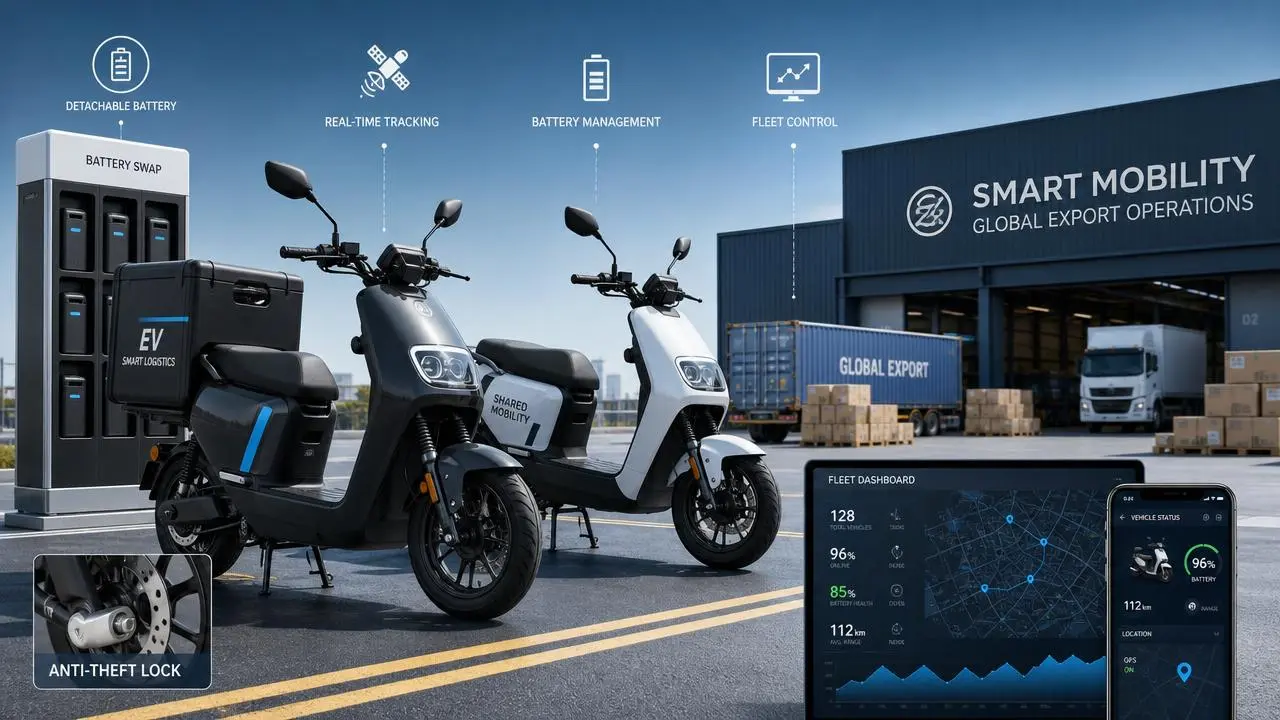
Connected Two Wheelers: Which Telematics Features Matter for Fleet Control?
Connected two wheelers need more than basic GPS. Discover the telematics features that improve fleet control, battery insight, safety, uptime, and theft protection.
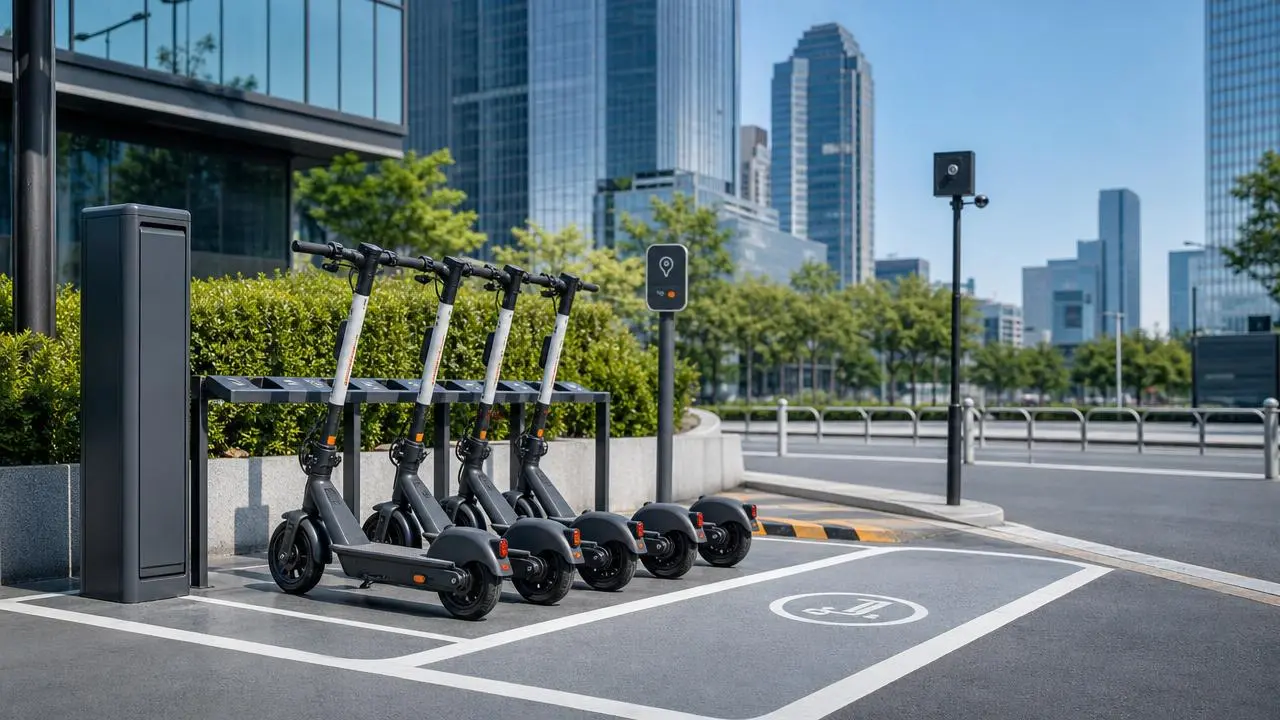
Shared Scooters China: Operating Models, Policy Risks, and Expansion Lessons
Shared scooters China reveals the real drivers of micro-mobility success: operating models, policy risks, and scalable expansion lessons for smarter urban growth.
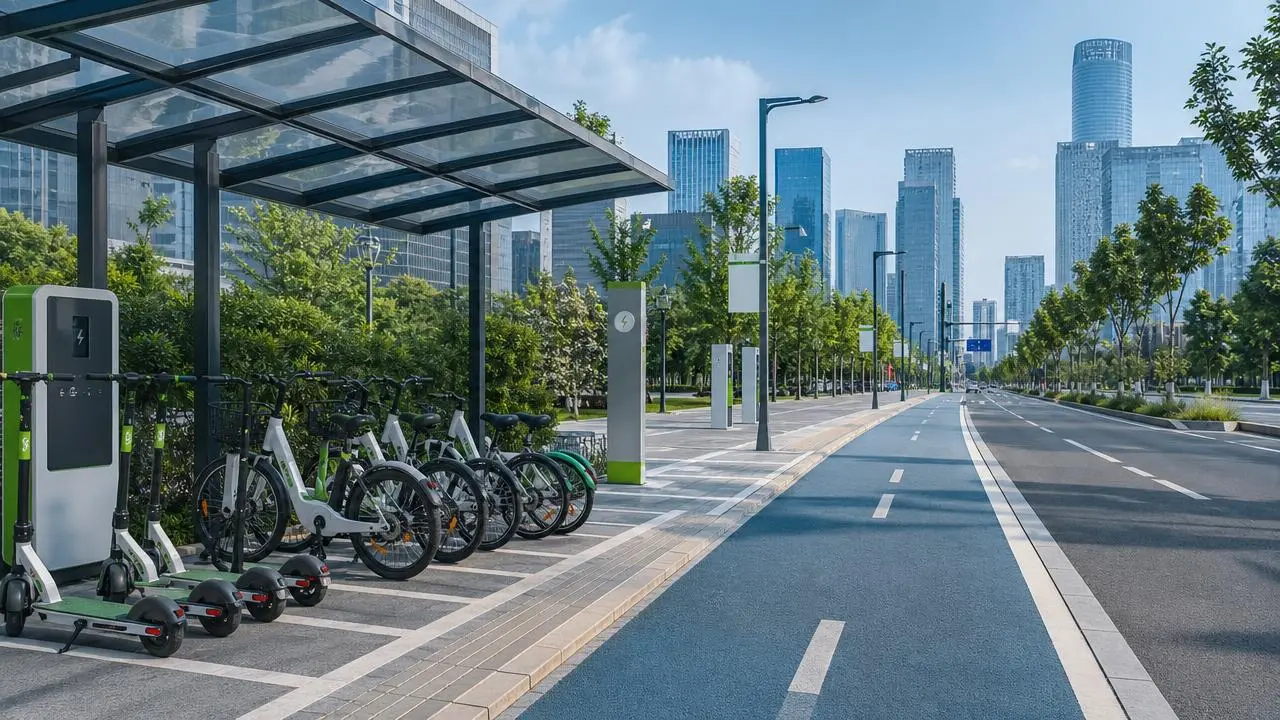
Micro Mobility Adoption Barriers: What Stops Cities From Scaling Daily Use?
Micro mobility adoption barriers are keeping cities stuck in pilot mode. Explore how regulation, infrastructure, safety, and economics block reliable daily use.
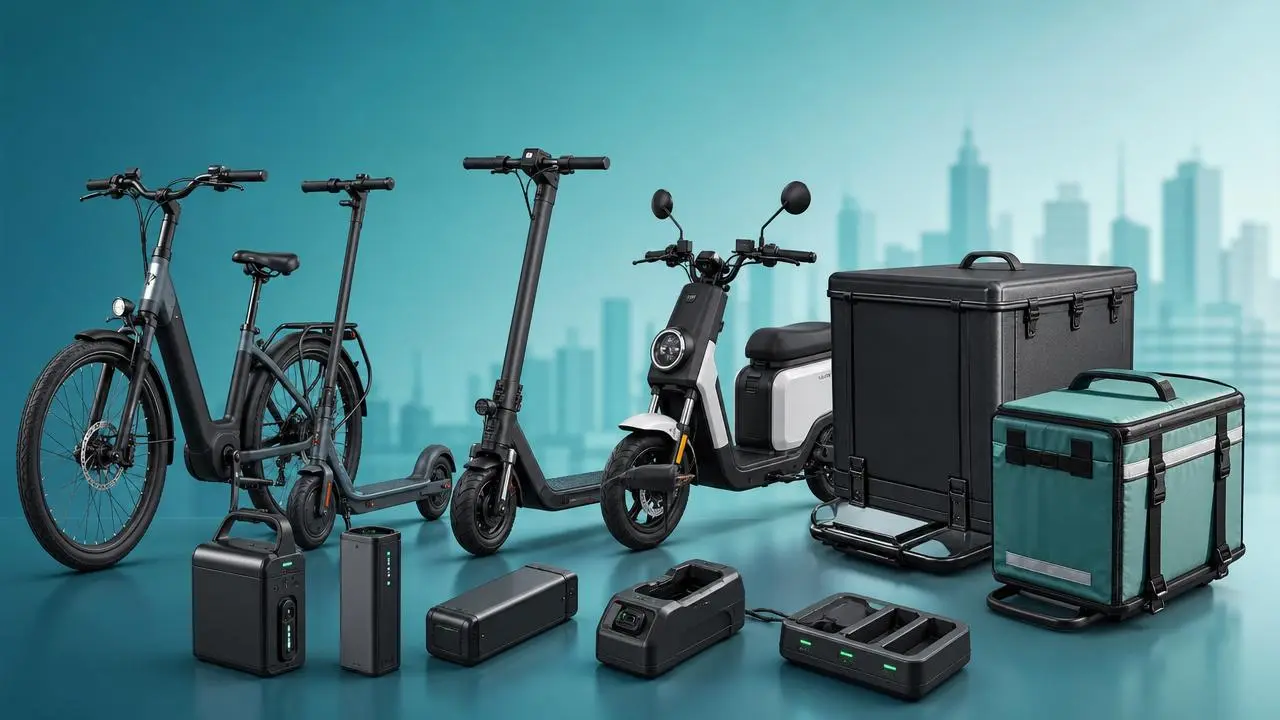
Battery Subsidy Europe: Which E-bike and Scooter Incentives Lower Total Cost?
Battery subsidy Europe explained: compare e-bike and scooter incentives, real battery cost impact, and where grants, leasing, and city rebates can truly lower total ownership cost.
Pedal Assist Ebike Buying Guide: Motor Torque, Sensor Type, and Range Explained
Pedal assist ebike buying guide: learn how motor torque, sensor type, and real-world range affect comfort, control, and value—compare smarter before you buy.