
Related News
- 00
0000-00
How to Choose Last Mile Delivery Solutions for Urban Routes, Cold Chain, and Heavy Loads - 00
0000-00
Battery Management USA: How to Evaluate Compliance, Data Visibility, and Service Support - 00
0000-00
Aerodynamics Analysis for EV Design: Which Drag Parameters Matter Most? - 00
0000-00
How to Evaluate a Bicycle Components Supplier for Quality, Lead Times, and MOQ - 00
0000-00
Mobility Energy Efficiency Explained: Which Metrics Matter for E-bikes and Scooters?
Ms. Elena Rodriguez
Weekly Insights
Stay ahead with our curated technology reports delivered every Monday.
How to Choose Last Mile Delivery Solutions for Urban Routes, Cold Chain, and Heavy Loads





How to Choose Last Mile Delivery Solutions for Urban Routes, Cold Chain, and Heavy Loads
Choosing the right last mile delivery solutions is no longer a simple logistics decision.
It is now a systems problem shaped by cities, payloads, timing, and operating risk.
Urban congestion changes route reliability.
Cold chain requirements raise the cost of failure.
Heavy loads limit vehicle choice and reduce delivery flexibility.
That is why strong last mile delivery solutions start with fit, not fleet size.
In practice, the best model balances service level, route density, vehicle capability, and local restrictions.
For operators tracking the last-mile revolution, this decision also connects to electrification, micro-mobility, and smarter urban circulation.
Start with the Delivery Scenario, Not the Vehicle
Many teams choose vehicles too early.
A better approach is to define the operating scenario first.
This makes last mile delivery solutions more accurate and easier to scale.
Start by mapping five variables:
- Order size and average payload weight
- Delivery radius and stop density
- Time-window strictness
- Temperature sensitivity
- Street access, parking, and local regulations
From recent market changes, one signal is very clear.
No single fleet type fits every route profile.
That also means hybrid last mile delivery solutions often outperform standardized networks in dense cities.
Three common route profiles
- Dense urban parcels with many short stops and tight curb access.
- Temperature-controlled food, pharma, or fresh retail distribution.
- Bulkier and heavier loads that need stability, range, and loading support.
Once the route is clear, vehicle and system design become much easier to justify.
Choose Urban Last Mile Delivery Solutions for Speed and Access
Urban routes reward agility more than raw capacity.
That is where compact electric fleets create an advantage.
E-bikes, cargo e-bikes, and smart e-scooter platforms reduce dwell time and parking delays.
For high-frequency city drops, these last mile delivery solutions often improve stop-per-hour performance.
When comparing urban options, focus on:
- Turning radius in narrow streets
- Parking and curbside loading flexibility
- Battery range under stop-and-go conditions
- Telematics visibility and dispatch integration
- Weather reliability and rider safety
This is where micro-mobility intelligence becomes practical, not theoretical.
Vehicle aerodynamics, motor efficiency, battery management, and component reliability all shape urban uptime.
If the route suffers from rain, poor visibility, or frequent braking, those details matter even more.
When electric two-wheel platforms make sense
Use light electric last mile delivery solutions when parcels are small, routes are dense, and service windows are short.
They are especially effective in low-emission zones and districts with restricted van access.
They also support decarbonization targets without sacrificing route responsiveness.
Build Cold Chain Last Mile Delivery Solutions Around Control
Cold chain delivery is unforgiving.
A late delivery is expensive.
A temperature breach is worse.
That is why cold chain last mile delivery solutions should be designed around control points, not just insulated vehicles.
The most reliable setup includes:
- Validated temperature ranges by product type
- Real-time compartment monitoring
- Rapid loading and unloading procedures
- Backup routing for traffic disruptions
- Clear chain-of-custody records
In real operations, the weakest point is often not the cooler unit.
It is handoff time at the curb, building entrance, or customer site.
Better last mile delivery solutions reduce these exposure minutes through route sequencing and faster proof-of-delivery workflows.
Key cold chain selection questions
- Can the system maintain temperature during repeated door openings?
- Does the route plan account for idle time and traffic spikes?
- Are sensors integrated with alerts, reporting, and exception handling?
- Can the fleet support mixed loads without compliance risk?
If the answer is no to any of these, the operating model needs redesign before expansion.
Match Heavy-Load Last Mile Delivery Solutions to Stability and Throughput
Heavy loads create a different decision logic.
The goal is not simply carrying more weight.
The goal is carrying it safely, repeatedly, and within the route schedule.
For heavy-load last mile delivery solutions, frame integrity, braking, suspension, and loading ergonomics matter as much as powertrain output.
Look closely at these factors:
- Maximum payload under real road conditions
- Hill performance with full load
- Braking distance in wet weather
- Loading height and handling effort
- Battery drain curve under high torque demand
This is one reason high-speed electric motorcycle platforms are getting attention in urban distribution.
They can bridge the gap between light micro-mobility and larger commercial vehicles.
When supported by battery swapping or rapid charging, these last mile delivery solutions can maintain higher daily utilization.
Avoid the most common heavy-load mistakes
- Do not size the fleet using only nominal payload ratings.
- Do not ignore driver fatigue from poor loading design.
- Do not separate maintenance planning from route planning.
- Do not assume city roads behave like test tracks.
Those small misses usually become large cost leaks after scale-up.
Compare Last Mile Delivery Solutions with a Practical Decision Matrix
A simple decision matrix helps remove guesswork.
It also makes internal approval easier because trade-offs become visible.
The strongest last mile delivery solutions usually combine route software, fleet fit, and operating discipline.
Focus on Data, Maintenance, and Expansion Readiness
A delivery model may work in a pilot and still fail at scale.
The difference is usually operational visibility.
Before rollout, confirm these basics:
- Telematics track utilization, energy use, and downtime
- Maintenance cycles match real route stress
- Battery strategy supports peak-hour demand
- Dispatch tools manage exceptions quickly
- Local policy shifts are monitored continuously
This is especially relevant in electric micro-mobility networks.
Battery thermal behavior, drivetrain wear, and component reliability directly affect route economics.
Organizations that follow these signals early usually build more resilient last mile delivery solutions over time.
Make the Final Choice Based on Total Route Performance
The best last mile delivery solutions are not always the biggest, newest, or cheapest options.
They are the options that perform reliably across the full route system.
That includes access, compliance, energy use, maintenance, cold chain integrity, and delivery consistency.
For urban routes, lean into speed and curb access.
For cold chain, prioritize temperature control and exception response.
For heavy loads, focus on safety, stability, and sustained throughput.
If needed, combine multiple fleet types instead of forcing one model into every route.
That approach is often more practical, especially in cities shaped by congestion and electrification.
The next smart move is simple: audit route conditions, rank operational risks, and test last mile delivery solutions against real service pressure before scaling.
Related News
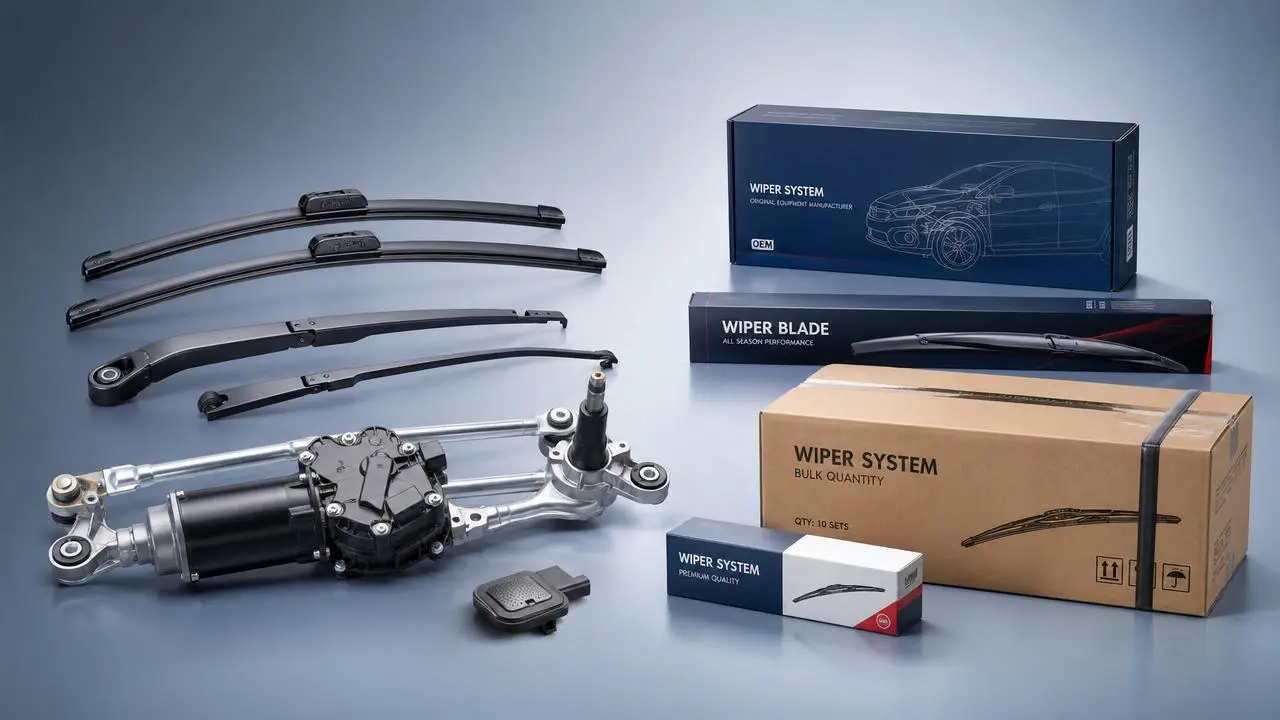
Wiper System Price Breakdown: What Changes Cost Across OEM, Aftermarket, and Fleet Orders
Wiper system price explained: compare OEM, aftermarket, and fleet costs, uncover hidden charges, and learn how to choose suppliers for better value, lower risk, and smarter sourcing.
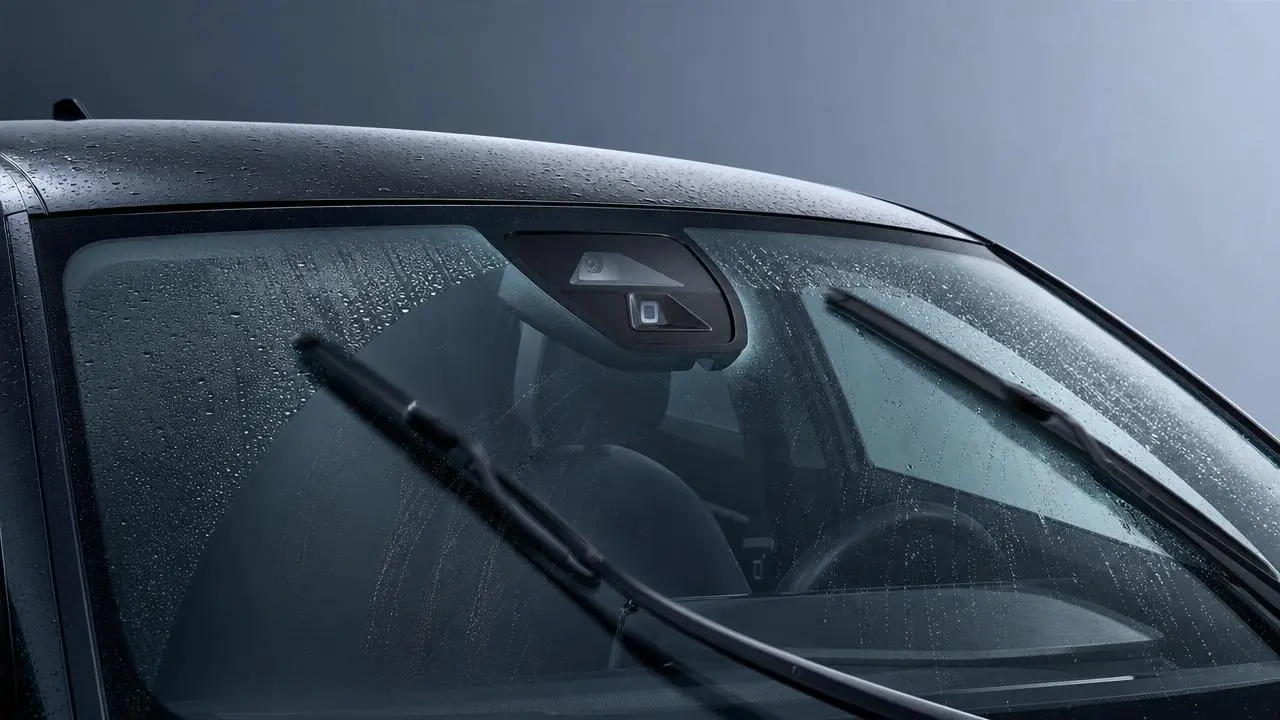
Wiper Sensor Technology: How Rain Detection Works and What Affects Response Accuracy
Wiper sensor technology explained: learn how rain detection works, what affects response accuracy, and how to evaluate reliable, safety-focused performance across modern mobility platforms.
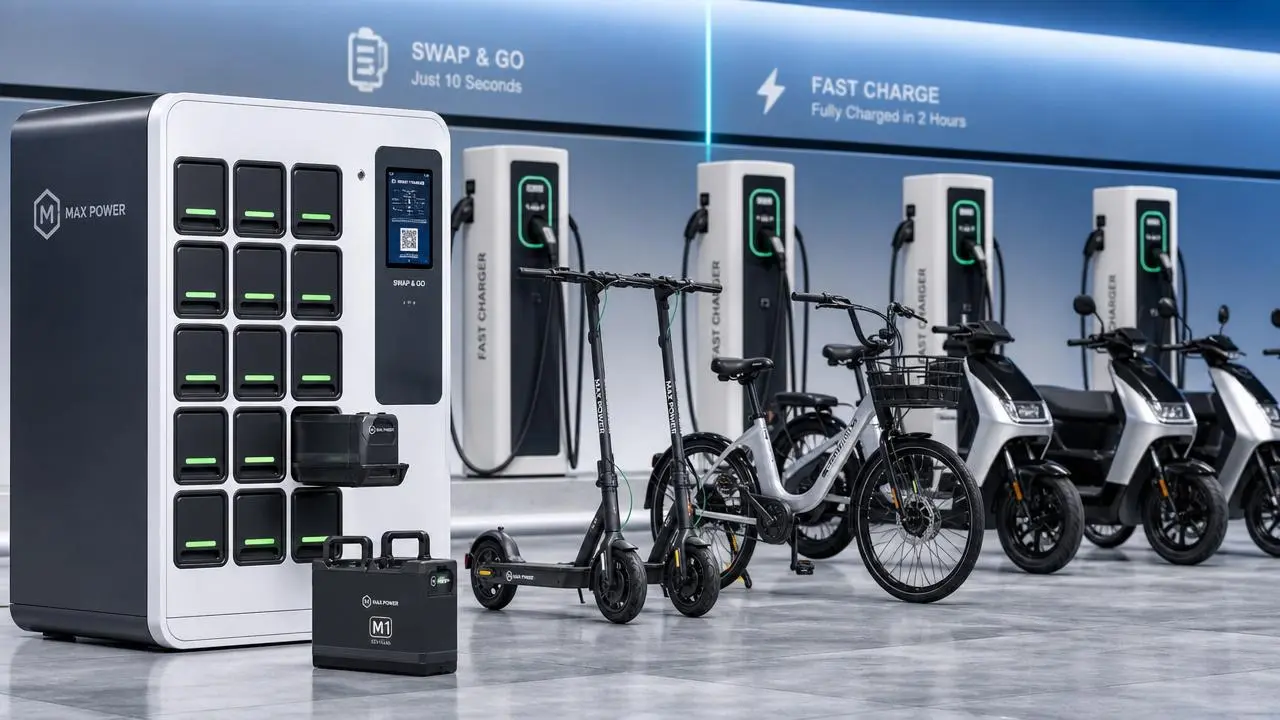
Battery Swapping vs Fast Charging: Which Lowers Fleet Downtime and Operating Costs?
Battery swapping vs fast charging: discover which model cuts fleet downtime, improves uptime, and lowers operating costs for e-bikes, scooters, and urban mobility fleets.
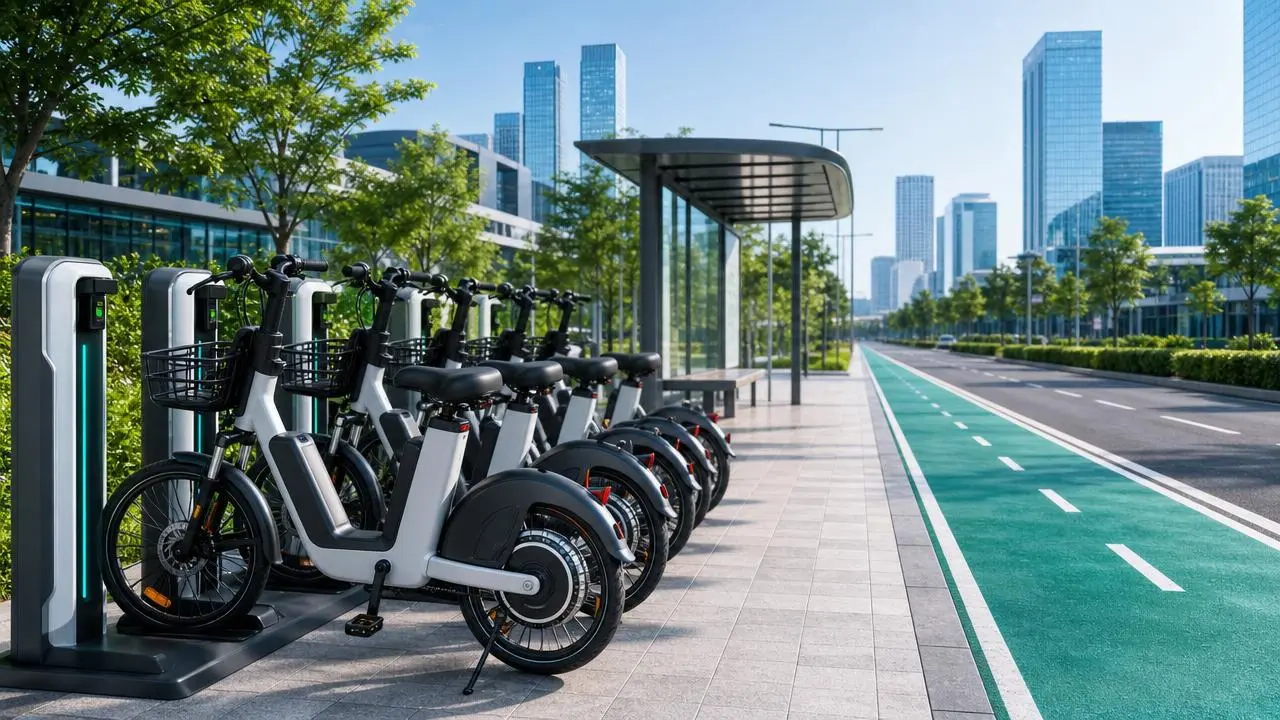
Shared Electric Bike Market Explained: Growth Drivers, City Models, and Revenue Risks
Shared electric bike market trends are reshaping urban mobility. Explore growth drivers, city models, revenue risks, and what defines profitable, regulation-ready fleets.
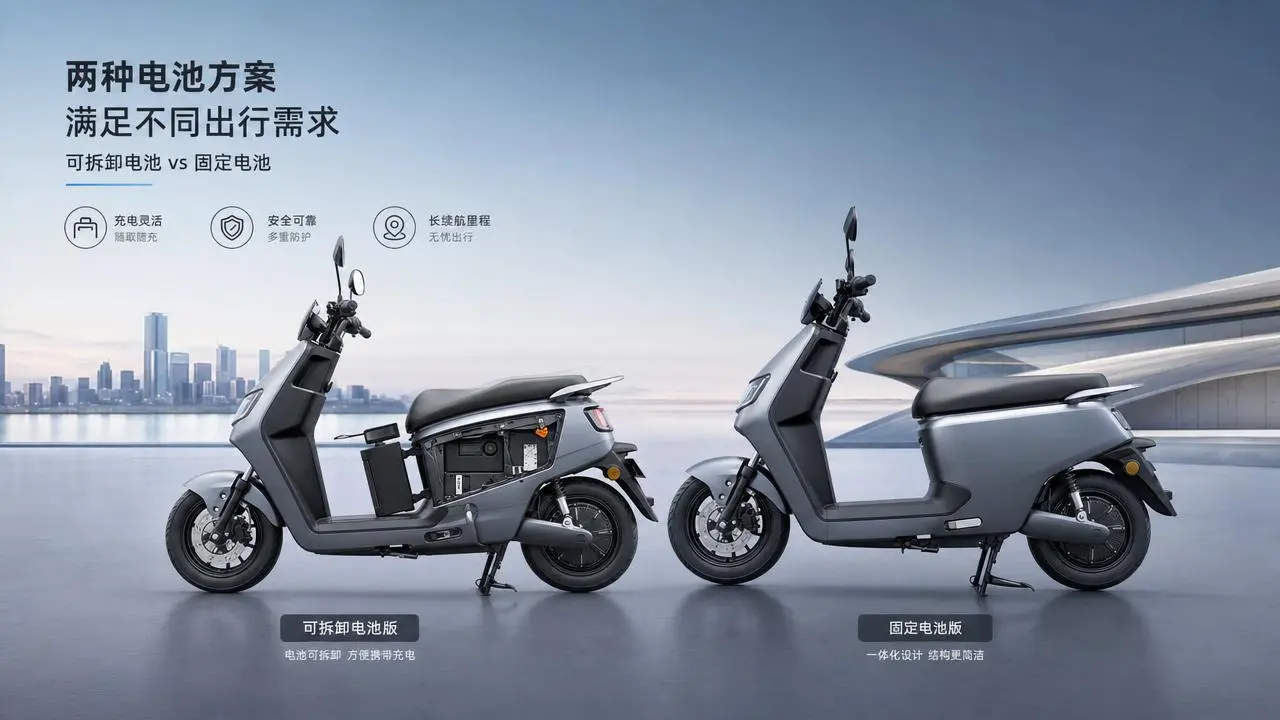
Swappable Battery Motorcycle vs Fixed Battery Models: Which Setup Fits Daily Use?
Swappable battery motorcycle or fixed-battery bike? Compare charging ease, range, cost, and daily convenience to find the best fit for your commute and lifestyle.

Derailleur Skipping Gears: 7 Common Causes and How to Fix Each One
Derailleur skipping gears? Discover 7 common causes, practical fixes, and smart maintenance tips to restore smooth shifting, reduce wear, and keep your bike or e-bike performing better.
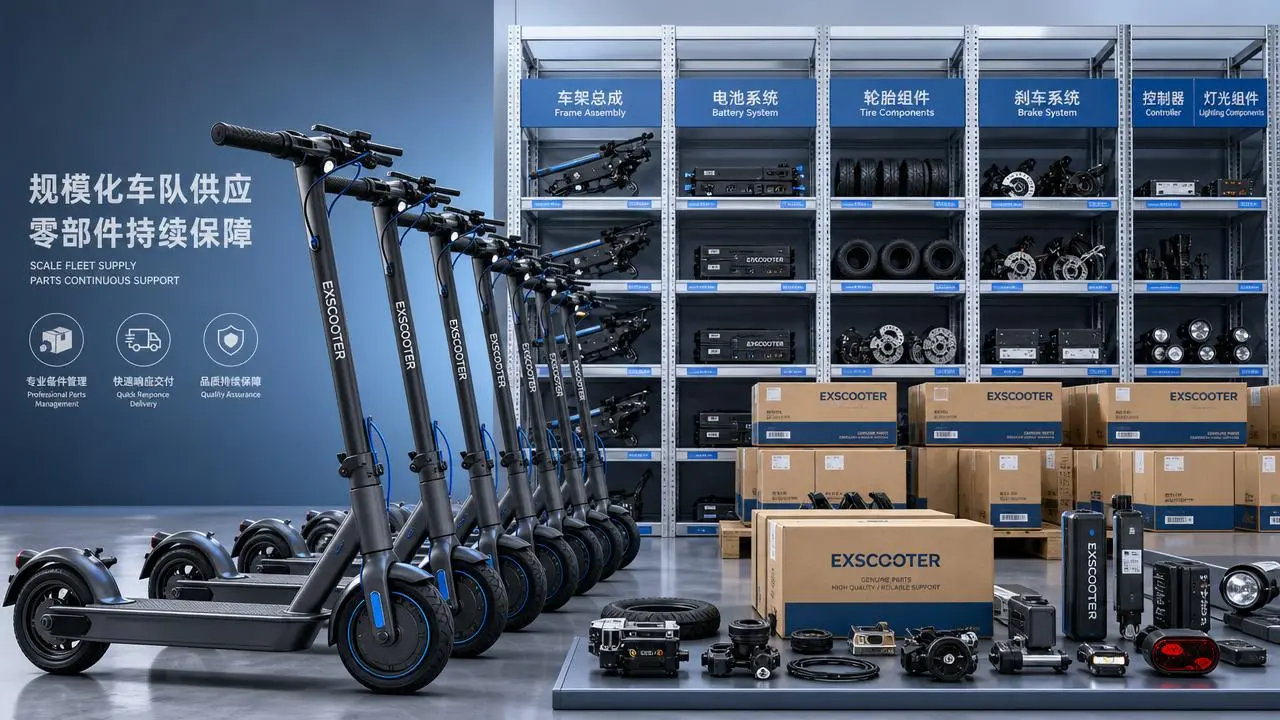
How to Choose a Shared Scooters Supplier for Fleet Scale, Parts Supply, and After-Sales
Shared scooters supplier selection affects fleet uptime, parts availability, and service costs. Learn how to compare scale, spare parts, warranty, and after-sales support before you buy.
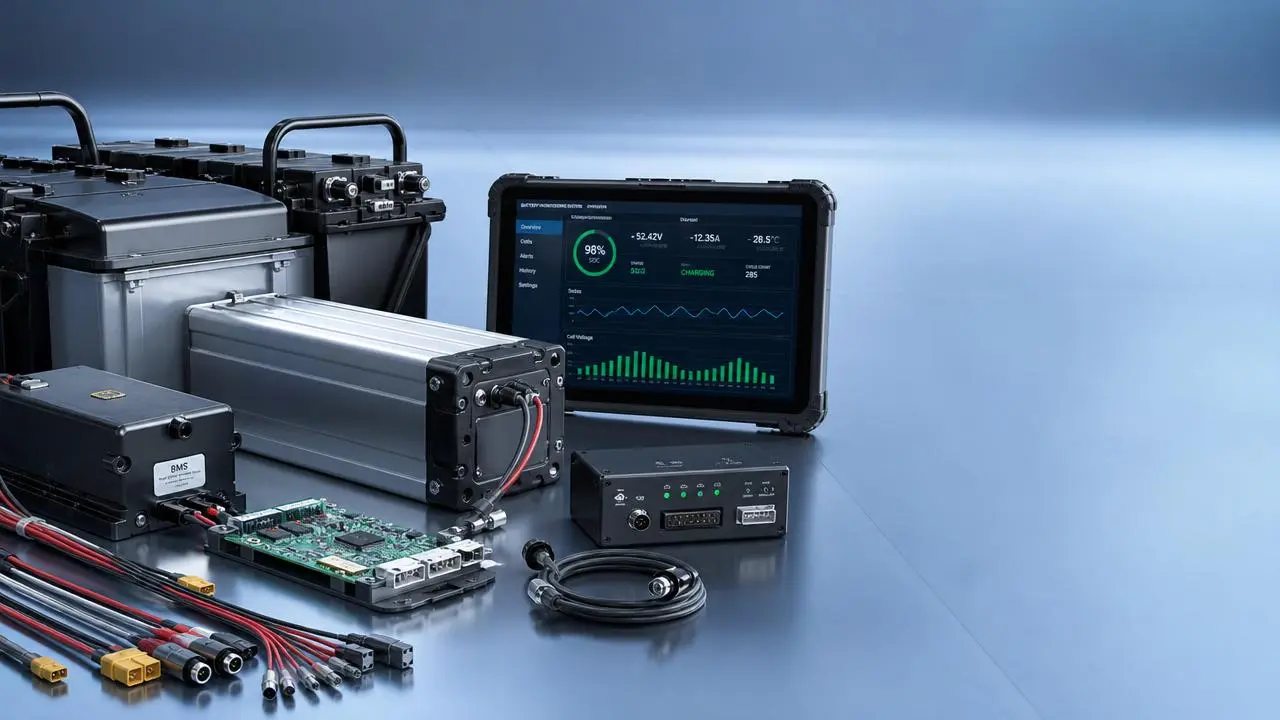
Battery Management USA: How to Evaluate Compliance, Data Visibility, and Service Support
Battery management USA evaluation starts with compliance, data visibility, and service support. Learn how to reduce sourcing risk, improve uptime, and choose a stronger battery partner.
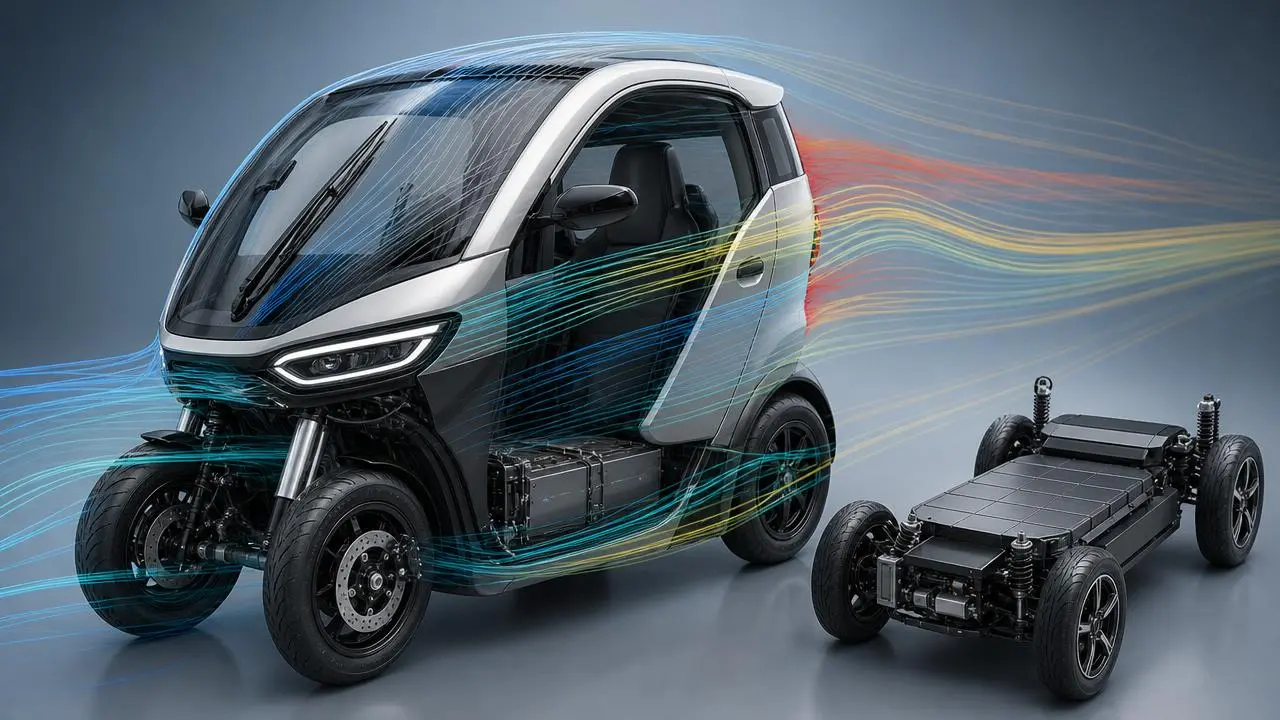
Aerodynamics Analysis for EV Design: Which Drag Parameters Matter Most?
Aerodynamics analysis for EV design goes beyond Cd. Discover which drag parameters most affect range, stability, cooling, and control to build smarter, more efficient electric vehicles.