
Related News
- 00
0000-00
How Micromobility Regulations Affect Fleet Permits, Speed Limits, and Parking Rules - 00
0000-00
Micro Mobility Adoption Barriers: What Stops Cities From Scaling Daily Use? - 00
0000-00
Green Mobility Demand Explained: What Is Driving Growth Across Urban Transport? - 00
0000-00
Electric Torque Market Analysis: What Buyers Should Watch in Pricing, Supply, and Demand - 00
0000-00
Micro Mobility Intelligence China: How Data Is Shaping Fleet Deployment and City Expansion
Prof. Marcus Chen
Weekly Insights
Stay ahead with our curated technology reports delivered every Monday.
How Micromobility Regulations Affect Fleet Permits, Speed Limits, and Parking Rules





Why are micromobility regulations now a board-level issue?
Micromobility regulations no longer sit at the edge of transport policy. They now shape market entry, asset utilization, insurance exposure, and long-term expansion planning.
That shift is easy to understand. Cities want cleaner travel, but they also want safer sidewalks, predictable traffic flow, and visible accountability from fleet operators.
As a result, fleet permits, speed limits, and parking rules have become the practical core of urban compliance. They determine where vehicles can run, how fast they can move, and where trips can end.
For companies following e-bikes, smart e-scooters, high-speed e-motorcycles, and connected components, this matters far beyond legal paperwork. It affects unit economics and deployment logic.
UMMS tracks this intersection closely because policy is now tied to technical design. Geofencing precision, battery management, braking performance, sensor integration, and fleet telemetry all support compliance.
In other words, micromobility regulations are no longer just rules to react to. They are design constraints and strategic signals.
What do fleet permits really control in practice?
Many people assume a permit simply allows operations. In practice, fleet permits define the commercial boundaries of a city launch.
A permit often sets fleet size, service areas, data-sharing duties, maintenance intervals, incident reporting rules, and parking response times.
Some cities also link permits to equity requirements. Operators may need to serve lower-density districts, provide discounted access, or meet vehicle redistribution targets.
This changes the business model. Revenue is no longer judged only by demand concentration in premium urban zones. It must also absorb mandated coverage obligations.
Another overlooked point is permit renewal risk. Cities increasingly review safety records, parking performance, complaint volumes, and data quality before extending operating rights.
That means compliance is cumulative. A weak first six months can limit future scale, even when ridership appears strong.
The more mature view is to treat permits as performance contracts. They grant access, but they also measure whether that access will continue.
A quick permit review table
Before entering a new city, it helps to separate visible permit conditions from hidden operational consequences.
Why do speed limits matter so much if the vehicles already look similar?
Because similar vehicles are not treated the same under law. A city may classify an e-bike, shared e-scooter, and high-speed e-motorcycle under different operating rights.
Speed limits often define that classification. Once a threshold changes, the requirements for helmets, lanes, registration, or insurance may change with it.
This is where micromobility regulations directly influence product architecture. A vehicle may need firmware-based speed governance, location-based throttling, or tamper-resistant controllers.
In dense city centers, lower caps can actually support permit stability. They reduce crash severity, improve pedestrian acceptance, and make public officials more willing to expand fleet quotas.
The trade-off is obvious. Lower speed can reduce trip attractiveness on longer corridors and may compress daily rides per unit.
More advanced operators manage this through route logic rather than blunt restriction. They use geofencing to slow vehicles only in sensitive zones, not across the entire network.
That is why intelligence platforms such as UMMS monitor both rules and enabling systems. Compliance increasingly depends on the quality of embedded control, not only on legal interpretation.
Parking rules look simple on paper, so why do they create so much friction?
Parking is where public acceptance is won or lost. Even strong ridership numbers can be overshadowed by sidewalk clutter and blocked access points.
Cities have responded with tighter micromobility regulations around designated bays, no-parking zones, and proof-of-parking requirements.
This sounds manageable until scale increases. A few hundred daily trips can become thousands of parking decisions, each requiring clear user guidance and reliable digital enforcement.
In practice, operators need more than painted curb space. They need map accuracy, image verification, violation workflows, and field recovery teams.
For vehicle and system developers, parking compliance also changes hardware and software priorities. Stable kickstands, sensor calibration, camera prompts, and app-side friction design all matter.
A common mistake is treating parking as a customer behavior issue only. It is actually a system design issue with policy, interface, and operations working together.
- Use zone-level parking maps with frequent municipal updates.
- Require end-of-trip confirmation in sensitive districts.
- Track repeat violation hotspots, not only single incidents.
- Set removal workflows before permit launch, not after complaints rise.
Which signals show that micromobility regulations are about to tighten?
Regulatory tightening rarely arrives without warning. It usually follows a visible pattern of civic pressure, operational inconsistency, or unresolved safety events.
One signal is a shift in official language. When city notices move from innovation goals toward enforcement language, permit conditions often become stricter.
Another signal is data appetite. When authorities ask for more granular trip data, parking photos, or real-time dashboards, they are preparing for tighter oversight.
Infrastructure changes matter too. New painted bays, reduced-speed corridors, and curb redesign often precede new parking or speed controls.
UMMS often highlights a deeper indicator: technical scrutiny. When regulators begin asking about battery traceability, sensor reliability, or remote speed control, standards are moving closer to engineering detail.
That is especially relevant across e-bikes, smart e-scooters, and high-speed electric two-wheelers. As categories converge in public space, the expectation for auditable safety systems rises.
A practical warning checklist
How should companies prepare without overbuilding for every city?
The smartest approach is modular compliance. Build a base platform that can adapt to different micromobility regulations without redesigning the whole fleet.
That usually means configurable speed profiles, flexible parking logic, auditable maintenance records, and city-specific reporting layers.
It also means treating standards intelligence as an operating function. Regulation now changes quickly enough that static legal reviews are not enough.
In practical terms, preparation should cover three tracks at once: policy monitoring, technical readiness, and local operations discipline.
- Map permit obligations into product and software requirements.
- Test speed and parking controls under real urban conditions.
- Create renewal dashboards before launch, not near review dates.
- Monitor adjacent technical standards affecting batteries, lighting, and connected systems.
This is where a specialist intelligence source adds value. A platform like UMMS helps connect policy movement with engineering and commercialization signals across the two-wheeler ecosystem.
That broader view matters because regulations affecting shared scooters today may influence e-bike exports, connected drivetrain requirements, or high-speed electric vehicle approval paths tomorrow.
So what is the most useful next step?
Start with a city-by-city compliance map rather than a single global assumption. Micromobility regulations are increasingly local in enforcement, even when broader trends look similar.
Then translate each rule into an operational test. If a permit demands parking response in two hours, ask whether dispatch systems, staffing, and vehicle visibility can actually deliver it.
Do the same for speed and fleet permissions. A launch plan is only as scalable as the controls behind it.
The central lesson is simple. Fleet permits, speed limits, and parking rules are not side conditions. They are strategic variables shaping access, cost, reputation, and expansion timing.
Organizations that connect regulatory tracking with vehicle architecture, data systems, and field execution tend to scale more smoothly. Those that separate them usually face slower renewals and higher corrective costs.
A sensible next move is to review current markets against permit risk, speed-governance capability, and parking compliance maturity, then prioritize the gaps that could block renewal or new entry.
Related News

Battery Swapping Cost Breakdown: Station CapEx, Pack Pricing, and Operating Fees
Battery swapping cost explained: compare station CapEx, battery pack pricing, and operating fees to forecast ROI, reduce risk, and choose the right deployment model.
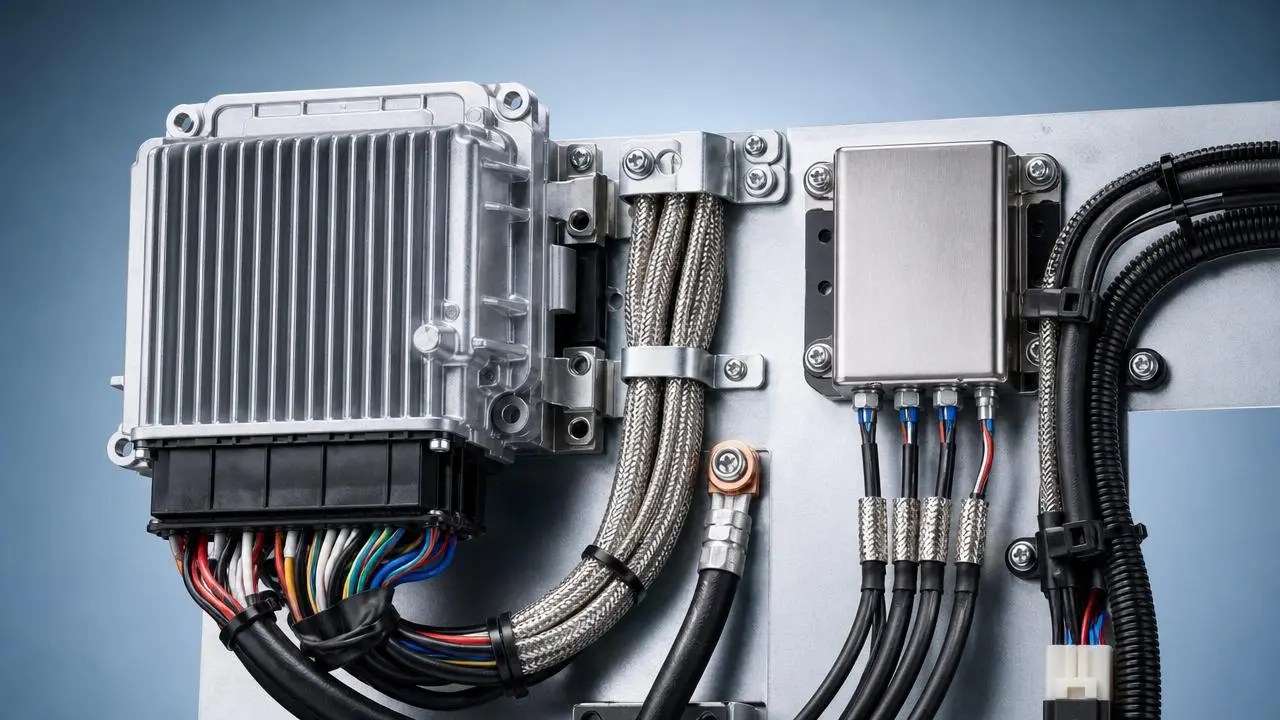
EMI Interference Mitigation Methods: Shielding, Grounding, and Filter Selection Explained
EMI interference mitigation explained for micro-mobility electronics: learn how shielding, grounding, and filter selection improve reliability, compliance, and system performance.
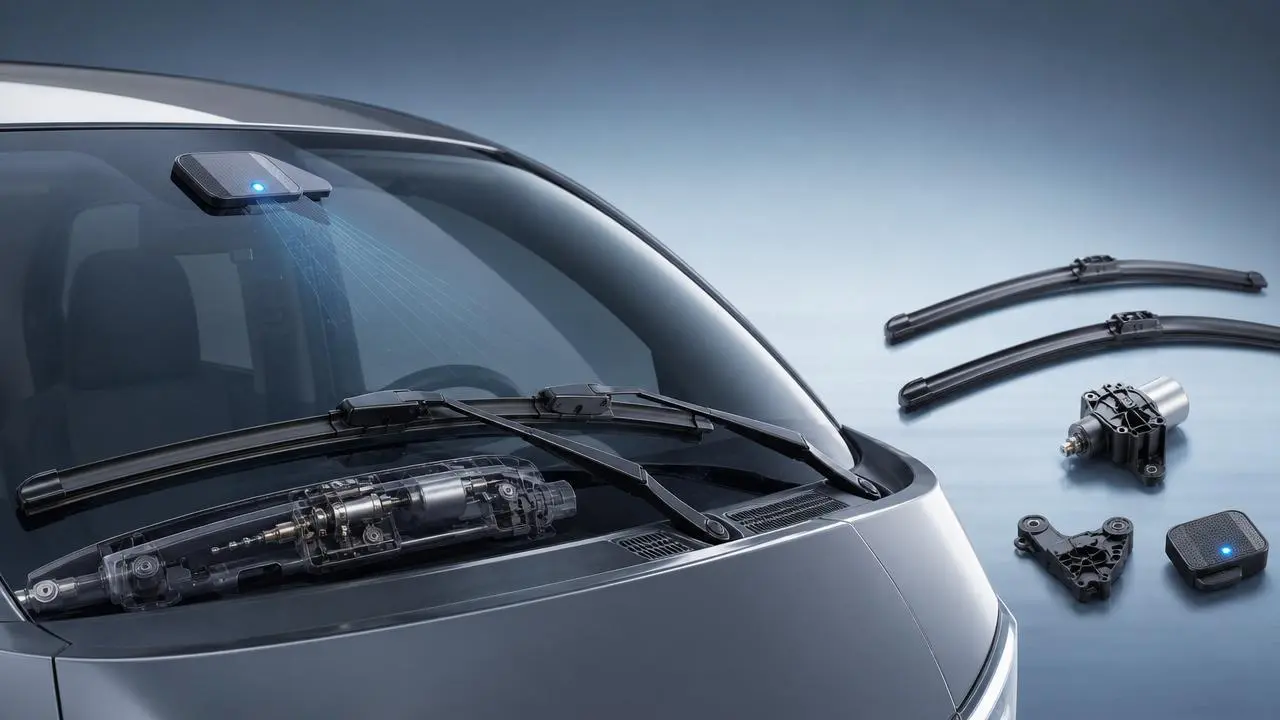
Wiper System Market Analysis: Demand Drivers, OEM Trends, and Aftermarket Opportunities
Wiper system market analysis of demand drivers, OEM integration trends, and aftermarket opportunities. Explore safety, electrification, and regional insights shaping future growth.

Commuter E-Bikes Explained: Range, Motor Torque, and Fit for Daily City Riding
Commuter e bikes explained for real city riding: compare honest range, motor torque, and bike fit to choose a smarter, more comfortable daily commute.
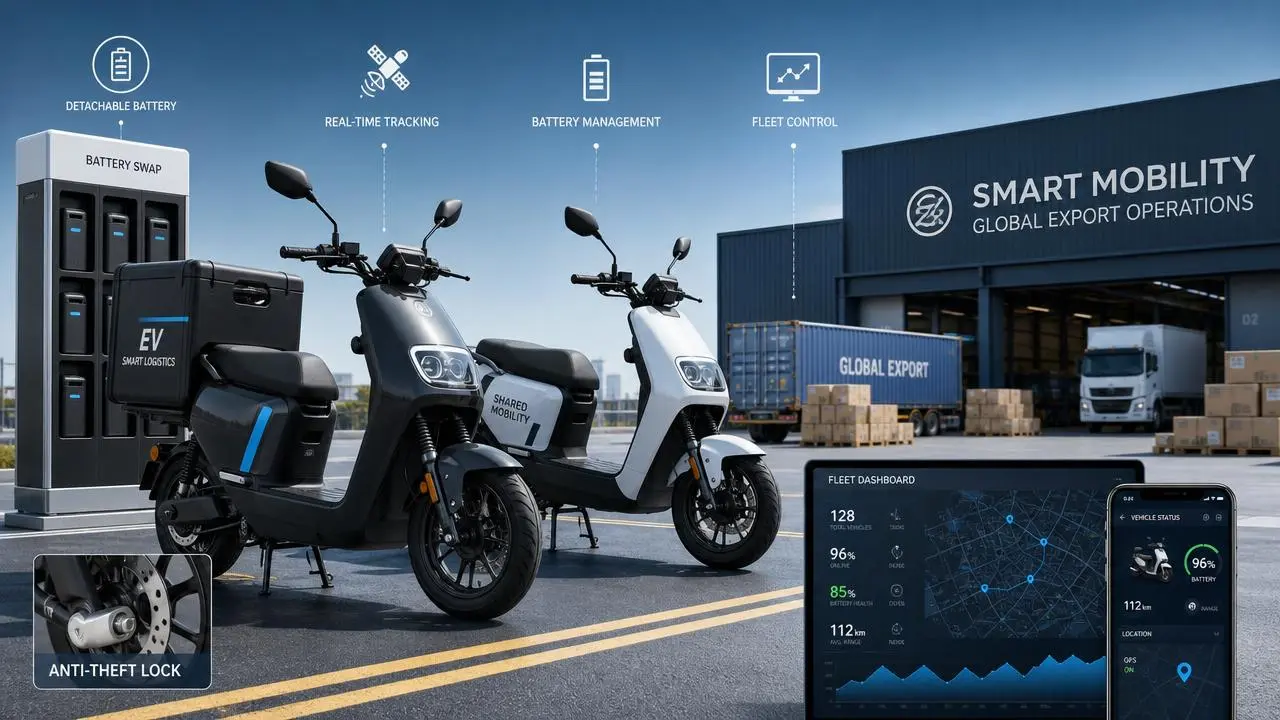
Connected Two Wheelers: Which Telematics Features Matter for Fleet Control?
Connected two wheelers need more than basic GPS. Discover the telematics features that improve fleet control, battery insight, safety, uptime, and theft protection.

Shared Scooters China: Operating Models, Policy Risks, and Expansion Lessons
Shared scooters China reveals the real drivers of micro-mobility success: operating models, policy risks, and scalable expansion lessons for smarter urban growth.

Micro Mobility Adoption Barriers: What Stops Cities From Scaling Daily Use?
Micro mobility adoption barriers are keeping cities stuck in pilot mode. Explore how regulation, infrastructure, safety, and economics block reliable daily use.
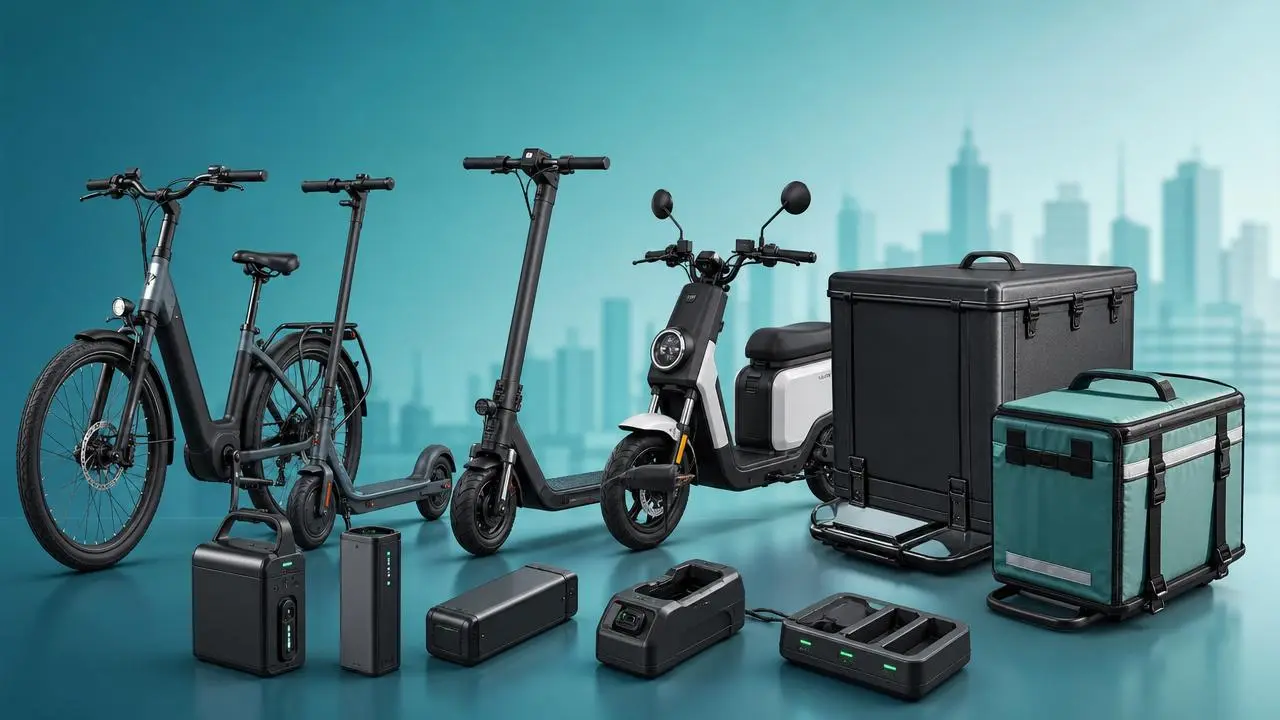
Battery Subsidy Europe: Which E-bike and Scooter Incentives Lower Total Cost?
Battery subsidy Europe explained: compare e-bike and scooter incentives, real battery cost impact, and where grants, leasing, and city rebates can truly lower total ownership cost.
Pedal Assist Ebike Buying Guide: Motor Torque, Sensor Type, and Range Explained
Pedal assist ebike buying guide: learn how motor torque, sensor type, and real-world range affect comfort, control, and value—compare smarter before you buy.