
Related News
- 00
0000-00
Connected Two Wheelers: Which Telematics Features Matter for Fleet Control? - 00
0000-00
Battery Subsidy Europe: Which E-bike and Scooter Incentives Lower Total Cost? - 00
0000-00
How to Choose Last Mile Delivery Solutions for Urban Routes, Cold Chain, and Heavy Loads - 00
0000-00
Battery Management USA: How to Evaluate Compliance, Data Visibility, and Service Support - 00
0000-00
Aerodynamics Analysis for EV Design: Which Drag Parameters Matter Most?
Ms. Elena Rodriguez
Weekly Insights
Stay ahead with our curated technology reports delivered every Monday.
Connected Two Wheelers: Which Telematics Features Matter for Fleet Control?





Connected Two Wheelers: Which Telematics Features Matter for Fleet Control?
As fleets expand across delivery, sharing, and service networks, connected two wheelers are moving from optional upgrades to core operating assets.
That shift is easy to understand. More vehicles on the road create more uncertainty around location, battery health, rider behavior, downtime, and asset loss.
In practical terms, telematics gives operators a live control layer. It turns connected two wheelers into measurable, manageable fleet nodes.
Still, not every feature creates the same value. Some look impressive in demos but add little to daily control or engineering decisions.
The real question is not whether connected two wheelers need telematics. It is which functions improve uptime, safety, cost control, and deployment confidence.
Why connected two wheelers need a control-first telematics stack
Urban fleet conditions are messy. Vehicles face variable routes, weather, charging habits, road shocks, and inconsistent rider usage patterns.
That is why connected two wheelers should be evaluated as operating systems, not just vehicles with SIM cards and maps.
A control-first model focuses on five outcomes:
- Knowing where every vehicle is, and whether that data is trustworthy.
- Understanding battery state beyond simple percentage readings.
- Reducing unsafe or inefficient riding behavior.
- Preventing failures before they create service interruptions.
- Protecting assets from theft, tampering, and misuse.
If a telematics platform for connected two wheelers cannot support these outcomes, the feature list is probably too shallow or too cosmetic.
Feature one: high-confidence live tracking and geofencing
Live tracking is the baseline for connected two wheelers, but accuracy matters more than refresh frequency alone.
Dense urban zones create GPS drift. Underground parking, high-rise corridors, and metal structures often distort location signals.
For fleet control, the best systems combine GNSS, cellular triangulation, inertial sensing, and event-based position reporting.
What matters most
- Configurable reporting intervals for parked, idle, and moving states.
- Multi-layer geofences for service zones, no-parking areas, and depot boundaries.
- Entry, exit, and dwell-time alerts tied to operations rules.
- Fallback logic when the location signal becomes weak or noisy.
This matters because connected two wheelers often operate in high-volume environments. Small location errors can create large retrieval and compliance costs.
A good geofencing model also supports policy enforcement. It helps limit out-of-zone riding, detect unauthorized storage, and manage low-speed areas.
Feature two: battery intelligence, not just battery visibility
Battery data is where many connected two wheelers either become operationally smart or remain frustratingly blind.
A dashboard showing state of charge is helpful, but it does not explain battery stress, thermal risk, aging, or range reliability.
For engineering teams, better battery intelligence changes deployment planning, charging windows, swap cycles, and warranty exposure.
Core battery signals to prioritize
- State of charge and state of health in separate readings.
- Cell imbalance, temperature trend, and overcurrent events.
- Charge cycle count and charging behavior patterns.
- Estimated usable range under real route conditions.
- Alerts for abnormal discharge during parking.
This is especially important for connected two wheelers used in delivery peaks or shared systems with tight rotation requirements.
Battery intelligence reduces unpleasant surprises. More importantly, it helps teams decide when a pack should be charged, swapped, cooled, or retired.
Feature three: rider behavior monitoring that leads to action
Connected two wheelers generate valuable motion data, but raw event logs are not enough. The useful part is turning them into operational action.
Harsh braking, rapid acceleration, repeated overspeeding, aggressive cornering, and impact events all reveal risk patterns.
In real fleet operations, those signals affect safety, maintenance, tire wear, brake life, and public complaints.
Best practice for using rider data
- Define event thresholds by vehicle type and route context.
- Score trends over time, not only isolated incidents.
- Connect alerts to coaching, policy changes, or maintenance checks.
- Separate safety monitoring from intrusive micromanagement.
That last point matters. Connected two wheelers should support responsible control, not create noisy, low-trust surveillance systems.
When event data is clean and actionable, operators can reduce accidents and extend component life without slowing daily operations.
Feature four: predictive maintenance and fault diagnostics
Predictive maintenance is one of the strongest business cases for connected two wheelers, especially at scale.
Traditional maintenance schedules assume similar usage. Real fleets rarely behave that way.
Some vehicles face steep terrain and heavy payloads. Others remain lightly used but exposed to weather, vibration, or poor charging habits.
Telematics signals worth integrating
- Motor temperature and controller fault codes.
- Brake wear indicators and abnormal deceleration patterns.
- Tire pressure trends where sensors are available.
- Vibration anomalies suggesting frame or component issues.
- Repeated charging faults or connector instability.
The goal is simple. Fix problems before they become roadside failures, service gaps, or expensive warranty claims.
For connected two wheelers, diagnostics should also support remote triage. Teams need to know whether a vehicle requires shutdown, pickup, or deferred service.
Feature five: theft prevention, immobilization, and tamper awareness
Asset protection is a major reason operators invest in connected two wheelers. Urban loss rates can quickly erase margin improvements.
Basic tracking helps recovery, but stronger control comes from layered security design.
- Tamper alerts for enclosure opening or power disconnection.
- Unauthorized movement alerts during parked status.
- Remote immobilization with safe operating logic.
- Battery removal detection for swappable systems.
- Recovery mode with higher-frequency tracking.
This is where engineering discipline matters. Remote lock or immobilization features must be designed around safety, regulation, and misuse prevention.
Connected two wheelers should never trade theft control for rider hazard. Secure command validation is essential.
The hidden feature set: data quality, interoperability, and standards
The most important telematics feature may be invisible. It is data reliability across hardware, firmware, and backend layers.
Connected two wheelers often combine modules from different suppliers. That creates integration risk if data models are inconsistent.
When reviewing platforms, look beyond dashboards and ask tougher questions:
- Can the system expose clean APIs for fleet software integration?
- How are firmware updates managed over the air?
- What happens when connectivity is lost?
- How are event timestamps normalized across regions?
- Are security controls aligned with enterprise deployment needs?
This also connects to regulatory readiness. Different markets apply different rules on location data, device identity, and remote control functions.
For connected two wheelers, scalable fleet control depends on interoperable architecture, not isolated smart features.
How to prioritize telematics features by fleet use case
Not every fleet needs the same stack on day one. The smarter approach is to prioritize by operating model.
For delivery fleets
Start with battery intelligence, route-aware tracking, and predictive maintenance. Uptime and range confidence matter most.
For shared mobility fleets
Focus on geofencing, tamper alerts, remote control, and parking compliance. Asset protection and policy enforcement lead the value case.
For field service or campus operations
Prioritize usage analytics, rider safety events, and maintenance diagnostics. These fleets benefit from accountability and equipment planning.
Across all three models, connected two wheelers create the most value when telematics data feeds daily workflow, not a forgotten dashboard.
What a strong selection framework looks like
Before deployment, it helps to score telematics options against a short decision framework.
- Measure operational impact, not feature volume.
- Validate sensor accuracy in real urban conditions.
- Check battery and fault data depth, not headline metrics.
- Review security, OTA update design, and API readiness.
- Confirm that alerts can trigger practical workflows.
This reduces a common mistake: buying connected two wheelers with attractive interfaces but weak field performance.
The market is maturing fast. More obvious now is that telematics value comes from precision, consistency, and operational fit.
For teams shaping next-generation fleets, the best connected two wheelers are not the most feature-heavy. They are the most controllable.
That means dependable tracking, meaningful battery intelligence, action-ready rider data, predictive maintenance, and secure asset protection.
If the next procurement or platform review is approaching, start by mapping telematics features to specific fleet risks. That is where connected two wheelers prove their real value.
Related News
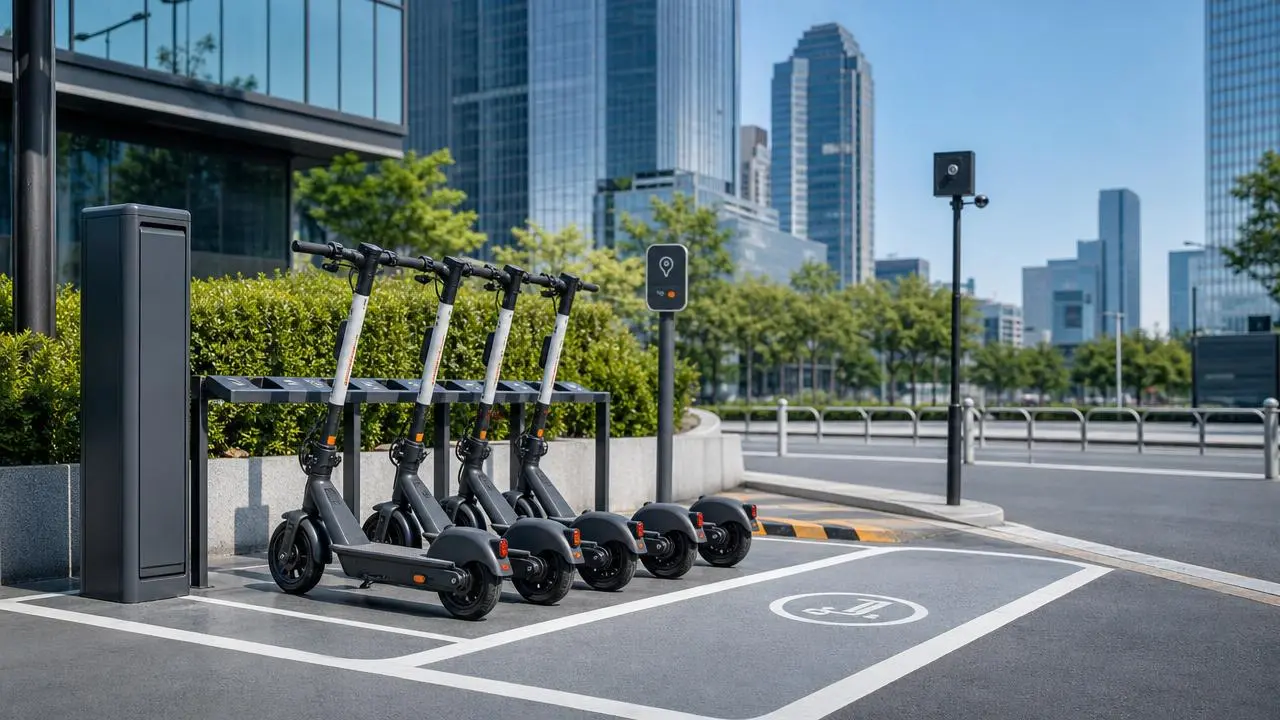
Shared Scooters China: Operating Models, Policy Risks, and Expansion Lessons
Shared scooters China reveals the real drivers of micro-mobility success: operating models, policy risks, and scalable expansion lessons for smarter urban growth.
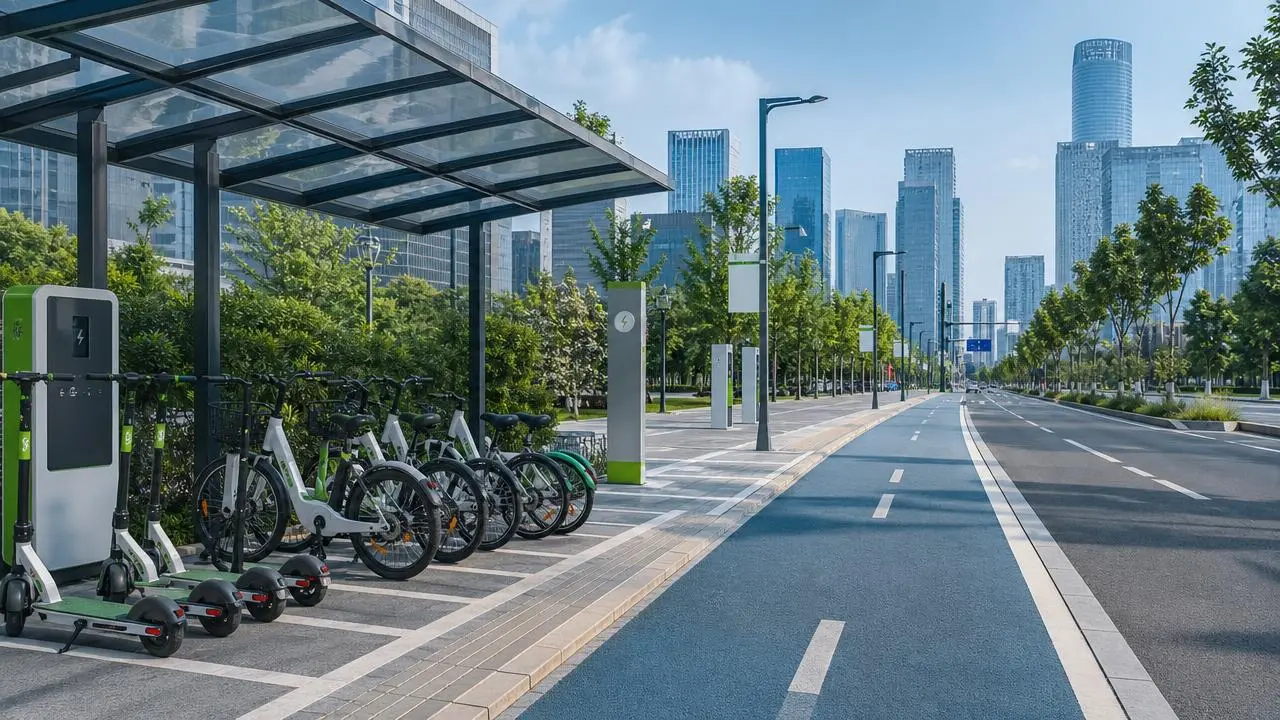
Micro Mobility Adoption Barriers: What Stops Cities From Scaling Daily Use?
Micro mobility adoption barriers are keeping cities stuck in pilot mode. Explore how regulation, infrastructure, safety, and economics block reliable daily use.
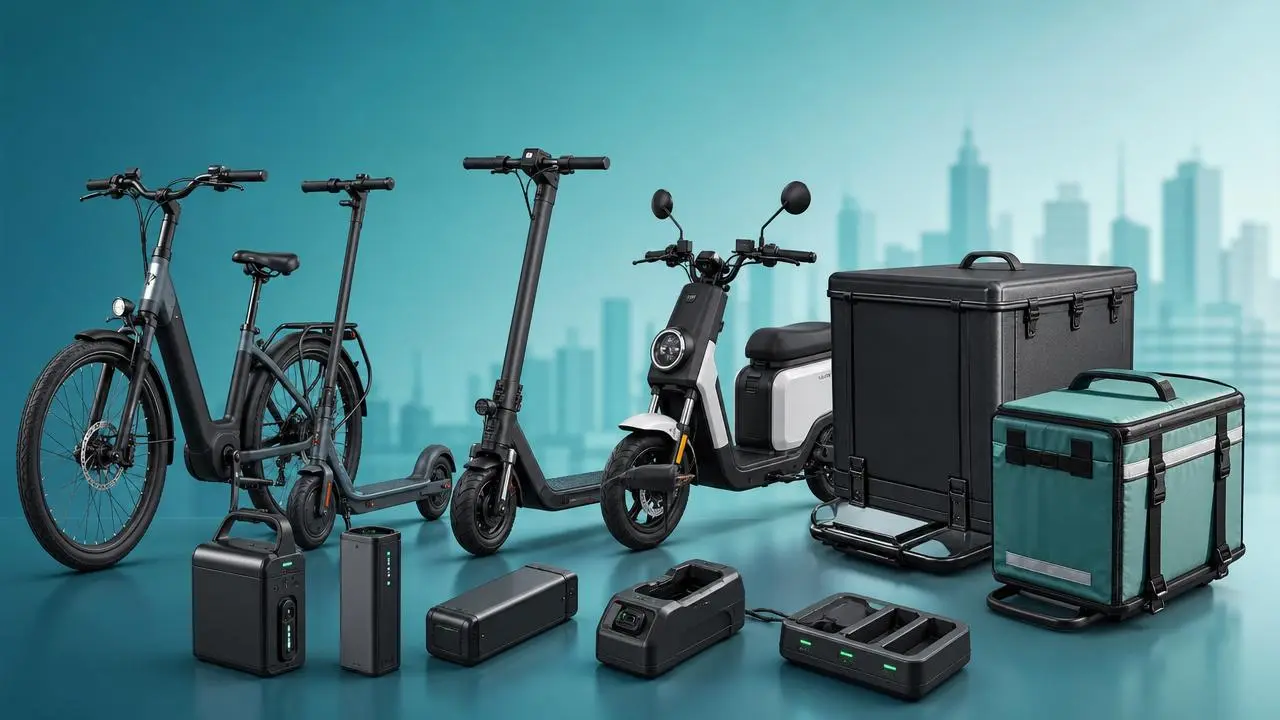
Battery Subsidy Europe: Which E-bike and Scooter Incentives Lower Total Cost?
Battery subsidy Europe explained: compare e-bike and scooter incentives, real battery cost impact, and where grants, leasing, and city rebates can truly lower total ownership cost.
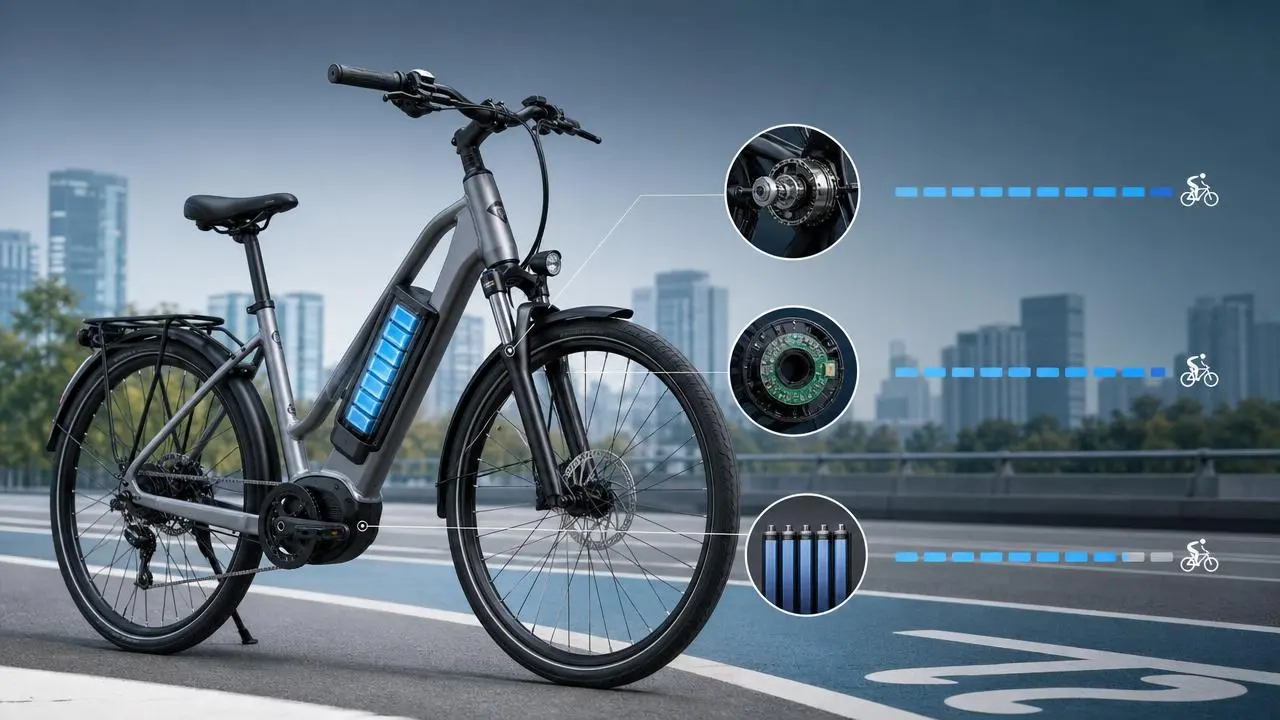
Pedal Assist Ebike Buying Guide: Motor Torque, Sensor Type, and Range Explained
Pedal assist ebike buying guide: learn how motor torque, sensor type, and real-world range affect comfort, control, and value—compare smarter before you buy.
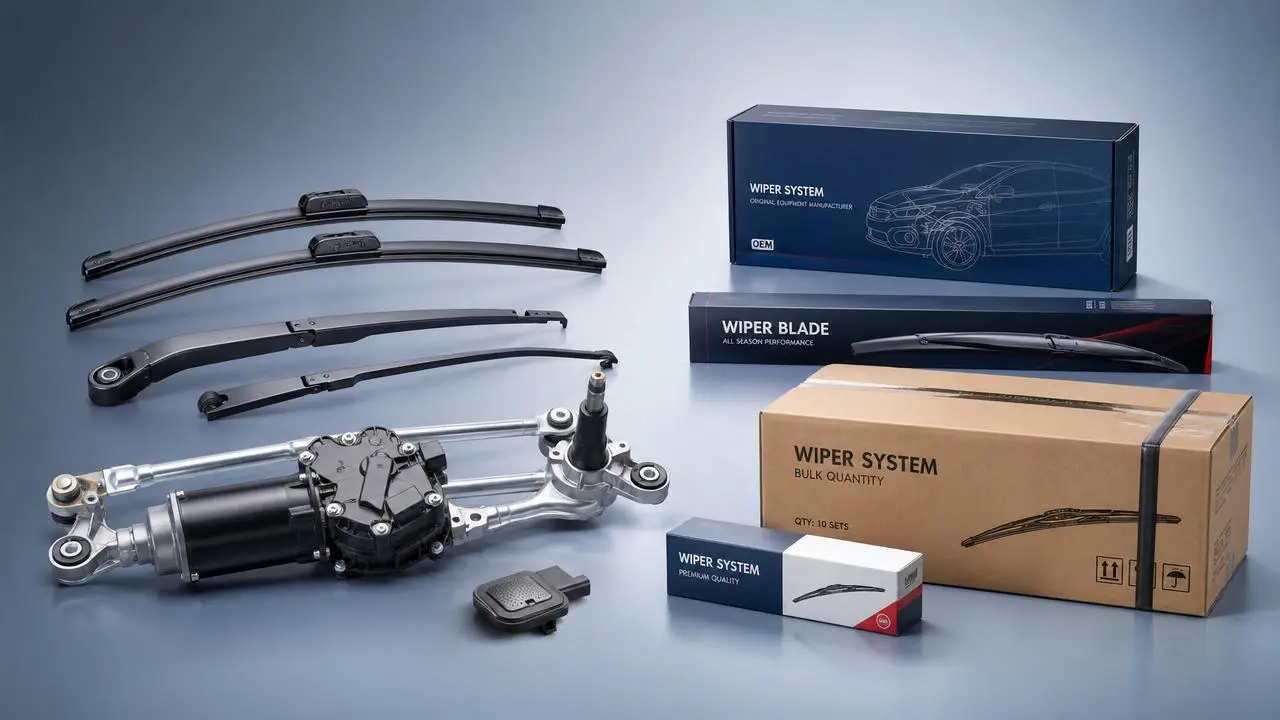
Wiper System Price Breakdown: What Changes Cost Across OEM, Aftermarket, and Fleet Orders
Wiper system price explained: compare OEM, aftermarket, and fleet costs, uncover hidden charges, and learn how to choose suppliers for better value, lower risk, and smarter sourcing.

Wiper Sensor Technology: How Rain Detection Works and What Affects Response Accuracy
Wiper sensor technology explained: learn how rain detection works, what affects response accuracy, and how to evaluate reliable, safety-focused performance across modern mobility platforms.
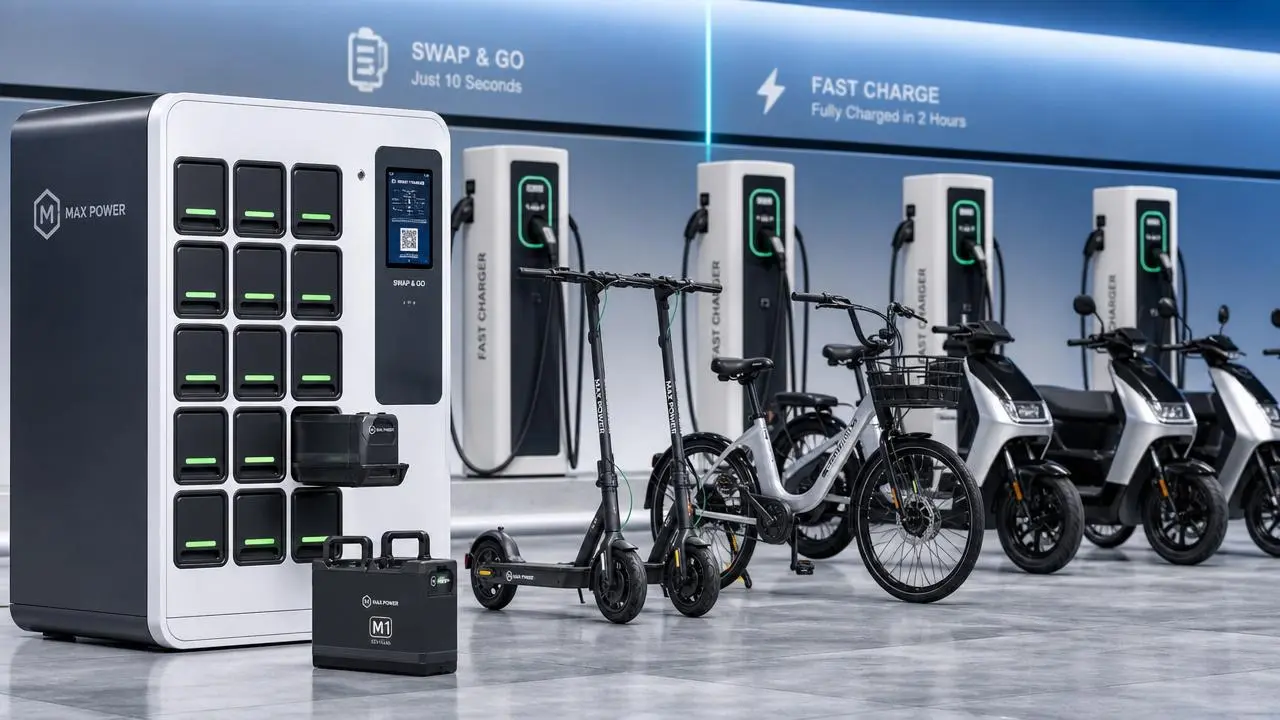
Battery Swapping vs Fast Charging: Which Lowers Fleet Downtime and Operating Costs?
Battery swapping vs fast charging: discover which model cuts fleet downtime, improves uptime, and lowers operating costs for e-bikes, scooters, and urban mobility fleets.
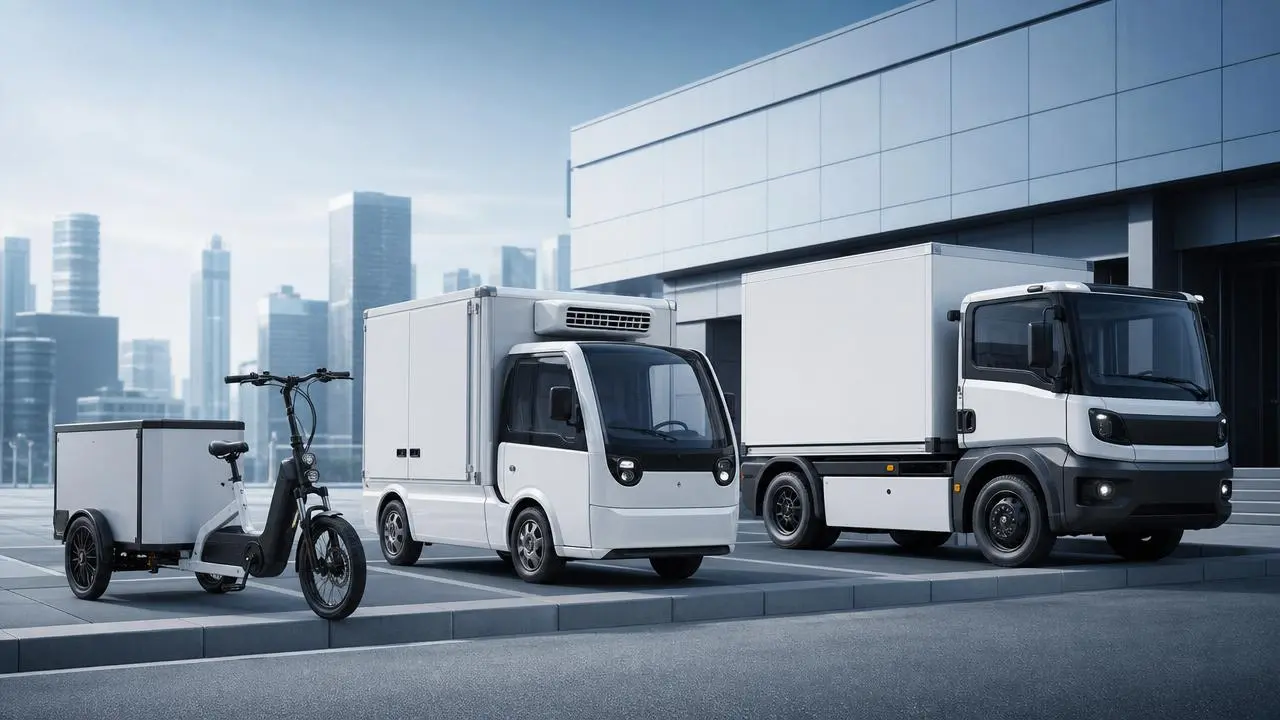
How to Choose Last Mile Delivery Solutions for Urban Routes, Cold Chain, and Heavy Loads
Last mile delivery solutions for urban routes, cold chain, and heavy loads: learn how to compare fleet fit, control risk, and improve delivery performance with a smarter decision framework.
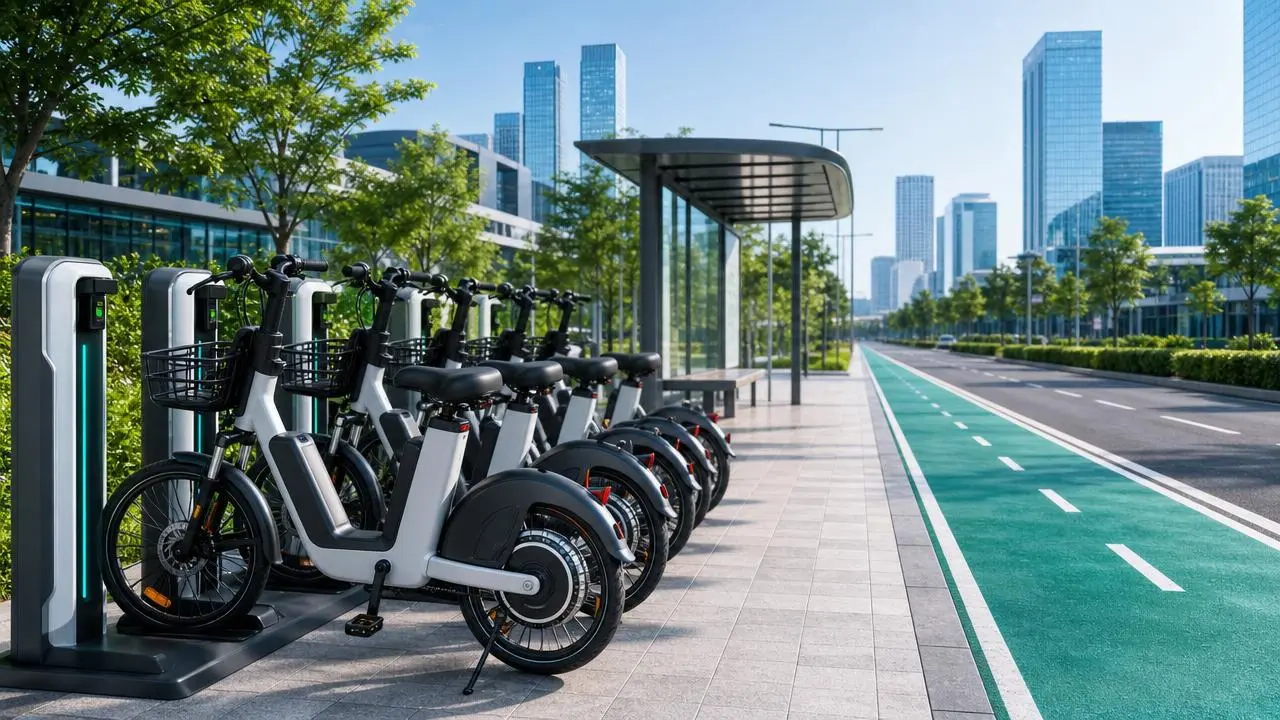
Shared Electric Bike Market Explained: Growth Drivers, City Models, and Revenue Risks
Shared electric bike market trends are reshaping urban mobility. Explore growth drivers, city models, revenue risks, and what defines profitable, regulation-ready fleets.