
Related News
- 00
0000-00
Shared Scooters China: Operating Models, Policy Risks, and Expansion Lessons - 00
0000-00
How to Choose a Shared Scooters Supplier for Fleet Scale, Parts Supply, and After-Sales - 00
0000-00
Shared Scooter Technology: Key System Components Behind Fleet Tracking and Uptime - 00
0000-00
Scooter Motor Technology Comparison: Hub vs Mid-drive vs Dual Motor for Real-World Use - 00
0000-00
How to Evaluate Intellectualization of Mobility in Shared Fleets and Smart Urban Transport
Urban Transit Fellow
Weekly Insights
Stay ahead with our curated technology reports delivered every Monday.
Shared Scooters China: Operating Models, Policy Risks, and Expansion Lessons





Shared scooters China still matters because the market failed loudly and taught clearly
Shared scooters China remains a defining reference point for urban micro-mobility strategy.
It compressed growth, regulation, public backlash, and operational learning into a few intense years.
That compression is exactly why the case still deserves attention.
For any platform evaluating expansion, the Chinese market showed how fast demand can appear.
It also showed how quickly weak economics and unclear right-of-way rules can erase early momentum.
From the UMMS perspective, the lesson is broader than scooters alone.
It connects vehicle design, fleet intelligence, battery logic, city governance, and last-mile behavior into one operating system.
That is why shared scooters China still informs decisions across e-bikes, smart e-scooters, and other connected two-wheeler categories.
The signal has shifted from scale obsession to disciplined urban fit
The early phase rewarded aggressive deployment.
Operators chased city count, fleet size, and app downloads.
Capital treated density as a shortcut to defensibility.
But shared scooters China soon revealed a harder reality.
Urban fit mattered more than gross deployment.
Cities were not passive infrastructure providers.
They became active gatekeepers of curb space, sidewalk order, parking behavior, and data visibility.
That changed the competitive equation.
The winning question was no longer who could flood the streets first.
It became who could operate inside local mobility constraints without triggering regulatory pushback.
This shift now appears across many micro-mobility categories.
Shared scooters China simply made it visible earlier.
What changed beneath the surface
- Fleet economics became less forgiving as repair, retrieval, and battery servicing costs rose.
- Policy scrutiny intensified when disorderly parking began to affect pedestrian flow and public safety.
- User growth proved real, but ride frequency alone could not absorb poor asset utilization.
- Local compliance began to determine whether expansion created value or stranded hardware.
Operating models in shared scooters China became a test of unit economics, not branding
Several operating models emerged, and each carried different risk profiles.
The first model relied on heavy fleet placement and deposit-driven customer acquisition.
It scaled quickly, but trust and cash management became fragile when service quality slipped.
Another model focused on narrower city clusters.
This approach lowered coordination complexity and improved redistribution efficiency.
A third model leaned more heavily on municipal cooperation, geofencing discipline, and operational reporting.
That version often grew slower, yet it was more defensible.
In practical terms, shared scooters China proved that platform strength is operational before it is promotional.
The market eventually rewarded control over fleet lifecycle.
That included hardware durability, battery turnover, software dispatch accuracy, and discipline at the curb.
These are also core concerns across the UMMS coverage universe.
Policy risks in shared scooters China were not external noise
A common mistake is treating regulation as a late-stage constraint.
In shared scooters China, policy was part of the market architecture from the beginning.
Authorities were balancing innovation, congestion relief, public order, and land-use efficiency at the same time.
That made policy risk multidimensional.
Parking restrictions were only the visible layer.
Data governance, rider safety, fire risk, insurance expectations, and vehicle quality standards all mattered.
More importantly, the policy response was not uniform across cities.
That fragmented the operating landscape.
A model that looked efficient in one district could fail in another because the enforcement logic was different.
Why the policy layer became decisive
- Street space is politically sensitive because it affects pedestrians, storefronts, and traffic order.
- Low hardware barriers can create oversupply before cities build management frameworks.
- Digital fleets generate traceable behavior data, so regulators expect measurable compliance.
- Safety events in adjacent segments, including e-bikes and batteries, often spill over into shared scooter oversight.
This is one reason UMMS tracks not only vehicle categories but also enabling systems.
Battery management logic, sensor reliability, and connected diagnostics are no longer technical side notes.
They increasingly shape whether a city sees an operator as manageable.
The deeper lesson is that expansion failed when hardware, software, and city rules moved at different speeds
Shared scooters China was never only a consumer app story.
It was a synchronization problem.
Hardware rolled out fast.
Operational software matured later.
City governance adapted on a different timetable.
When those clocks were misaligned, costs multiplied.
Broken scooters stayed visible longer.
Improper parking became symbolic of platform excess.
Municipal tolerance narrowed before operators finished building robust controls.
That pattern now matters well beyond China.
Global expansion in micro-mobility often stalls for the same reason.
The platform enters first, but system readiness arrives later.
Where the impact spreads
- Asset planning suffers when vehicle lifespan assumptions ignore road conditions and abuse patterns.
- Battery logistics become harder when charging, swapping, and retrieval routes are not city-specific.
- Partnership strategy weakens when local authorities receive usage data too late or in unusable formats.
- Brand trust falls quickly when complaint handling lags behind visible street disorder.
What deserves closer attention now is not demand, but operating resilience
Demand for flexible short-distance mobility is no longer the central question.
That demand exists in most dense cities.
The more useful question is whether a shared scooter model can remain governable while scaling.
Shared scooters China suggests four areas deserve continuous review.
- Compliance architecture: permit exposure, geofence enforcement, parking verification, and incident reporting discipline.
- Technical robustness: battery safety, IoT uptime, anti-tamper design, and maintenance traceability.
- City economics: ride density by district, rebalancing burden, and labor intensity in retrieval operations.
- Expansion logic: adjacency to e-bikes, swapping networks, or broader urban transport integrations.
This is where the broader UMMS lens becomes useful.
The same intelligence stitching applied to e-bikes, smart scooters, and high-speed electric two-wheelers helps explain resilience here too.
Technical performance and policy durability increasingly reinforce each other.
Expansion lessons from shared scooters China travel best when they are translated, not copied
One of the wrong takeaways is that every market will replay the same boom and correction cycle.
Another is that China’s experience was unique and therefore irrelevant.
Both views miss the real value.
The transferable lesson is methodological.
Expansion works better when operators translate local street conditions, local enforcement habits, and local energy infrastructure into the business model early.
In some markets, that may favor seated e-scooters or e-bikes over stand-up fleets.
In others, it may require battery-swapping partnerships, stricter rider verification, or smaller deployment zones.
Shared scooters China therefore remains useful as a stress test.
It shows what happens when enthusiasm outruns operational fit.
A practical next-step framework
The shared scooters China story still speaks clearly.
Scale can open a market, but only systems can keep it open.
The next useful move is to track where local policy, fleet technology, and urban usage are converging.
Then build a phased response before expansion pressure makes those choices expensive.
Related News
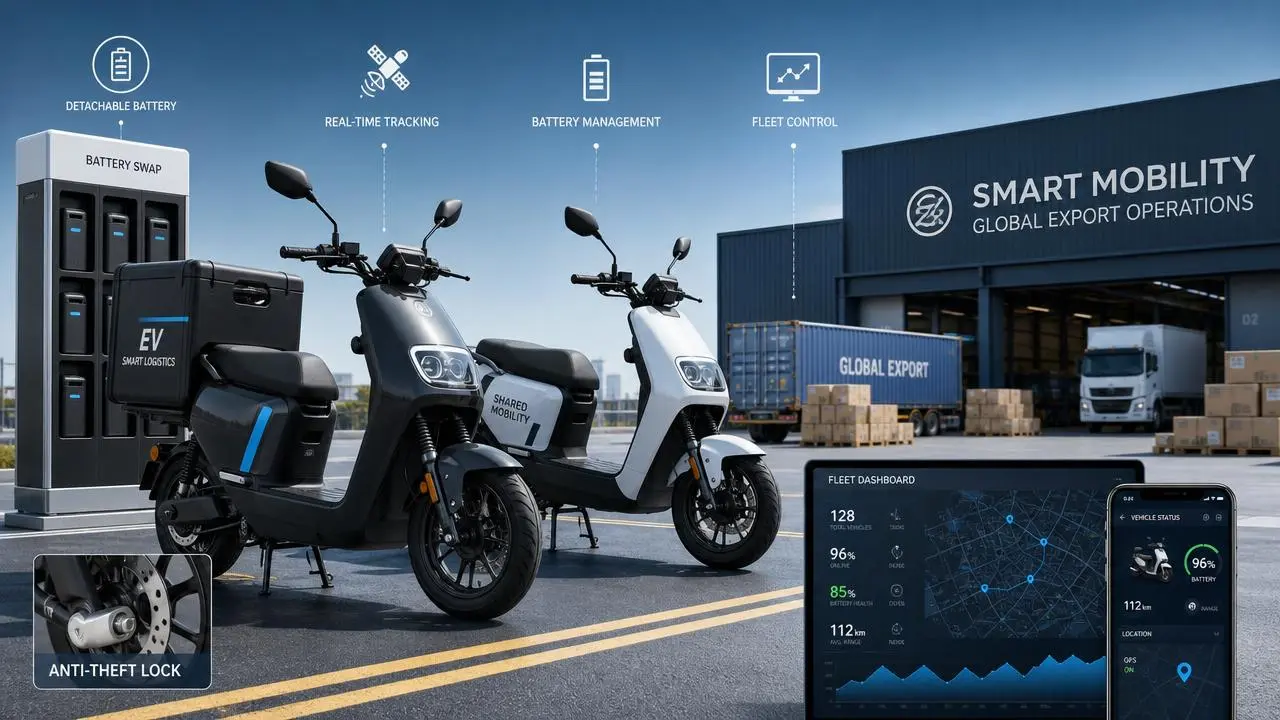
Connected Two Wheelers: Which Telematics Features Matter for Fleet Control?
Connected two wheelers need more than basic GPS. Discover the telematics features that improve fleet control, battery insight, safety, uptime, and theft protection.
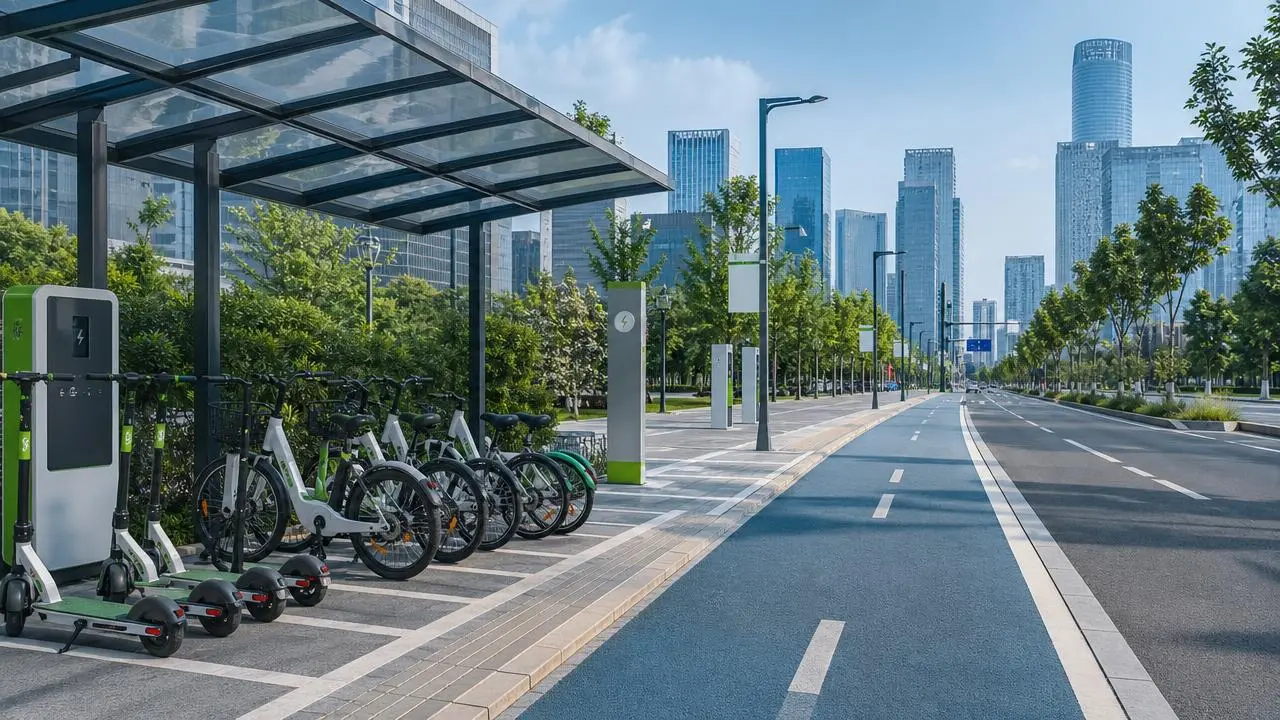
Micro Mobility Adoption Barriers: What Stops Cities From Scaling Daily Use?
Micro mobility adoption barriers are keeping cities stuck in pilot mode. Explore how regulation, infrastructure, safety, and economics block reliable daily use.
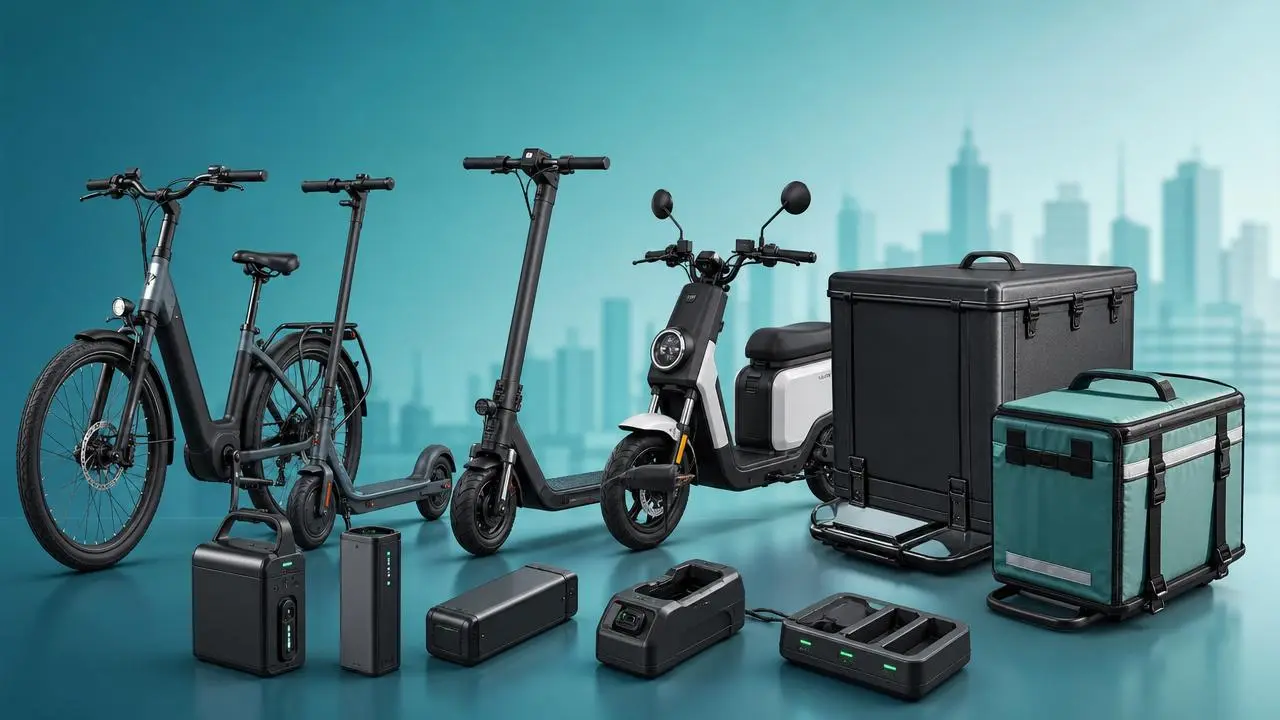
Battery Subsidy Europe: Which E-bike and Scooter Incentives Lower Total Cost?
Battery subsidy Europe explained: compare e-bike and scooter incentives, real battery cost impact, and where grants, leasing, and city rebates can truly lower total ownership cost.
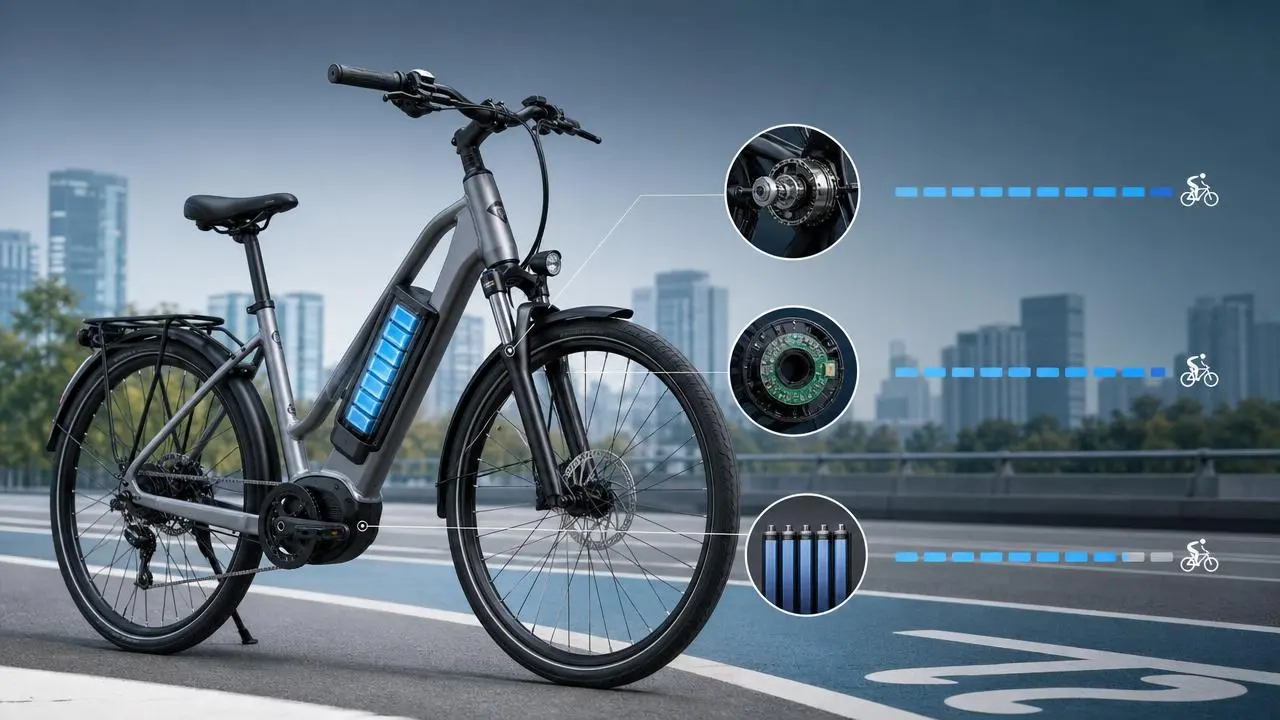
Pedal Assist Ebike Buying Guide: Motor Torque, Sensor Type, and Range Explained
Pedal assist ebike buying guide: learn how motor torque, sensor type, and real-world range affect comfort, control, and value—compare smarter before you buy.
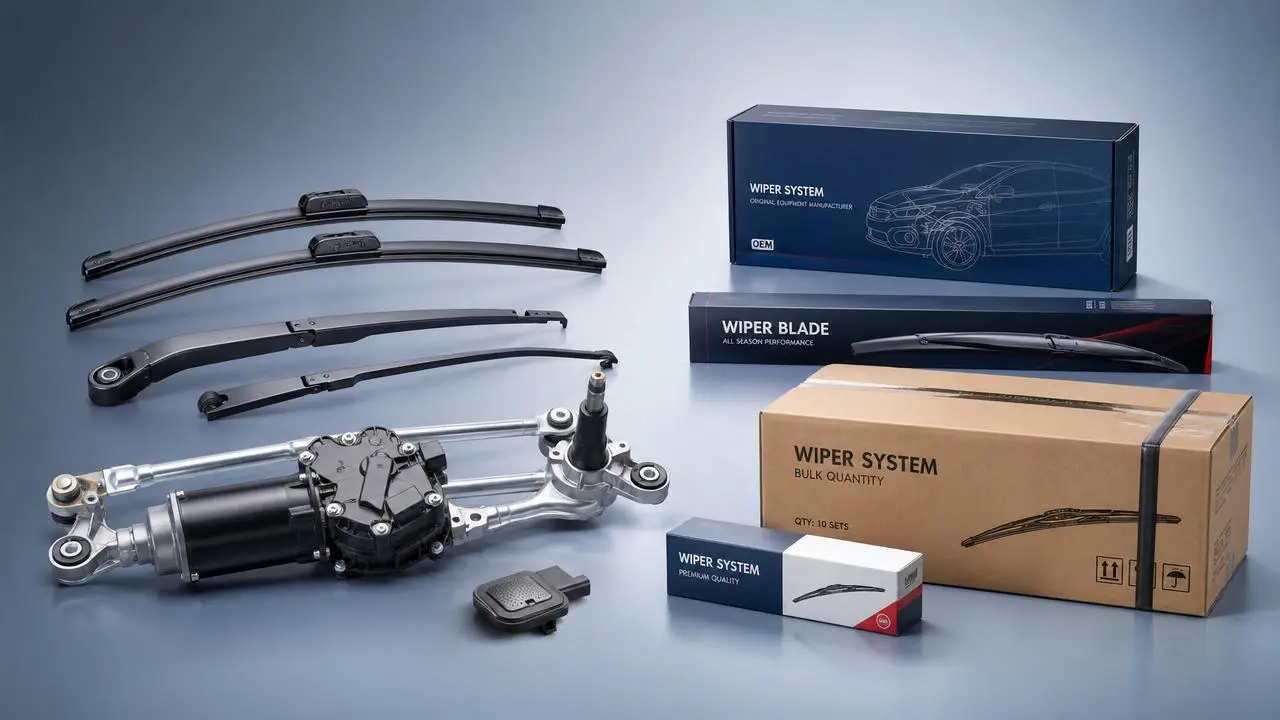
Wiper System Price Breakdown: What Changes Cost Across OEM, Aftermarket, and Fleet Orders
Wiper system price explained: compare OEM, aftermarket, and fleet costs, uncover hidden charges, and learn how to choose suppliers for better value, lower risk, and smarter sourcing.

Wiper Sensor Technology: How Rain Detection Works and What Affects Response Accuracy
Wiper sensor technology explained: learn how rain detection works, what affects response accuracy, and how to evaluate reliable, safety-focused performance across modern mobility platforms.
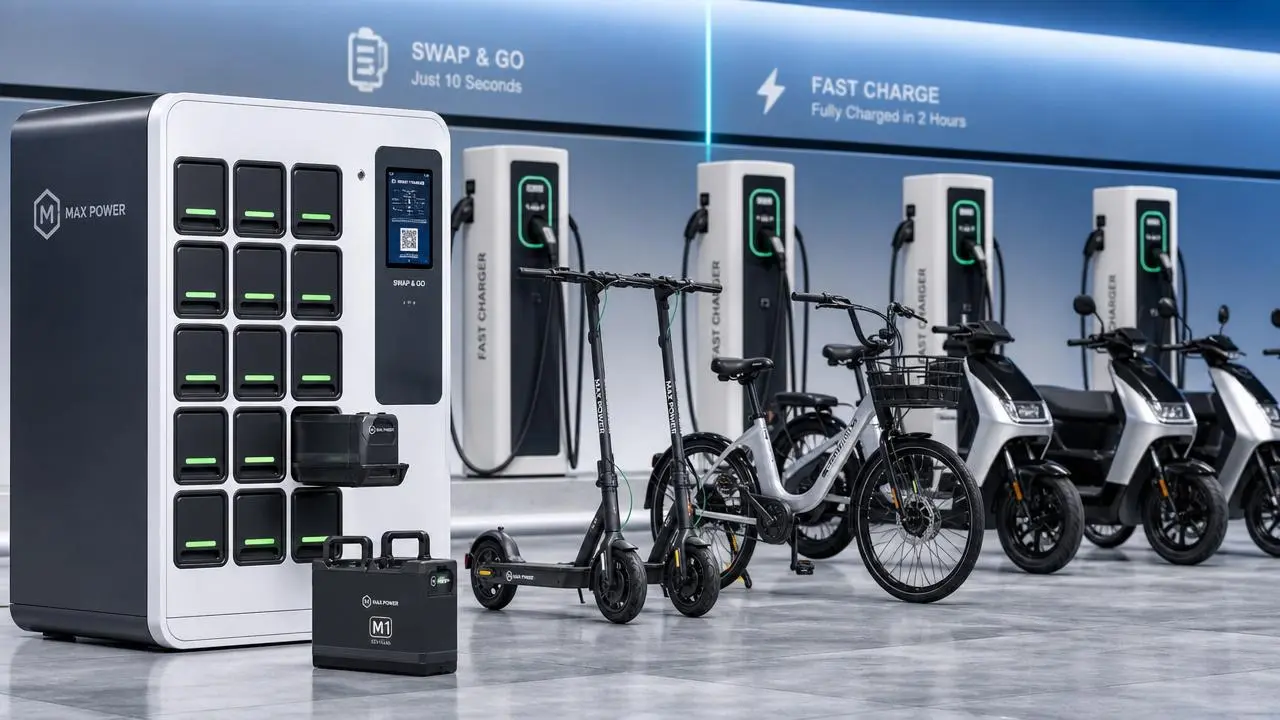
Battery Swapping vs Fast Charging: Which Lowers Fleet Downtime and Operating Costs?
Battery swapping vs fast charging: discover which model cuts fleet downtime, improves uptime, and lowers operating costs for e-bikes, scooters, and urban mobility fleets.
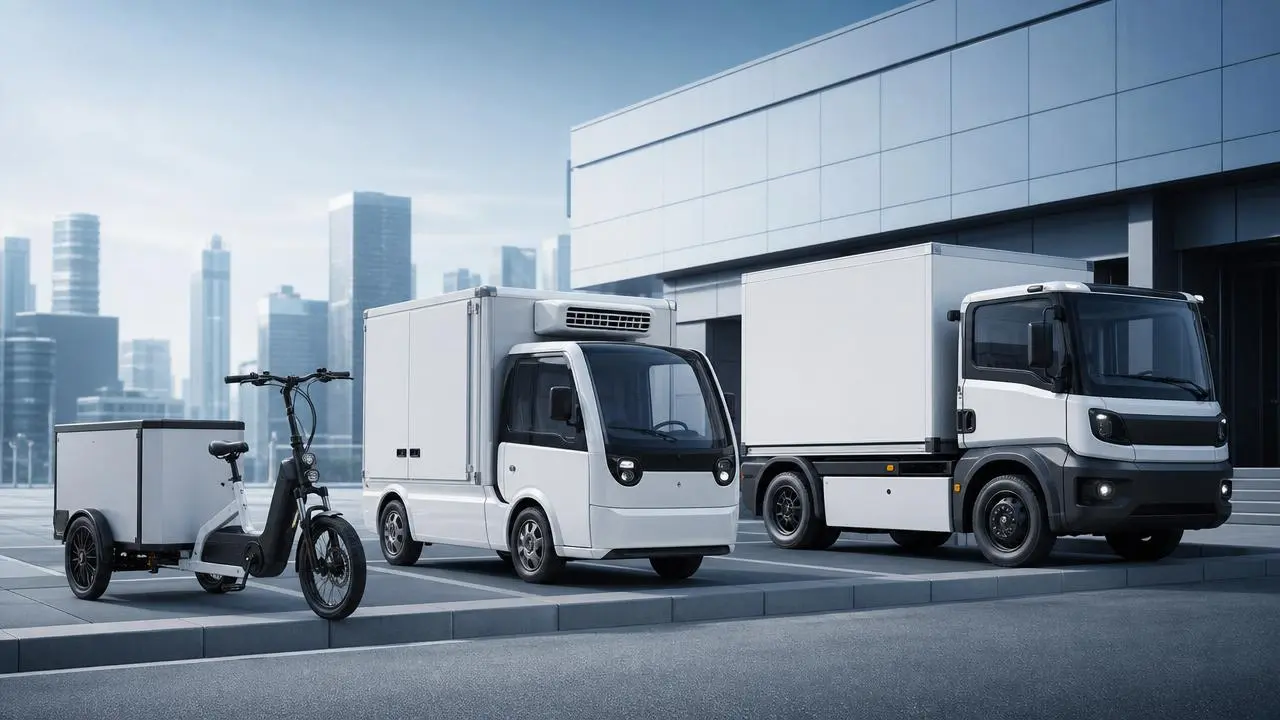
How to Choose Last Mile Delivery Solutions for Urban Routes, Cold Chain, and Heavy Loads
Last mile delivery solutions for urban routes, cold chain, and heavy loads: learn how to compare fleet fit, control risk, and improve delivery performance with a smarter decision framework.
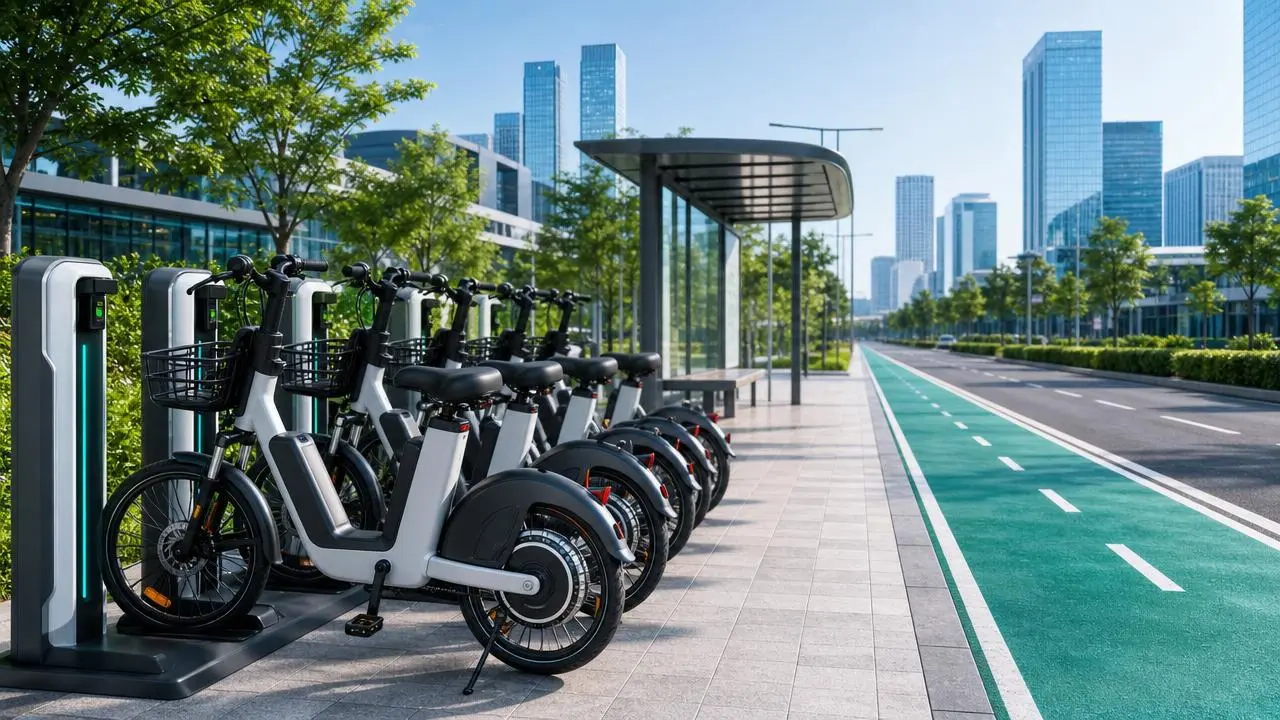
Shared Electric Bike Market Explained: Growth Drivers, City Models, and Revenue Risks
Shared electric bike market trends are reshaping urban mobility. Explore growth drivers, city models, revenue risks, and what defines profitable, regulation-ready fleets.