
Related News
- 00
0000-00
Connected Two Wheelers: Which Telematics Features Matter for Fleet Control? - 00
0000-00
Battery Subsidy Europe: Which E-bike and Scooter Incentives Lower Total Cost? - 00
0000-00
How to Choose Last Mile Delivery Solutions for Urban Routes, Cold Chain, and Heavy Loads - 00
0000-00
Battery Management USA: How to Evaluate Compliance, Data Visibility, and Service Support - 00
0000-00
Aerodynamics Analysis for EV Design: Which Drag Parameters Matter Most?
Ms. Elena Rodriguez
Weekly Insights
Stay ahead with our curated technology reports delivered every Monday.
Battery Subsidy Europe: Which E-bike and Scooter Incentives Lower Total Cost?





Battery subsidy Europe: why does it change the real cost picture?
Battery subsidy Europe policies matter because sticker price rarely tells the full story for e-bikes and scooters.
In practice, the battery often drives both acquisition cost and replacement risk.
That is why many European incentive schemes focus on electric mobility, energy efficiency, and low-emission transport rather than on the vehicle alone.
For e-bikes, smart e-scooters, and related urban fleets, the impact can be meaningful.
A grant, tax offset, employer scheme, or city rebate may lower upfront spend, improve payback, and change replacement timing.
The harder part is that battery subsidy Europe programs are fragmented.
Rules differ by country, region, municipality, use case, and applicant type.
Some reward private commuting.
Others favor shared mobility, cargo cycles, or fleet electrification.
UMMS tracks these shifts because subsidy design now influences component demand, battery planning, and urban micro-mobility investment logic across Europe.
Which incentives usually reduce total cost most for e-bikes and scooters?
The strongest savings usually come from incentives that cut cash outlay early, not just operating cost later.
That sounds obvious, yet many schemes look generous while producing modest net benefit after caps and exclusions.
The most useful battery subsidy Europe mechanisms tend to fall into four groups.
- Direct purchase grants that reimburse part of the invoice, often with a fixed ceiling.
- Tax-efficient salary sacrifice or leasing models that reduce gross employment cost.
- Local mobility incentives for cargo bikes, delivery scooters, or low-emission urban access.
- Battery-linked support tied to energy transition, fleet renewal, or scrappage conditions.
For standard commuter e-bikes, salary sacrifice and lease-to-own structures often outperform small one-time rebates.
For delivery scooters or shared fleets, city grants and commercial decarbonization funds can create stronger savings.
Where battery subsidy Europe rules support cargo transport, higher-priced vehicles may gain the most in absolute terms.
Still, the best incentive is not always the highest percentage.
It is the one that remains claimable, compliant, and easy to document.
A quick comparison of the most common subsidy effects
The table below helps compare what usually matters when reviewing battery subsidy Europe opportunities.
Are all European markets equally attractive for subsidy-led savings?
Not really.
A common mistake is treating Europe as one subsidy market.
The more accurate view is layered.
National programs set the broad framework, while cities and regions create much of the practical value.
For example, some countries have mature cycle-to-work or tax-supported leasing ecosystems.
Others rely more on municipal rebates for cargo bikes and delivery vehicles.
In several markets, scooter support is narrower than e-bike support because safety and right-of-way rules remain stricter.
That distinction matters when comparing battery subsidy Europe programs for mixed fleets.
The strongest markets are usually those with three features working together.
- Stable policy language that survives beyond a single budget cycle.
- Clear documentation rules for batteries, safety compliance, and invoice timing.
- Local operating conditions that make micro-mobility useful every day.
This is where UMMS-style intelligence becomes useful.
Policy value cannot be separated from vehicle category, battery architecture, charging workflow, and urban access regulation.
What should be checked before counting a subsidy into the budget?
Before using any battery subsidy Europe assumption in a cost model, confirm the claim conditions line by line.
This is where many attractive headline numbers disappear.
More common issues include vehicle classification, VAT treatment, ownership period, and who receives the money.
A scheme may reimburse the end user, not the buying entity.
Another may exclude imported configurations lacking local technical documentation.
Some grants cannot be stacked with leasing support or other energy-transition aid.
Battery-related criteria also matter more than many expect.
Programs may ask for certified battery safety, minimum range, removable battery rules, or traceability of replacement packs.
For scooters, telematics, speed class, and insurance category can also affect eligibility.
A useful review checklist includes the following points.
- Who is the legal beneficiary of the subsidy?
- Is the subsidy paid before purchase, after purchase, or through tax relief?
- Does the vehicle type match e-bike, cargo bike, scooter, or speed-pedelec definitions?
- Are battery certifications, warranty terms, and disposal obligations specified?
- Can the scheme be combined with local or national support?
- What happens if the vehicle is resold early or moved across borders?
How do e-bike and scooter incentives compare when batteries are the main cost driver?
E-bike incentives are usually broader, but scooters may produce sharper operational savings in dense urban service use.
That difference matters when the battery is expensive relative to the frame and electronics.
For e-bikes, subsidy logic often connects to commuting, wellness, and modal shift from cars.
For scooters, support more often depends on local transport policy, safety limits, or emissions replacement goals.
So which side wins on total cost?
If the use case is daily commuting or campus mobility, e-bikes often benefit from more predictable battery subsidy Europe pathways.
If the use case is food delivery, maintenance rounds, or short-range service dispatch, scooters may recover costs faster even with weaker subsidy access.
The answer depends on battery cycle intensity, charging downtime, theft risk, and local maintenance support.
UMMS follows this closely because battery management logic and urban operating patterns increasingly decide whether a subsidy creates lasting value or only a short-term discount.
A practical way to judge the better option
When comparing e-bikes with scooters, it helps to score five cost questions rather than chasing one subsidy number.
- How much of the battery cost is covered directly or indirectly?
- How many charge cycles will the vehicle see each year?
- What is the expected cost of replacement batteries?
- Are maintenance and compliance records easy to retain?
- Will local rules still support the same operating model next year?
Where do decision errors usually happen with battery subsidy Europe planning?
The biggest error is treating subsidy as guaranteed cash.
In reality, many programs are competitive, time-limited, or funded in waves.
A second error is ignoring battery replacement timing.
A grant that helps the first purchase may not support the second battery pack.
If the operating model is battery-intensive, that omission changes lifecycle economics quickly.
Another weak point is compliance evidence.
Invoices, serial numbers, homologation files, battery certifications, and use declarations often need to align perfectly.
This is especially relevant for imported micro-mobility systems, retrofits, or fleet refurbishments.
Finally, there is the policy drift issue.
A city can support shared scooters one year and tighten permits the next.
A battery subsidy Europe plan should therefore be tested against a downside case, not just a best case.
So how should the next evaluation step be structured?
A practical next step is to build a short decision sheet for each target market.
List the vehicle category, battery specification, local incentive source, claim owner, timing, and renewal assumptions.
Then test total cost with and without subsidy.
That simple comparison prevents overreliance on unstable support.
Battery subsidy Europe opportunities are real, especially in mature e-bike ecosystems and selected urban scooter programs.
But the strongest savings usually appear where policy, battery compliance, and use case fit together cleanly.
For anyone comparing European micro-mobility investments, the better question is not just where subsidies exist.
It is where those subsidies remain usable after documentation, battery lifecycle, and operating constraints are fully counted.
That is also why market watchers such as UMMS keep linking policy intelligence with battery systems, drivetrain evolution, and real urban deployment signals.
The most reliable savings come from disciplined comparison, not headline percentages alone.
Related News
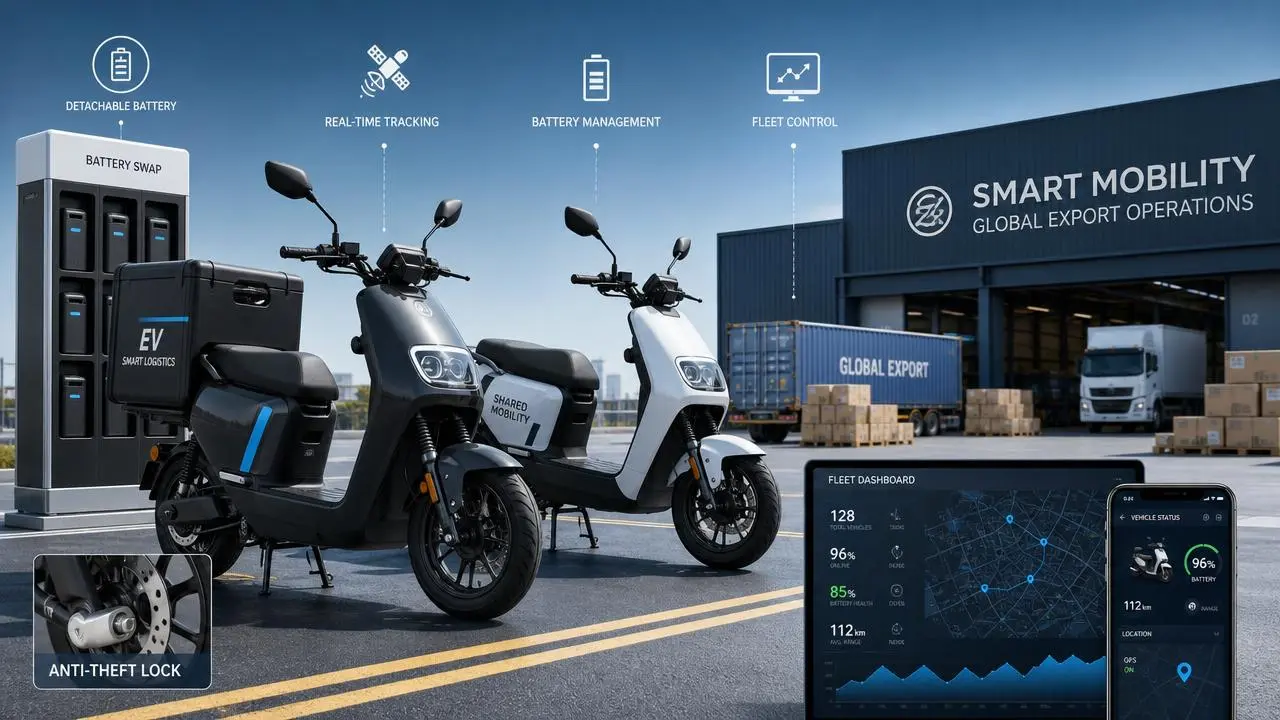
Connected Two Wheelers: Which Telematics Features Matter for Fleet Control?
Connected two wheelers need more than basic GPS. Discover the telematics features that improve fleet control, battery insight, safety, uptime, and theft protection.
Shared Scooters China: Operating Models, Policy Risks, and Expansion Lessons
Shared scooters China reveals the real drivers of micro-mobility success: operating models, policy risks, and scalable expansion lessons for smarter urban growth.
Micro Mobility Adoption Barriers: What Stops Cities From Scaling Daily Use?
Micro mobility adoption barriers are keeping cities stuck in pilot mode. Explore how regulation, infrastructure, safety, and economics block reliable daily use.
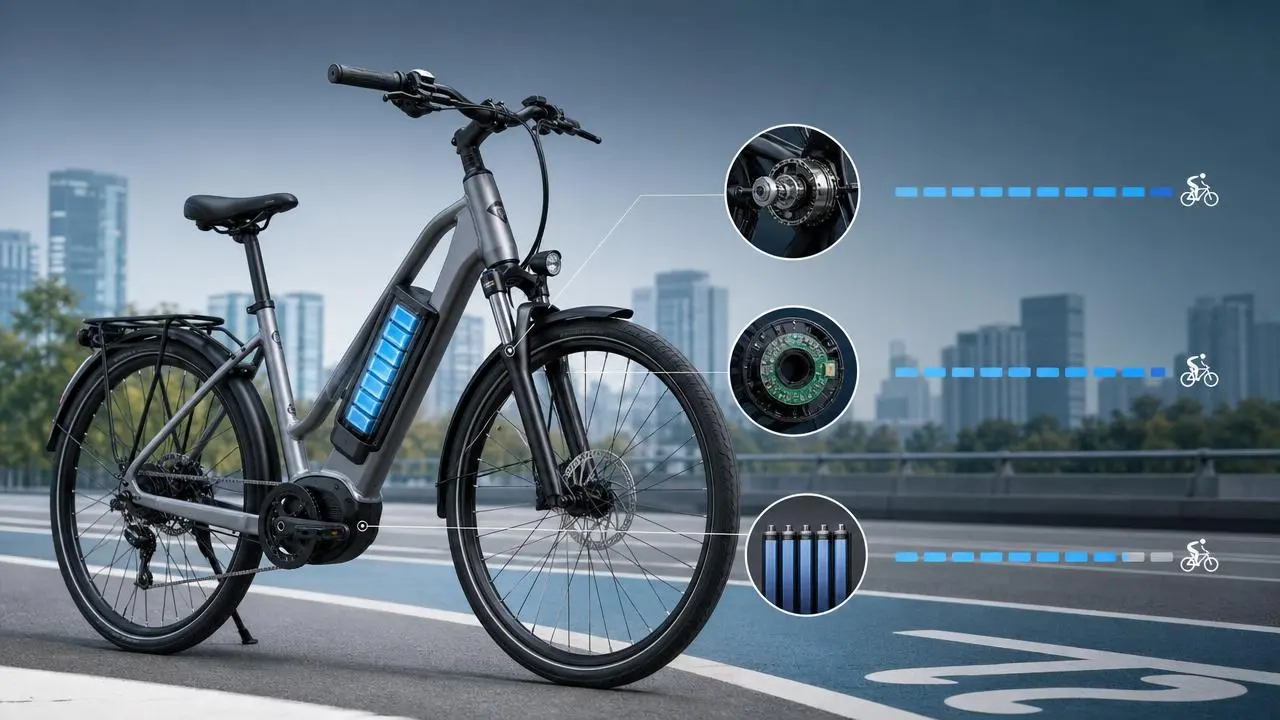
Pedal Assist Ebike Buying Guide: Motor Torque, Sensor Type, and Range Explained
Pedal assist ebike buying guide: learn how motor torque, sensor type, and real-world range affect comfort, control, and value—compare smarter before you buy.
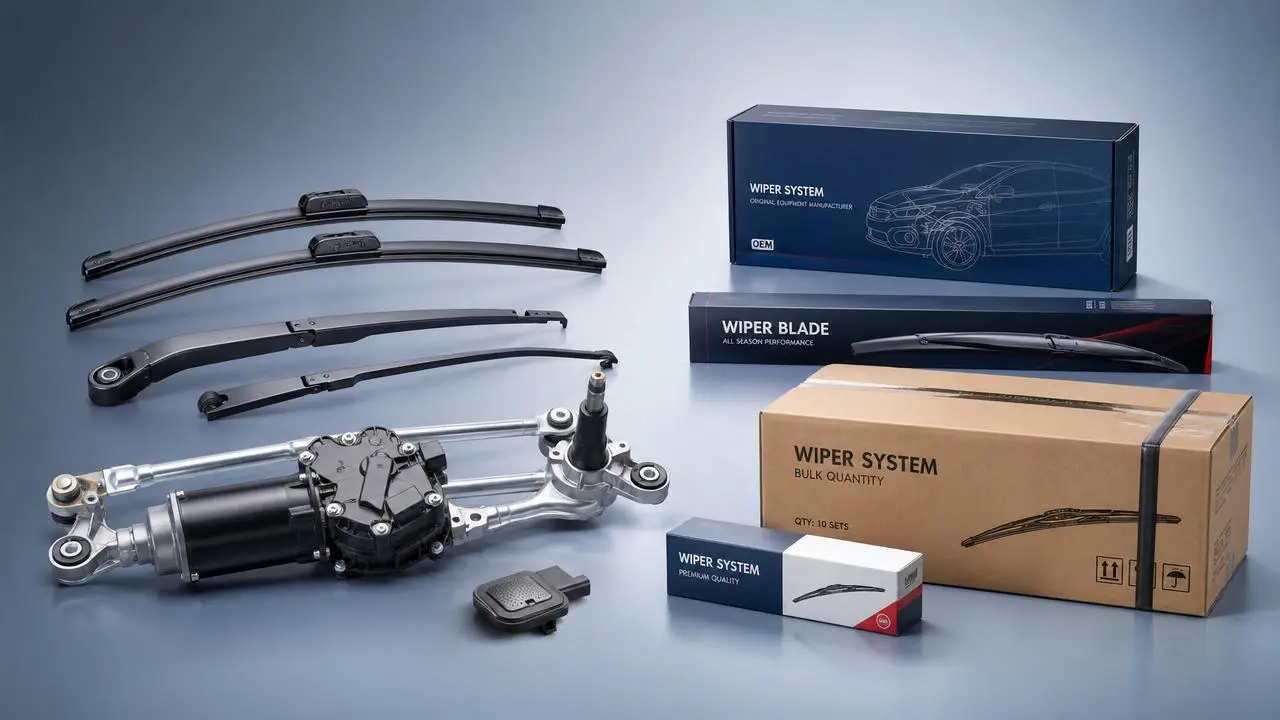
Wiper System Price Breakdown: What Changes Cost Across OEM, Aftermarket, and Fleet Orders
Wiper system price explained: compare OEM, aftermarket, and fleet costs, uncover hidden charges, and learn how to choose suppliers for better value, lower risk, and smarter sourcing.
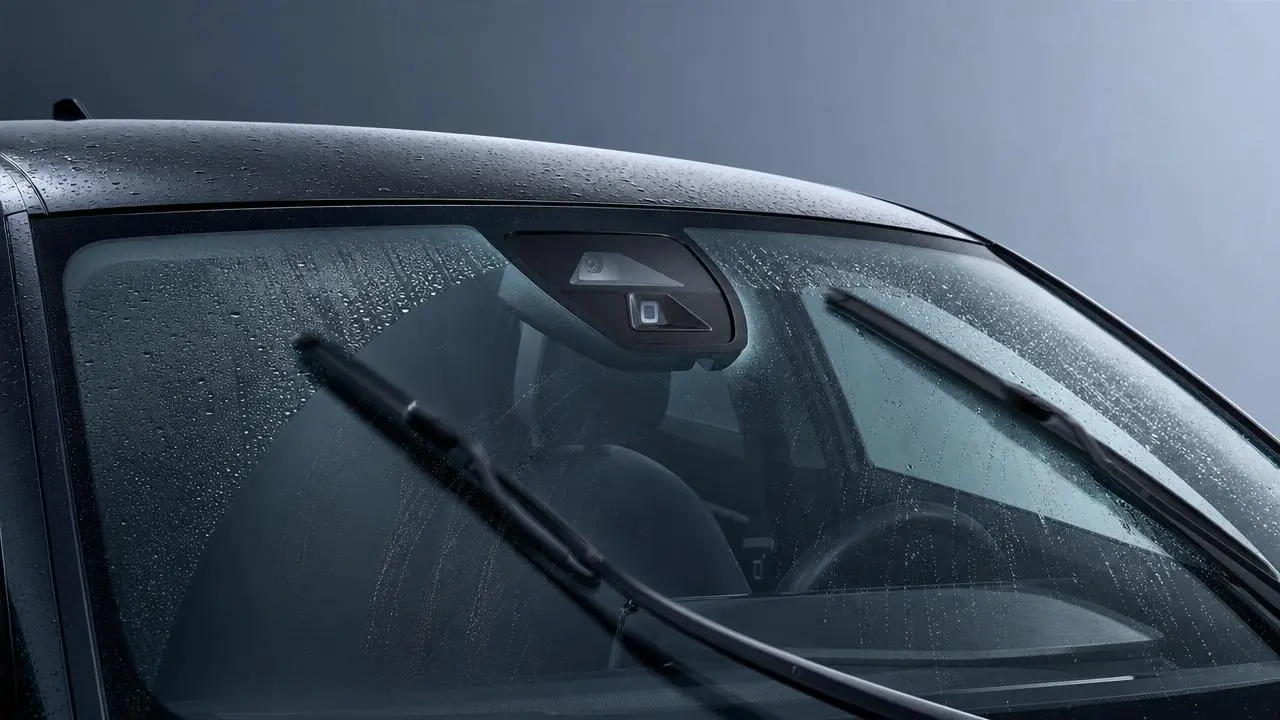
Wiper Sensor Technology: How Rain Detection Works and What Affects Response Accuracy
Wiper sensor technology explained: learn how rain detection works, what affects response accuracy, and how to evaluate reliable, safety-focused performance across modern mobility platforms.
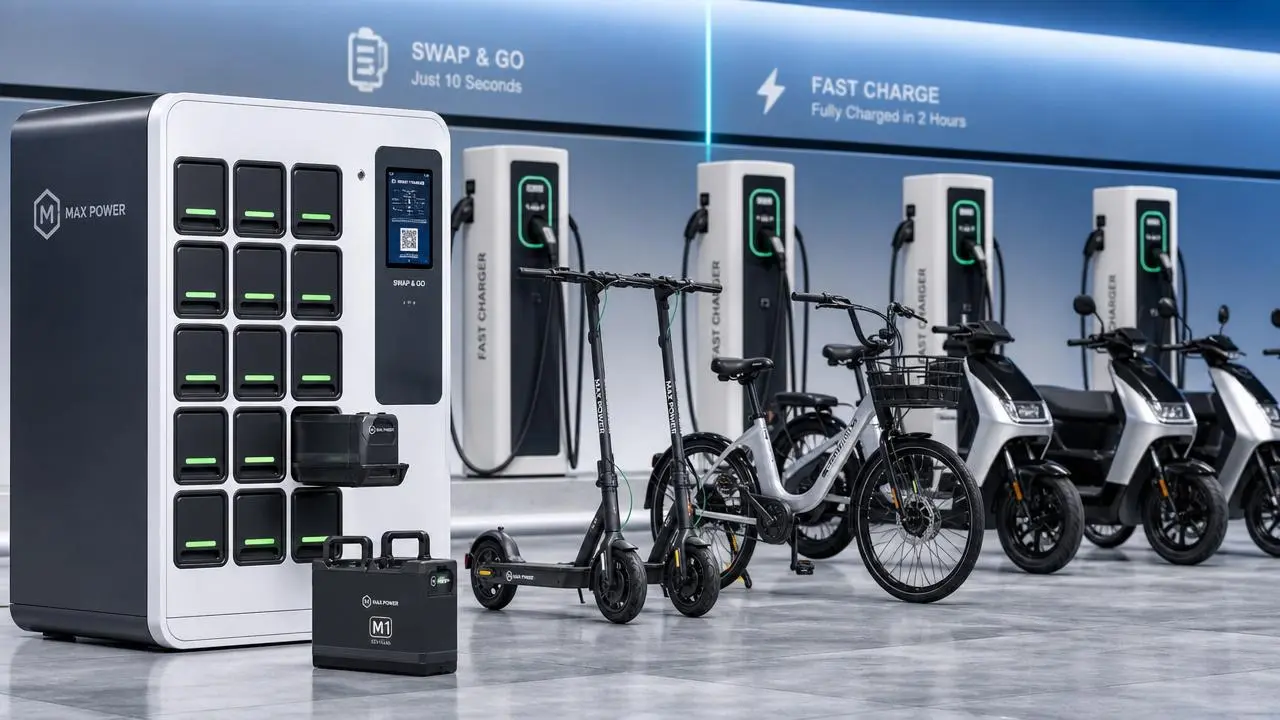
Battery Swapping vs Fast Charging: Which Lowers Fleet Downtime and Operating Costs?
Battery swapping vs fast charging: discover which model cuts fleet downtime, improves uptime, and lowers operating costs for e-bikes, scooters, and urban mobility fleets.
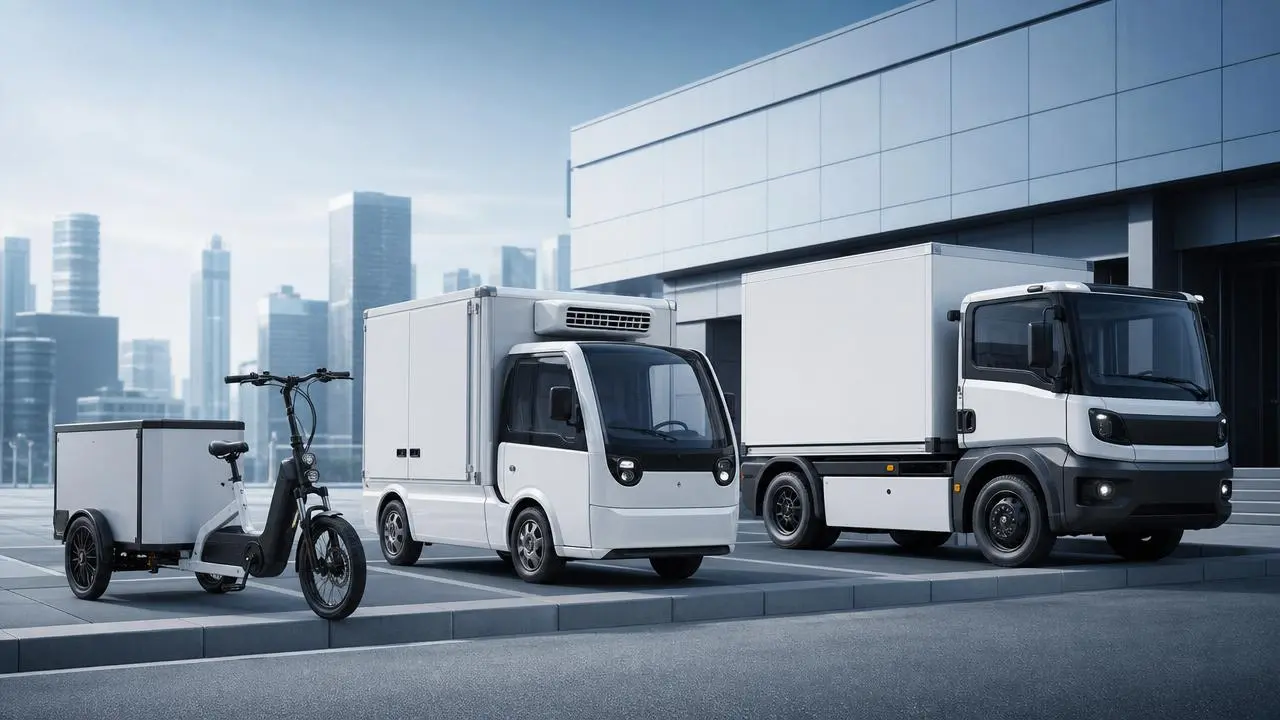
How to Choose Last Mile Delivery Solutions for Urban Routes, Cold Chain, and Heavy Loads
Last mile delivery solutions for urban routes, cold chain, and heavy loads: learn how to compare fleet fit, control risk, and improve delivery performance with a smarter decision framework.
Shared Electric Bike Market Explained: Growth Drivers, City Models, and Revenue Risks
Shared electric bike market trends are reshaping urban mobility. Explore growth drivers, city models, revenue risks, and what defines profitable, regulation-ready fleets.