
Related News
- 00
0000-00
How to Evaluate an Electric Two-Wheeler Market Manufacturer for Supply and Compliance - 00
0000-00
Battery Overheating Management in Light EVs: Causes, Sensors, and Control Strategies - 00
0000-00
Vehicle Electrification Strategy: How to Prioritize Fleets, Charging, and ROI - 00
0000-00
How to Choose a Wiper Sensor Supplier: Key Specs, Testing Standards, and OEM Risks - 00
0000-00
EMI Interference Mitigation Methods: Shielding, Grounding, and Filter Selection Explained
Ms. Elena Rodriguez
Weekly Insights
Stay ahead with our curated technology reports delivered every Monday.
How to Evaluate an Electric Two-Wheeler Market Manufacturer for Supply and Compliance





How to Evaluate an Electric Two-Wheeler Market Manufacturer for Supply and Compliance
Choosing the right electric two-wheeler market manufacturer is no longer just about price or capacity. It now shapes supply security, compliance exposure, and long-term market access.
In today’s micro-mobility sector, standards move fast, battery rules tighten, and lead times shift without much warning. That changes how supplier evaluation should work.
A strong review process helps compare each electric two-wheeler market manufacturer on cost, execution, product maturity, and regulatory readiness. That makes sourcing decisions more resilient.
Start With Market Fit, Not Just Factory Scale
A large plant can look impressive. Still, scale means little if the supplier does not fit the target market, product class, or compliance path.
Begin by checking whether the electric two-wheeler market manufacturer focuses on e-bikes, smart e-scooters, or high-speed e-motorcycles. Each category carries different risks.
An e-bike supplier serving Europe may understand EN standards well. The same supplier may lack the experience needed for motorcycle-grade homologation elsewhere.
Look at shipment destinations, customer mix, and recent launch history. These signals reveal whether the manufacturer operates in your intended compliance and price band.
- Check export experience by region and vehicle category.
- Review the share of ODM, OEM, and branded business.
- Confirm whether current products match your target positioning.
- Ask how often the product platform is updated.
This first screen saves time. It filters out any electric two-wheeler market manufacturer that looks capable on paper but is misaligned in practice.
Assess Supply Stability Beyond Headline Capacity
Capacity claims are easy to present. Stable output is harder. The difference matters most when demand spikes or component shortages hit.
A dependable electric two-wheeler market manufacturer should show how production is protected against battery cell shortages, controller delays, and motor sourcing disruptions.
Ask for actual monthly output data, not only annual nameplate figures. Then compare that data with order concentration and seasonality patterns.
Also review supplier depth. A factory with one battery pack source or one display vendor carries more risk than its capacity chart suggests.
Supply Checks That Matter Most
- On-time delivery rate over the last four quarters.
- Dependency on single-source batteries, chips, or brake systems.
- Safety stock policy for key components.
- Production recovery plan after supply interruption.
- Visibility into tier-two and tier-three suppliers.
In real sourcing work, resilience usually beats theoretical scale. A smaller electric two-wheeler market manufacturer may perform better if its supply chain is better controlled.
Verify Compliance as a System, Not a Certificate List
Compliance is often treated as a document task. That is risky. In this sector, it should be reviewed as a full product and process system.
A qualified electric two-wheeler market manufacturer should explain how it manages certification, labeling, traceability, battery transport, and post-market change control.
For e-bikes and e-scooters, check standards linked to electrical safety, EMC, charger compatibility, and mechanical reliability. For high-speed models, homologation depth becomes even more important.
It is also worth checking whether testing is done in-house, through accredited labs, or both. That affects speed, consistency, and document quality.
Compliance Questions to Ask
- Which standards and directives are covered by current models?
- Who owns the certificates when private labeling is involved?
- How are engineering changes reviewed after certification?
- Can the supplier provide battery transport documentation consistently?
- How are serial numbers and component lots traced?
A reliable electric two-wheeler market manufacturer does not hesitate here. Strong answers usually come with organized records, clear owners, and repeatable workflows.
Review Product Quality Through Critical Components
Not all quality risks are equal. In electric micro-mobility, a few subsystems decide whether field performance stays stable or quickly becomes expensive.
Focus on battery packs, BMS logic, motors, controllers, brakes, frames, and wiring protection. These areas drive most warranty, safety, and reputation issues.
Ask the electric two-wheeler market manufacturer for failure rates, incoming inspection methods, and corrective action records. Good factories track this closely.
From recent market changes, the clearer signal is this: software and electronics now matter as much as mechanical assembly. That includes firmware stability and fault diagnostics.
This component-led review helps compare one electric two-wheeler market manufacturer against another on real operating risk, not marketing language.
Compare True Cost, Not Quoted Price Alone
A low initial quote can hide expensive problems later. That is why total cost should guide the final sourcing decision.
When evaluating an electric two-wheeler market manufacturer, include tooling, certification support, warranty exposure, spare parts policy, packaging, and logistics flexibility.
Also estimate the cost of delays. If a supplier misses launch timing, the commercial impact can exceed any unit-price savings.
This also means payment terms should be linked to milestones, inspection, and after-sales performance, not only shipment quantity.
- Unit price by volume tier.
- Quality cost from returns and rework.
- Compliance cost for target markets.
- Service cost for spare parts and claims.
- Risk cost from disruption or late delivery.
Seen this way, the best electric two-wheeler market manufacturer is often the one with the most predictable lifecycle cost.
Audit Communication, Engineering Support, and Change Discipline
In practical business, many sourcing failures come from weak communication rather than weak hardware. Slow responses create hidden risk.
A strong electric two-wheeler market manufacturer should have clear project owners, structured issue tracking, and disciplined engineering change management.
Check how sample feedback is handled. Review how quickly root causes are identified. Ask how unauthorized substitutions are prevented.
Better suppliers usually show one consistent pattern: they document decisions well and escalate problems before they become shipment issues.
Useful Signs During Supplier Evaluation
- Technical answers arrive fast and stay consistent.
- Sample revisions are traceable and well documented.
- Quality issues include corrective and preventive actions.
- Commercial teams and engineers align on commitments.
That level of control is especially valuable when choosing an electric two-wheeler market manufacturer for multi-market expansion.
Build a Simple Scorecard Before Final Selection
A structured scorecard keeps decisions objective. It also helps internal teams align when cost, quality, compliance, and speed pull in different directions.
Use weighted criteria rather than one final impression. That makes it easier to defend the recommendation and compare suppliers fairly.
For each electric two-wheeler market manufacturer, score supply resilience, certification readiness, component quality, engineering support, and total landed cost.
If two candidates are close, run a pilot order or limited model program first. Real execution often reveals more than presentations do.
The best sourcing outcome usually comes from balancing commercial pressure with technical discipline. That is especially true in the fast-moving electric two-wheeler market.
When the review process is thorough, the chosen electric two-wheeler market manufacturer becomes more than a vendor. It becomes a stable partner for compliant growth, lower risk, and better market performance.
Related News
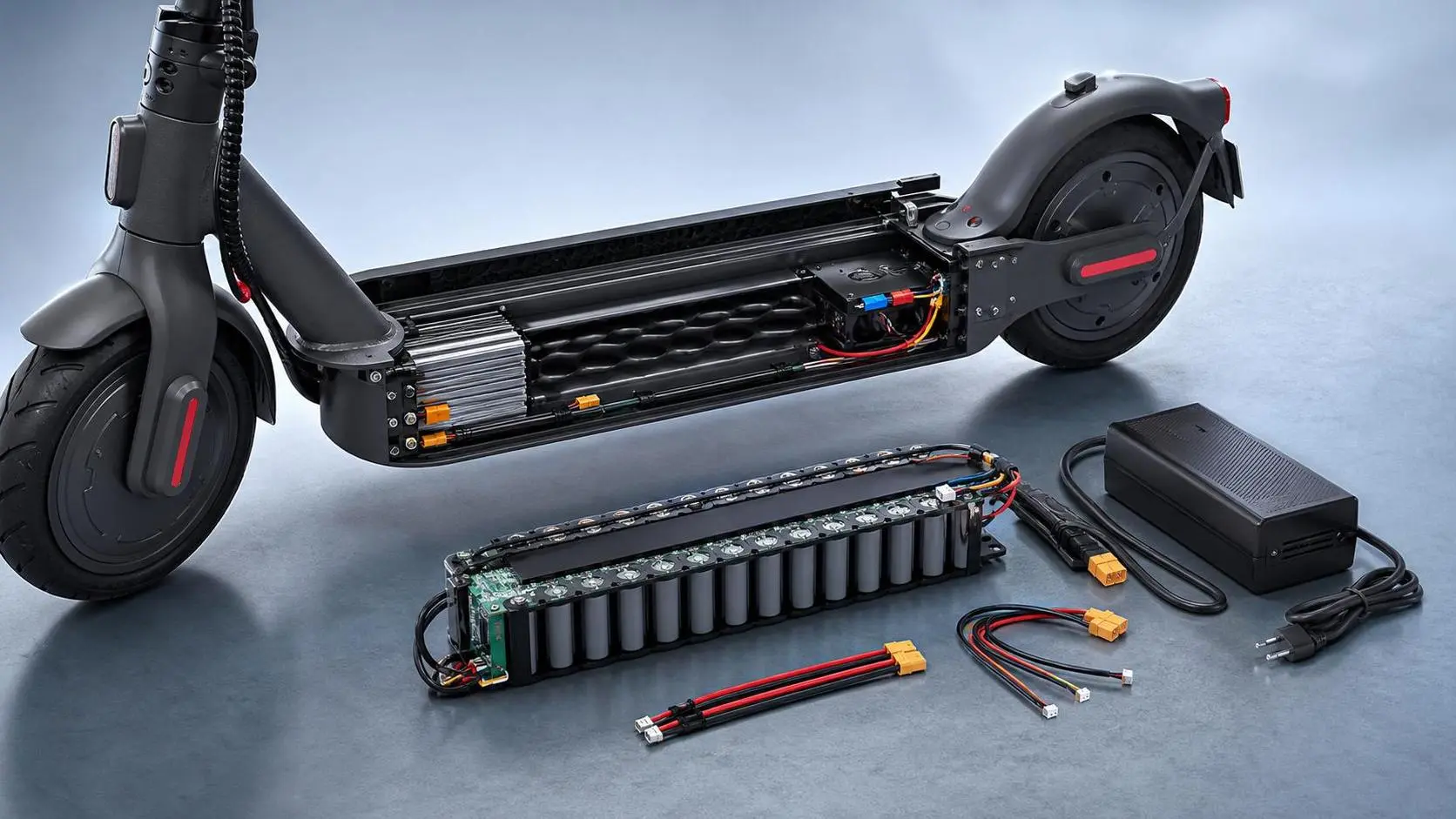
Common Scooter Battery Issues and How to Troubleshoot Range Drop, Heat, and Charging Faults
Scooter battery issues explained: learn how to troubleshoot range drop, overheating, and charging faults with practical checks that help riders and fleets diagnose faster and avoid costly replacements.
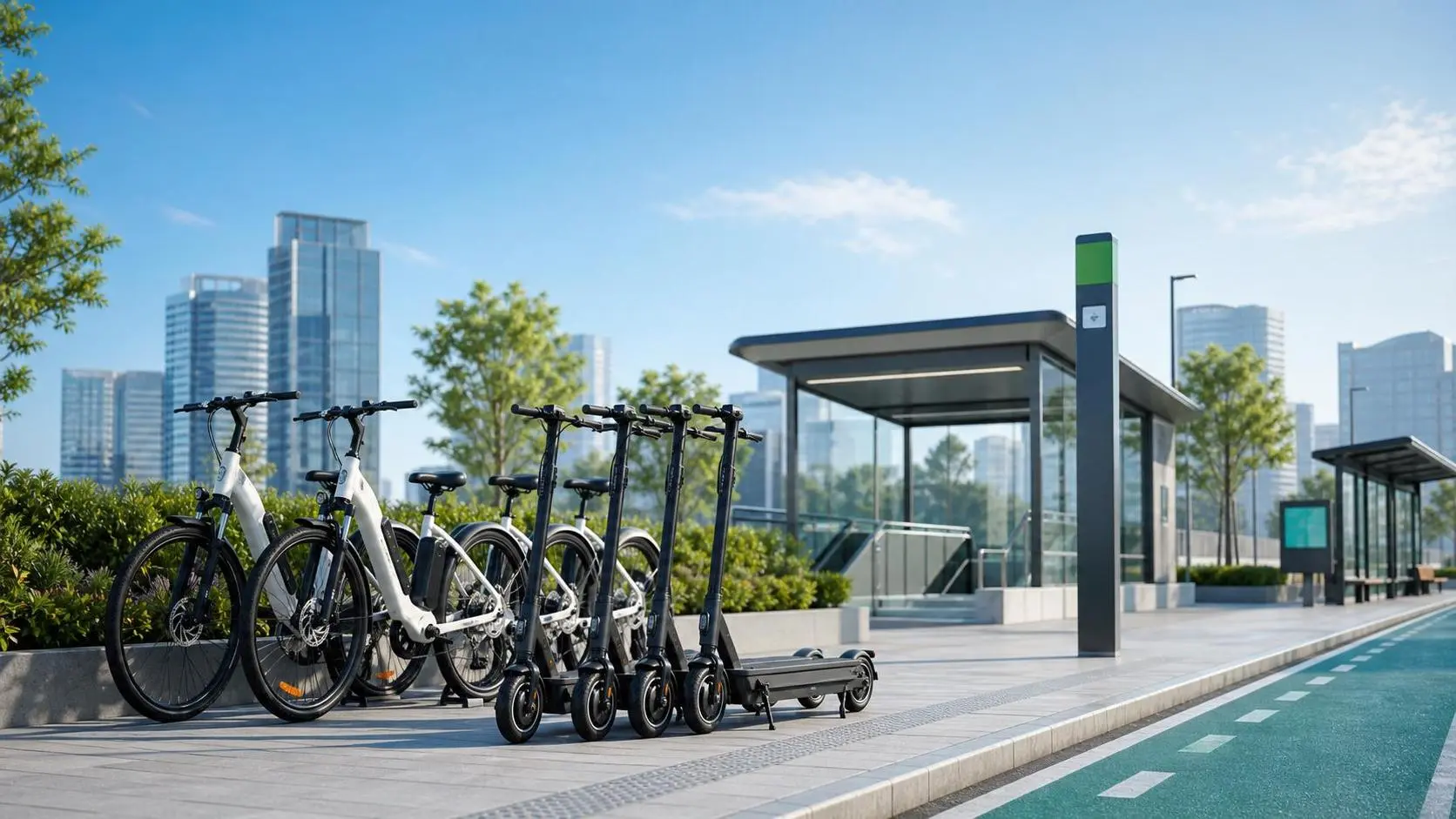
Low Carbon Commuting Options: E-bikes, Foldable Scooters, and Public Transit Compared
Low carbon commuting compared: discover how e-bikes, foldable scooters, and public transit differ in cost, flexibility, range, and last-mile convenience for smarter daily travel.
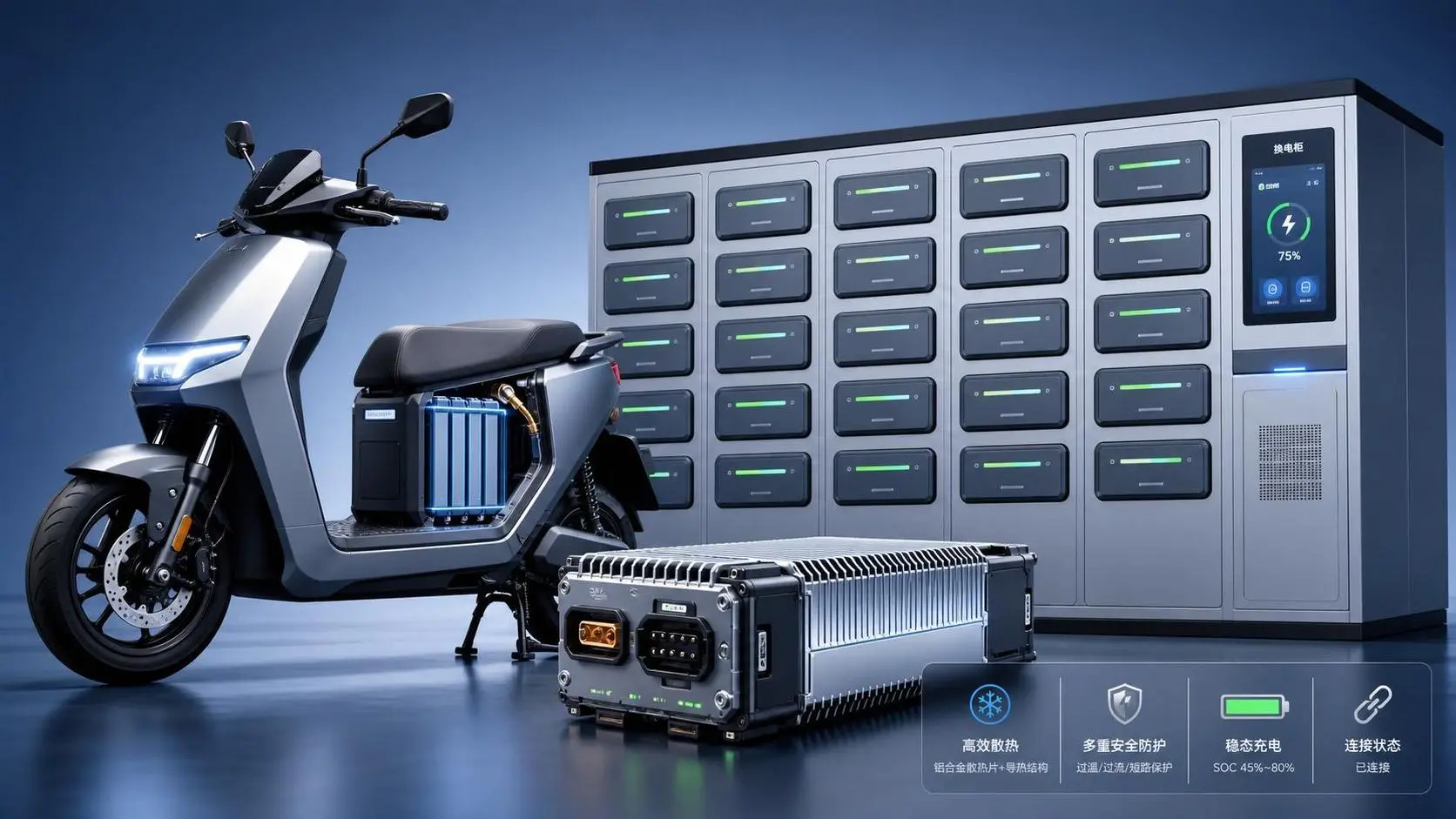
Thermal Management for Swappable Battery Scooters: Key Design Factors to Compare
Thermal management is the key factor when comparing swappable battery scooters. Discover how cooling, BMS logic, charging behavior, and pack design impact safety, uptime, and fleet ROI.
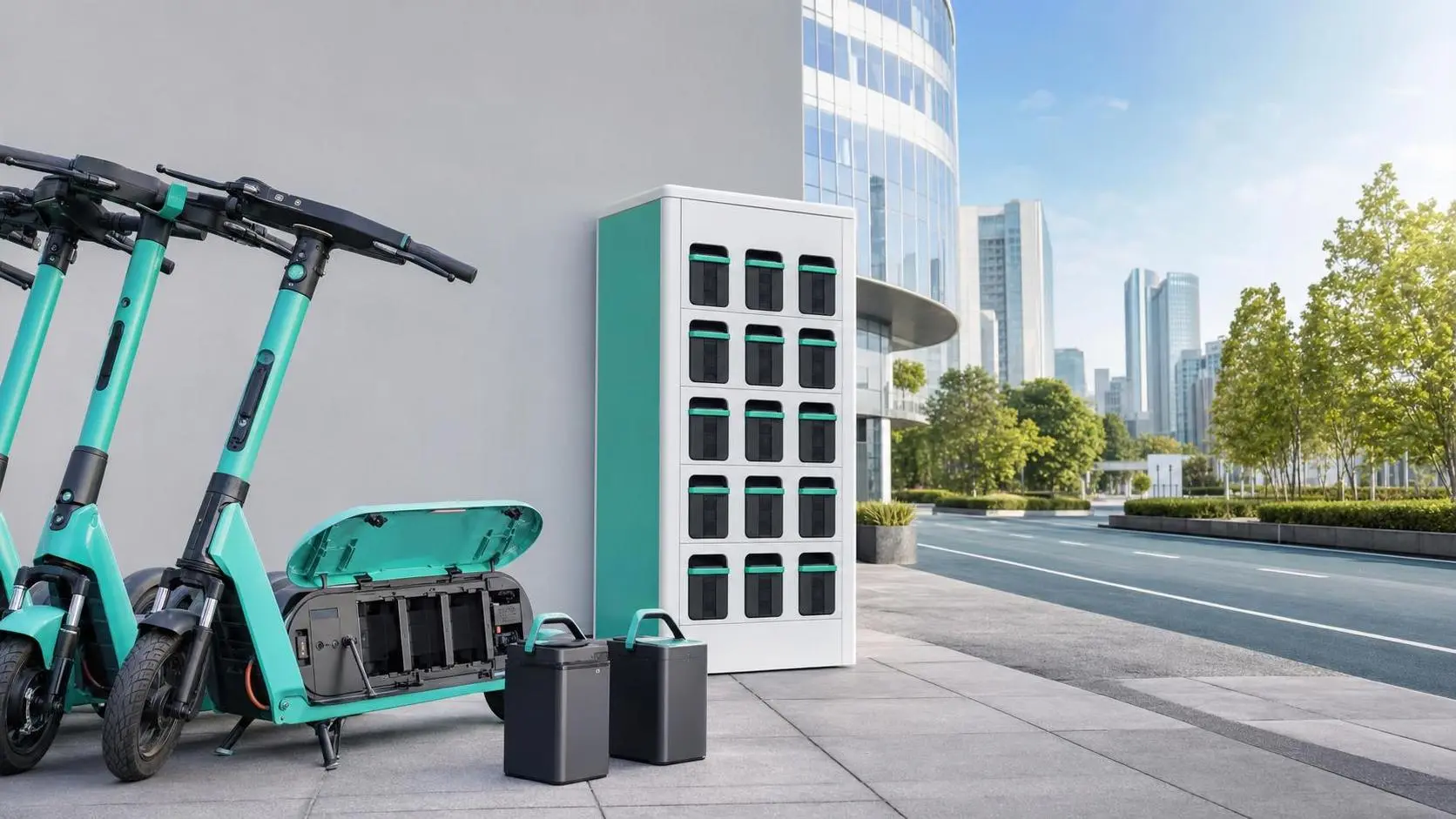
How Battery-Swapping Networks Work for Shared Fleet Scooters
Battery-swapping networks keep shared fleet scooters running with less downtime, smarter dispatch, and safer battery management. See how they boost uptime and urban fleet efficiency.
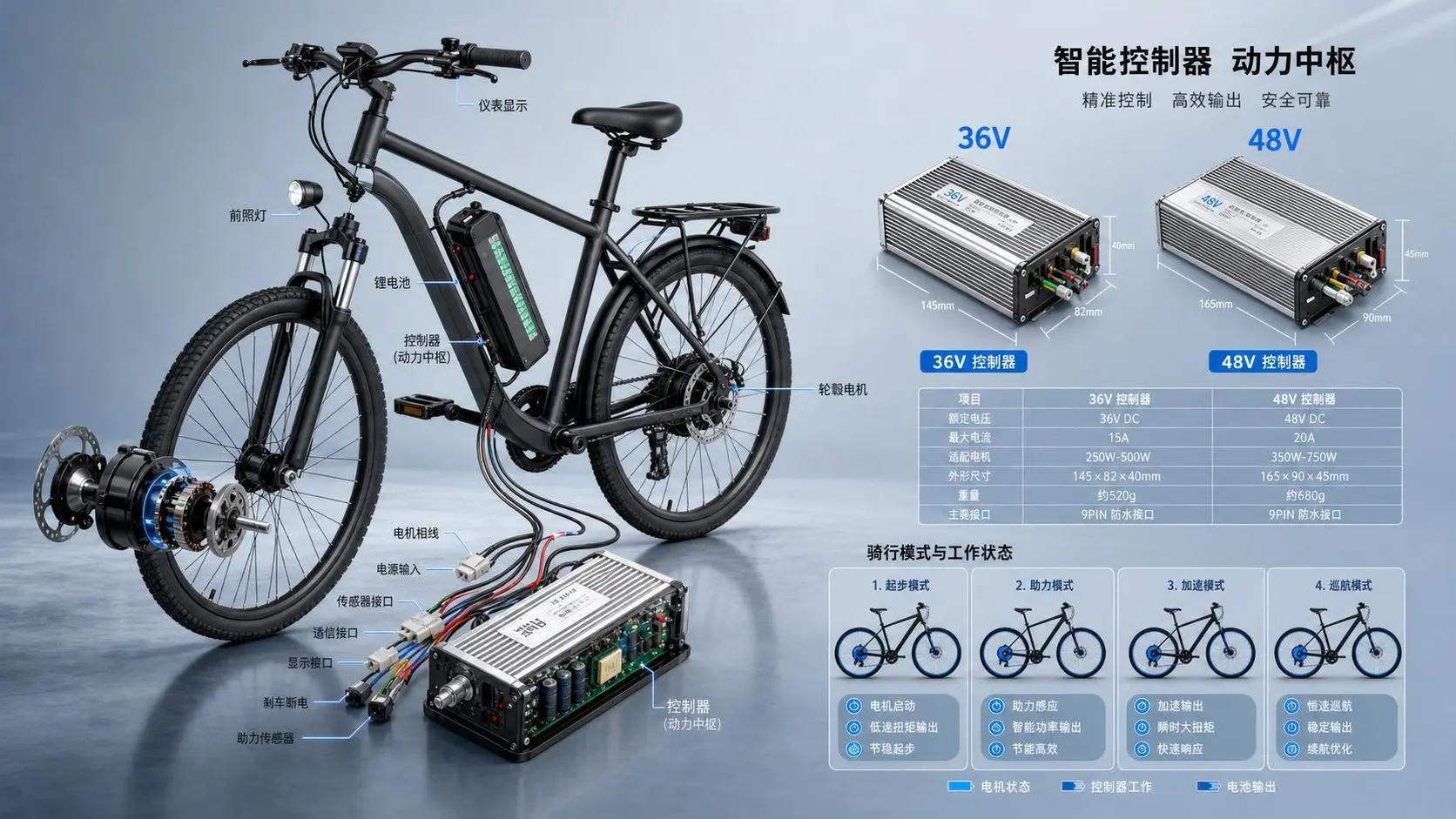
E Bike Controllers Explained: How to Match Voltage, Current, and Riding Mode
E bike controllers explained: learn how to match voltage, current, and riding mode for smoother power, safer compatibility, better efficiency, and more confident e-bike upgrades.
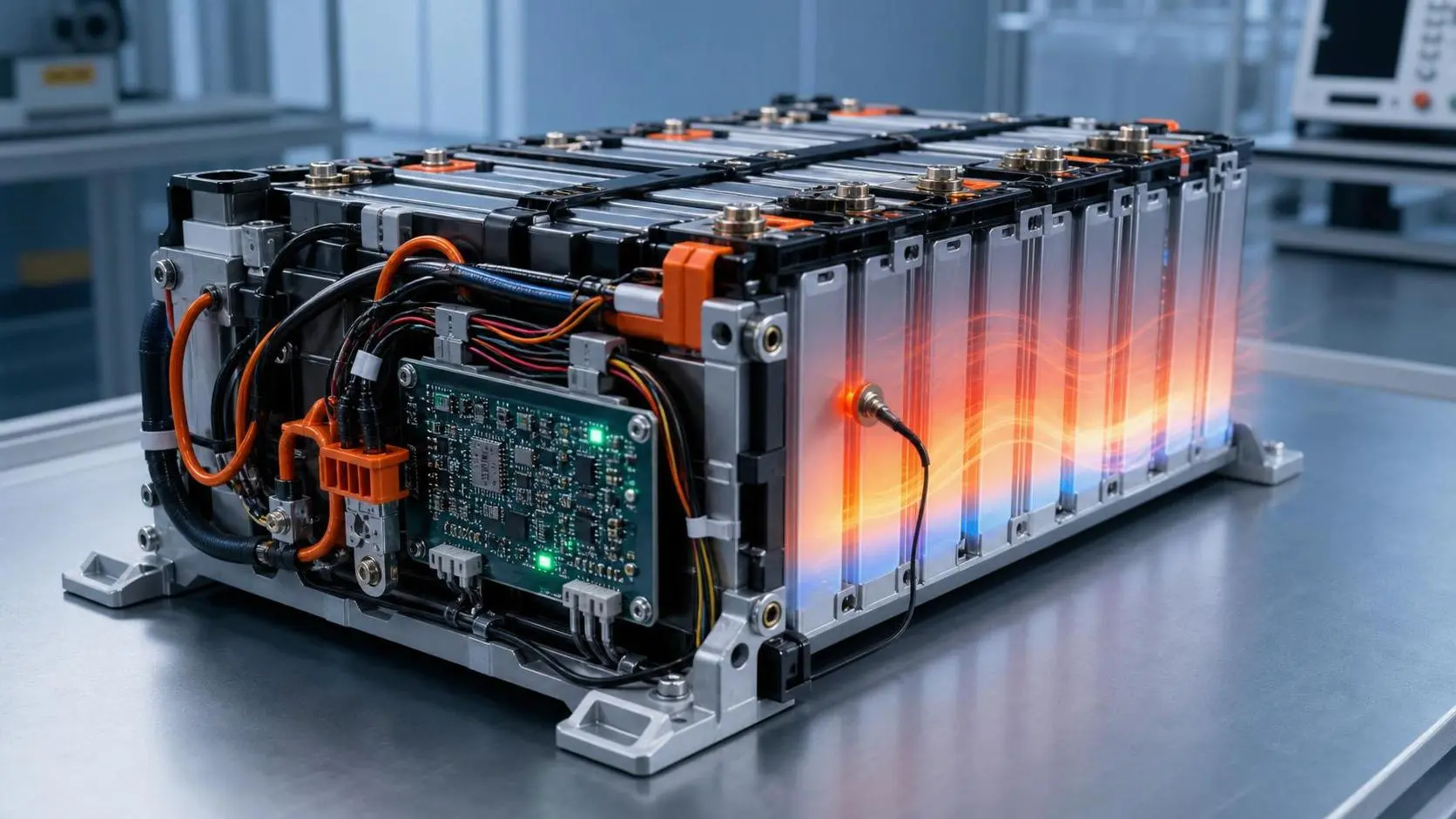
Battery Overheating Management in Light EVs: Causes, Sensors, and Control Strategies
Battery overheating management in light EVs: learn the main causes, key sensors, and proven control strategies to improve safety, reliability, and thermal compliance.
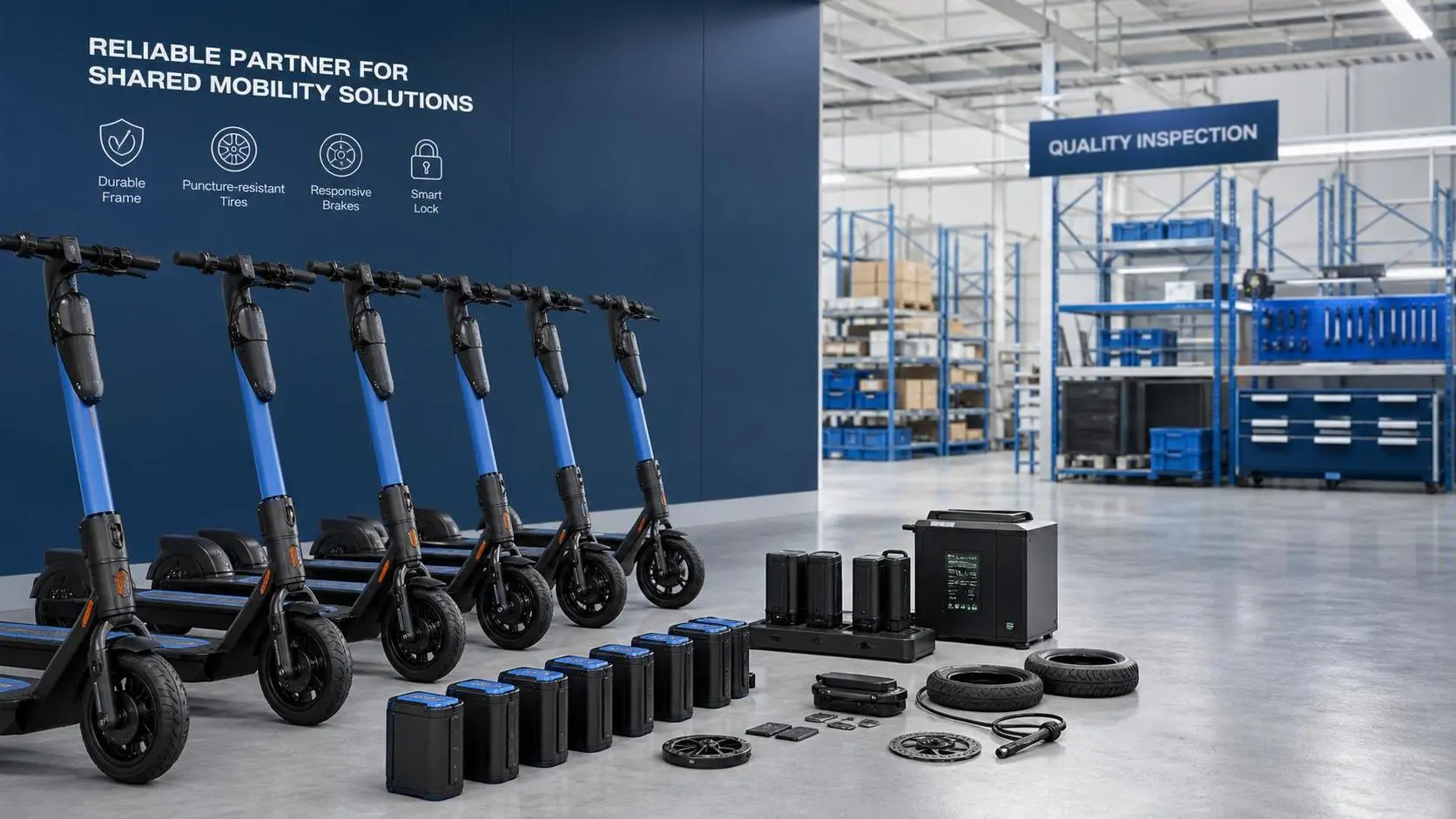
Shared Scooters Supplier Checklist: What to Compare Before Fleet Procurement
Shared scooters supplier checklist: compare total cost, durability, battery strategy, IoT, compliance, and support before fleet procurement to reduce risk and improve long-term ROI.
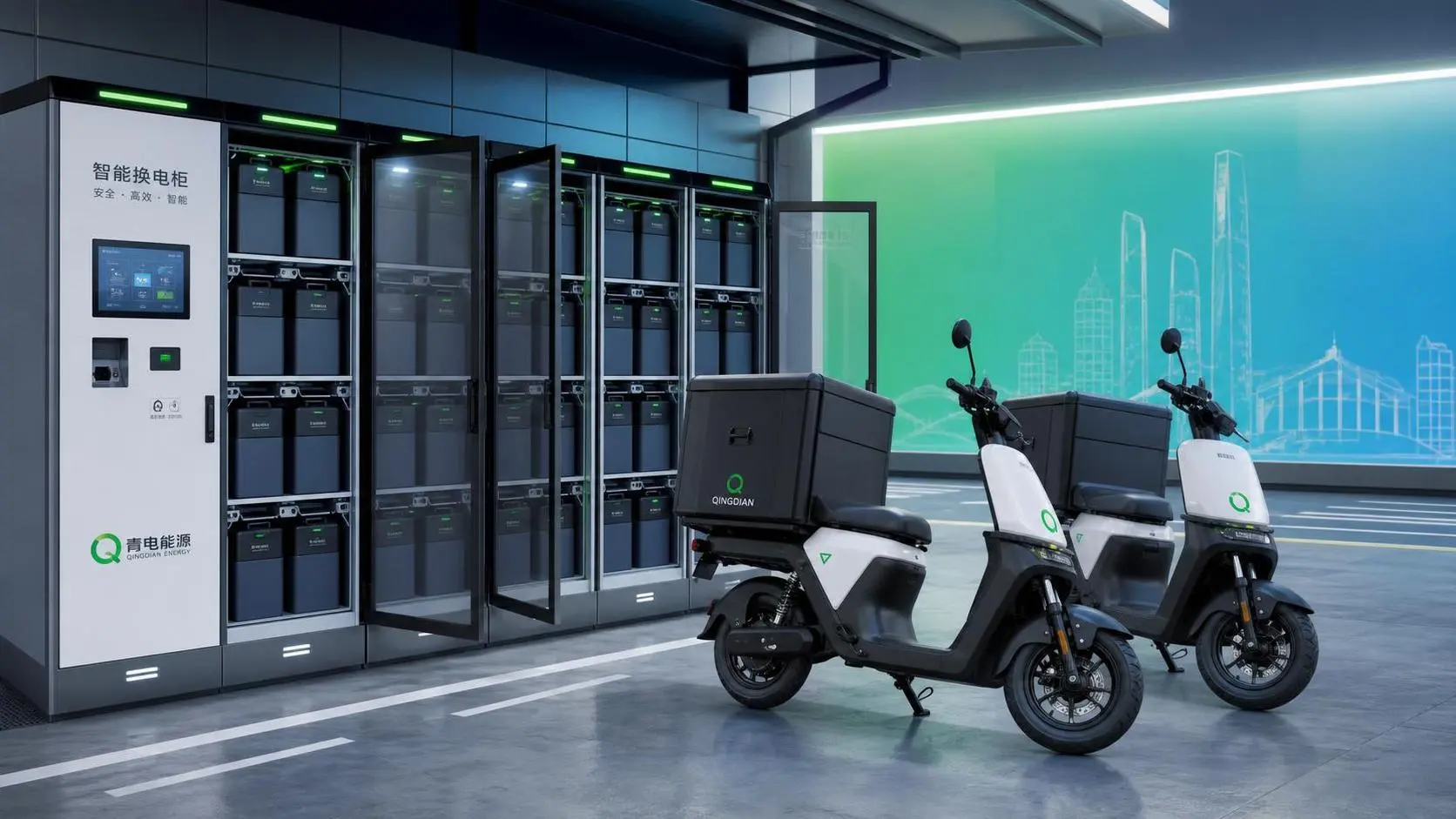
Battery-Swapping Networks for Motorcycles: Key Cost Drivers and Deployment Models
Battery-swapping networks motorcycles explained: explore key cost drivers, utilization risks, and deployment models shaping profitable electric two-wheeler infrastructure.
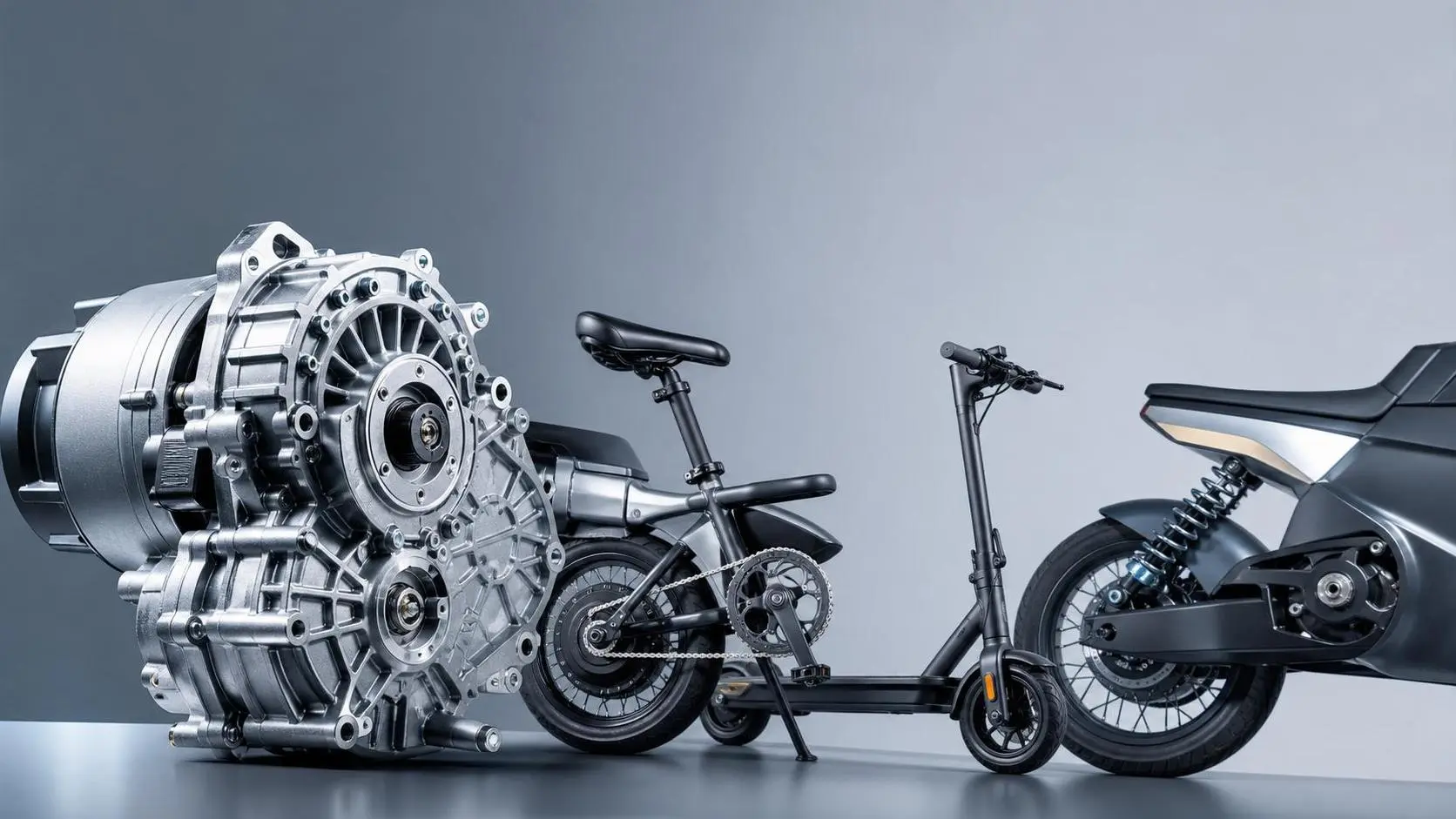
How to Choose an Electromechanical Transmission Manufacturer for E-Mobility Projects
Electromechanical transmission manufacturer selection can make or break e-mobility projects. Learn how to compare suppliers for performance, quality, compliance, and long-term value.