
Related News
- 00
0000-00
What Causes Torque Lag in Electric Two-Wheelers and How Can Engineers Reduce It? - 00
0000-00
Swappable Battery Motorcycle vs Fixed Battery Models: Which Setup Fits Daily Use? - 00
0000-00
Commuter E Motorcycles vs E-Bikes: Which Urban Option Fits Range, Speed, and Licensing Needs? - 00
0000-00
High Performance Electric Two-Wheeler Market: Buyer Criteria, Price Bands, and Channel Trends - 00
0000-00
Battery Degradation Issues in Electric Two-Wheelers: Causes, Warning Signs, and Fixes
Electric Powertrain Analyst
Weekly Insights
Stay ahead with our curated technology reports delivered every Monday.
What Causes Torque Lag in Electric Two-Wheelers and How Can Engineers Reduce It?





Torque lag in electric two-wheelers is often discussed as a motor issue, but the real picture is wider. In e-bikes, smart e-scooters, and high-speed e-motorcycles, delayed torque delivery can come from control logic, battery behavior, sensing, and even mechanical play.
That matters because riders judge quality in milliseconds. A short hesitation can weaken launch feel, reduce confidence in traffic, and mask real efficiency losses. In urban micro-mobility systems, where start-stop duty cycles dominate, torque lag quickly becomes a system-level concern.
For platforms tracked across UMMS, the most useful approach is not to ask whether torque lag exists, but where it begins. Once the delay path is mapped, engineers can reduce it without creating harshness, thermal stress, or battery instability.
Is torque lag simply slow acceleration, or is it a different problem?
Not exactly. Slow acceleration describes the total rate of speed build-up. Torque lag is the time gap between rider demand and actual wheel torque response. A vehicle can have strong peak output and still feel late off the line.
This distinction is important during technical evaluation. If engineers focus only on peak power curves, they may miss the short delay created before torque arrives. In practical riding, that delay is what the rider notices first.
More often, torque lag shows up in three moments:
- Initial throttle opening from a standstill.
- Re-acceleration after coasting or braking.
- Load changes on ramps, curbs, or cargo starts.
In shared scooters and commuter e-bikes, this can feel like hesitation. In high-speed e-motorcycles, it can feel like a broken connection between throttle and rear wheel. The symptom is similar, but the source may differ sharply.
Where does torque lag usually start inside the powertrain?
The most common mistake is blaming one component. Torque lag usually starts as a chain of small delays. Each element may look acceptable alone, yet the combined response feels slow.
Motor control calibration is often the first checkpoint. If current ramps are conservative, torque demand is filtered too heavily, or traction logic is overly protective, response becomes soft before the motor even reaches its dynamic limit.
Battery discharge control is another frequent source. If the BMS limits current because of temperature, state of charge, or cell imbalance, commanded torque cannot be delivered immediately. This is especially visible in cold starts and low-voltage conditions.
Sensor latency also matters more than many teams expect. Throttle sensors, pedal torque sensors, wheel speed inputs, and brake cut-off signals all pass through filters. Stable signals are useful, but excessive smoothing adds measurable lag.
Mechanical transmission details still matter in electric systems. Gear lash, chain slack, hub interface play, and coupler compliance can delay wheel reaction even when motor torque rises quickly. That is why electromechanical integration matters more than isolated component performance.
A practical way to separate likely causes
A table like this helps shorten diagnosis time. Instead of debating feel, teams can connect a rider complaint to a measurable subsystem path.
Why does torque lag look different in e-bikes, e-scooters, and e-motorcycles?
Because control priorities are different. An e-bike usually balances assist naturalness, cadence sensing, torque sensing, and legal cut-off behavior. Some torque lag is introduced intentionally to avoid surging or false pedal detection.
Smart e-scooters are more exposed to stop-and-go urban use. Frequent launches highlight throttle filtering, traction protection, and battery sag under repeated bursts. Here, even modest torque lag can hurt perceived fleet quality and rider trust.
High-speed e-motorcycles face another challenge. Peak torque is abundant, so engineers add limits to protect tires, driveline parts, and thermal margins. If those protective layers are too blunt, torque lag appears as an unnatural dead zone.
This is why cross-segment intelligence matters. UMMS often frames urban mobility as a stitched system, where battery logic, motor behavior, mechanical precision, and operating context interact. Torque lag is a clear example of that principle.
How can engineers reduce torque lag without creating a harsh ride?
The best results usually come from tuning the response path, not from chasing one aggressive setting. Faster is not always better if launch feel becomes abrupt, noisy, or thermally expensive.
A practical reduction strategy often includes these moves:
- Reduce unnecessary signal filtering on throttle or pedal inputs.
- Retune current ramp rates by speed, load, and ride mode.
- Use predictive torque request logic during launch transitions.
- Tighten drivetrain tolerances where backlash dominates feel.
- Align BMS discharge permissions with controller demand logic.
In actual deployment, coordination between the controller and BMS is often the biggest hidden gain. If the motor controller requests torque faster than the battery system can legally release current, torque lag becomes structural, not just calibrational.
Thermal protection also deserves a finer touch. Instead of a sharp torque step-down, smoother derating maps can preserve response quality while still protecting cells, magnets, and power electronics.
Mechanical refinement should not be left to the end. Precision in chainline, tension control, couplings, and hub interfaces can remove a surprising amount of torque lag feel, especially in compact urban drivetrains.
What changes are usually low risk first?
Start with data and calibration before changing hardware. If the delay comes from filtering, launch maps, or protection timing, software updates may solve most of the issue faster than redesign work.
Hardware changes become more justified when repeated tests show persistent backlash, connector resistance, pack voltage collapse, or thermal bottlenecks under realistic duty cycles.
What are the most common mistakes when evaluating torque lag?
One common mistake is testing only under ideal battery conditions. A fresh, warm pack can hide torque lag that appears in cold weather, low SOC operation, or repeated urban launches.
Another is relying only on peak performance charts. Torque lag is a time-domain issue, so engineers need synchronized traces for rider input, sensor output, current request, battery current, and wheel response.
A third mistake is separating software and mechanics too early. In precision bicycle components and electric two-wheelers alike, response quality depends on both digital timing and physical compliance. One weak link can distort the full system.
It also helps to avoid subjective language alone. Terms like “lazy” or “snappy” are useful for ride feedback, but they need timestamps, current traces, and repeatable trigger conditions behind them.
A stronger validation checklist
- Test launch response at different SOC and temperature points.
- Compare commanded torque with actual wheel torque timing.
- Log brake cut-off release and throttle re-entry behavior.
- Measure backlash before and after durability cycling.
- Review derating thresholds under repeated urban duty cycles.
So what is the most reliable path to lower torque lag?
The reliable path is system integration, not isolated optimization. Torque lag falls when sensing, control, battery permissions, and drivetrain precision are tuned to the same response target.
For urban micro-mobility platforms, that means defining acceptable response windows by use case. An e-bike assist profile, a fleet scooter launch, and a high-speed e-motorcycle pull-away should not share the same calibration logic.
The most useful next step is to build a torque lag map. List the delay from rider input to sensor confirmation, controller action, battery current release, and wheel torque delivery. Once each step is visible, improvement priorities become clearer.
If the goal is better ride quality and stronger efficiency together, focus on coordinated tuning first, then confirm whether hardware limits remain. That sequence usually reduces cost, shortens validation cycles, and produces a more convincing response on the road.
Related News
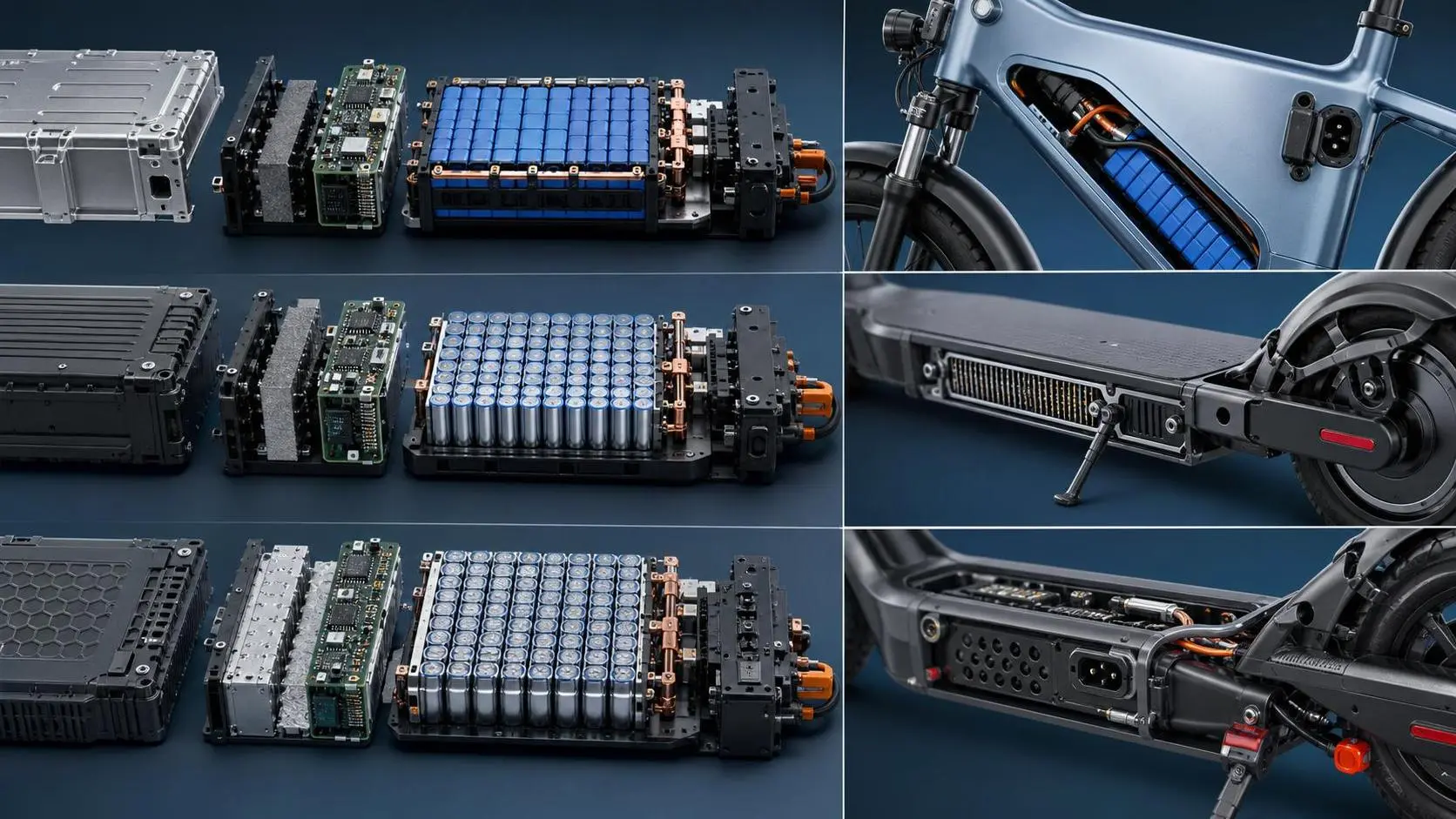
Battery Technology China: How LFP, Sodium-Ion, and Fast-Charging Cells Compare
Battery technology China compared: explore how LFP, sodium-ion, and fast-charging cells differ in cost, safety, range, and fleet value for smarter urban mobility decisions.
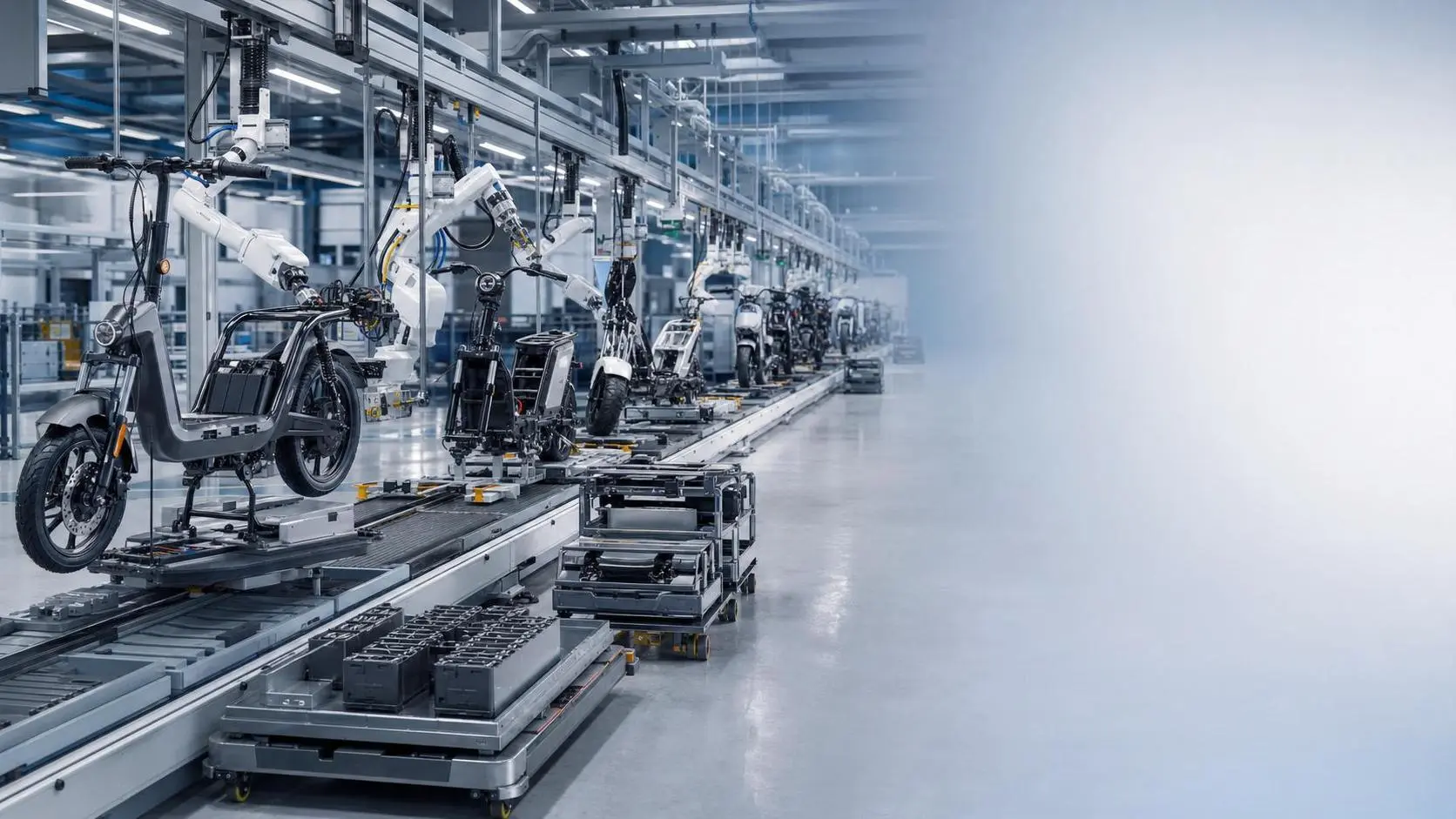
Electric Two-Wheeler Market Manufacturer Trends: Capacity, Export Strategy, and OEM Shifts
Electric two-wheeler market manufacturer trends decoded: explore capacity flexibility, smarter export strategy, and OEM shifts shaping resilient growth and competitive advantage.
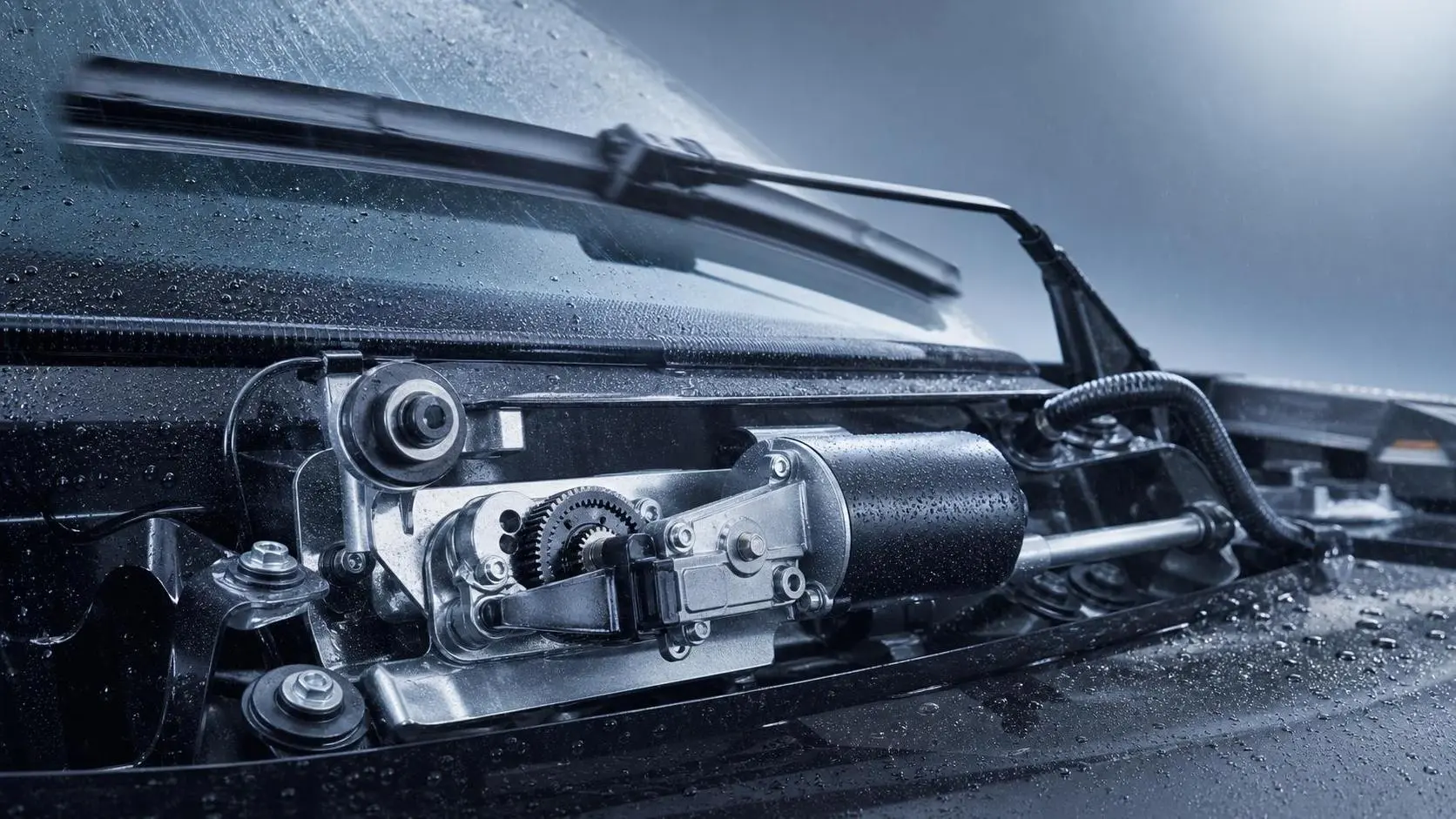
How to Choose a Brushless Wiper Motor: Voltage, Torque, IP Rating, and Duty Cycle
Brushless wiper motor selection starts with the right voltage, torque, IP rating, and duty cycle. Learn how to compare specs, reduce failure risk, and choose a reliable fit.
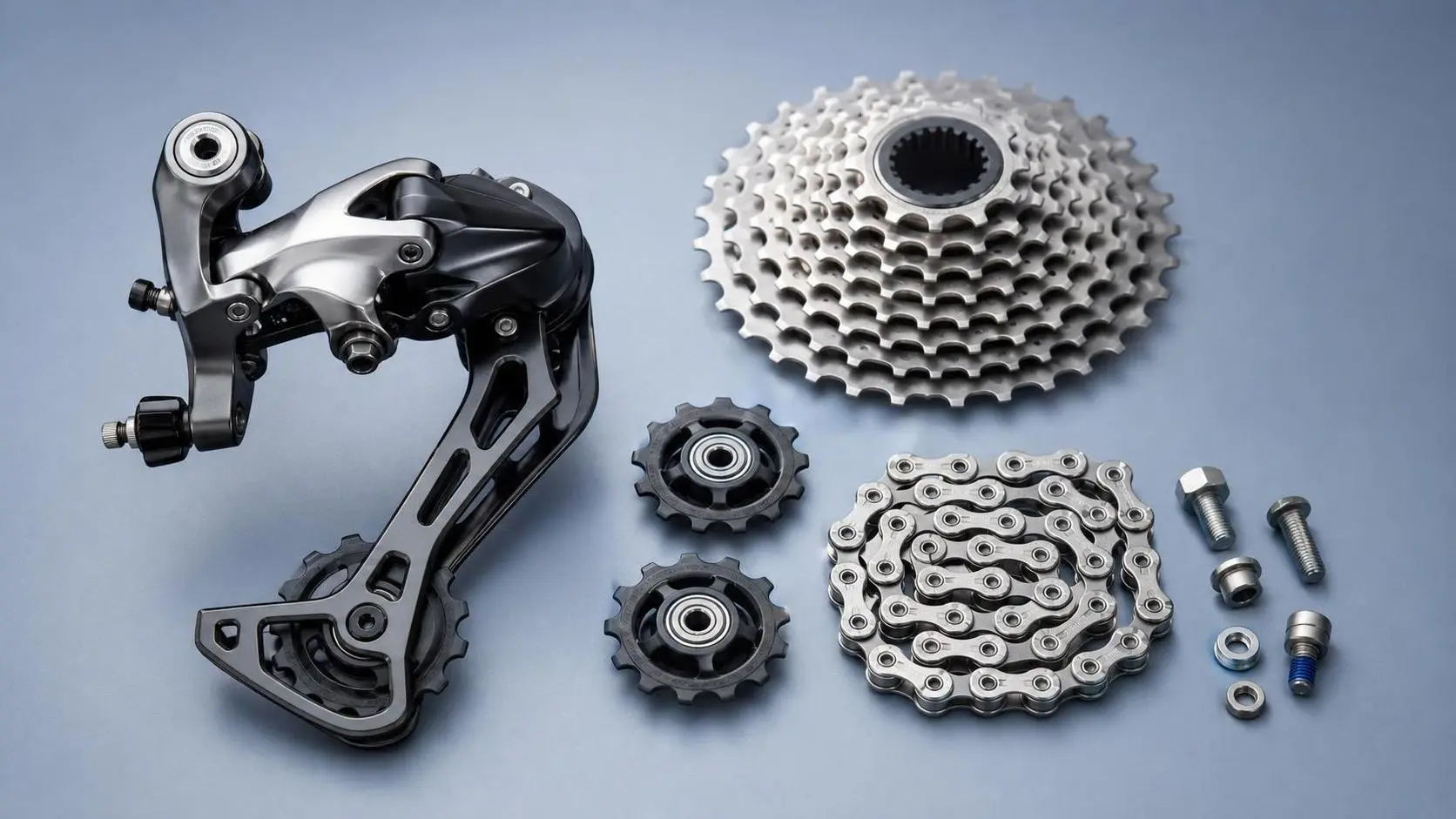
Bike Derailleur Parts Explained: Names, Functions, and What Wears Out First
Bike derailleur parts explained clearly: learn the key names, functions, common wear points, and how to tell adjustment issues from real damage before you repair or upgrade.
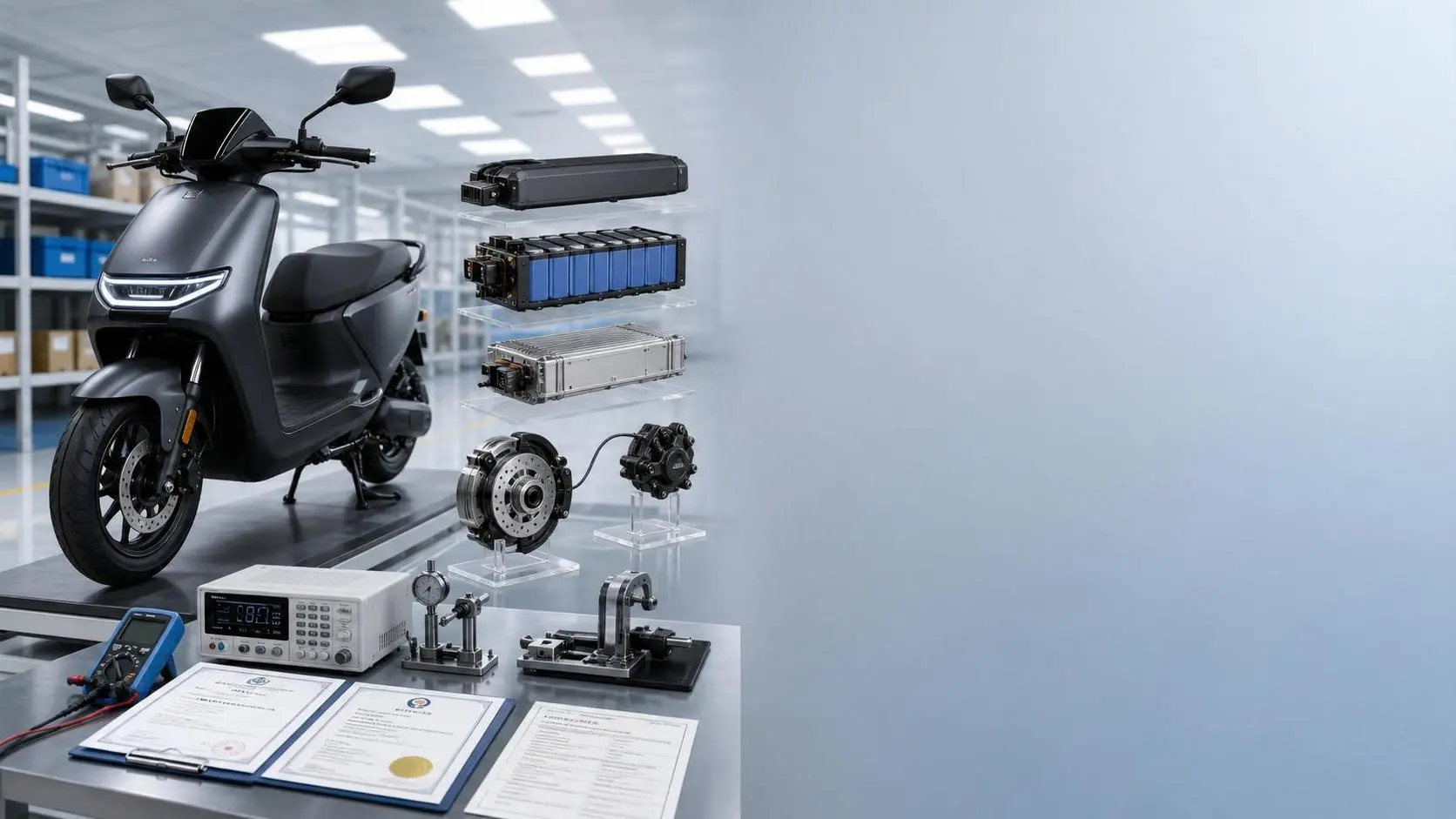
How to Evaluate an Electric Two-Wheeler Market Manufacturer for Supply and Compliance
Electric two-wheeler market manufacturer evaluation guide: learn how to assess supply stability, compliance systems, quality risk, and total cost to choose a reliable partner.
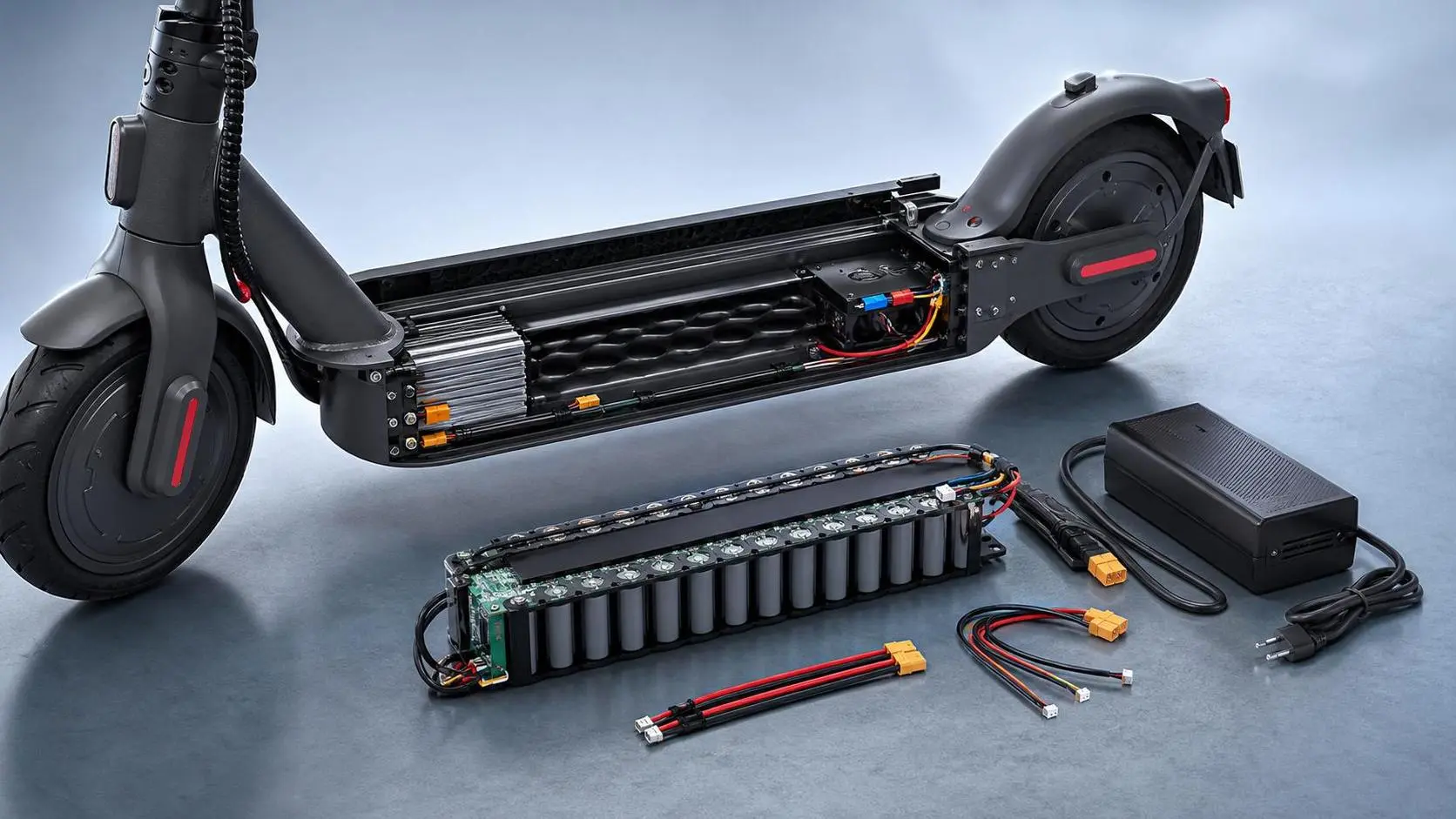
Common Scooter Battery Issues and How to Troubleshoot Range Drop, Heat, and Charging Faults
Scooter battery issues explained: learn how to troubleshoot range drop, overheating, and charging faults with practical checks that help riders and fleets diagnose faster and avoid costly replacements.
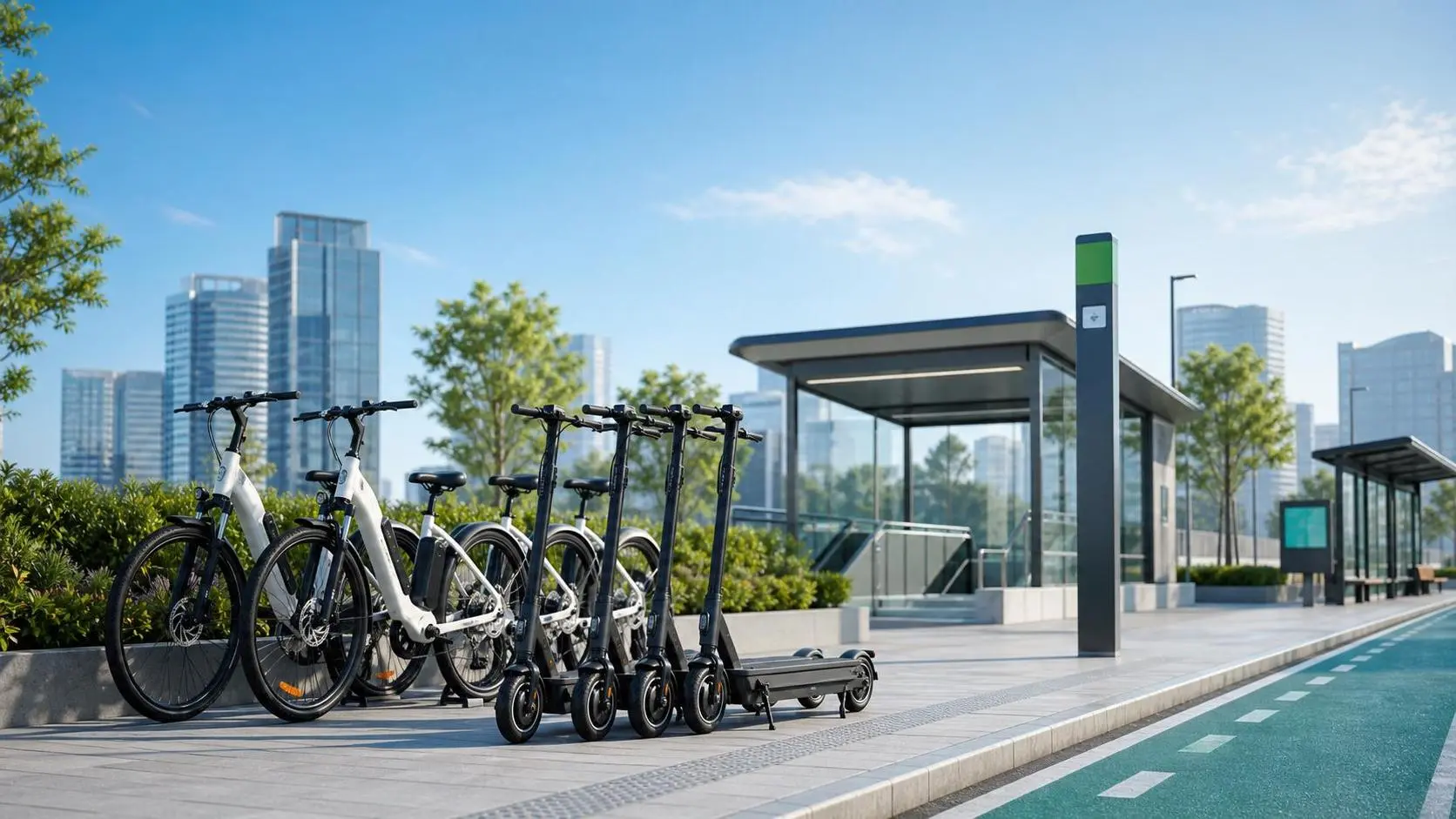
Low Carbon Commuting Options: E-bikes, Foldable Scooters, and Public Transit Compared
Low carbon commuting compared: discover how e-bikes, foldable scooters, and public transit differ in cost, flexibility, range, and last-mile convenience for smarter daily travel.
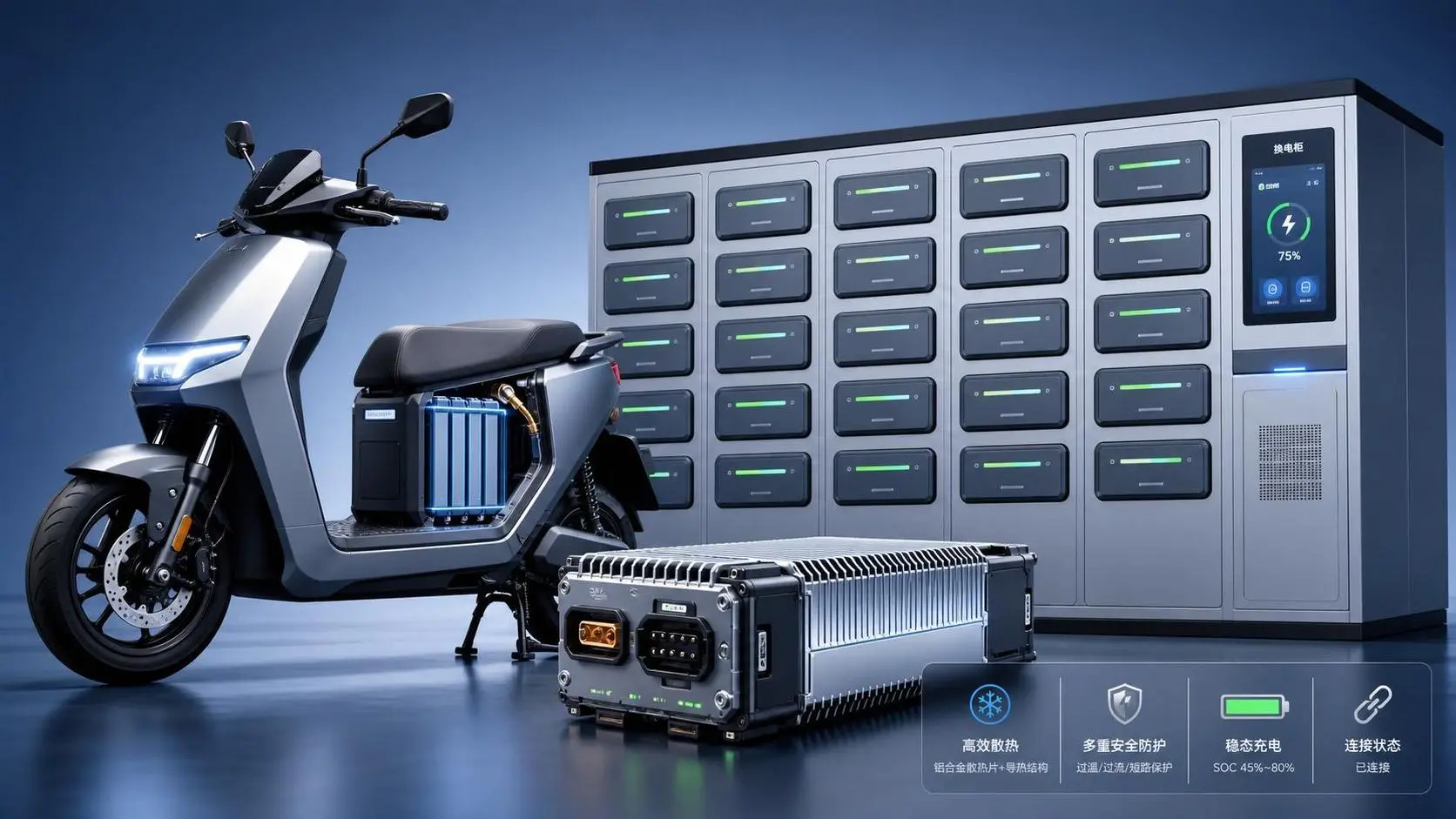
Thermal Management for Swappable Battery Scooters: Key Design Factors to Compare
Thermal management is the key factor when comparing swappable battery scooters. Discover how cooling, BMS logic, charging behavior, and pack design impact safety, uptime, and fleet ROI.
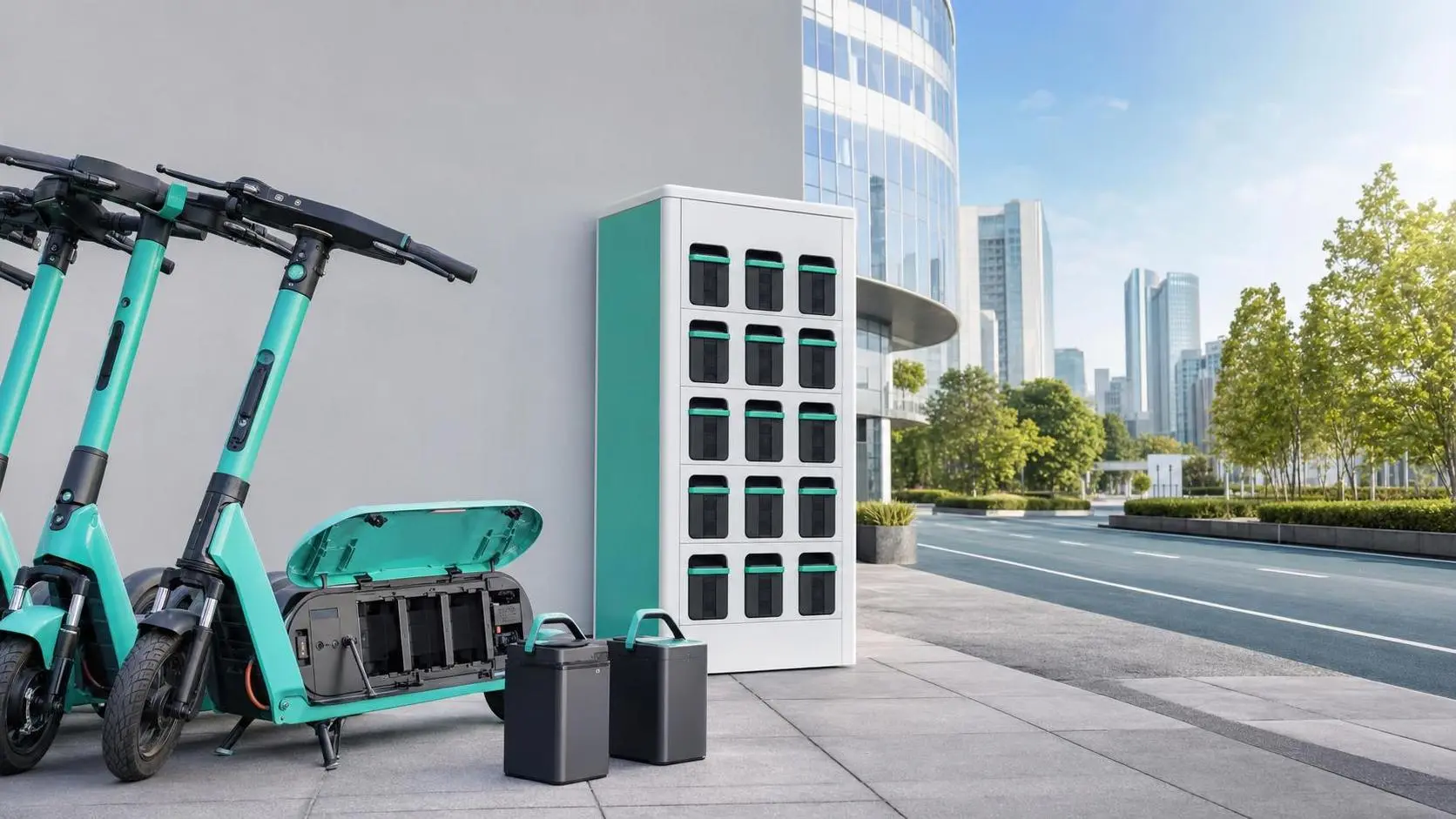
How Battery-Swapping Networks Work for Shared Fleet Scooters
Battery-swapping networks keep shared fleet scooters running with less downtime, smarter dispatch, and safer battery management. See how they boost uptime and urban fleet efficiency.