
Related News
- 00
0000-00
How to Choose a Brushless Wiper Motor: Voltage, Torque, IP Rating, and Duty Cycle - 00
0000-00
Wiper Sensor Technology: How Rain Detection Works and What Affects Response Accuracy - 00
0000-00
Are smart wiper sensors worth the maintenance cost? - 00
0000-00
Do brushless motors really need less maintenance? - 00
0000-00
How brushless motors cut failures and upkeep costs
Visibility Safety Expert
Weekly Insights
Stay ahead with our curated technology reports delivered every Monday.
How to Choose a Brushless Wiper Motor: Voltage, Torque, IP Rating, and Duty Cycle





How to Choose a Brushless Wiper Motor: Voltage, Torque, IP Rating, and Duty Cycle
Choosing a brushless wiper motor is rarely a one-line specification exercise.
The right decision affects visibility, product reliability, compliance, and service cost.
That matters even more in vehicles exposed to rain, dust, vibration, and long operating hours.
A well-matched brushless wiper motor can improve wiping consistency and reduce maintenance interruptions.
A poor match can create overheating, weak wiping force, unstable speed, or premature failure.
This is why voltage, torque, IP rating, and duty cycle deserve careful review together, not in isolation.
In practical sourcing, the best brushless wiper motor is the one that fits the real load profile.
It should also support stable supply, clear documentation, and predictable field performance.
Start with the Actual Application
Before comparing catalog numbers, define the operating environment and wiping task.
A brushless wiper motor for compact urban mobility equipment may face very different conditions than one used in enclosed cabins.
Recent market changes make this step more important.
More systems now combine compact packaging, smart controls, and stricter weather-resistance expectations.
That also means a brushless wiper motor must fit both electrical architecture and mechanical constraints.
- Define windshield size, blade length, linkage type, and sweep angle.
- Check operating temperature, humidity, dust exposure, and water splash intensity.
- Review expected daily runtime, intermittent use, and peak load events.
- Confirm voltage platform, control interface, and mounting limitations.
This early mapping prevents overbuying on paper and underperforming in the field.
Voltage Matching: The First Technical Filter
Voltage compatibility is the first checkpoint for any brushless wiper motor selection.
Most buyers begin with nominal voltage, such as 12V, 24V, or another system standard.
But nominal voltage alone is not enough.
A brushless wiper motor must also tolerate real voltage fluctuation during startup, charging, and low-battery conditions.
In compact electric platforms, transient behavior can be more aggressive than expected.
What to check beyond nominal voltage
- Operating voltage range under minimum and maximum input conditions.
- Startup current behavior and controller protection logic.
- Compatibility with PWM control, LIN, CAN, or simple switching.
- EMC performance in systems with sensors, displays, and wireless modules.
A voltage mismatch may not fail immediately.
Instead, it often shows up as unstable wiping speed, noise, thermal stress, or shortened controller life.
For that reason, request performance data across the full voltage range.
If the supplier only shares nominal values, decision risk remains high.
Torque: The Real Measure of Wiping Confidence
Torque determines whether a brushless wiper motor can move the blade reliably under load.
This includes dry friction, heavy rain, ice residue, wind pressure, and aging of the linkage system.
Many selection errors happen here.
Teams compare rated torque, but ignore peak torque and real starting resistance.
A brushless wiper motor may look sufficient in normal rain, then stall during extreme weather.
Key torque questions to ask suppliers
- What is the rated torque at continuous operation?
- What peak torque is available at startup or blockage release?
- At what speed is torque measured?
- How does torque change across voltage variation?
- What safety margin is recommended for the target blade system?
As a rule, avoid sizing a brushless wiper motor too close to theoretical minimum torque.
A reasonable torque reserve improves durability and reduces field complaints.
It also supports smoother wiping under changing weather conditions.
IP Rating: Protection Must Match the Exposure
The IP rating of a brushless wiper motor should reflect real environmental exposure, not just a marketing target.
Water ingress and dust contamination remain common failure causes in outdoor mobility systems.
This is especially true where packaging space is tight and airflow carries debris into assemblies.
How to interpret IP needs realistically
If the brushless wiper motor sits in a semi-protected compartment, a moderate rating may work.
If it is mounted near direct splash zones, the sealing strategy becomes far more critical.
The stronger signal in current sourcing is this.
Buyers now look beyond the IP code itself and ask how sealing survives vibration, heat cycling, and cable movement.
- Check connector sealing, not only motor housing sealing.
- Ask whether the IP rating applies to the complete assembled unit.
- Review test conditions, duration, and third-party validation if available.
- Confirm resistance to road grime, cleaning fluids, and salt exposure.
A brushless wiper motor with a higher IP rating is not automatically the better choice.
The better choice is the one validated for the actual service environment.
Duty Cycle: Where Lifetime Cost Becomes Visible
Duty cycle is one of the most underestimated brushless wiper motor specifications.
It defines how long the motor can operate within a given period without overheating or degrading early.
This parameter is closely linked to thermal design, controller tuning, and material quality.
In real business terms, duty cycle influences warranty exposure and replacement frequency.
Why duty cycle matters so much
A brushless wiper motor used in occasional light rain faces one pattern.
A motor running in frequent stop-and-go urban service faces another.
Longer operation at low speed can sometimes create more thermal stress than short peak events.
That is why a duty cycle claim should always be tied to temperature and load conditions.
Look Beyond the Core Specs
A brushless wiper motor may meet the headline parameters and still create sourcing friction later.
This usually happens when supporting details are missing.
In actual purchasing work, supplier maturity often matters as much as raw specification.
- Check life test data, failure mode records, and traceability practice.
- Review noise, vibration, and smoothness under different wiping speeds.
- Confirm customization options for shaft, bracket, connector, and control logic.
- Verify lead time stability, quality consistency, and after-sales response.
For mobility systems moving toward smarter architectures, control integration is becoming a bigger factor.
A brushless wiper motor that supports stable communication and fault feedback can reduce system-level troubleshooting.
A Practical Evaluation Checklist
If several models appear similar, use a weighted comparison process.
This keeps the brushless wiper motor decision objective and easier to defend internally.
- List required voltage range, torque window, IP target, and duty cycle.
- Add mechanical fit, connector type, and controller compatibility.
- Score supplier evidence, not just claimed values.
- Request samples for environmental and endurance verification.
- Compare total cost, including warranty and maintenance exposure.
This approach usually reveals the better long-term option.
The cheapest brushless wiper motor is often not the lowest-cost decision over product life.
Final Takeaway
A reliable brushless wiper motor should match the real system, not just the datasheet headline.
Voltage ensures electrical fit.
Torque ensures wiping confidence.
IP rating protects against the environment.
Duty cycle protects long-term value.
When these four factors are evaluated together, brushless wiper motor selection becomes clearer and far less risky.
Use field conditions, supplier evidence, and lifecycle cost as your final decision filters.
That is the most practical way to source a brushless wiper motor with confidence and lasting performance.
Related News
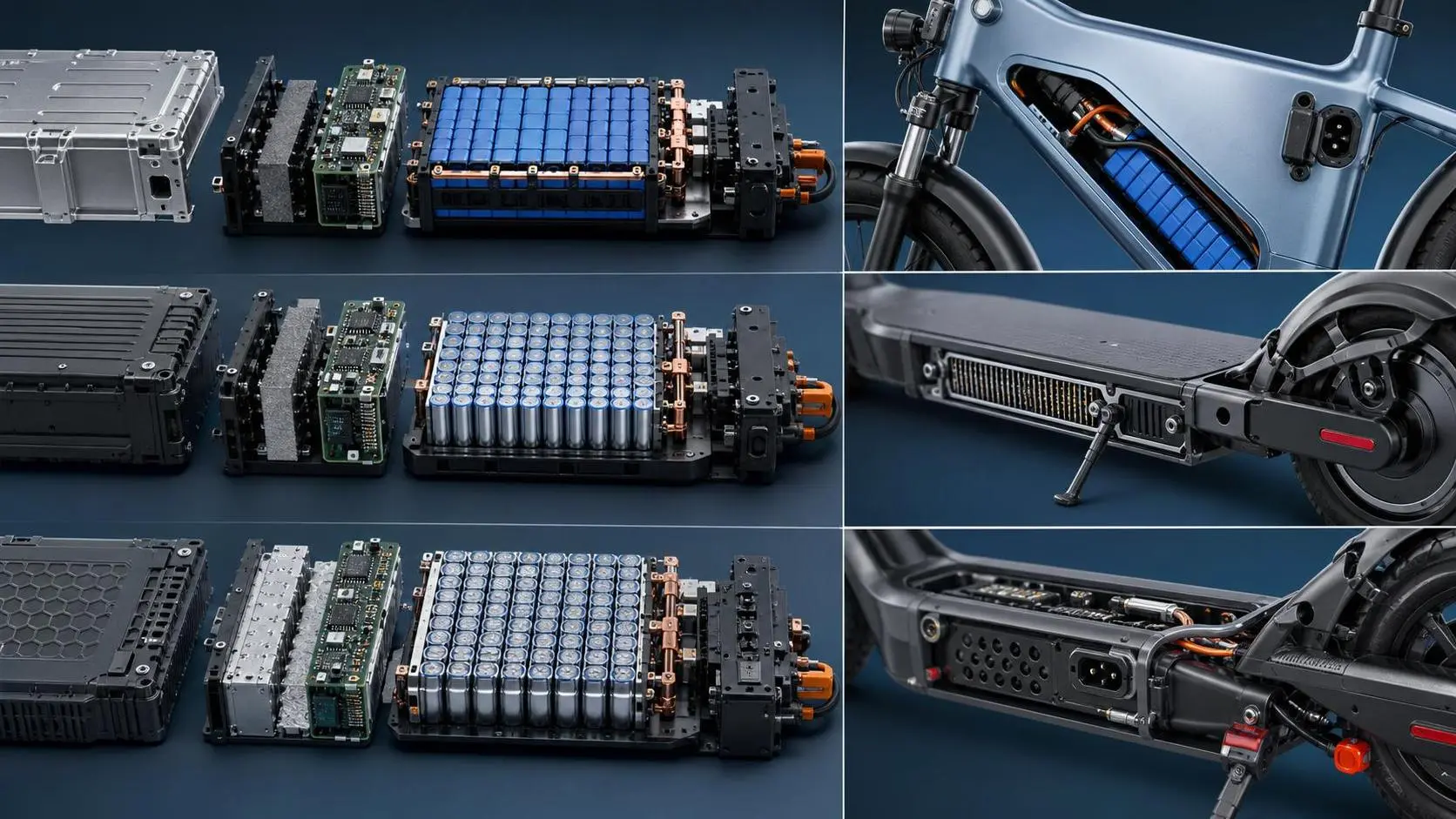
Battery Technology China: How LFP, Sodium-Ion, and Fast-Charging Cells Compare
Battery technology China compared: explore how LFP, sodium-ion, and fast-charging cells differ in cost, safety, range, and fleet value for smarter urban mobility decisions.
Electric Two-Wheeler Market Manufacturer Trends: Capacity, Export Strategy, and OEM Shifts
Electric two-wheeler market manufacturer trends decoded: explore capacity flexibility, smarter export strategy, and OEM shifts shaping resilient growth and competitive advantage.
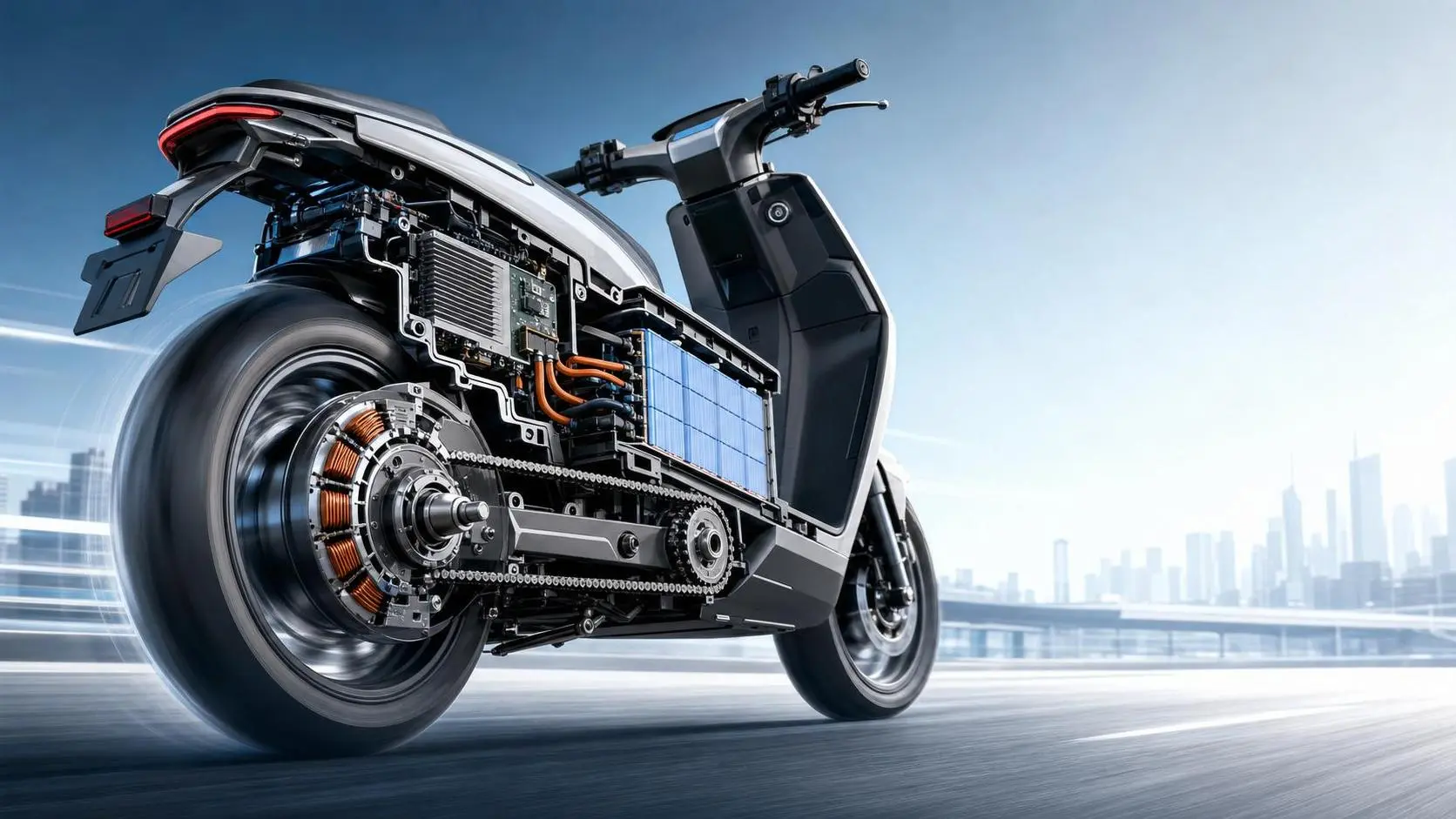
What Causes Torque Lag in Electric Two-Wheelers and How Can Engineers Reduce It?
Torque lag in electric two-wheelers starts with more than the motor. Learn what causes torque lag in e-bikes, e-scooters, and e-motorcycles, and how engineers can reduce it for faster, smoother response.
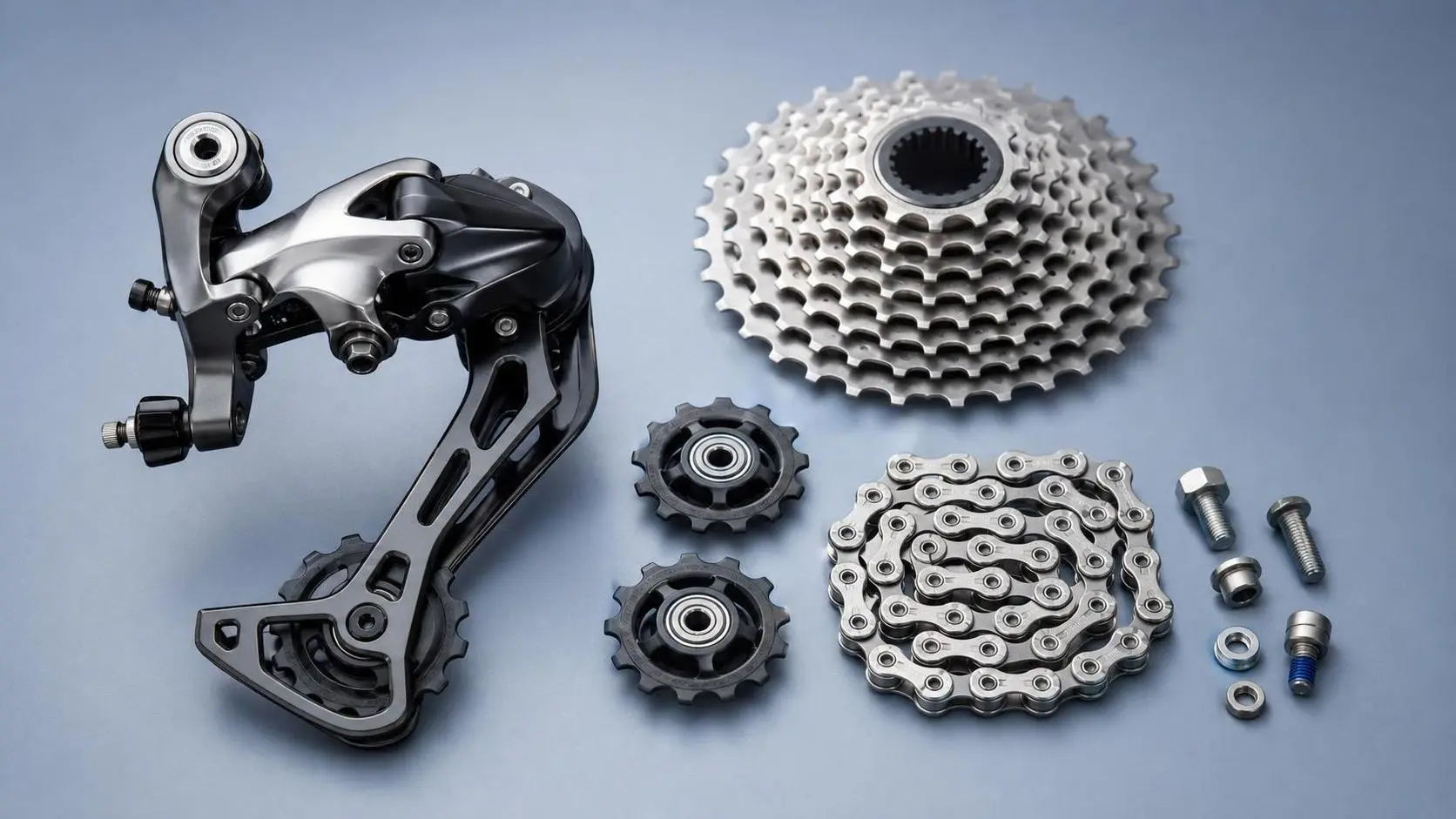
Bike Derailleur Parts Explained: Names, Functions, and What Wears Out First
Bike derailleur parts explained clearly: learn the key names, functions, common wear points, and how to tell adjustment issues from real damage before you repair or upgrade.
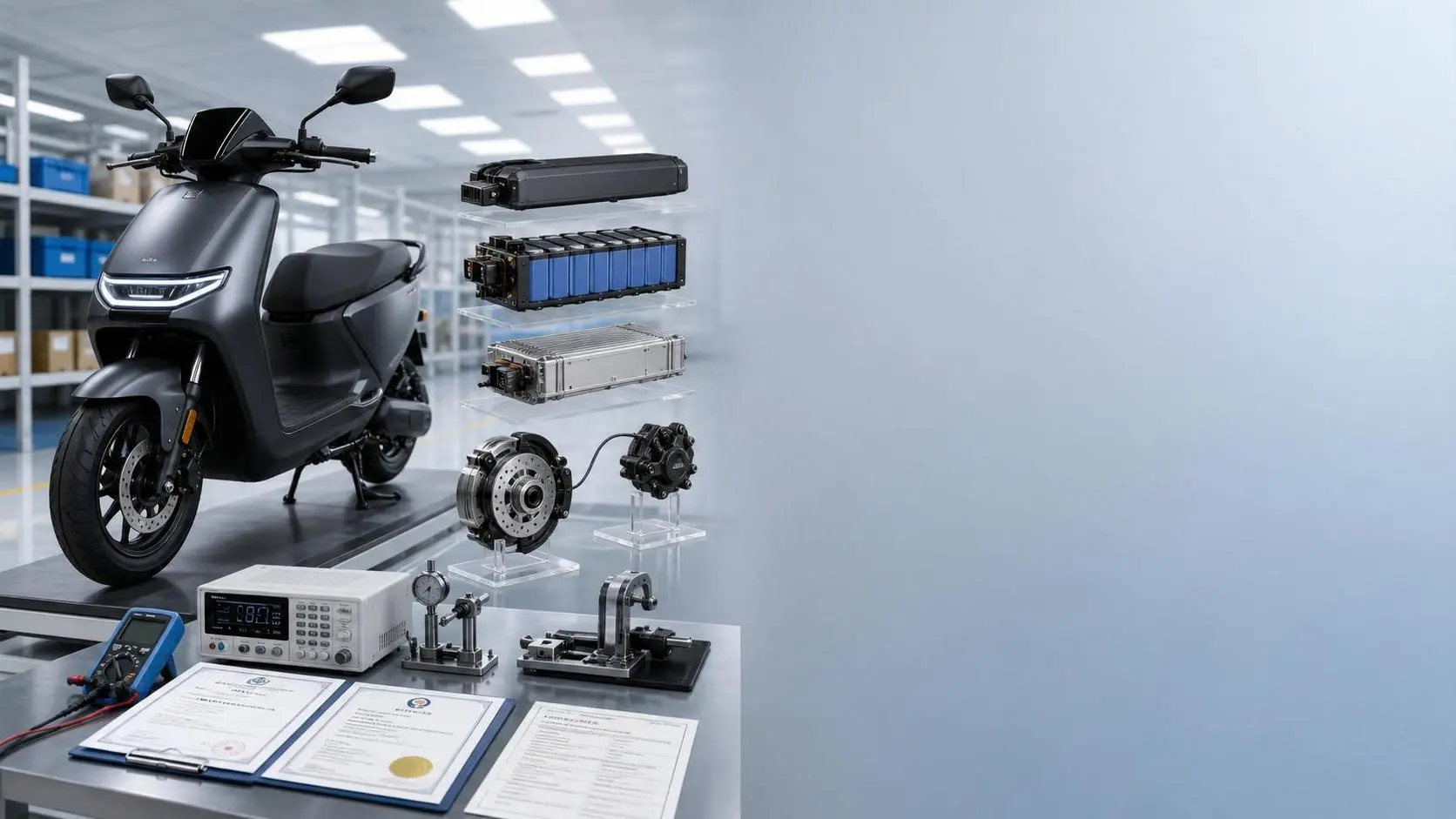
How to Evaluate an Electric Two-Wheeler Market Manufacturer for Supply and Compliance
Electric two-wheeler market manufacturer evaluation guide: learn how to assess supply stability, compliance systems, quality risk, and total cost to choose a reliable partner.
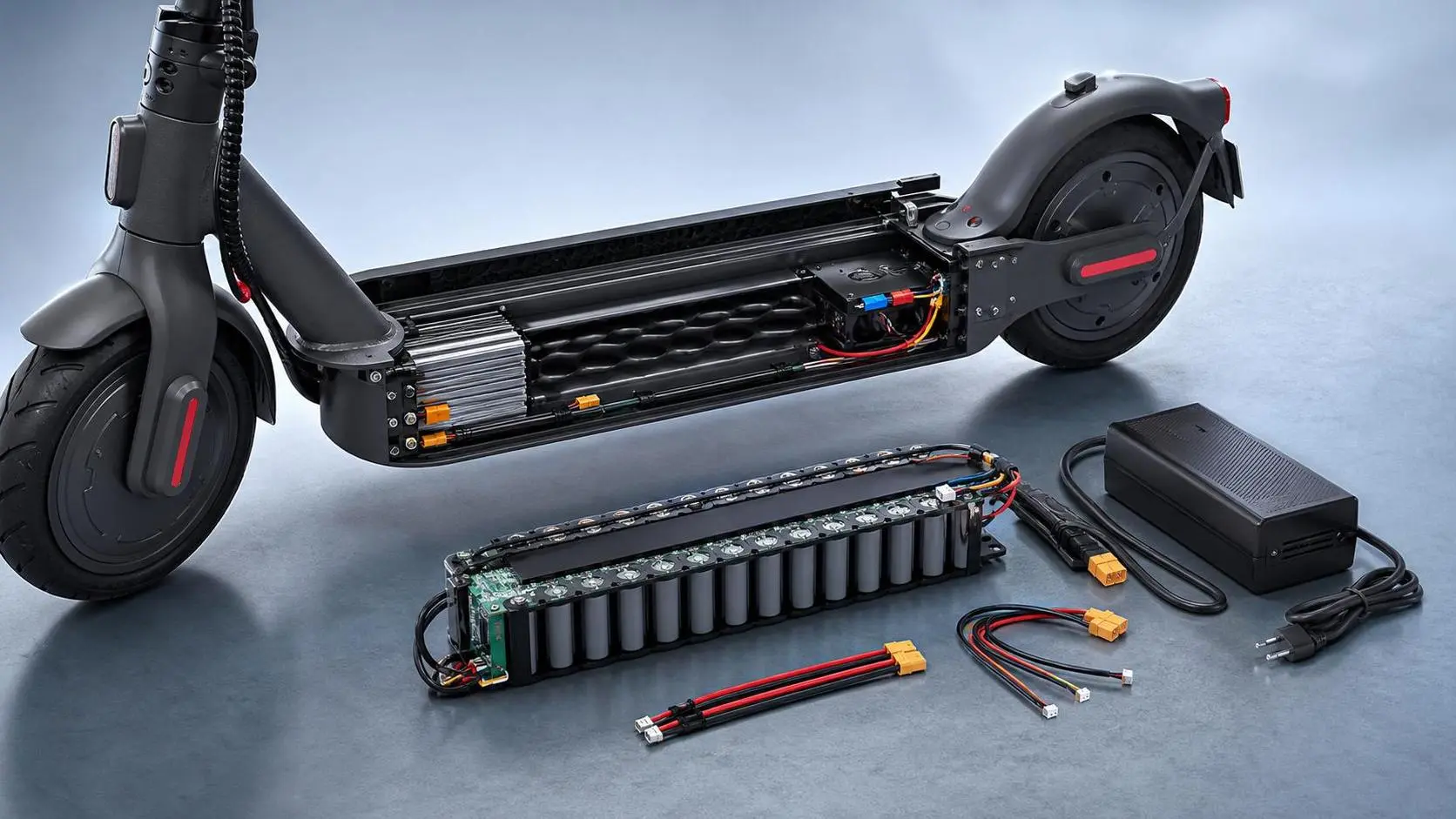
Common Scooter Battery Issues and How to Troubleshoot Range Drop, Heat, and Charging Faults
Scooter battery issues explained: learn how to troubleshoot range drop, overheating, and charging faults with practical checks that help riders and fleets diagnose faster and avoid costly replacements.
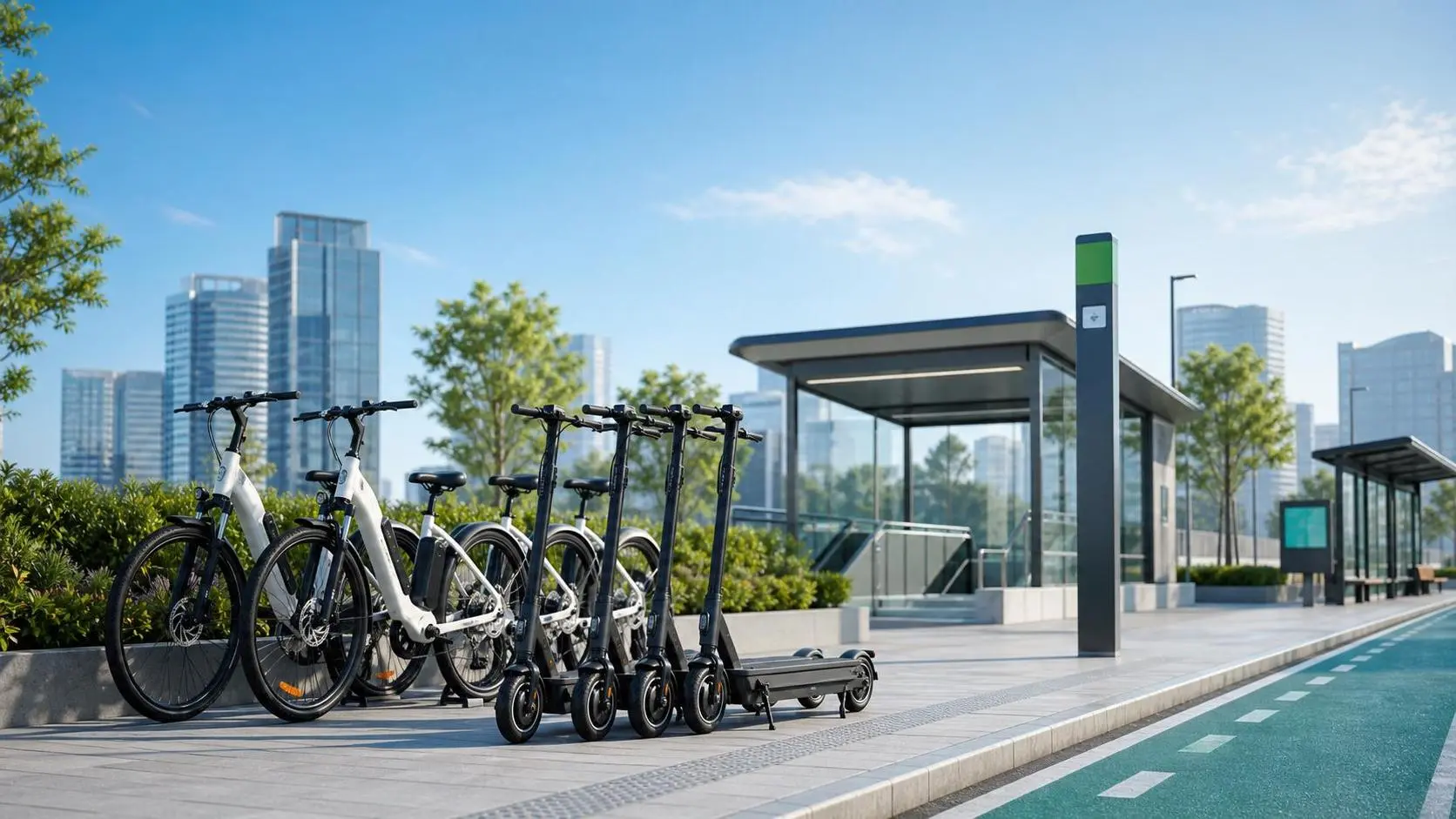
Low Carbon Commuting Options: E-bikes, Foldable Scooters, and Public Transit Compared
Low carbon commuting compared: discover how e-bikes, foldable scooters, and public transit differ in cost, flexibility, range, and last-mile convenience for smarter daily travel.
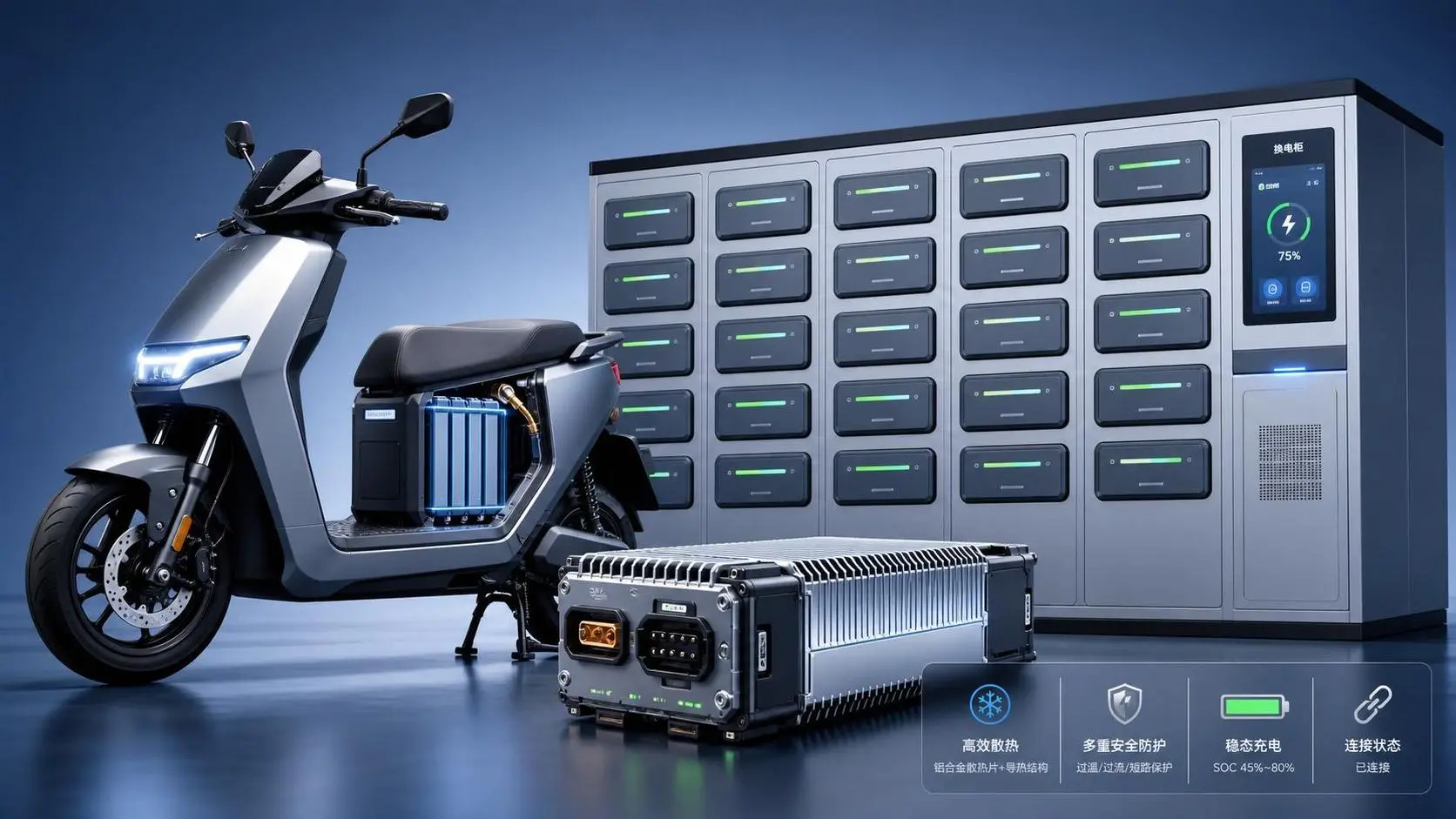
Thermal Management for Swappable Battery Scooters: Key Design Factors to Compare
Thermal management is the key factor when comparing swappable battery scooters. Discover how cooling, BMS logic, charging behavior, and pack design impact safety, uptime, and fleet ROI.
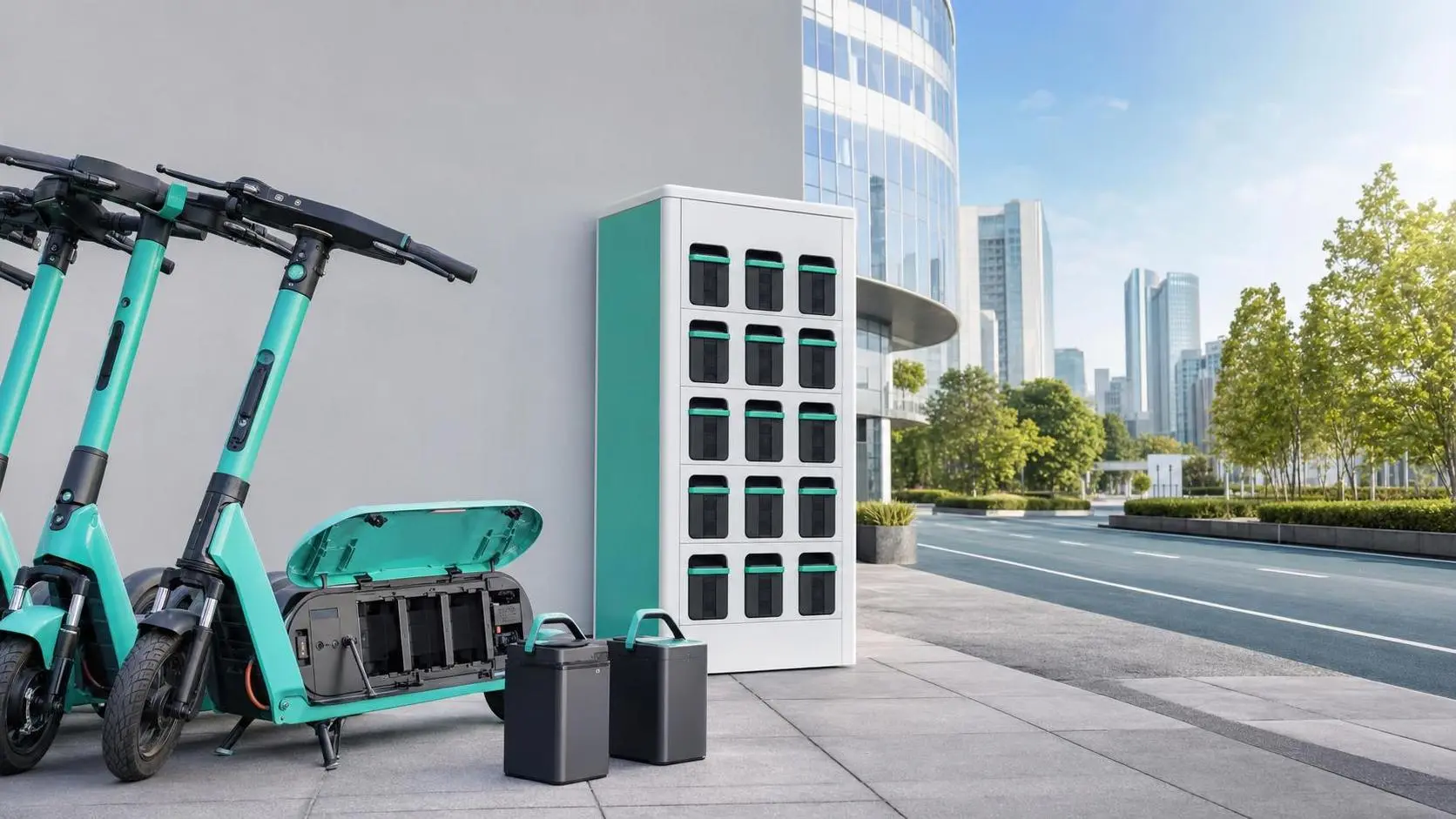
How Battery-Swapping Networks Work for Shared Fleet Scooters
Battery-swapping networks keep shared fleet scooters running with less downtime, smarter dispatch, and safer battery management. See how they boost uptime and urban fleet efficiency.