
Related News
- 00
0000-00
Electric Two-Wheeler Market Manufacturer Trends: Capacity, Export Strategy, and OEM Shifts - 00
0000-00
Micro Mobility USA Market: Key Regulations, Demand Signals, and Growth Segments - 00
0000-00
Clean Urban Transport Options Explained: Which Modes Fit Dense City Routes? - 00
0000-00
How Micromobility Regulations Affect Fleet Permits, Speed Limits, and Parking Rules - 00
0000-00
Micro Mobility Adoption Barriers: What Stops Cities From Scaling Daily Use?
Prof. Marcus Chen
Weekly Insights
Stay ahead with our curated technology reports delivered every Monday.
Electric Two-Wheeler Market Manufacturer Trends: Capacity, Export Strategy, and OEM Shifts





A manufacturing map that is no longer stable
The electric two-wheeler market manufacturer landscape is changing faster than many balance sheets can absorb.
Capacity is still expanding, but the logic behind expansion is no longer only volume.
What matters now is where output sits, which markets it serves, and how quickly lines can switch models.
That shift is especially visible across e-bikes, smart e-scooters, and high-speed e-motorcycles.
UMMS tracks this transition through production footprints, battery system choices, export policy signals, and component architecture changes.
The result is a market that looks less like a simple growth story and more like a strategic reshuffle.
Recent moves suggest that the electric two-wheeler market manufacturer is being judged on resilience as much as on cost.
Why capacity expansion now means optionality, not just scale
A few years ago, adding lines was mainly a response to demand spikes and subsidy-driven optimism.
Today, added capacity is being designed for flexibility across platforms, battery formats, and regional compliance rules.
This is one reason the electric two-wheeler market manufacturer conversation has become more complex.
Factories serving Europe want rapid adaptation to e-bike specifications, cargo variants, and battery traceability expectations.
Plants focused on Southeast Asia or Latin America often need stronger price discipline and easier localization.
For high-speed electric motorcycles, thermal management and power electronics integration now shape plant decisions earlier than before.
That matters because capacity without engineering adaptability can quickly become stranded capacity.
The new logic behind factory investment
- Regional demand is fragmenting by speed class, battery size, and legal use case.
- Trade risk pushes assembly closer to destination markets or friendly tariff zones.
- OEM programs increasingly require digital quality records and component genealogy.
- Component shortages have taught buyers to value dual-sourcing-ready production layouts.
In practical terms, the strongest electric two-wheeler market manufacturer positions now combine volume discipline with conversion agility.
Export strategy is moving from broad reach to selective depth
Export growth remains attractive, but the old playbook of shipping broadly is losing efficiency.
More companies are narrowing focus toward markets where regulation, service infrastructure, and user behavior align.
This creates a different export profile for each product family inside the micro-mobility chain.
E-bikes continue to benefit from urban commuting demand and outdoor lifestyle spending in Europe.
Smart e-scooters depend more heavily on right-of-way rules, sharing platform models, and IoT reliability.
High-speed e-motorcycles face a steeper path because homologation, charging access, and brand trust matter more.
As a result, the electric two-wheeler market manufacturer increasingly needs export depth, not only export presence.
This is also why intelligence-led market selection is becoming more valuable than simple distributor expansion.
OEM shifts are changing who controls value
A more subtle shift is happening inside OEM relationships.
Brands are rethinking how much design, battery integration, software control, and final assembly they keep in-house.
For the electric two-wheeler market manufacturer, this changes margin structure and bargaining power.
Some OEMs want platform partners that can deliver frames, controllers, and battery packaging as one engineered package.
Others are splitting critical systems to avoid dependence on a single supplier network.
The immediate effect is clear.
Simple contract assembly is under pressure, while integrated technical collaboration is gaining value.
UMMS has seen this pattern across drivetrain integration, battery management logic, and connected scooter platforms.
Even adjacent categories, such as precision derailleur components and visibility safety systems, reflect the same move toward smarter subsystems.
Where the OEM shift becomes visible
- Battery packs are now tied more closely to vehicle architecture and warranty economics.
- Software functions influence fleet management, diagnostics, and post-sale revenue.
- Frame design increasingly reflects battery placement, sensing modules, and lightweighting targets.
- Export-ready programs require documentation discipline from cell source to final assembly.
The biggest impact is happening across the supply chain, not only at the factory gate
It is tempting to view these developments as a factory strategy issue alone.
In reality, the electric two-wheeler market manufacturer shift reaches every key business layer.
Component planning changes first, because motors, cells, semiconductors, braking systems, and telematics all carry different lead-time risks.
Quality assurance becomes more data-heavy, especially in markets where battery incidents can damage an entire brand category.
Channel strategy also changes.
Markets with strong service expectations favor partners that can support diagnostics, spare parts flow, and firmware continuity.
Financial planning changes as well, because inventory buffers and regional assembly both affect working capital.
This is where many expansion plans either become durable or become expensive.
Signals worth tracking over the next planning cycle
- Battery certification requirements by destination market
- OEM preference for modular versus dedicated vehicle platforms
- Localization incentives for assembly and critical parts
- Fleet demand for predictive maintenance and connected diagnostics
- Changes in urban mobility policy affecting scooter or motorcycle access
The next advantage will come from intelligence discipline
The strongest players are not simply producing more units.
They are building a tighter loop between market signals, engineering decisions, and export execution.
That approach fits the broader UMMS view of urban micro-mobility.
Electrification is no longer a single product story.
It is a systems story involving powertrain efficiency, battery management, digital control, and urban use conditions.
For the electric two-wheeler market manufacturer, intelligence discipline means linking these signals before the market forces a reaction.
That may involve reviewing plant flexibility, stress-testing export assumptions, and identifying which OEM relationships create strategic lock-in.
It may also require closer monitoring of technical details that once seemed secondary, such as BMS architecture, drivetrain compatibility, or sensor integration.
Those details increasingly influence market access and lifecycle economics.
What to do before the next shift becomes obvious
The market is not moving in one direction.
It is splitting into different demand logics, compliance thresholds, and operating models.
That is why the electric two-wheeler market manufacturer discussion now needs a more selective lens.
- Reassess whether current capacity matches target-market product mix, not just total forecast volume.
- Map export exposure against tariff shifts, compliance updates, and service obligations.
- Separate OEM relationships by strategic value, engineering depth, and substitution risk.
- Build a rolling watchlist for battery, software, and urban policy signals.
A useful next step is not a dramatic overhaul.
It is a sharper decision framework.
When capacity, export strategy, and OEM positioning are reviewed together, the market becomes easier to read.
And when the market becomes easier to read, expansion decisions usually become easier to defend.
Related News
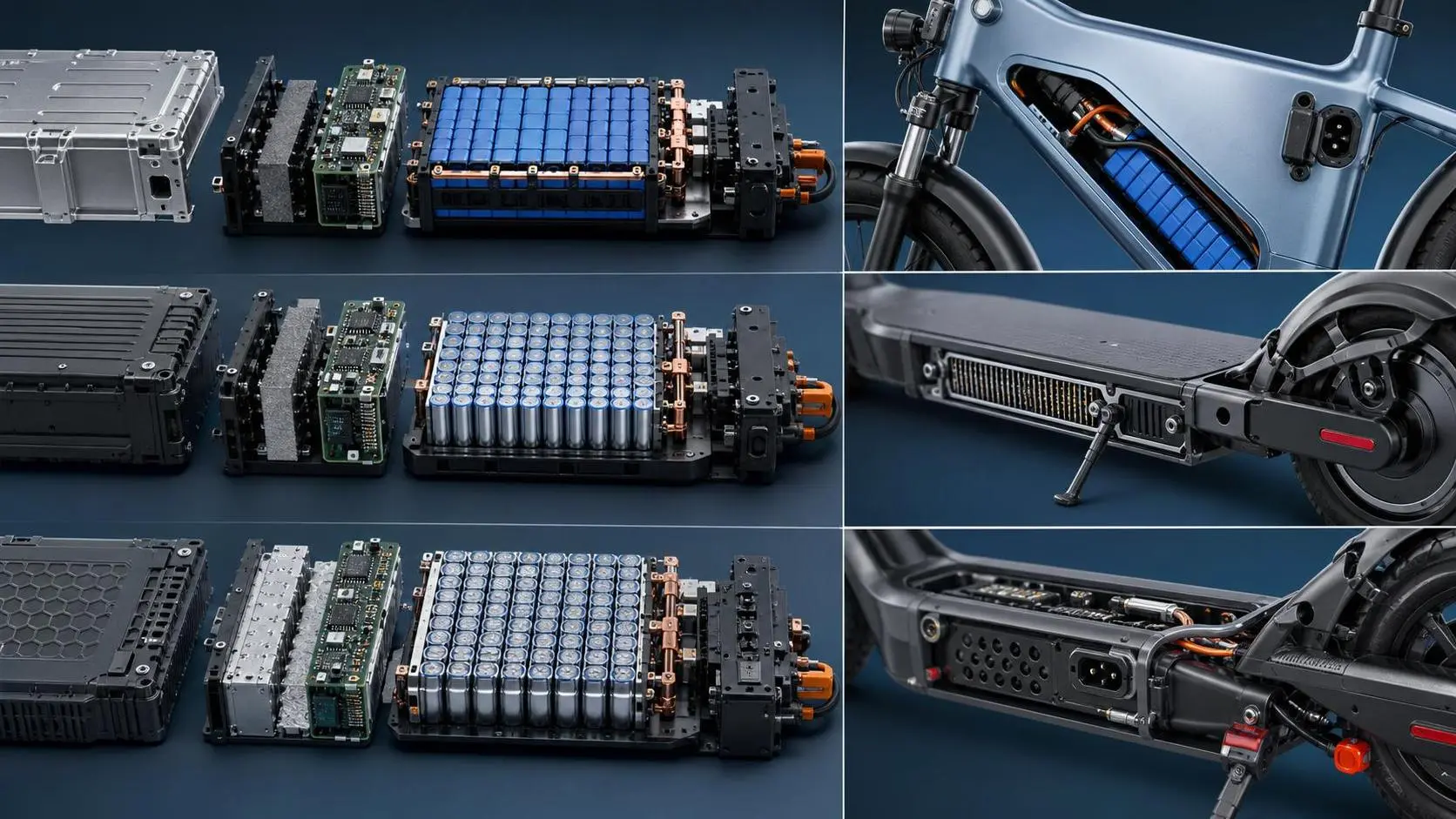
Battery Technology China: How LFP, Sodium-Ion, and Fast-Charging Cells Compare
Battery technology China compared: explore how LFP, sodium-ion, and fast-charging cells differ in cost, safety, range, and fleet value for smarter urban mobility decisions.
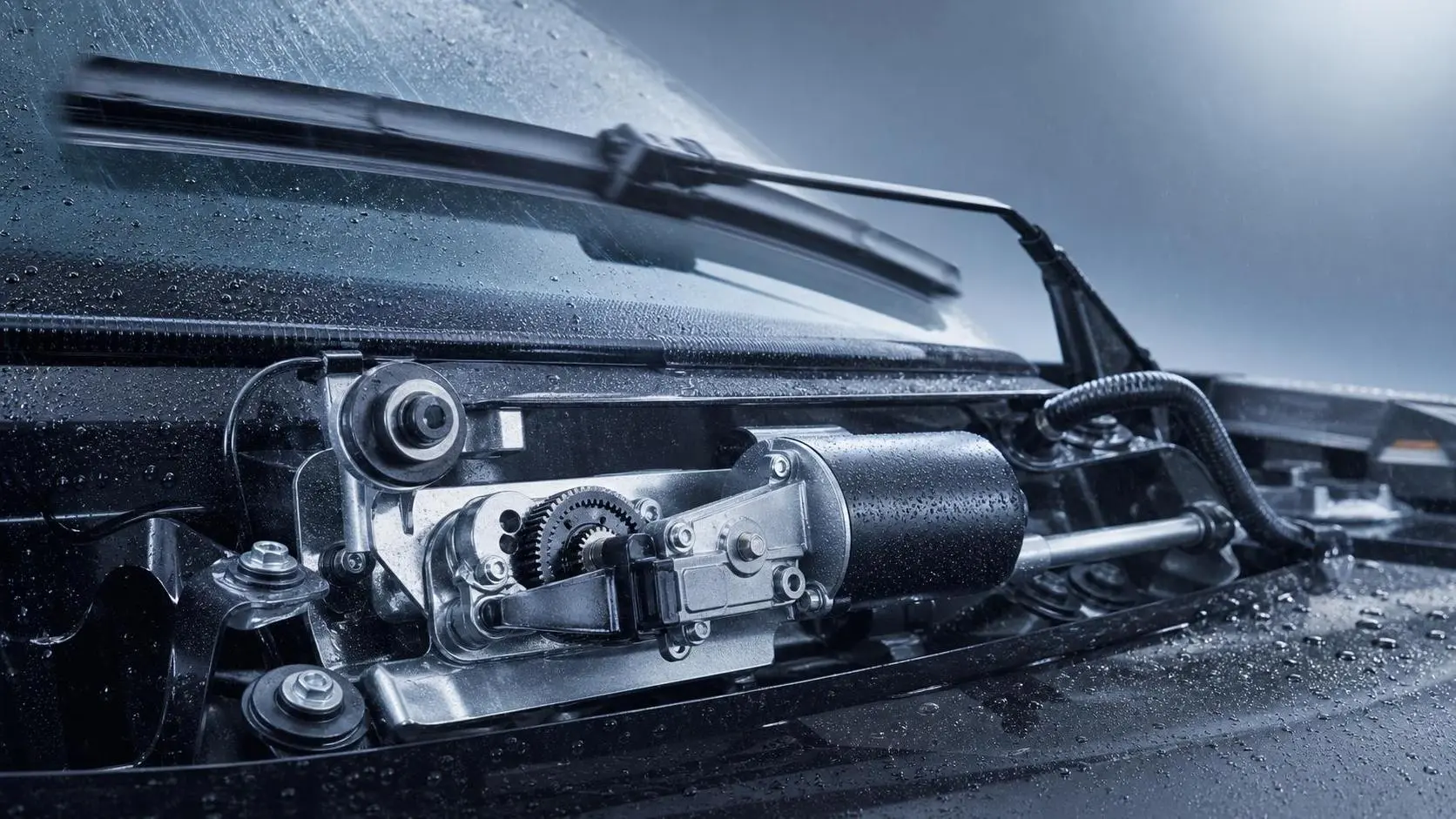
How to Choose a Brushless Wiper Motor: Voltage, Torque, IP Rating, and Duty Cycle
Brushless wiper motor selection starts with the right voltage, torque, IP rating, and duty cycle. Learn how to compare specs, reduce failure risk, and choose a reliable fit.
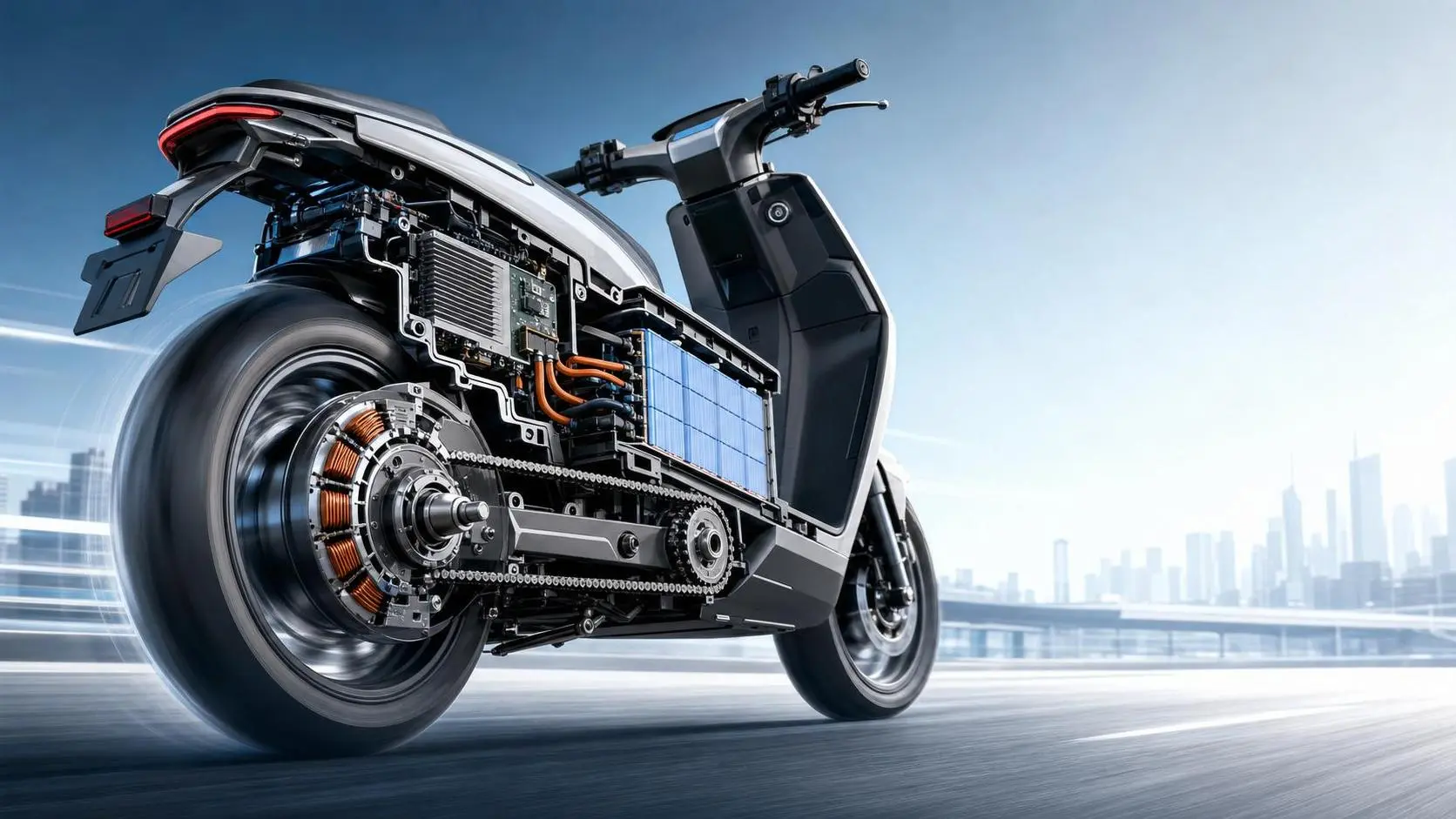
What Causes Torque Lag in Electric Two-Wheelers and How Can Engineers Reduce It?
Torque lag in electric two-wheelers starts with more than the motor. Learn what causes torque lag in e-bikes, e-scooters, and e-motorcycles, and how engineers can reduce it for faster, smoother response.
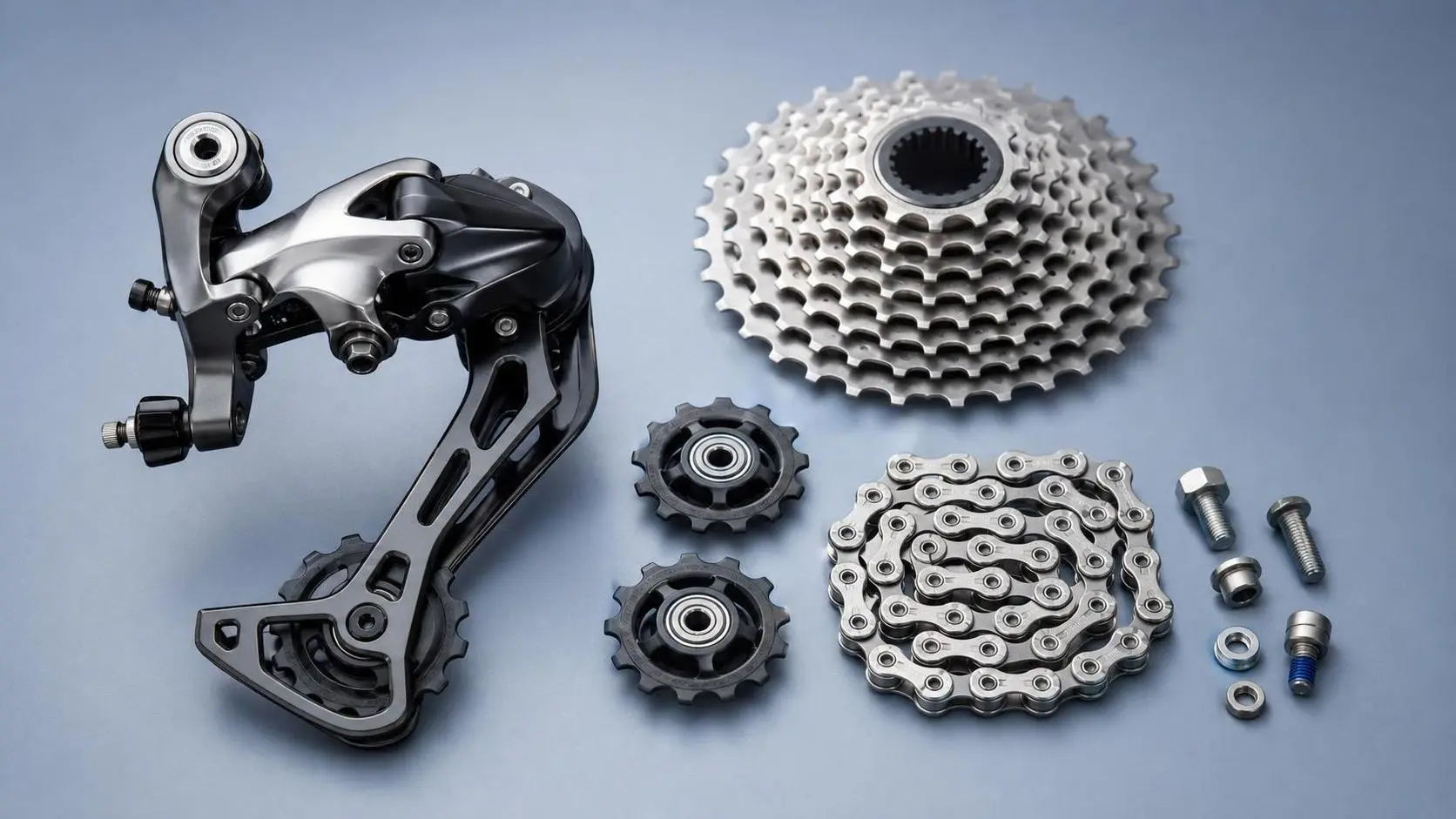
Bike Derailleur Parts Explained: Names, Functions, and What Wears Out First
Bike derailleur parts explained clearly: learn the key names, functions, common wear points, and how to tell adjustment issues from real damage before you repair or upgrade.
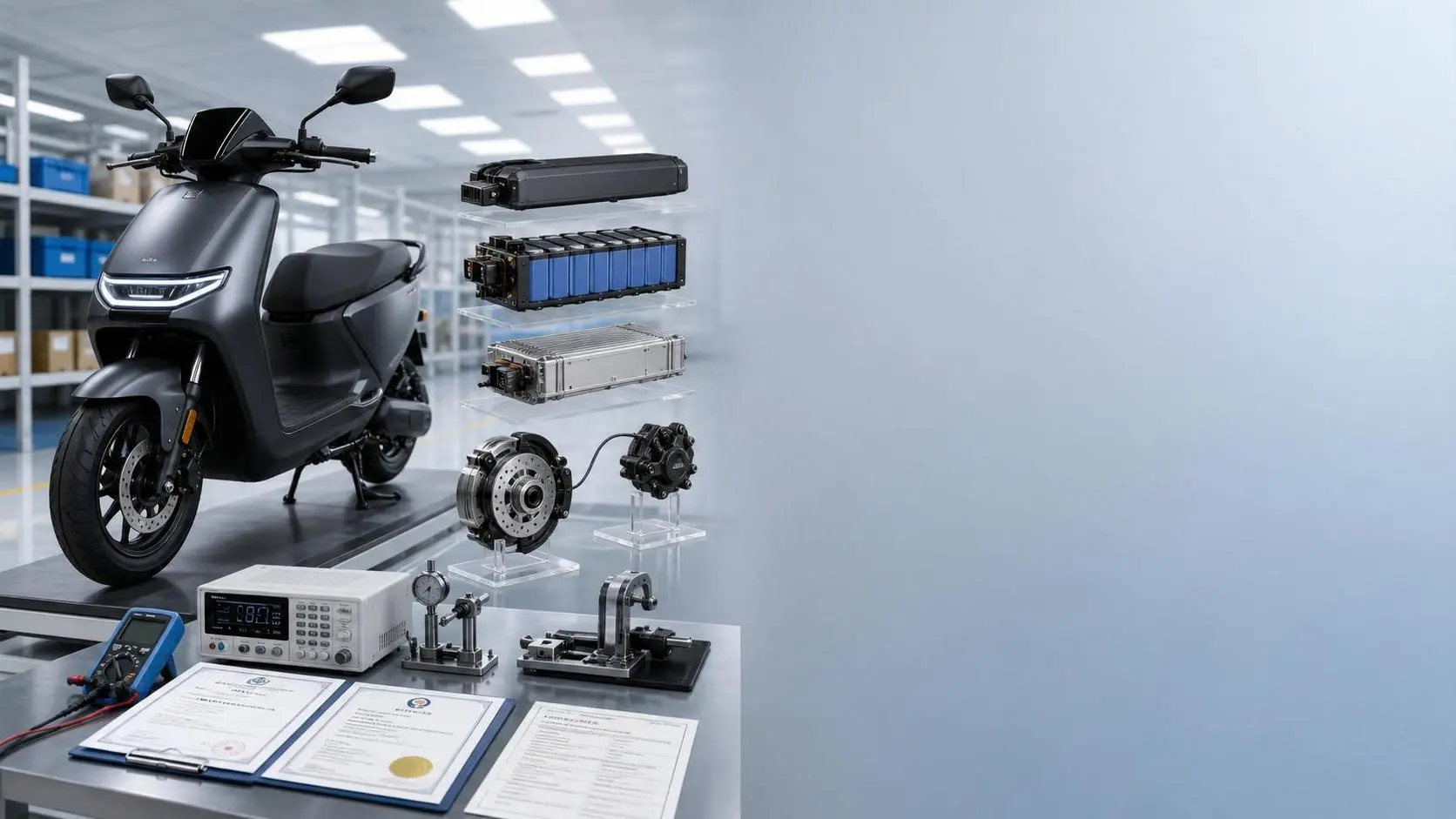
How to Evaluate an Electric Two-Wheeler Market Manufacturer for Supply and Compliance
Electric two-wheeler market manufacturer evaluation guide: learn how to assess supply stability, compliance systems, quality risk, and total cost to choose a reliable partner.
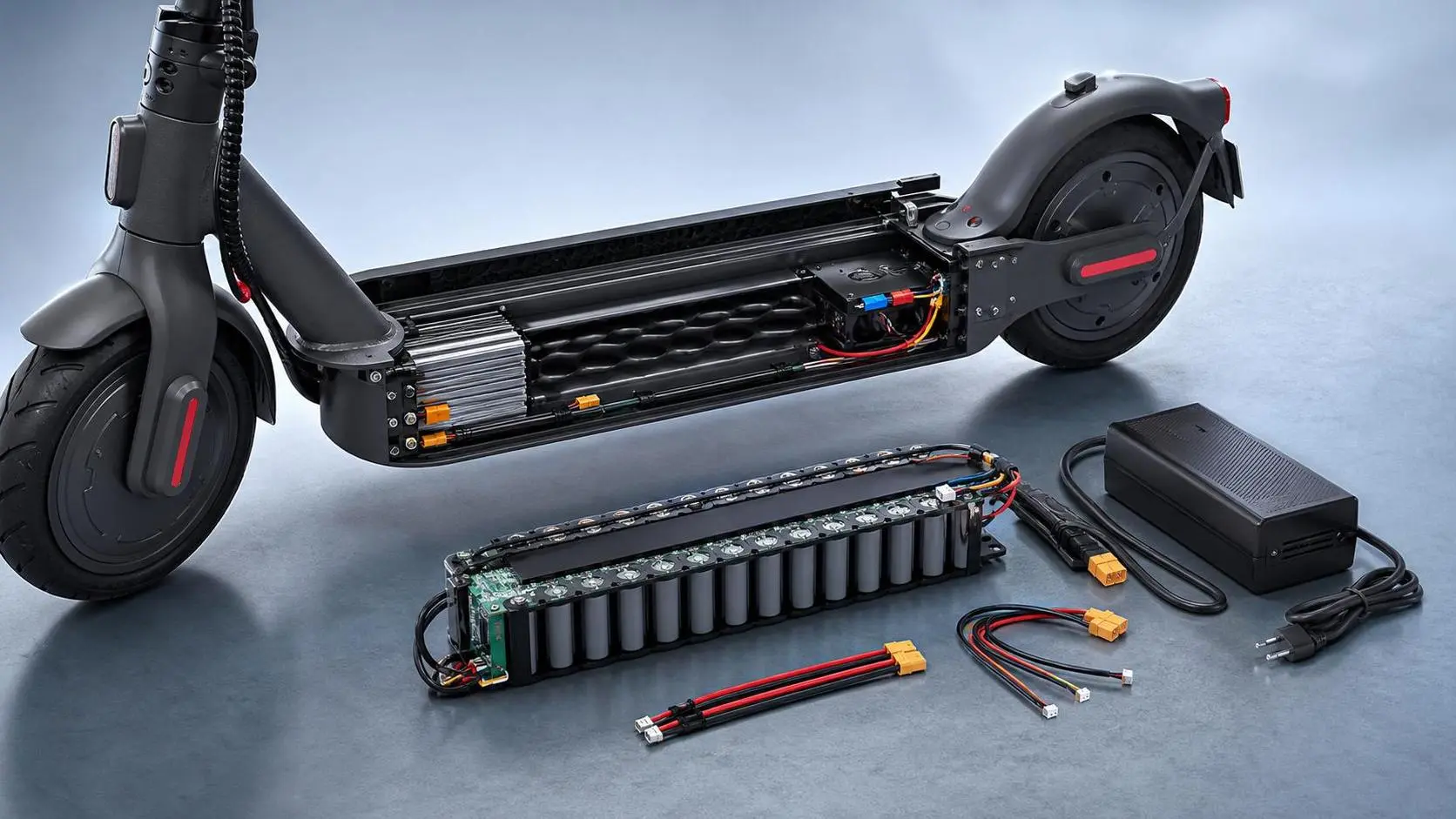
Common Scooter Battery Issues and How to Troubleshoot Range Drop, Heat, and Charging Faults
Scooter battery issues explained: learn how to troubleshoot range drop, overheating, and charging faults with practical checks that help riders and fleets diagnose faster and avoid costly replacements.
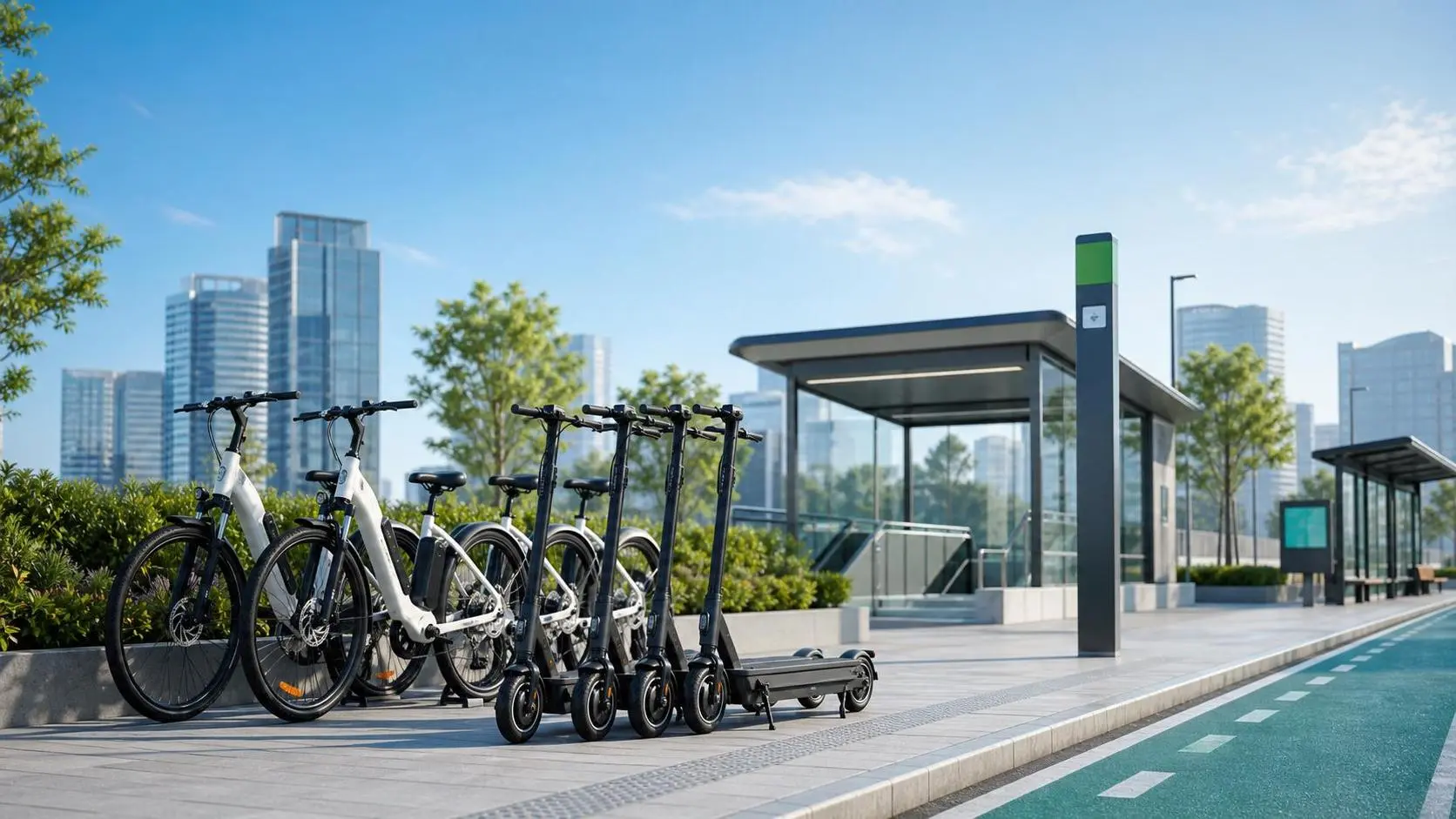
Low Carbon Commuting Options: E-bikes, Foldable Scooters, and Public Transit Compared
Low carbon commuting compared: discover how e-bikes, foldable scooters, and public transit differ in cost, flexibility, range, and last-mile convenience for smarter daily travel.
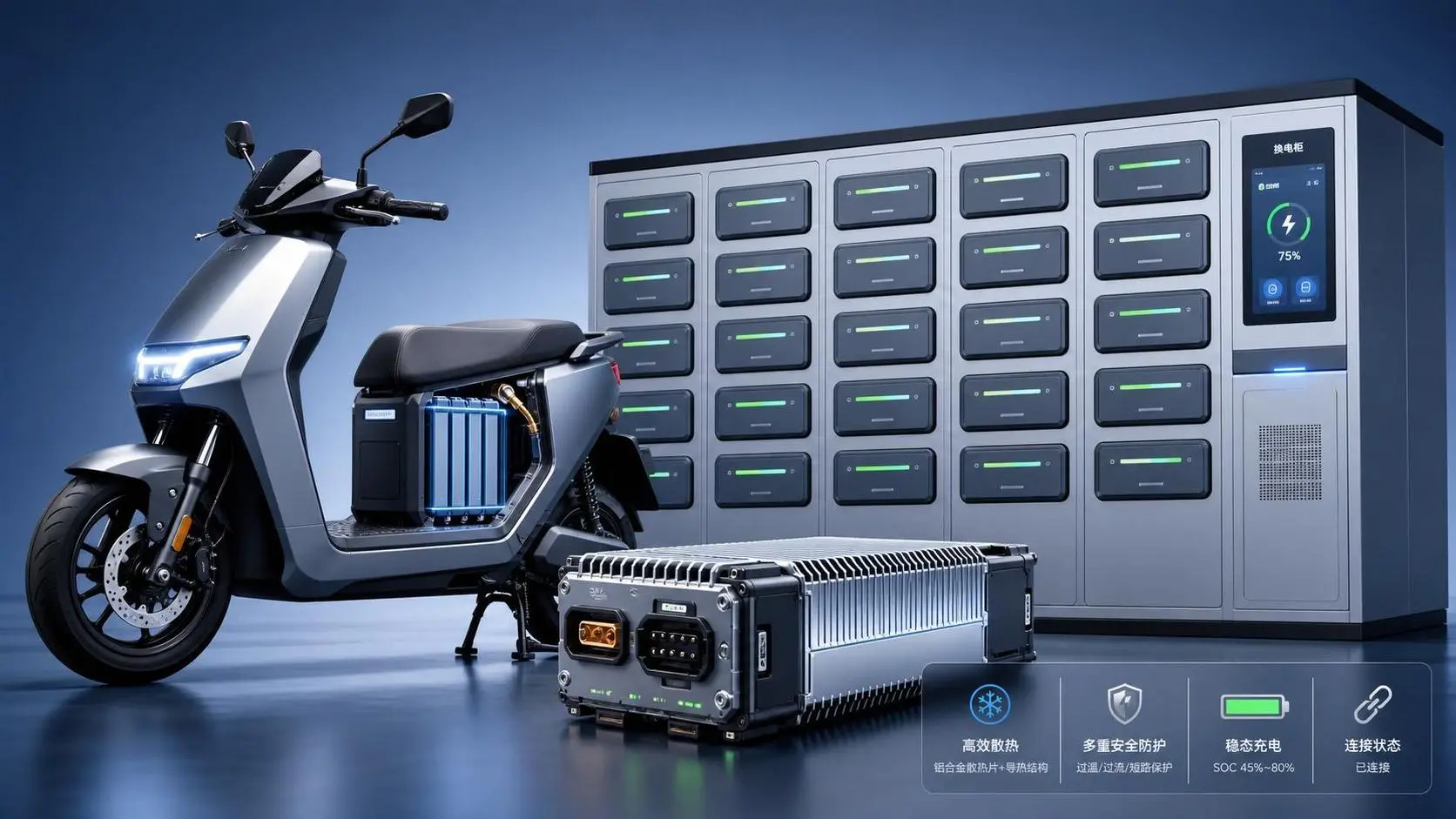
Thermal Management for Swappable Battery Scooters: Key Design Factors to Compare
Thermal management is the key factor when comparing swappable battery scooters. Discover how cooling, BMS logic, charging behavior, and pack design impact safety, uptime, and fleet ROI.
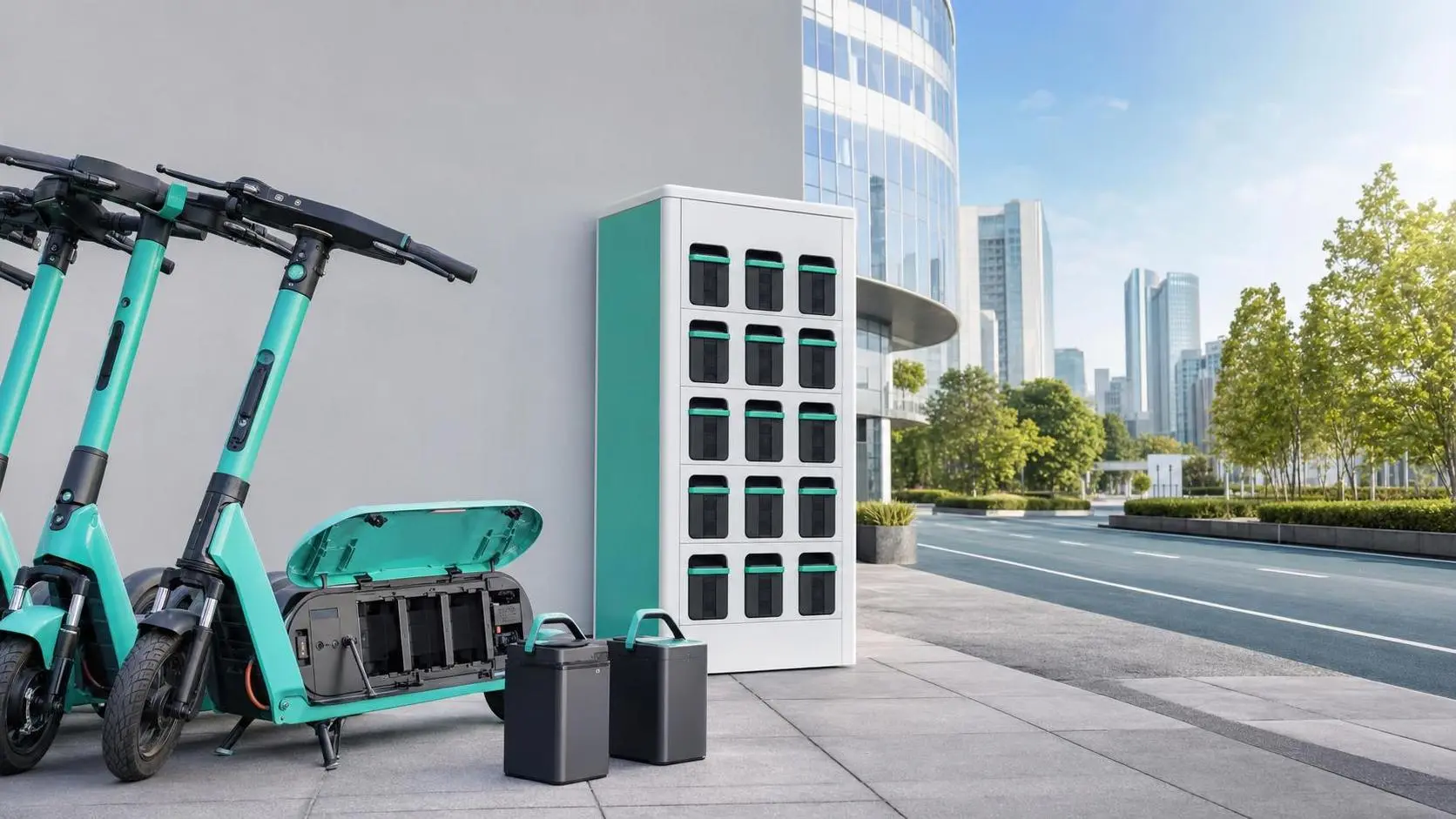
How Battery-Swapping Networks Work for Shared Fleet Scooters
Battery-swapping networks keep shared fleet scooters running with less downtime, smarter dispatch, and safer battery management. See how they boost uptime and urban fleet efficiency.