
Related News
- 00
0000-00
Bike Derailleur Parts Explained: Names, Functions, and What Wears Out First - 00
0000-00
How to Choose an Electromechanical Transmission Manufacturer for E-Mobility Projects - 00
0000-00
Derailleur Skipping Gears: 7 Common Causes and How to Fix Each One - 00
0000-00
Bicycle Derailleur Selection: Gear Range, Cage Length, and Compatibility - 00
0000-00
What Precision Drivetrain Architects Check Before Choosing E-Bike Gear Systems
Precision Drivetrain Architect
Weekly Insights
Stay ahead with our curated technology reports delivered every Monday.
Bike Derailleur Parts Explained: Names, Functions, and What Wears Out First





Why do bike derailleur parts matter so much?
Understanding bike derailleur parts helps explain why one bike shifts cleanly while another clicks, hesitates, or drops chains under load.
In urban mobility, drivetrain precision is not a small detail. It affects efficiency, noise, service intervals, and rider confidence.
That is especially true for e-bikes, where added torque can expose weak or worn derailleur components faster than on a purely human-powered bicycle.
UMMS tracks this area closely because precision bicycle components sit at the center of modern micro-mobility performance.
From mechanical drivetrains to electronic shifting, the derailleur remains a key control point between power delivery and wheel response.
So when people search for bike derailleur parts, they usually want more than names. They want to know what each part does and what fails first.
Which bike derailleur parts should you know by name?
A rear derailleur looks compact, but it combines several moving parts that must stay aligned under dirt, vibration, and repeated shifting.
The most useful way to learn bike derailleur parts is to separate them by structure, adjustment, and wear items.
The main structural pieces
- Derailleur body: the main frame that supports the mechanism.
- Cage: the arm that holds the two pulley wheels.
- Inner and outer cage plates: side plates that guide chain movement.
- Mounting bolt: the fastener attaching the derailleur to the hanger.
- B-knuckle or linkage pivots: the joints that let the derailleur move across the cassette.
The parts that guide the chain
- Guide pulley, often called the upper jockey wheel.
- Tension pulley, usually the lower jockey wheel.
- Pulley bolts and bushings or bearings.
The upper pulley helps shifting accuracy. The lower pulley manages chain tension and smooths chain return.
The adjustment and control points
- High-limit screw: stops overshift toward the smallest cog.
- Low-limit screw: stops overshift toward the largest cog.
- B-tension screw: sets pulley-to-cassette gap.
- Cable anchor bolt on mechanical systems.
- Return springs inside the linkage and cage.
If the front derailleur is included, the key bike derailleur parts are different.
There, the cage, pivot arms, limit screws, spring, and mounting clamp or braze-on plate do most of the work.
What does each part actually do during shifting?
Many shifting problems make sense once function is linked to part name.
In practical use, the derailleur does not push the chain randomly. It positions the chain with controlled lateral movement and tension.
This is why bike derailleur parts should be read as a system rather than isolated hardware.
A bent cage can mimic a worn pulley. A weak spring can feel like poor cable tension. One symptom may come from several causes.
What usually wears out first on a derailleur?
The first items to wear are rarely the most expensive ones.
More often, the earliest wear shows up in the small, exposed, high-cycle bike derailleur parts that live close to grit and chain contamination.
Most common early wear items
- Jockey wheels: teeth become pointed, uneven, or noisy.
- Pulley bushings or bearings: develop play and friction.
- Pivot joints: loosen after long use or poor lubrication.
- Springs: lose crisp return force over time.
- Limit and B-screws: can seize or strip if neglected.
On many commuter bikes, pulley wear appears before cage damage.
On crash-prone bikes, the derailleur hanger or cage may bend before internal wear becomes the main issue.
For e-bikes, the pattern can shift slightly.
Higher chain loads often accelerate wear on pulleys, chains, cassettes, and the derailleur clutch area, if one is present.
That matters in the wider UMMS view of electrified two-wheelers, because transmission efficiency directly affects energy use and service economics.
When is it a tuning problem, and when is it a parts problem?
This is where many people misjudge bike derailleur parts.
Not every bad shift means replacement. Sometimes indexing is off. Sometimes the hardware is actually worn or bent.
Signs that adjustment may be enough
- Shifting was fine until a cable stretch period ended.
- Noise appears only on one or two cogs.
- Limit screws were recently touched.
- The derailleur still moves firmly and returns quickly.
Signs that wear or damage is more likely
- Pulley wheels wobble side to side more than normal.
- The cage looks twisted after impact.
- The derailleur returns slowly even with fresh cable tension.
- Shifting remains inconsistent across the entire cassette.
A useful check is to inspect the derailleur hanger before blaming all bike derailleur parts.
A slightly bent hanger can imitate a failing derailleur and waste time on unnecessary replacement.
In real service work, alignment issues are more common than many expect.
How should you compare parts for commuting, e-bikes, and upgrades?
Not all bike derailleur parts need the same level of investment.
The smarter approach is to match durability, precision, and maintenance load to the actual use case.
For most riders, the best upgrade is not always a new derailleur body.
Fresh cables, aligned hangers, clean pulleys, and compatible chains often restore better performance at lower cost.
If a full replacement is necessary, compatibility with cassette speed, shifter pull ratio, cage length, and drivetrain type matters more than appearance.
What are the most common mistakes when people assess bike derailleur parts?
One common mistake is focusing only on the derailleur while ignoring the rest of the drivetrain.
A worn chain or hooked cassette can make healthy bike derailleur parts seem inaccurate.
Another mistake is replacing parts too late.
Once pulley play becomes severe or pivots loosen badly, clean adjustment may no longer be possible.
There is also a growing misconception around electronic shifting.
Electronic systems remove cable friction, but they do not eliminate pulley wear, cage damage, or alignment issues.
In other words, advanced control still depends on sound mechanical bike derailleur parts underneath.
That is one reason UMMS treats drivetrains as part of a larger efficiency chain across e-bikes and electrified mobility systems.
So what is the practical next step?
If the goal is basic understanding, start by identifying each visible derailleur part on the bike before making any adjustment.
If the goal is troubleshooting, separate symptoms into three buckets: adjustment, alignment, and wear.
That simple sorting method avoids many wrong conclusions.
- Check pulley wear and spin quality first.
- Inspect the cage and hanger for bends.
- Confirm limit screw and B-gap settings.
- Review chain and cassette condition before replacing the derailleur.
For longer-term evaluation, compare maintenance frequency, replacement cost, and compatibility rather than judging by brand prestige alone.
Bike derailleur parts may look small, but they shape shifting quality, drivetrain lifespan, and overall mobility efficiency more than many expect.
A clear parts map, a realistic wear check, and a use-case-based comparison provide the strongest basis for better maintenance and smarter upgrade decisions.
Related News
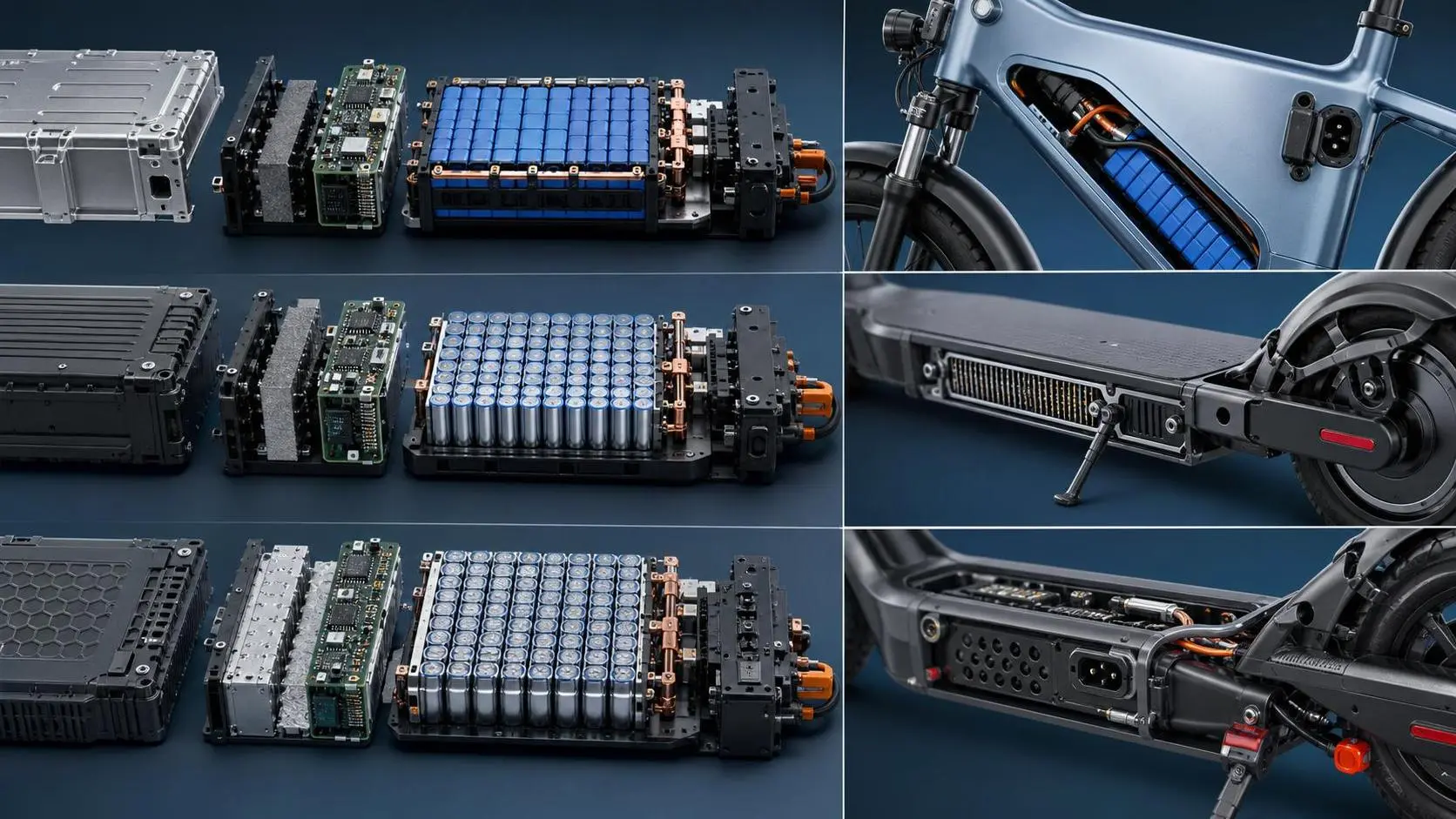
Battery Technology China: How LFP, Sodium-Ion, and Fast-Charging Cells Compare
Battery technology China compared: explore how LFP, sodium-ion, and fast-charging cells differ in cost, safety, range, and fleet value for smarter urban mobility decisions.
Electric Two-Wheeler Market Manufacturer Trends: Capacity, Export Strategy, and OEM Shifts
Electric two-wheeler market manufacturer trends decoded: explore capacity flexibility, smarter export strategy, and OEM shifts shaping resilient growth and competitive advantage.
How to Choose a Brushless Wiper Motor: Voltage, Torque, IP Rating, and Duty Cycle
Brushless wiper motor selection starts with the right voltage, torque, IP rating, and duty cycle. Learn how to compare specs, reduce failure risk, and choose a reliable fit.
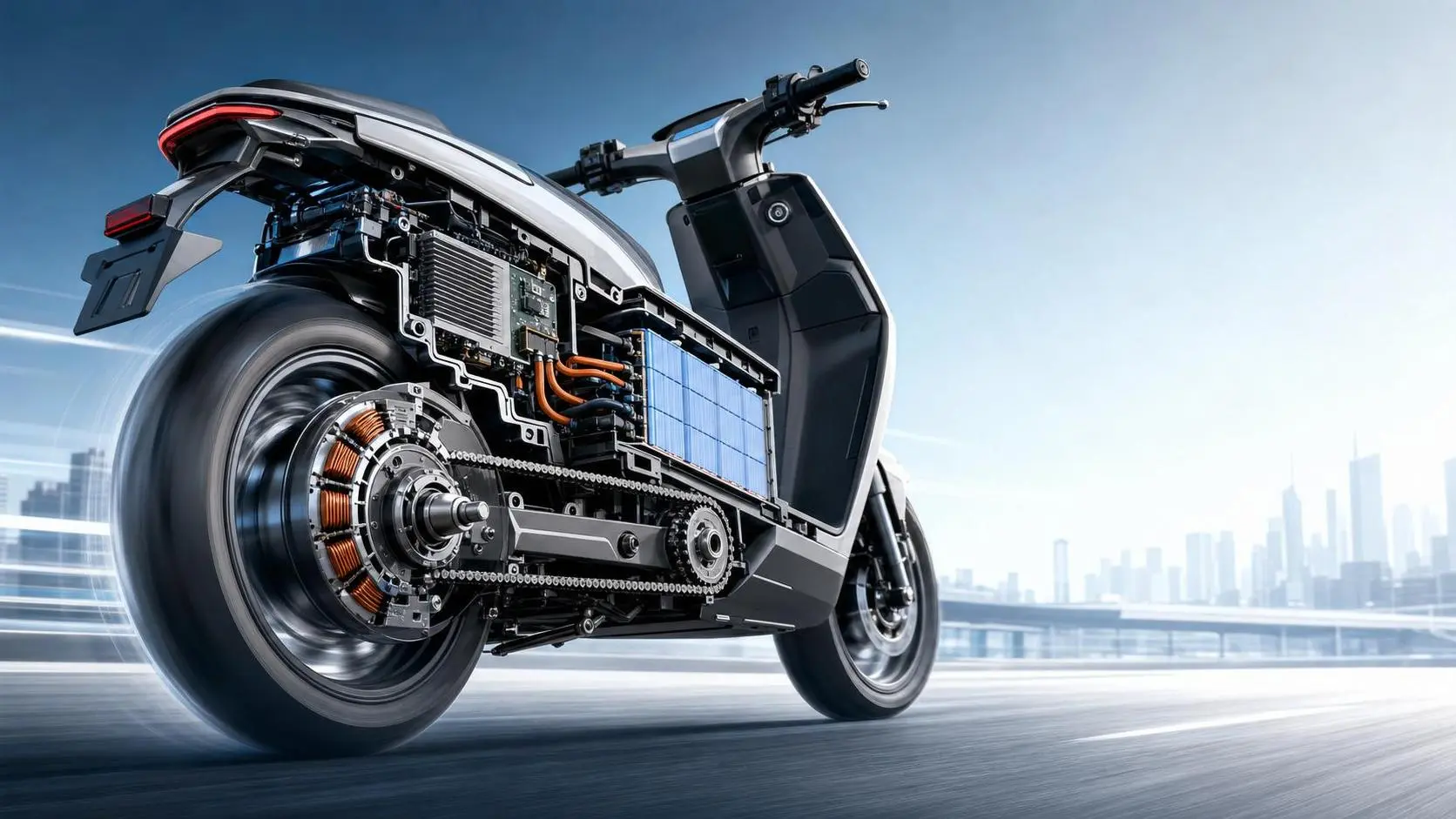
What Causes Torque Lag in Electric Two-Wheelers and How Can Engineers Reduce It?
Torque lag in electric two-wheelers starts with more than the motor. Learn what causes torque lag in e-bikes, e-scooters, and e-motorcycles, and how engineers can reduce it for faster, smoother response.
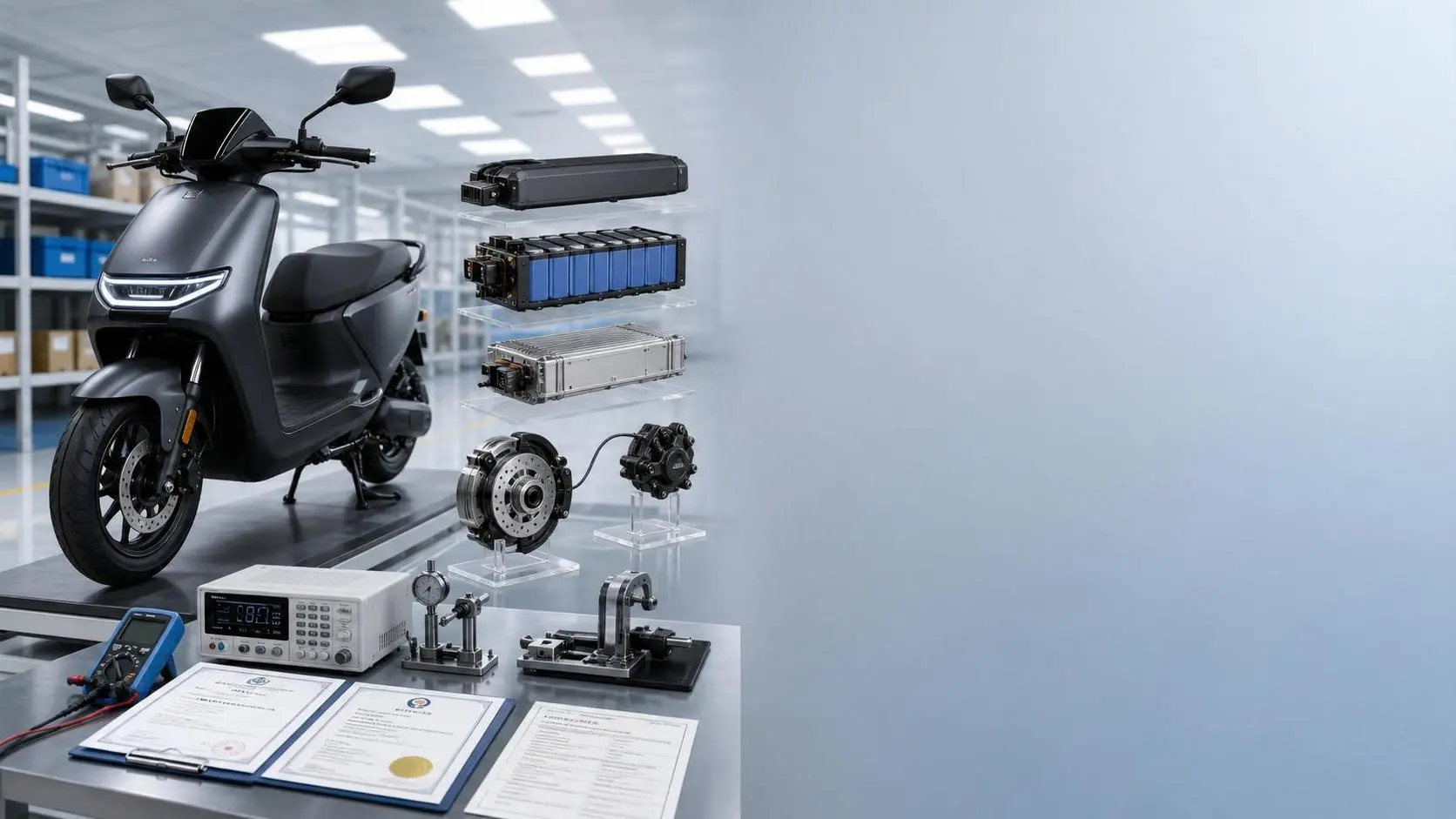
How to Evaluate an Electric Two-Wheeler Market Manufacturer for Supply and Compliance
Electric two-wheeler market manufacturer evaluation guide: learn how to assess supply stability, compliance systems, quality risk, and total cost to choose a reliable partner.
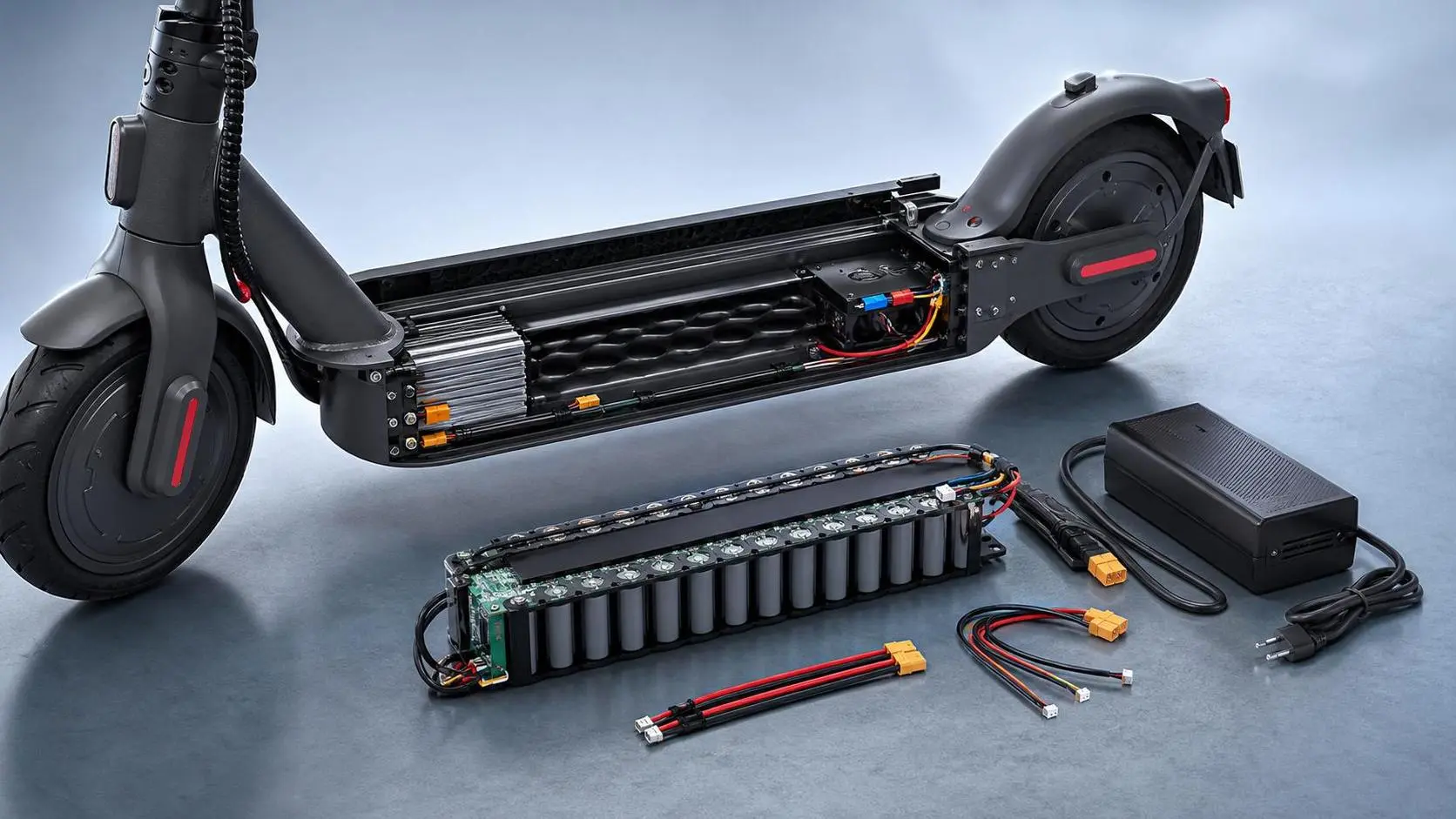
Common Scooter Battery Issues and How to Troubleshoot Range Drop, Heat, and Charging Faults
Scooter battery issues explained: learn how to troubleshoot range drop, overheating, and charging faults with practical checks that help riders and fleets diagnose faster and avoid costly replacements.

Low Carbon Commuting Options: E-bikes, Foldable Scooters, and Public Transit Compared
Low carbon commuting compared: discover how e-bikes, foldable scooters, and public transit differ in cost, flexibility, range, and last-mile convenience for smarter daily travel.
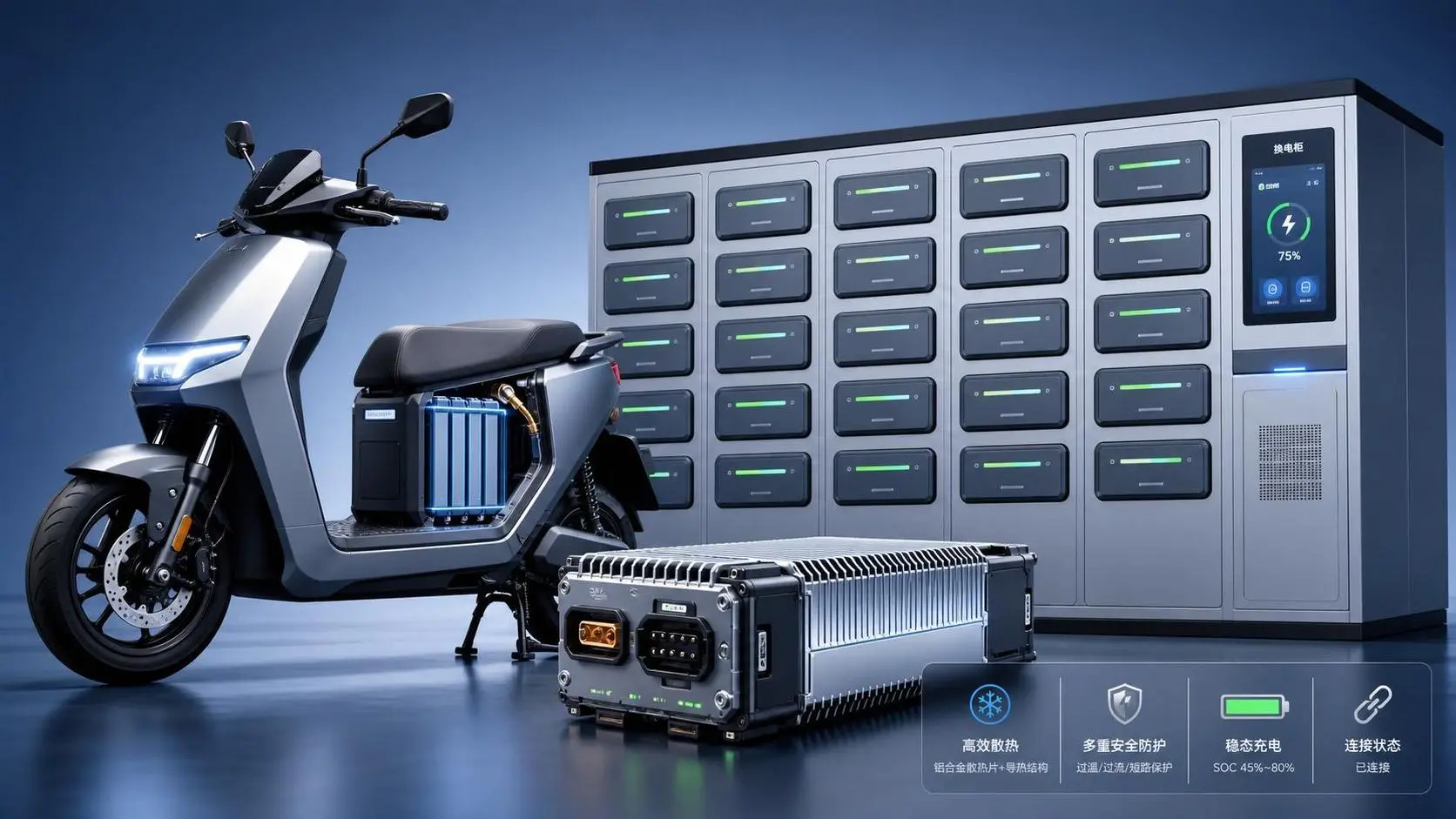
Thermal Management for Swappable Battery Scooters: Key Design Factors to Compare
Thermal management is the key factor when comparing swappable battery scooters. Discover how cooling, BMS logic, charging behavior, and pack design impact safety, uptime, and fleet ROI.

How Battery-Swapping Networks Work for Shared Fleet Scooters
Battery-swapping networks keep shared fleet scooters running with less downtime, smarter dispatch, and safer battery management. See how they boost uptime and urban fleet efficiency.