
Related News
- 00
0000-00
How to Use a Market Intelligence Report to Evaluate EV Two-Wheeler Opportunities - 00
0000-00
Electric Mobility Challenges Explained: Grid Limits, Charging Access, and TCO - 00
0000-00
Electric Torque Market Price Drivers: Materials, Supply Risk, and Sourcing Trade-Offs - 00
0000-00
How Carbon Bicycle Components Affect Weight, Stiffness, and Ride Feel - 00
0000-00
Carbon Neutrality Transport Strategy: 6 Levers That Cut Emissions Across Urban Fleets
Ms. Elena Rodriguez
Weekly Insights
Stay ahead with our curated technology reports delivered every Monday.
Electric Mobility Challenges Explained: Grid Limits, Charging Access, and TCO





Electric Mobility Challenges Explained: Grid Limits, Charging Access, and TCO
Electric mobility challenges are no longer side issues for engineering teams.
They now influence product timing, capital allocation, supplier strategy, and regional growth plans.
That shift is especially visible in micro-mobility, e-bikes, smart scooters, and high-speed electric motorcycles.
The biggest friction points sound familiar: limited grid capacity, patchy charging access, and unclear total cost of ownership.
But in practice, these electric mobility challenges are tightly connected.
A weak charging network increases downtime.
Downtime changes fleet economics.
And poor economics can stall market adoption even when demand looks strong on paper.
Why Electric Mobility Challenges Matter More Now
Recent market signals make the issue harder to ignore.
Cities want cleaner transport.
Consumers want lower operating costs.
OEMs want faster electrification.
Yet the operating environment remains uneven across regions, neighborhoods, and vehicle categories.
This matters because adoption is no longer driven by product appeal alone.
It depends on whether the surrounding system can support daily use at scale.
For UMMS and the wider two-wheeler ecosystem, the message is clear.
Electric mobility challenges are not abstract infrastructure topics.
They affect battery sizing, drivetrain design, thermal management, service models, and channel strategy.
They also shape which business models can survive beyond early subsidies.
Grid Limits: The Hidden Constraint Behind Growth
Grid capacity is often treated as a background issue.
In reality, it is one of the most important electric mobility challenges.
If local power infrastructure cannot support synchronized charging demand, expansion slows down.
That is true for shared scooter fleets, delivery e-bikes, and battery-swapping motorcycle networks alike.
What creates the bottleneck
- Charging demand peaks during narrow time windows.
- Urban depots often rely on aging distribution infrastructure.
- Fast-charging plans can exceed local connection limits.
- Permitting and utility coordination add deployment delays.
The more obvious signal is not always a blackout.
More often, it appears as delayed site activation, limited charger utilization, or higher energy management costs.
That directly raises execution risk for operators and suppliers.
How to respond
- Map grid readiness before market entry, not after launch.
- Use managed charging to spread demand across off-peak periods.
- Evaluate battery swapping where uptime matters more than charge speed.
- Build utility partnerships into infrastructure planning from day one.
In practical terms, solving electric mobility challenges starts with energy planning, not only vehicle design.
Charging Access: The Adoption Gap Users Feel First
Consumers and fleet operators do not experience the grid directly.
They experience access.
That is why charging access remains one of the most visible electric mobility challenges.
If charging is inconvenient, unsafe, slow, or too far away, usage patterns change immediately.
Range anxiety is often access anxiety in disguise.
Where access breaks down
- Apartment residents lack secure overnight charging options.
- Shared fleets cluster chargers in limited operating zones.
- Commercial users face waiting time during peak turnaround hours.
- Rural and suburban corridors remain underbuilt.
This is especially relevant for light electric vehicles.
E-bikes and scooters often require different charging assumptions than cars.
Portable batteries, indoor charging policies, theft risk, and building codes all matter.
A car-centric charging strategy will not solve every electric mobility challenge in two-wheelers.
What stronger access looks like
The best networks combine several models.
- Home and workplace charging for routine use.
- Public top-up points near transit and retail hubs.
- Depot charging for delivery and sharing fleets.
- Swapping stations for high-utilization motorcycles.
When access improves, many electric mobility challenges become easier to manage commercially.
TCO: The Metric That Decides Real Adoption
Total cost of ownership is where optimism meets operating reality.
This is why TCO sits at the center of today’s electric mobility challenges.
A vehicle can look attractive at purchase.
But if charging downtime, battery replacement, financing, or service costs rise, the business case weakens quickly.
That is especially true in cost-sensitive markets.
Key TCO variables to track
One common mistake is using a generic TCO model for every region.
Electric mobility challenges vary too much for that.
Energy prices, labor costs, regulations, terrain, and utilization rates all change the answer.
A more useful TCO approach
- Model TCO by use case, not only by vehicle type.
- Include downtime as an operating cost, not a footnote.
- Stress-test battery assumptions under real climate conditions.
- Recalculate after subsidy changes or utility tariff updates.
This makes electric mobility challenges easier to compare across markets and product lines.
What This Means for Micro-Mobility Strategy
For companies in the UMMS ecosystem, the response should be cross-functional.
Product teams, infrastructure partners, procurement leaders, and market analysts need a shared view.
That shared view should connect technical design with operating economics.
Otherwise, electric mobility challenges stay fragmented inside the organization.
- OEMs should align battery architecture with realistic charging ecosystems.
- Component suppliers should emphasize efficiency, durability, and serviceability.
- Fleet operators should prioritize uptime metrics beside vehicle acquisition cost.
- Investors should screen markets for infrastructure maturity, not demand alone.
This is also where intelligence platforms create value.
Good market intelligence does more than track news.
It helps organizations connect policy signals, technology evolution, and commercial feasibility.
A Practical Way to Reduce Electric Mobility Challenges
The most effective response is not to chase a single perfect solution.
It is to build a better operating system around adoption.
That means planning infrastructure early, designing for real charging behavior, and measuring TCO honestly.
When those pieces work together, electric mobility challenges become manageable rather than market-blocking.
The near-term winners will not simply offer electric products.
They will reduce uncertainty for users, fleets, and city partners.
That is the real path to scalable low-carbon mobility.
In actual business terms, the next move is simple: audit your grid exposure, test your charging access assumptions, and rebuild your TCO model with field data.
Related News
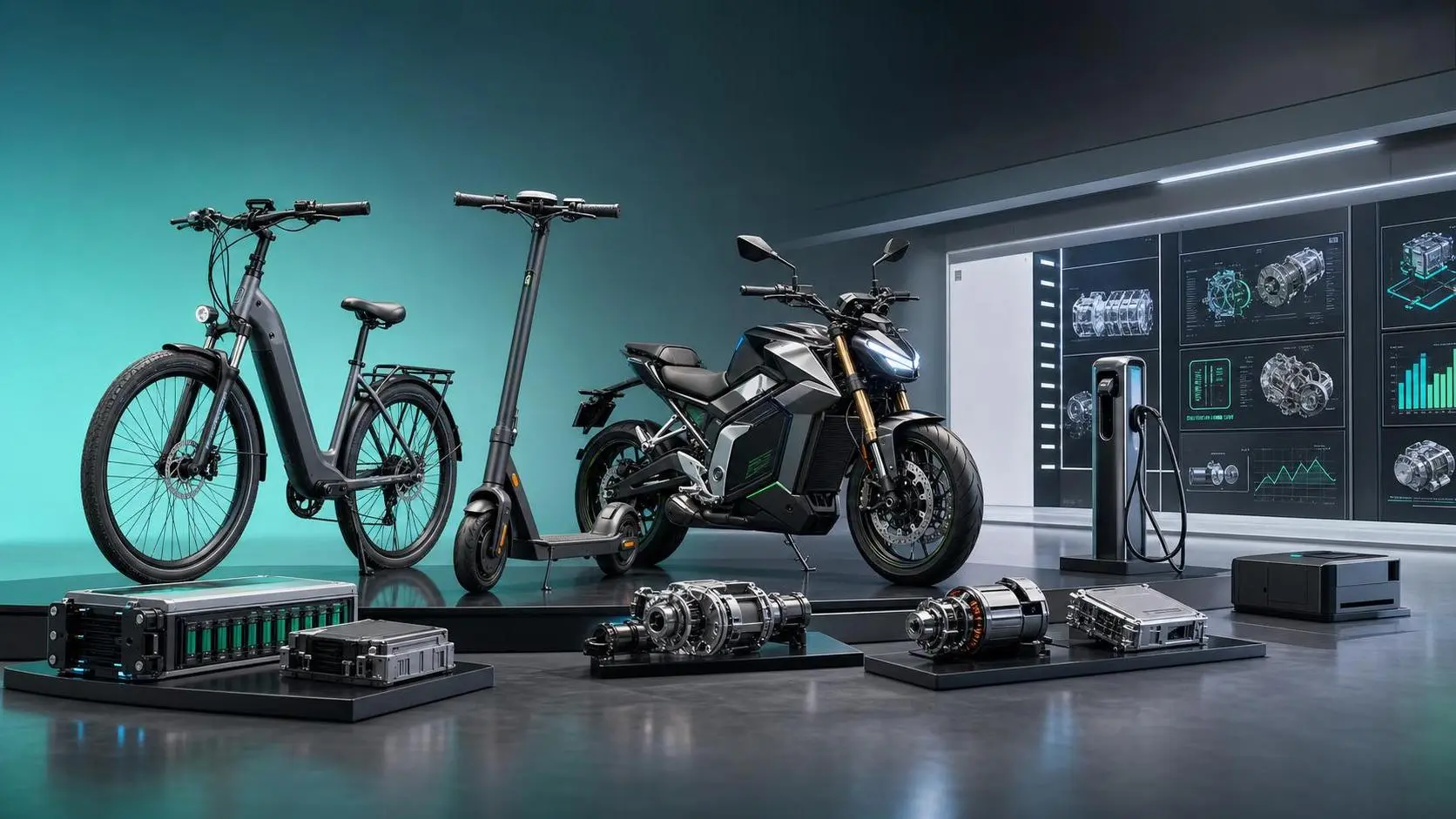
How to Use a Market Intelligence Report to Evaluate EV Two-Wheeler Opportunities
Market intelligence report insights for evaluating EV two-wheeler opportunities—compare e-bikes, e-scooters, and e-motorcycles by demand, policy, technology, and channel fit.
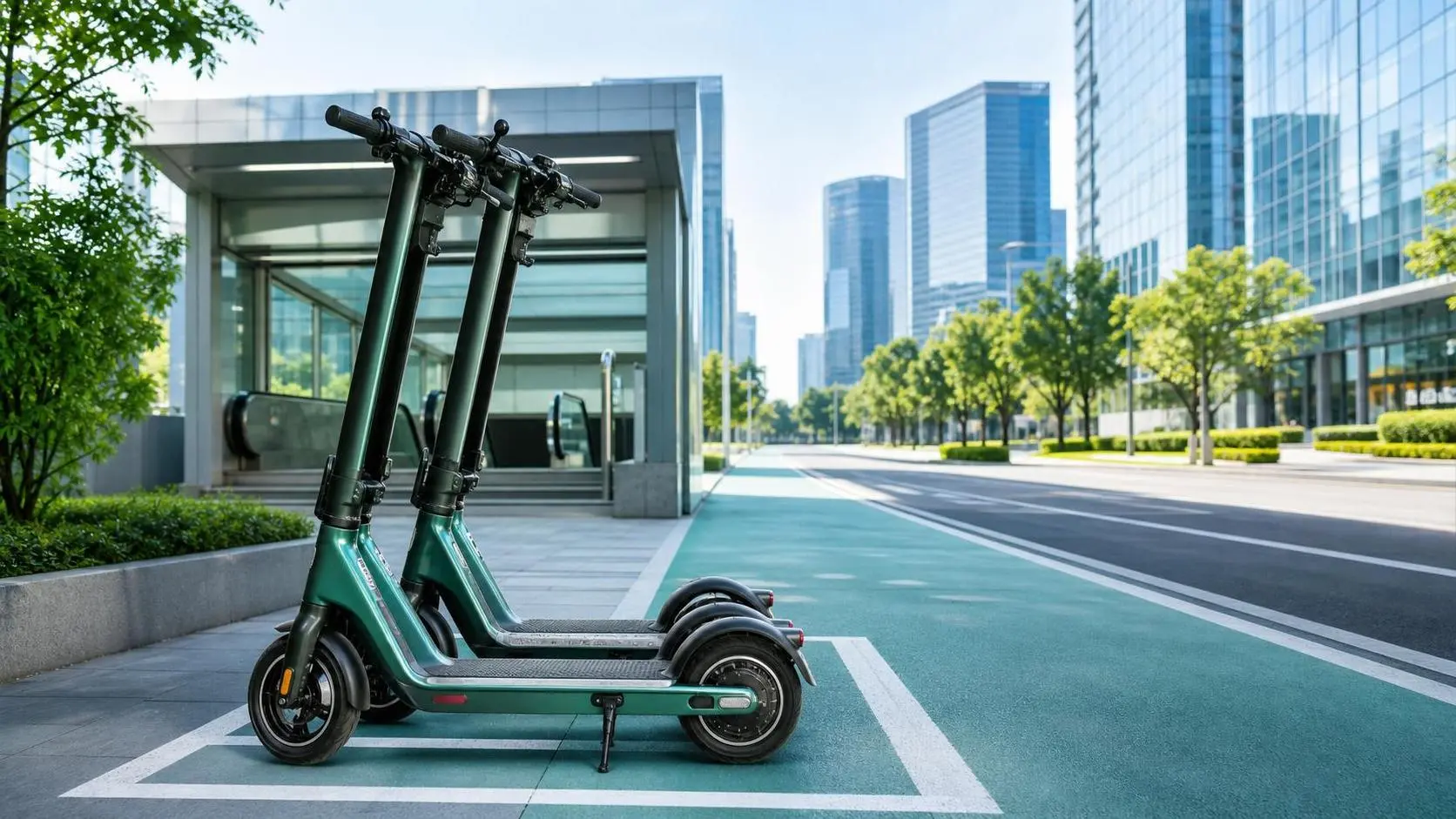
Green Scooter Demand: Which Buyer Segments and City Use Cases Are Growing Fast?
Green scooter demand is accelerating across urban commuters, shared fleets, campuses, and delivery routes. Discover the fastest-growing buyer segments and city use cases shaping the market.
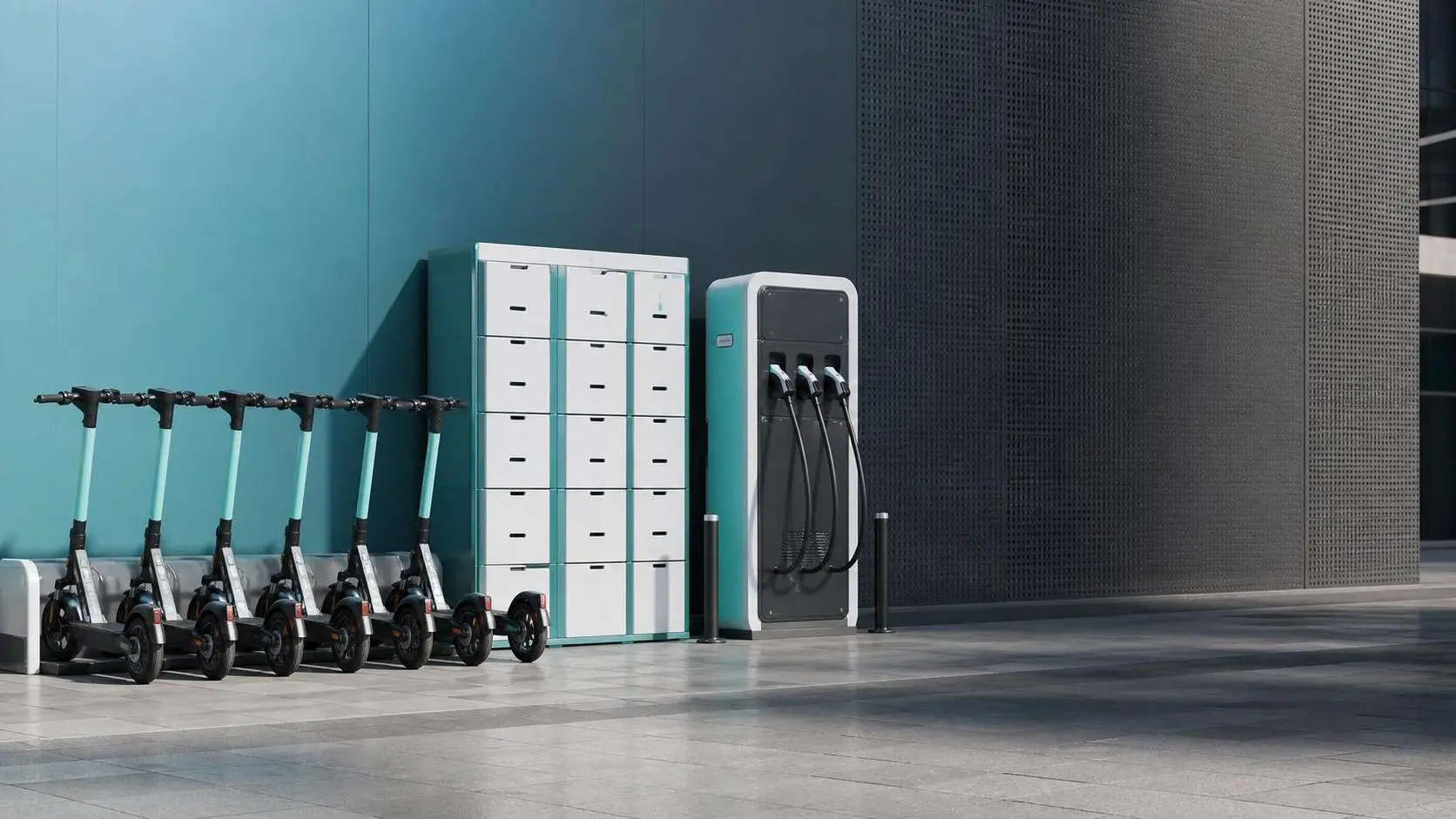
Battery Swapping in China vs Charging: Which Model Fits Shared Scooter Fleets?
Battery swapping China vs charging: discover which model keeps shared scooter fleets safer, more efficient, and easier to scale across dense urban markets.
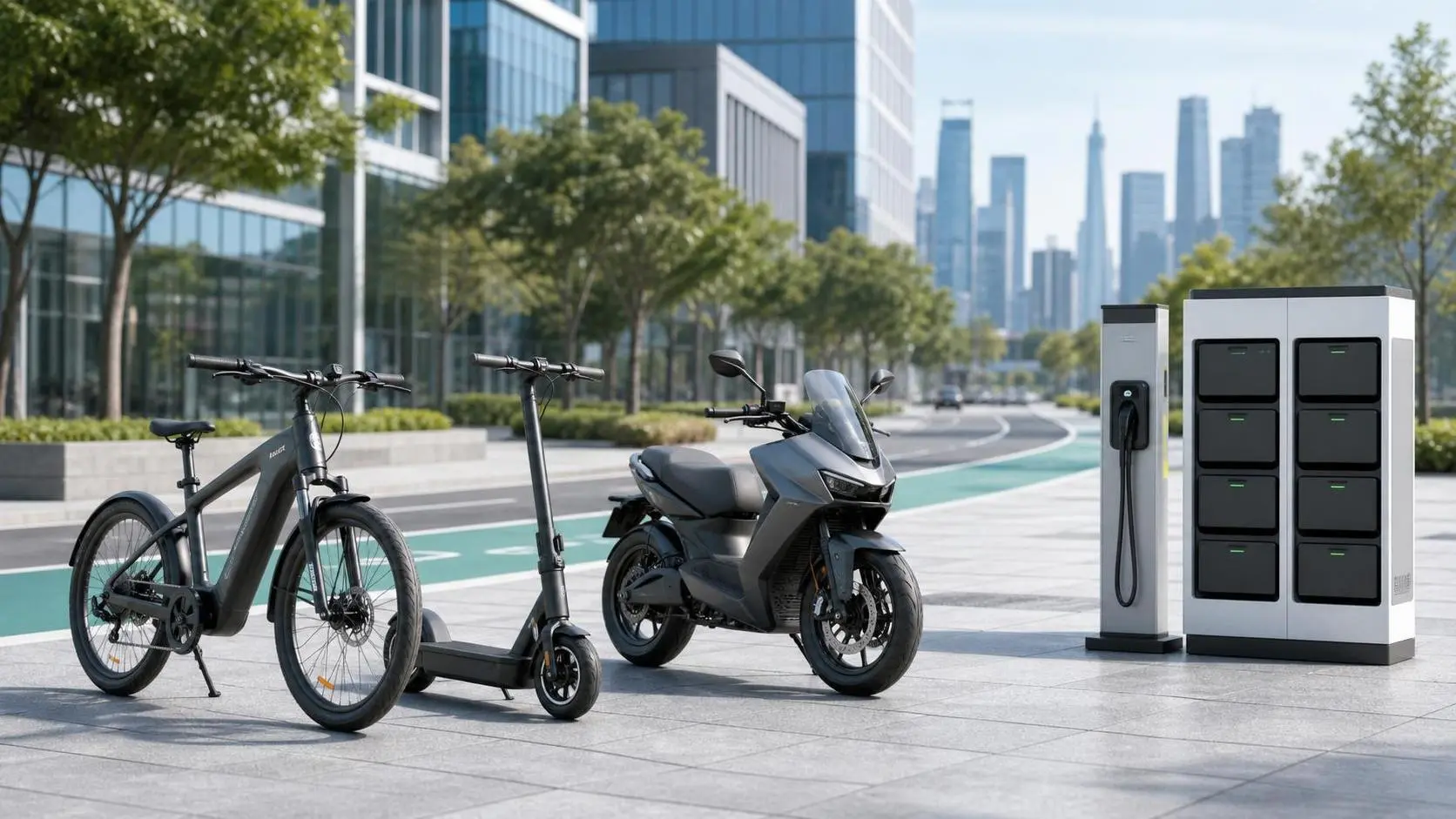
Two Wheeler Electrification Trends: What Is Driving Adoption in Urban Mobility?
Two wheeler electrification trends are reshaping urban mobility through smarter batteries, supportive policy, and flexible transport. Explore what is driving adoption now.
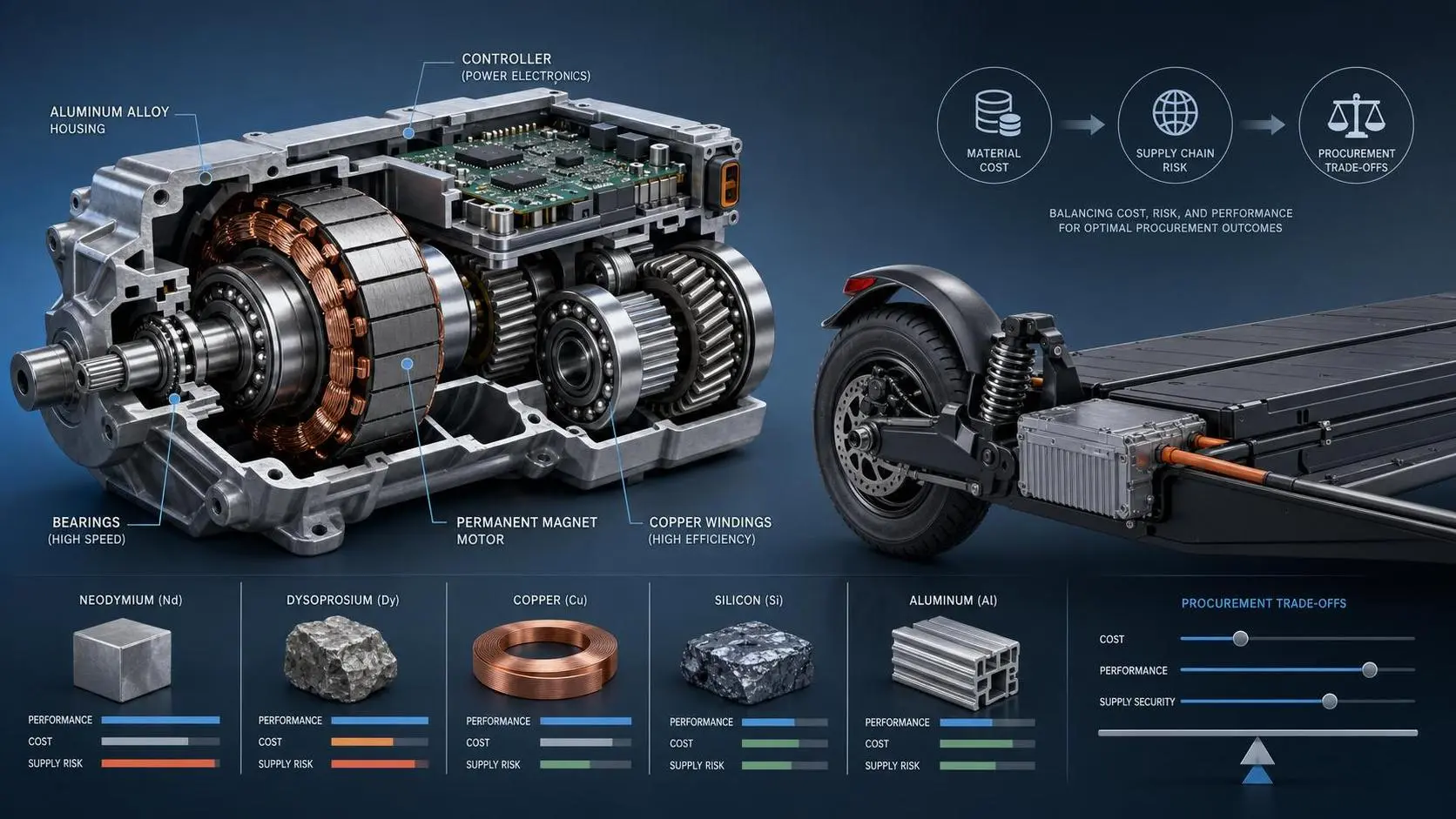
Electric Torque Market Price Drivers: Materials, Supply Risk, and Sourcing Trade-Offs
Electric torque market pricing depends on magnets, copper, controllers, and supply risk. Learn how sourcing trade-offs affect cost, reliability, and long-term value.
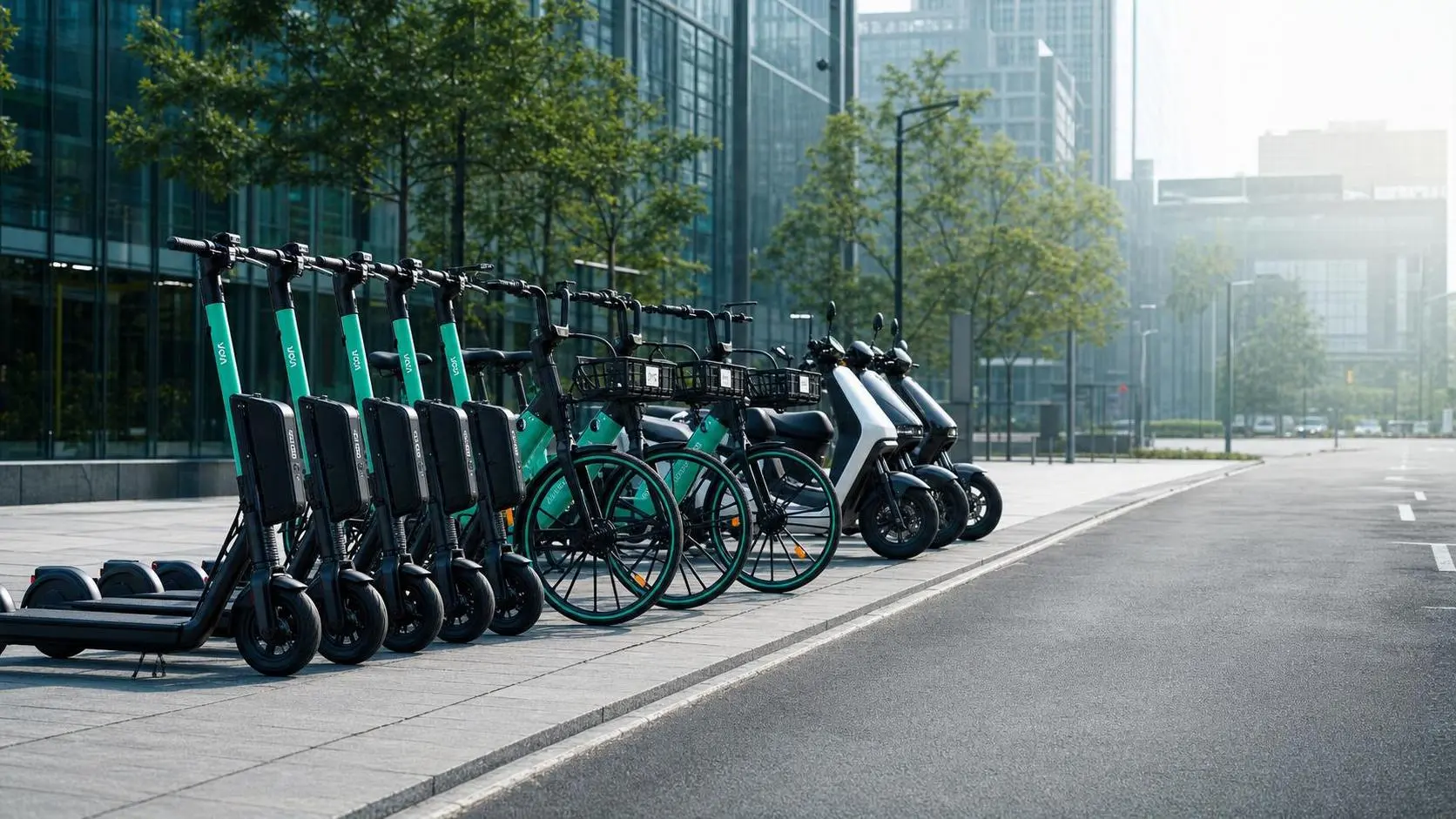
Micro Mobility Report: Which Metrics Matter Most for City Fleet Planning
Micro mobility report insights for city fleet planning: discover the key metrics behind uptime, battery efficiency, safety, and demand to build smarter, scalable urban mobility systems.
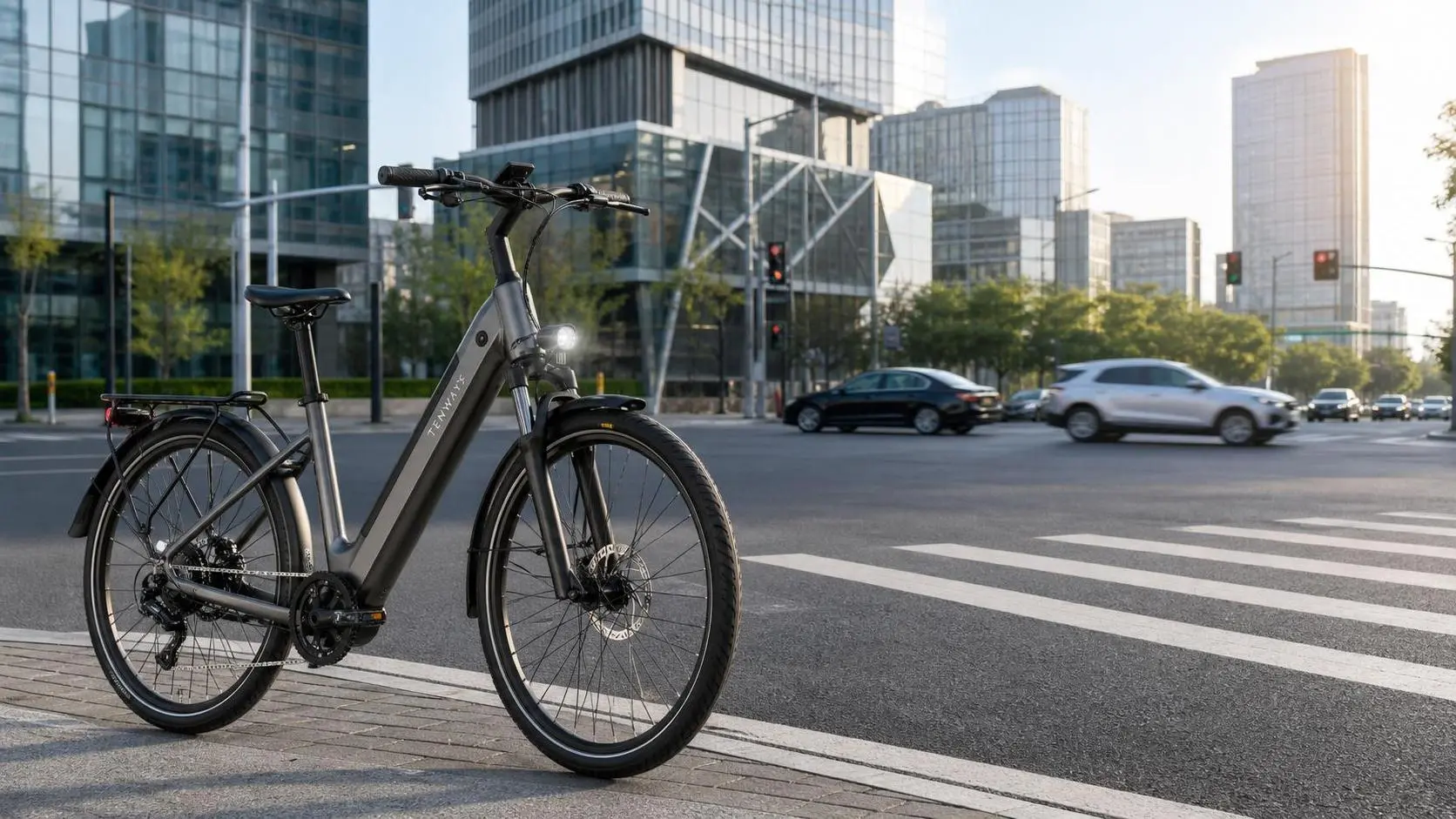
Urban Congestion E-Bike Solutions: What to Look for in Stop-and-Go City Commuting
Urban congestion ebike buying guide for stop-and-go city commuting. Discover smooth power, reliable braking, battery efficiency, and practical comfort for safer, smarter daily rides.
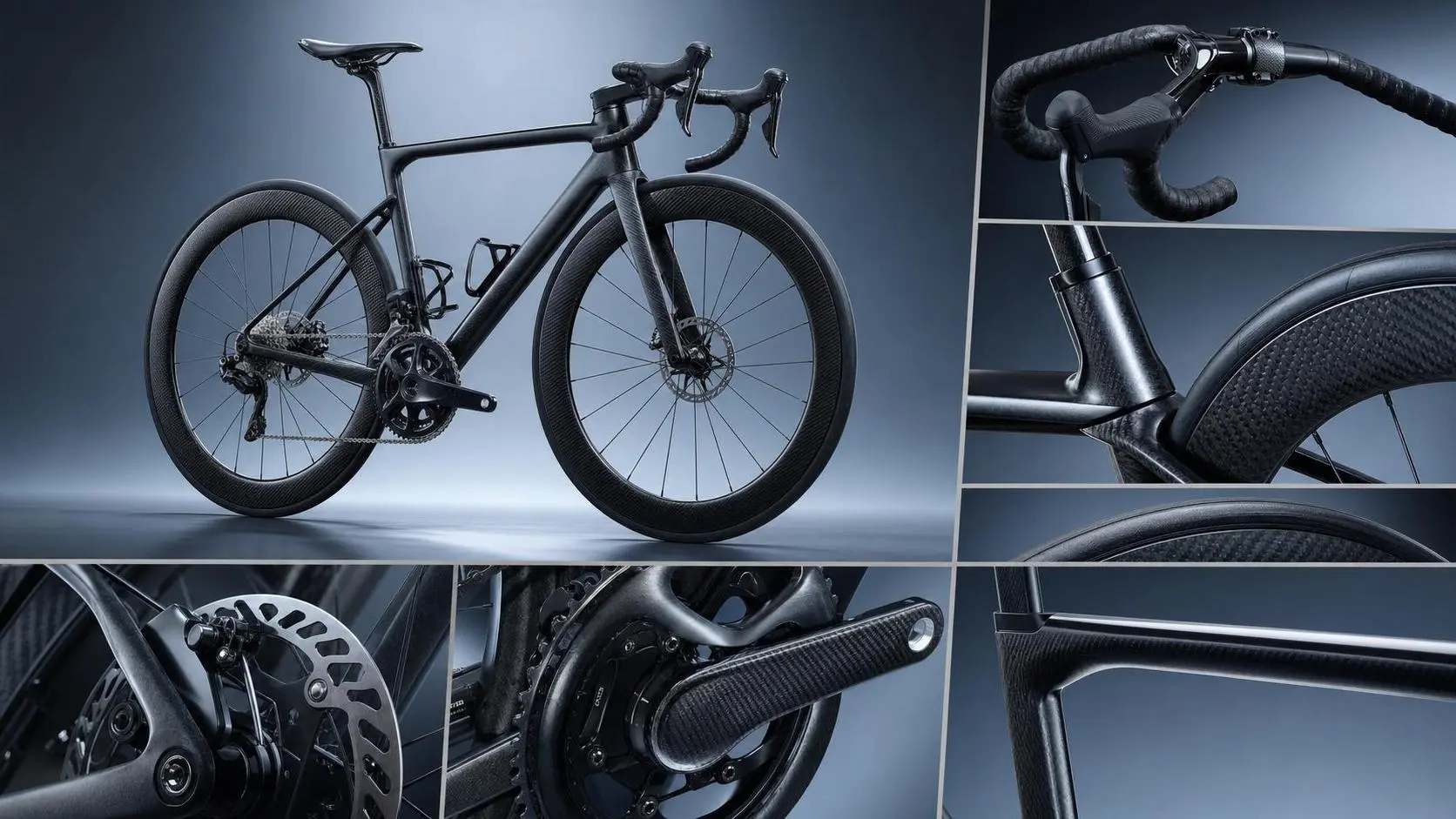
How Carbon Bicycle Components Affect Weight, Stiffness, and Ride Feel
Carbon bicycle components affect weight, stiffness, and ride feel in measurable ways. Learn how smart carbon design improves performance, comfort, and control before you upgrade.

Urban Electric Motorcycle Buying Guide: Range, Top Speed, Licensing, and Daily Use
Urban electric motorcycle buying guide covering real range, top speed, licensing, charging, and daily use. Compare smarter, avoid costly mistakes, and choose the right city ride.