
Related News
- 00
0000-00
Two Wheeler Electrification Trends: What Is Driving Adoption in Urban Mobility? - 00
0000-00
Electric Torque Trends in E-Mobility: How Peak vs Continuous Output Affects Ride Performance - 00
0000-00
Electric Two-Wheeler Market Size Explained: What Drives Growth by Region and Vehicle Type - 00
0000-00
Micro Mobility Global Expansion: What Market Entry Risks and Growth Signals Should Distributors Watch? - 00
0000-00
How the Global Mobility Landscape Is Shifting Across Shared, Electric, and Low-Speed Transport
Prof. Marcus Chen
Weekly Insights
Stay ahead with our curated technology reports delivered every Monday.
Two Wheeler Electrification Trends: What Is Driving Adoption in Urban Mobility?





Urban mobility is shifting faster than many forecasts expected
Two wheeler electrification trends are no longer a niche mobility story. They now reflect how cities are redesigning movement, energy use, and short-distance access.
What stands out today is not only rising vehicle sales. It is the convergence of policy support, battery progress, digital fleet management, and commuter impatience with congestion.
In many urban markets, e-bikes solve daily distance friction. Smart e-scooters reduce transfer gaps. High-speed electric motorcycles open a stronger replacement path for internal combustion models.
For an intelligence platform such as UMMS, this shift matters because adoption is no longer driven by the vehicle alone. It depends on a wider micro-mobility system.
That system includes drivetrain efficiency, battery management logic, safety visibility in poor weather, connected controls, and the rules governing road access and parking behavior.
Seen through that wider lens, two wheeler electrification trends reveal a practical question: why are urban users adopting electric two-wheelers now, and why is momentum becoming harder to reverse?
The strongest signals now come from everyday urban pressure
The first signal is economic. Fuel volatility, parking costs, and traffic delays make lightweight electrified mobility increasingly rational for routine city travel.
The second signal is spatial. Dense cities have limited room for larger vehicles, yet they still need flexible transport between transit stations, offices, campuses, and residential districts.
A third signal is behavioral. Post-pandemic travel habits remain more fragmented, with shorter, more frequent trips replacing a simple home-to-office pattern.
This makes electric two-wheelers unusually well positioned. They fit stop-and-go use, moderate payloads, and urban trip ranges better than many larger electric vehicles.
Two wheeler electrification trends also benefit from a perception shift. Electric riding is increasingly viewed as practical infrastructure, not just a lifestyle statement.
Why this change feels more durable
- Urban regulations increasingly favor low-emission, low-noise mobility for central districts.
- Battery density improvements extend useful range without making vehicles excessively heavy.
- Connected systems improve theft protection, diagnostics, and fleet utilization.
- Consumers are more willing to mix transport modes during one journey.
Adoption is being driven by a chain of technical and policy improvements
Recent two wheeler electrification trends are strongest where technology progress matches policy timing. Cities can accelerate demand, but only if products feel dependable in daily use.
That is why battery management, charging access, thermal control, and component reliability matter as much as headline range figures.
Within the UMMS coverage map, this is especially visible across e-bikes, smart e-scooters, and high-speed e-motorcycles. Each category solves a different urban problem.
The technical layer often receives less public attention than incentives. Yet it frequently determines whether trial use becomes repeat use.
A city may support electrified mobility politically, but weak braking confidence, poor wet-weather visibility, or inconsistent charging can still stall adoption.
Different vehicle classes are winning for different reasons
Not all two wheeler electrification trends point in the same direction. Urban adoption is becoming more segmented, and that segmentation is strategically important.
E-bikes are benefiting from utility and low learning friction
E-bikes remain the most accessible electrified category for urban riders. They combine pedal familiarity with electric assist, reducing the psychological barrier to entry.
In Europe especially, they are tied to commuting, delivery, family transport, and active mobility goals. That gives them broad regulatory legitimacy.
Smart e-scooters are winning where intermodal travel matters
Smart e-scooters fit dense travel corridors where trip length is short, parking space is scarce, and digital fleet control can improve asset turnover.
The stronger signal now is software maturity. IoT modules, geofencing, and operational analytics are reducing some of the chaos seen in early deployment waves.
High-speed electric motorcycles are moving from novelty to replacement logic
This category grows when riders need stronger acceleration, longer commuting corridors, or higher daily utilization. It is less about experimentation and more about substitution.
Battery swapping networks and thermal management models are especially relevant here. Without them, adoption can plateau after initial enthusiasm.
The impact is spreading beyond vehicles into the wider micro-mobility stack
A useful way to read two wheeler electrification trends is to look beyond finished vehicles. Adoption changes demand patterns across components, services, and urban systems.
Precision drivetrain components matter more as efficiency expectations rise. Wireless electronic shifting, for example, reflects a broader push toward responsive energy allocation.
Safety systems are also becoming more important. In mixed-weather cities, visibility and control can shape public confidence as much as cost does.
That is why adjacent technologies, including advanced wiper systems for electric platforms, deserve more attention in urban mobility intelligence.
When cities push year-round low-carbon travel, supporting technologies must handle rain, dust, stop-start operation, and variable rider behavior without adding maintenance friction.
- Battery suppliers face pressure to deliver safer packs with predictable degradation curves.
- Connectivity providers need stronger anti-interference performance and more stable data layers.
- Cities must coordinate lane design, parking rules, and charging placement.
- Service networks need quicker diagnostics and better spare parts visibility.
What deserves closer attention over the next phase
From recent market behavior, the next stage of two wheeler electrification trends will be shaped less by excitement and more by operational discipline.
Three areas deserve close monitoring. The first is regulation quality, not just regulation volume. Clear categories often matter more than generous but unstable incentives.
The second is infrastructure fit. Fast charging, secure parking, and swap readiness need to match actual trip behavior rather than abstract city planning targets.
The third is product durability under real urban conditions. Weather exposure, road vibration, theft risk, and maintenance intervals will increasingly separate viable platforms from weak ones.
Practical checkpoints for ongoing evaluation
- Track how subsidy changes affect actual usage, not just registration spikes.
- Compare charging behavior across commuter, leisure, and delivery scenarios.
- Watch failure points in motors, controllers, connectors, and visibility systems.
- Assess whether micro-mobility rules support intermodal travel or create friction.
A sensible reading of where the market is heading
Two wheeler electrification trends are gaining strength because they align with several urban needs at once: decarbonization, flexibility, affordability, and space efficiency.
Still, adoption will not expand evenly. Markets with coherent policy, reliable component ecosystems, and realistic infrastructure planning will move faster than those chasing headlines.
The most useful next step is to follow the signals behind usage quality. Battery logic, connectivity resilience, drivetrain efficiency, and safety performance now deserve as much attention as unit volumes.
For anyone studying urban mobility, the better approach is to map how technology, regulation, and rider behavior reinforce one another in specific city contexts.
That kind of staged observation makes two wheeler electrification trends easier to interpret and far more actionable for future planning.
- e-bikes
- smart e-scooters
- high-speed e-motorcycles
- wiper systems
- battery management
- wireless electronic shifting
- thermal management
- precision drivetrain
- IoT modules
- electric two-wheelers
- electronic shifting
- battery swapping
- micro-mobility
- electric motorcycles
- urban mobility intelligence
- two wheeler electrification
- precision drivetrain components
- two wheeler electrification trends
- high-speed electric motorcycles
Related News
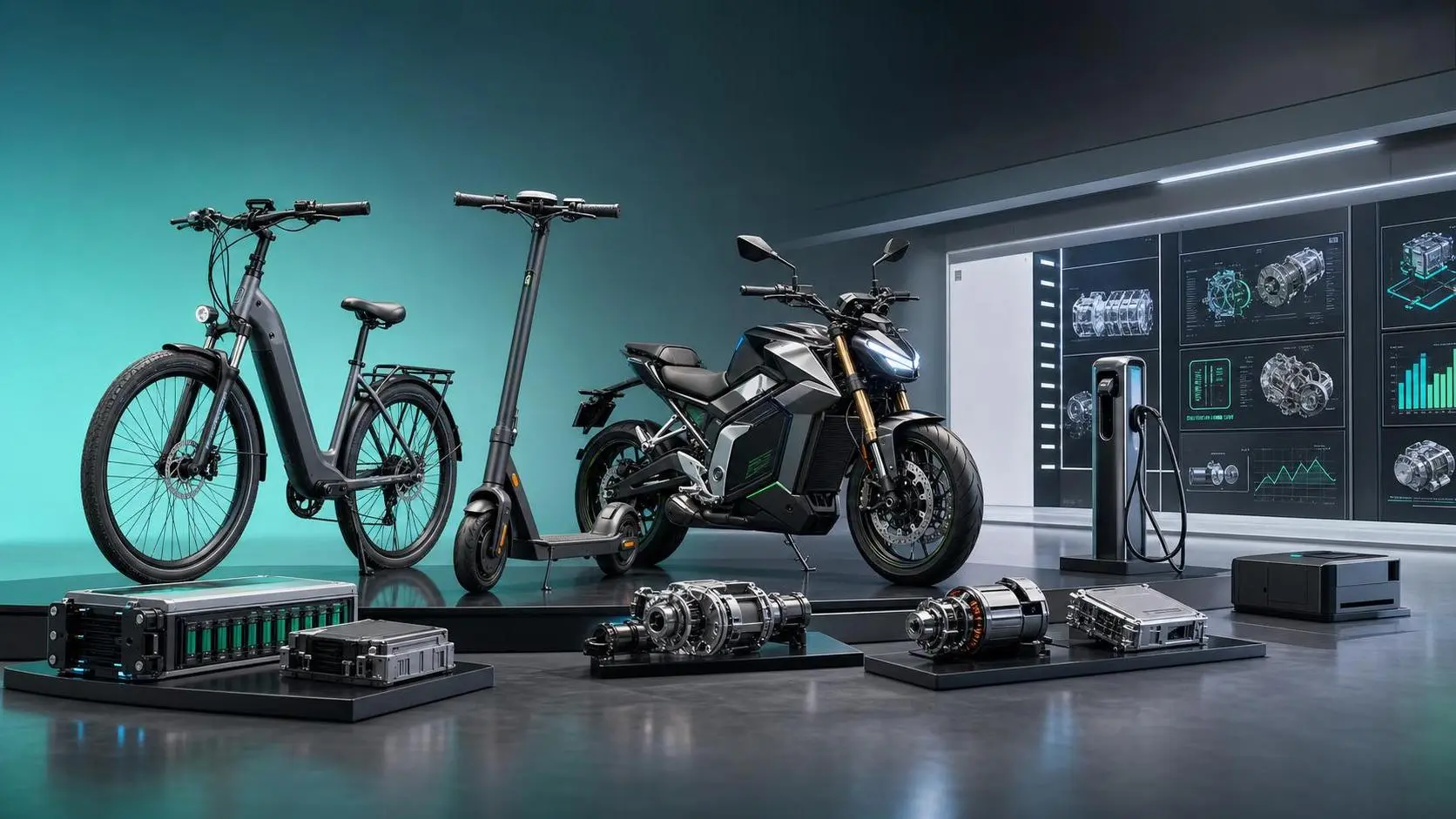
How to Use a Market Intelligence Report to Evaluate EV Two-Wheeler Opportunities
Market intelligence report insights for evaluating EV two-wheeler opportunities—compare e-bikes, e-scooters, and e-motorcycles by demand, policy, technology, and channel fit.
Green Scooter Demand: Which Buyer Segments and City Use Cases Are Growing Fast?
Green scooter demand is accelerating across urban commuters, shared fleets, campuses, and delivery routes. Discover the fastest-growing buyer segments and city use cases shaping the market.
Battery Swapping in China vs Charging: Which Model Fits Shared Scooter Fleets?
Battery swapping China vs charging: discover which model keeps shared scooter fleets safer, more efficient, and easier to scale across dense urban markets.
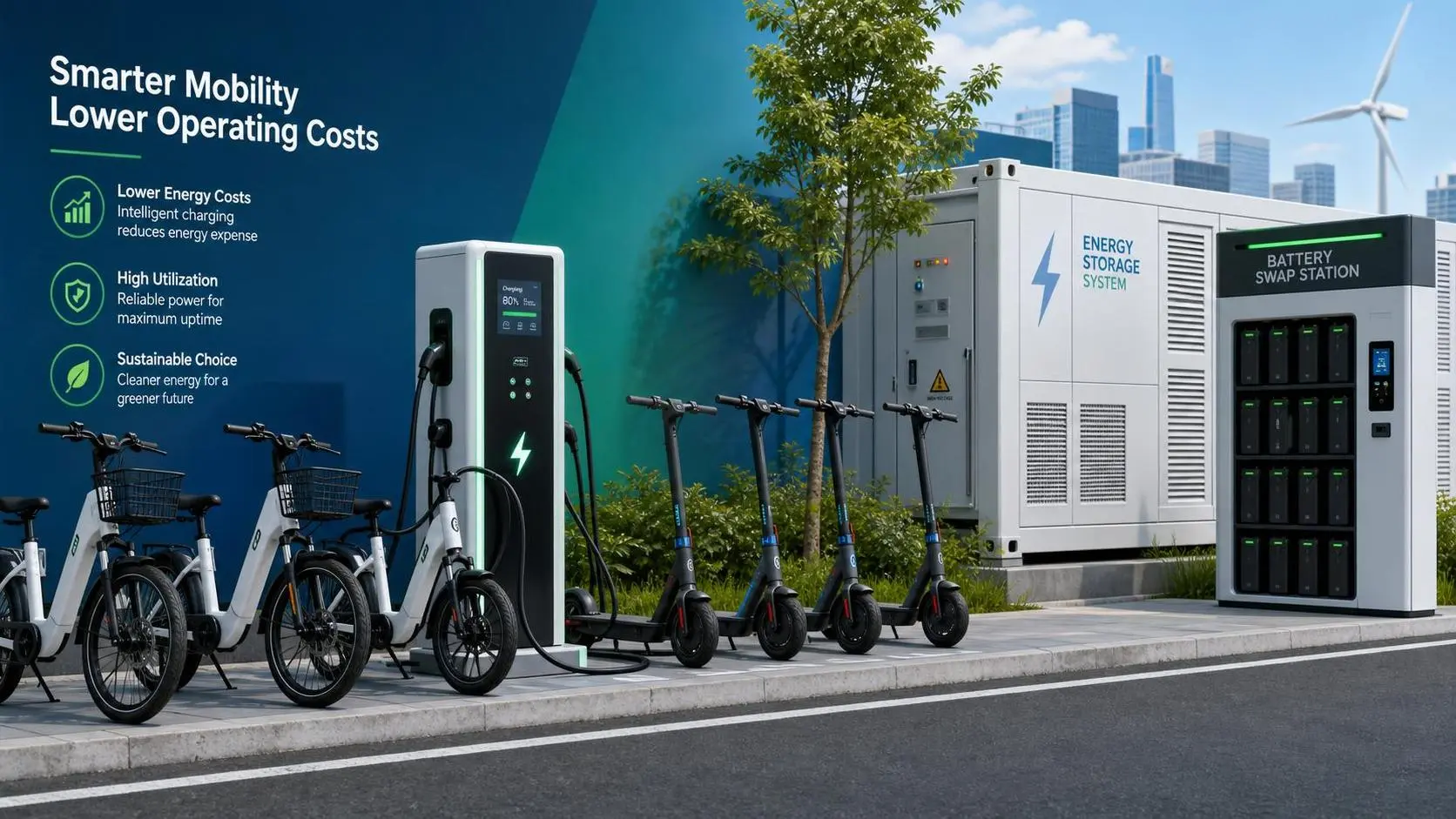
Electric Mobility Challenges Explained: Grid Limits, Charging Access, and TCO
Electric mobility challenges explained: discover how grid limits, charging access, and TCO shape EV adoption, fleet uptime, and smarter micro-mobility growth strategies.
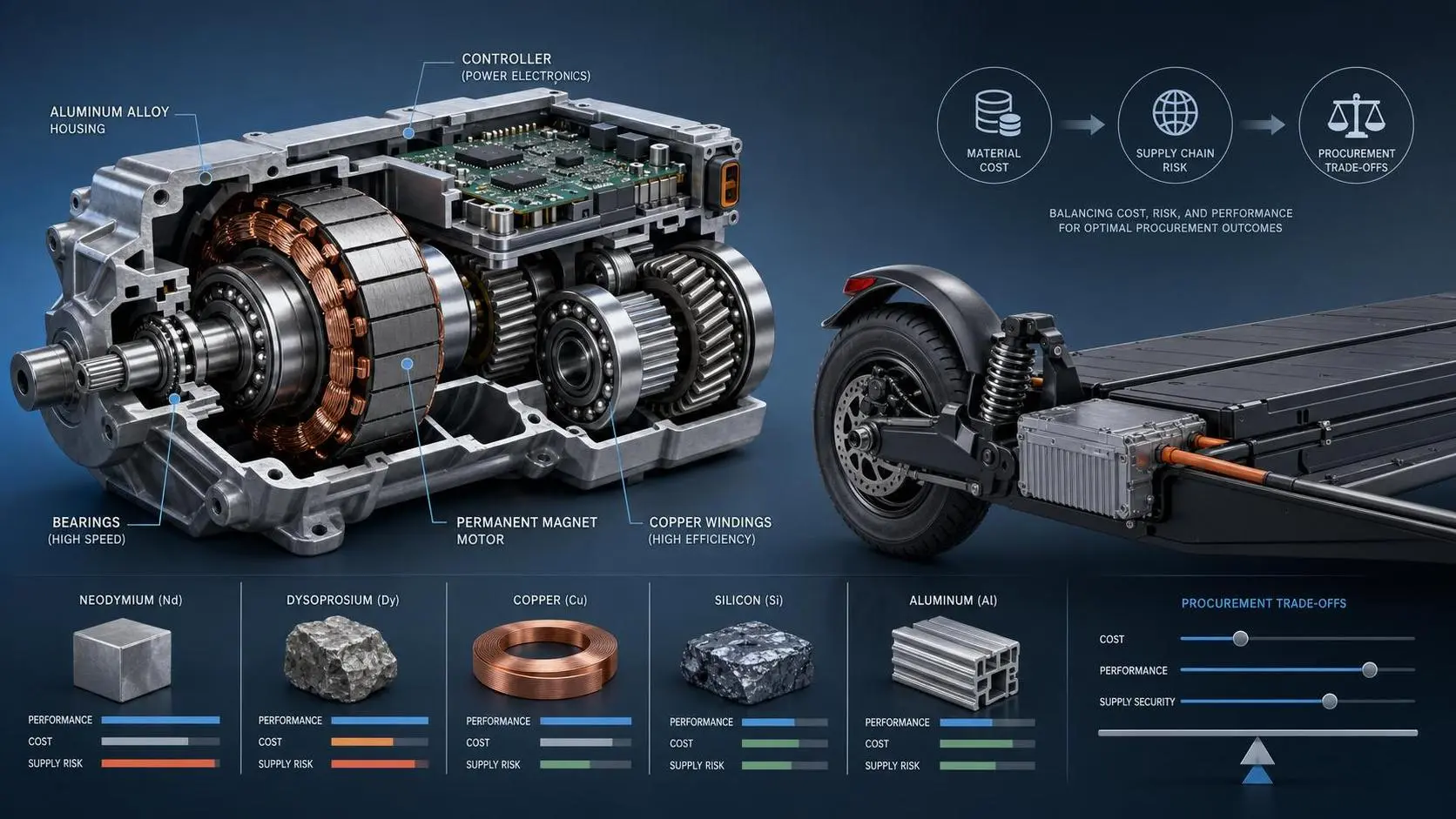
Electric Torque Market Price Drivers: Materials, Supply Risk, and Sourcing Trade-Offs
Electric torque market pricing depends on magnets, copper, controllers, and supply risk. Learn how sourcing trade-offs affect cost, reliability, and long-term value.
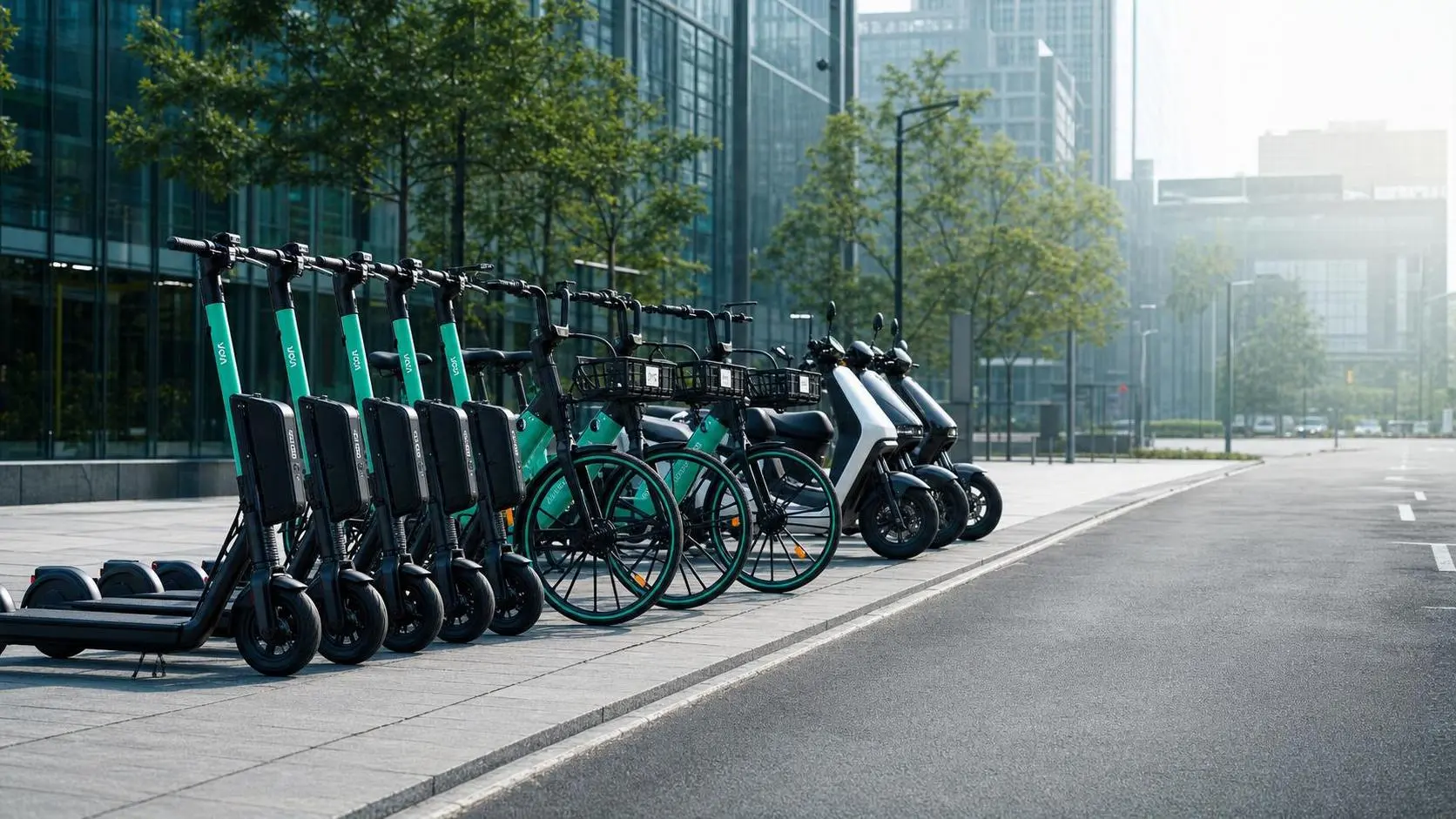
Micro Mobility Report: Which Metrics Matter Most for City Fleet Planning
Micro mobility report insights for city fleet planning: discover the key metrics behind uptime, battery efficiency, safety, and demand to build smarter, scalable urban mobility systems.
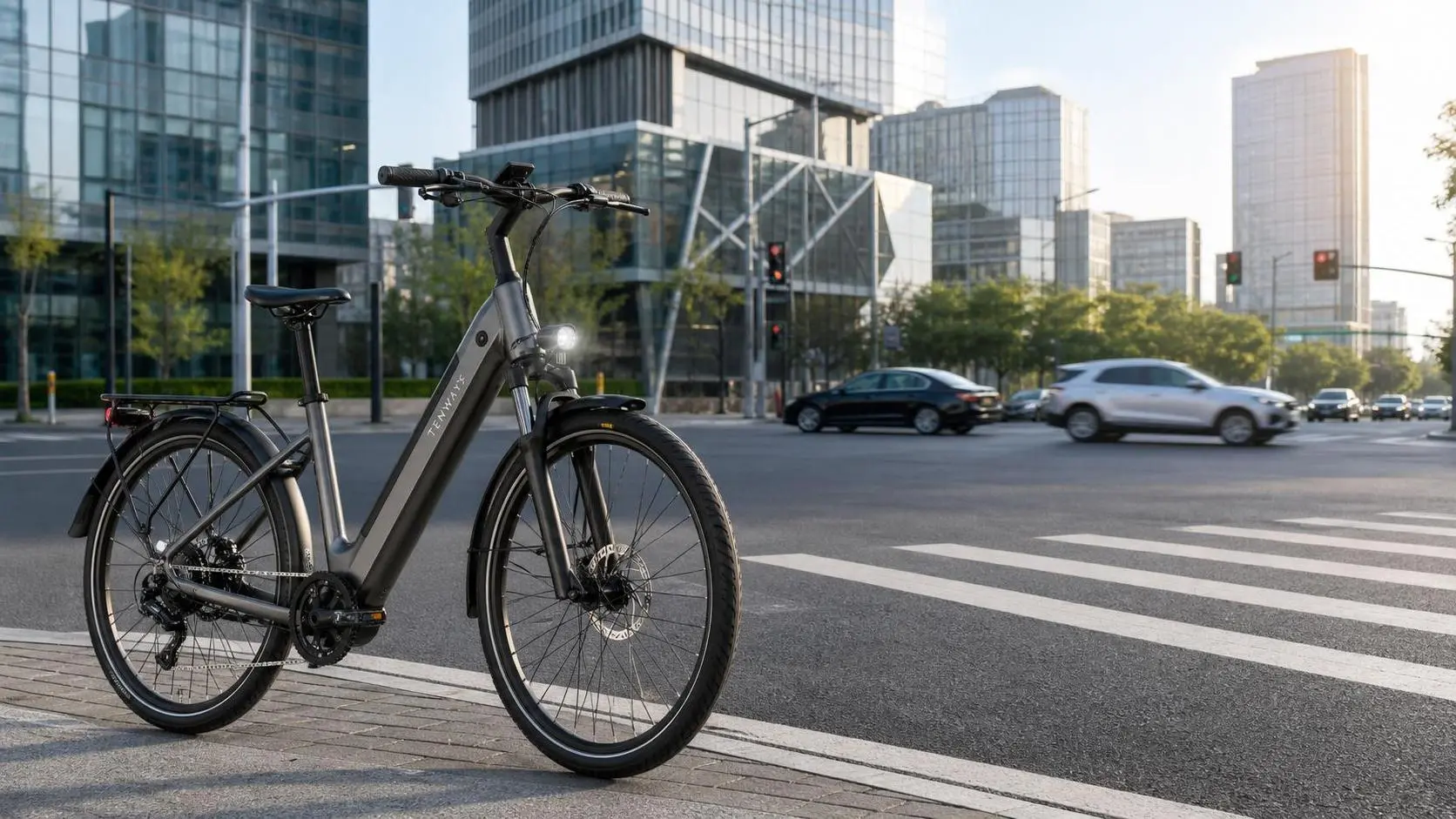
Urban Congestion E-Bike Solutions: What to Look for in Stop-and-Go City Commuting
Urban congestion ebike buying guide for stop-and-go city commuting. Discover smooth power, reliable braking, battery efficiency, and practical comfort for safer, smarter daily rides.
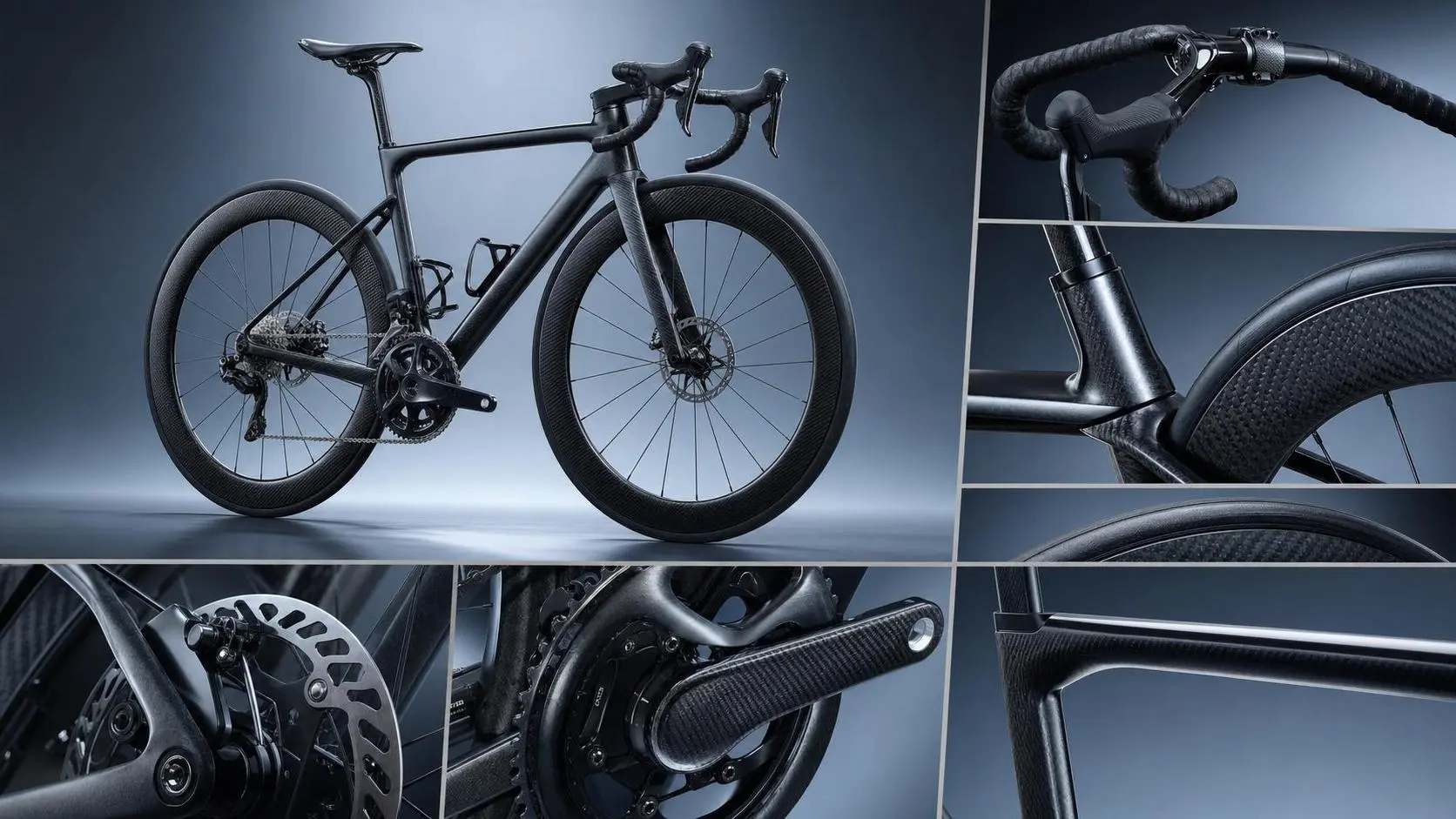
How Carbon Bicycle Components Affect Weight, Stiffness, and Ride Feel
Carbon bicycle components affect weight, stiffness, and ride feel in measurable ways. Learn how smart carbon design improves performance, comfort, and control before you upgrade.
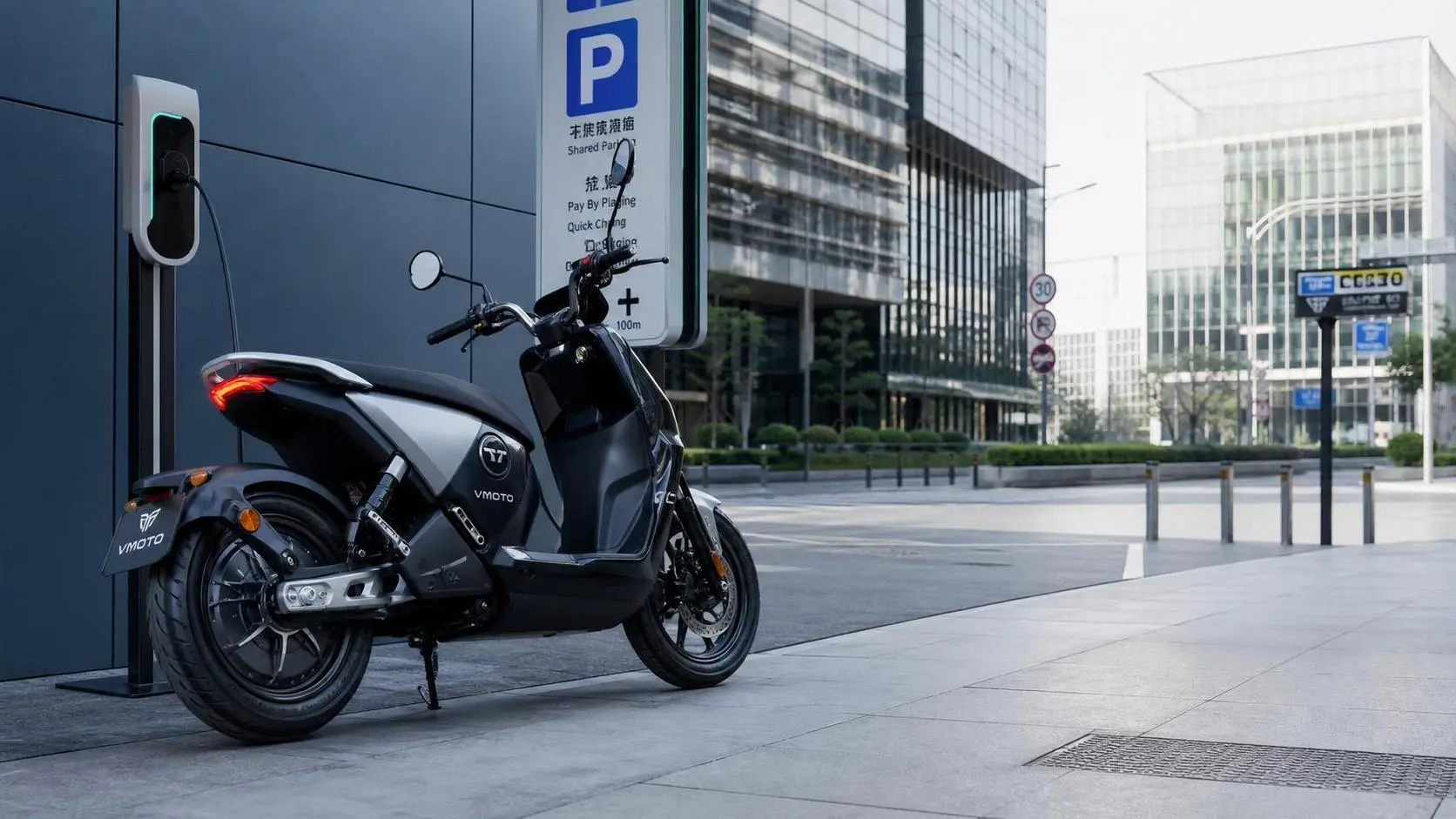
Urban Electric Motorcycle Buying Guide: Range, Top Speed, Licensing, and Daily Use
Urban electric motorcycle buying guide covering real range, top speed, licensing, charging, and daily use. Compare smarter, avoid costly mistakes, and choose the right city ride.