
Related News
- 00
0000-00
Electric Torque Market Price Drivers: Materials, Supply Risk, and Sourcing Trade-Offs - 00
0000-00
How Carbon Bicycle Components Affect Weight, Stiffness, and Ride Feel - 00
0000-00
Carbon Neutrality Transport Strategy: 6 Levers That Cut Emissions Across Urban Fleets - 00
0000-00
Electric Two Wheeler Market Analysis: How to Compare Demand, Pricing, and Regional Growth - 00
0000-00
Urban Traffic Congestion Solutions: Which Options Work Best for Dense City Corridors?
Ms. Elena Rodriguez
Weekly Insights
Stay ahead with our curated technology reports delivered every Monday.
Electric Torque Market Price Drivers: Materials, Supply Risk, and Sourcing Trade-Offs





The electric torque market sits at the intersection of materials volatility, motor design, power electronics, and global sourcing pressure. In micro-mobility and adjacent transport systems, torque is not only a performance metric. It is also a pricing signal that reflects magnet dependency, copper exposure, controller complexity, and supplier resilience. For companies comparing offers across e-bikes, smart e-scooters, high-speed e-motorcycles, and precision electromechanical assemblies, the real question is rarely the quoted unit price alone. The stronger question is what cost structure, risk profile, and long-term supply logic sit behind that number.
That is why the electric torque market deserves close attention now. Electrification is advancing quickly, while upstream materials remain uneven, regionally concentrated, and politically exposed. At the same time, system expectations are rising. Buyers want lighter drives, better thermal behavior, tighter control, lower failure rates, and predictable lead times. In the UMMS intelligence context, this matters because urban micro-mobility depends on efficient torque delivery, durable transmission performance, and procurement decisions that hold up under cost pressure.
What pricing means in the electric torque market
In simple terms, pricing in the electric torque market is shaped by how much torque a system must produce, how efficiently it must deliver it, and how reliably it must sustain that output over time.
A low-speed urban e-bike hub motor and a high-speed e-motorcycle drive unit may both be sold through torque claims, yet their cost logic is very different. Continuous torque, peak torque, duty cycle, cooling method, and controller integration all influence the final economics.
This is especially relevant in markets tracked by UMMS, where drivetrain efficiency, battery management, and system intelligence are increasingly connected. Torque is no longer an isolated motor output. It is part of a broader performance package.
The cost layers behind a torque quote
- Magnet content affects flux density, compactness, and sensitivity to rare earth pricing.
- Copper usage influences winding cost, thermal capacity, and efficiency under load.
- Semiconductors and controllers determine response quality, protection functions, and tuning flexibility.
- Mechanical components shape durability, backlash, noise, and power transfer efficiency.
- Testing, certification, and traceability add cost, but reduce downstream uncertainty.
Materials remain the clearest price driver
Among all variables, magnets and copper remain the most visible cost drivers in the electric torque market. Permanent magnet motors often depend on neodymium, dysprosium, or related rare earth inputs.
When rare earth prices move, high-torque compact motors feel the impact quickly. The risk is greater when design performance leaves little room to downgrade material grade without sacrificing output or efficiency.
Copper creates a second layer of exposure. Higher current capacity and lower resistive losses often require better winding quality or greater copper mass. In products where weight is tightly managed, the design trade-off becomes sharper.
Steel laminations, aluminum housings, bearings, resins, and thermal interface materials also matter. Their influence is smaller in isolation, but meaningful in aggregate, especially during periods of freight inflation or energy cost spikes.
Supply concentration changes the real cost picture
The electric torque market is not only exposed to commodity cycles. It is also shaped by concentration in processing capacity, component fabrication, and specialist motor manufacturing.
A supplier can offer an attractive price today because it has scale, vertical integration, or regional incentives. That can be positive. It can also hide dependence on a narrow upstream base.
For torque-intensive products, concentration risk becomes practical when demand surges. Capacity allocation can shift toward larger customers, premium models, or domestic markets. The quoted price then stops being the delivered price.
This is where the UMMS perspective matters. In e-bikes and smart e-scooters, volumes can move quickly with subsidy policy, urban regulation, and seasonal demand. In high-speed e-motorcycles, performance expectations raise the specification threshold, narrowing the qualified supplier pool.
Signals that supply risk is underpriced
- Lead times are short on paper, but raw material commitments are unclear.
- Torque claims are strong, yet thermal test data is incomplete.
- Controller sourcing depends on one chip family without a second-source path.
- Pricing is fixed briefly, while input formulas remain open-ended.
- After-sales support is outsourced across multiple regions.
Sourcing trade-offs are usually technical, not only commercial
The electric torque market often looks like a negotiation exercise. In reality, the most important sourcing trade-offs sit inside the design envelope.
A lower-cost motor may use less expensive magnets, thinner copper fill, or looser manufacturing tolerances. That might be acceptable in light urban duty. It may become costly in steep-gradient use, fleet deployment, or hot climate operation.
A premium offer may include integrated control logic, stronger ingress protection, or better torque smoothness. Those features are not cosmetic when vehicle feel, battery range, and service intervals all matter.
For precision bicycle components and electronically managed drivetrains, torque delivery also interacts with response speed and mechanical harmony. That means the sourcing decision can affect shifting quality, wear behavior, and rider perception.
Where trade-offs show up in practice
Why micro-mobility amplifies these pricing effects
In micro-mobility, every kilogram, watt, and degree of heat matters. That makes the electric torque market especially sensitive to material and design decisions.
E-bikes need efficient assist without making the platform heavy or unnatural to ride. Smart e-scooters need compact torque systems that survive frequent starts, impacts, and outdoor exposure. High-speed e-motorcycles need immediate torque with stable thermal management. Even wiper systems and precision components rely on compact electromechanical performance under strict reliability demands.
UMMS follows this multi-layer connection closely because torque pricing does not belong to the motor alone. It extends into battery load behavior, controller calibration, mechanical transmission efficiency, and the life-cycle economics of low-carbon urban mobility.
A practical framework for comparing offers
A useful comparison in the electric torque market should balance cost, risk, and operating fit. The strongest evaluations usually move from specification claims to supply structure, then to life-cycle performance.
- Check whether quoted torque is peak or continuous, and under what test conditions.
- Review magnet strategy, copper assumptions, and thermal margin, not only nominal output.
- Map supplier geography against logistics risk, policy exposure, and backup capacity.
- Ask how controller chips, sensors, and key subcomponents are second-sourced.
- Estimate service cost, warranty likelihood, and field replacement burden.
- Compare lead-time credibility, engineering support, and change-management discipline.
Usually, the best decision is not the cheapest line item. It is the offer that keeps performance stable while limiting material shock, supply disruption, and downstream operational loss.
What to watch next
The next phase of the electric torque market will likely be shaped by three parallel shifts. Material substitution will advance where performance allows. Regional sourcing will expand, though not evenly. System integration will carry more pricing weight than motor hardware alone.
For anyone tracking micro-mobility, the most useful next step is to build a comparison model that links torque requirements to material exposure, thermal demands, controller architecture, and supplier concentration. That creates a more durable basis for evaluating bids, planning product roadmaps, and reading market changes through a strategic lens rather than a short-term quote.
In a market where performance, resilience, and electrification move together, better sourcing starts with better interpretation. The electric torque market rewards those who can see beyond price and judge the full structure behind it.
Related News
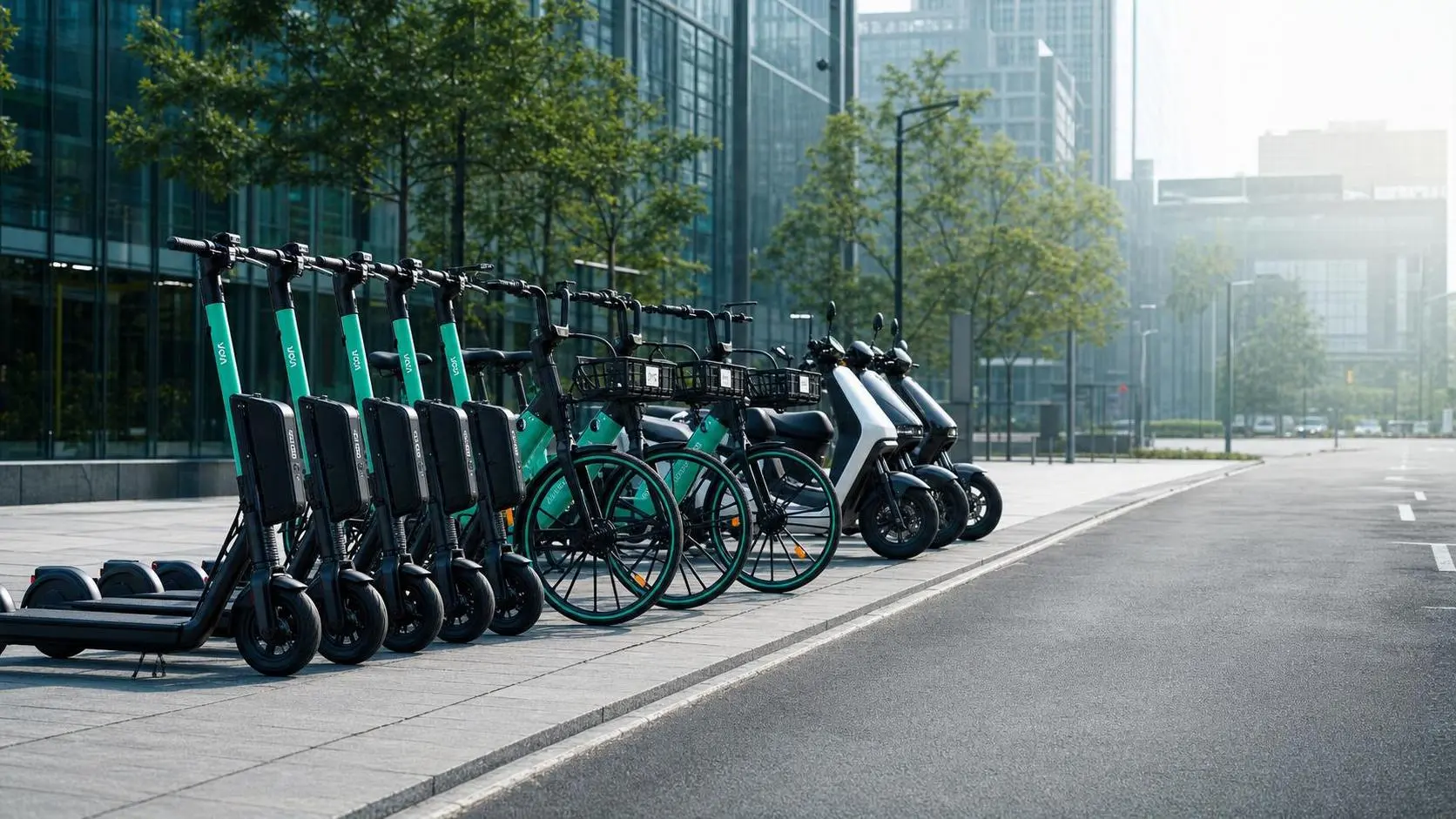
Micro Mobility Report: Which Metrics Matter Most for City Fleet Planning
Micro mobility report insights for city fleet planning: discover the key metrics behind uptime, battery efficiency, safety, and demand to build smarter, scalable urban mobility systems.
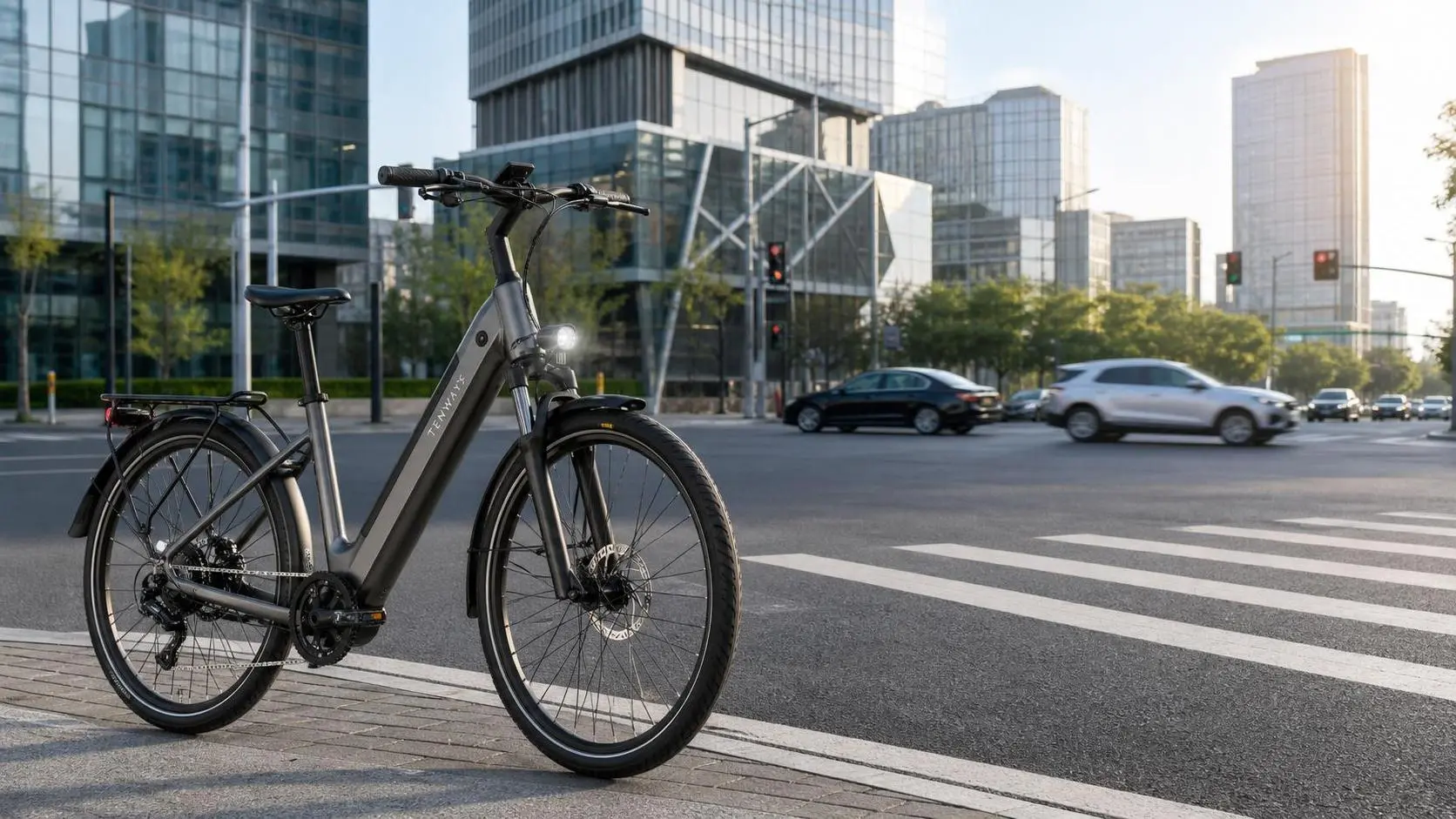
Urban Congestion E-Bike Solutions: What to Look for in Stop-and-Go City Commuting
Urban congestion ebike buying guide for stop-and-go city commuting. Discover smooth power, reliable braking, battery efficiency, and practical comfort for safer, smarter daily rides.
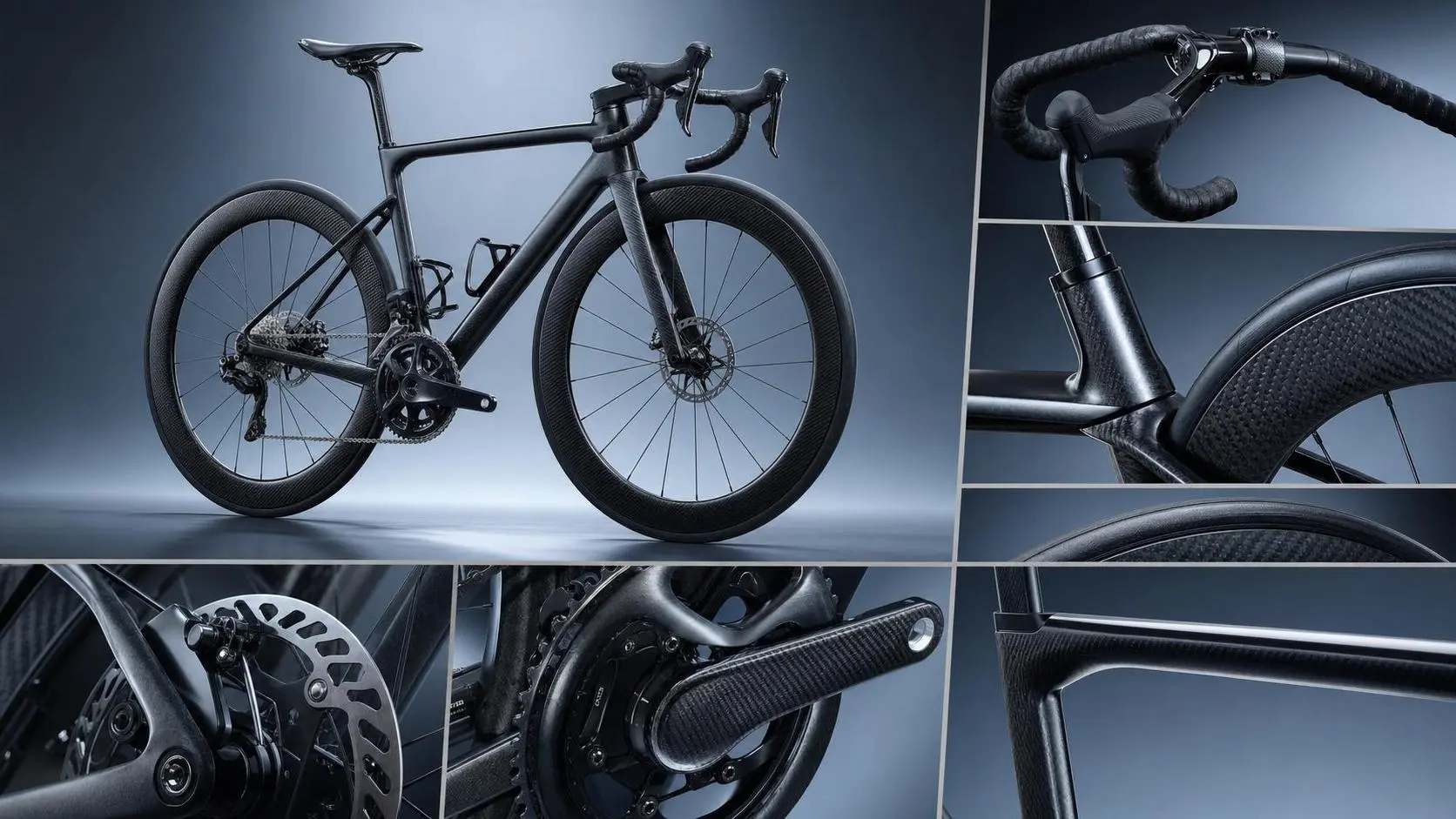
How Carbon Bicycle Components Affect Weight, Stiffness, and Ride Feel
Carbon bicycle components affect weight, stiffness, and ride feel in measurable ways. Learn how smart carbon design improves performance, comfort, and control before you upgrade.
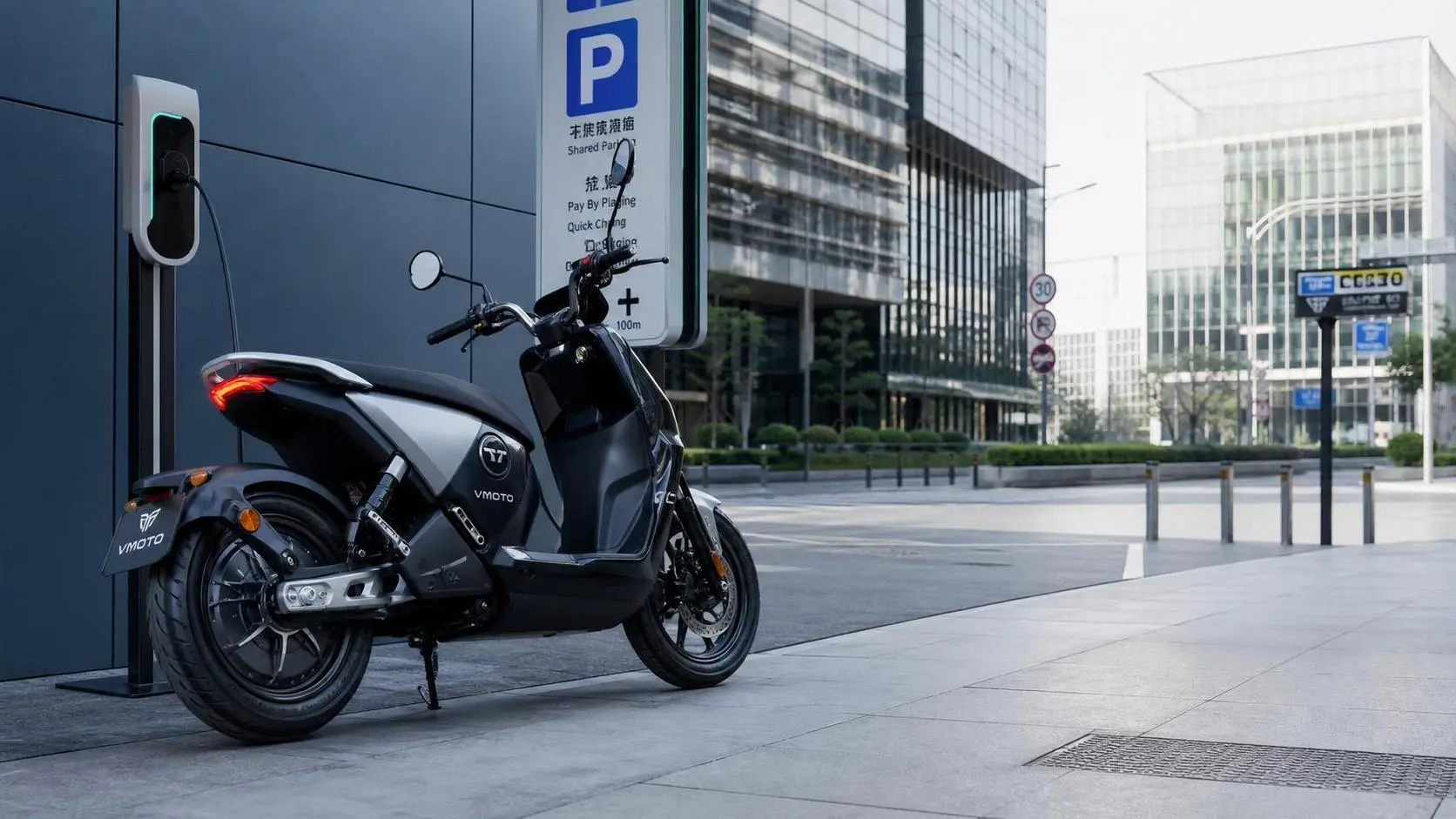
Urban Electric Motorcycle Buying Guide: Range, Top Speed, Licensing, and Daily Use
Urban electric motorcycle buying guide covering real range, top speed, licensing, charging, and daily use. Compare smarter, avoid costly mistakes, and choose the right city ride.
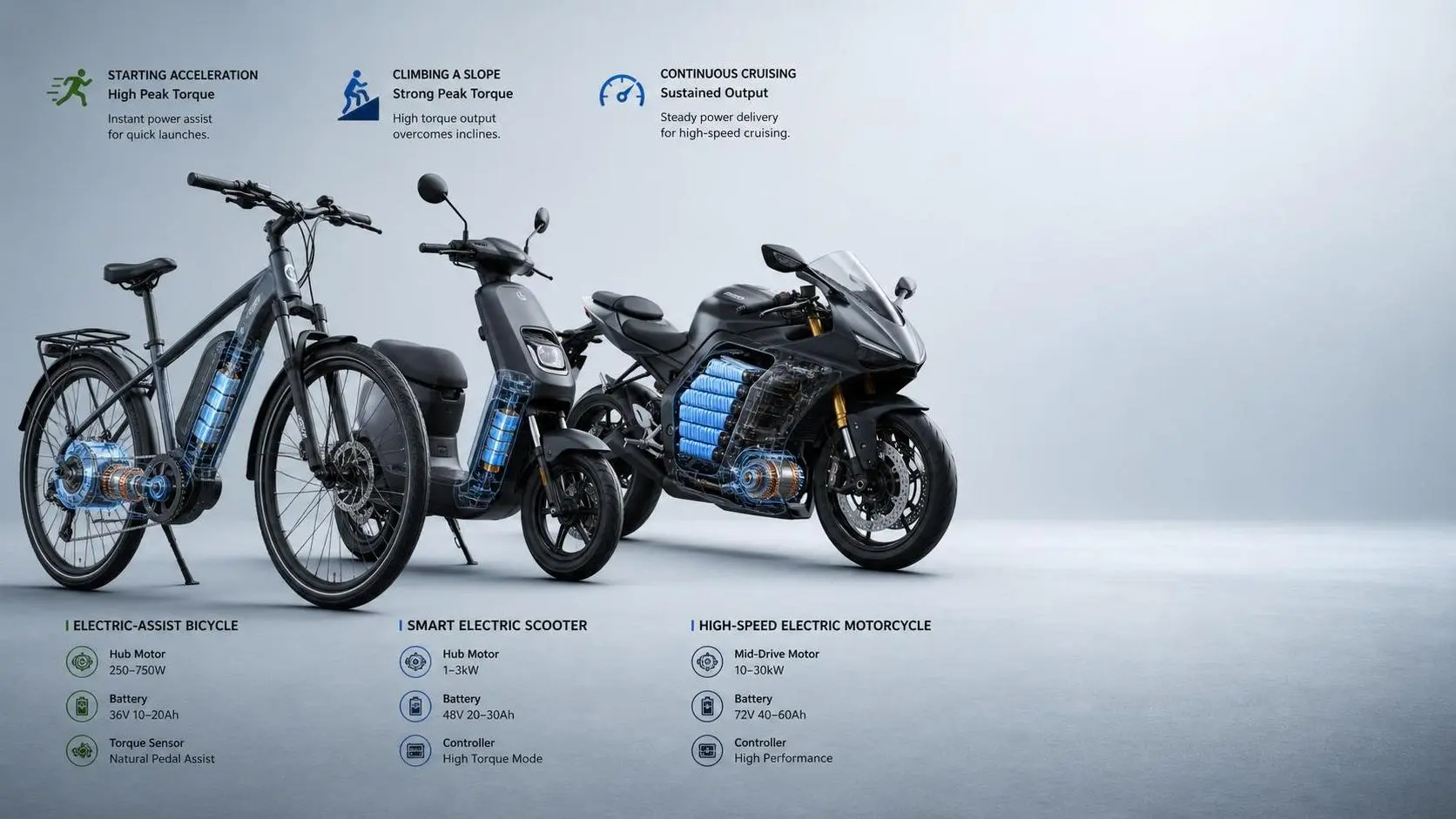
Electric Torque Trends in E-Mobility: How Peak vs Continuous Output Affects Ride Performance
Electric torque trends reveal how peak vs continuous output shapes e-bike, e-scooter, and e-motorcycle performance. Learn what truly improves daily ride quality.
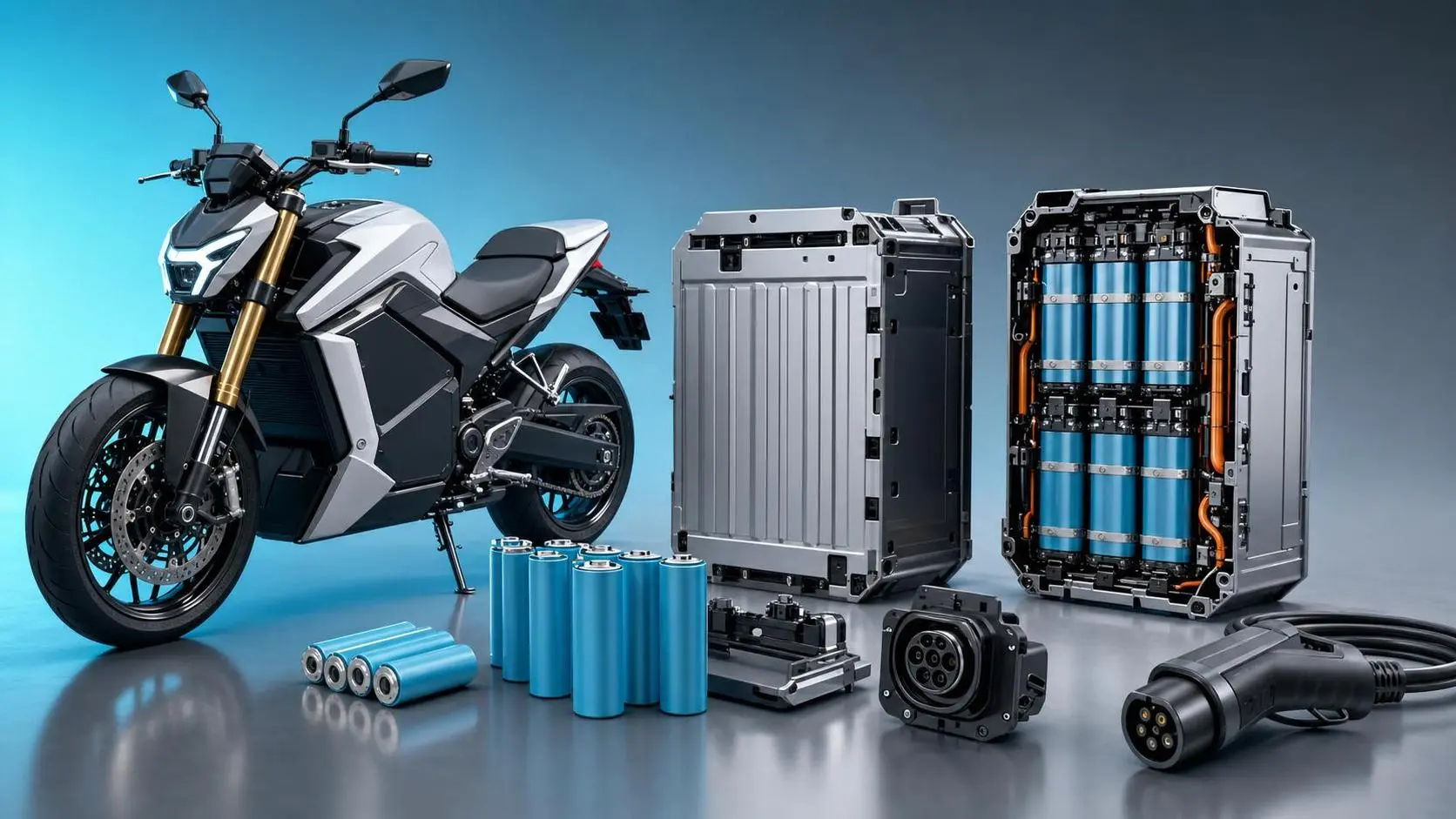
Electric Motorcycle Battery Trends: Cell Chemistry, Fast Charging, and Pack Design Shifts
Electric motorcycle battery trends are redefining range, fast charging, and pack design. Explore how chemistry choices, thermal control, and modular architecture shape safer, smarter, longer-lasting e-motorcycles.
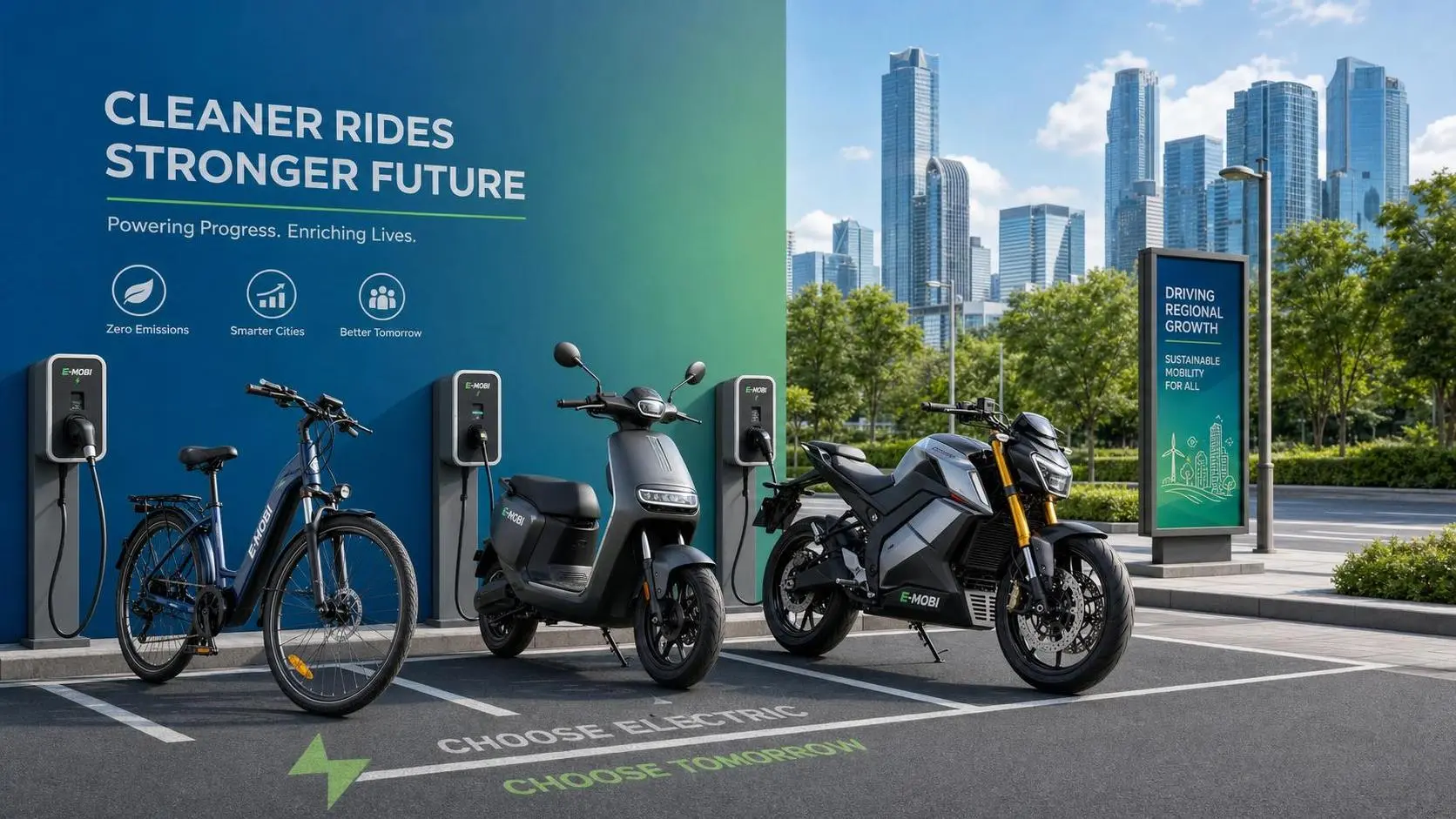
Electric Two-Wheeler Market Size Explained: What Drives Growth by Region and Vehicle Type
Electric two-wheeler market size explained through regional trends, vehicle types, and hidden growth drivers. Discover where demand, margins, and mobility opportunities are rising.
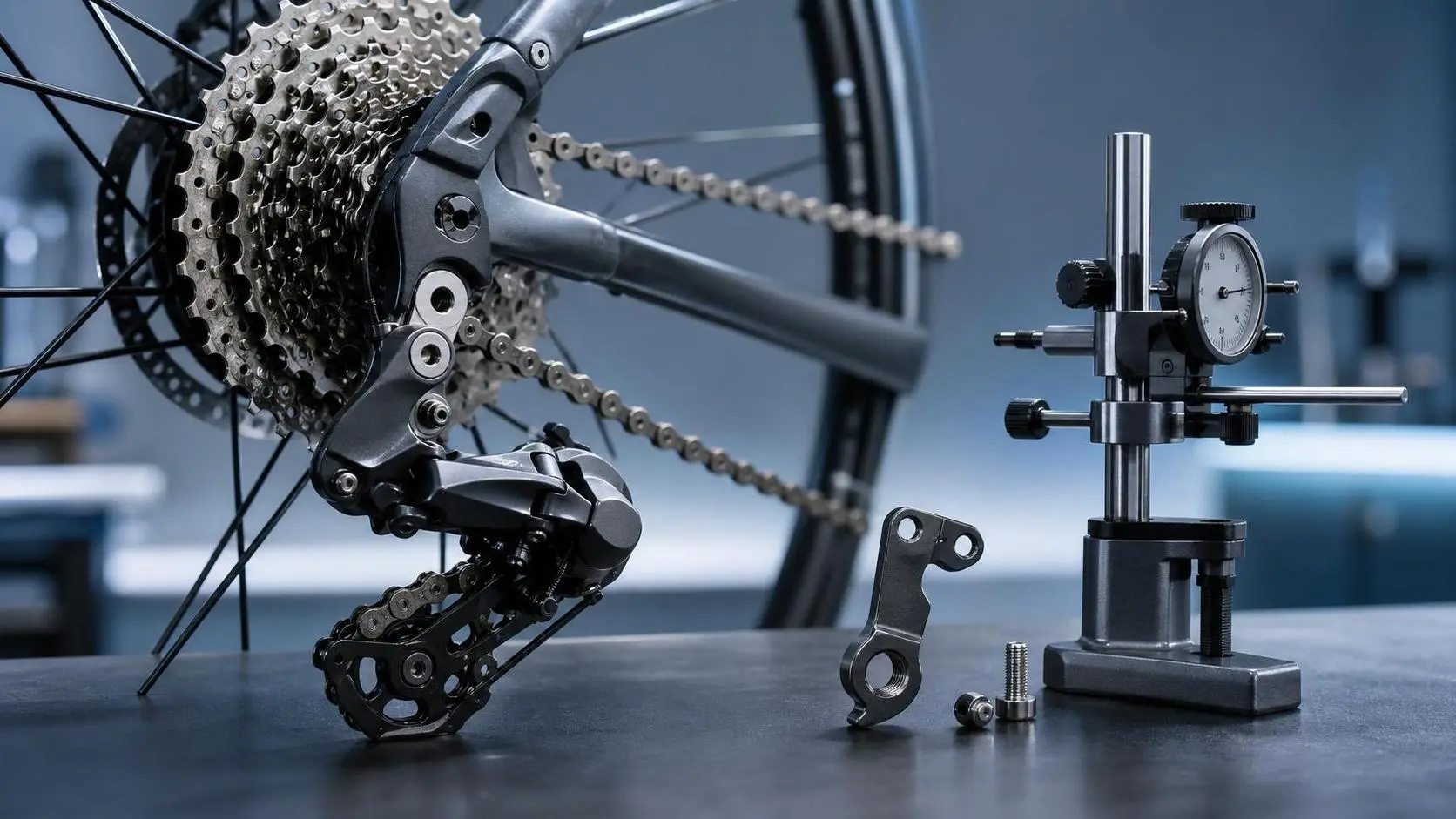
Derailleur Hanger Bent? How to Diagnose Shifting Problems and Decide on Repair or Replacement
Derailleur hanger bent? Learn the key shifting symptoms, how to confirm misalignment, and when repair or replacement is the smarter fix for reliable riding.
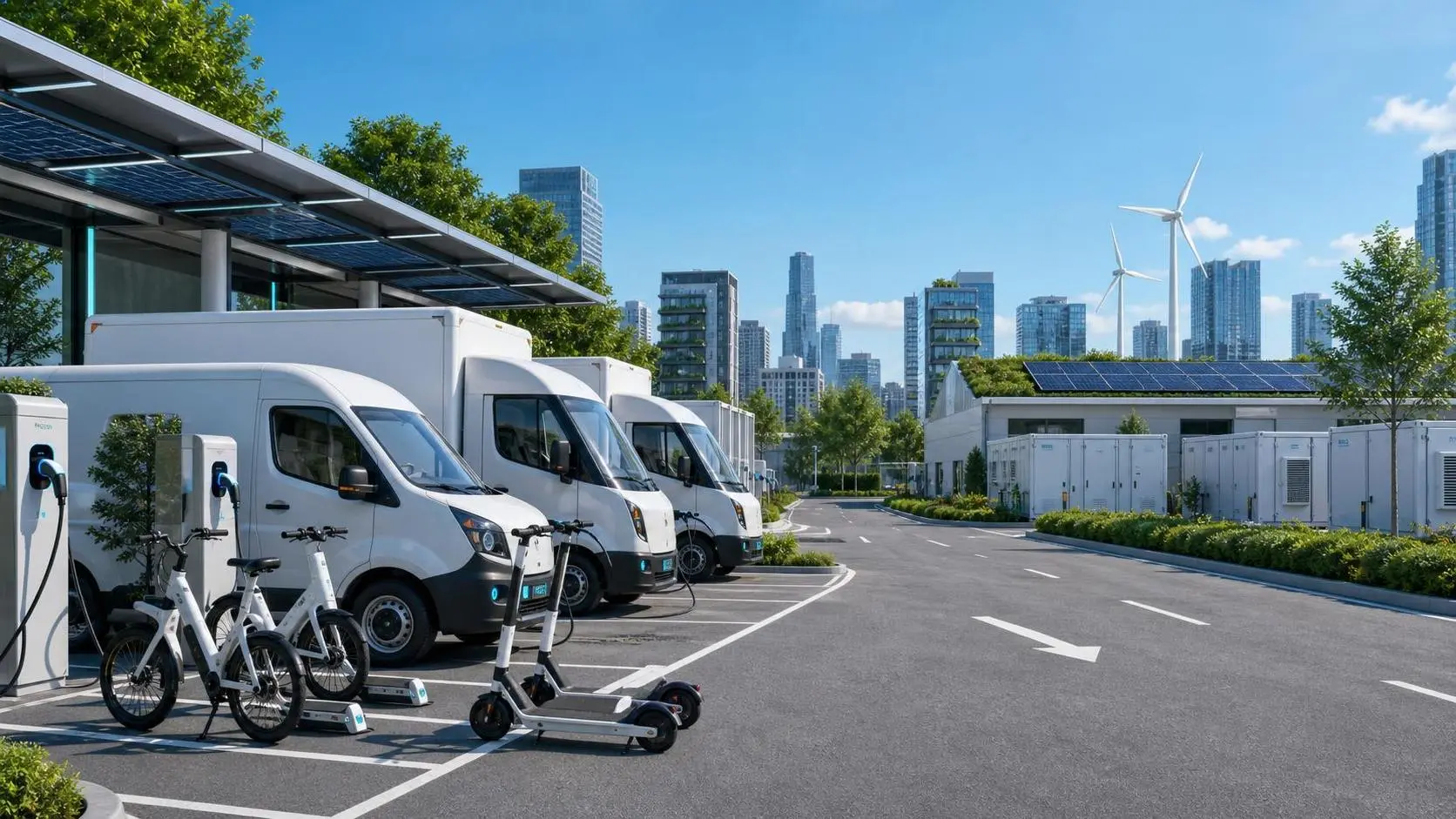
Carbon Neutrality Transport Strategy: 6 Levers That Cut Emissions Across Urban Fleets
Carbon neutrality transport strategy for urban fleets: discover 6 practical levers to cut emissions, lower operating costs, improve routing, and scale cleaner mobility faster.