
Related News
- 00
0000-00
Urban Electric Motorcycle Buying Guide: Range, Top Speed, Licensing, and Daily Use - 00
0000-00
Electric Motorcycle Battery Trends: Cell Chemistry, Fast Charging, and Pack Design Shifts - 00
0000-00
What Causes Torque Lag in Electric Two-Wheelers and How Can Engineers Reduce It? - 00
0000-00
Swappable Battery Motorcycle vs Fixed Battery Models: Which Setup Fits Daily Use? - 00
0000-00
Commuter E Motorcycles vs E-Bikes: Which Urban Option Fits Range, Speed, and Licensing Needs?
Electric Powertrain Analyst
Weekly Insights
Stay ahead with our curated technology reports delivered every Monday.
Urban Electric Motorcycle Buying Guide: Range, Top Speed, Licensing, and Daily Use





Choosing an urban electric motorcycle is no longer a niche decision. In many cities, it sits at the intersection of commuting efficiency, emissions policy, parking pressure, and rising fuel costs.
That is why range, top speed, licensing, and daily usability matter more than styling alone. A fast-looking model can feel wrong in practice if charging is inconvenient or regulations limit where it can be used.
From the broader micro-mobility perspective tracked by UMMS, electric two-wheelers are part of a larger shift toward smarter urban circulation, better energy management, and lower-carbon transport choices.
Why urban electric motorcycles are gaining attention
The appeal of an urban electric motorcycle starts with immediate torque and quiet operation, but the deeper reason is practical. Cities are becoming harder to navigate with conventional cars and less forgiving for high-cost ownership.
Electric two-wheelers answer several urban problems at once. They reduce stop-and-go energy waste, simplify parking, and often lower maintenance compared with internal combustion alternatives.
UMMS has highlighted how high-speed e-motorcycles fit into the wider electrification of two-wheelers. The same market forces shaping e-bikes and smart e-scooters also support stronger demand for compact, higher-performance city vehicles.
This matters because buyers are no longer comparing one motorcycle to another. They are comparing an urban electric motorcycle with public transport, shared scooters, compact cars, and even remote-work commuting patterns.
Start with the job the motorcycle must do
A good buying decision begins with use case, not brochure numbers. The right model for a five-kilometer downtown commute is rarely the right one for suburban connectors, ring roads, or mixed weather riding.
Three common city riding patterns
- Short inner-city trips with frequent stops, low average speed, and easy access to charging.
- Mixed commuting with neighborhood streets, arterial roads, and occasional passenger or cargo needs.
- Extended urban-suburban travel where speed stability and real range matter more than compact size.
Once the riding pattern is clear, the key specifications become easier to judge. Without that step, buyers often overpay for speed they cannot legally use, or underbuy range they will need every week.
Range matters, but real range matters more
Range is usually the first number shoppers notice. It is also the number most likely to disappoint when understood too literally.
Quoted figures often reflect ideal conditions. Real-world range changes with rider weight, temperature, traffic flow, hills, tire pressure, and how aggressively the throttle is used.
For an urban electric motorcycle, city traffic can help and hurt. Regenerative braking may recover some energy, but constant acceleration, short trips, and cold batteries can reduce efficiency.
A practical way to read range claims
A useful rule is to buy more range than the route strictly requires. That buffer protects against battery aging, winter losses, detours, and the days when charging is skipped.
Top speed should match roads, not ego
Top speed is important, but not in the way marketing often suggests. The goal is not maximum velocity. The goal is safe integration with the roads used most often.
If local traffic regularly flows at 60 to 80 kilometers per hour, a low-speed model may feel stressed, unstable, or unsafe. On the other hand, a very high-speed bike may add cost, weight, and licensing complexity without improving daily travel.
This is where urban electric motorcycle categories differ sharply. Some are closer to moped replacements. Others perform like compact motorcycles and need to be judged by braking, suspension, tires, and thermal control, not speed alone.
UMMS often points to powertrain logic and thermal management as hidden quality indicators. A bike that holds stable performance in traffic heat is more useful than one with impressive peak numbers on paper.
Licensing, registration, and local rules can reshape the choice
One of the biggest mistakes is treating all electric two-wheelers as legally similar. They are not. Local law may classify vehicles by top speed, motor output, battery system, or homologation standards.
That affects whether a license is required, whether registration and insurance apply, and which roads or parking areas are permitted. In some markets, a model that looks perfect online becomes inconvenient once paperwork is considered.
What to confirm before buying
- Vehicle classification under local transport rules.
- License category, age restrictions, and training requirements.
- Registration, plate, and insurance obligations.
- Access restrictions for bike lanes, city centers, or residential parking.
- Eligibility for subsidies, tax credits, or low-emission incentives.
This legal layer is one reason intelligent market tracking matters. UMMS follows subsidy policy and right-of-way shifts because those changes directly influence ownership cost and daily convenience.
Daily use is where the right choice becomes obvious
An urban electric motorcycle can look convincing in a showroom yet feel awkward in everyday life. Daily use depends on charging access, carrying needs, weather readiness, and how easy the bike is to live with.
Charging reality
Home charging is the cleanest ownership model. If the battery is removable, apartment living becomes easier. If it is fixed, reliable access to a garage socket or workplace charging matters much more.
Public charging can help, but it should not be the only plan unless the local network is mature. Charging time also affects behavior. A fast charge may save the day, but slow overnight charging is usually healthier for routine ownership.
Comfort and carrying
Urban riding includes backpacks, groceries, wet roads, phone mounting, and frequent stops. Under-seat storage, luggage options, passenger accommodation, and seat height can matter more than acceleration figures.
Weather and safety
Rain mode, ABS, traction control, lighting quality, and tire compound should not be treated as premium extras only. In dense city traffic, they shape confidence and stopping safety every day.
Cost should be measured across ownership, not only purchase price
A lower upfront price can hide compromises in battery quality, service access, software support, or replacement parts. A more expensive urban electric motorcycle may cost less over time if it ages well and fits the routine better.
The cost picture usually includes electricity, insurance, tires, brake components, battery warranty terms, and resale confidence. Smart buyers also consider dealer support and the availability of diagnostics or firmware updates.
That broader view matches the UMMS perspective on micro-mobility systems. Hardware performance, battery management logic, and network support all influence whether electrified transport feels seamless or frustrating.
How to compare models without getting lost in specs
When several options seem similar, narrow them using a short decision framework tied to actual use.
- Map the weekly route, including fastest roads and average parking conditions.
- Set a minimum real-world range with a clear buffer.
- Confirm the legal category before comparing style or features.
- Check charging practicality at home, work, and backup locations.
- Compare warranty, service reach, and battery replacement pathways.
- Test low-speed handling, braking feel, and comfort in stop-and-go traffic.
This method turns the urban electric motorcycle from a speculative purchase into a mobility tool chosen for a known job. That is usually the difference between novelty and satisfaction.
A grounded next step
The best urban electric motorcycle is not simply the fastest, the cheapest, or the one with the biggest quoted range. It is the one that matches road conditions, local rules, charging reality, and the rhythm of everyday travel.
A sensible next step is to build a short comparison list using only models that fit the legal category and daily route. Then compare real range, charging setup, support network, and total ownership cost before making the final call.
In a city shaped by electrification and smarter micro-mobility systems, that kind of disciplined evaluation leads to a better ride and a more durable decision.
Related News
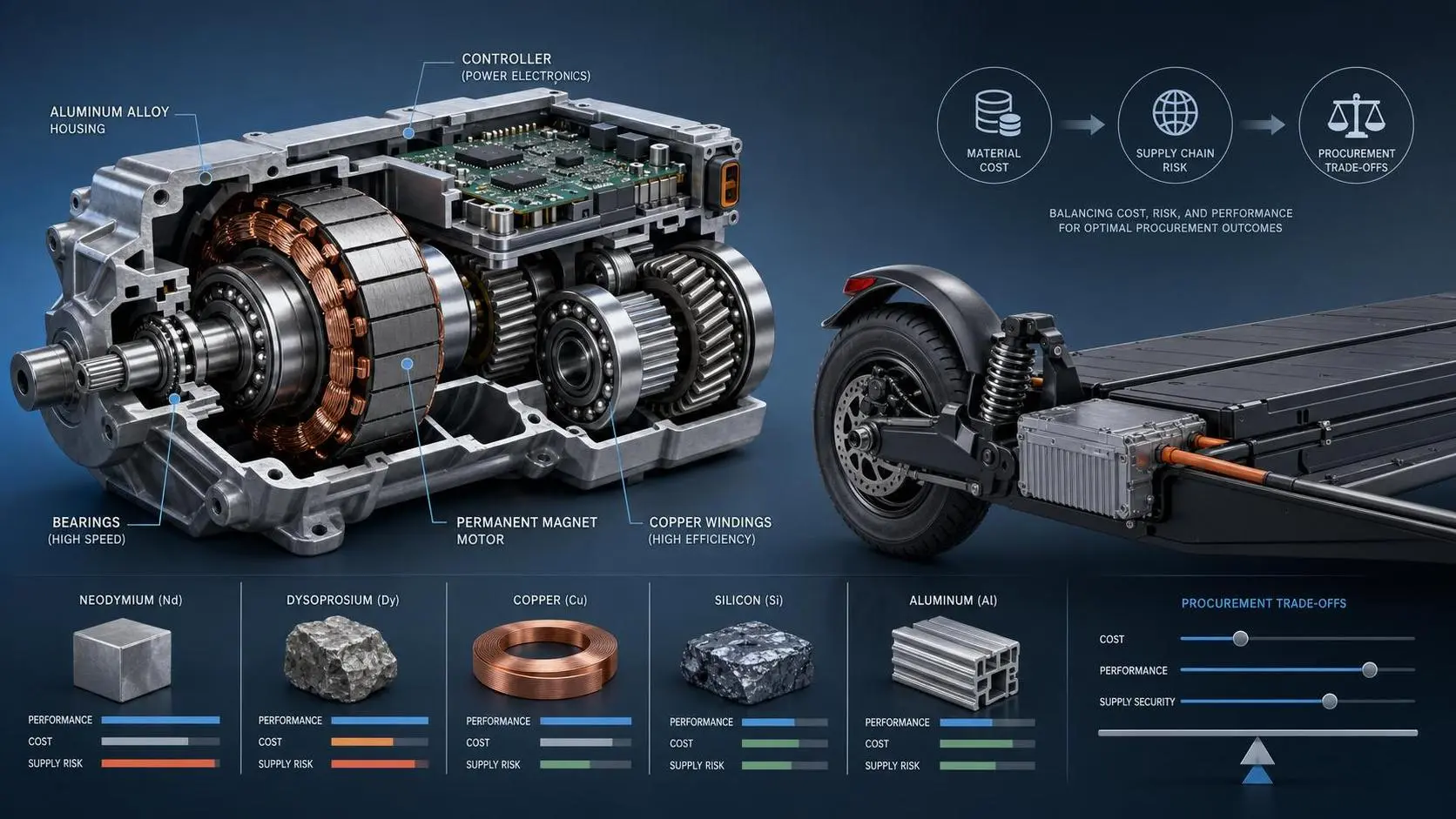
Electric Torque Market Price Drivers: Materials, Supply Risk, and Sourcing Trade-Offs
Electric torque market pricing depends on magnets, copper, controllers, and supply risk. Learn how sourcing trade-offs affect cost, reliability, and long-term value.
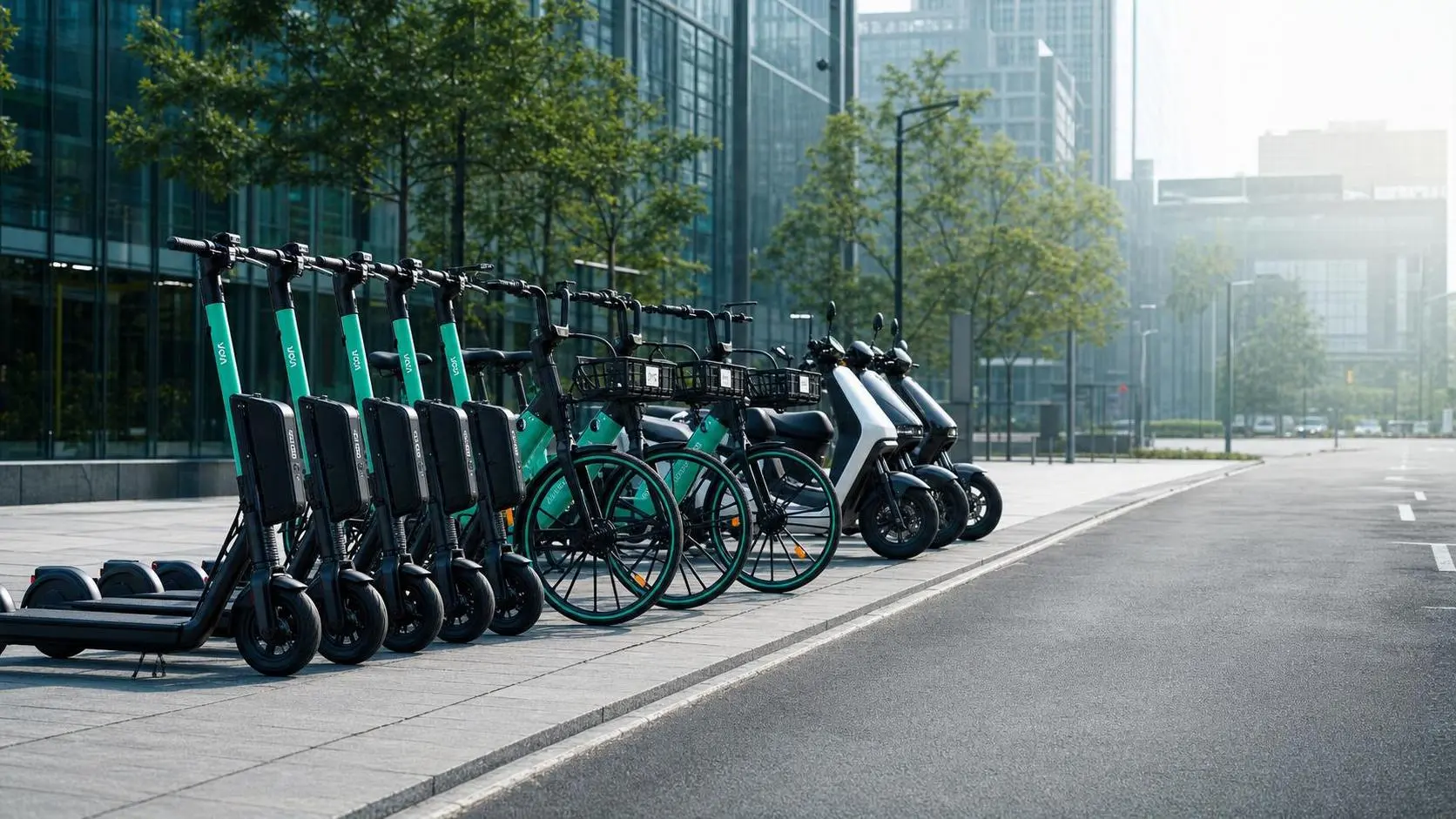
Micro Mobility Report: Which Metrics Matter Most for City Fleet Planning
Micro mobility report insights for city fleet planning: discover the key metrics behind uptime, battery efficiency, safety, and demand to build smarter, scalable urban mobility systems.
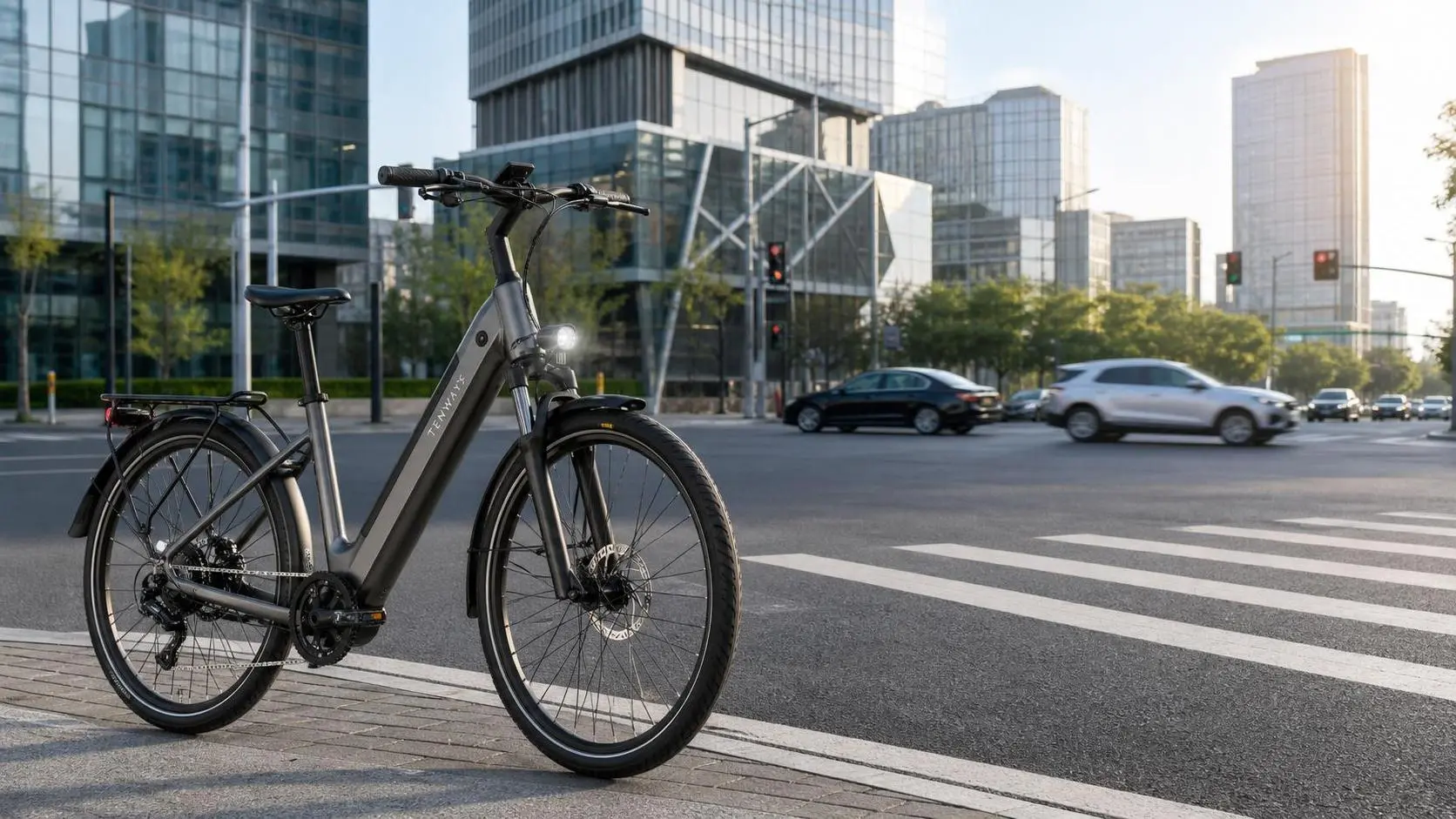
Urban Congestion E-Bike Solutions: What to Look for in Stop-and-Go City Commuting
Urban congestion ebike buying guide for stop-and-go city commuting. Discover smooth power, reliable braking, battery efficiency, and practical comfort for safer, smarter daily rides.
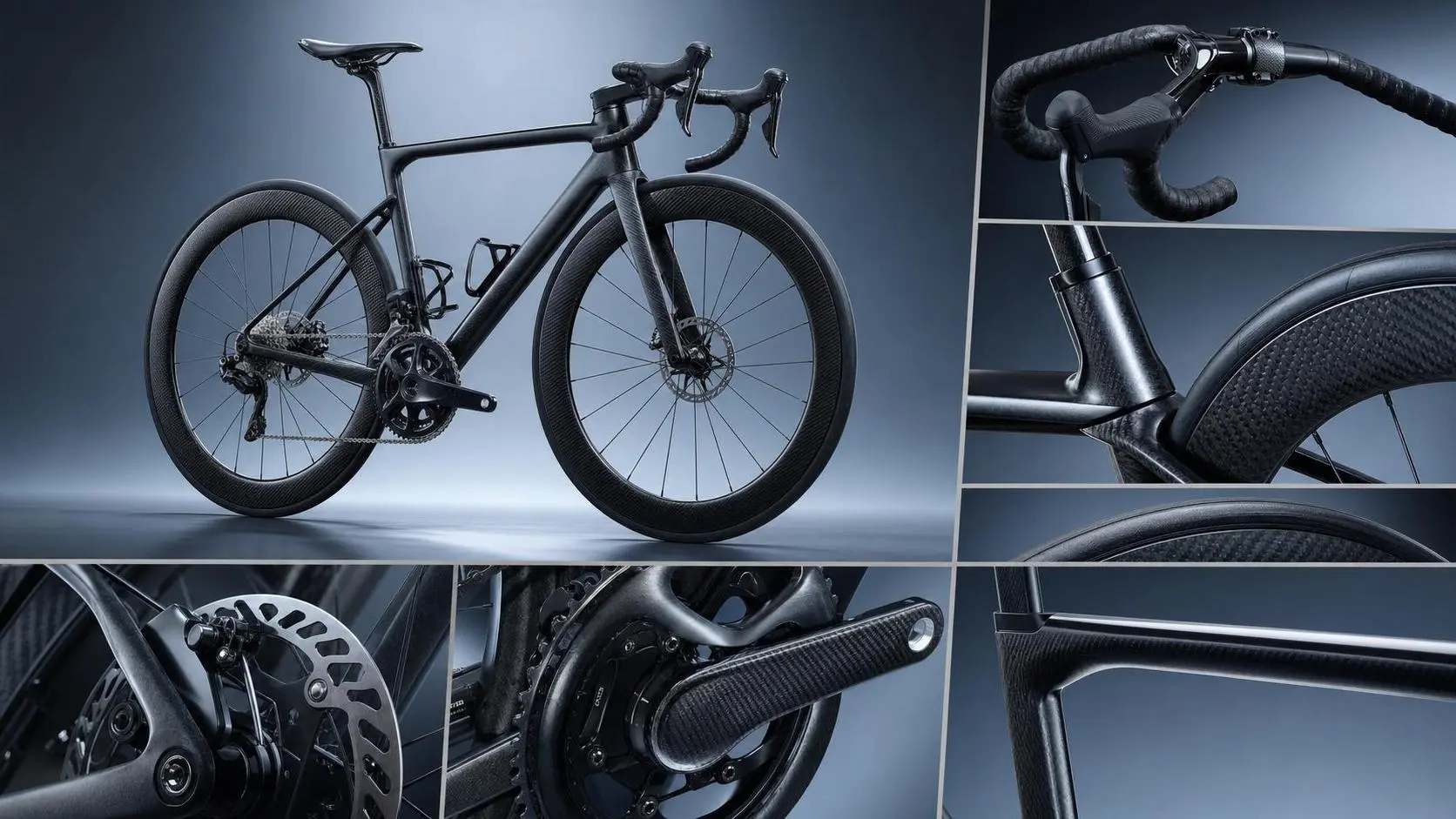
How Carbon Bicycle Components Affect Weight, Stiffness, and Ride Feel
Carbon bicycle components affect weight, stiffness, and ride feel in measurable ways. Learn how smart carbon design improves performance, comfort, and control before you upgrade.
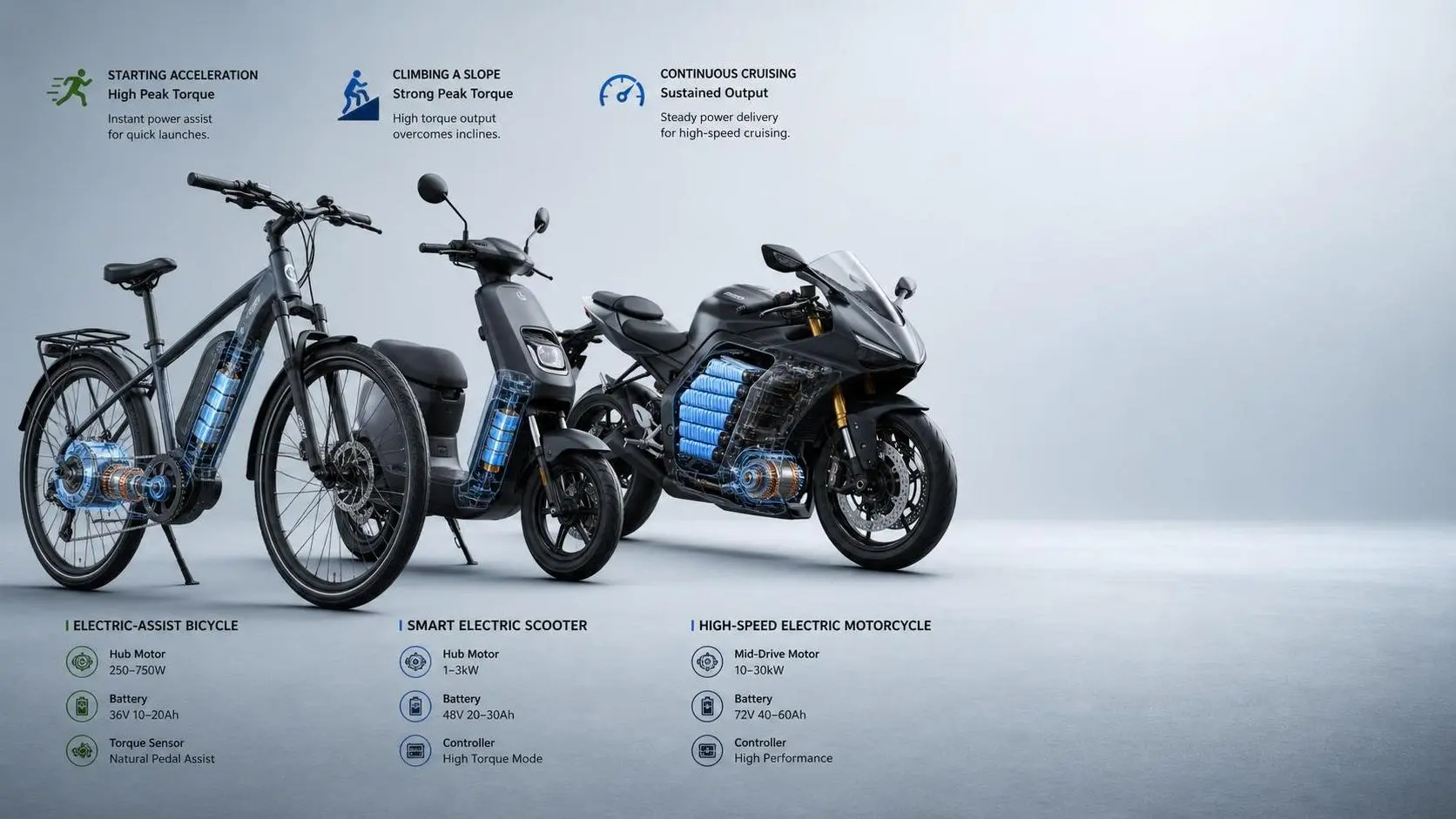
Electric Torque Trends in E-Mobility: How Peak vs Continuous Output Affects Ride Performance
Electric torque trends reveal how peak vs continuous output shapes e-bike, e-scooter, and e-motorcycle performance. Learn what truly improves daily ride quality.
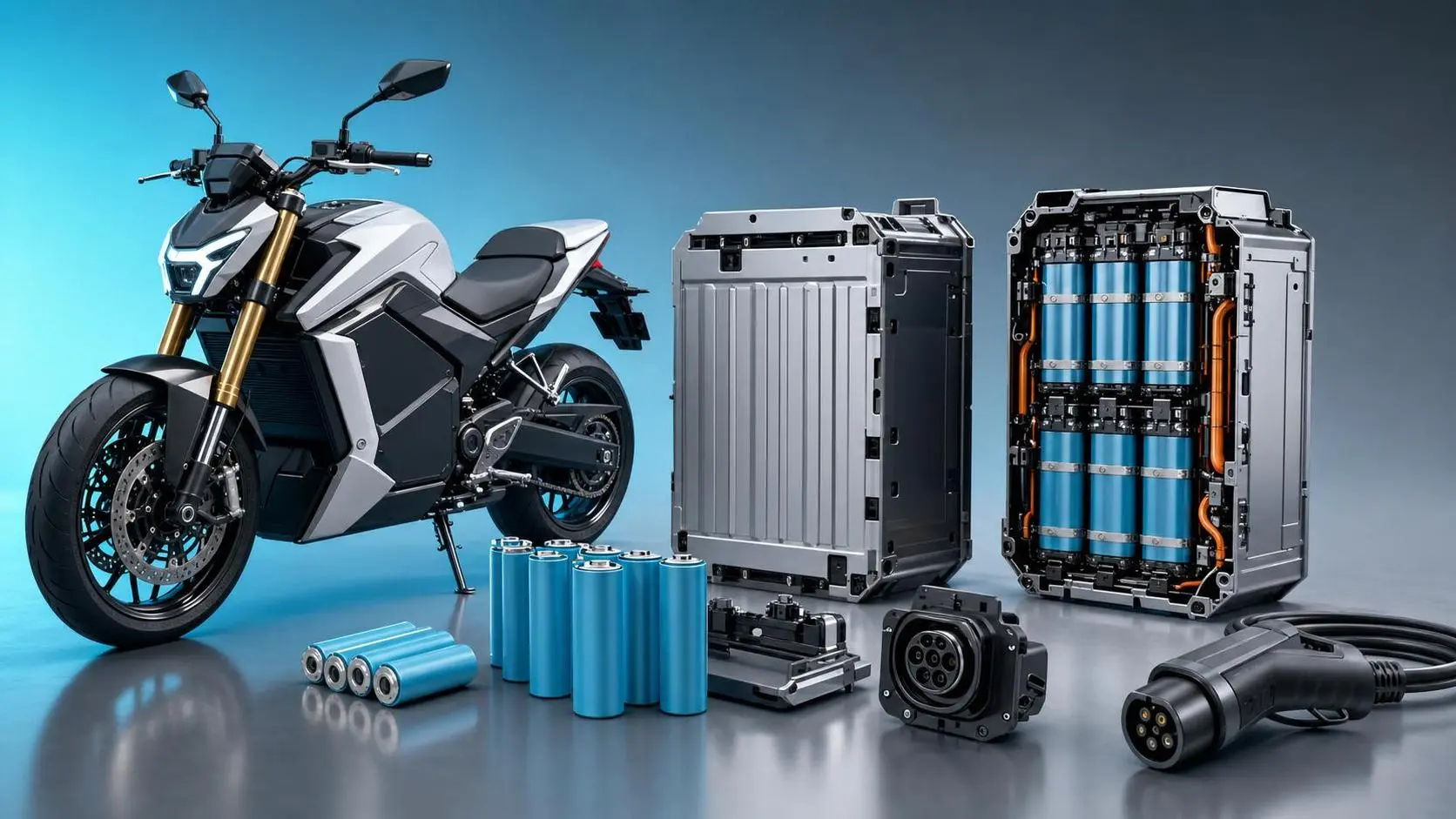
Electric Motorcycle Battery Trends: Cell Chemistry, Fast Charging, and Pack Design Shifts
Electric motorcycle battery trends are redefining range, fast charging, and pack design. Explore how chemistry choices, thermal control, and modular architecture shape safer, smarter, longer-lasting e-motorcycles.
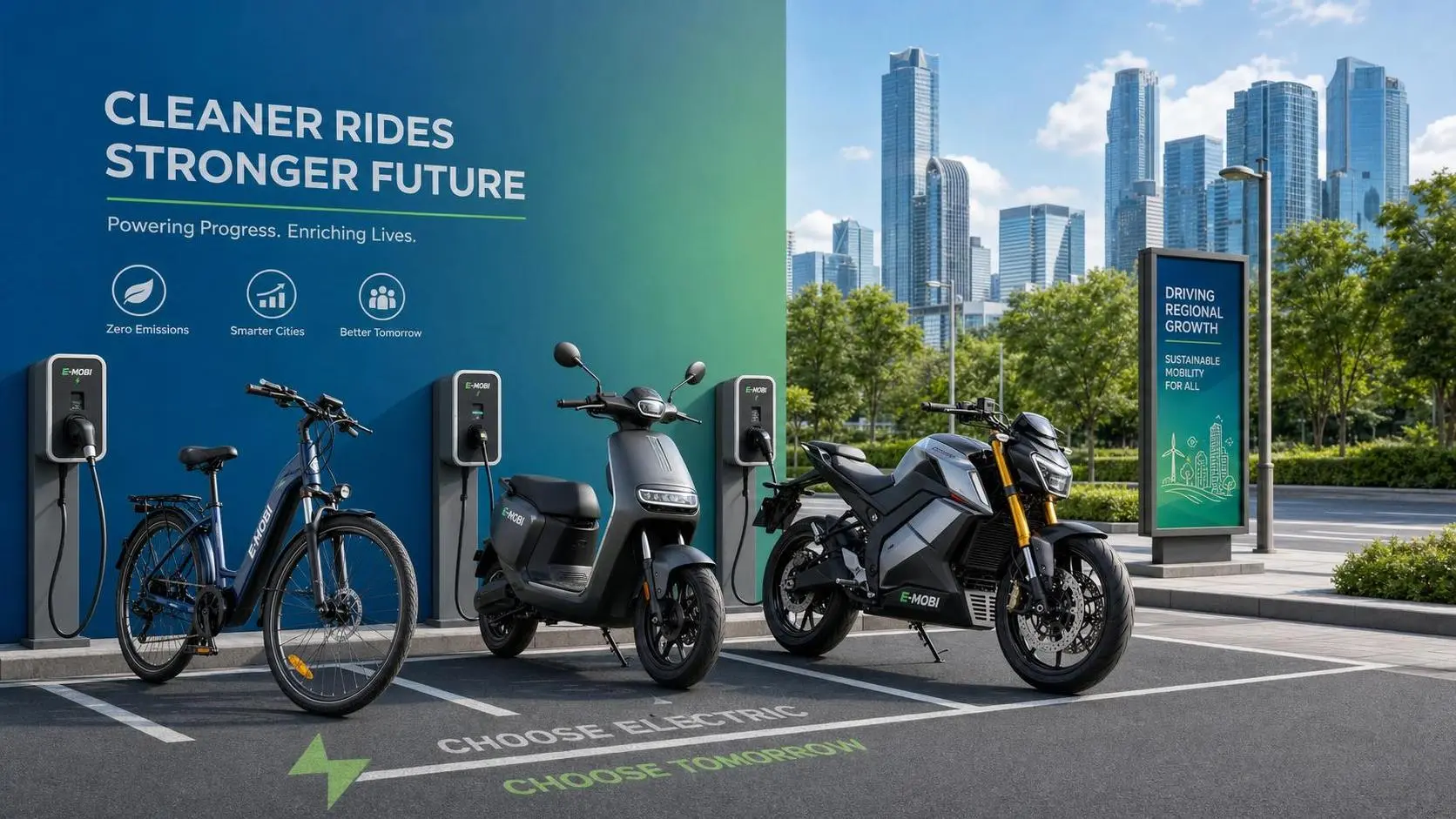
Electric Two-Wheeler Market Size Explained: What Drives Growth by Region and Vehicle Type
Electric two-wheeler market size explained through regional trends, vehicle types, and hidden growth drivers. Discover where demand, margins, and mobility opportunities are rising.
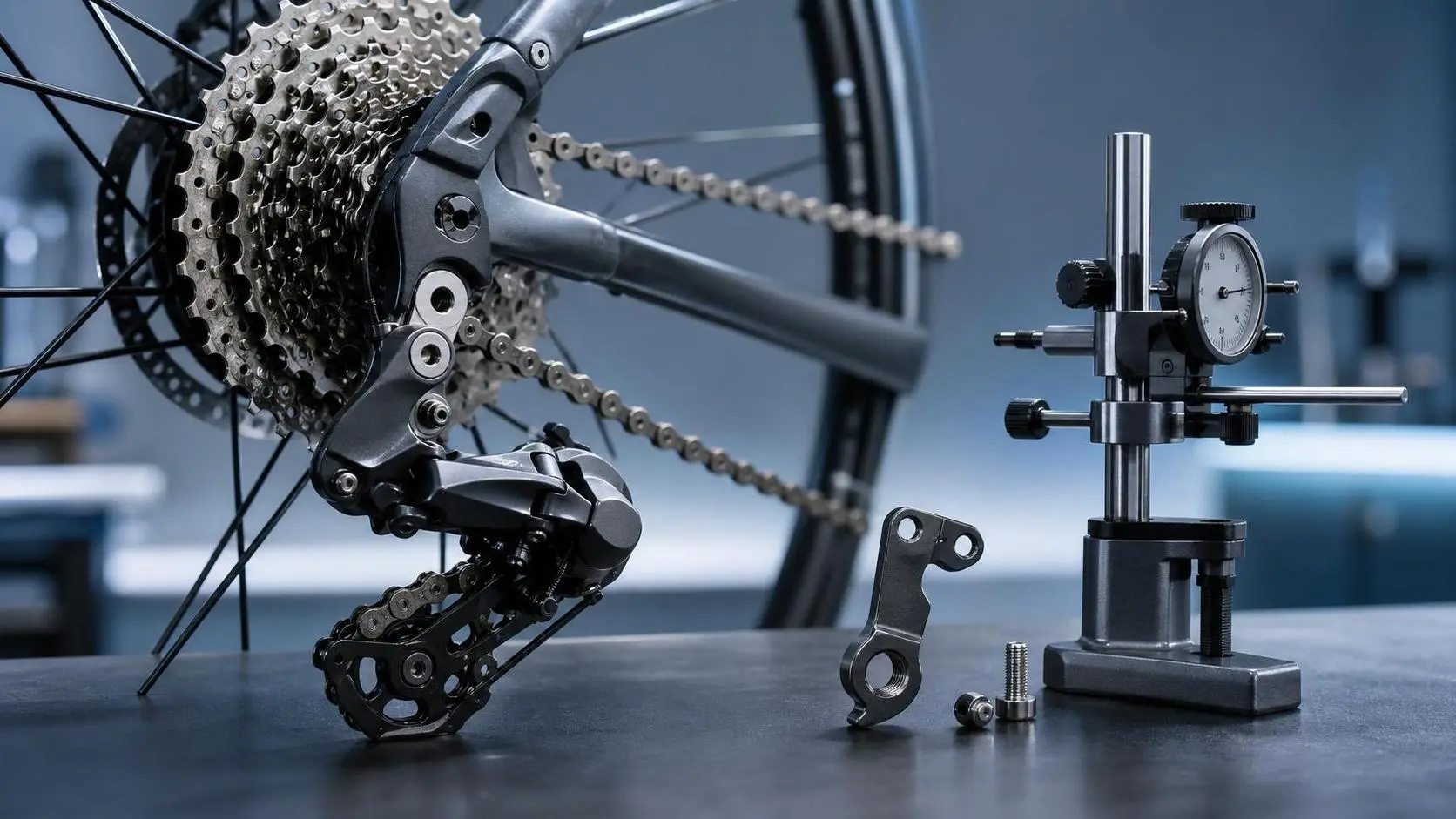
Derailleur Hanger Bent? How to Diagnose Shifting Problems and Decide on Repair or Replacement
Derailleur hanger bent? Learn the key shifting symptoms, how to confirm misalignment, and when repair or replacement is the smarter fix for reliable riding.
Carbon Neutrality Transport Strategy: 6 Levers That Cut Emissions Across Urban Fleets
Carbon neutrality transport strategy for urban fleets: discover 6 practical levers to cut emissions, lower operating costs, improve routing, and scale cleaner mobility faster.