
Related News
- 00
0000-00
Electric Torque Market Price Drivers: Materials, Supply Risk, and Sourcing Trade-Offs - 00
0000-00
How Carbon Bicycle Components Affect Weight, Stiffness, and Ride Feel - 00
0000-00
Carbon Neutrality Transport Strategy: 6 Levers That Cut Emissions Across Urban Fleets - 00
0000-00
Electric Two Wheeler Market Analysis: How to Compare Demand, Pricing, and Regional Growth - 00
0000-00
Urban Traffic Congestion Solutions: Which Options Work Best for Dense City Corridors?
Ms. Elena Rodriguez
Weekly Insights
Stay ahead with our curated technology reports delivered every Monday.
How Carbon Bicycle Components Affect Weight, Stiffness, and Ride Feel





How Carbon Bicycle Components Affect Weight, Stiffness, and Ride Feel
For technical material reviews, carbon bicycle components sit at the center of a familiar trade-off.
Lower mass matters, but so do stiffness targets, damping behavior, fatigue life, and manufacturability.
That is why carbon rarely wins by material label alone.
It wins, or loses, through layup design, fiber orientation, resin system, geometry, and load path control.
In practical evaluation, the question is not whether carbon is “better” than aluminum.
The better question is whether carbon bicycle components improve total system performance for the intended duty cycle.
This becomes especially relevant in performance bikes, e-bikes, and precision drivetrain assemblies, where grams, compliance, and control precision interact.
Why Weight Reduction Is More Than a Simple Gram Count
The first reason engineers consider carbon bicycle components is weight reduction.
Yet not every saved gram delivers the same dynamic benefit.
Mass removed from rotating parts affects acceleration more than mass removed from static zones.
That makes carbon rims, handlebars, seatposts, crank structures, and some derailleur cages strategically interesting.
However, lighter does not automatically mean faster in every context.
If wall thickness falls too far, impact robustness and local bearing support may suffer.
So the useful metric is not raw component mass, but weight saved per required stiffness and safety margin.
Where lower mass creates measurable value
- Rotating assemblies gain quicker spin-up and lower inertial resistance.
- Front-end parts can improve steering response and rider input sensitivity.
- Seat area components may reduce total bike mass without harsh ride penalties.
- High-end drivetrains can lower shifting mass while preserving shape accuracy.
From a systems viewpoint, carbon bicycle components are strongest when weight reduction supports another engineering goal.
That may be faster response, less rider fatigue, or better integration with battery-assisted micro-mobility platforms.
How Carbon Creates Directional Stiffness
The biggest technical advantage of carbon bicycle components is tunable anisotropy.
Unlike isotropic metals, carbon laminates can be engineered to resist loads more strongly in selected directions.
That means lateral stiffness, torsional stiffness, and vertical compliance can be balanced with more precision.
Still, this benefit depends on design discipline.
A poor layup can produce soft zones, stress concentrations, or unpredictable failure modes.
A strong layup aligns fibers with actual service loads instead of theoretical ideal loads.
Key variables behind stiffness behavior
- Fiber modulus influences how much strain appears under a given load.
- Layup orientation controls directional stiffness and buckling resistance.
- Tube or arm geometry often matters as much as the fiber itself.
- Resin properties affect shear transfer between plies.
- Joint interfaces decide whether stiffness survives real assembly conditions.
This is why carbon bicycle components should not be compared only by material label or marketing grade.
Two carbon parts can show very different stiffness outcomes if geometry, ply sequencing, or bonding quality differs.
Ride Feel Depends on Compliance, Damping, and Frequency Response
Ride feel is often described casually, but it has solid engineering roots.
It reflects how a structure responds to vibration amplitude, impact frequency, and rider-generated loads.
Carbon bicycle components can improve ride feel because they allow local compliance without losing control authority everywhere else.
That is especially visible in handlebars, forks, seatposts, and wheel structures.
But “comfortable carbon” is not guaranteed.
Very high local stiffness can still transmit harsh input if geometry or laminate transitions are poorly managed.
In other words, ride feel comes from tuned structure, not from fiber prestige.
What evaluators should measure
- Static deflection under representative rider loads.
- Torsional twist during sprint, braking, or cornering events.
- Frequency response under road buzz and sharp-edge impacts.
- Energy dissipation trends across repeated load cycles.
- Interface slip at clamps, inserts, and bonded joints.
More recent market feedback shows that riders often detect differences in vibration character before they detect absolute stiffness differences.
That also means carbon bicycle components can influence perceived quality well beyond lab stiffness values.
Comparing Carbon With Aluminum and Other Materials
A fair material comparison needs more than a simple modulus chart.
Aluminum remains attractive because it is predictable, scalable, and usually more tolerant of manufacturing variation.
It also offers clear recycling pathways and lower inspection complexity.
Carbon bicycle components, by contrast, offer higher design freedom in stiffness tuning and weight placement.
The trade-off is greater dependence on process control, tooling accuracy, and damage detection discipline.
In real programs, the best material choice often depends on performance target, cost ceiling, expected abuse, and after-sales inspection capability.
Failure Risk, Standards, and Validation Priorities
Technical evaluation of carbon bicycle components should include risk analysis from the start.
The main concern is not that carbon is unsafe by nature.
The concern is that failure behavior can be less obvious before final loss of strength.
This makes validation standards, non-destructive inspection, and interface design critically important.
For bicycle and e-bike applications, test planning should reflect both static certification loads and real misuse scenarios.
Priority checks during technical review
- Clamp torque sensitivity around stems, posts, and integrated interfaces.
- Delamination risk at holes, inserts, and abrupt section changes.
- Impact resistance after stone strike, crash, or transport damage.
- Fatigue retention after thermal cycling and moisture exposure.
- Dimensional repeatability across production batches.
For drivetrain-adjacent parts, stiffness must also remain stable under contamination, vibration, and repeated shifting loads.
That requirement is increasingly important as urban micro-mobility platforms demand quieter, lighter, and more precise component behavior.
Where Carbon Bicycle Components Make the Most Sense
Not every product category deserves a carbon upgrade.
Carbon bicycle components make the most sense where engineers need precise stiffness mapping, meaningful weight savings, and controlled vibration behavior together.
This often includes premium road platforms, performance gravel systems, race-oriented mountain bikes, and selected e-bike assemblies.
They are less compelling where cost pressure is severe and impact abuse is frequent.
They are also harder to justify where service networks cannot support inspection and torque control.
A practical decision framework
- Define the dominant load case, not just the marketing use case.
- Quantify whether weight savings change system behavior in a meaningful way.
- Compare stiffness targets at the assembly level, not only per component.
- Review inspection, warranty, and field failure handling capability.
- Validate ride feel with instrumented testing and controlled rider feedback.
That approach keeps carbon bicycle components tied to evidence instead of assumption.
It also helps teams avoid overpaying for cosmetic carbon where performance gain is marginal.
More importantly, it highlights cases where carbon can unlock a genuinely better ride and tighter system response.
For evaluation programs focused on standards, durability, and rider-facing performance, that is the metric that matters most.
Related News
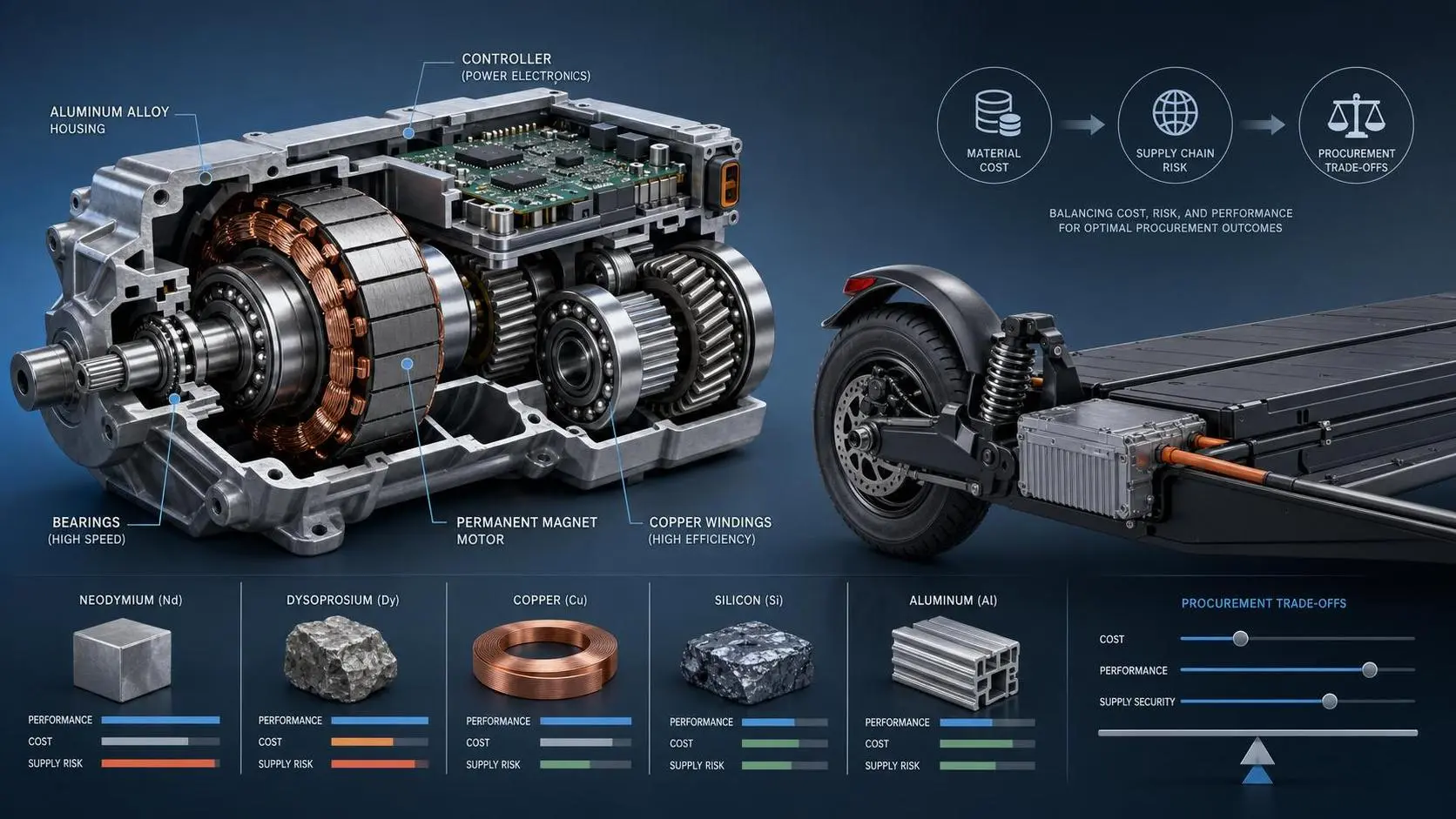
Electric Torque Market Price Drivers: Materials, Supply Risk, and Sourcing Trade-Offs
Electric torque market pricing depends on magnets, copper, controllers, and supply risk. Learn how sourcing trade-offs affect cost, reliability, and long-term value.

Micro Mobility Report: Which Metrics Matter Most for City Fleet Planning
Micro mobility report insights for city fleet planning: discover the key metrics behind uptime, battery efficiency, safety, and demand to build smarter, scalable urban mobility systems.
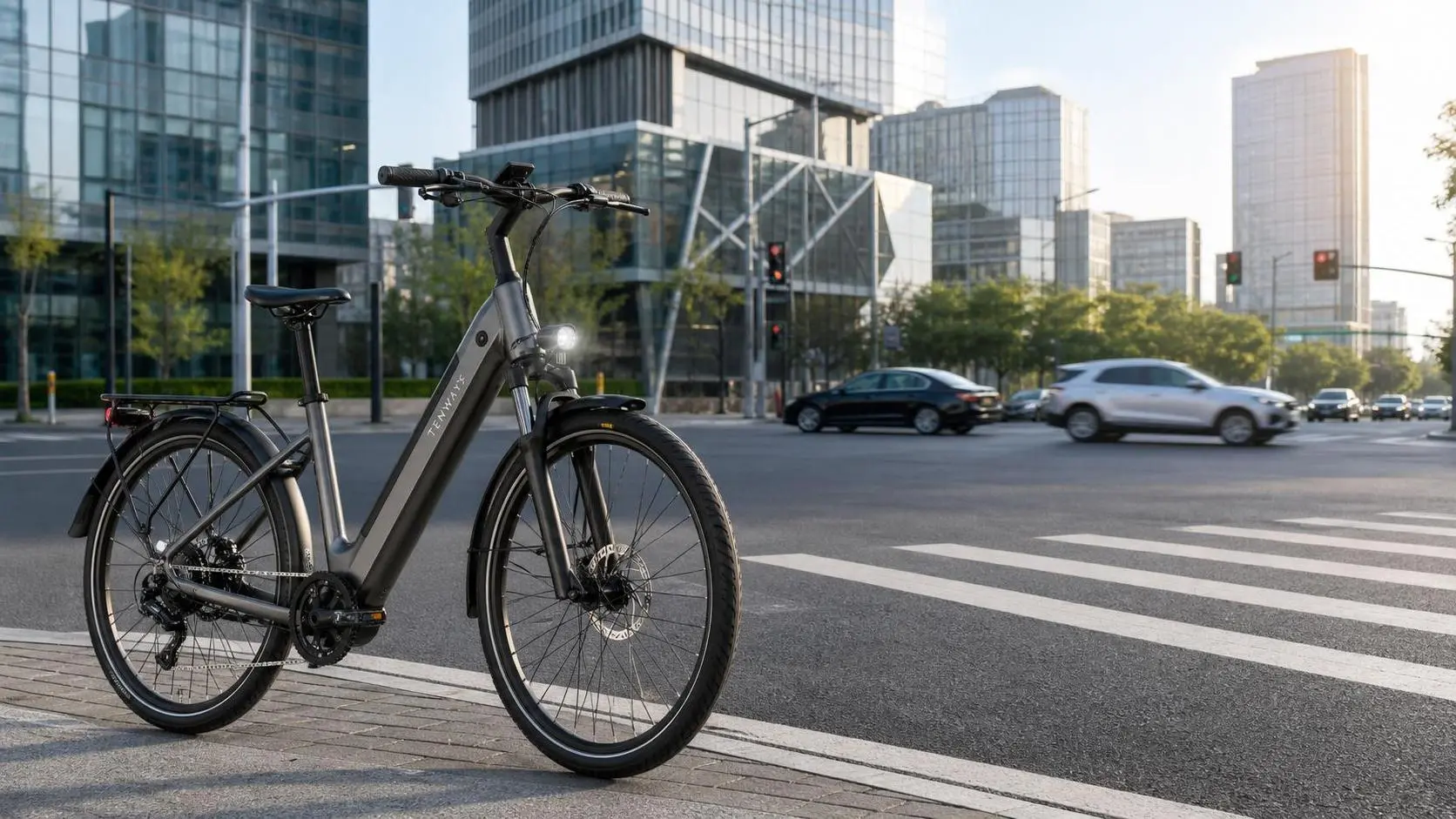
Urban Congestion E-Bike Solutions: What to Look for in Stop-and-Go City Commuting
Urban congestion ebike buying guide for stop-and-go city commuting. Discover smooth power, reliable braking, battery efficiency, and practical comfort for safer, smarter daily rides.
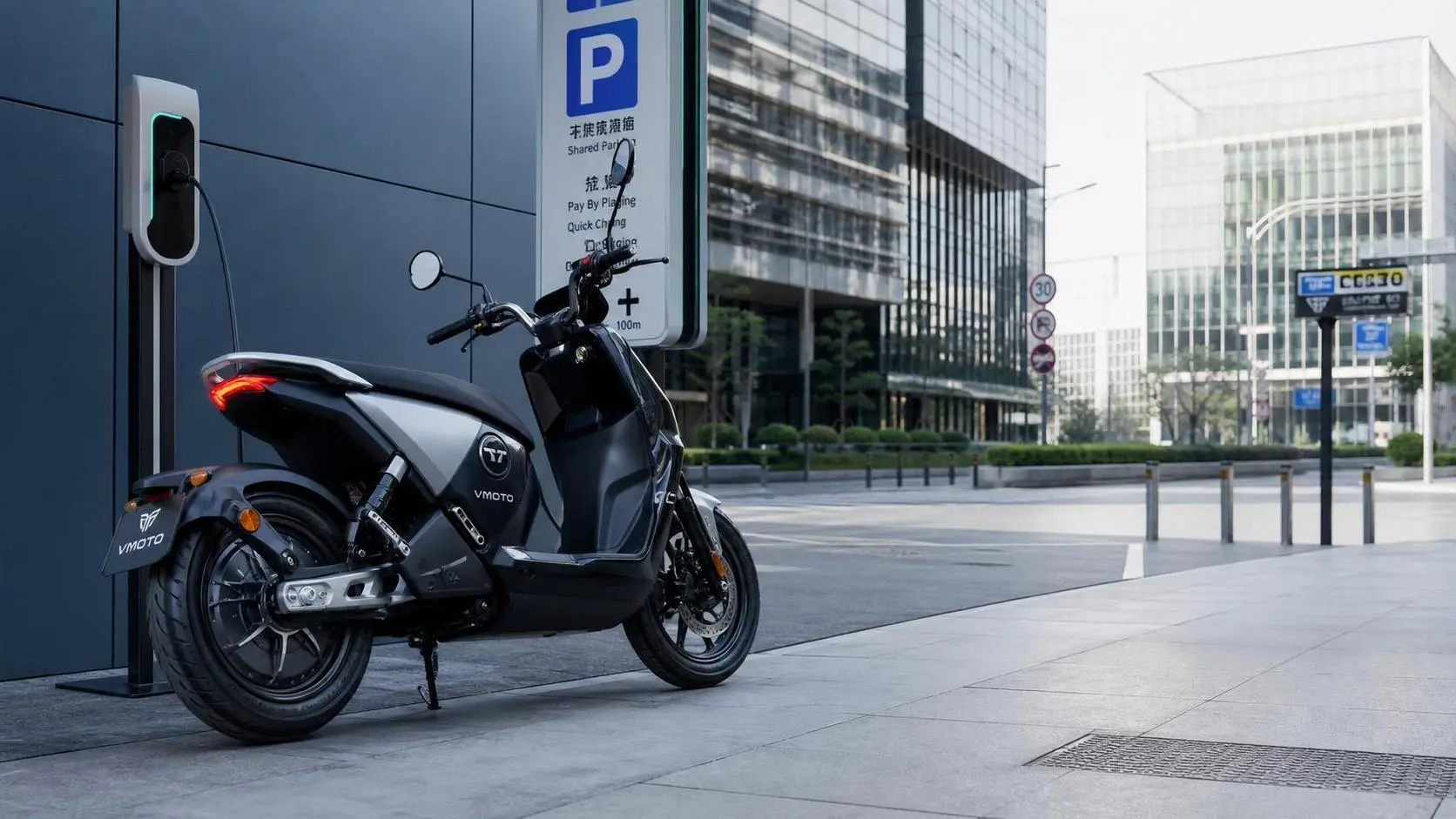
Urban Electric Motorcycle Buying Guide: Range, Top Speed, Licensing, and Daily Use
Urban electric motorcycle buying guide covering real range, top speed, licensing, charging, and daily use. Compare smarter, avoid costly mistakes, and choose the right city ride.
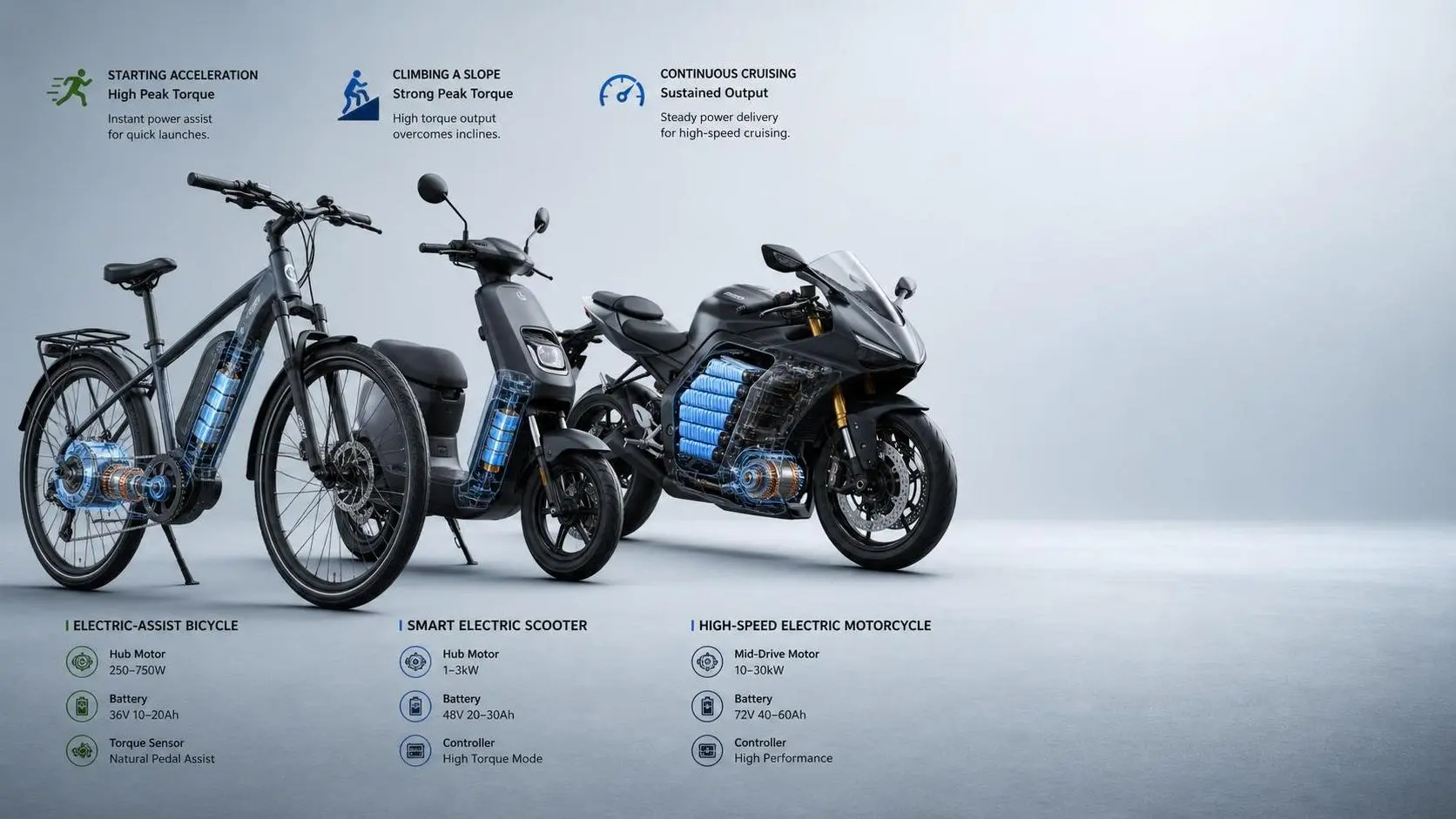
Electric Torque Trends in E-Mobility: How Peak vs Continuous Output Affects Ride Performance
Electric torque trends reveal how peak vs continuous output shapes e-bike, e-scooter, and e-motorcycle performance. Learn what truly improves daily ride quality.
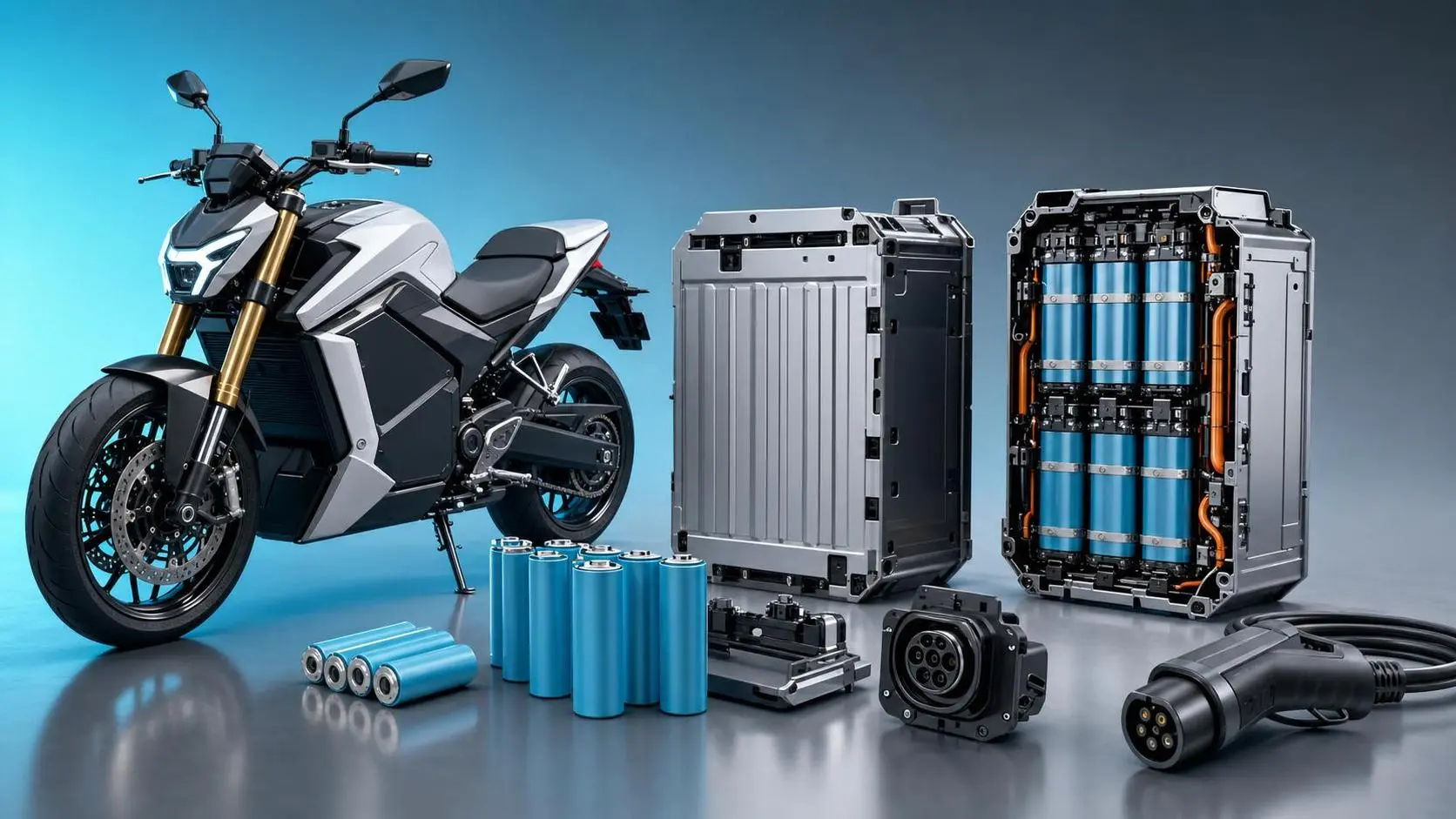
Electric Motorcycle Battery Trends: Cell Chemistry, Fast Charging, and Pack Design Shifts
Electric motorcycle battery trends are redefining range, fast charging, and pack design. Explore how chemistry choices, thermal control, and modular architecture shape safer, smarter, longer-lasting e-motorcycles.

Electric Two-Wheeler Market Size Explained: What Drives Growth by Region and Vehicle Type
Electric two-wheeler market size explained through regional trends, vehicle types, and hidden growth drivers. Discover where demand, margins, and mobility opportunities are rising.
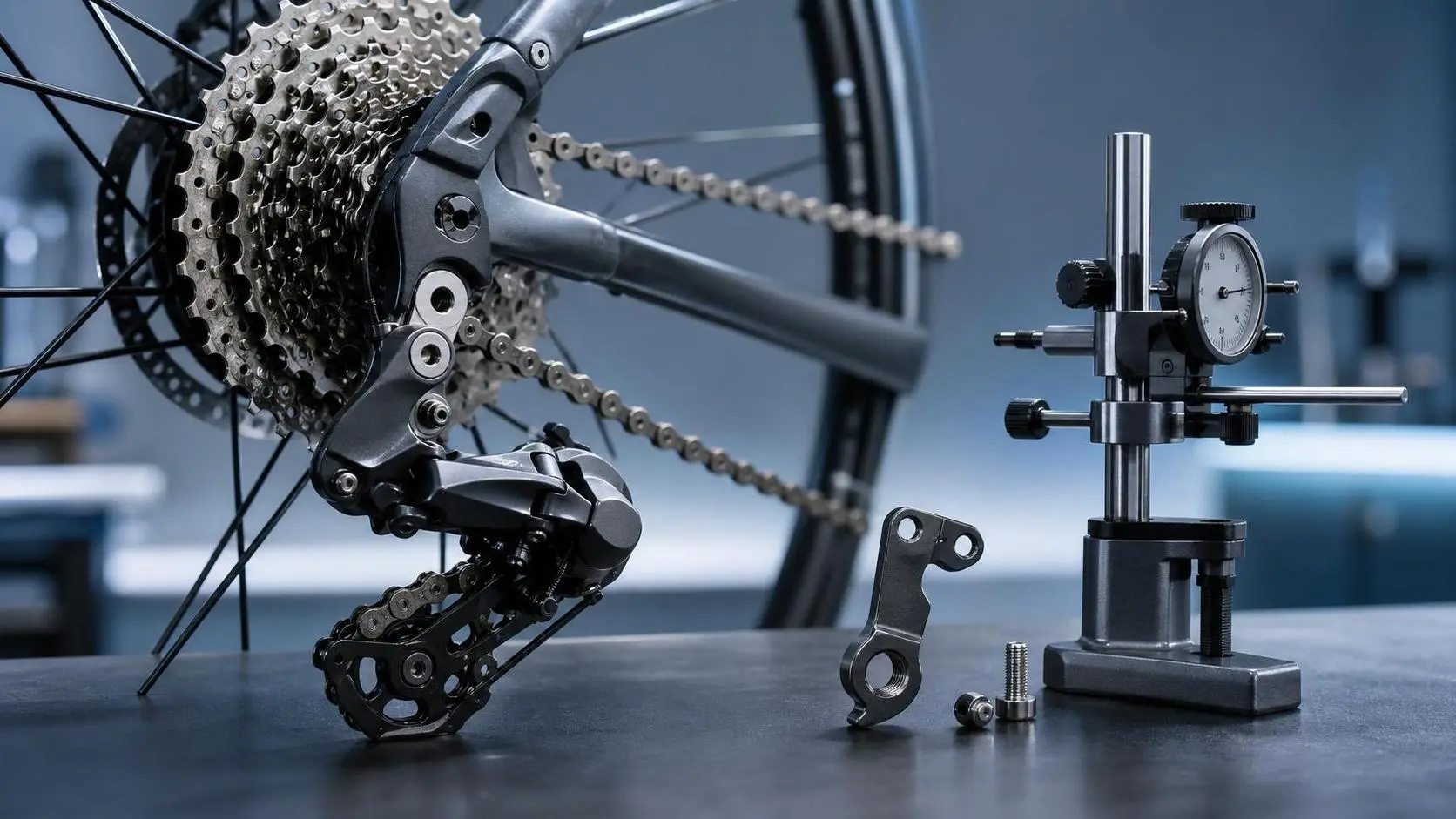
Derailleur Hanger Bent? How to Diagnose Shifting Problems and Decide on Repair or Replacement
Derailleur hanger bent? Learn the key shifting symptoms, how to confirm misalignment, and when repair or replacement is the smarter fix for reliable riding.

Carbon Neutrality Transport Strategy: 6 Levers That Cut Emissions Across Urban Fleets
Carbon neutrality transport strategy for urban fleets: discover 6 practical levers to cut emissions, lower operating costs, improve routing, and scale cleaner mobility faster.