
Related News
- 00
0000-00
How to Use a Market Intelligence Report to Evaluate EV Two-Wheeler Opportunities - 00
0000-00
Electric Mobility Challenges Explained: Grid Limits, Charging Access, and TCO - 00
0000-00
Electric Torque Market Price Drivers: Materials, Supply Risk, and Sourcing Trade-Offs - 00
0000-00
How Carbon Bicycle Components Affect Weight, Stiffness, and Ride Feel - 00
0000-00
Carbon Neutrality Transport Strategy: 6 Levers That Cut Emissions Across Urban Fleets
Ms. Elena Rodriguez
Weekly Insights
Stay ahead with our curated technology reports delivered every Monday.
How to Use a Market Intelligence Report to Evaluate EV Two-Wheeler Opportunities





How does a market intelligence report actually help with EV two-wheeler evaluation?
A market intelligence report matters because EV two-wheeler markets move faster than many planning cycles. Demand, regulation, battery costs, and channel dynamics can shift within one quarter.
That creates a common problem. Teams often have data, but not a clear way to separate noise from signals that affect timing, margins, and long-term fit.
A strong market intelligence report turns scattered updates into an evaluation framework. It connects market size, product positioning, policy direction, and supply-side capability in one decision view.
In the EV two-wheeler space, that matters even more. E-bikes, smart e-scooters, and high-speed e-motorcycles do not respond to the same customer behavior or infrastructure conditions.
The most useful reports also go beyond headline growth. They show where urban congestion, subsidy design, right-of-way rules, and battery management trends create real commercial openings.
This is where specialist intelligence becomes valuable. UMMS, for example, follows micro-mobility through linked lenses such as drivetrain efficiency, battery logic, component evolution, and city mobility policy.
That broader view helps evaluation become practical. Instead of asking whether the category is growing, the better question becomes where growth is investable and defensible.
What should you look for first in a market intelligence report?
Start with market definition. A report is only useful if it separates low-speed urban mobility from premium performance segments and from component-led opportunities.
A broad EV label can hide very different realities. E-bikes may be driven by commuting and leisure exports, while smart e-scooters may depend more on sharing rules and city access.
The next check is geography. A market intelligence report should explain not only where demand exists, but why it exists in that region now.
Useful questions include whether growth comes from subsidy support, fuel price pressure, delivery use cases, or local restrictions on internal combustion motorcycles.
Then review the product stack. In actual evaluation work, opportunity often sits between product types rather than inside one headline category.
- E-bikes may offer scale and policy support, but pricing pressure can be intense.
- Smart e-scooters may grow with connected fleet demand, yet city regulation can limit expansion speed.
- High-speed e-motorcycles may carry stronger margins, though charging and battery-swapping readiness become critical.
- Precision components can create a less visible, but often more resilient, route into the value chain.
A market intelligence report should help compare those routes on timing, capital exposure, technical barriers, and policy sensitivity rather than presenting them as one blended opportunity.
Which signals separate real opportunity from attractive headlines?
This is usually the turning point in evaluation. Many categories look attractive in summary slides, but fewer remain attractive after signal quality is tested.
A reliable market intelligence report should show leading indicators, not only lagging results. Shipment growth alone is not enough.
Better signals include repeat demand, dealer restocking behavior, fleet renewal cycles, battery replacement economics, and regulatory consistency across key cities.
For EV two-wheelers, technical signals also matter. Thermal management, motor efficiency, software integration, wireless control reliability, and safety-related components can reshape competitiveness quickly.
That is one reason specialized portals such as UMMS stand out. They track not only category demand, but also supporting technologies behind performance, safety, and total ownership value.
The table below helps organize what to verify before treating growth as a real opportunity.
How do you compare e-bikes, smart e-scooters, and high-speed e-motorcycles without oversimplifying?
A market intelligence report should help you compare segments on logic, not just size. That means looking at use case, regulation, technology maturity, and replacement rhythm together.
E-bikes usually benefit from a wider consumer base and more established export channels. In several markets, they also align well with low-carbon commuting agendas.
Smart e-scooters can look smaller in value, yet they often carry strategic importance in dense cities. Connected functions, fleet tracking, and right-of-way policy become major variables here.
High-speed e-motorcycles deserve a different lens. The opportunity is often tied to powertrain performance, charging convenience, thermal control, and premium user expectations.
A useful comparison also includes adjacent systems. For example, precision drivetrain components or safety systems may offer lower-profile entries with stronger technical defensibility.
That is especially relevant when the report source understands component innovation as well as finished vehicles. UMMS approaches the market in exactly that interconnected way.
In practice, the best choice is not always the biggest category. It is often the segment where policy support, technical fit, and competitive whitespace meet at the same time.
Where do evaluation teams most often misread a market intelligence report?
One common mistake is treating every growth chart as a green light. A market intelligence report is not just a source of positive demand stories.
It should also reveal friction. That may include charging gaps, battery safety scrutiny, import exposure, standards changes, or price compression caused by crowded competitors.
Another mistake is ignoring segment-specific operating realities. Shared scooters, for instance, may depend more on municipal approvals than on retail appetite.
There is also a tendency to underrate component-level disruption. Wireless shifting, sensor integration, and battery management improvements can quietly redraw the value map.
A strong market intelligence report should therefore be read across three layers at once.
- Commercial layer: where demand and margin pools are moving.
- Regulatory layer: where access, compliance, and incentives may shift.
- Technical layer: where product architecture can improve or lose relevance.
When these layers point in different directions, caution is usually justified. When they align, the opportunity is often stronger than headline market size suggests.
What is the best way to turn a market intelligence report into a decision?
The report should end a debate, not start endless data collection. That only happens if the findings are translated into a short decision model.
A practical approach is to score each EV two-wheeler opportunity against five filters: demand quality, policy durability, technology fit, channel readiness, and competitive intensity.
If one segment scores well on growth but poorly on policy durability, it may still be worth tracking, but not prioritizing. Timing is part of the decision.
If another segment shows moderate volume but strong technical barriers and healthier channel economics, that may be the more durable route.
In real evaluation work, this is where structured intelligence saves time. You can move from “interesting market” to “clear next-step opportunity” with fewer assumptions.
The most effective next step is simple. Build a comparison sheet using the latest market intelligence report, isolate two or three target segments, and test each against your real entry conditions.
That may include target regions, required technical capability, compliance burden, likely payback window, and partner readiness. Once those filters are visible, priorities usually become clearer.
For EV two-wheelers, confidence rarely comes from one number. It comes from connected evidence. That is exactly what a strong market intelligence report is supposed to deliver.
Related News
Green Scooter Demand: Which Buyer Segments and City Use Cases Are Growing Fast?
Green scooter demand is accelerating across urban commuters, shared fleets, campuses, and delivery routes. Discover the fastest-growing buyer segments and city use cases shaping the market.
Battery Swapping in China vs Charging: Which Model Fits Shared Scooter Fleets?
Battery swapping China vs charging: discover which model keeps shared scooter fleets safer, more efficient, and easier to scale across dense urban markets.
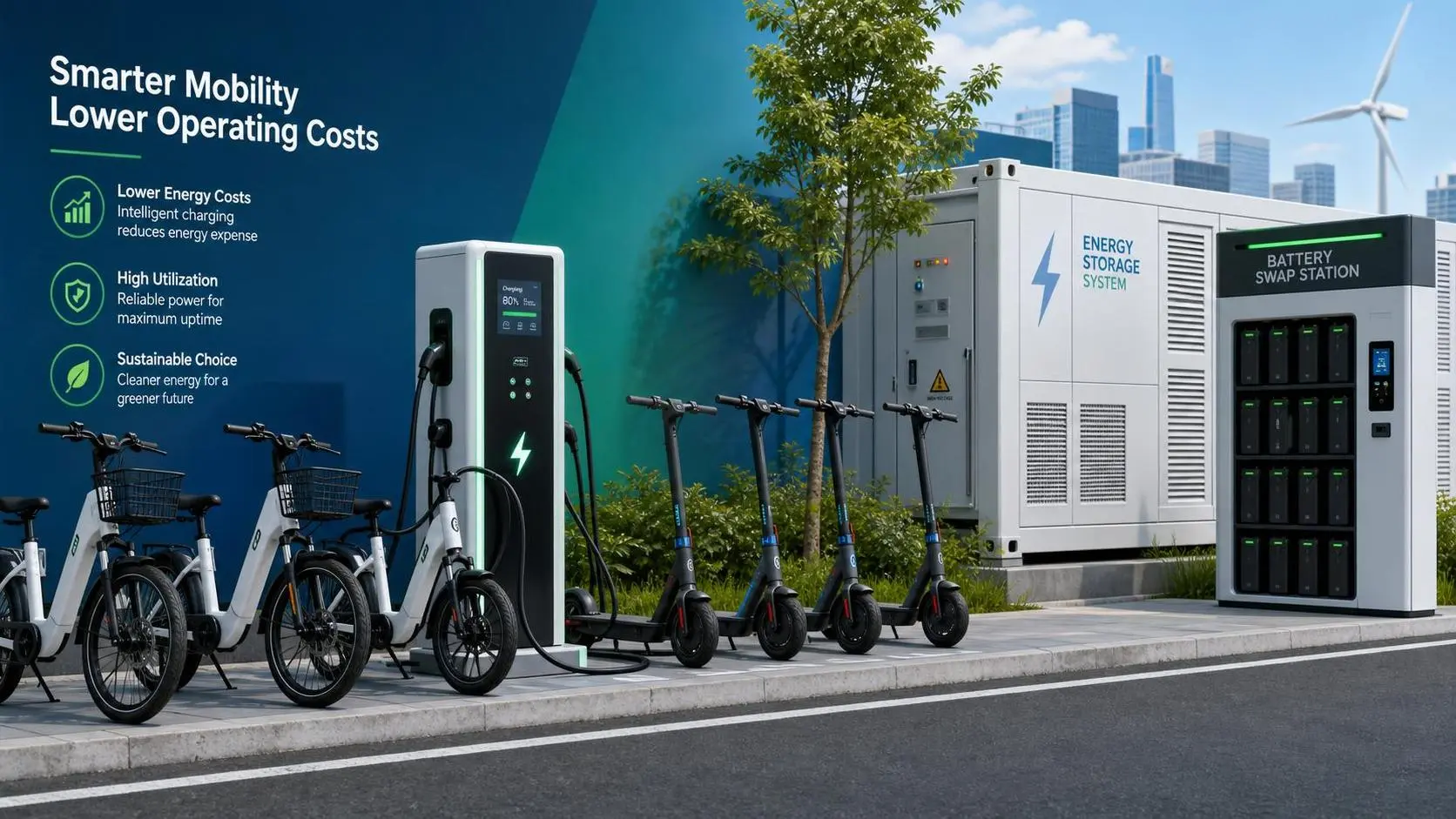
Electric Mobility Challenges Explained: Grid Limits, Charging Access, and TCO
Electric mobility challenges explained: discover how grid limits, charging access, and TCO shape EV adoption, fleet uptime, and smarter micro-mobility growth strategies.
Two Wheeler Electrification Trends: What Is Driving Adoption in Urban Mobility?
Two wheeler electrification trends are reshaping urban mobility through smarter batteries, supportive policy, and flexible transport. Explore what is driving adoption now.
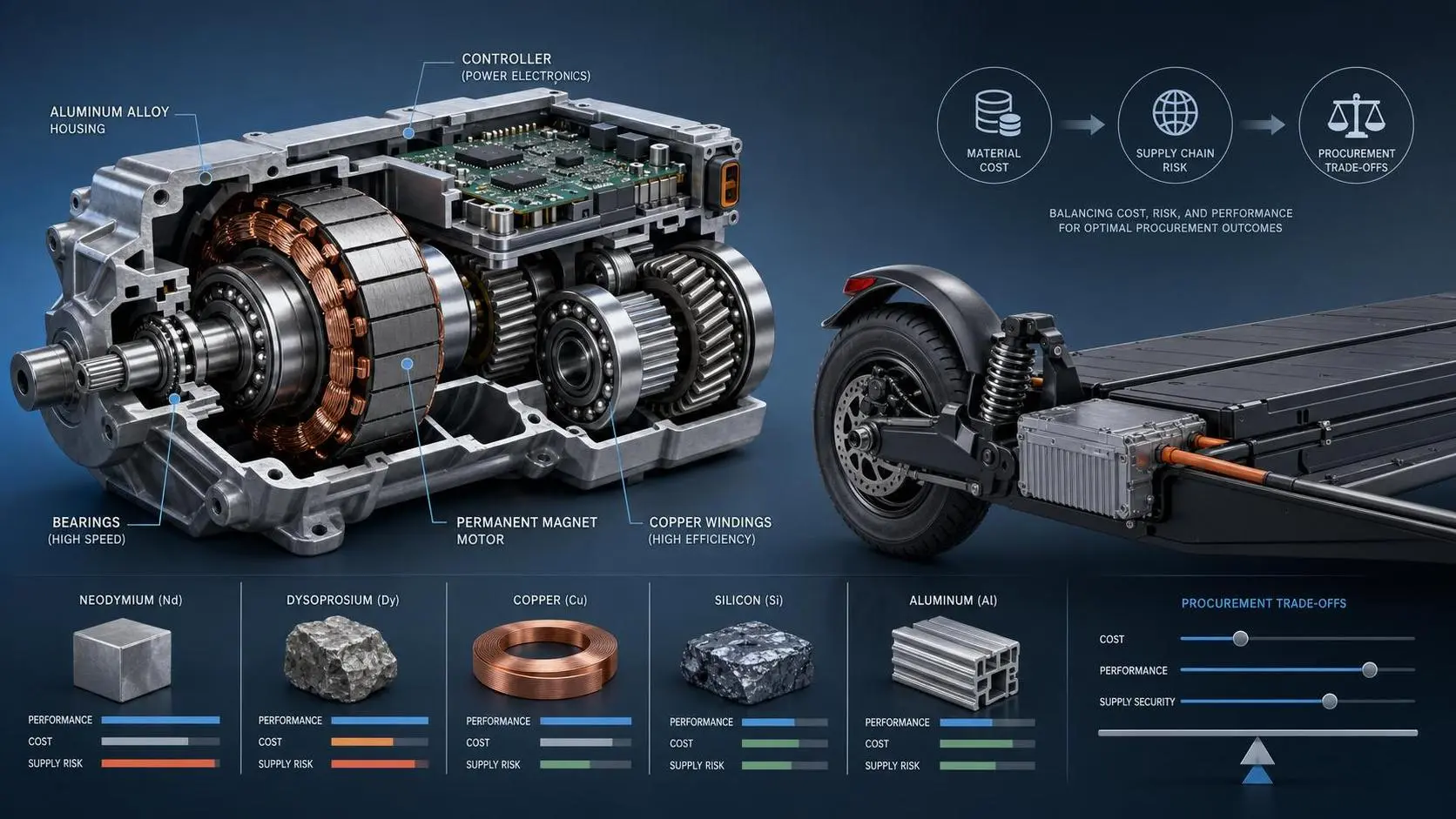
Electric Torque Market Price Drivers: Materials, Supply Risk, and Sourcing Trade-Offs
Electric torque market pricing depends on magnets, copper, controllers, and supply risk. Learn how sourcing trade-offs affect cost, reliability, and long-term value.
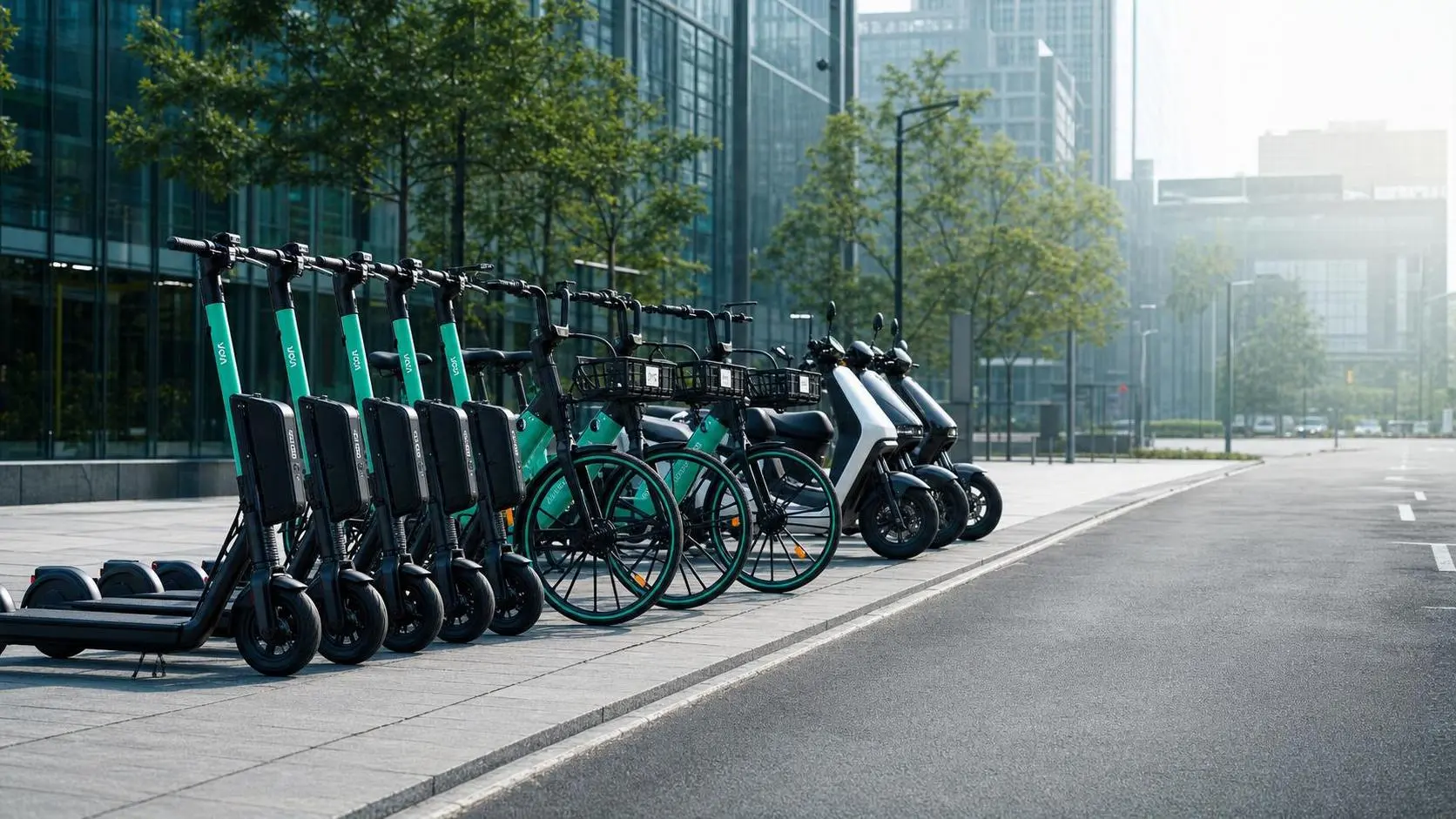
Micro Mobility Report: Which Metrics Matter Most for City Fleet Planning
Micro mobility report insights for city fleet planning: discover the key metrics behind uptime, battery efficiency, safety, and demand to build smarter, scalable urban mobility systems.
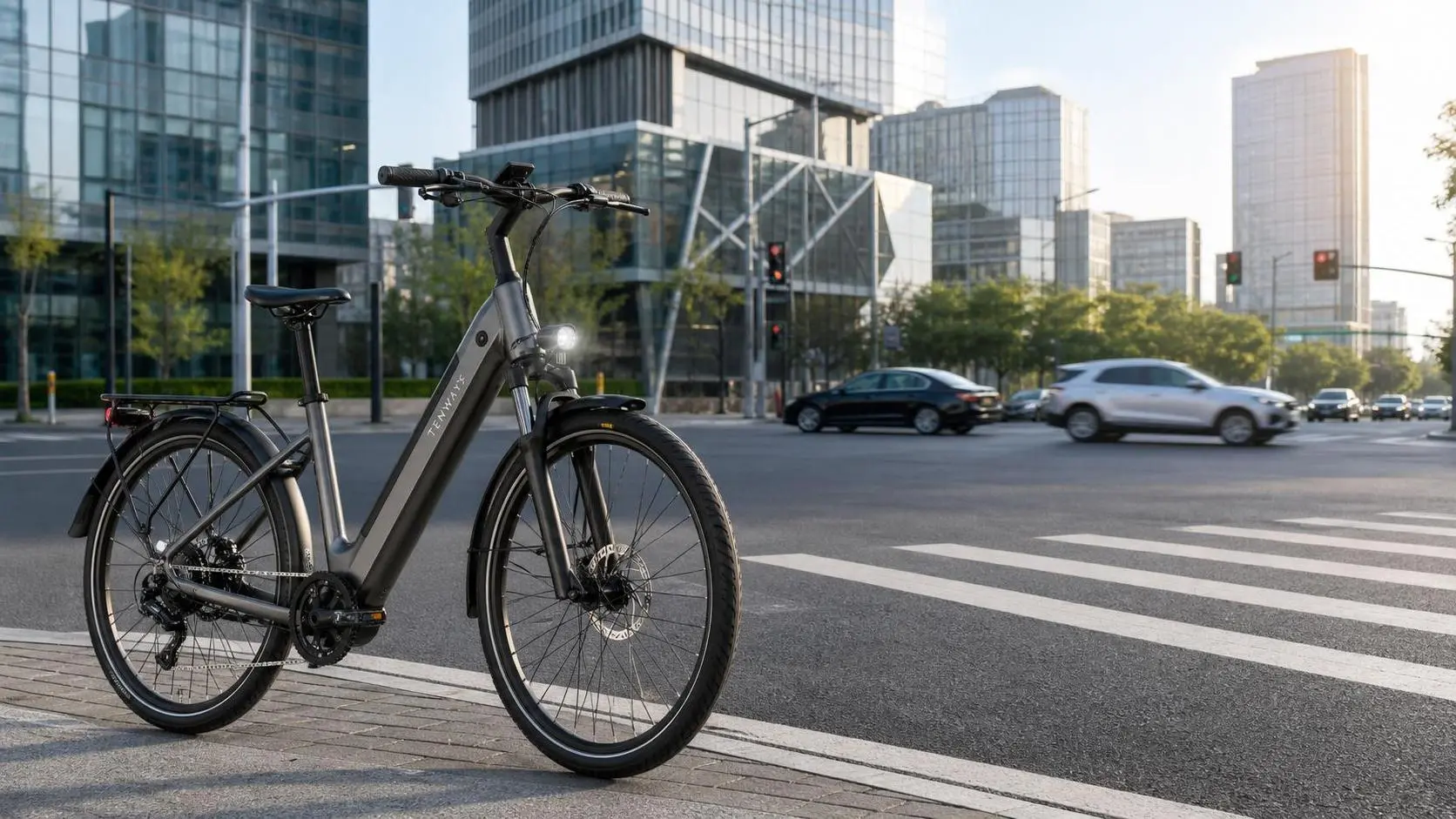
Urban Congestion E-Bike Solutions: What to Look for in Stop-and-Go City Commuting
Urban congestion ebike buying guide for stop-and-go city commuting. Discover smooth power, reliable braking, battery efficiency, and practical comfort for safer, smarter daily rides.
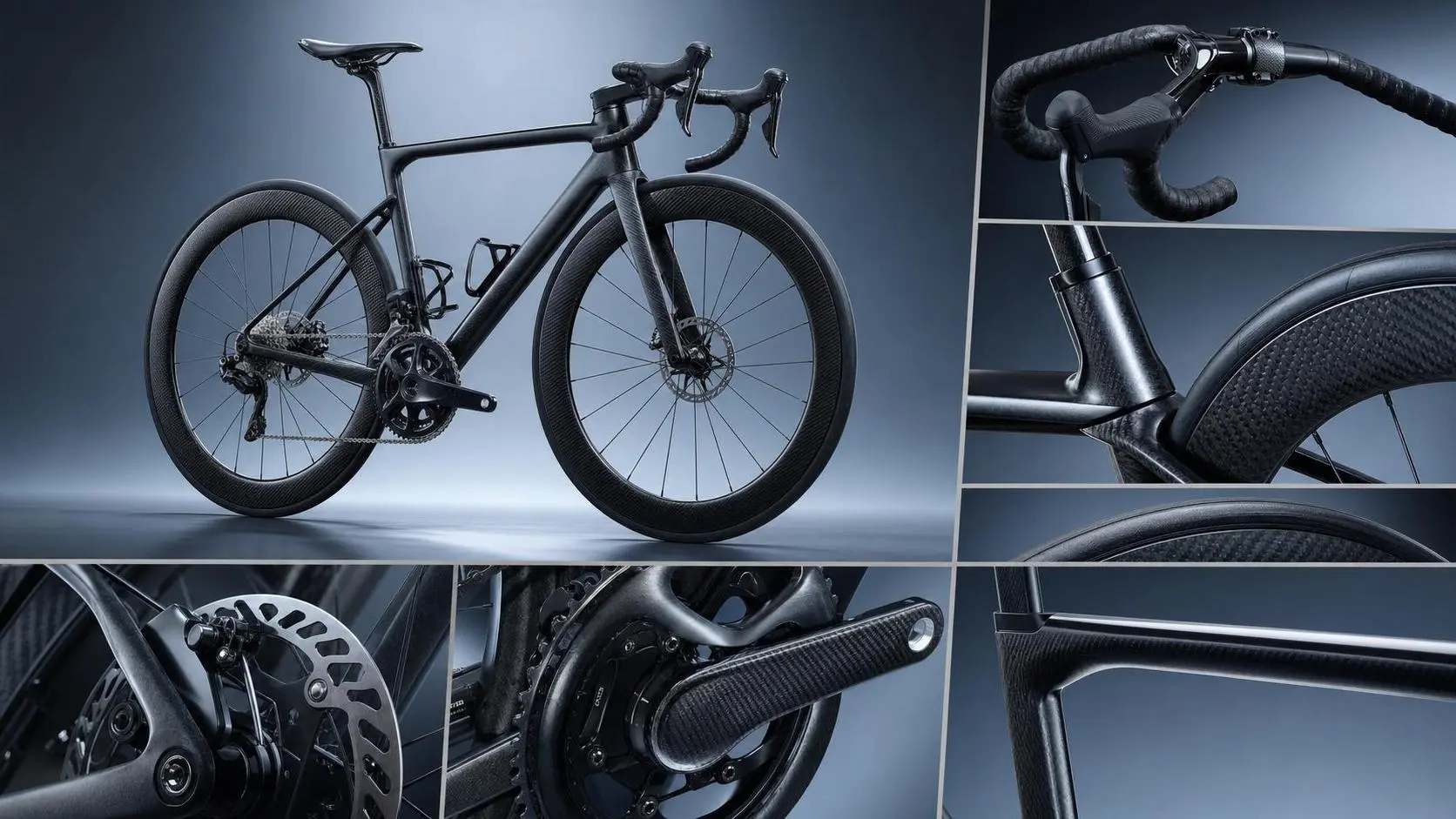
How Carbon Bicycle Components Affect Weight, Stiffness, and Ride Feel
Carbon bicycle components affect weight, stiffness, and ride feel in measurable ways. Learn how smart carbon design improves performance, comfort, and control before you upgrade.
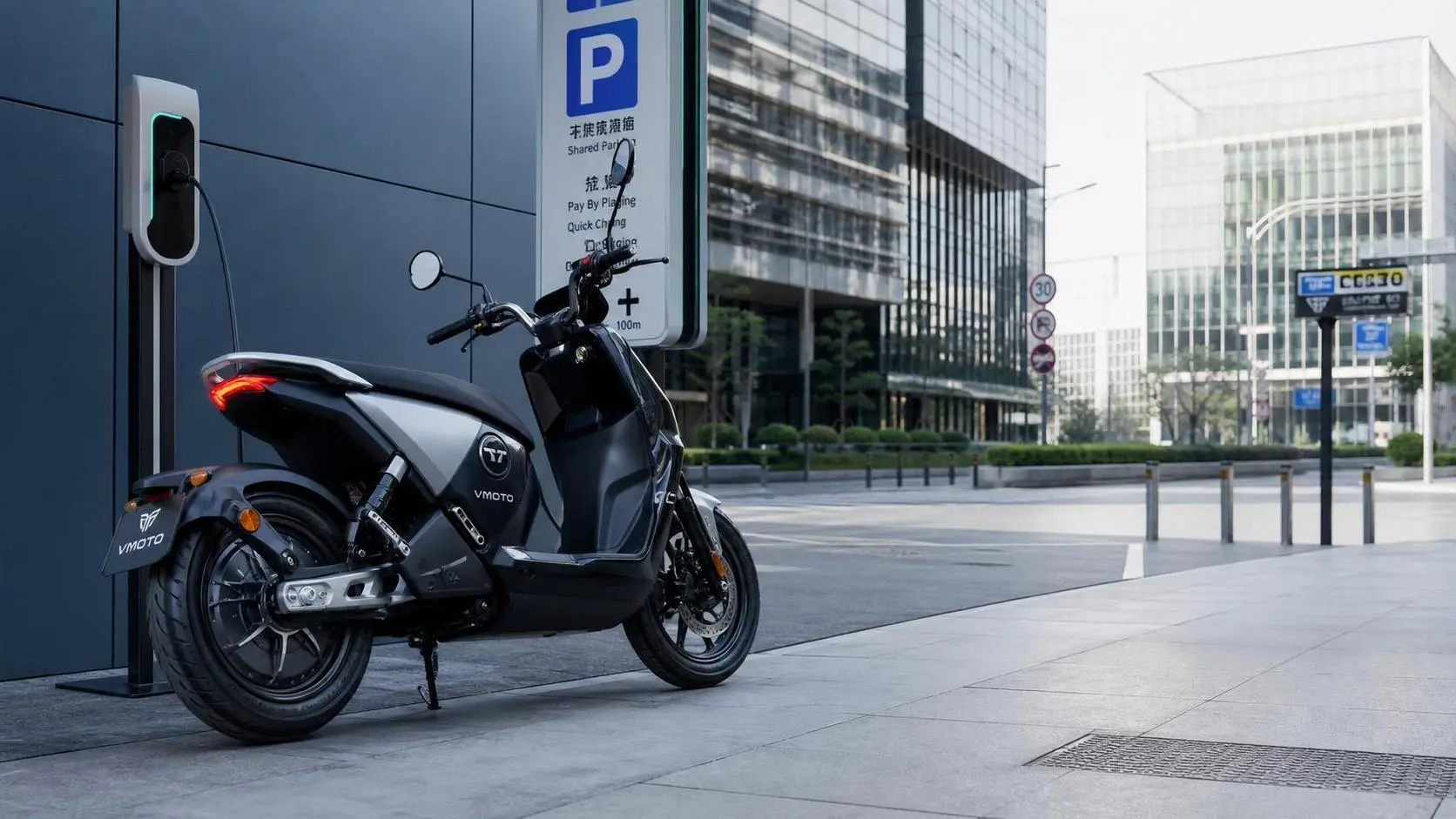
Urban Electric Motorcycle Buying Guide: Range, Top Speed, Licensing, and Daily Use
Urban electric motorcycle buying guide covering real range, top speed, licensing, charging, and daily use. Compare smarter, avoid costly mistakes, and choose the right city ride.