
Related News
- 00
0000-00
Micro Mobility Report: Which Metrics Matter Most for City Fleet Planning - 00
0000-00
Common Scooter Battery Issues and How to Troubleshoot Range Drop, Heat, and Charging Faults - 00
0000-00
How Battery-Swapping Networks Work for Shared Fleet Scooters - 00
0000-00
Shared Scooters Supplier Checklist: What to Compare Before Fleet Procurement - 00
0000-00
How to Choose Urban Mobility Devices for Shared Use, Campus Travel, or Delivery
Urban Transit Fellow
Weekly Insights
Stay ahead with our curated technology reports delivered every Monday.
Micro Mobility Report: Which Metrics Matter Most for City Fleet Planning





A useful micro mobility report does more than count trips. It connects fleet behavior, technical performance, and city demand into decisions that shape vehicle mix, charging strategy, service coverage, and long-term operating discipline.
That matters now because urban mobility is under pressure from congestion, decarbonization targets, safety expectations, and tighter public scrutiny. In this environment, cities and operators need evidence that goes beyond headline growth.
For e-bikes, smart e-scooters, and high-speed electric two-wheelers, the right metrics reveal whether a fleet is truly reliable, efficient, and scalable. They also show where engineering attention and policy coordination should happen next.
Why the modern micro mobility report has become a planning tool
Micro-mobility systems now sit at the intersection of transport planning, connected hardware, battery management, and public infrastructure. A report built for city fleet planning must reflect that broader reality.
Ridership still matters, but it is only one layer. A fleet can show strong trip numbers while suffering from poor battery health, uneven deployment, excessive downtime, or maintenance bottlenecks.
This is why intelligence-led platforms such as UMMS have growing relevance. Their value is not limited to market headlines. They help connect technical signals, policy movement, and commercial patterns across the last-mile ecosystem.
That perspective is especially useful when comparing shared scooters, commuter e-bikes, cargo variants, and faster electric motorcycles. Each category behaves differently in wear, charge cycles, route demand, and safety exposure.
The metrics that deserve the closest attention
A high-quality micro mobility report should focus on metrics that explain service quality and operational sustainability together. The table below highlights the indicators that usually matter most.
These indicators work best together. Looking at a single number in isolation often leads to the wrong conclusion. High utilization, for example, may look positive until maintenance delays begin reducing uptime.
Uptime is the clearest operational truth
If vehicles are not available, demand forecasts lose value. Uptime captures the combined effect of hardware durability, field service speed, spare part access, and charging or swapping efficiency.
For connected scooters and e-bikes, uptime also depends on sensors, telematics, locks, and firmware stability. Small electronic failures can create large service gaps when fleets scale quickly.
Battery data is no longer a technical side note
Battery efficiency tells planners whether range assumptions match real street conditions. Hills, temperature, stop frequency, rider weight, and riding mode all influence useful output.
For high-speed e-motorcycles, thermal behavior becomes even more important. For shared fleets, battery aging trends often determine replacement timing more accurately than calendar age alone.
What the numbers mean in real fleet scenarios
A practical micro mobility report should distinguish between use cases. The same metric can carry different planning implications depending on vehicle type and urban context.
Shared e-scooter networks
These fleets depend heavily on short turnaround times, geofencing accuracy, and balanced distribution. Utilization and route density are especially valuable because oversupply can quickly erode economics.
Safety metrics matter here too, not only for crash analysis, but also for braking response, wheel wear, lighting performance, and visibility in bad weather.
Urban e-bike programs
E-bike fleets often serve commuter corridors and mixed recreational demand. Reports should compare assist mode usage, motor efficiency, battery swap frequency, and seasonal route patterns.
Mechanical reliability remains important. Drivetrain wear, derailleur accuracy, and braking consistency shape service quality just as much as app-based booking data.
Fast electric two-wheelers
Higher speeds increase the importance of torque management, battery cooling, brake durability, and safety compliance. Here, a micro mobility report must bridge engineering detail and urban policy.
Battery-swapping performance, charging infrastructure stress, and fault prediction become central planning variables when fleets move beyond low-speed urban sharing models.
How industry intelligence improves metric selection
Not every city needs the same dashboard. The best reporting structure reflects local regulation, street design, climate exposure, and the maturity of the operating model.
This is where broader intelligence makes a difference. UMMS tracks subsidy policy, right-of-way rules, electric drivetrain evolution, battery logic, and connected vehicle behavior across multiple product segments.
That wider lens helps explain why a metric is rising or falling. A decline in uptime might come from battery sourcing changes, firmware issues, weather conditions, or a revised maintenance interval.
The same intelligence can also identify upcoming risks. Examples include anti-interference challenges in wireless shifting systems, thermal management pressure in powerful e-motorcycles, or stricter safety expectations for visibility systems.
Common mistakes in city fleet planning
Many planning errors start with incomplete interpretation rather than missing data. A strong micro mobility report reduces that risk by forcing comparison between technical, operational, and user-side indicators.
- Treating ridership growth as proof of network health without checking uptime and battery decline.
- Using average trip distance alone, which often hides peak corridor pressure and underused zones.
- Ignoring maintenance cycle time until vehicle shortages appear during seasonal demand spikes.
- Viewing safety only through accidents, not through component reliability and environmental exposure.
- Applying the same targets to e-bikes, scooters, and faster electric platforms.
Usually, the more durable approach is to define a small group of primary metrics, then add category-specific technical indicators around them. That keeps reporting focused without losing engineering depth.
A practical way to read the report and act on it
Start with three questions. Is the fleet available when needed? Is energy being used efficiently? Is service quality improving without hidden maintenance or safety trade-offs?
Then compare metrics across time, geography, and vehicle category. Trend direction matters more than a single reporting period, especially in systems affected by weather, tourism, and policy shifts.
It also helps to link each metric to a decision path. If route density rises, rebalance fleet placement. If battery loss accelerates, review charging logic, thermal controls, and replacement thresholds.
A well-built micro mobility report should support those actions directly. It should not remain a passive archive of dashboards and disconnected performance snapshots.
Where to focus next
As fleets expand, the most useful reports will blend city operations with component-level understanding. That includes drivetrain behavior, battery management, connected sensing, and weather-related safety performance.
The next step is usually not adding more data. It is choosing the few metrics that best explain network resilience, then validating them against field reality and local policy constraints.
For any team refining fleet strategy, a sharper micro mobility report provides a better starting point than broad assumptions. It helps turn urban mobility ambition into measurable, defensible planning decisions.
Related News
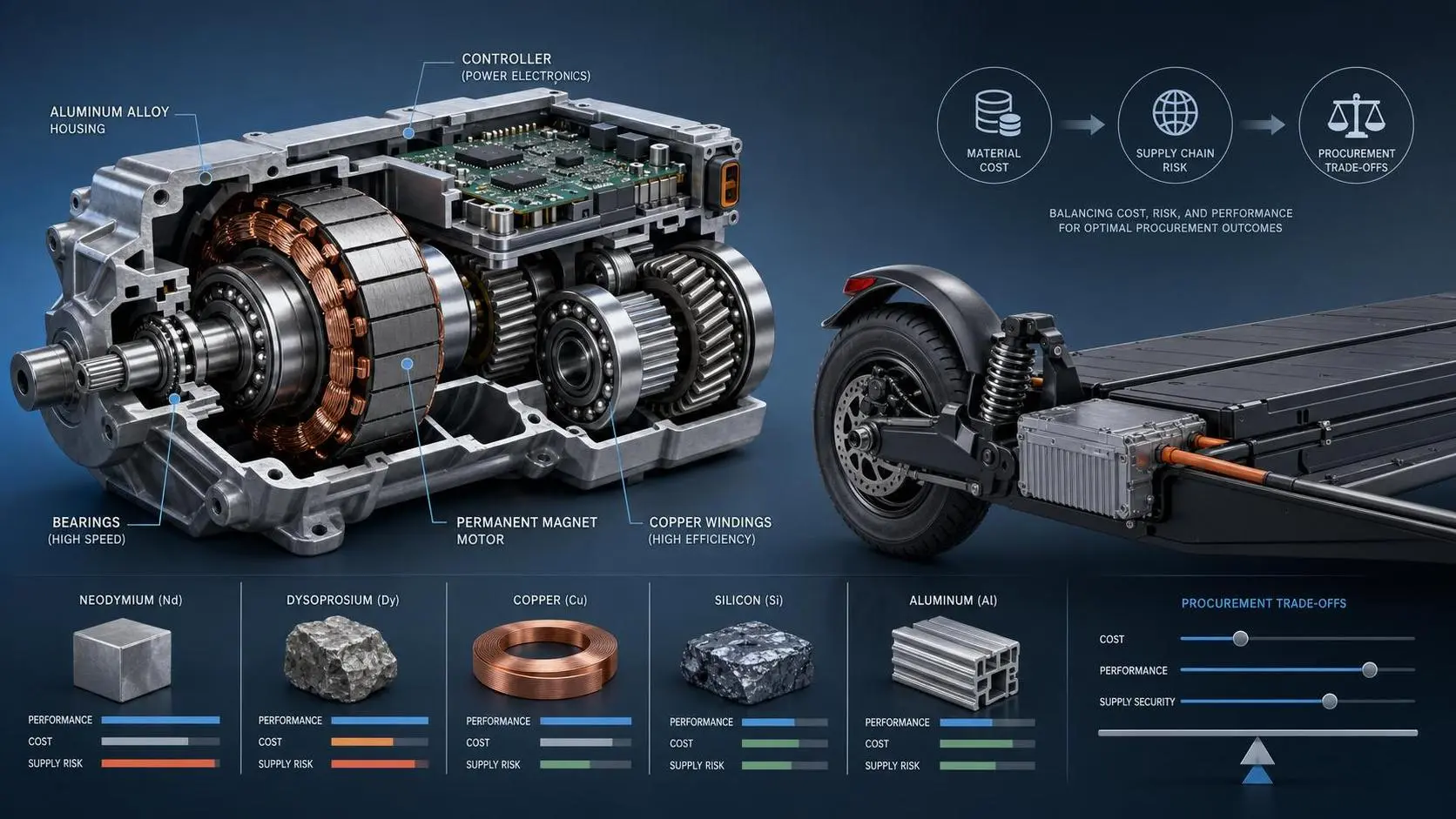
Electric Torque Market Price Drivers: Materials, Supply Risk, and Sourcing Trade-Offs
Electric torque market pricing depends on magnets, copper, controllers, and supply risk. Learn how sourcing trade-offs affect cost, reliability, and long-term value.
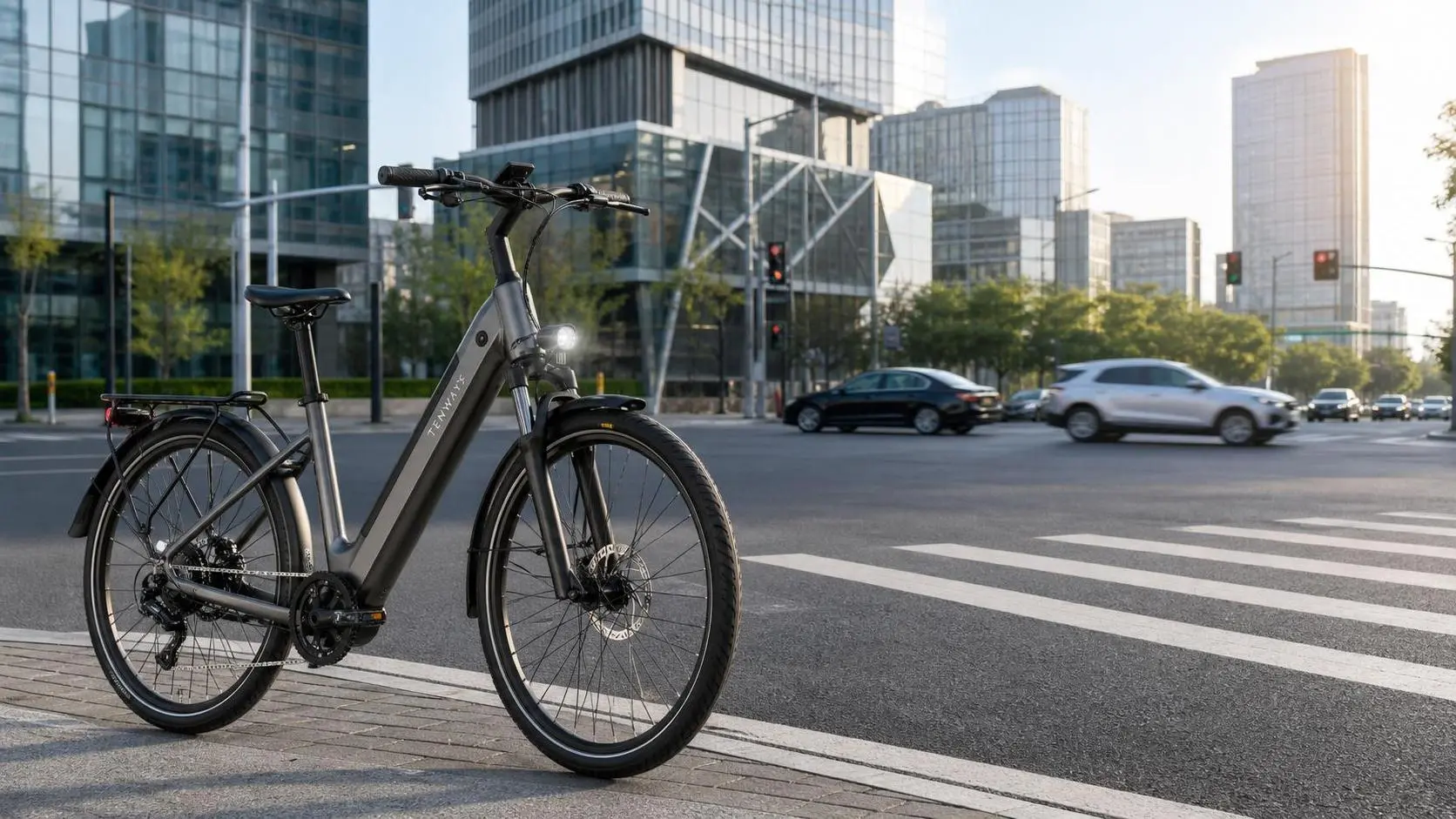
Urban Congestion E-Bike Solutions: What to Look for in Stop-and-Go City Commuting
Urban congestion ebike buying guide for stop-and-go city commuting. Discover smooth power, reliable braking, battery efficiency, and practical comfort for safer, smarter daily rides.
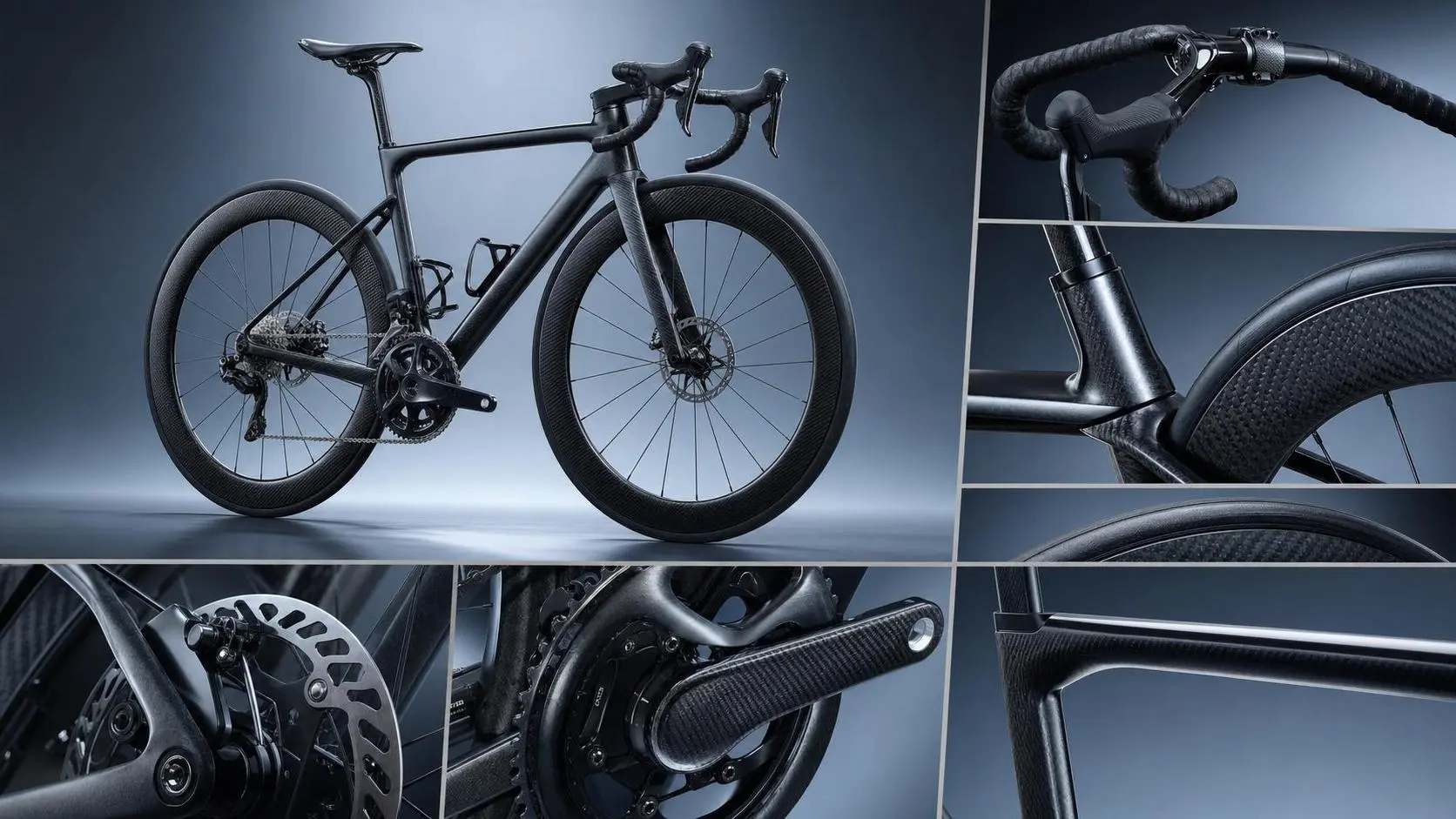
How Carbon Bicycle Components Affect Weight, Stiffness, and Ride Feel
Carbon bicycle components affect weight, stiffness, and ride feel in measurable ways. Learn how smart carbon design improves performance, comfort, and control before you upgrade.

Urban Electric Motorcycle Buying Guide: Range, Top Speed, Licensing, and Daily Use
Urban electric motorcycle buying guide covering real range, top speed, licensing, charging, and daily use. Compare smarter, avoid costly mistakes, and choose the right city ride.
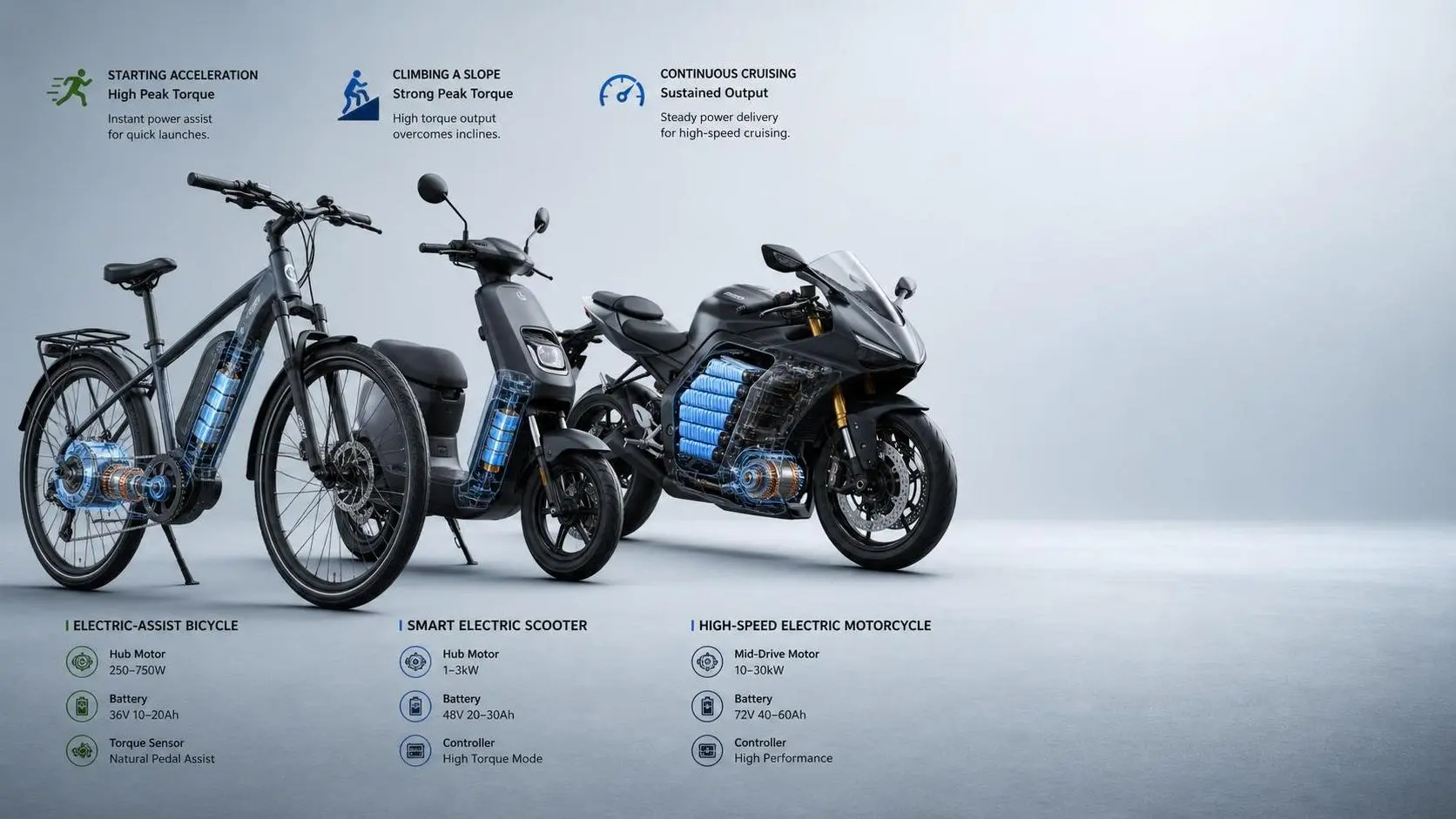
Electric Torque Trends in E-Mobility: How Peak vs Continuous Output Affects Ride Performance
Electric torque trends reveal how peak vs continuous output shapes e-bike, e-scooter, and e-motorcycle performance. Learn what truly improves daily ride quality.
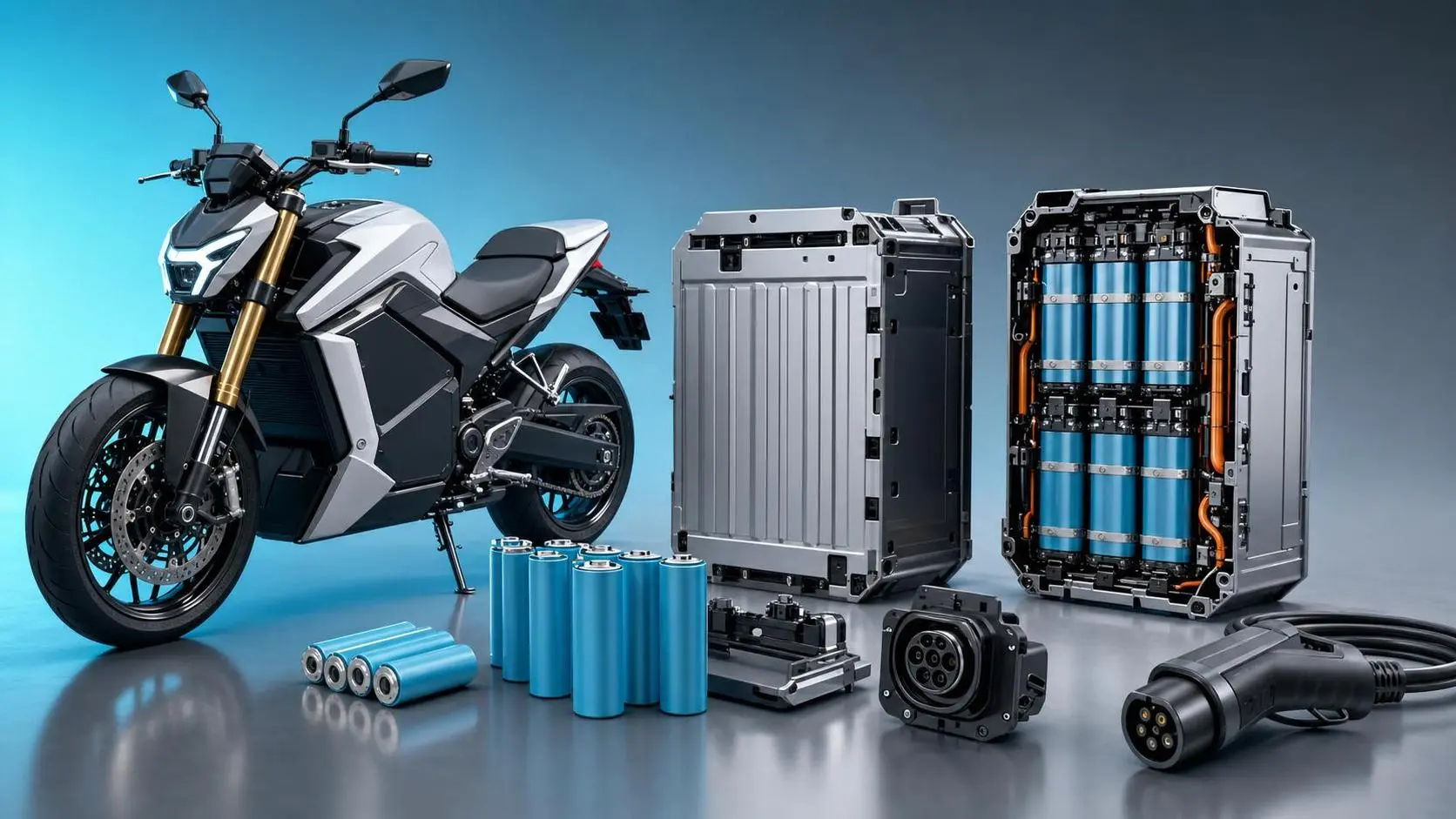
Electric Motorcycle Battery Trends: Cell Chemistry, Fast Charging, and Pack Design Shifts
Electric motorcycle battery trends are redefining range, fast charging, and pack design. Explore how chemistry choices, thermal control, and modular architecture shape safer, smarter, longer-lasting e-motorcycles.

Electric Two-Wheeler Market Size Explained: What Drives Growth by Region and Vehicle Type
Electric two-wheeler market size explained through regional trends, vehicle types, and hidden growth drivers. Discover where demand, margins, and mobility opportunities are rising.

Derailleur Hanger Bent? How to Diagnose Shifting Problems and Decide on Repair or Replacement
Derailleur hanger bent? Learn the key shifting symptoms, how to confirm misalignment, and when repair or replacement is the smarter fix for reliable riding.

Carbon Neutrality Transport Strategy: 6 Levers That Cut Emissions Across Urban Fleets
Carbon neutrality transport strategy for urban fleets: discover 6 practical levers to cut emissions, lower operating costs, improve routing, and scale cleaner mobility faster.