
Related News
- 00
0000-00
Battery Swapping in China vs Charging: Which Model Fits Shared Scooter Fleets? - 00
0000-00
Thermal Management for Swappable Battery Scooters: Key Design Factors to Compare - 00
0000-00
Battery-Swapping Networks for Motorcycles: Key Cost Drivers and Deployment Models - 00
0000-00
Battery Swapping Cost Breakdown: Station CapEx, Pack Pricing, and Operating Fees - 00
0000-00
Battery Swapping vs Fast Charging: Which Lowers Fleet Downtime and Operating Costs?
Electric Powertrain Analyst
Weekly Insights
Stay ahead with our curated technology reports delivered every Monday.
Battery Swapping in China vs Charging: Which Model Fits Shared Scooter Fleets?





For shared scooter fleets, the real choice is rarely a simple contest between plugs and packs. The more useful comparison is operational: which energy model protects uptime, controls field work, supports safety, and still scales across dense cities. That is why the debate around battery swapping China versus fixed charging now matters far beyond local pilots. It has become a working reference point for urban micro-mobility programs evaluating fleet productivity, battery logistics, and long-term network design.
Why this comparison matters now
Shared scooter economics have tightened. Hardware costs remain important, but idle vehicles, poor charging discipline, and uneven demand distribution often create larger losses than battery price alone.
At the same time, cities expect cleaner streets, safer devices, and fewer sidewalk interventions. Energy operations now sit at the center of compliance, maintenance planning, and service quality.
In this setting, battery swapping China attracts attention because it combines dense urban demand, mature two-wheeler supply chains, and practical experience with swappable battery ecosystems.
For a portal like UMMS, which tracks smart e-scooters, electric powertrains, and battery management logic, the issue is not theoretical. It connects directly to the larger shift toward intelligent, low-carbon two-wheeler mobility.
Two models, two different operating logics
Conventional charging keeps the battery on the vehicle or brings the vehicle to a charging point. The system is familiar, simple to explain, and often easier to launch in small fleets.
Battery swapping separates energy replenishment from vehicle parking time. A depleted pack is replaced with a charged one, either by field teams or through swap cabinets and structured service routes.
That difference changes almost everything. Charging is infrastructure-light at first, but vehicle downtime is longer. Swapping reduces downtime, yet it needs tighter battery standardization and more disciplined asset control.
In practice, neither model is universally better. The right fit depends on fleet density, city geography, labor costs, theft risk, battery architecture, and software maturity.
A quick operational comparison
What battery swapping China gets right
The strength of battery swapping China is not only speed at the cabinet. It is the surrounding system: standardized packs, local component ecosystems, dense service networks, and software that links battery state to dispatch decisions.
Chinese urban mobility markets also operate at a scale that exposes operational weaknesses quickly. If battery traceability, thermal control, or field routing fail, the effects show up immediately in utilization and maintenance costs.
That pressure has pushed operators and suppliers toward better battery identification, tighter connector tolerances, and more structured charging back-end management. Those lessons are useful for scooter fleets elsewhere.
UMMS closely follows this layer of the market because swapping is not only an energy topic. It touches drivetrain integration, thermal management, IoT reliability, and the commercial reality of city-scale micro-mobility.
Why the China model draws global attention
- High urban density makes downtime more expensive and fast replenishment more valuable.
- Mature two-wheeler manufacturing lowers the friction of compatible battery design.
- Local regulation and fleet competition force stronger operational discipline.
- Data integration between vehicle, battery, and station is becoming standard rather than optional.
Where conventional charging still makes sense
Charging should not be dismissed as outdated. For many shared scooter programs, it remains the most practical starting point, especially when deployment zones are limited or battery formats are not yet stable.
If the fleet is small, usage peaks are moderate, and available parking already supports power access, fixed charging can be financially cleaner during the early phases of operation.
Charging may also be preferable when cities restrict battery handling in public areas or when the operator lacks enough battery analytics to manage a swap pool confidently.
The real weakness appears later. As fleet density rises, charging queues, overnight recovery pressure, and uneven battery aging can gradually reduce flexibility.
The decision is really about system design
Comparing battery swapping China with charging only at the hardware level misses the point. The stronger question is whether the wider operating system can support the chosen model without creating new bottlenecks.
A swap strategy needs more than extra batteries. It needs battery authentication, state-of-health tracking, station replenishment logic, connector durability, and incident response rules.
A charging strategy also needs discipline. It depends on charger reliability, safe parking patterns, balanced charging windows, and clear visibility into vehicles that are undercharged, blocked, or unavailable.
This is why fleet programs increasingly evaluate energy models alongside telematics, predictive maintenance, and route planning rather than as a standalone procurement choice.
Key evaluation points before choosing
- Daily rides per vehicle and the real cost of idle time.
- Battery standardization across scooter models and suppliers.
- Availability of safe charging space and local electrical capacity.
- Labor structure for collection, swapping, redistribution, and inspections.
- Ability to monitor battery health, thermal events, and abuse history.
- Regulatory limits on public cabinets, street operations, and fire safety.
Typical fleet scenarios and the better fit
A city-center fleet with strong daytime demand usually benefits more from swapping. The reason is simple: fast energy replenishment protects utilization during peak hours.
A campus or industrial-park fleet may do well with charging. Vehicle circulation is more predictable, and charging windows are easier to schedule around lower traffic periods.
A mixed urban network often lands between the two. In these cases, hybrid models can work well, with swapping in dense zones and charging in lower-turnover areas.
That hybrid approach is becoming more relevant as operators expand across districts with different power access, labor costs, and parking rules.
What deserves closer attention during implementation
Safety is the first filter. Swapping increases battery handling frequency, so pack casing integrity, connector wear, and clear exception management become critical.
Data quality comes next. Without accurate battery state-of-health data, a swap network may move weak packs faster instead of solving the root issue.
Standardization also matters more than many early plans assume. If multiple scooter variants use slightly different packs, operational efficiency can fall sharply.
Finally, labor assumptions should be tested against real route conditions. In battery swapping China, success often depends on disciplined field execution, not just impressive station counts.
A practical way to move from debate to decision
The useful next step is not to ask which model is globally superior. It is to map demand density, average ride cycles, battery architecture, and local regulation into one operating picture.
Then compare two or three realistic service designs, including labor routes, spare battery ratios, incident handling, and seasonal demand variation. That exercise usually reveals the better option quickly.
For teams using battery swapping China as a benchmark, the most transferable lesson is system discipline. Fast swaps matter, but standardized batteries, strong BMS visibility, and city-fit infrastructure matter more.
In fast-moving micro-mobility markets, the winning energy model is the one that keeps scooters available, batteries safe, and operational complexity under control as the fleet grows.
Related News
How to Use a Market Intelligence Report to Evaluate EV Two-Wheeler Opportunities
Market intelligence report insights for evaluating EV two-wheeler opportunities—compare e-bikes, e-scooters, and e-motorcycles by demand, policy, technology, and channel fit.
Green Scooter Demand: Which Buyer Segments and City Use Cases Are Growing Fast?
Green scooter demand is accelerating across urban commuters, shared fleets, campuses, and delivery routes. Discover the fastest-growing buyer segments and city use cases shaping the market.
Electric Mobility Challenges Explained: Grid Limits, Charging Access, and TCO
Electric mobility challenges explained: discover how grid limits, charging access, and TCO shape EV adoption, fleet uptime, and smarter micro-mobility growth strategies.
Two Wheeler Electrification Trends: What Is Driving Adoption in Urban Mobility?
Two wheeler electrification trends are reshaping urban mobility through smarter batteries, supportive policy, and flexible transport. Explore what is driving adoption now.
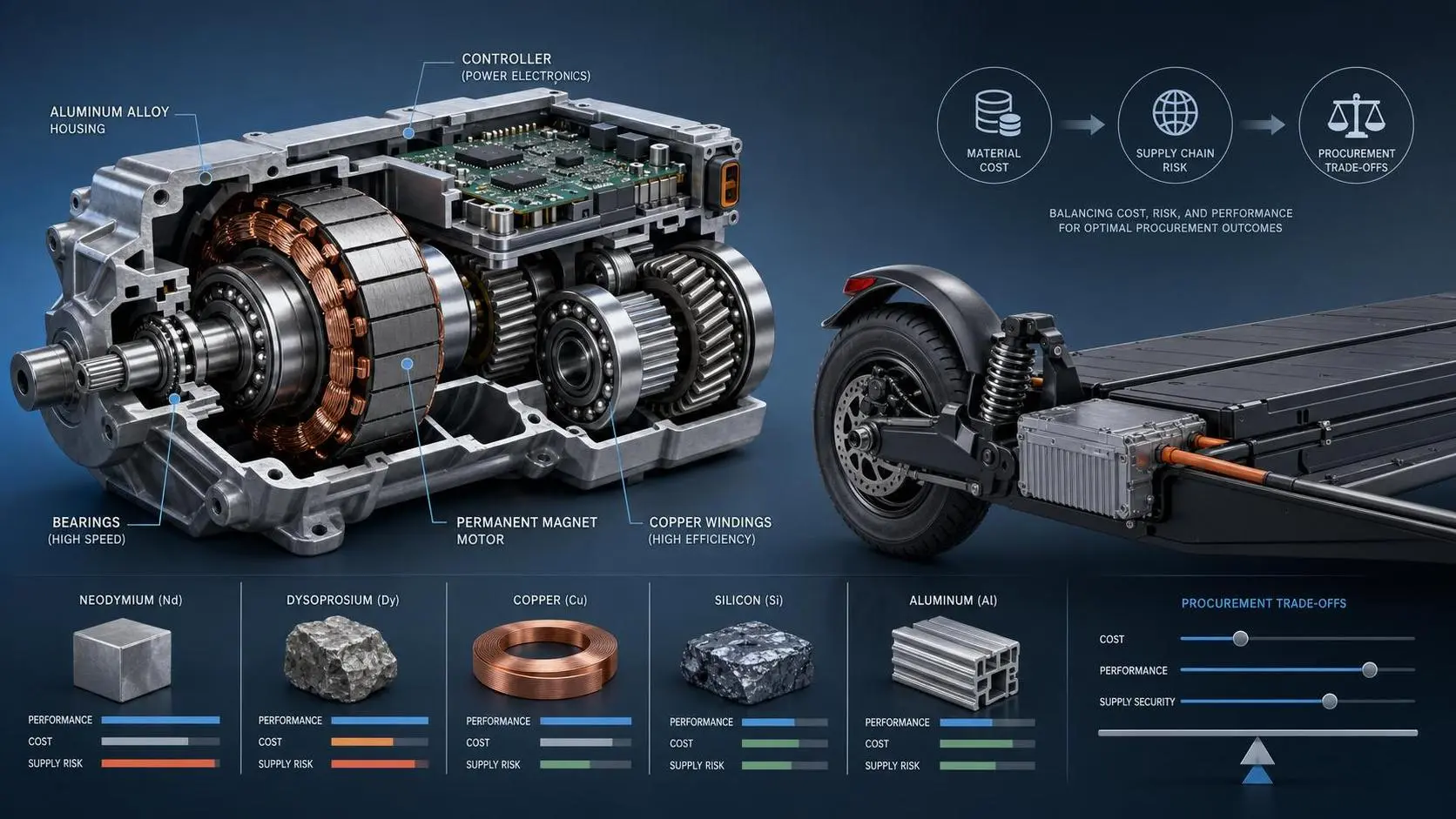
Electric Torque Market Price Drivers: Materials, Supply Risk, and Sourcing Trade-Offs
Electric torque market pricing depends on magnets, copper, controllers, and supply risk. Learn how sourcing trade-offs affect cost, reliability, and long-term value.
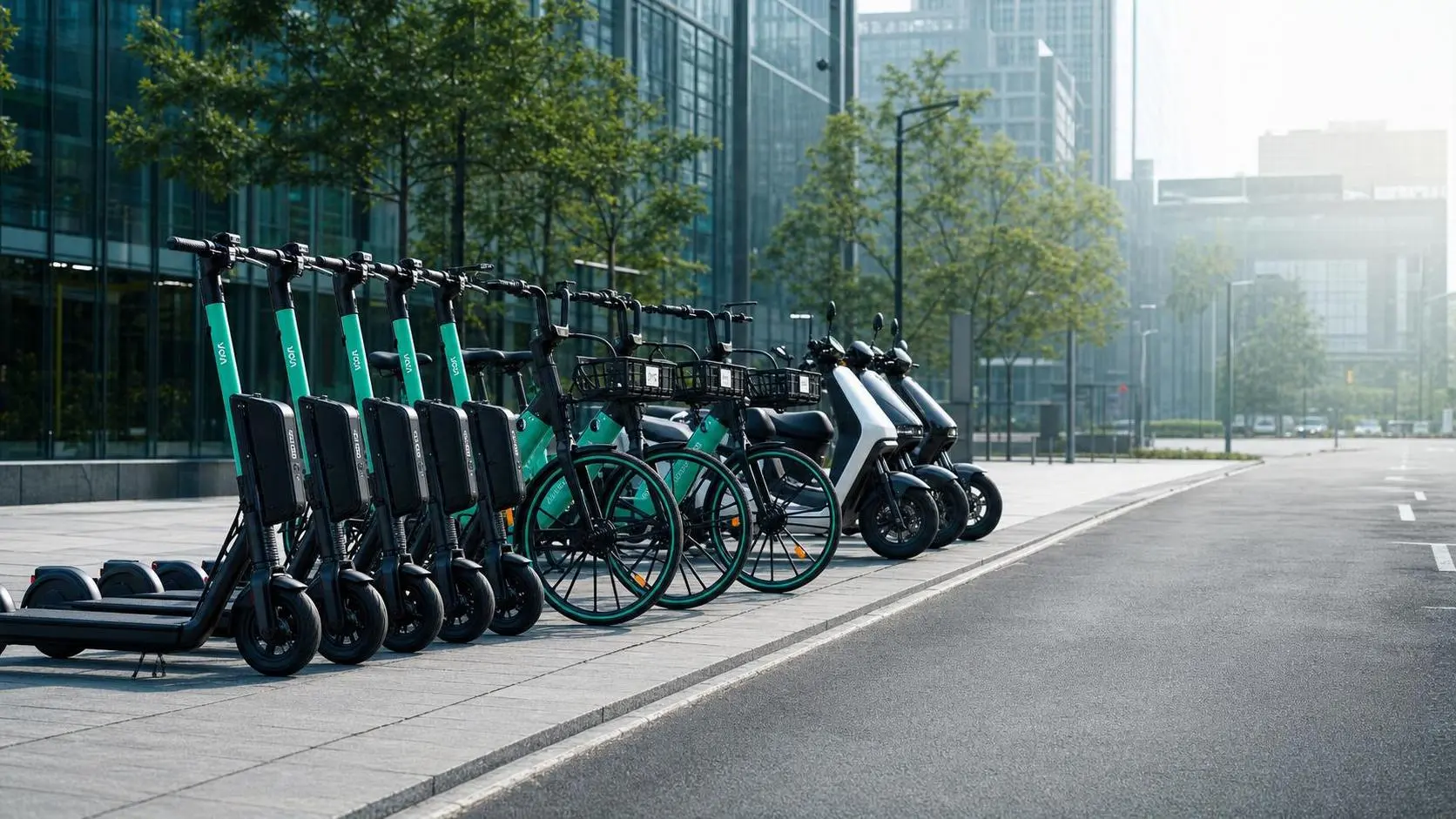
Micro Mobility Report: Which Metrics Matter Most for City Fleet Planning
Micro mobility report insights for city fleet planning: discover the key metrics behind uptime, battery efficiency, safety, and demand to build smarter, scalable urban mobility systems.
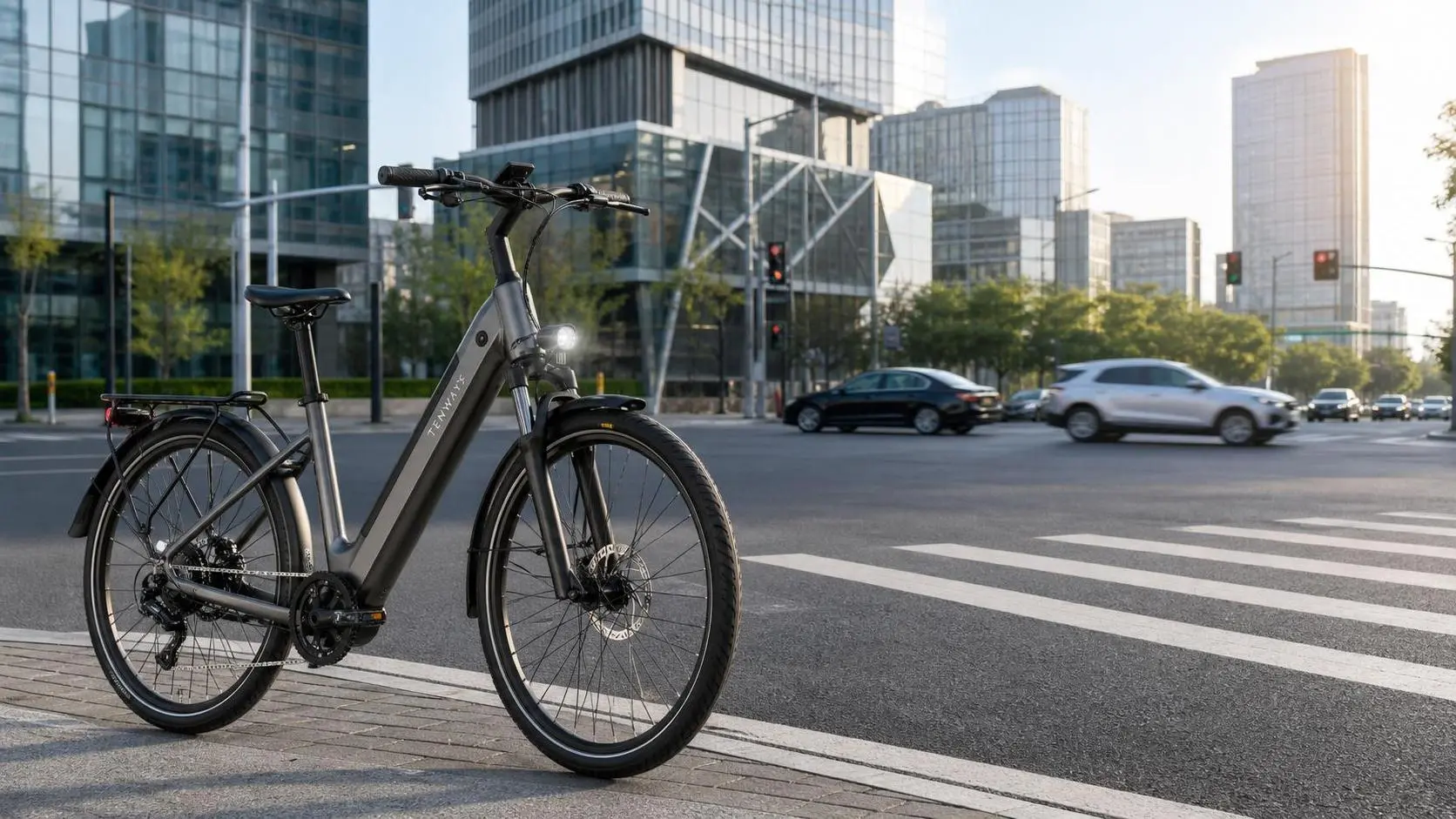
Urban Congestion E-Bike Solutions: What to Look for in Stop-and-Go City Commuting
Urban congestion ebike buying guide for stop-and-go city commuting. Discover smooth power, reliable braking, battery efficiency, and practical comfort for safer, smarter daily rides.

How Carbon Bicycle Components Affect Weight, Stiffness, and Ride Feel
Carbon bicycle components affect weight, stiffness, and ride feel in measurable ways. Learn how smart carbon design improves performance, comfort, and control before you upgrade.
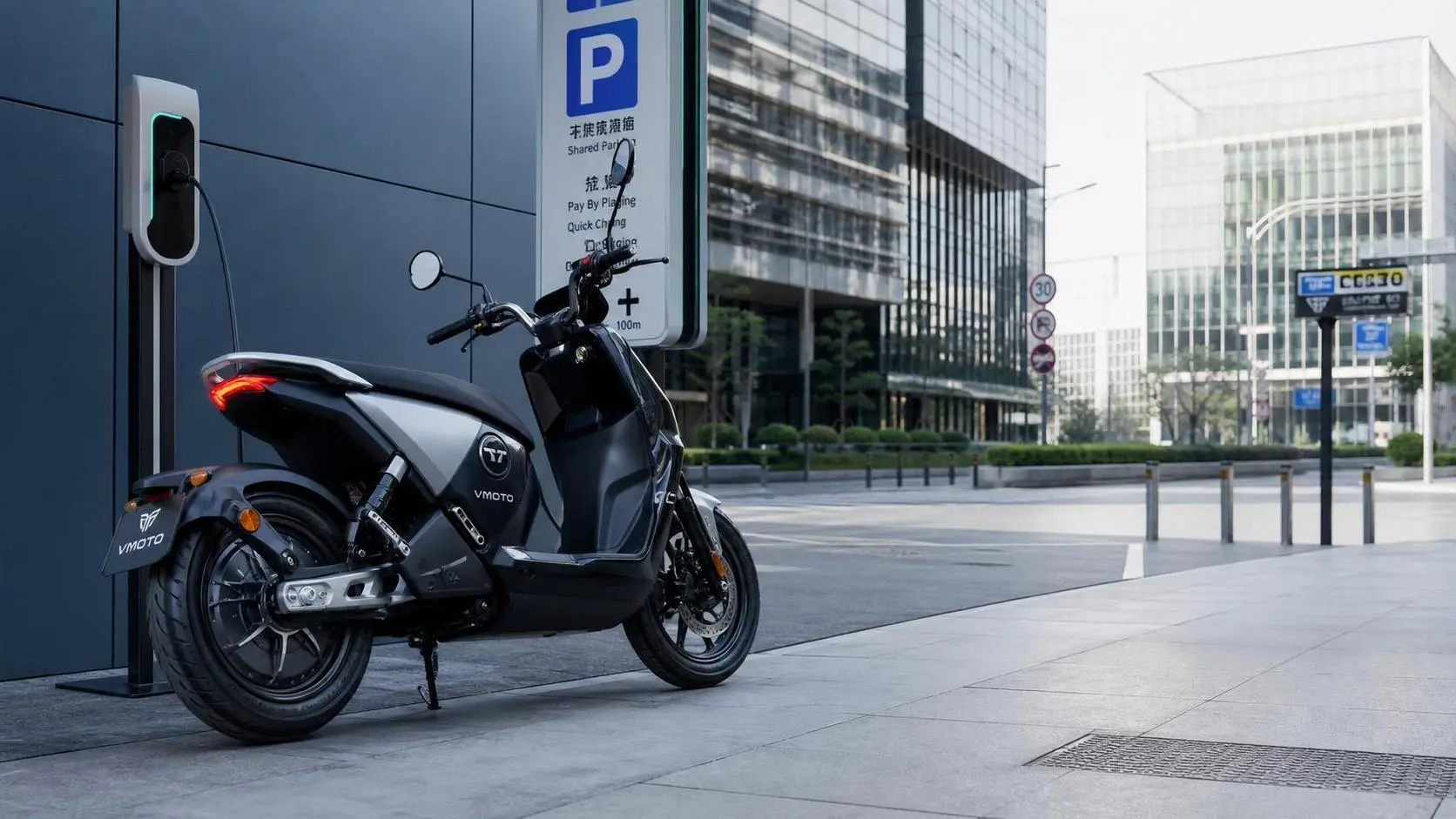
Urban Electric Motorcycle Buying Guide: Range, Top Speed, Licensing, and Daily Use
Urban electric motorcycle buying guide covering real range, top speed, licensing, charging, and daily use. Compare smarter, avoid costly mistakes, and choose the right city ride.