
Related News
- 00
0000-00
Urban Electric Vehicles Market Trends: Where Demand Is Rising Fastest - 00
0000-00
Can urban traffic innovation reduce commute delays? - 00
0000-00
Why the electric bike market looks different this year - 00
0000-00
Where the electric two-wheeler market is heading next - 00
0000-00
Micro-Mobility Industry Trends 2026: Where Regulation Hits Hardest
Dr. Alistair Vaughn
Weekly Insights
Stay ahead with our curated technology reports delivered every Monday.
Urban Electric Vehicles Market Trends: Where Demand Is Rising Fastest





Urban demand is accelerating, but not in a uniform way
The urban electric vehicles market is expanding under pressure from congestion, emissions targets, and changing commuter expectations.
What looks like one market is actually several demand waves moving at different speeds.
Dense cities are pulling ahead first, especially where public transit is crowded, parking is limited, and short daily trips dominate urban movement.
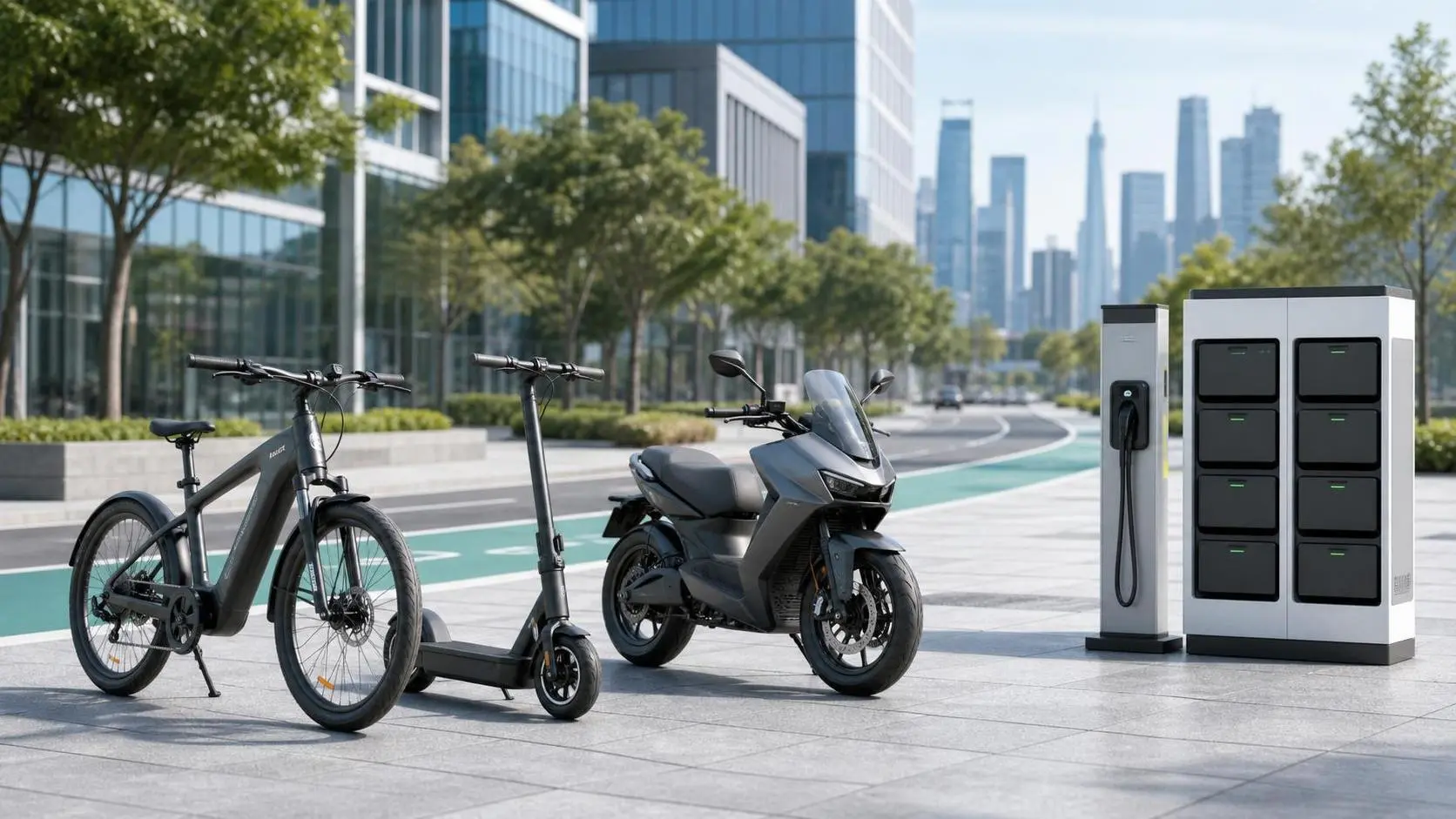
In those places, e-bikes, smart e-scooters, and compact electric two-wheelers are no longer niche alternatives.
They are becoming part of the everyday transport mix, alongside buses, subways, walking, and delivery fleets.
That shift matters because the urban electric vehicles market now depends less on novelty and more on real operating logic.
People adopt these vehicles when they save time, reduce uncertainty, and fit existing city behavior.
This is also why market observation has become more technical.
Platforms such as UMMS track not only demand headlines, but the systems underneath adoption.
Battery management, drivetrain efficiency, shared-use regulation, and component reliability now shape where demand rises fastest.
Where the strongest signals are appearing now
Recent growth in the urban electric vehicles market is strongest in metropolitan corridors with three visible characteristics.
- High trip density within five to fifteen kilometers.
- Policy support for low-emission mobility or restricted car access.
- A maturing service network for charging, parking, repair, or fleet management.
European cities remain a major demand center, especially for e-bikes used in commuting and light cargo movement.
Post-pandemic travel habits still support this segment because riders want flexibility without full car dependency.
In parts of Asia, the urban electric vehicles market is gaining speed through broader electrification familiarity and high two-wheeler acceptance.
There, compact electric motorcycles and scooters often scale faster because they match established riding behavior.
North American cities show a more mixed picture.
Demand is strongest in downtown zones and progressive suburbs, where bike lanes, campus ecosystems, and delivery services create repeated daily use.
The key insight is that demand follows practical urban friction.
Where road space is scarce and trip urgency is high, the urban electric vehicles market tends to move from interest to adoption faster.
Why this change is becoming more visible
Several forces are converging at once, and that is making the market shift easier to measure.
More notable still is the role of components and subsystems.
The urban electric vehicles market increasingly rewards reliability at the micro level.
That includes battery thermal behavior, motor efficiency, wireless shifting stability, and weather-related safety performance.
UMMS follows these details closely because adoption often rises where technical friction falls.
A smoother drivetrain or more predictable battery logic may not look dramatic, yet it changes rider confidence and fleet uptime.
Demand is splitting by use case, not just by vehicle type
One reason the urban electric vehicles market is evolving quickly is that use cases are becoming more distinct.
Commuting, delivery, leisure riding, and shared transport now create different performance expectations.
E-bikes are gaining where flexibility beats speed
E-bikes perform well in cities where riders combine bike lanes, transit access, and moderate daily distances.
Their appeal is not only sustainability.
It is the ability to avoid parking friction while still handling hills, weather shifts, and heavier loads.
Smart e-scooters are strongest in short, repeated urban loops
Shared and personal scooters grow where convenience matters more than range.
Their success depends heavily on parking rules, geofencing, charging turnover, and frame durability.
This is why software and municipal coordination matter as much as hardware.
High-speed e-motorcycles are rising where cities connect to wider urban belts
In larger metropolitan regions, demand is spreading beyond the city core.
High-speed electric motorcycles become more relevant when riders need longer range and stronger acceleration.
Battery swapping, thermal management, and charging access become decisive in these conditions.
The impact reaches deeper into the mobility value chain
The urban electric vehicles market is not only changing final vehicle demand.
It is also redistributing value across design, sourcing, infrastructure, and after-use service.
For component ecosystems, precision is becoming a growth condition.
Wireless electronic shifting, lightweight structures, brake responsiveness, and sensor reliability now influence commercial competitiveness.
Even adjacent systems such as advanced wiper technologies matter more in compact electric formats exposed to variable city weather.
For fleet operators and service networks, the pressure is different.
They need assets that stay active longer, recover faster from damage, and integrate with city rules.
This creates demand for intelligence layers, not just vehicles.
That is where UMMS holds strategic relevance, connecting mobility demand with technical and policy signals that often move together.
What deserves closer attention over the next phase
The next chapter of the urban electric vehicles market will likely be shaped less by headline adoption and more by quality of deployment.
- Watch whether subsidies are replaced by access advantages, parking privileges, or infrastructure priority.
- Track battery safety standards and thermal design expectations, especially for high-usage fleets.
- Compare cities where shared scooter regulation stabilizes against those where operating restrictions keep shifting.
- Follow component-level innovation, because drivetrain and control upgrades often unlock wider adoption indirectly.
- Assess whether mixed-mode commuting continues to expand, since that supports e-bikes and compact urban vehicles.
A useful reading of the market is to treat it as urban systems evolution rather than simple vehicle replacement.
Where city design, regulation, and technical reliability align, demand usually moves faster and stays more durable.
A practical way to read the market from here
The urban electric vehicles market is rising fastest in places where low-carbon policy meets everyday transport pressure.
That growth is strongest when vehicles fit real urban behavior, not when they simply look innovative.
From here, the most useful approach is to monitor three layers at once.
First, follow city-level access rules and infrastructure investments.
Second, compare how user demand differs across commuting, delivery, and regional mobility links.
Third, stay close to technical indicators such as energy efficiency, control systems, safety performance, and component resilience.
That is also the value of intelligence platforms like UMMS.
They help translate fragmented signals into a clearer view of where the urban electric vehicles market is genuinely gaining momentum next.
- e-bikes
- smart e-scooters
- high-speed e-motorcycles
- battery management
- wireless electronic shifting
- thermal management
- electric two-wheelers
- urban electric vehicles
- mobility value chain
- electronic shifting
- battery swapping
- electric motorcycles
- urban electric vehicles market
- wireless shifting
- high-speed electric motorcycles
Related News
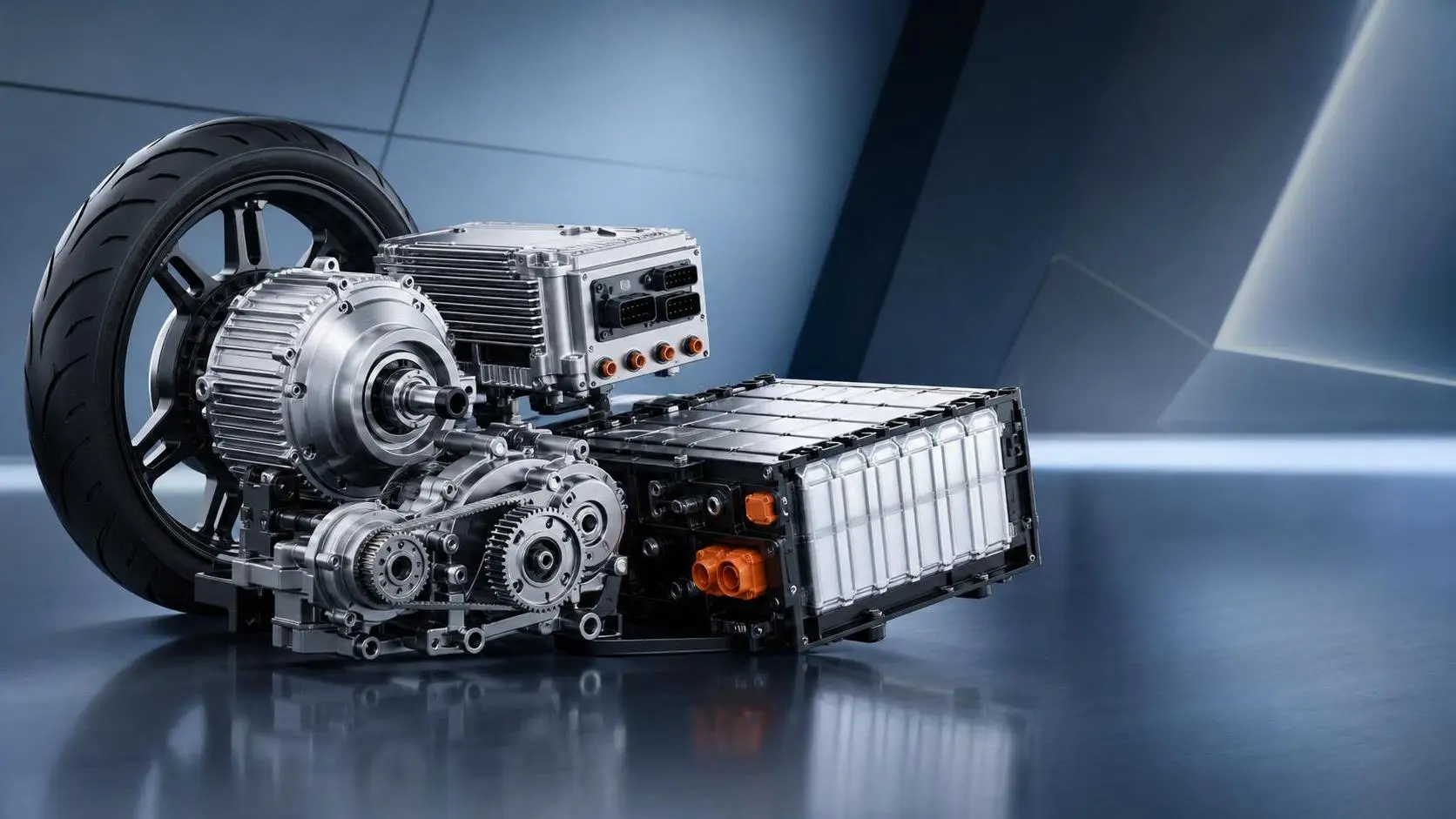
Electric Drivetrain Technology Explained: Motors, Controllers, and Efficiency
Electric drivetrain technology explained clearly: compare motors, controllers, thermal management, and efficiency to choose smarter, longer-lasting e-bike, e-scooter, and e-motorcycle systems.
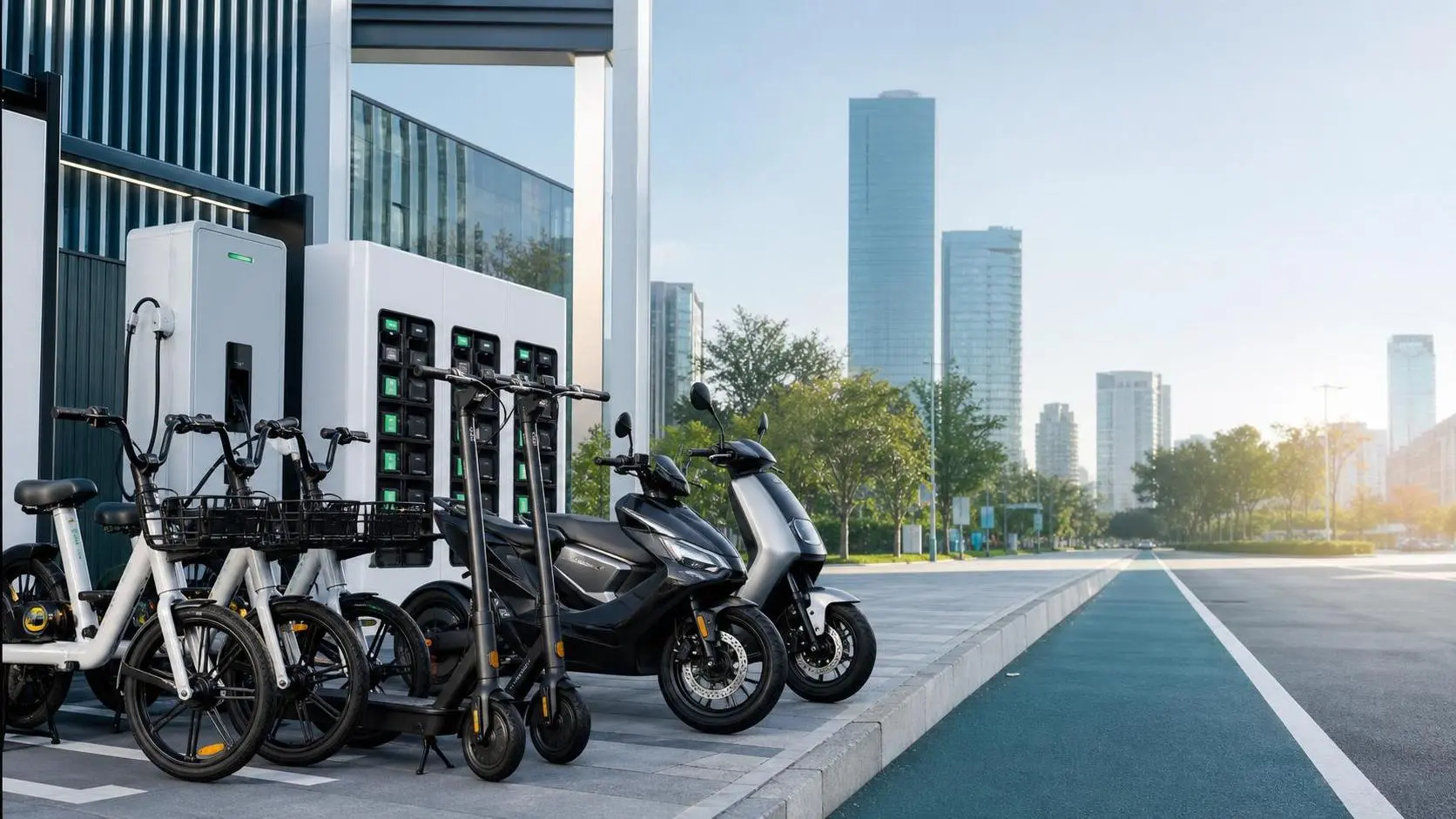
Urban Electric Vehicles Market: Key Growth Drivers and Adoption Challenges
Urban electric vehicles market trends, growth drivers, and adoption challenges explained. Discover how policy, battery tech, safety, and urban mobility demand are shaping the next wave.
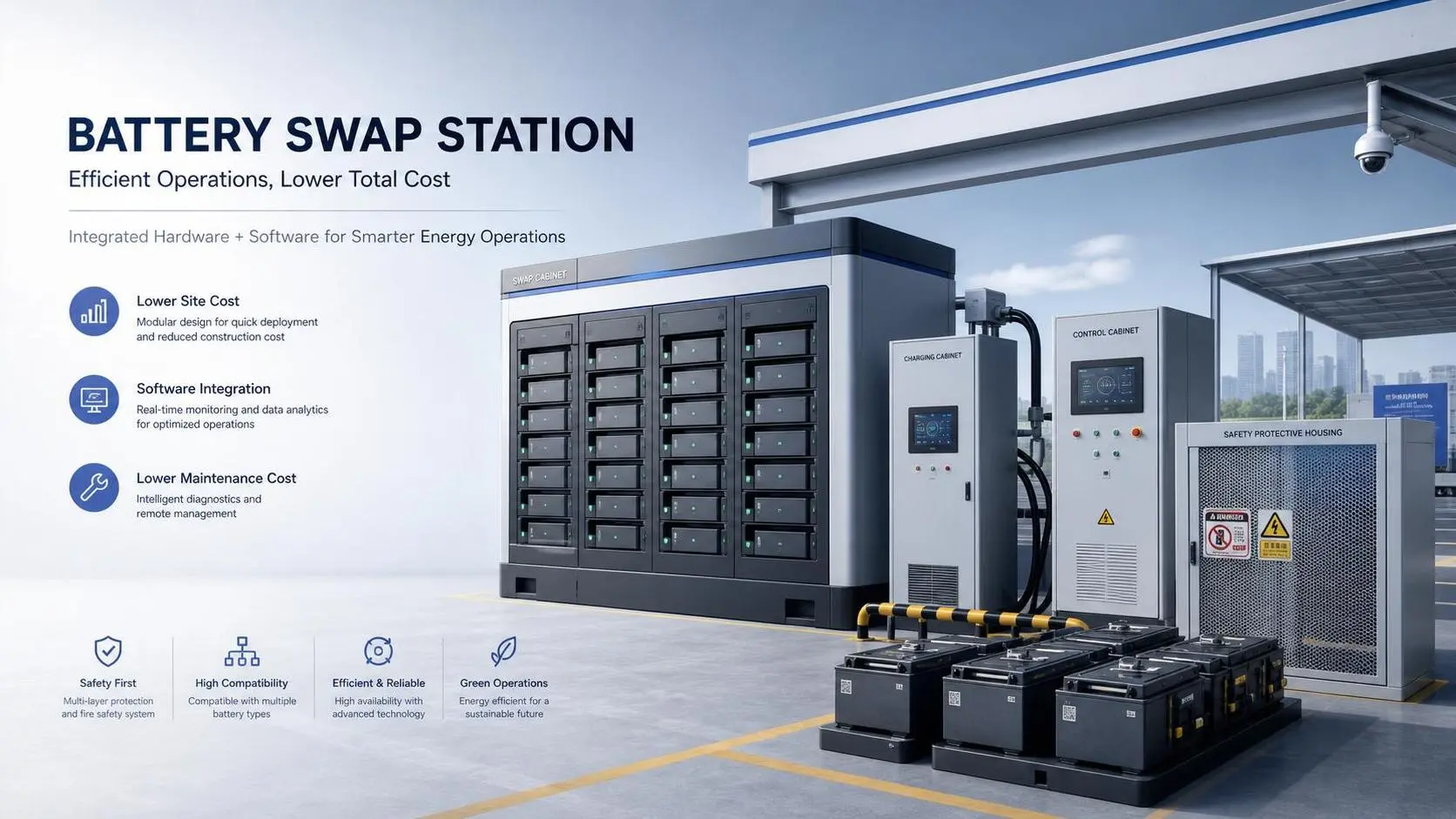
Battery Swapping Network Cost Breakdown: Hardware, Site Fees, and Maintenance
Battery swapping network cost explained: compare hardware, site fees, software, and maintenance to plan smarter rollouts, reduce downtime, and improve ROI.
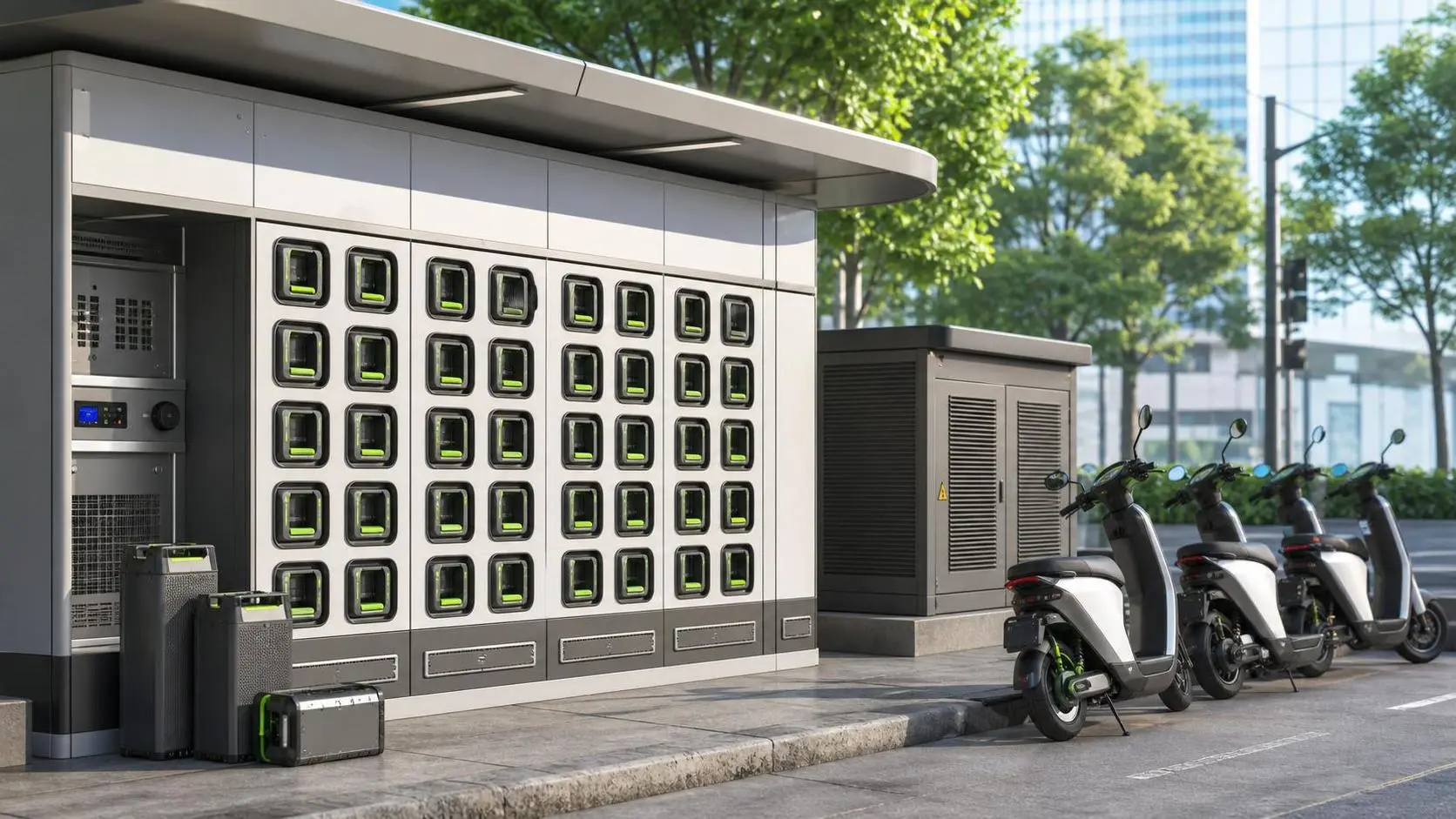
Battery Swapping Network Cost: What Drives Setup and Operating Expenses?
Battery swapping network cost explained: discover what drives setup and operating expenses, from station hardware to battery inventory, and learn how to improve ROI and scale smarter.
How to Use a Market Intelligence Report to Evaluate EV Two-Wheeler Opportunities
Market intelligence report insights for evaluating EV two-wheeler opportunities—compare e-bikes, e-scooters, and e-motorcycles by demand, policy, technology, and channel fit.
Green Scooter Demand: Which Buyer Segments and City Use Cases Are Growing Fast?
Green scooter demand is accelerating across urban commuters, shared fleets, campuses, and delivery routes. Discover the fastest-growing buyer segments and city use cases shaping the market.
Battery Swapping in China vs Charging: Which Model Fits Shared Scooter Fleets?
Battery swapping China vs charging: discover which model keeps shared scooter fleets safer, more efficient, and easier to scale across dense urban markets.
Electric Mobility Challenges Explained: Grid Limits, Charging Access, and TCO
Electric mobility challenges explained: discover how grid limits, charging access, and TCO shape EV adoption, fleet uptime, and smarter micro-mobility growth strategies.
Two Wheeler Electrification Trends: What Is Driving Adoption in Urban Mobility?
Two wheeler electrification trends are reshaping urban mobility through smarter batteries, supportive policy, and flexible transport. Explore what is driving adoption now.