
Related News
- 00
0000-00
Urban Electric Vehicles Market: Key Growth Drivers and Adoption Challenges - 00
0000-00
Two Wheeler Electrification Trends: What Is Driving Adoption in Urban Mobility? - 00
0000-00
Electric Torque Trends in E-Mobility: How Peak vs Continuous Output Affects Ride Performance - 00
0000-00
Electric Two-Wheeler Market Size Explained: What Drives Growth by Region and Vehicle Type - 00
0000-00
Micro Mobility Global Expansion: What Market Entry Risks and Growth Signals Should Distributors Watch?
Prof. Marcus Chen
Weekly Insights
Stay ahead with our curated technology reports delivered every Monday.
Urban Electric Vehicles Market: Key Growth Drivers and Adoption Challenges





Urban mobility is entering a more selective electric phase
The urban electric vehicles market is no longer driven by novelty alone. It is becoming a practical response to congestion, emissions pressure, and the economics of short-distance travel.
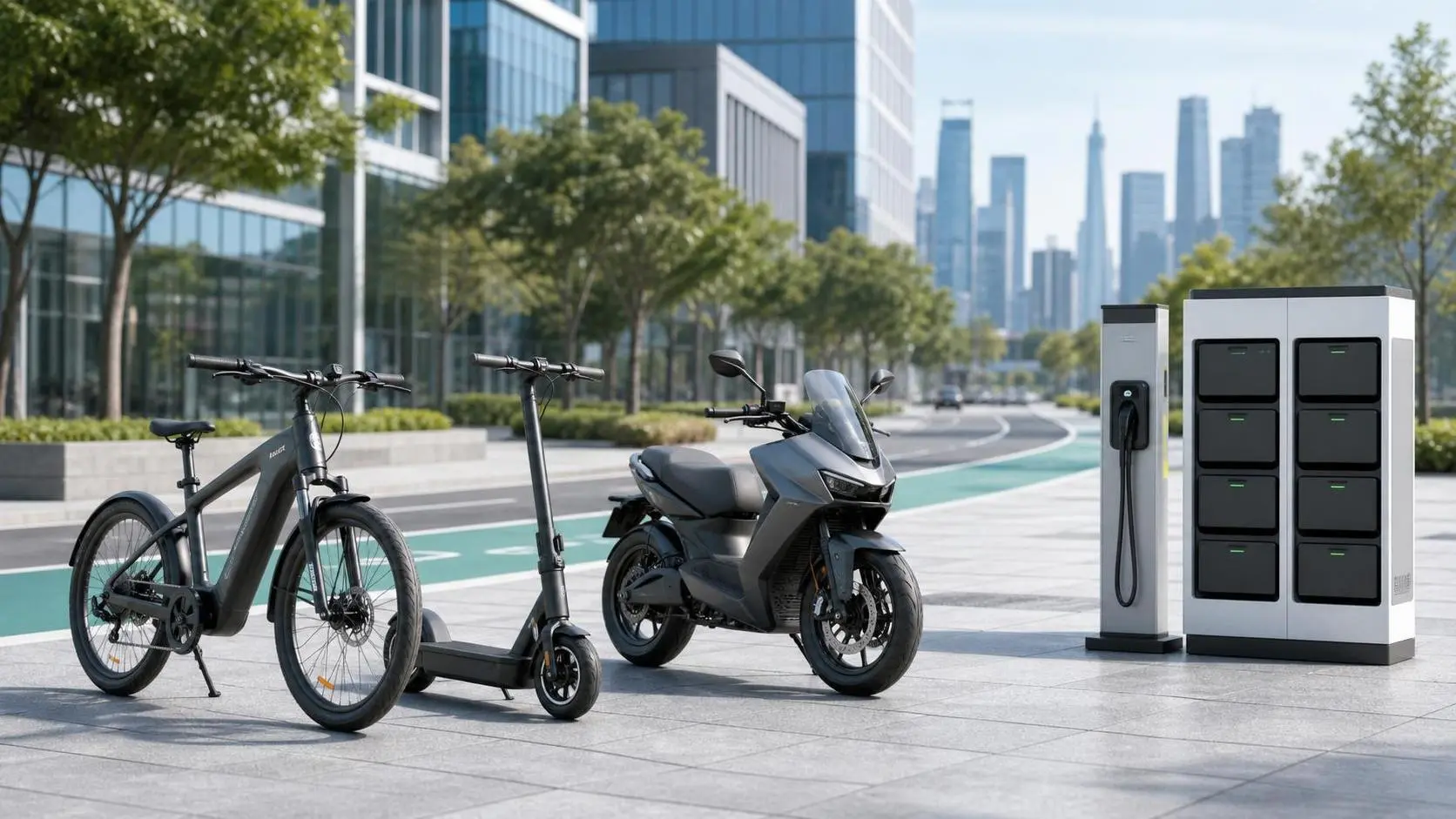
What stands out now is the mix of vehicle types shaping demand. E-bikes, smart e-scooters, and high-speed e-motorcycles are no longer treated as fringe categories.
They are increasingly viewed as urban transport layers. That shift matters because it changes how the urban electric vehicles market is assessed, financed, regulated, and integrated into city systems.
From a broader industry perspective, this is where micro-mobility intelligence becomes valuable. Market movement is not only about unit sales, but also about battery logic, drivetrain efficiency, safety systems, and right-of-way policy.
That is why platforms focused on the last-mile revolution, such as UMMS, are gaining relevance. The real story sits at the intersection of technology detail and urban transport strategy.
The recent signals are clearer than they were two years ago
The urban electric vehicles market is showing stronger segmentation. Shared scooter fleets, commuter e-bikes, delivery-focused two-wheelers, and premium electric motorcycles are moving at different speeds.
That divergence is healthy. It suggests the market is maturing instead of expanding through one broad narrative about electrification.
In Europe, post-pandemic commuting habits continue to support e-bike demand. In dense Asian cities, higher-speed electric two-wheelers are gaining attention where time savings matter more than ownership symbolism.
North American cities remain more uneven. Adoption improves where protected lanes, charging options, and municipal support evolve together rather than separately.
A more important signal is technological normalization. Buyers now compare torque delivery, battery management, connected functions, braking performance, and component reliability with greater precision.
This is changing competition inside the urban electric vehicles market. Vehicles that once looked similar on paper are now separated by service life, software stability, thermal behavior, and safety confidence.
Why adoption keeps advancing despite obvious friction
Adoption is rising because several forces are converging at once. Cost logic, regulation, city design, and user behavior are reinforcing one another more consistently than before.
- Operating costs remain attractive, especially for daily urban routes where fuel, parking, and maintenance savings are visible within months.
- Low-emission targets are pushing cities to favor cleaner fleets, restricted traffic zones, and vehicle categories with smaller physical footprints.
- Last-mile delivery growth keeps expanding use cases for compact electric vehicles that can move faster through crowded districts.
- Battery density and motor efficiency continue to improve, making electric two-wheelers more practical without requiring luxury-level pricing.
- Digital connectivity now supports fleet tracking, anti-theft features, predictive maintenance, and route optimization, which strengthens commercial viability.
The urban electric vehicles market also benefits from an important behavioral change. More users now accept that not every trip needs a full-sized car.
That sounds obvious, yet it reshapes urban transport economics. Once short trips are reassigned to lighter electric platforms, the value chain around batteries, components, charging, and service expands quickly.
The market is not just about vehicles anymore
A closer reading of the urban electric vehicles market shows that supporting systems now influence adoption as much as the vehicles themselves.
Battery management is a clear example. Range matters, but predictable range matters more. Thermal stability, charging cycles, and degradation behavior increasingly influence purchasing and fleet planning.
Precision components are also becoming strategic. In e-bikes and performance-oriented urban vehicles, drivetrain efficiency and electronic shifting quality affect energy use and rider confidence.
Safety technology deserves equal attention. In urban traffic, visibility, braking response, sensor reliability, and weather performance can determine whether adoption scales or stalls.
This is one reason the urban electric vehicles market increasingly overlaps with adjacent categories. Smart wiper systems, lightweight materials, and connected sensing are not peripheral in real-world city use.
Seen this way, UMMS reflects a broader market reality. Micro-mobility intelligence has become system intelligence rather than vehicle-only intelligence.
Where growth is strongest, infrastructure is only part of the story
Charging access still matters, but infrastructure alone does not explain winners and laggards in the urban electric vehicles market.
The more decisive factor is policy coherence. Markets grow faster when subsidies, road permissions, parking rules, fleet licensing, and safety standards move in the same direction.
In practice, the urban electric vehicles market performs best where cities treat micro-mobility as part of urban circulation design rather than a temporary climate gesture.
The adoption challenges are becoming more specific
The next barrier is not whether urban electric vehicles are useful. It is whether they can remain reliable, compliant, and economically efficient at scale.
Battery concerns remain central. Performance under heat, cold, heavy payloads, and fast charging still affects user confidence and total cost assumptions.
Regulatory fragmentation is another issue. The same vehicle category can face different speed caps, helmet rules, lane permissions, and certification standards across nearby markets.
That complexity raises commercialization risk. It also slows platform standardization for companies trying to scale across borders.
There is also a quality gap inside the urban electric vehicles market. Lower-cost products may accelerate early adoption, but weak durability can damage category trust.
This is especially relevant in shared fleets and delivery use. Under heavy utilization, component fatigue, controller issues, and maintenance delays appear much faster than in consumer leisure use.
The effect spreads across more business layers than expected
The urban electric vehicles market influences far more than vehicle assembly. It changes sourcing priorities, data strategy, channel structure, and service design.
Component ecosystems gain importance because differentiation increasingly comes from motors, battery packs, controllers, sensors, frames, and precision transmission systems.
Software and telematics also move closer to the center. For smart e-scooters and connected fleets, data quality affects uptime, safety oversight, and route productivity.
After-sales models are changing as well. Urban users expect fast repair cycles, battery diagnostics, firmware support, and replacement part availability within tighter service windows.
This is why the urban electric vehicles market cannot be read through shipment numbers alone. A strong market position increasingly depends on system consistency across the whole use cycle.
What deserves closer attention over the next cycle
Several indicators are becoming more useful than headline growth rates. They reveal whether the urban electric vehicles market is building durable momentum or short-lived volume.
- Watch how cities update lane access, parking frameworks, and fleet rules after pilot programs end.
- Track battery warranty terms and thermal management claims, especially in higher-speed and commercial-use segments.
- Compare component quality trends, including electronic shifting, braking systems, and lightweight frame durability.
- Review whether delivery, commuting, and shared mobility use cases are converging or requiring separate vehicle architectures.
- Measure service readiness, not just product launches, because downtime can erase the economic case for adoption.
A useful next step is to separate demand signals by route type, payload, speed expectation, and local regulation. That makes the urban electric vehicles market easier to evaluate with less noise.
The strongest opportunities will likely emerge where electrified two-wheelers align with practical city behavior, not where the loudest hype appears. For that reason, continuous monitoring of policy, component innovation, and operational performance will remain essential.
- e-bikes
- smart e-scooters
- high-speed e-motorcycles
- last-mile revolution
- wiper systems
- battery management
- thermal management
- micro-mobility intelligence
- electric two-wheelers
- shared mobility
- urban electric vehicles
- electronic shifting
- battery swapping
- micro-mobility
- electric motorcycles
- urban electric vehicles market
- urban transport planning
- torque delivery
- shared scooter fleets
- smart wiper systems
Related News
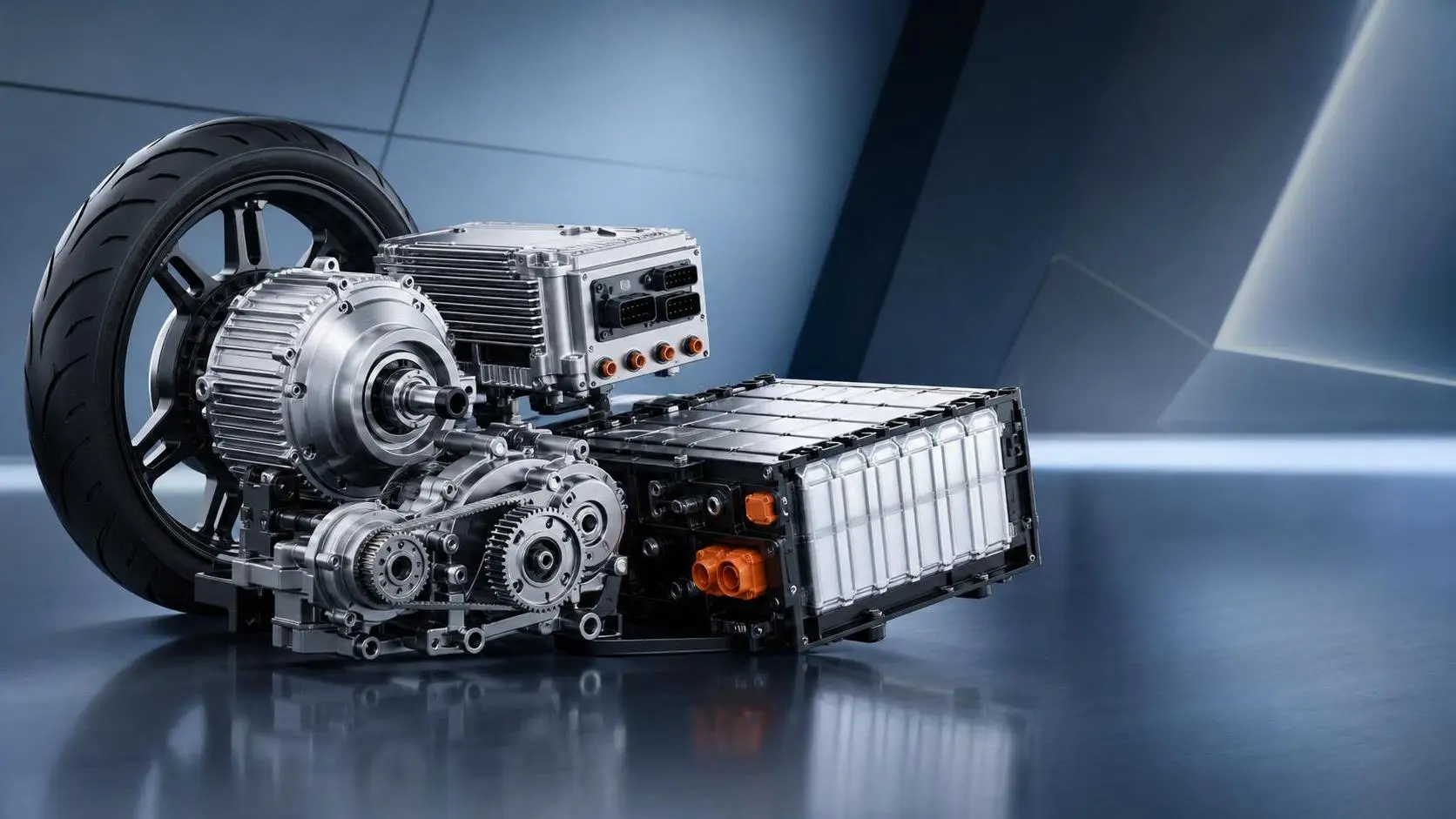
Electric Drivetrain Technology Explained: Motors, Controllers, and Efficiency
Electric drivetrain technology explained clearly: compare motors, controllers, thermal management, and efficiency to choose smarter, longer-lasting e-bike, e-scooter, and e-motorcycle systems.
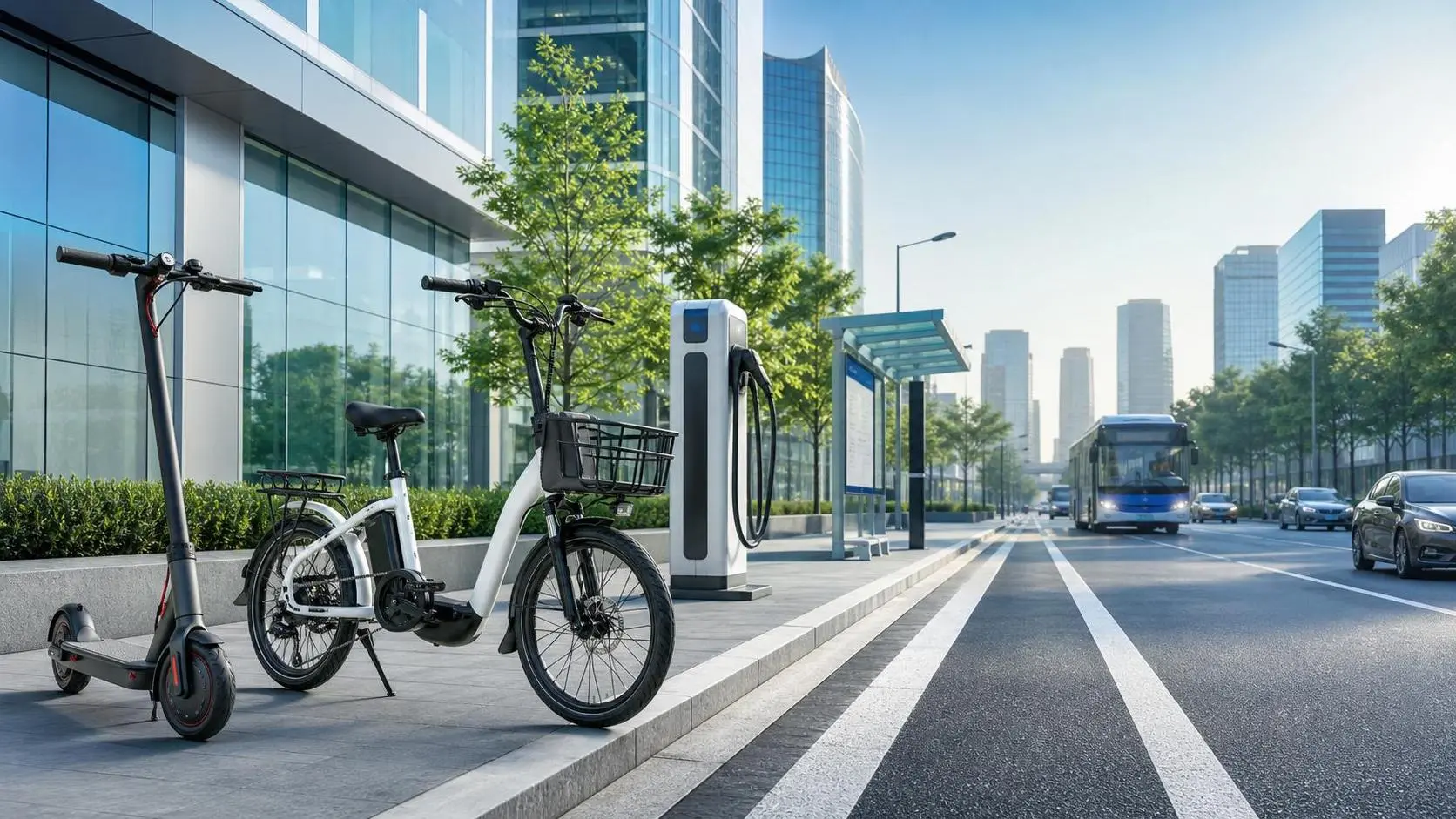
Urban Electric Vehicles Market Trends: Where Demand Is Rising Fastest
Urban electric vehicles market demand is rising fastest in dense cities with strong policy support, better infrastructure, and reliable e-mobility tech. Explore where growth is accelerating next.
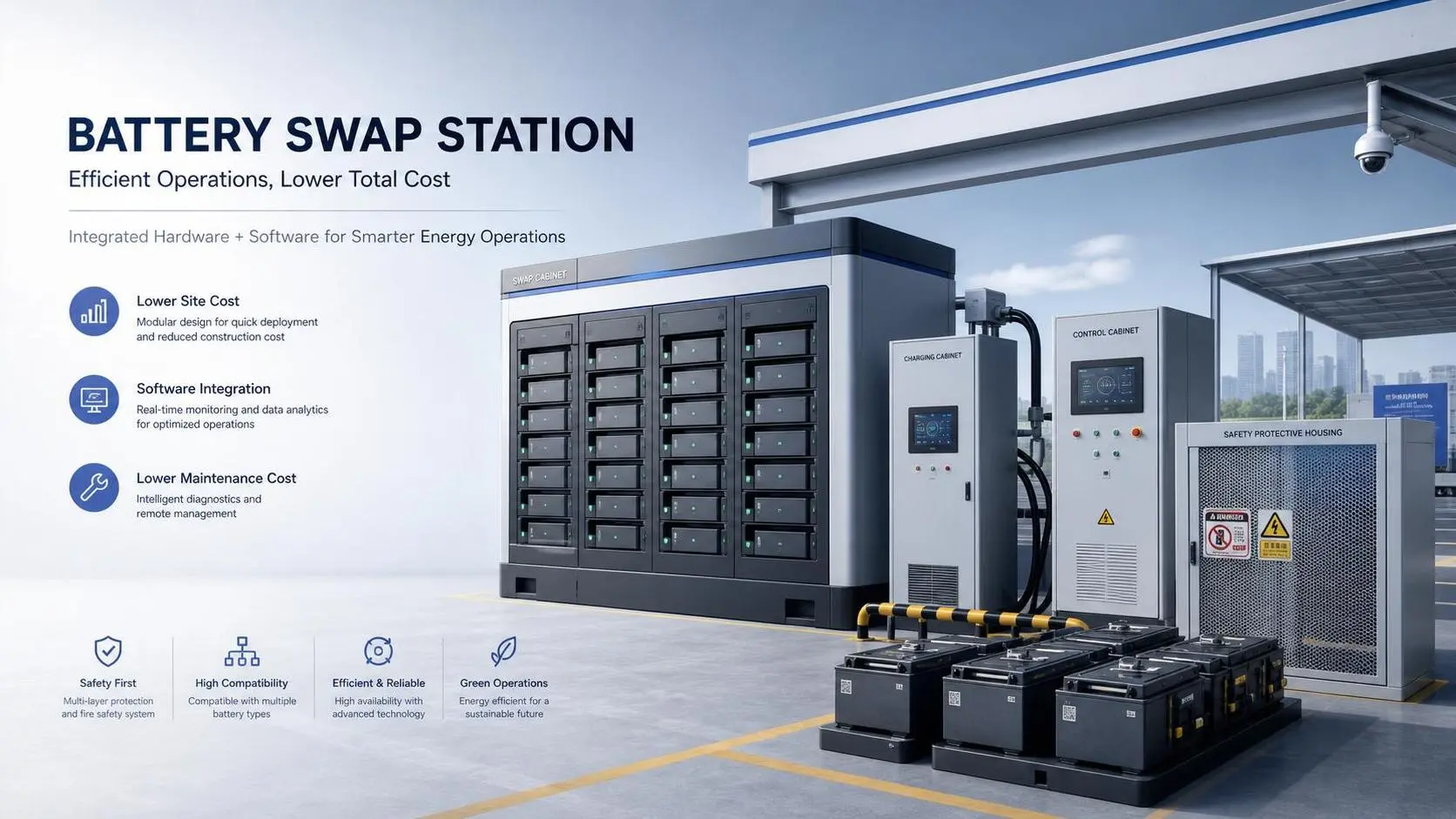
Battery Swapping Network Cost Breakdown: Hardware, Site Fees, and Maintenance
Battery swapping network cost explained: compare hardware, site fees, software, and maintenance to plan smarter rollouts, reduce downtime, and improve ROI.
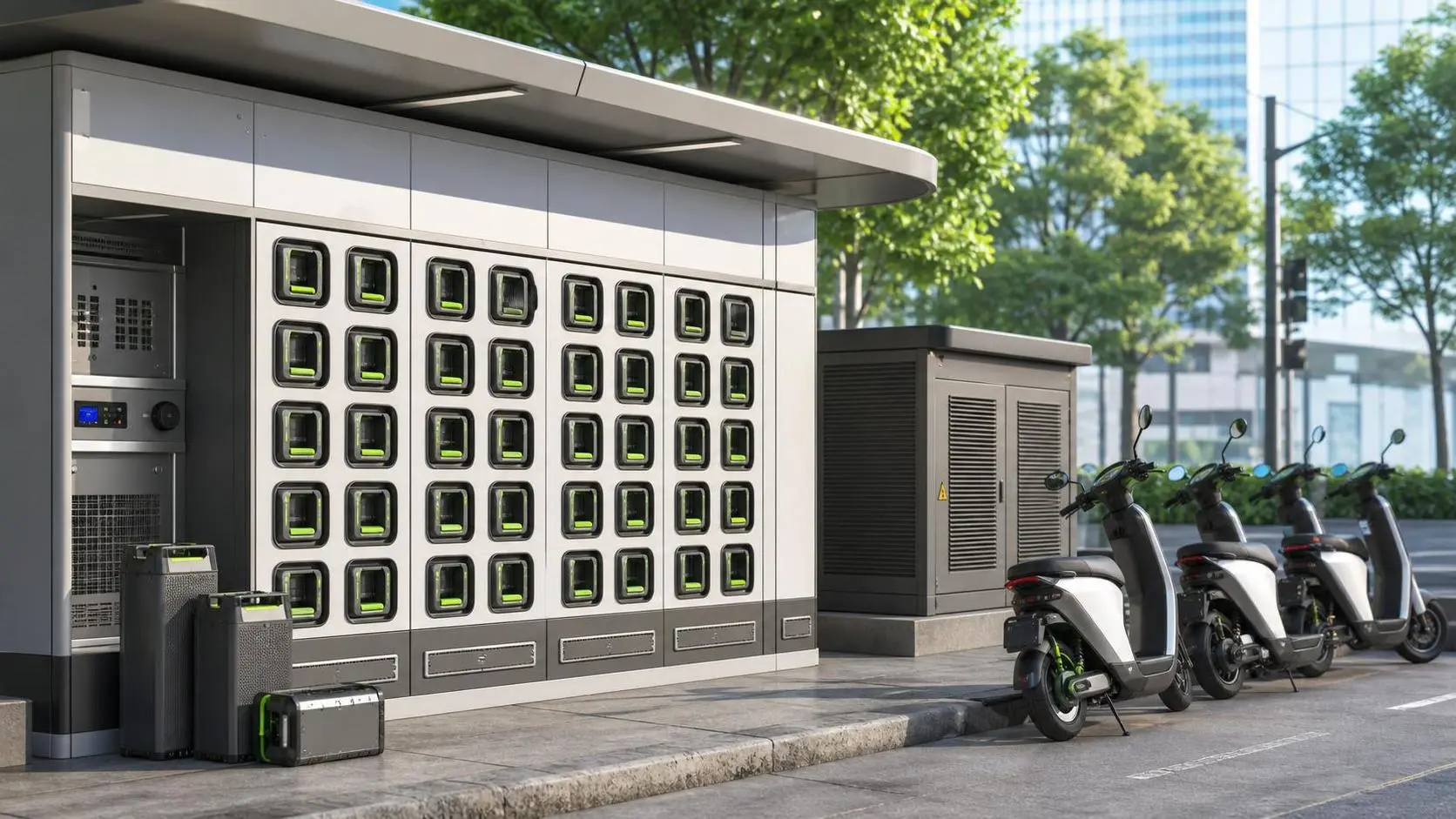
Battery Swapping Network Cost: What Drives Setup and Operating Expenses?
Battery swapping network cost explained: discover what drives setup and operating expenses, from station hardware to battery inventory, and learn how to improve ROI and scale smarter.
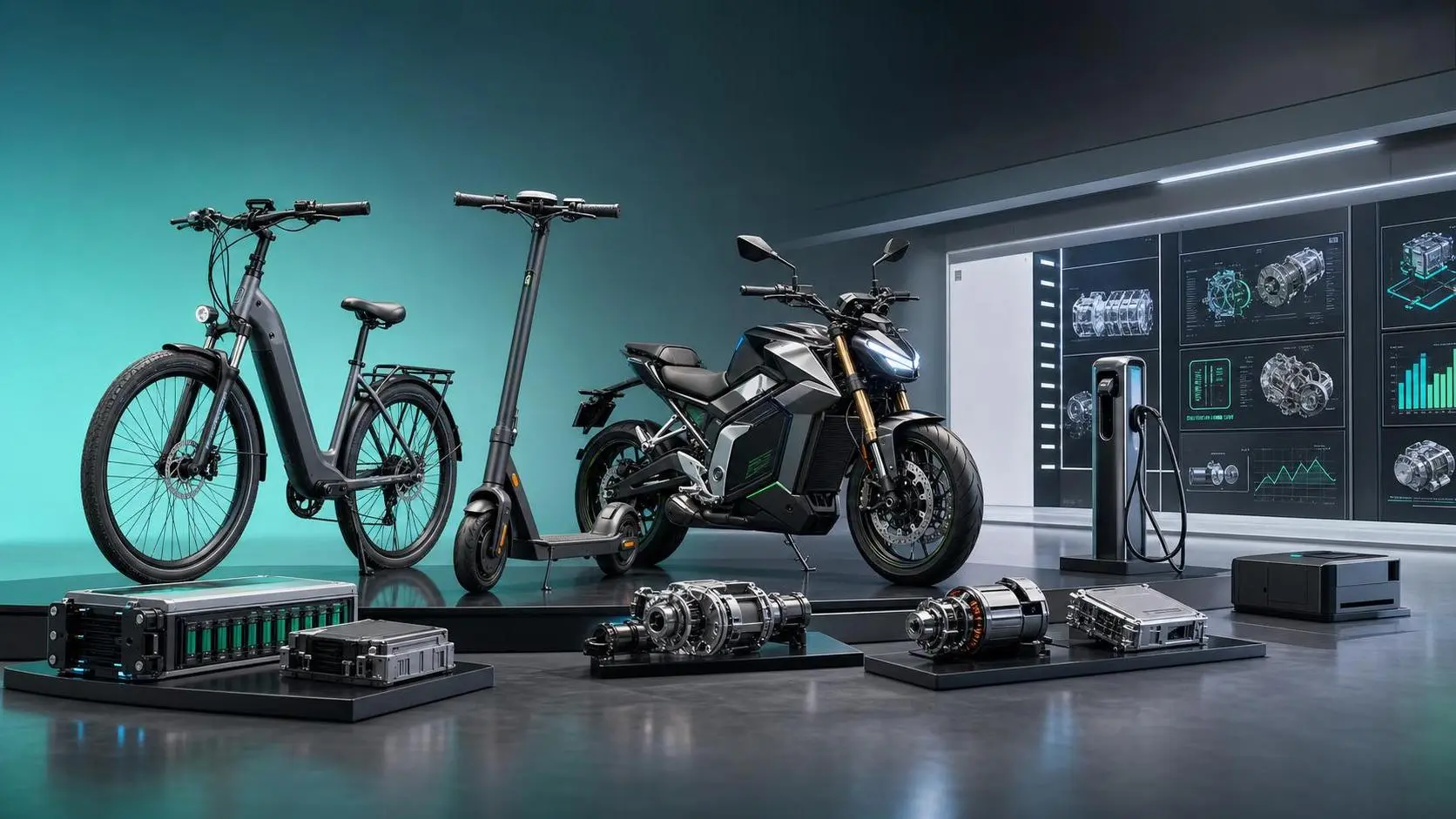
How to Use a Market Intelligence Report to Evaluate EV Two-Wheeler Opportunities
Market intelligence report insights for evaluating EV two-wheeler opportunities—compare e-bikes, e-scooters, and e-motorcycles by demand, policy, technology, and channel fit.
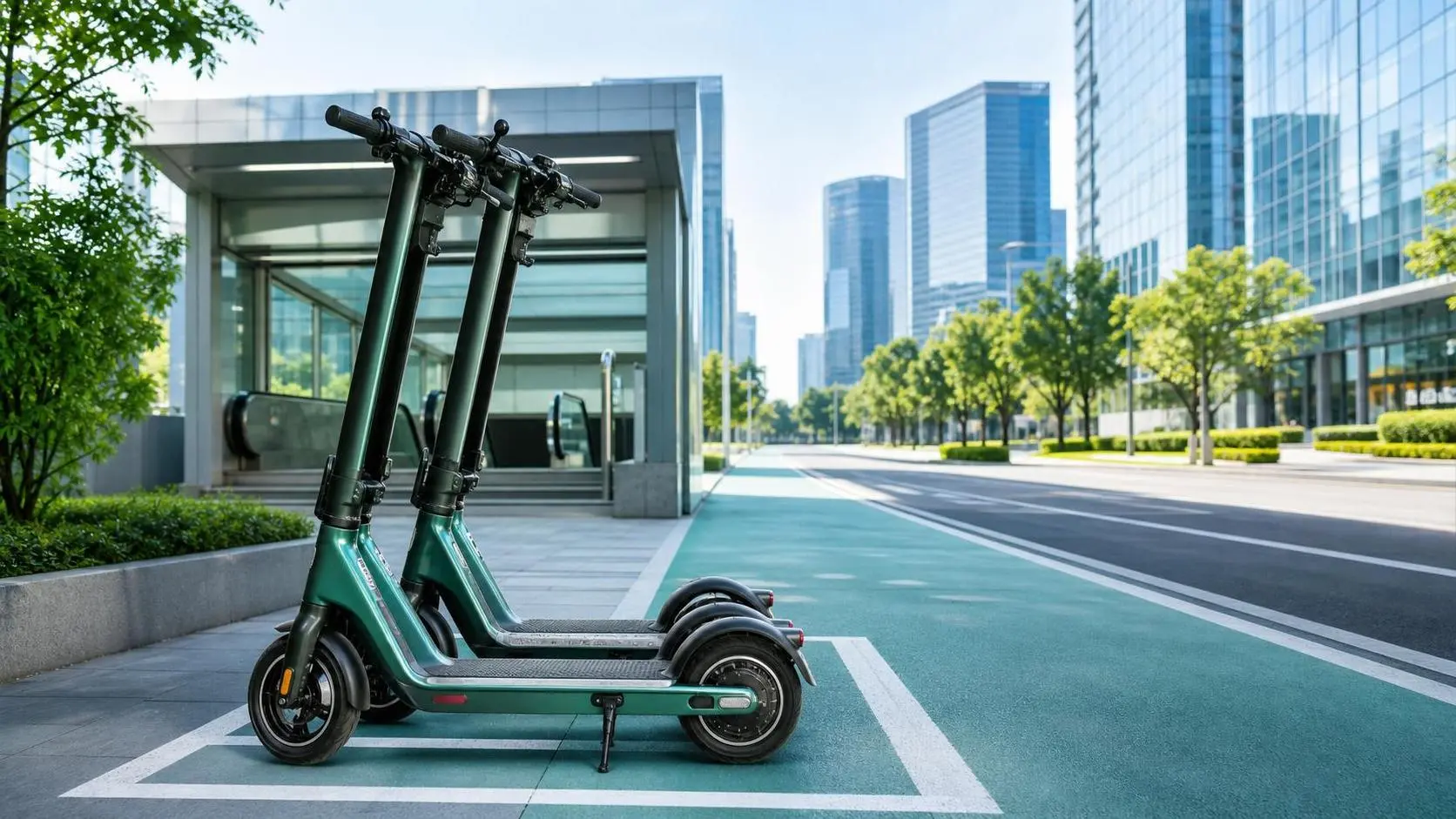
Green Scooter Demand: Which Buyer Segments and City Use Cases Are Growing Fast?
Green scooter demand is accelerating across urban commuters, shared fleets, campuses, and delivery routes. Discover the fastest-growing buyer segments and city use cases shaping the market.
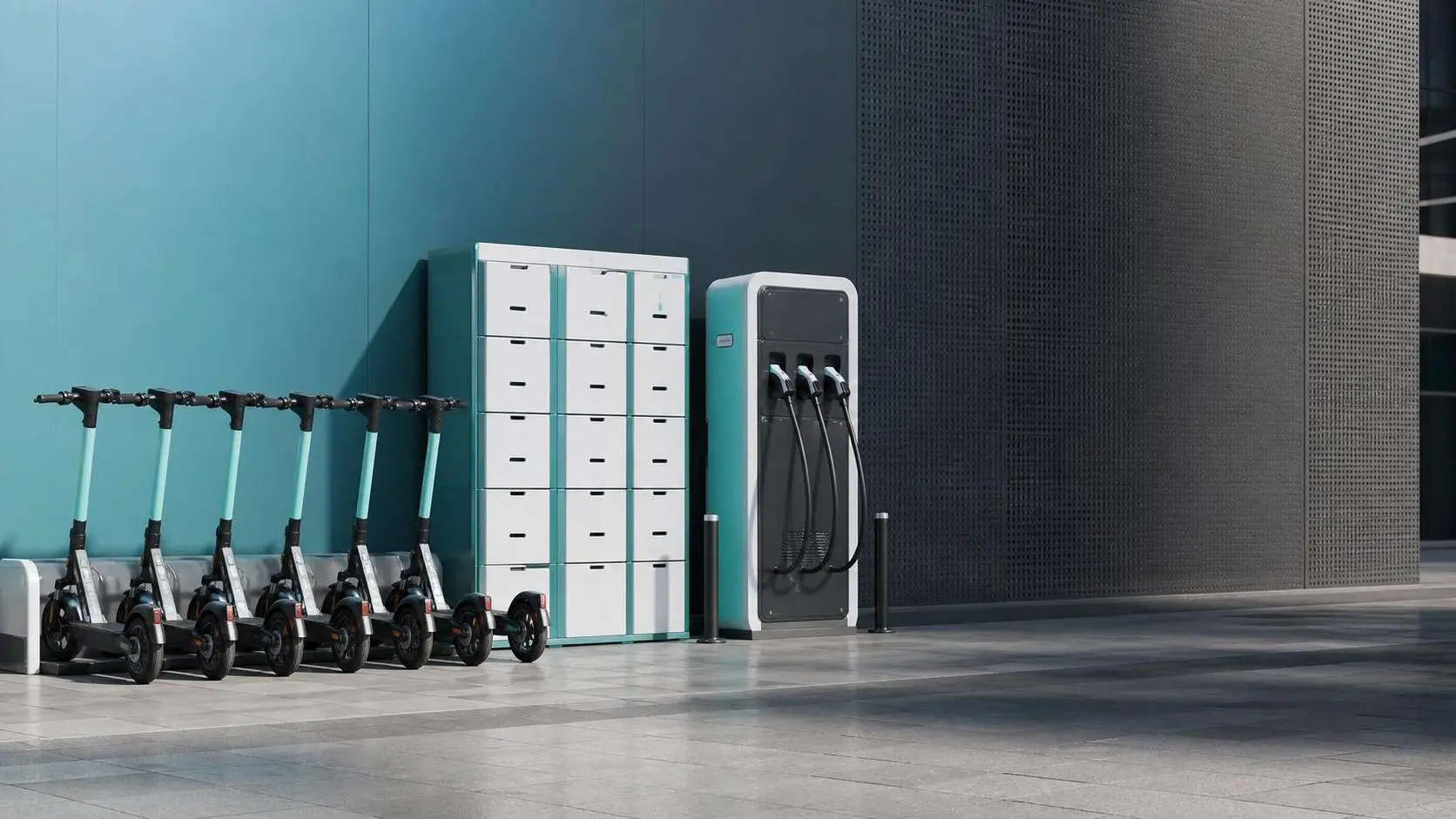
Battery Swapping in China vs Charging: Which Model Fits Shared Scooter Fleets?
Battery swapping China vs charging: discover which model keeps shared scooter fleets safer, more efficient, and easier to scale across dense urban markets.
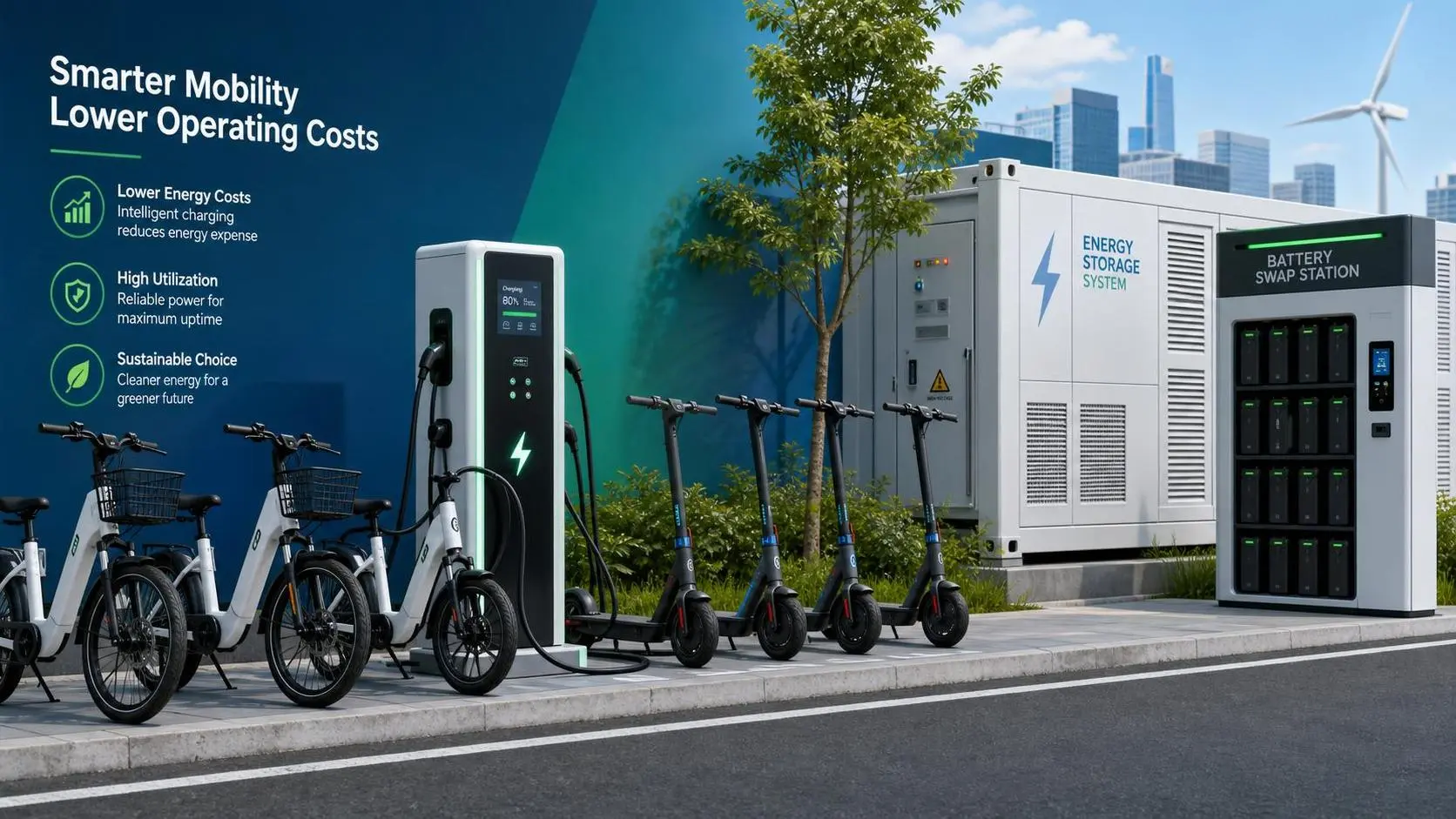
Electric Mobility Challenges Explained: Grid Limits, Charging Access, and TCO
Electric mobility challenges explained: discover how grid limits, charging access, and TCO shape EV adoption, fleet uptime, and smarter micro-mobility growth strategies.
Two Wheeler Electrification Trends: What Is Driving Adoption in Urban Mobility?
Two wheeler electrification trends are reshaping urban mobility through smarter batteries, supportive policy, and flexible transport. Explore what is driving adoption now.