
Related News
- 00
0000-00
Electric Drivetrain Technology Explained: Motors, Controllers, and Efficiency - 00
0000-00
Derailleur Hanger Bent? How to Diagnose Shifting Problems and Decide on Repair or Replacement - 00
0000-00
Bike Derailleur Parts Explained: Names, Functions, and What Wears Out First - 00
0000-00
How to Choose an Electromechanical Transmission Manufacturer for E-Mobility Projects - 00
0000-00
Derailleur Skipping Gears: 7 Common Causes and How to Fix Each One
Precision Drivetrain Architect
Weekly Insights
Stay ahead with our curated technology reports delivered every Monday.
Electric Drivetrain Technology Explained: Motors, Controllers, and Efficiency





Electric Drivetrain Technology Explained: Motors, Controllers, and Efficiency
Electric drivetrain technology is changing how two-wheelers convert stored energy into controlled motion.
For e-bikes, e-scooters, and high-speed e-motorcycles, the drivetrain is where performance claims become measurable reality.
The motor, controller, battery, reduction path, and software logic work as one system, not as isolated parts.
That is why technical evaluation should focus on integration quality, not only peak power or catalog efficiency.
A solid understanding of electric drivetrain technology helps compare torque delivery, thermal resilience, range stability, and lifecycle cost with much greater confidence.
What Electric Drivetrain Technology Includes
At a basic level, electric drivetrain technology covers the full chain from electrical input to wheel output.
In micro-mobility, that usually means battery pack, inverter controller, electric motor, transmission interface, sensors, and control software.
Some systems are mechanically simple, such as hub motors in urban e-bikes.
Others are more complex, such as mid-drive units or high-speed motorcycle powertrains with liquid cooling and advanced traction logic.
Core system blocks
- Motor converts electrical energy into rotational torque.
- Controller regulates current, voltage, timing, and protection functions.
- Sensors provide rotor position, speed, temperature, and rider input data.
- Drivetrain interface transfers torque through gears, chain, belt, or direct hub drive.
- Software defines responsiveness, efficiency maps, fault handling, and ride feel.
From a technical review standpoint, electric drivetrain technology should always be judged as a calibrated operating ecosystem.
Motor Architectures and Their Trade-Offs
Motor choice is one of the most visible parts of electric drivetrain technology, but also one of the most misunderstood.
The right motor depends on duty cycle, vehicle mass, expected gradient, noise limits, and thermal envelope.
Hub motors
Hub motors place the drive unit directly in the wheel.
They reduce drivetrain complexity, lower maintenance, and fit shared scooters and many commuter e-bikes well.
However, unsprung mass rises, wheel service can become harder, and climbing efficiency may drop under heavy load.
Mid-drive motors
Mid-drive systems send torque through the bicycle or motorcycle transmission path.
This improves hill performance and keeps motor speed closer to efficient operating zones.
The trade-off is added mechanical wear, tighter packaging needs, and higher system tuning demands.
BLDC and PMSM designs
Most modern electric drivetrain technology uses brushless topologies, especially BLDC and PMSM variants.
PMSM designs usually offer smoother torque, stronger efficiency across wider ranges, and quieter operation.
Yet they often require more precise controller algorithms and tighter thermal management discipline.
Why Controllers Matter More Than Many Buyers Expect
If the motor is the muscle, the controller is the nervous system of electric drivetrain technology.
A controller determines how accurately the motor follows demand while protecting hardware against overload and instability.
This has direct effects on launch smoothness, regenerative braking feel, heat buildup, and energy consumption.
Key controller functions
- Current control for torque precision and component protection.
- Switching strategy for efficiency, noise, and thermal loss balance.
- Field-oriented control for smoother, more efficient motor behavior.
- Fault logic for overcurrent, undervoltage, phase loss, and overtemperature events.
- Regenerative braking coordination with battery acceptance limits.
In real evaluations, weak controller calibration often explains poor ride quality more than motor hardware does.
A high-rated motor with crude control logic can feel abrupt, inefficient, and thermally unstable in stop-and-go traffic.
Efficiency Is a System Result, Not a Single Number
One common mistake is treating electric drivetrain technology efficiency as a static headline percentage.
In practice, efficiency changes with speed, torque demand, ambient temperature, load, and control strategy.
A drivetrain can look excellent in bench testing and still underperform in dense urban routes.
Main sources of loss
- Copper loss from current flow in windings.
- Iron loss from magnetic cycling at speed.
- Switching loss inside power electronics.
- Mechanical loss in bearings, gears, chains, and seals.
- Thermal derating that shifts operation away from ideal maps.
This is where electric drivetrain technology becomes especially relevant for comparative testing.
Two systems with similar rated power may deliver very different energy use per kilometer.
The difference usually comes from operating map alignment, thermal headroom, and control sophistication.
Thermal Management and Durability Under Real Load
Thermal behavior is often the hidden divider between lab-friendly designs and field-ready products.
Electric drivetrain technology performs best when motor, controller, and battery remain within controlled temperature bands.
Once temperatures rise, resistance climbs, magnets can lose performance, and power electronics face faster aging.
What to verify
- Continuous power capability after repeated acceleration cycles.
- Temperature rise during hill climbs or payload stress tests.
- Controller derating thresholds and recovery behavior.
- Cooling path design, including airflow, housing, and interface materials.
- Performance consistency across summer and winter operating windows.
For urban fleets and premium OEM projects, durability is rarely about peak output alone. It is about repeatable output without thermal collapse.
Application Differences Across Two-Wheeler Segments
Electric drivetrain technology should be interpreted in context because different vehicle classes prioritize different performance outcomes.
E-bikes
E-bikes need natural assist feel, low acoustic signature, and efficient support across variable rider cadence.
Sensor fusion between torque, cadence, and speed matters as much as absolute motor rating.
Smart e-scooters
Shared and personal scooters need robust starts, simple maintenance, and predictable efficiency in frequent stop cycles.
Controller waterproofing, connector reliability, and regen tuning become high-priority checks.
High-speed e-motorcycles
These platforms demand strong thermal engineering, wide high-efficiency zones, and stable high-speed power delivery.
Electric drivetrain technology in this category must also support aggressive acceleration without rapid voltage sag or control instability.
How to Evaluate Electric Drivetrain Technology More Effectively
A practical review method starts with use-case realism, not brochure claims.
That means matching test routes, rider mass, climate profile, and acceleration patterns to intended deployment conditions.
Useful evaluation criteria
- Measure continuous efficiency, not just peak motor efficiency.
- Compare torque response latency under partial and full load.
- Track thermal drift after repeated starts and climbs.
- Review controller software maturity and fault logging depth.
- Check compatibility with battery chemistry and voltage window.
- Examine sealing, vibration resistance, and serviceability.
More importantly, electric drivetrain technology should be reviewed over time, not only on day-one performance.
Calibration stability, component aging, and thermal fatigue often reveal the real quality level months later.
Where the Market Is Moving
Recent signals show electric drivetrain technology moving toward smarter control, tighter integration, and better data visibility.
More suppliers now combine motor, controller, and software into a validated platform rather than separate modules.
This improves tuning speed, safety compliance, and field diagnostics, especially in connected micro-mobility fleets.
The clearer trend is that efficiency gains now come from system intelligence as much as from hardware refinement.
Final Takeaway
Electric drivetrain technology is best understood as a coordinated balance of motor design, controller logic, thermal control, and operating efficiency.
The strongest systems do not simply produce high torque. They deliver repeatable torque with low losses and controlled heat.
For real decision-making, compare how electric drivetrain technology performs across full duty cycles, not isolated test points.
That approach makes it easier to identify durable, efficient, and market-ready solutions for evolving urban mobility needs.
If the goal is better technical judgment, start by asking one practical question: how well does the whole drivetrain perform when real conditions stop being ideal?
Related News
Urban Electric Vehicles Market Trends: Where Demand Is Rising Fastest
Urban electric vehicles market demand is rising fastest in dense cities with strong policy support, better infrastructure, and reliable e-mobility tech. Explore where growth is accelerating next.
Urban Electric Vehicles Market: Key Growth Drivers and Adoption Challenges
Urban electric vehicles market trends, growth drivers, and adoption challenges explained. Discover how policy, battery tech, safety, and urban mobility demand are shaping the next wave.
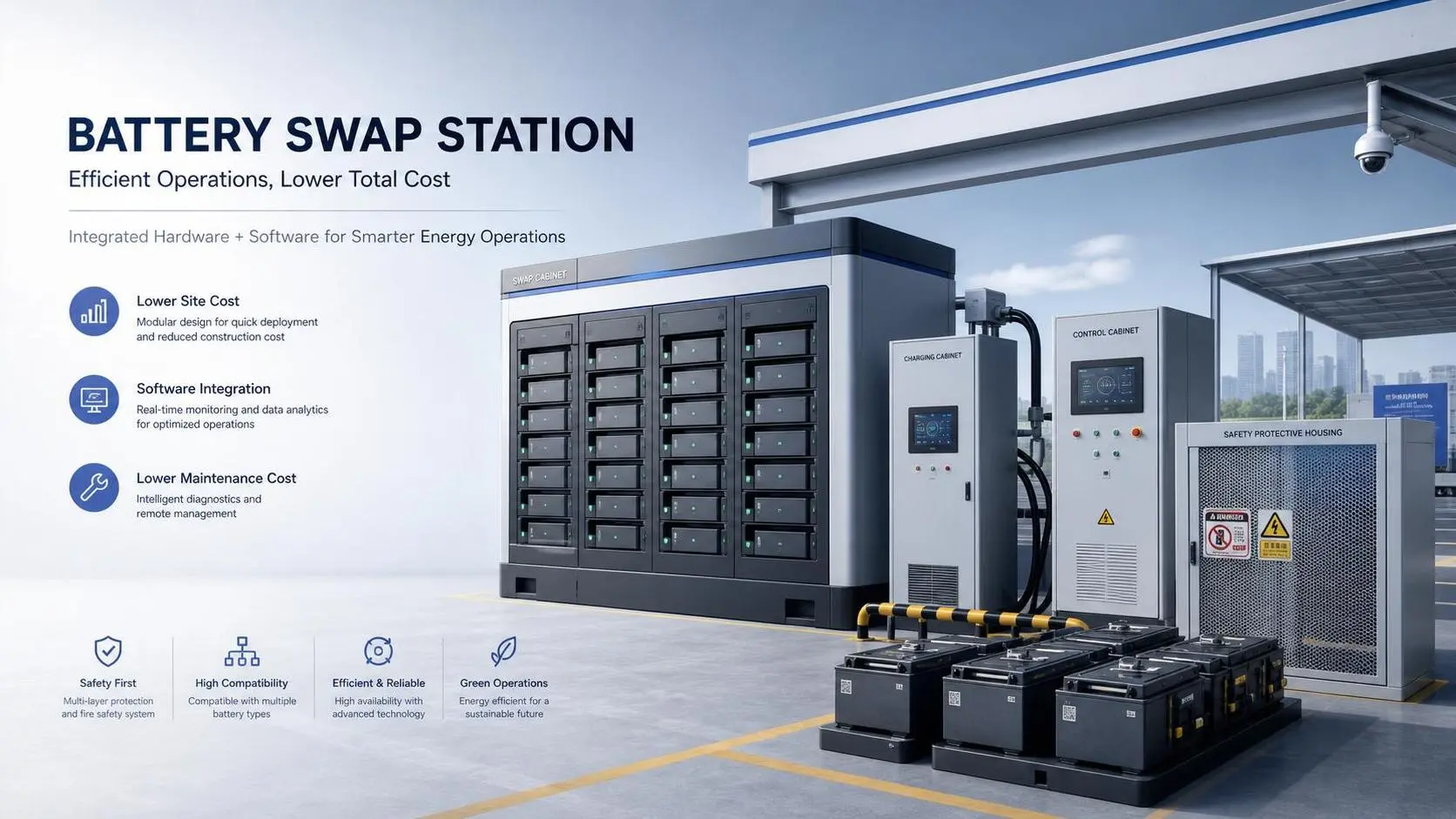
Battery Swapping Network Cost Breakdown: Hardware, Site Fees, and Maintenance
Battery swapping network cost explained: compare hardware, site fees, software, and maintenance to plan smarter rollouts, reduce downtime, and improve ROI.
Battery Swapping Network Cost: What Drives Setup and Operating Expenses?
Battery swapping network cost explained: discover what drives setup and operating expenses, from station hardware to battery inventory, and learn how to improve ROI and scale smarter.
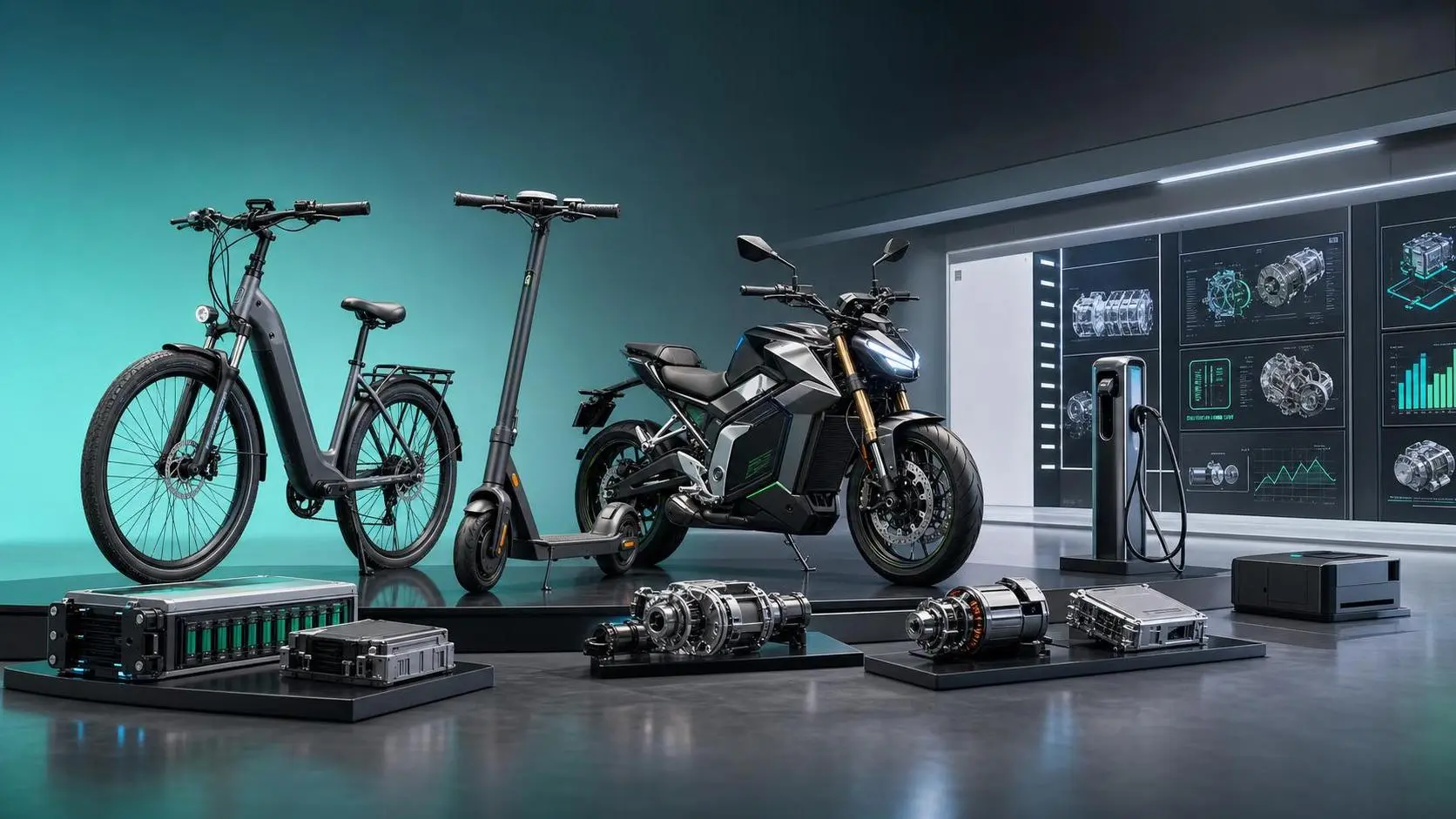
How to Use a Market Intelligence Report to Evaluate EV Two-Wheeler Opportunities
Market intelligence report insights for evaluating EV two-wheeler opportunities—compare e-bikes, e-scooters, and e-motorcycles by demand, policy, technology, and channel fit.
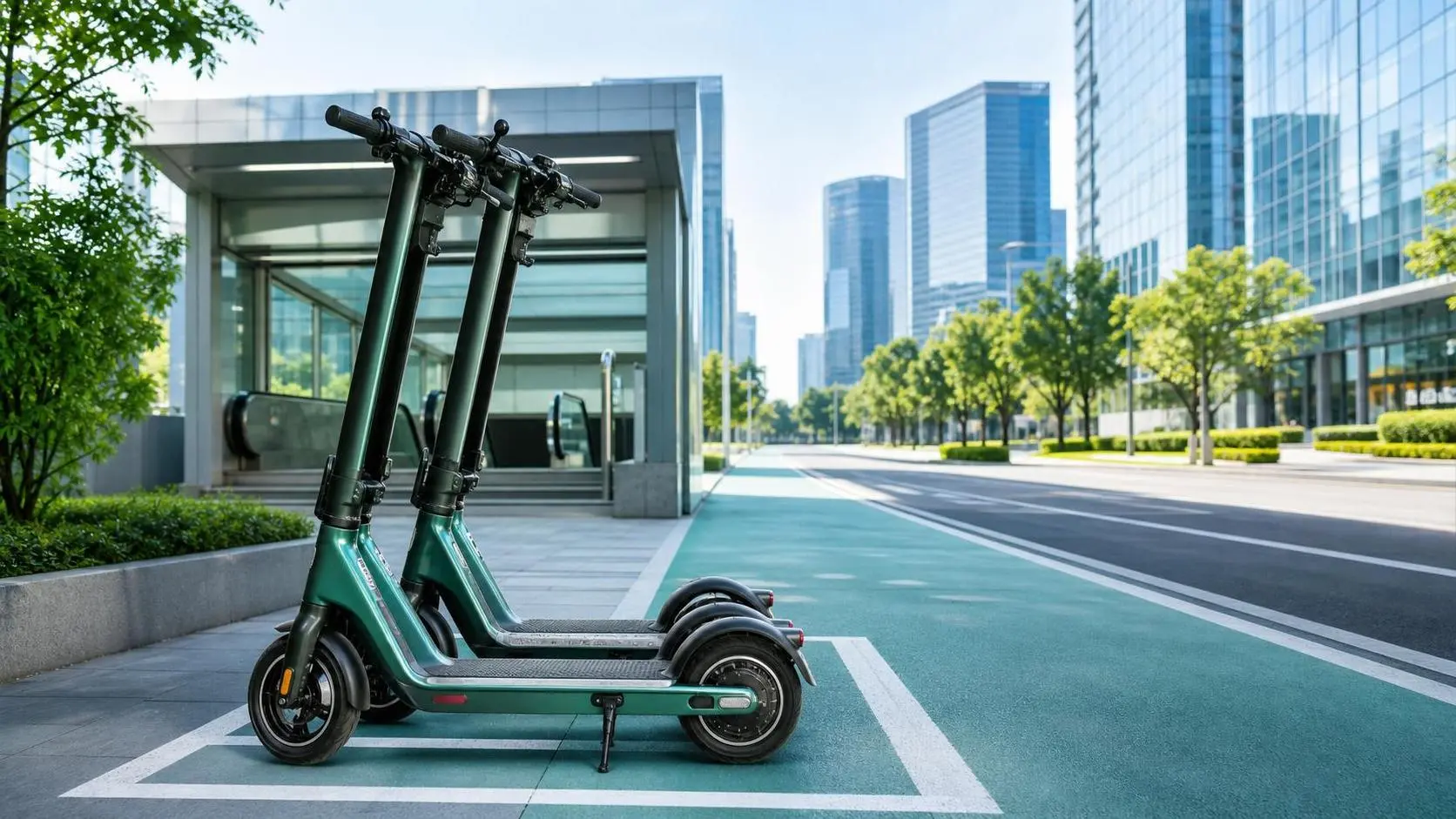
Green Scooter Demand: Which Buyer Segments and City Use Cases Are Growing Fast?
Green scooter demand is accelerating across urban commuters, shared fleets, campuses, and delivery routes. Discover the fastest-growing buyer segments and city use cases shaping the market.
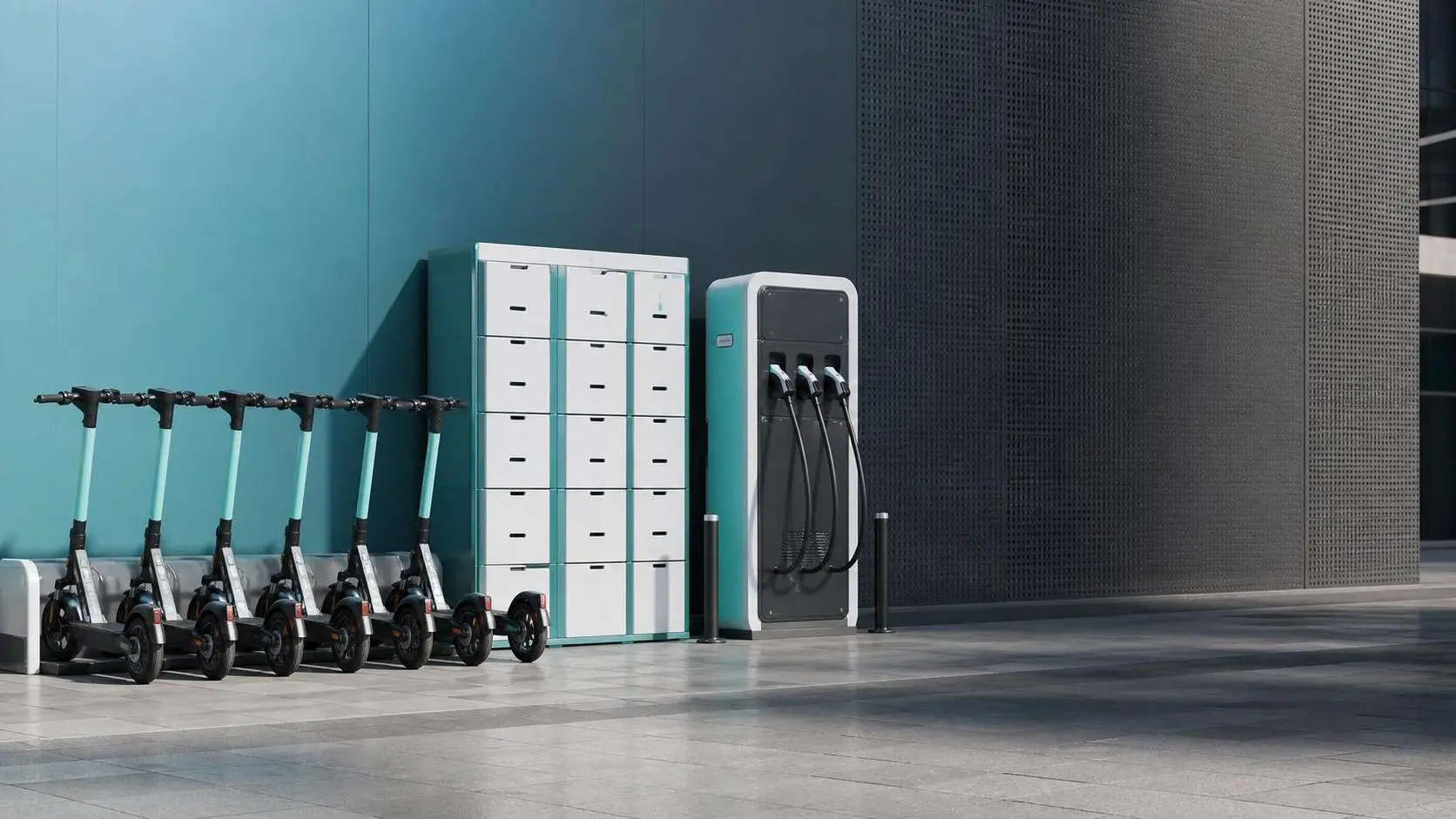
Battery Swapping in China vs Charging: Which Model Fits Shared Scooter Fleets?
Battery swapping China vs charging: discover which model keeps shared scooter fleets safer, more efficient, and easier to scale across dense urban markets.
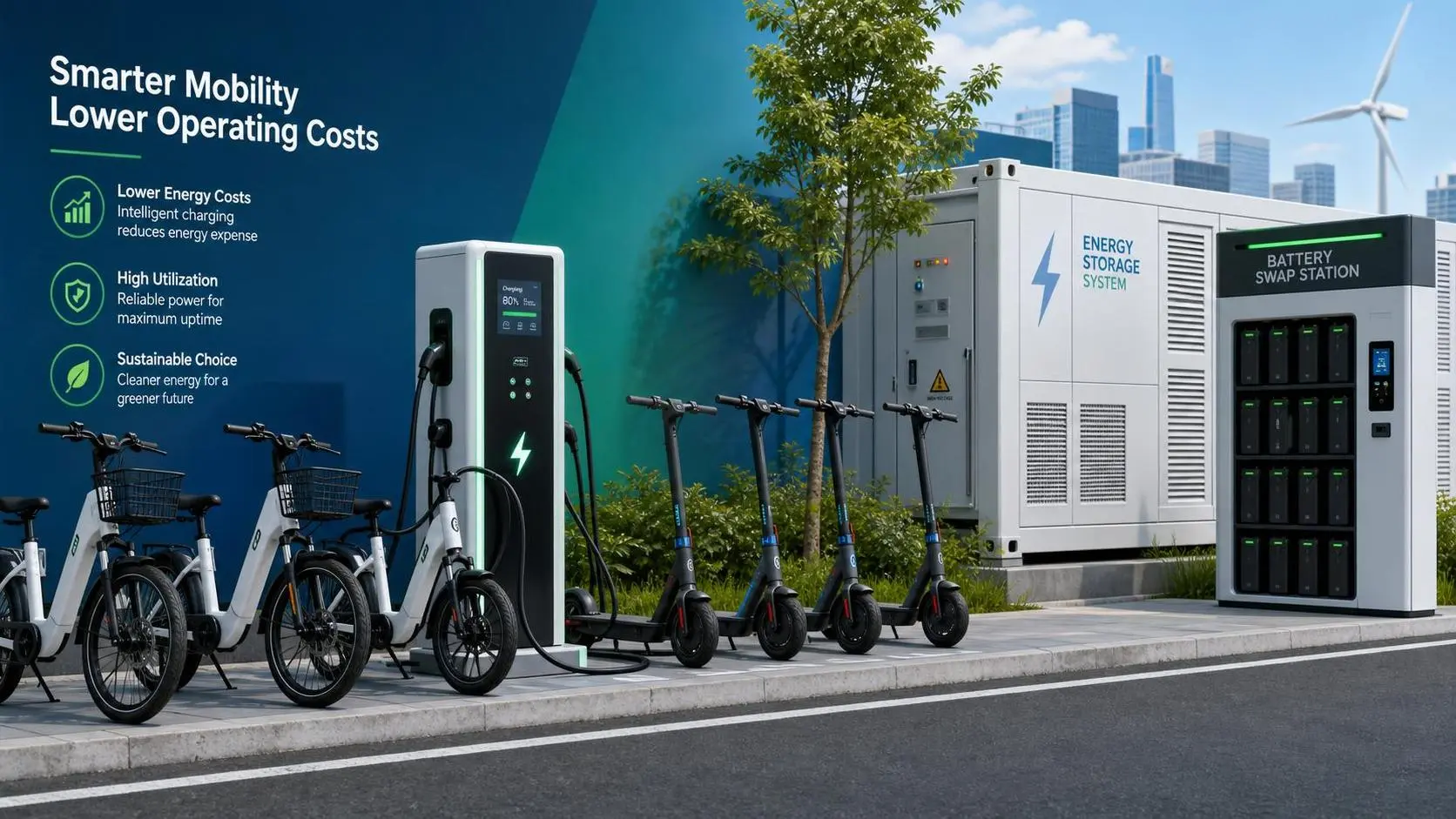
Electric Mobility Challenges Explained: Grid Limits, Charging Access, and TCO
Electric mobility challenges explained: discover how grid limits, charging access, and TCO shape EV adoption, fleet uptime, and smarter micro-mobility growth strategies.
Two Wheeler Electrification Trends: What Is Driving Adoption in Urban Mobility?
Two wheeler electrification trends are reshaping urban mobility through smarter batteries, supportive policy, and flexible transport. Explore what is driving adoption now.