
Related News
- 00
0000-00
Ebike Market USA: What Dealers Should Know About Demand Shifts, Pricing, and Product Mix - 00
0000-00
Urban Micro Mobility Market Trends: What Operators and Investors Should Track - 00
0000-00
Micro-Mobility Trends: How Battery Swapping Is Reshaping Shared Scooter Operations - 00
0000-00
Urban Electric Vehicles Market: Key Growth Drivers and Adoption Challenges - 00
0000-00
Two Wheeler Electrification Trends: What Is Driving Adoption in Urban Mobility?
Prof. Marcus Chen
Weekly Insights
Stay ahead with our curated technology reports delivered every Monday.
Ebike Market USA: What Dealers Should Know About Demand Shifts, Pricing, and Product Mix





The ebike market USA is no longer moving in one direction
The ebike market USA is still expanding, but the easy growth phase has ended.
What replaced it is a more selective market, where demand shifts by city, rider type, and price band.
That matters because volume alone no longer protects margin.
Recent signals point to four forces moving at once.
Commuter buyers are more practical, promotional pricing is more common, inventory discipline is tighter, and feature expectations are rising.
In the broader micro-mobility economy, this is not an isolated e-bike story.
It sits inside a larger urban mobility reset shaped by electrification, battery logic, regulations, and congestion relief.
That wider lens has become more important.
UMMS has tracked similar pattern changes across smart scooters, high-speed e-motorcycles, and precision drivetrain components.
The common thread is clear.
Urban riders now compare electric two-wheelers less by novelty and more by usefulness, reliability, and ownership value.
Why demand in the ebike market USA is becoming more segmented
A few years ago, many categories in the ebike market USA benefited from broad enthusiasm.
Now demand is splitting into clearer use cases.
Commuting remains important, but it is no longer the only growth engine.
Urban utility riding, family cargo transport, weekend recreation, and lightweight neighborhood mobility are all pulling differently.
This segmentation is showing up in model preferences.
Step-through frames, integrated lights, longer-range batteries, and low-maintenance drivetrains are winning attention in practical commuting segments.
Meanwhile, sport-oriented riders still value torque feel, component quality, and weight reduction.
More noticeably, first-time buyers are asking harder questions before purchase.
They want to know where the battery cells come from, how the controller behaves on hills, and whether service parts are easy to source.
That shift reflects a maturing market, not a weaker one.
As micro-mobility becomes part of daily transport planning, buying decisions naturally become more technical and more value-driven.
The signals behind this shift
- Higher sensitivity to total ownership cost, including replacement batteries and service intervals.
- Greater interest in utility-oriented designs over purely lifestyle positioning.
- Stronger comparison shopping across online channels and local retail availability.
- Growing awareness of safety certifications, thermal management, and component durability.
Pricing pressure is real, but it is not hitting every category equally
One of the clearest developments in the ebike market USA is uneven pricing pressure.
Deep discounting has affected entry and mid-tier products more than specialized premium segments.
That is partly an inventory story.
During the earlier demand surge, many channels took on broader stock positions than the market could absorb later.
As inventories normalized, price became the fastest correction tool.
But the deeper reason is product overlap.
Too many models arrived with similar frame geometry, similar battery claims, and limited differentiation outside cosmetics.
When products look interchangeable, margin compresses quickly.
By contrast, categories tied to specific rider problems remain more resilient.
Cargo e-bikes, compact folding models for mixed commuting, and better-equipped off-road platforms still defend pricing more effectively.
The lesson is straightforward.
Watching average selling price is no longer enough.
What matters is where price erosion is happening, and whether the product mix can offset it.
Product mix is becoming a strategy decision, not just a stocking decision
In the ebike market USA, product mix now determines more than shelf balance.
It shapes conversion, after-sales workload, and long-term customer retention.
From recent market behavior, the strongest assortments are not the widest ones.
They are the most intentional.
This is where technical intelligence matters.
UMMS has consistently emphasized that battery management logic, drivetrain efficiency, and component compatibility influence commercial outcomes more than they once did.
A low-cost model with unstable range performance can create margin loss later through returns, reputation drag, and service friction.
A better-specified model may move slower at first but produce stronger repeat business.
Mix decisions that are getting more relevant
- Balancing value models with dependable battery and controller systems.
- Adding utility formats where urban replacement of short car trips is realistic.
- Reducing overlapping models that differ only in appearance or minor accessories.
- Prioritizing serviceable components over one-off configurations with weak parts support.
- Tracking local terrain and climate, which affect motor demand, brake wear, and battery behavior.
This also connects the e-bike category to the wider UMMS perspective.
Micro-mobility growth increasingly depends on systems thinking, not isolated product thinking.
Electromechanical efficiency, digital diagnostics, and durable components are now business variables.
The impact is spreading across service, forecasting, and channel positioning
The ebike market USA is changing operational demands as much as sales expectations.
One immediate impact is service complexity.
As model variation expands, maintenance requirements become less standardized.
Battery diagnostics, firmware updates, and replacement parts access are moving closer to the center of commercial performance.
Another impact is forecasting discipline.
Historical sell-through is less reliable when rider preferences are shifting by region and use case.
A city with dense commuting traffic may support compact utility models.
A suburban market may lean toward comfort, range, and cargo flexibility.
Channel positioning is also changing.
Where products are widely available online, local advantage depends more on trust signals, setup quality, and long-term support capacity.
In practical terms, the ebike market USA is rewarding channels that can explain technical differences in plain language and support them after the sale.
What deserves closer attention over the next selling cycle
Several indicators are likely to matter more than raw shipment volume.
One is the gap between advertised range and real-world rider satisfaction.
Another is attachment to practical accessories, including racks, child-carry options, integrated lighting, and theft deterrence.
Regulatory and safety scrutiny also deserves attention.
As the micro-mobility industry matures, battery certification, charger quality, and thermal safety standards will carry more weight in buying decisions.
This is consistent with what UMMS observes across electrified two-wheel categories.
When adoption deepens, system reliability becomes a stronger market filter than launch excitement.
Useful questions to keep in view
- Which price bands still convert without heavy discounting?
- Which models produce the fewest service disputes after delivery?
- Which features truly change conversion, rather than just decorate specifications?
- Which local applications are replacing short car trips in measurable ways?
- Which suppliers can support consistent battery, drivetrain, and electronics quality?
A practical reading of where the ebike market USA may head next
The next phase of the ebike market USA will likely be less explosive and more disciplined.
That should not be read as a slowdown in relevance.
It is better understood as a shift toward operationally stronger growth.
Demand should continue where products solve clear mobility problems, fit local infrastructure, and maintain credible ownership economics.
The weak point will remain undifferentiated inventory chasing price-sensitive volume.
A more durable approach is to monitor use-case shifts, tighten assortment logic, and compare technical quality with the same seriousness as price.
That is especially relevant in an urban mobility environment where e-bikes, scooters, and other electrified platforms increasingly compete for the same trip demand.
The strongest next step is not broad expansion for its own sake.
It is a tighter review of demand signals, margin behavior, service data, and product-role fit.
In that reading, the ebike market USA still offers room to grow, but it now rewards sharper judgment more than simple availability.
Related News
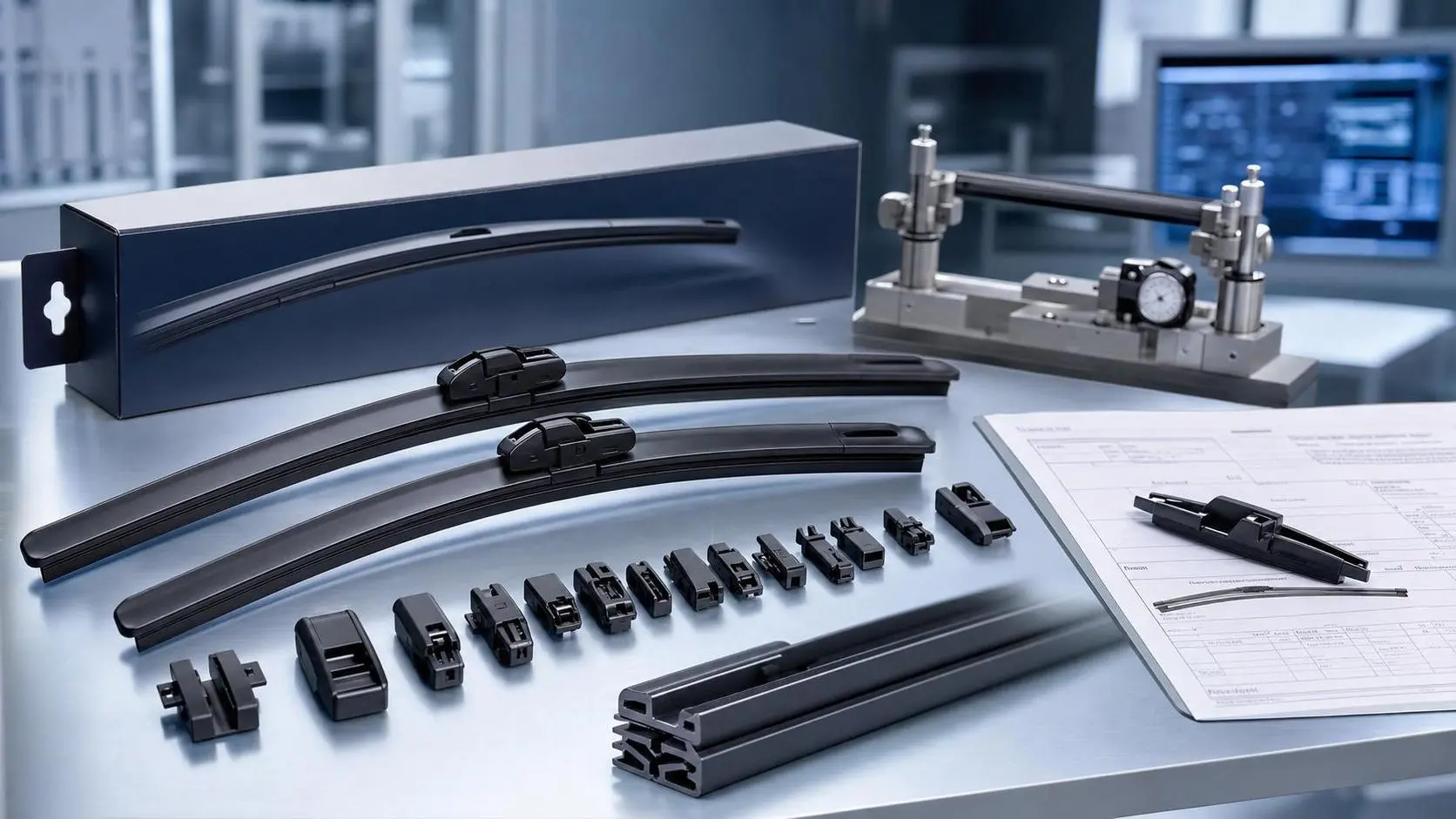
Flat Wiper Blades Wholesale Buying Guide: MOQ, Rubber Quality, Fitment, and Supplier Checks
Flat wiper blades wholesale buying guide covering MOQ, rubber quality, fitment accuracy, and supplier checks to reduce risk, improve margins, and choose reliable bulk partners.
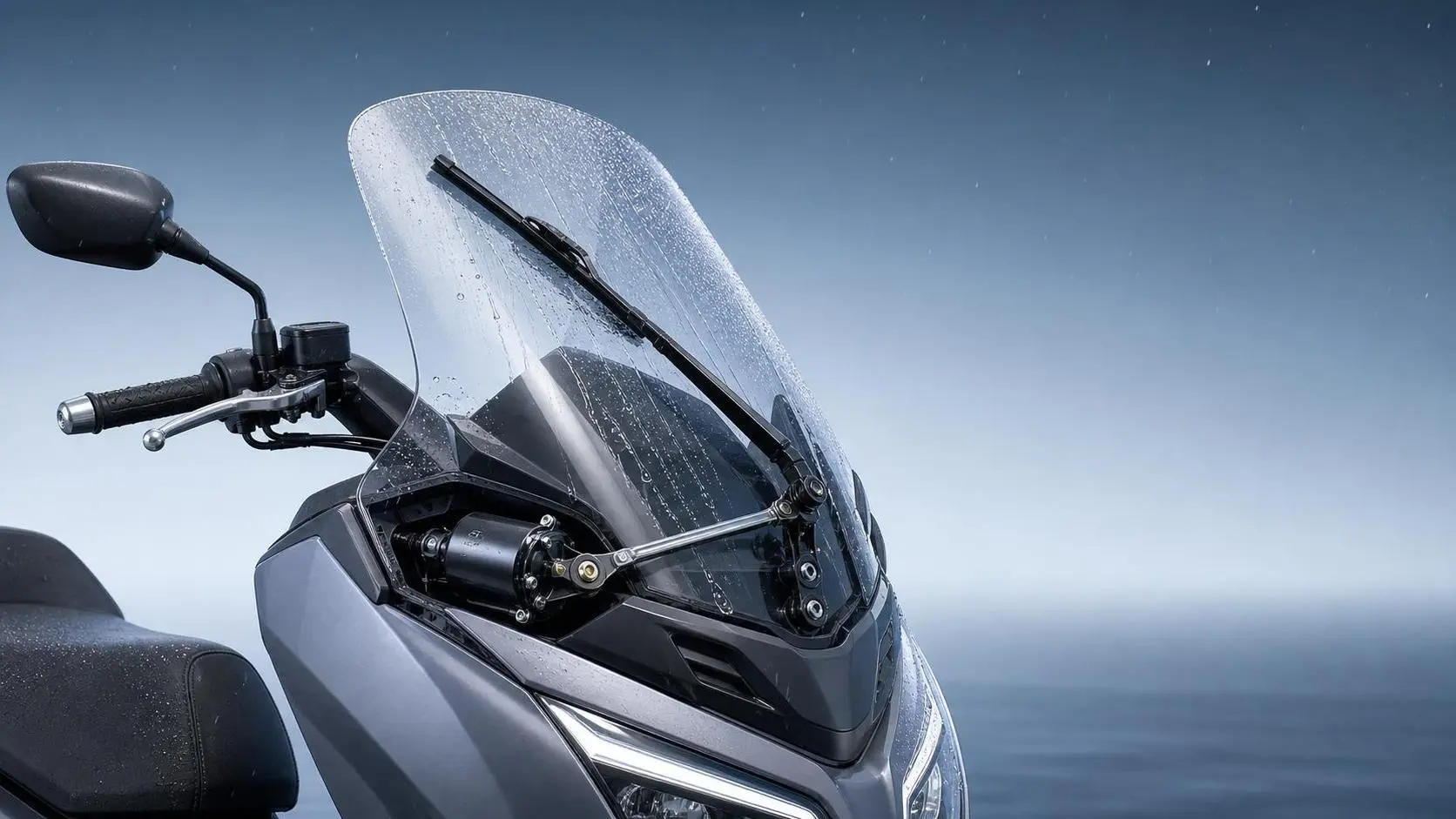
Wiper Systems for Scooters: Common Failure Points, Maintenance Tips, and Replacement Signs
Wiper systems for scooters: learn the most common failure points, smart maintenance tips, and clear replacement signs to improve visibility, reduce repeat repairs, and keep riders safer.
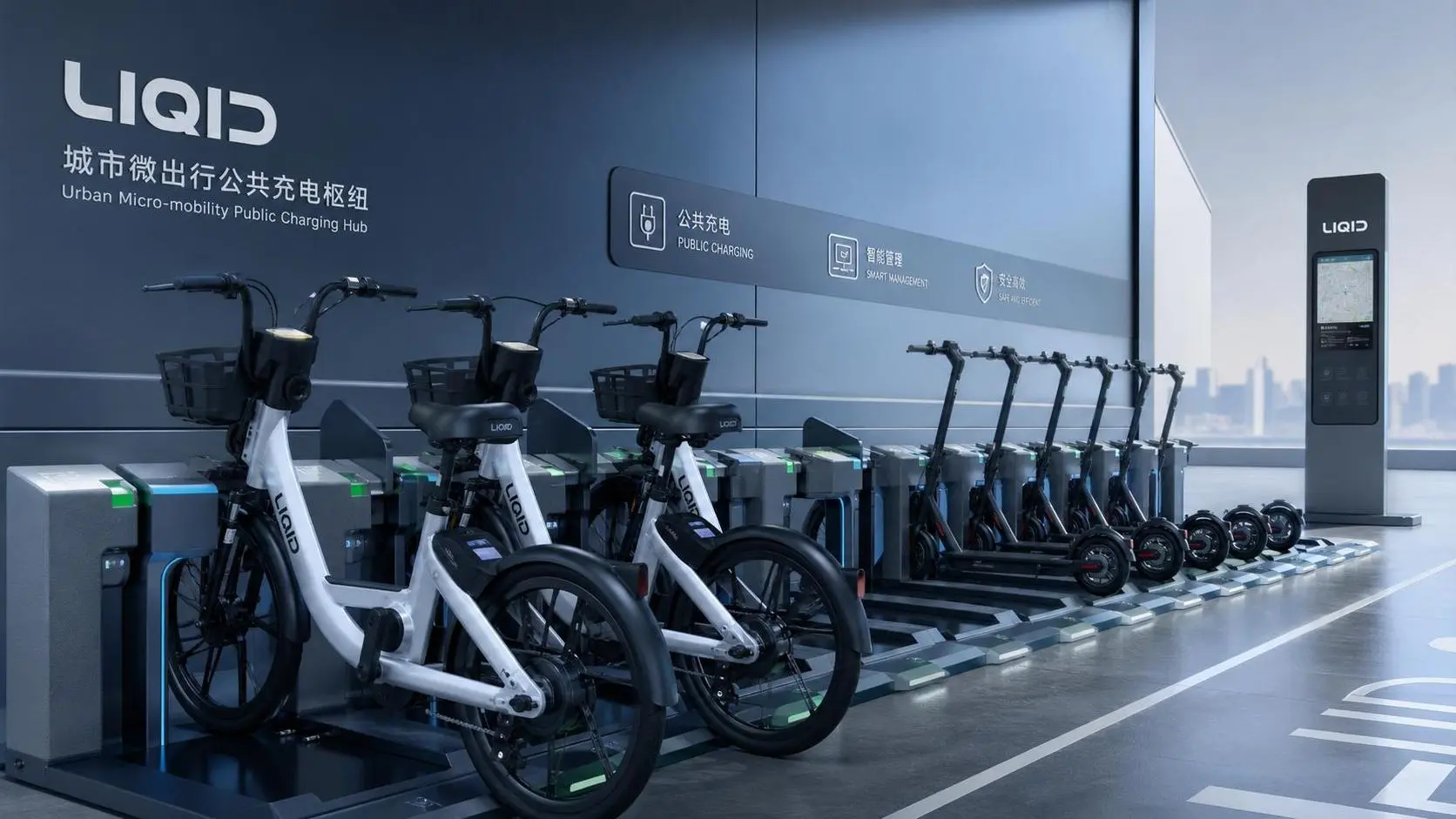
How to Choose Micro-Mobility Docking Stations for Shared Fleets and Public Charging Hubs
Micro-mobility docking stations: learn how to compare charging, locking, software, and site-fit factors to choose safer, smarter hubs for shared fleets and public use.
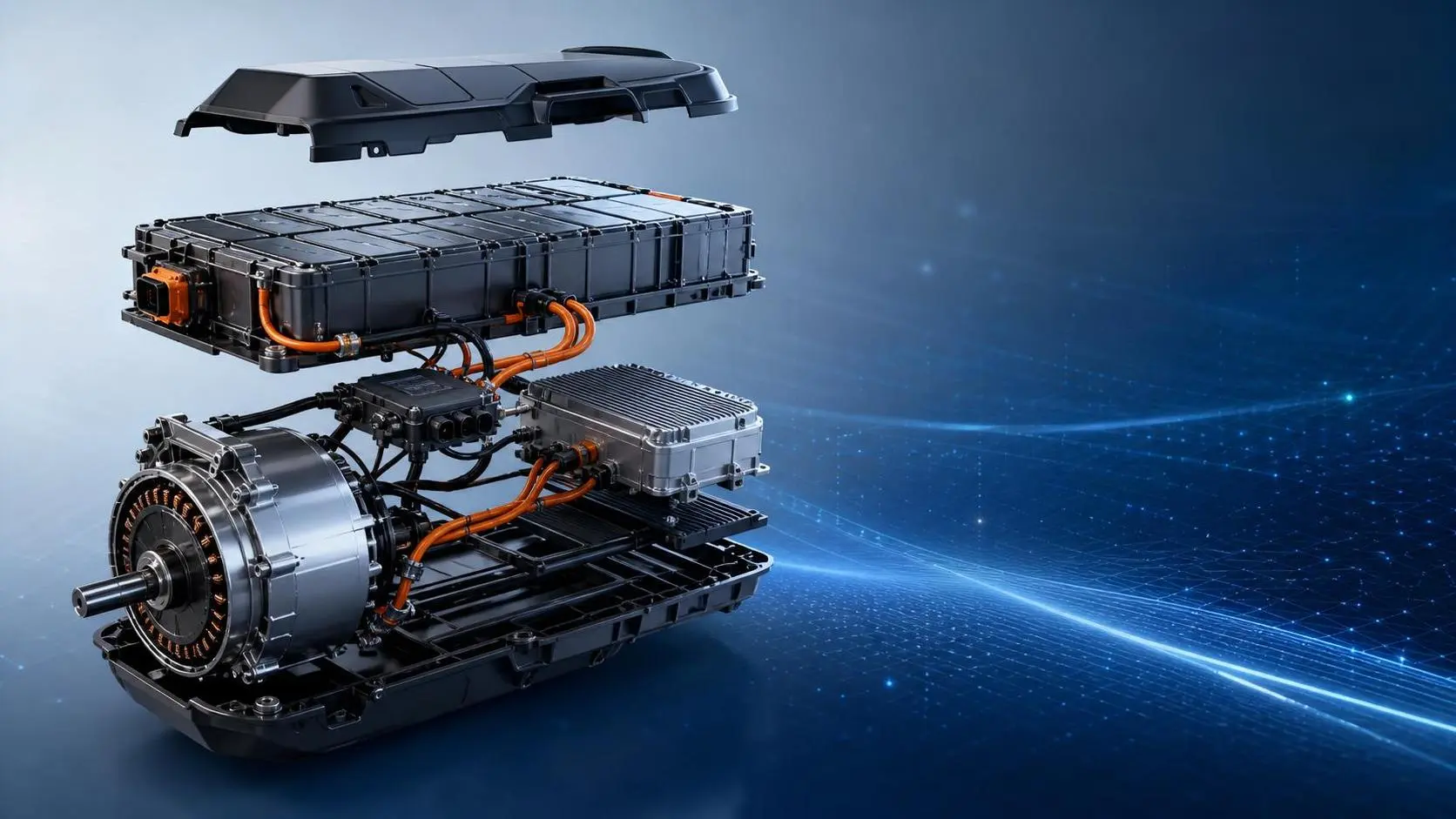
Powertrain Heat Management Explained: Key Design Factors for EV Efficiency and Battery Life
Powertrain heat management explained for EVs: discover how thermal design boosts efficiency, protects battery life, improves safety, and sustains real-world performance.
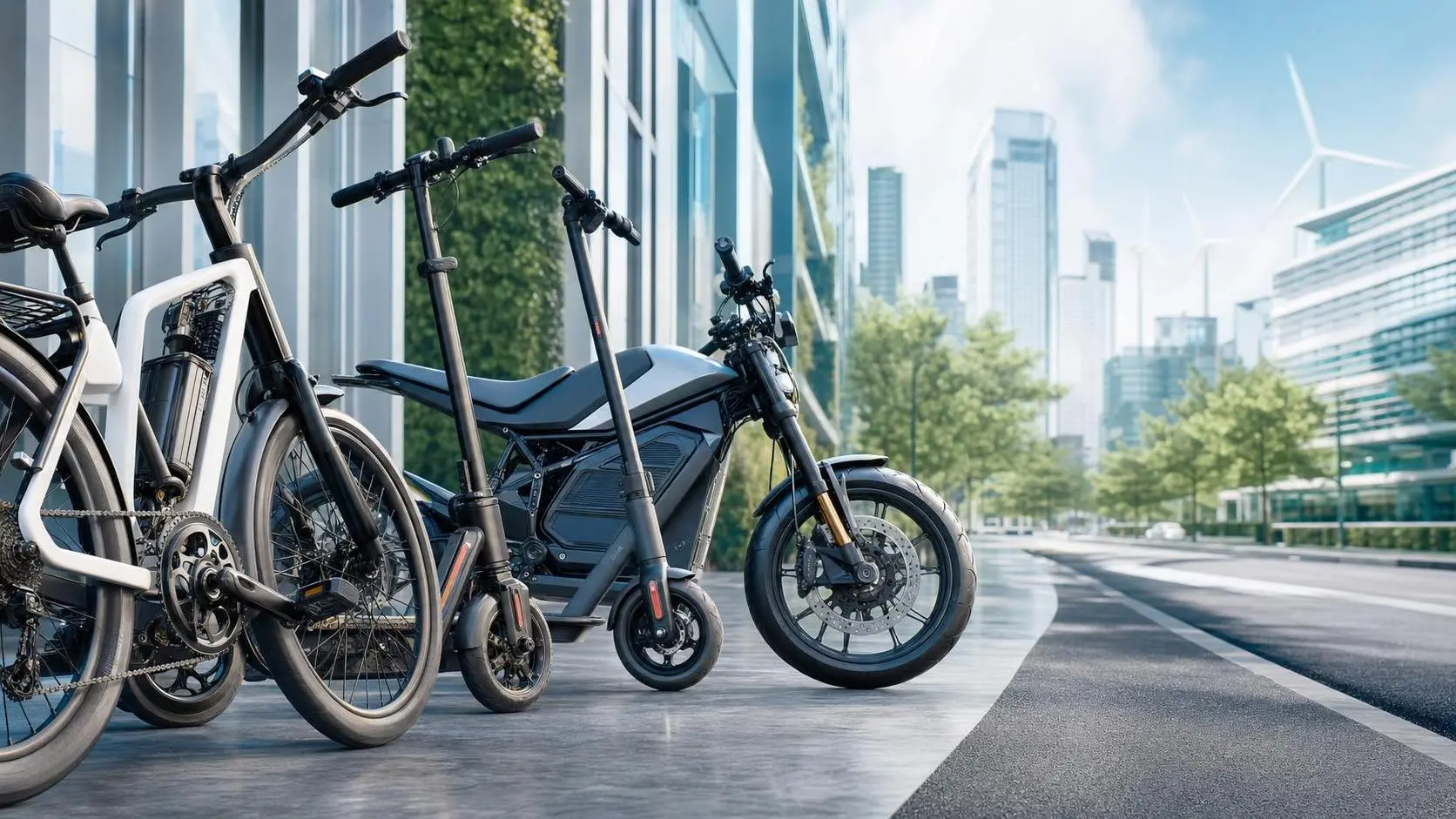
Urban Mobility Market Analysis: Demand Drivers, Policy Risks, and Revenue Models Compared
Urban mobility market analysis compares demand drivers, policy risks, and revenue models across e-bikes, scooters, and e-motorcycles to reveal where growth is durable.

Shared Mobility Compliance Checklist: Permits, Safety Rules, and Fleet Data Requirements
Shared mobility compliance made simple: explore a practical checklist for permits, safety rules, and fleet data requirements to launch faster, reduce risk, and stay audit-ready.
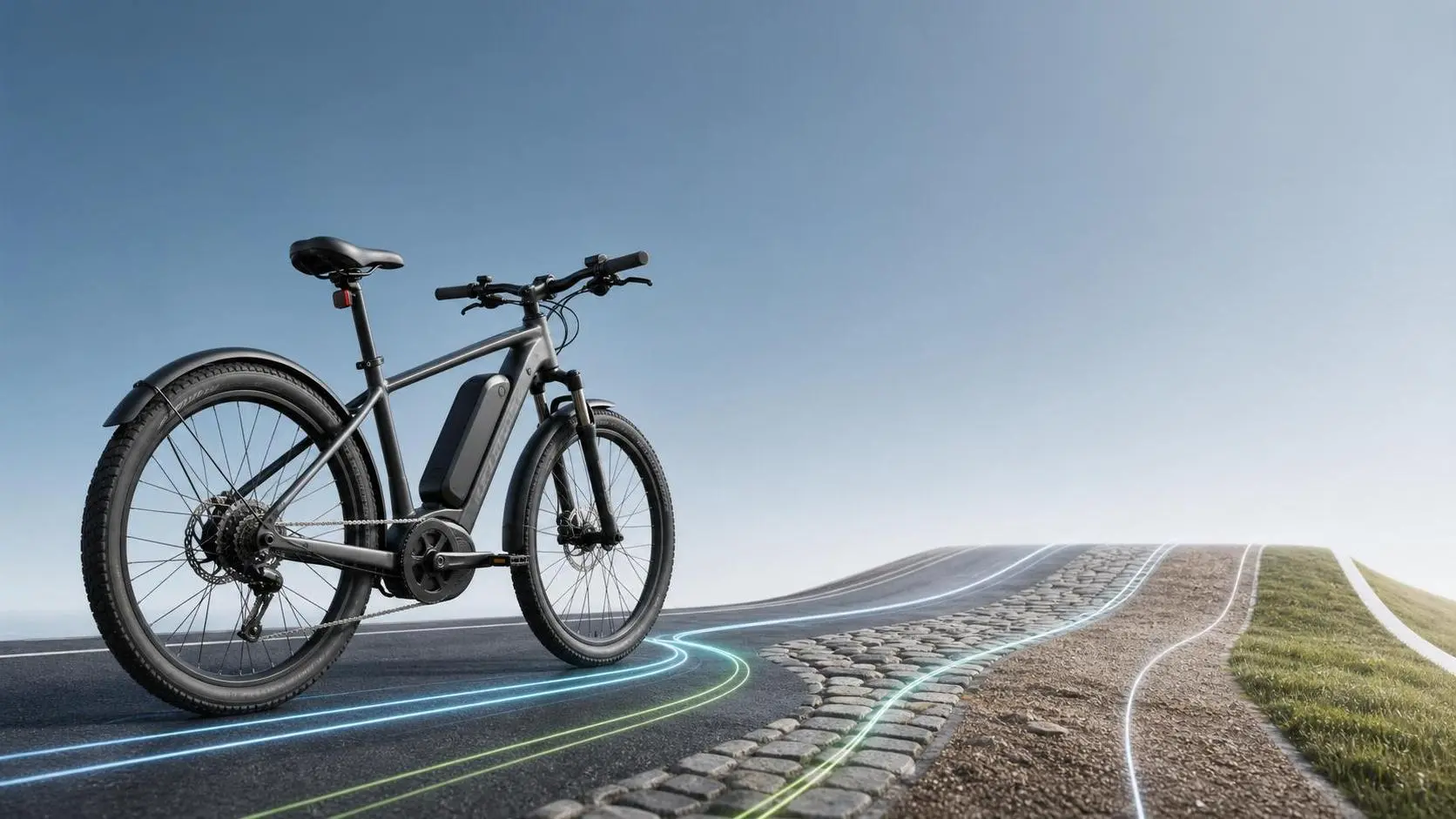
What Affects Ebike Energy Efficiency? Battery Size, Rider Weight, Terrain, and Speed
Ebike energy efficiency explained: learn how battery size, rider weight, terrain, and speed shape real-world range, lower Wh/km, and smarter buying or commuting decisions.
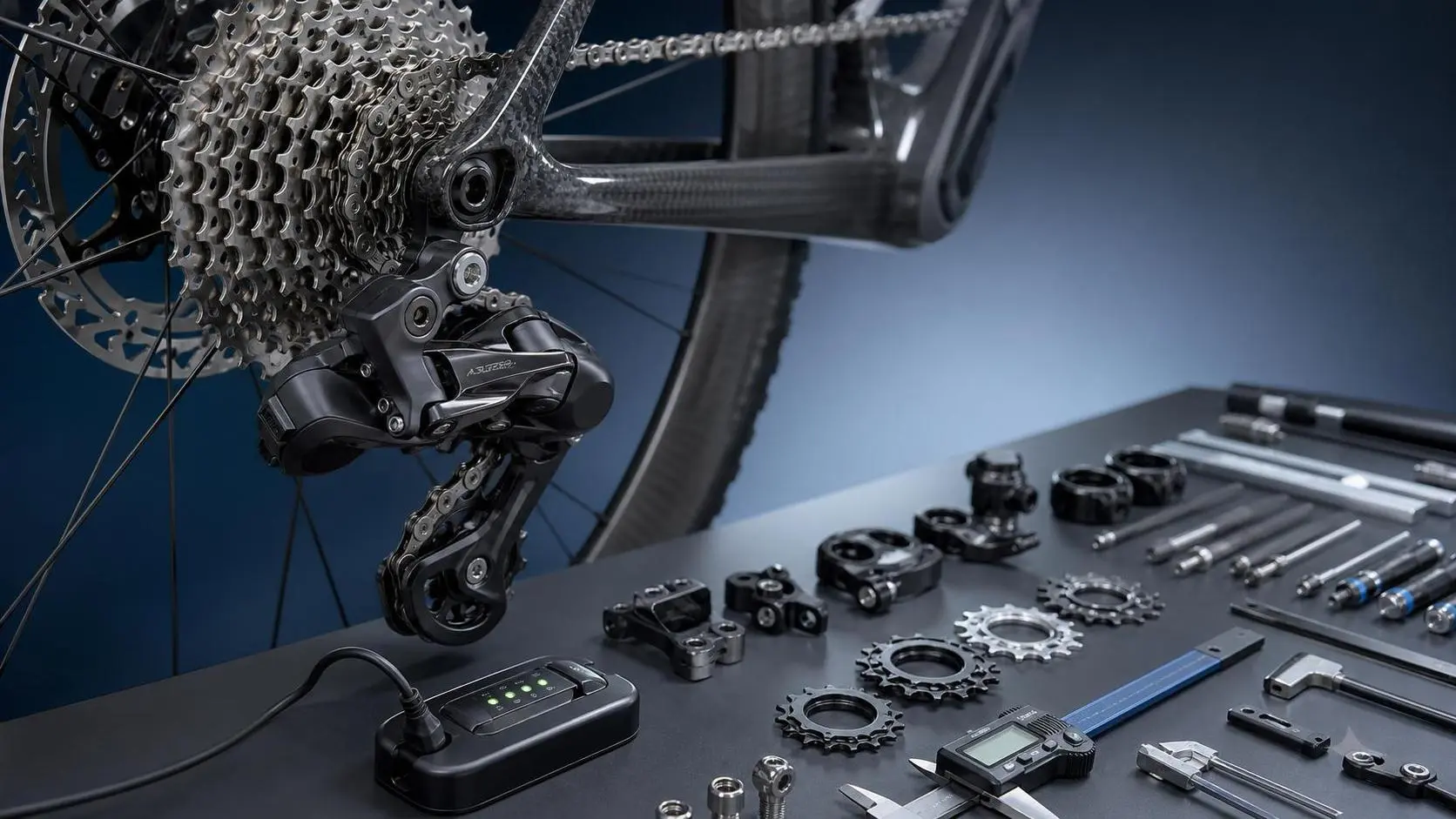
Wireless Electronic Shifting in North America: Compatibility, Standards, and Upgrade Limits
Wireless electronic shifting North America explained: compare compatibility, FCC/ISED standards, retrofit limits, and upgrade risks before choosing the right platform.
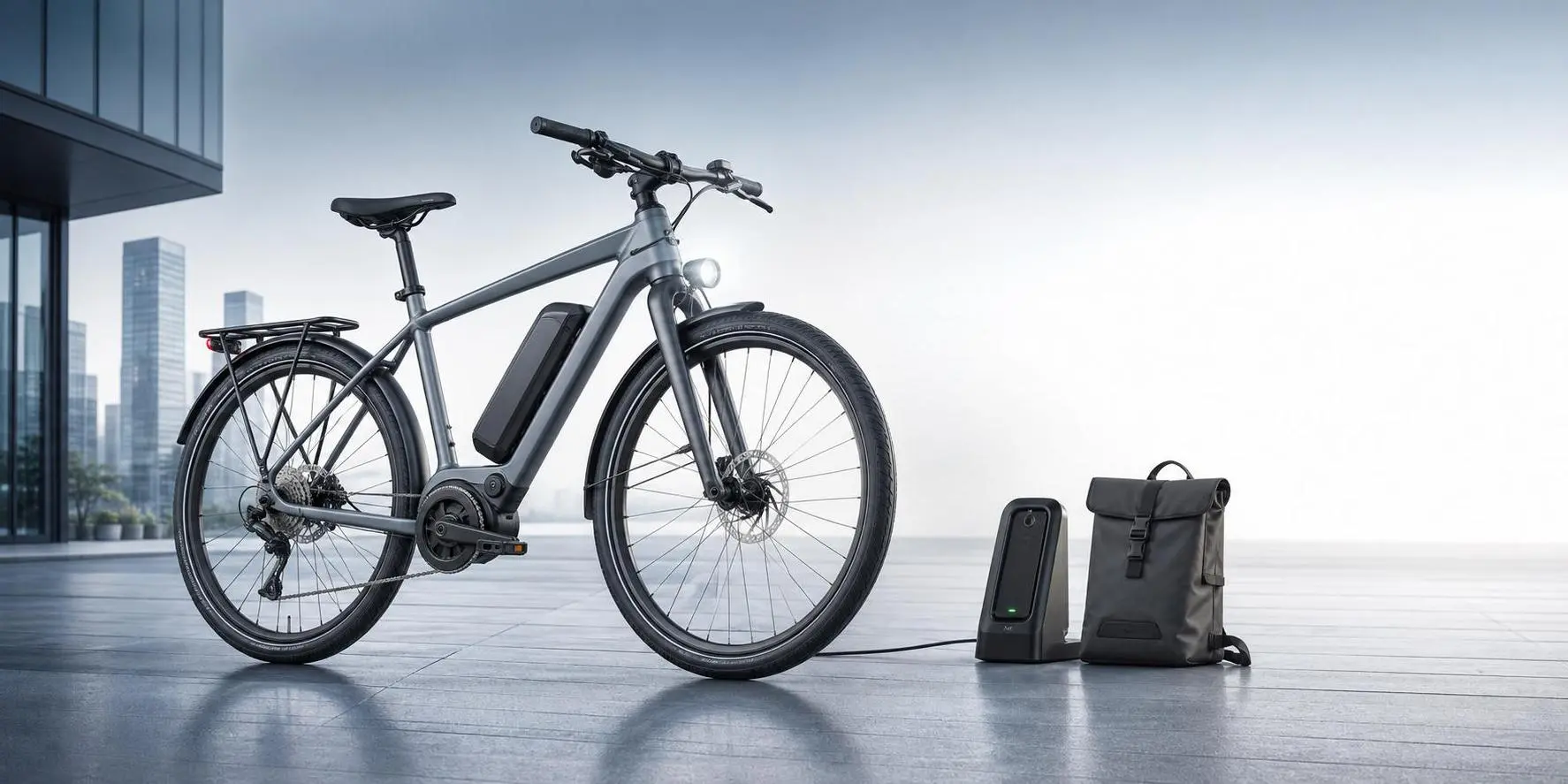
How to Choose an Electric Bicycle for City Commuting: Range, Motor, and Weight Explained
Electric bicycle buying guide for city commuting: learn how range, motor type, torque, and weight affect comfort, storage, and daily efficiency before you choose.