
Urban Transit Fellow
Weekly Insights
Stay ahead with our curated technology reports delivered every Monday.
Electric Torque: What Matters in Off-Road Scooter Control





Electric torque is what makes an off-road scooter feel responsive, stable, and safe when terrain suddenly changes. For riders and operators, understanding how torque delivery affects traction, climbing power, throttle control, and low-speed balance is essential to better handling and fewer mistakes. This guide explains what truly matters in off-road scooter control and how to evaluate performance beyond top-speed claims.
Why a Checklist Matters for Electric Torque Evaluation
Off-road scooter marketing often highlights peak watts and maximum speed. Those figures rarely explain real control on gravel, mud, ruts, or steep transitions.
A checklist helps compare electric torque in practical terms. It shifts attention from headline power to usable force, traction behavior, and controllable response.
This matters across the wider micro-mobility sector. UMMS tracks how electric powertrain logic, battery output stability, and drivetrain tuning shape safer two-wheel performance.
Core Checklist: What Matters in Off-Road Scooter Control
- Check low-end electric torque first, because initial wheel force determines whether the scooter crawls cleanly over rocks or spins out when starting on loose ground.
- Measure throttle smoothness, since abrupt controller mapping can turn strong electric torque into jerky launches, poor balance, and wasted traction on mixed terrain.
- Compare sustained torque, not only peak output, because long climbs expose weak thermal control, voltage sag, and fading hill performance after a short burst.
- Evaluate motor-controller coordination, as refined current delivery helps electric torque arrive progressively and keeps the rear wheel predictable during corner exits.
- Inspect tire grip and compound choice, because even excellent electric torque becomes difficult to control if the contact patch cannot hold on sand or wet soil.
- Review battery discharge capability, since a pack with limited current output may advertise power but fail to support reliable electric torque under load.
- Test low-speed balance behavior, because technical off-road riding depends on tiny torque inputs that stabilize the scooter without sudden forward lurches.
- Assess weight distribution, as front-rear balance influences how electric torque transfers to the ground when climbing, braking, or crossing uneven surfaces.
- Confirm traction control logic, if available, because smart intervention can reduce wheelspin while preserving enough electric torque to maintain forward progress.
- Examine heat management, since repeated hill starts and slow trail sections can overload motors and controllers, reducing electric torque exactly when control matters most.
How Electric Torque Changes Control in Real Riding
Loose Gravel and Hardpack
On gravel, too much immediate electric torque breaks traction before the chassis settles. A smoother ramp lets the tire bite, then build speed without fishtailing.
Hardpack rewards precision more than brute force. Here, controllable torque delivery improves corner exit speed and reduces rider correction through the handlebar.
Steep Climbs and Rocky Trails
Climbing requires sustained electric torque, especially at low speed. If torque fades after a few seconds, the scooter may stall or force a risky restart mid-slope.
Rock sections also expose throttle mapping quality. Fine control helps place the wheel accurately over ledges, roots, or embedded stones without bouncing off line.
Mud, Sand, and Wet Ground
In soft terrain, electric torque must be moderated. Excess force digs the tire deeper, while a progressive response keeps flotation and forward momentum more consistent.
Wet surfaces demand even greater discipline. The best setup is not the highest torque figure, but the one that allows repeatable traction recovery after slip begins.
Commonly Overlooked Factors and Risk Alerts
Ignoring Voltage Sag
Battery voltage drop under heavy load can soften electric torque when the trail gets harder. Real performance depends on pack quality, BMS logic, and current capability.
Confusing Peak Torque with Usable Torque
A short peak number looks impressive, but off-road control depends on repeatable torque across seconds, not milliseconds. Usable output is the more important metric.
Overlooking Controller Tuning
Many control problems come from software rather than the motor itself. Weak tuning can make strong electric torque feel nervous, delayed, or inconsistent across ride modes.
Underestimating Tire and Suspension Setup
Even a powerful system cannot compensate for poor tire pressure or underdamped suspension. Mechanical grip determines how effectively electric torque reaches the ground.
Forgetting Heat Build-Up
Slow technical riding may cool less than fast open riding. That raises motor and controller temperatures, which can trigger protection modes and reduce available torque.
Practical Execution Steps for Better Off-Road Control
- Start with eco or mid-power mode and test low-speed response on mixed surfaces before using maximum output.
- Record hill-climb consistency over repeated runs to see whether electric torque stays stable after heat and battery load increase.
- Adjust tire pressure carefully to match terrain, because traction changes can be more noticeable than small motor power differences.
- Review controller settings, if accessible, to soften throttle ramp and improve electric torque modulation in technical sections.
- Inspect battery condition regularly, since aging cells reduce discharge performance and make torque delivery less predictable.
- Compare riding data over temperature, gradient, and surface type instead of judging performance from one short test ride.
What to Look for When Comparing Models
When comparing off-road scooters, ask how electric torque is delivered, sustained, and controlled. Look beyond motor wattage into controller quality, battery discharge rate, and thermal design.
Also compare ride mode calibration, tire specification, and chassis geometry. In the UMMS view, real micro-mobility performance emerges from system integration, not a single headline number.
That systems perspective is increasingly important across e-bikes, smart e-scooters, and high-speed electric two-wheelers, where torque intelligence now shapes safety as much as speed.
Conclusion and Next Action
Electric torque is central to off-road scooter control, but the best result comes from controlled delivery, stable battery support, effective traction, and durable thermal performance.
Use this checklist during evaluation or testing. Focus on low-speed precision, sustained climbing force, and predictable response across terrain changes.
If a scooter feels calm, repeatable, and composed when traction is limited, its electric torque is working for control, not against it. That is the benchmark worth trusting.
Related News
How to Choose Lightweight Scooter Frames in Europe: Materials, Standards, and Use Cases
Lightweight scooter frames Europe buyers need should balance materials, EN standards, durability, and real use cases. Discover how to choose safer, smarter, compliant frames.
What Is the Intellectualization of Mobility Platform and How Is It Applied in Shared Fleets?
Intellectualization of mobility platform is reshaping shared fleets with real-time data, predictive maintenance, and smarter compliance—learn how it boosts safety, uptime, and urban mobility efficiency.
Urban Micro-Mobility Systems in Latin America: Key Market Drivers, Barriers, and Growth Segments
Urban micro-mobility systems Latin America are reshaping city transport. Explore key drivers, barriers, and high-growth segments to spot the region’s most investable opportunities.
Electric Motorcycle Systems Price Breakdown: What Affects Cost From Battery to Controller?
Electric motorcycle systems price explained: see how battery, controller, motor, BMS, and wiring affect total cost, reliability, and sourcing value before you buy.
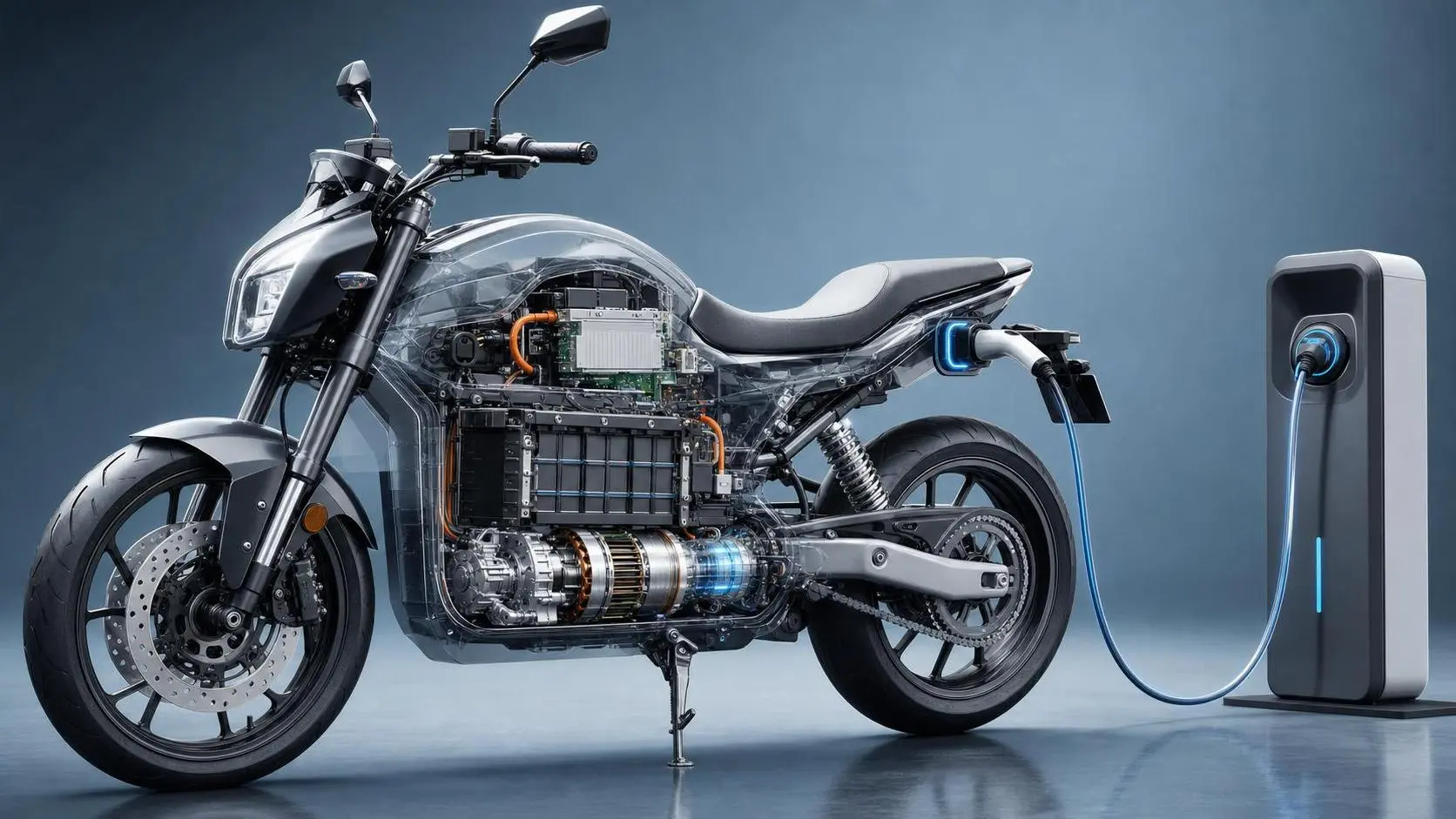
72V Electric Motorcycle Technology Explained: Motors, Controllers, Range, and Charging
Electric motorcycle technology 72V explained clearly: compare motors, controllers, range, battery design, and charging to choose a smoother, stronger, and smarter electric ride.

Where LED Urban Visibility Safety Systems Fit Best in Shared Scooters and City E-bikes
LED urban visibility safety systems deliver the most value in shared scooters and city e-bikes by improving multi-angle safety, fleet durability, and urban compliance across real-world routes.
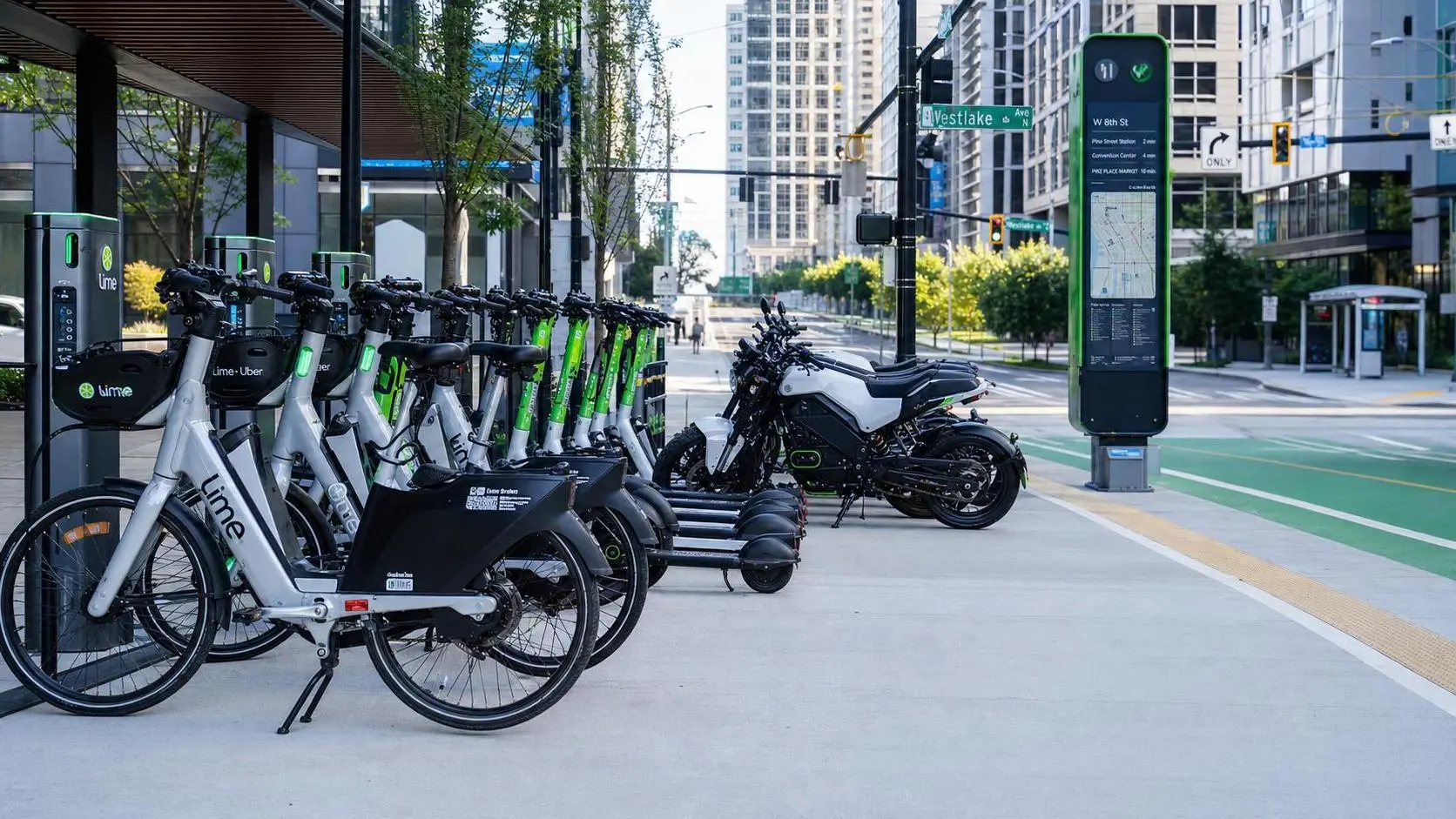
Intellectualization of Mobility in North America: What Is Driving Adoption Across Urban Transport?
Intellectualization of mobility North America is reshaping urban transport through data, smart fleets, and battery intelligence. Explore what is driving adoption and why cities and operators are accelerating now.
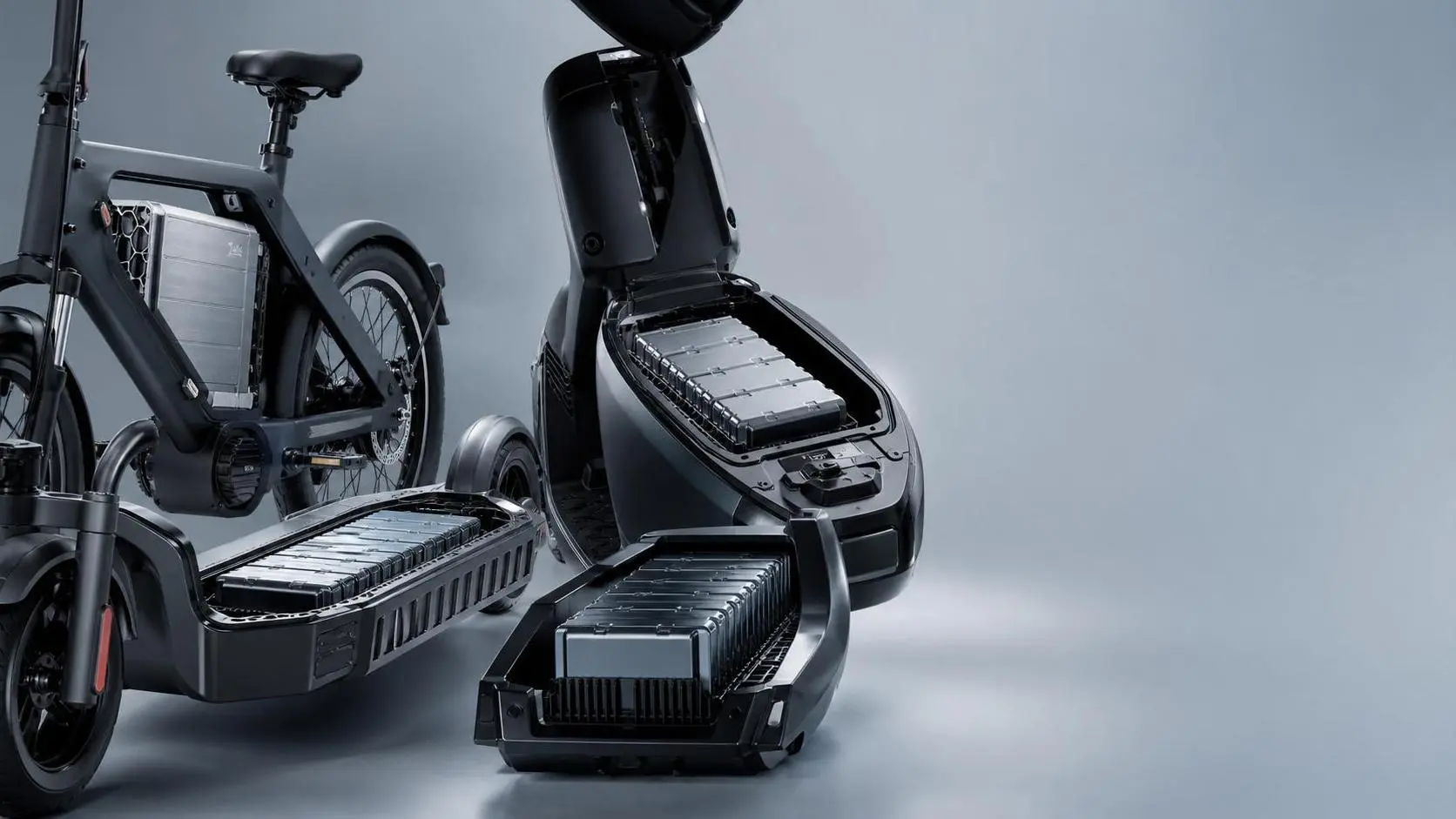
How to Choose a Compact Battery Pack: Size, Energy Density, Thermal Design, and Cycle Life
Compact battery pack selection starts with more than size. Learn how energy density, thermal design, and cycle life shape range, safety, and long-term value.
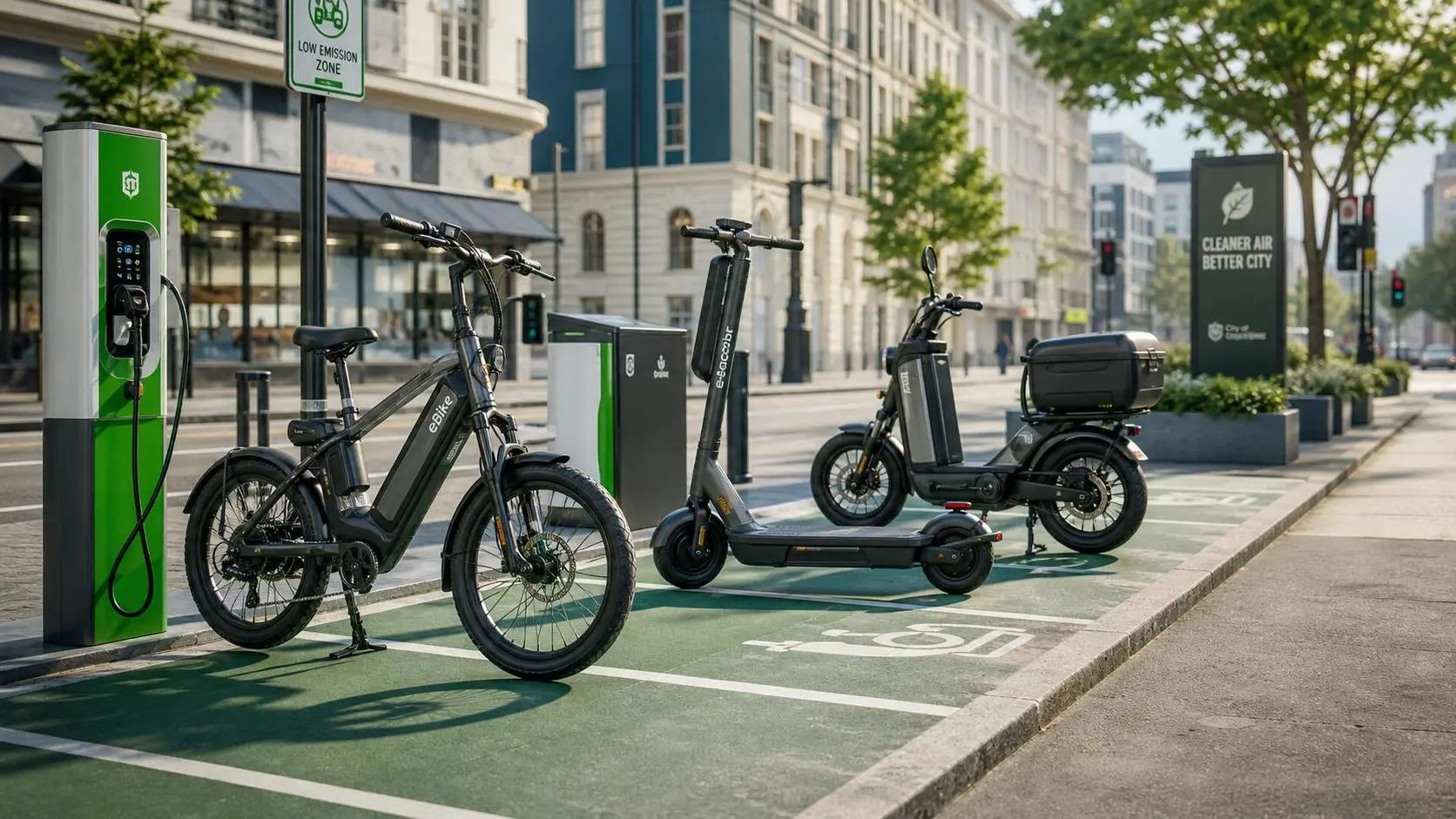
What Is Driving Green Two-wheelers Demand in Europe? Policy, Fuel Costs, and Buyer Segments
Green two-wheelers demand Europe is rising as policy support, fuel cost pressure, and diverse buyer segments reshape urban mobility. Explore the trends driving the next growth wave.