
Related News
- 00
0000-00
How to Choose Lightweight Scooter Frames in Europe: Materials, Standards, and Use Cases - 00
0000-00
Private Label Electric Scooters in Europe: Compliance, MOQ, and Supplier Checks - 00
0000-00
Component Selection for E-Scooters Battery Systems: Cells, BMS, and Thermal Protection - 00
0000-00
Low Carbon Commuting Options: E-bikes, Foldable Scooters, and Public Transit Compared - 00
0000-00
Micro-light Technology in Foldable Commuters Compared
Urban Transit Fellow
Weekly Insights
Stay ahead with our curated technology reports delivered every Monday.
How to Choose Lightweight Scooter Frames in Europe: Materials, Standards, and Use Cases





Choosing lightweight scooter frames Europe markets can trust is no longer a matter of chasing the lowest kilogram figure.
In urban mobility, frame decisions shape safety margins, compliance pathways, ride feel, maintenance cycles, and total lifecycle cost.
That matters even more in Europe, where shared fleets, commuter demand, weather exposure, and regulatory scrutiny all raise the bar.
For platforms such as UMMS, which track e-bikes, smart e-scooters, drivetrain systems, and broader low-carbon transport intelligence, frame architecture sits at the center of product credibility.
A light frame can improve portability and efficiency, but only if material choice, fatigue behavior, corrosion resistance, and EN compliance stay aligned with real operating conditions.
Why frame weight has become a strategic issue
Europe’s micro-mobility market has matured beyond novelty.
City riders expect compact vehicles that carry easily into apartments, offices, trains, and mixed-mode commutes.
Operators and brands, meanwhile, need platforms that survive curb strikes, folding cycles, wet winters, and intensive daily charging routines.
This is why lightweight scooter frames Europe buyers evaluate are under pressure from two directions at once.
They must reduce mass for usability and energy efficiency, yet still deliver structural confidence over thousands of kilometers.
The tension is familiar across two-wheeler electrification.
Battery density, motor response, electronics packaging, and mechanical precision all depend on what the frame can support without excessive deformation or early fatigue.
What “lightweight” should really mean
In technical terms, lightweight does not simply mean thin tubing or reduced material volume.
A useful definition combines mass efficiency with stiffness, durability, manufacturability, and compliance.
A frame that saves 800 grams but fails accelerated fatigue testing is not lightweight in any commercially meaningful sense.
For lightweight scooter frames Europe programs, the better question is this: how much structural performance is delivered per unit of weight?
That shifts evaluation away from headline numbers and toward geometry, joint design, weld quality, heat treatment, and localized reinforcement.
How major materials compare
Aluminum alloys
Aluminum remains the dominant choice for lightweight scooter frames Europe suppliers offer at scale.
It balances low density, good corrosion resistance, and efficient industrial processing.
Common grades such as 6061 and 7005 are well understood in mobility applications.
Their value comes from predictable fabrication routes and acceptable cost for mid-volume production.
The watchpoints are also familiar.
Weld zones can become fatigue-sensitive, and poor heat management may reduce long-term strength around hinge points or steering interfaces.
Steel
Steel is heavier, but dismissing it too early can distort a real business assessment.
High-strength steel can deliver strong fatigue performance, robust impact tolerance, and straightforward repairability.
For rental fleets or rough city duty, those traits may outweigh the mass penalty.
Its main weakness is corrosion exposure if coating quality, drainage, or maintenance routines are poor.
Advanced composites
Carbon fiber and hybrid composites promise very low weight and targeted stiffness tuning.
In practice, they suit premium niches better than mainstream urban scooters.
Composites can perform well, but inspection, impact damage detection, and repair logistics remain more complex.
They also challenge cost discipline in categories where theft, abuse, and dense usage are common.
Standards matter more than marketing claims
Any review of lightweight scooter frames Europe options should start with the regulatory environment.
European acceptance depends on more than a supplier declaration.
Relevant EN standards, component-level tests, chemical compliance, and documentation quality all affect market readiness.
The exact standard set varies by vehicle class, speed category, and local rules.
Still, several themes keep recurring: static strength, fatigue cycling, steering column integrity, locking or folding reliability, and corrosion validation.
A lightweight frame that performs well in CAD but lacks test traceability can slow homologation and weaken downstream trust.
That is where sector intelligence becomes practical.
UMMS and similar mobility analysis platforms are valuable because they connect engineering choices with evolving European access rules, safety expectations, and commercial timing.
The hidden failure modes behind light frames
Many frame failures do not begin in the middle of a straight tube.
They start at interfaces where loading is concentrated or repeated in small ranges.
For lightweight scooter frames Europe teams assess, these areas deserve close attention:
- Folding hinges, where portability often creates the highest structural risk.
- Head tube and steering joints, which absorb vibration, braking loads, and curb impacts.
- Battery enclosure interfaces, especially when the pack acts as a stressed element.
- Weld toes and heat-affected zones, where fatigue cracks may initiate.
- Surface finishes and drain paths, which influence corrosion growth under winter road salt.
In actual service, light rain is rarely the real issue.
The harder conditions are repeated shock loads, storage neglect, and mixed environmental exposure across seasons.
Use cases change the right answer
There is no single best frame for all European mobility programs.
The correct specification depends on where the scooter will operate and how it will be treated.
Portable commuter models
These prioritize carrying comfort, quick folding, and efficient battery use.
Aluminum is usually the strongest candidate, but hinge durability must be validated carefully.
Shared fleet scooters
Fleet platforms face abuse, frequent impacts, inconsistent charging habits, and limited preventive maintenance.
A slightly heavier frame with better abuse tolerance can outperform a lighter design over the asset’s working life.
Premium smart scooters
These combine app connectivity, refined industrial design, and premium ride expectations.
Weight matters, but aesthetic integration, internal cable routing, and battery packaging also shape frame selection.
Heavy-duty urban utility
Cargo-oriented or high-load applications may justify steel or reinforced aluminum layouts.
In these cases, reliability under sustained load matters more than achieving the lightest possible frame.
A practical selection framework
When comparing lightweight scooter frames Europe suppliers present, a structured review helps separate polished claims from robust engineering.
- Check material grade, temper, and joining method instead of accepting generic labels.
- Review fatigue test protocols, sample counts, and failure locations.
- Look at corrosion strategy, including coatings, fasteners, and water management.
- Assess whether the frame supports battery thermal needs and cable protection.
- Confirm EN-related documentation and external lab traceability.
- Compare weight savings against expected maintenance and warranty exposure.
This approach keeps the evaluation tied to operating reality.
It also fits the broader UMMS view that micro-mobility performance comes from the interaction of mechanics, electronics, and urban policy, not from isolated component claims.
What to watch next in Europe
The next wave of lightweight scooter frames Europe development will likely focus on smarter integration rather than dramatic material disruption.
Expect better use of simulation-led reinforcement, modular battery compartments, improved anti-corrosion finishing, and tighter links between frame design and connected diagnostics.
As cities refine access rules and sustainability targets, the winning frame will be the one that aligns low mass with documented durability and compliance confidence.
A sensible next step is to map each candidate frame against three filters: duty cycle, regulatory pathway, and service-life economics.
That makes the discussion more precise, and it turns lightweight scooter frames Europe sourcing from a weight contest into a disciplined mobility decision.
Related News
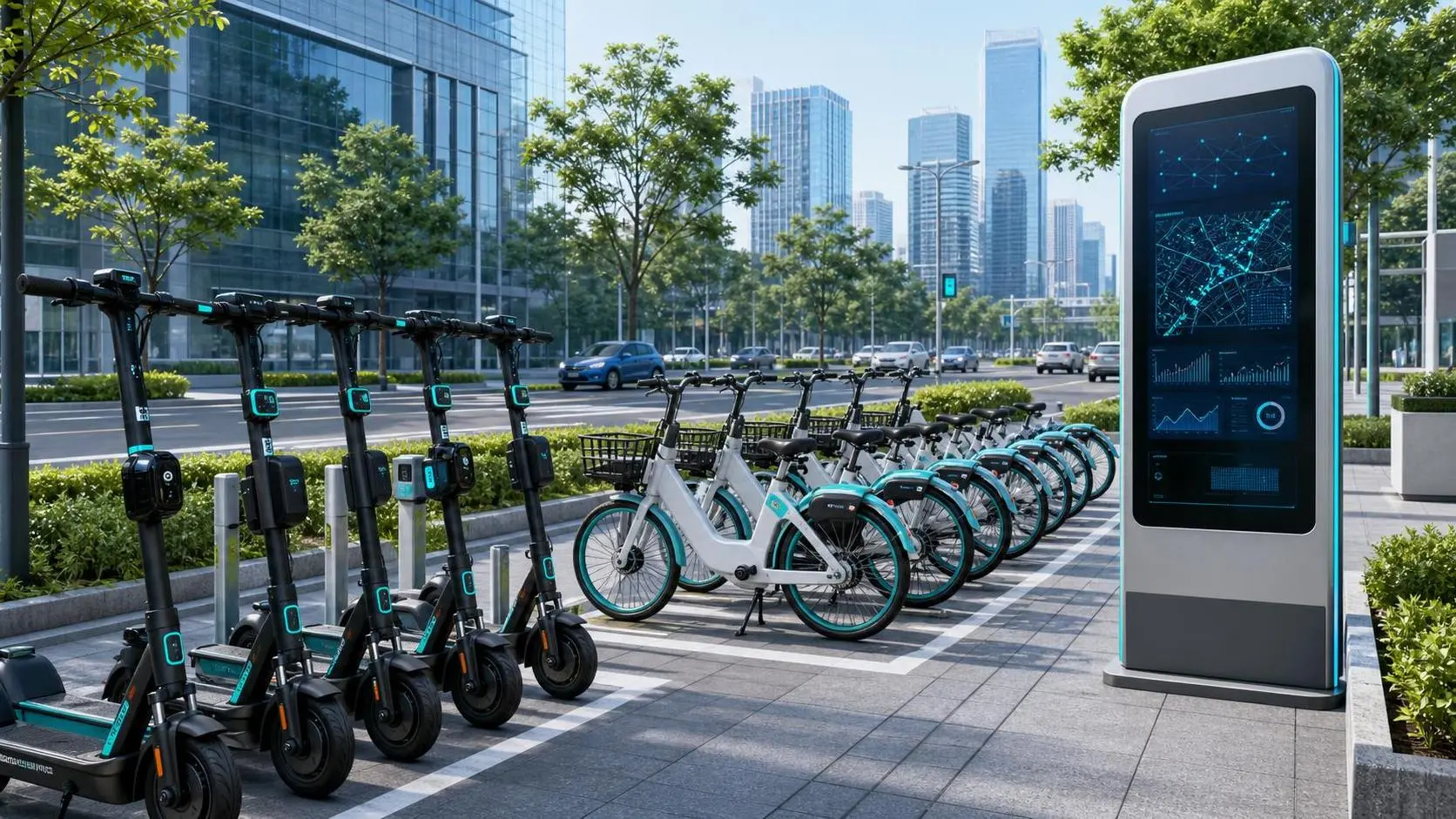
What Is the Intellectualization of Mobility Platform and How Is It Applied in Shared Fleets?
Intellectualization of mobility platform is reshaping shared fleets with real-time data, predictive maintenance, and smarter compliance—learn how it boosts safety, uptime, and urban mobility efficiency.
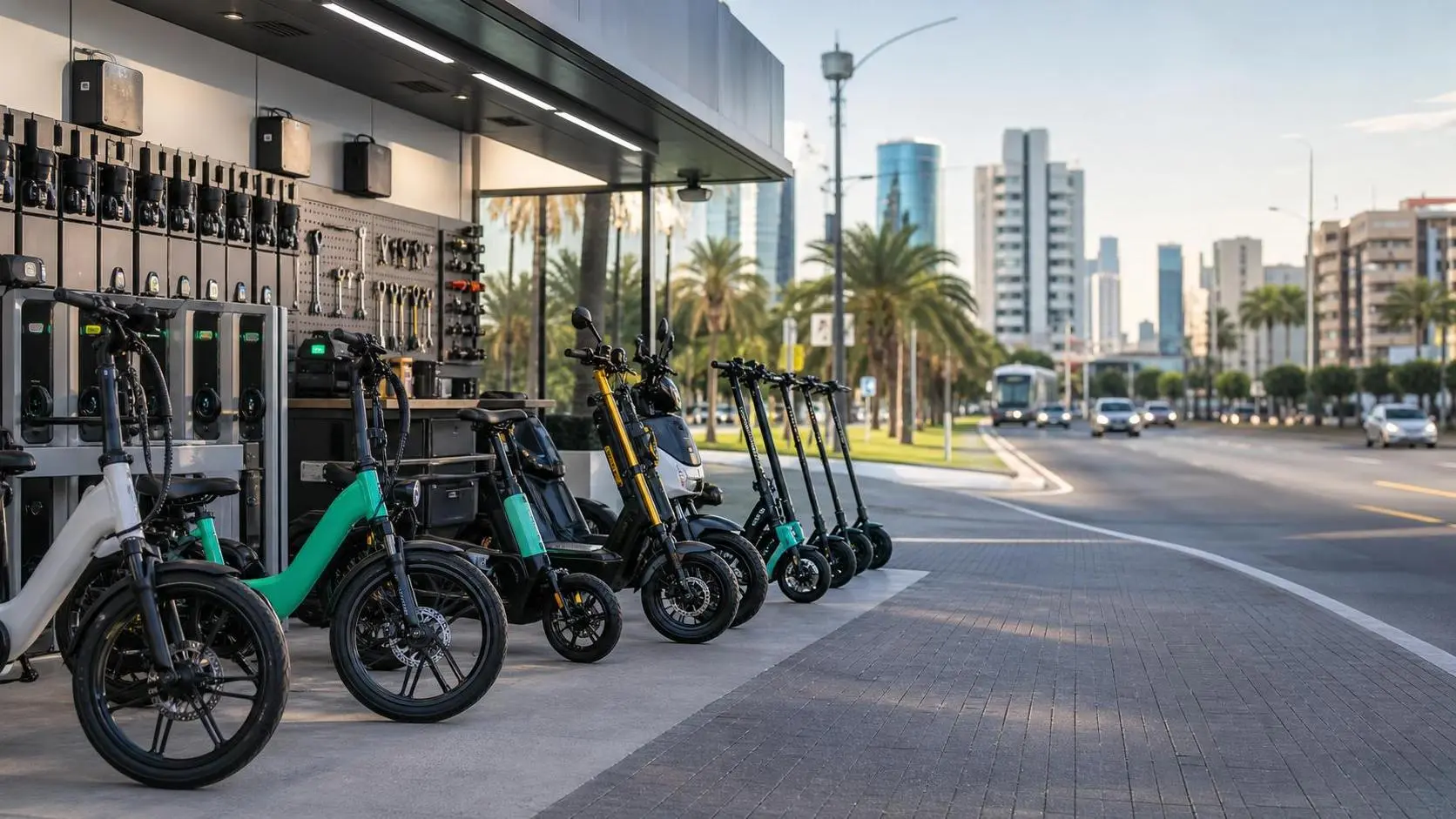
Urban Micro-Mobility Systems in Latin America: Key Market Drivers, Barriers, and Growth Segments
Urban micro-mobility systems Latin America are reshaping city transport. Explore key drivers, barriers, and high-growth segments to spot the region’s most investable opportunities.
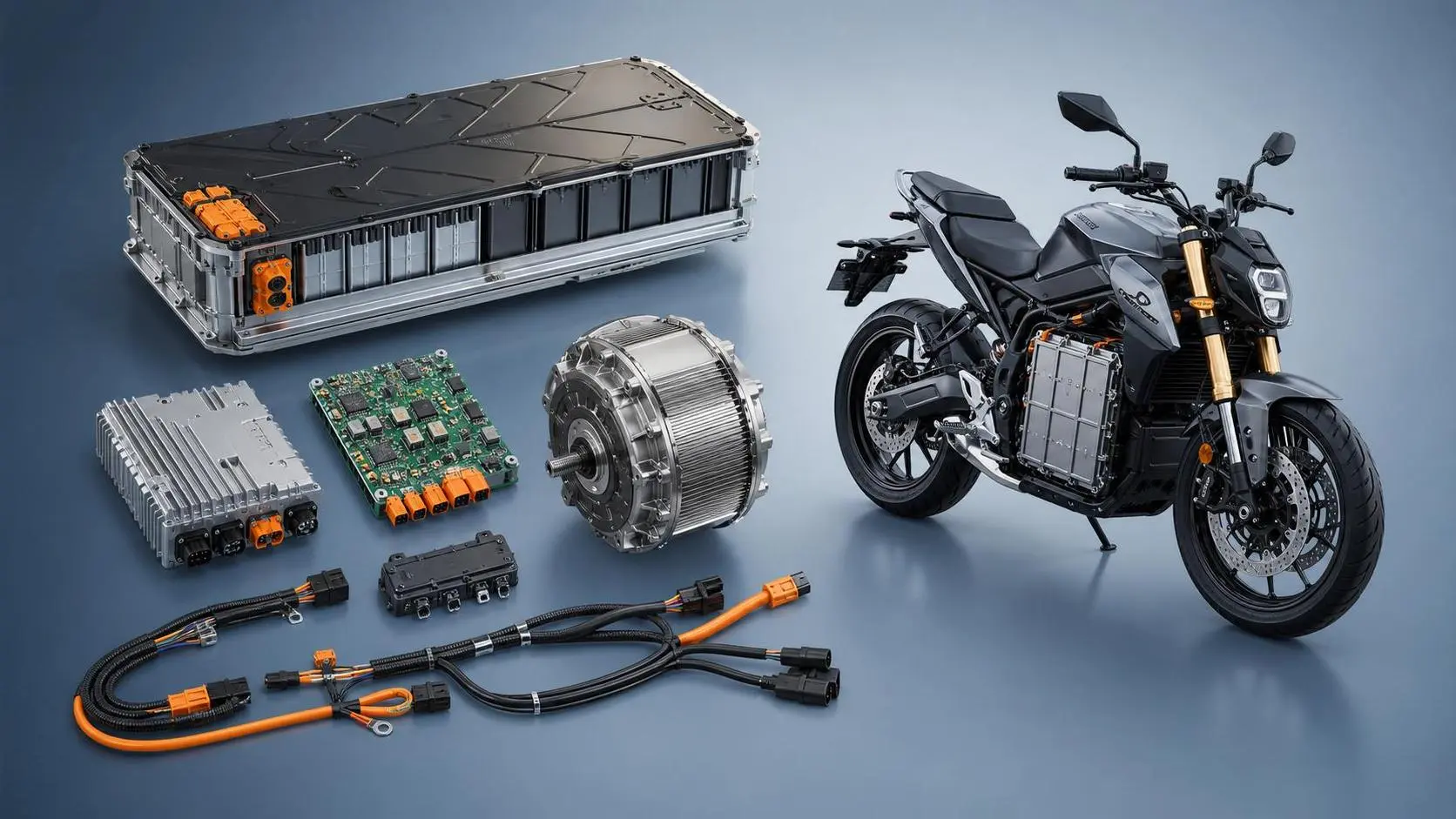
Electric Motorcycle Systems Price Breakdown: What Affects Cost From Battery to Controller?
Electric motorcycle systems price explained: see how battery, controller, motor, BMS, and wiring affect total cost, reliability, and sourcing value before you buy.
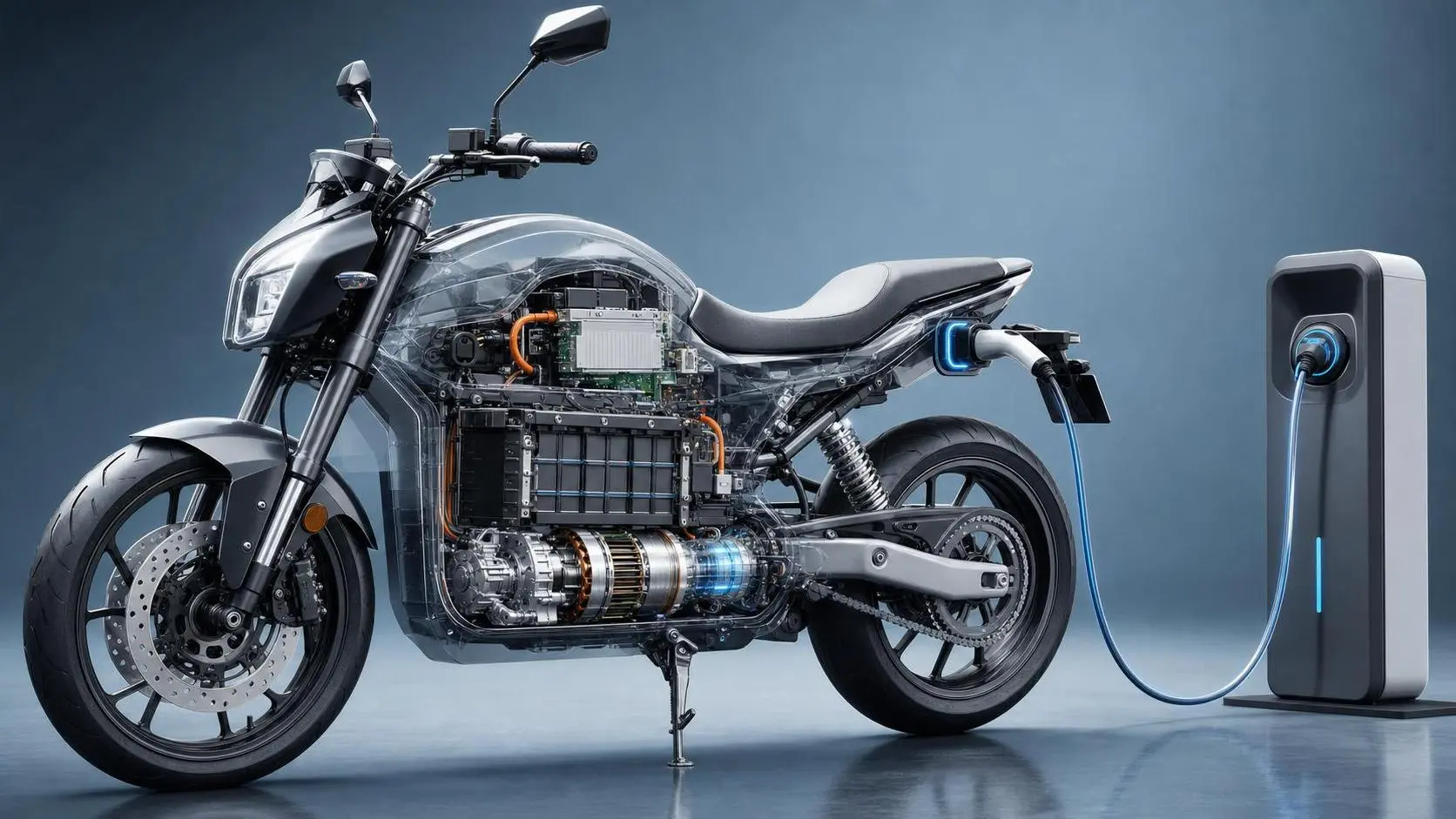
72V Electric Motorcycle Technology Explained: Motors, Controllers, Range, and Charging
Electric motorcycle technology 72V explained clearly: compare motors, controllers, range, battery design, and charging to choose a smoother, stronger, and smarter electric ride.
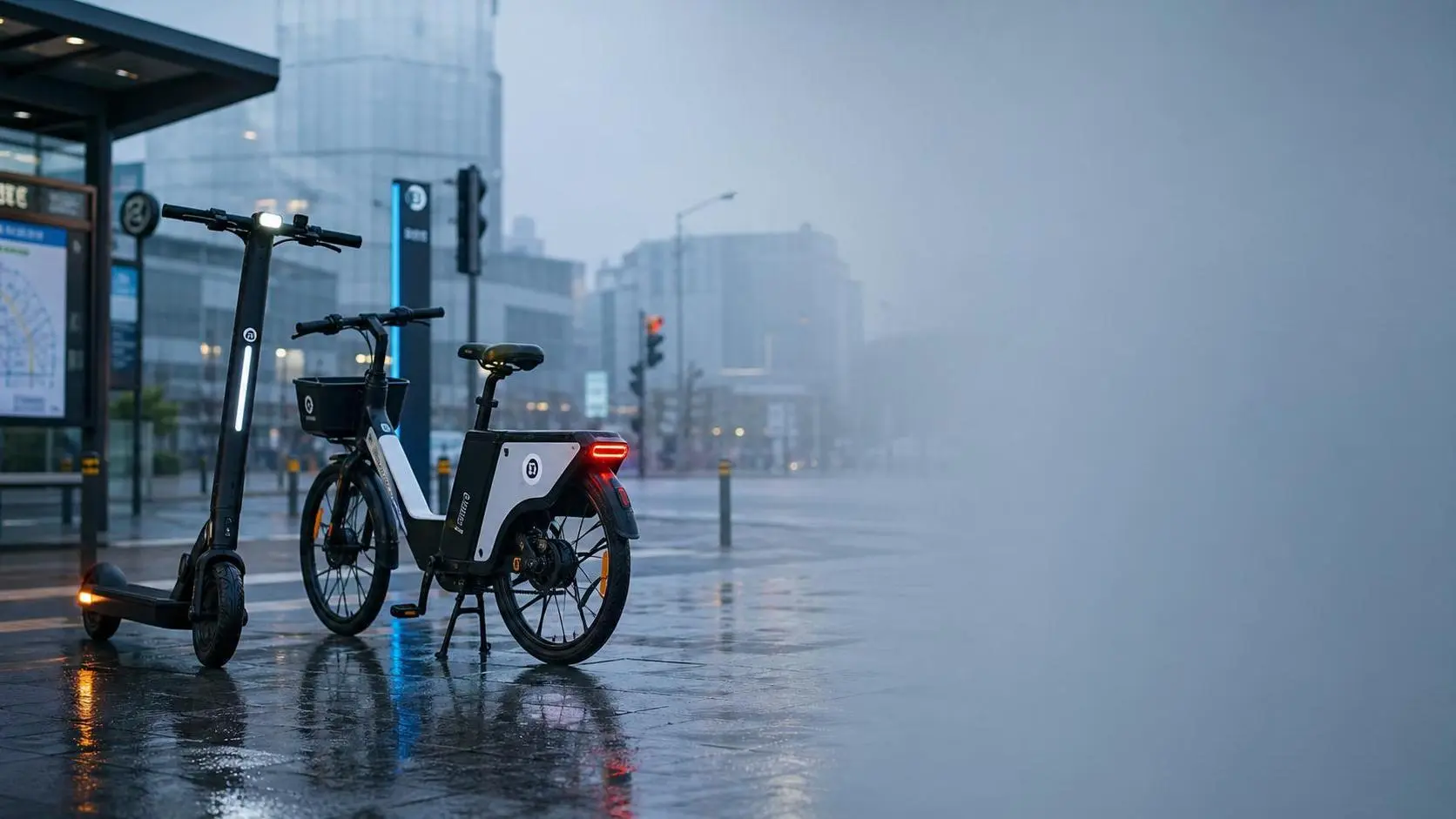
Where LED Urban Visibility Safety Systems Fit Best in Shared Scooters and City E-bikes
LED urban visibility safety systems deliver the most value in shared scooters and city e-bikes by improving multi-angle safety, fleet durability, and urban compliance across real-world routes.
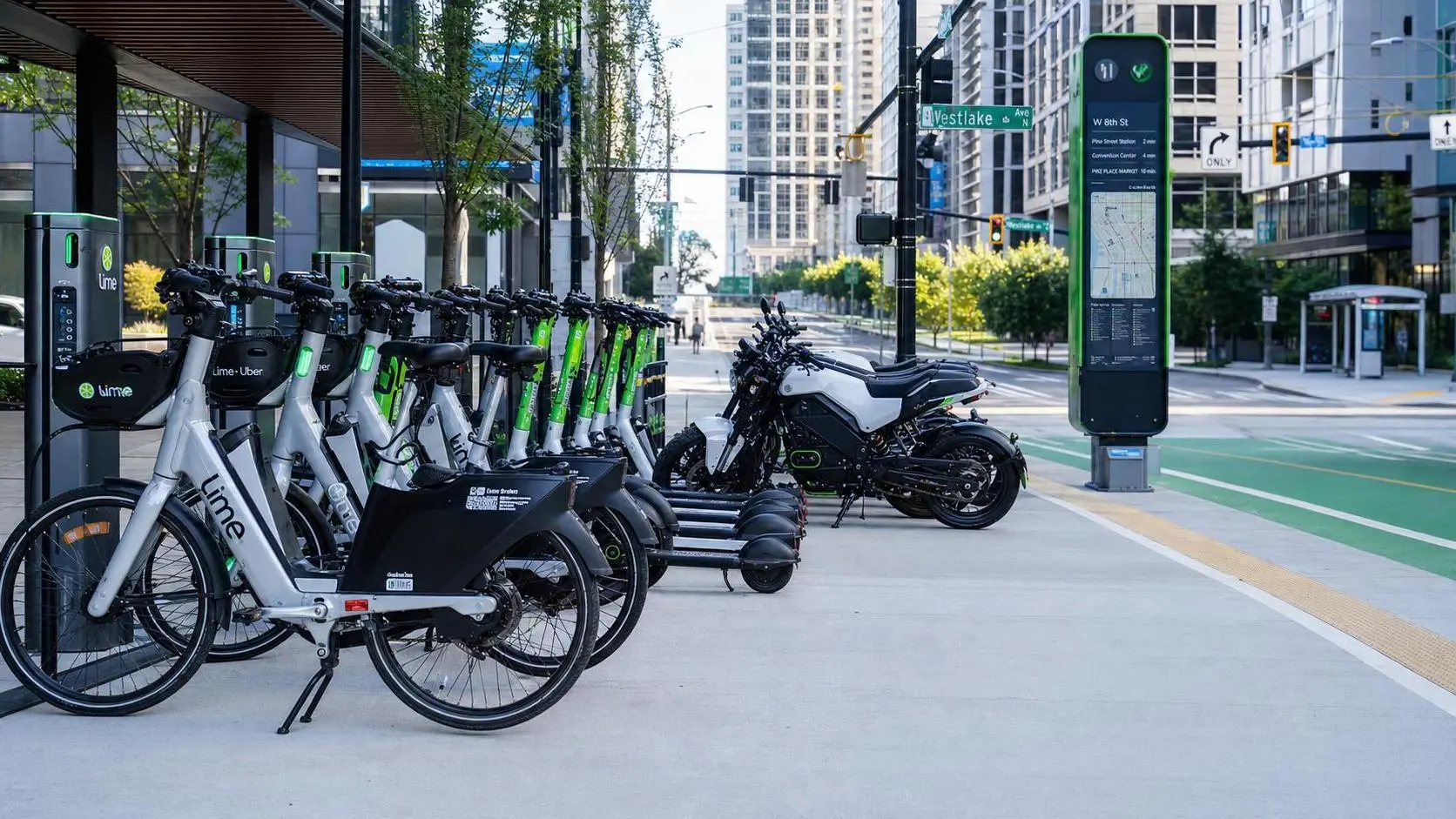
Intellectualization of Mobility in North America: What Is Driving Adoption Across Urban Transport?
Intellectualization of mobility North America is reshaping urban transport through data, smart fleets, and battery intelligence. Explore what is driving adoption and why cities and operators are accelerating now.
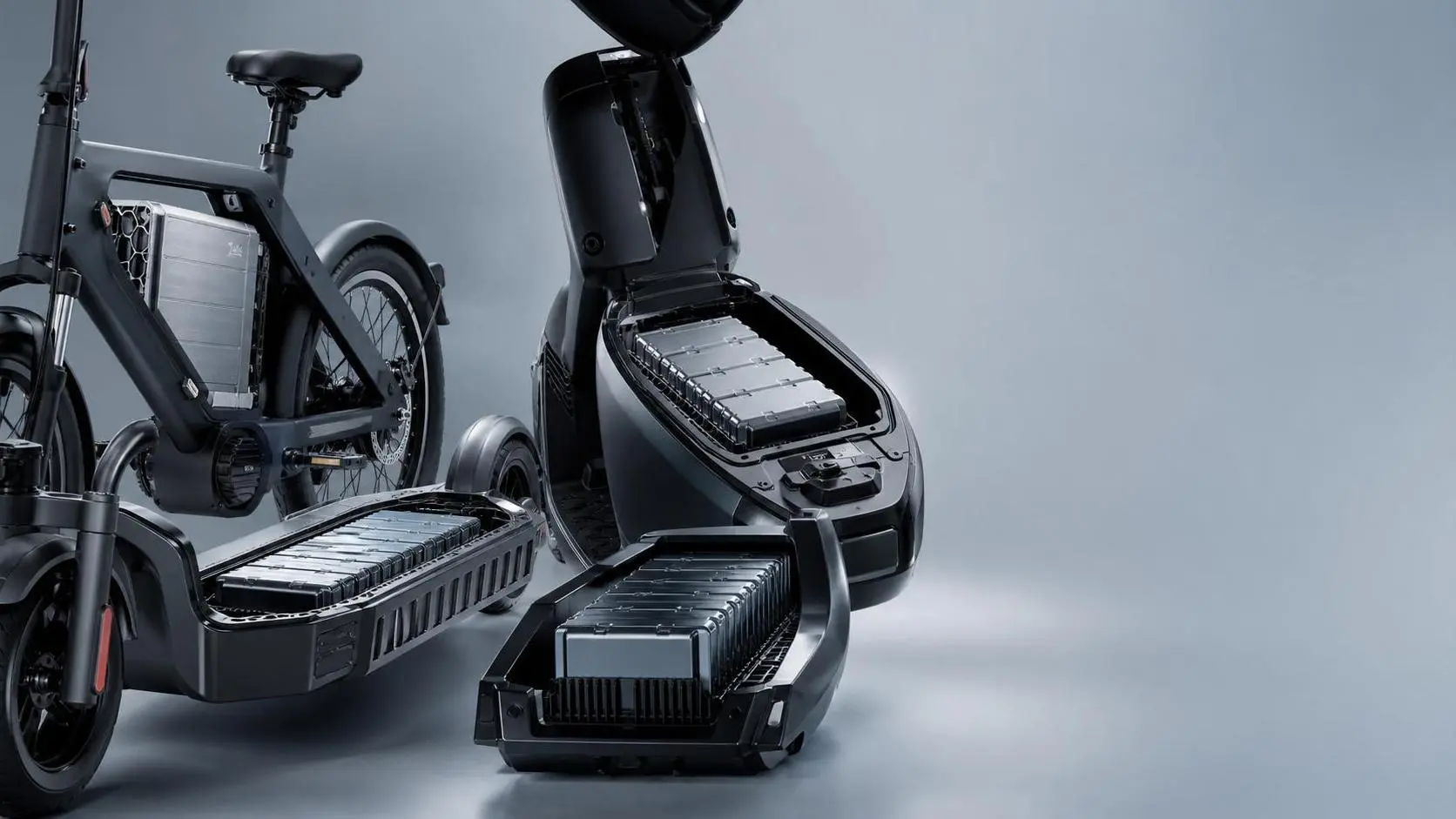
How to Choose a Compact Battery Pack: Size, Energy Density, Thermal Design, and Cycle Life
Compact battery pack selection starts with more than size. Learn how energy density, thermal design, and cycle life shape range, safety, and long-term value.
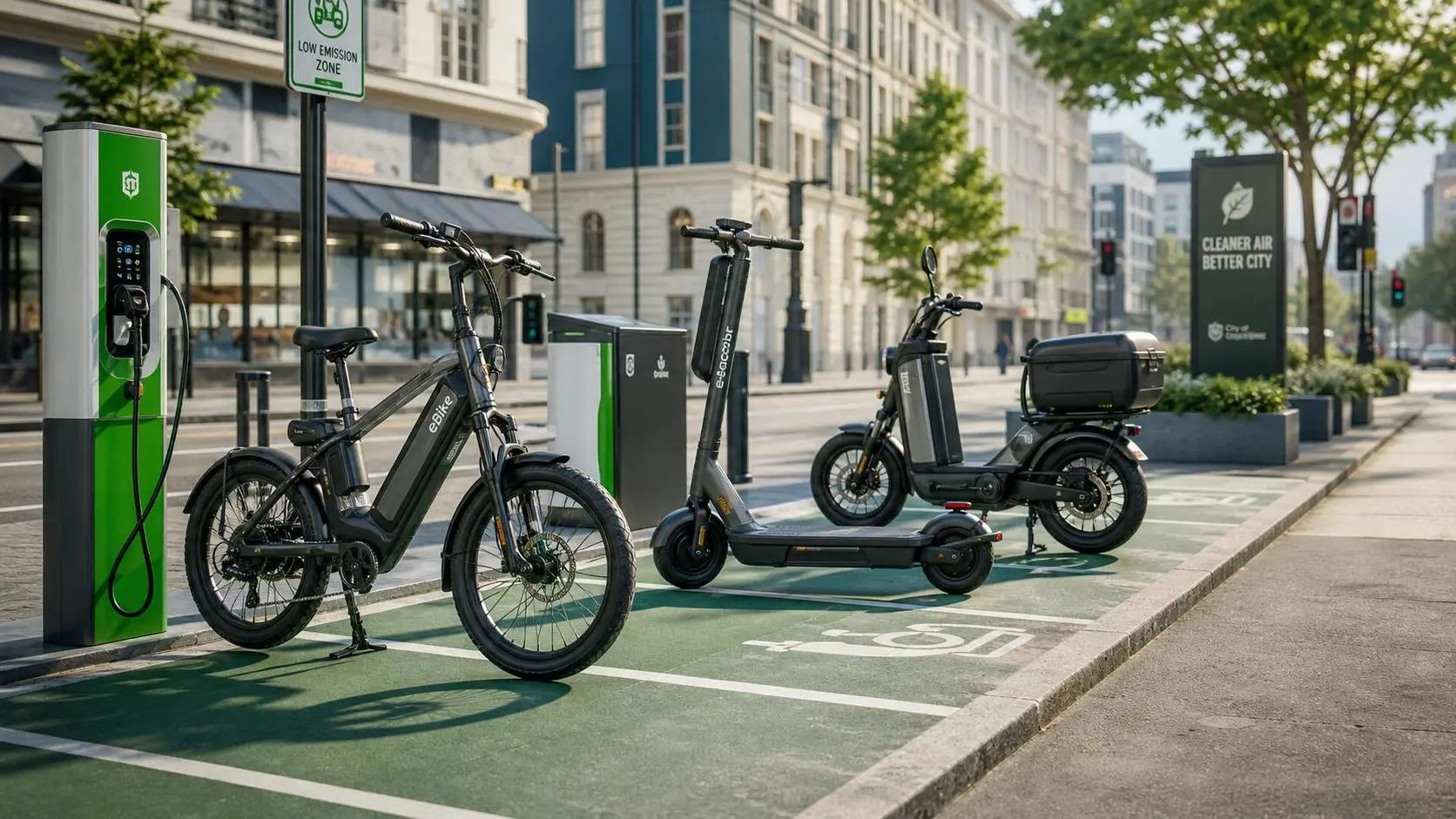
What Is Driving Green Two-wheelers Demand in Europe? Policy, Fuel Costs, and Buyer Segments
Green two-wheelers demand Europe is rising as policy support, fuel cost pressure, and diverse buyer segments reshape urban mobility. Explore the trends driving the next growth wave.
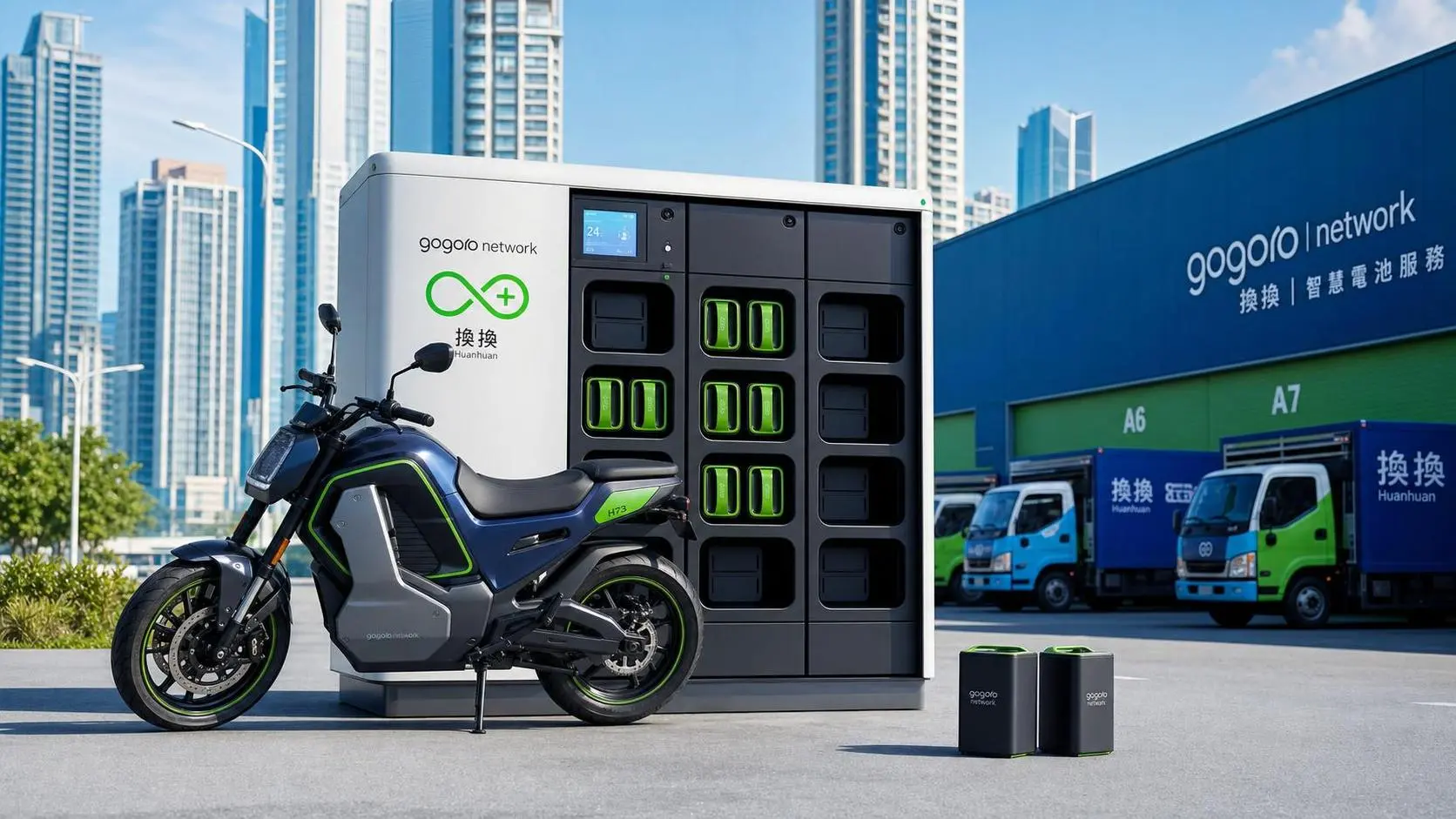
High-speed Electric Motorcycles with Swappable Battery: What to Check Before Commercial Deployment
High-speed electric motorcycles with swappable battery: learn what to verify before commercial deployment, from swap uptime and battery safety to compliance, serviceability, and real fleet ROI.