
Related News
- 00
0000-00
Where LED Urban Visibility Safety Systems Fit Best in Shared Scooters and City E-bikes - 00
0000-00
Green Transport Scooters for Urban Fleets: Which Specs Matter Most in Daily Use? - 00
0000-00
Micro-Mobility Solutions for Campuses: How to Choose the Right Fleet Model - 00
0000-00
Smart Battery Solutions for Shared Fleets: What Reduces Downtime and Maintenance Costs? - 00
0000-00
IoT Scooter Tracking System Explained: GPS Accuracy, Battery Use, and Data Integration
Urban Transit Fellow
Weekly Insights
Stay ahead with our curated technology reports delivered every Monday.
Where LED Urban Visibility Safety Systems Fit Best in Shared Scooters and City E-bikes





Where LED Urban Visibility Safety Systems Create the Most Value
In urban micro-mobility, visibility is no longer a minor accessory choice. It directly affects rider confidence, fleet uptime, compliance exposure, and incident frequency.
That matters even more for shared scooters and city e-bikes operating in dense traffic, mixed weather, and uneven street lighting.
LED urban visibility safety systems fit best where vehicles interact constantly with drivers, pedestrians, curbside obstacles, and unpredictable road behavior.
From the UMMS perspective, this is not just a lighting topic. It sits at the intersection of vehicle electronics, operating policy, urban regulation, and two-wheeler safety logic.
The practical question is not whether these systems are useful. The real question is which deployment scenarios justify higher-spec LED urban visibility safety systems, and which only need baseline coverage.
Actual Use Conditions Change the Visibility Requirement
Shared scooters and city e-bikes may look similar on a procurement sheet, yet their visibility demands diverge quickly in daily operation.
A vehicle moving through nightlife districts faces different risks than one assigned to daytime commuter corridors. A dockless fleet near bus stops behaves differently from a managed campus fleet.
Speed profile also changes the equation. City e-bikes often maintain steadier, faster travel than shared scooters, so light projection distance and side visibility become more critical.
Scooters, by contrast, are more exposed to abrupt turns, sidewalk-edge conflicts, and short-range conflict zones. In those settings, lateral visibility and braking communication matter more than raw lumen output.
This is why LED urban visibility safety systems should be judged by operating context, not by a single headline specification.
Downtown Shared Scooter Fleets Usually Need the Broadest Coverage
Central business districts are often the strongest fit for upgraded LED urban visibility safety systems. Traffic density is high, stopping patterns are irregular, and users change frequently.
In this environment, the rider is rarely the only variable. Delivery vans, taxis, turning cars, and pedestrians all create layered visibility conflicts.
The most effective configuration usually includes front illumination, side markers, rear brake indication, and a form of passive visibility backup through reflectors.
More important, the system should stay effective when the scooter is slightly damaged, parked roughly, or exposed to constant vibration.
For shared scooters, LED urban visibility safety systems work best when they support recognition from multiple angles within short reaction windows.
What tends to matter most in these fleets
- Wide-angle side visibility at intersections
- Rear lighting that remains visible during cargo-van glare
- Low power draw to protect range in high-turnover fleets
- Sealed housings against rain, curb shock, and vandalism
- Simple diagnostics for fast field replacement
City E-bikes Fit Best Where Speed and Route Length Increase Risk
City e-bikes usually benefit from LED urban visibility safety systems in a slightly different way. The issue is less about chaotic short hops and more about sustained motion through mixed corridors.
Commuter lanes, riverfront routes, suburban connectors, and evening return trips all increase the value of forward visibility and stable beam control.
If the e-bike regularly reaches higher assisted speeds, lighting must help riders read pavement defects, lane markings, and wet surfaces earlier.
That is where LED urban visibility safety systems outperform basic lamps. Better beam shaping reduces wasted light and improves useful road recognition.
UMMS often tracks this as a systems question, not a component question. Battery management, controller logic, and light behavior should work together rather than compete for power budget.
A stronger fit appears when these conditions exist
- Frequent low-light commuting before sunrise or after work
- Longer routes with inconsistent public lighting
- Higher average operating speed than shared scooters
- Weather patterns with rain haze or reflective road glare
Near Transit Hubs, Side Visibility Often Matters More Than Brightness
One common misjudgment is treating transit-adjacent deployments as ordinary city riding. In practice, train stations and bus interchanges create compressed, multi-directional movement.
Vehicles enter and leave quickly. Pedestrians cross unexpectedly. Drivers focus on loading zones, not always on micromobility traffic.
In these zones, LED urban visibility safety systems should emphasize side presence, brake signaling, and instant recognizability during merging behavior.
A powerful front lamp alone will not solve the main conflict pattern. The issue is being seen from oblique angles before a crossing conflict develops.
Weather Exposure Changes the Return on Investment
Rain, fog, road spray, and reflective asphalt can make average lighting systems perform far below their nominal output.
This is one reason UMMS links visibility technology with broader vehicle safety architecture, including sensor reliability and real-world operating resilience.
In wetter cities, LED urban visibility safety systems fit best when optics remain useful under dirty-lens conditions and when housings resist repeated water intrusion.
For e-bikes, rain commuting can justify better beam discipline. For scooters, splash contamination and low mounting height make cleaning cycles and lens protection more important.
A related mistake is copying specifications from dry-climate deployments. Similar fleet models do not mean identical visibility outcomes.
Low-Speed Managed Zones Need Simplicity More Than Feature Density
Not every fleet needs the most complex LED urban visibility safety systems. University campuses, industrial parks, and closed residential mobility loops often need a different balance.
These environments usually have lower speeds, more predictable paths, and some level of access control. The operational priority shifts toward durability, charging compatibility, and maintenance speed.
In those cases, a moderate-output system with strong sealing, dependable connectors, and clear rear signaling may deliver better long-term value than an advanced but fragile setup.
The best fit comes from matching system complexity to route predictability and service capacity.
Where Teams Commonly Misread the Fit
The first error is choosing by brightness alone. High output helps only when the beam pattern, mounting height, and direction support the real conflict zone.
The second error is ignoring maintenance friction. LED urban visibility safety systems that require difficult replacement can create downtime that erases safety gains.
Another frequent gap is failing to consider battery impact across large fleets. Minor draw per vehicle becomes meaningful at scale.
There is also a regulatory blind spot. Some cities increasingly care about recognizable signaling behavior, not only the presence of lights.
Finally, similar urban maps can hide different risk patterns. A tourist district at night and a commuter corridor at dawn require different visibility priorities.
A Practical Way to Judge LED Urban Visibility Safety Systems Before Rollout
A useful starting point is to map each deployment area by speed, light quality, conflict angle, weather exposure, and service model.
Then compare where LED urban visibility safety systems reduce actual operational risk rather than simply improving the appearance of specification strength.
- Define whether the main risk is seeing or being seen
- Separate scooter behavior from city e-bike behavior
- Test in wet streets, dusk traffic, and damaged-vehicle conditions
- Measure service time for replacement and inspection
- Check local signaling expectations and street-use rules
When that framework is applied carefully, the best-fit scenarios become clearer. Downtown shared scooters usually need multi-angle visibility. City e-bikes often need stronger forward performance. Managed low-speed fleets often benefit most from rugged simplicity.
That kind of scenario-based judgment is where LED urban visibility safety systems stop being a generic feature and start becoming a real operating advantage.
Related News
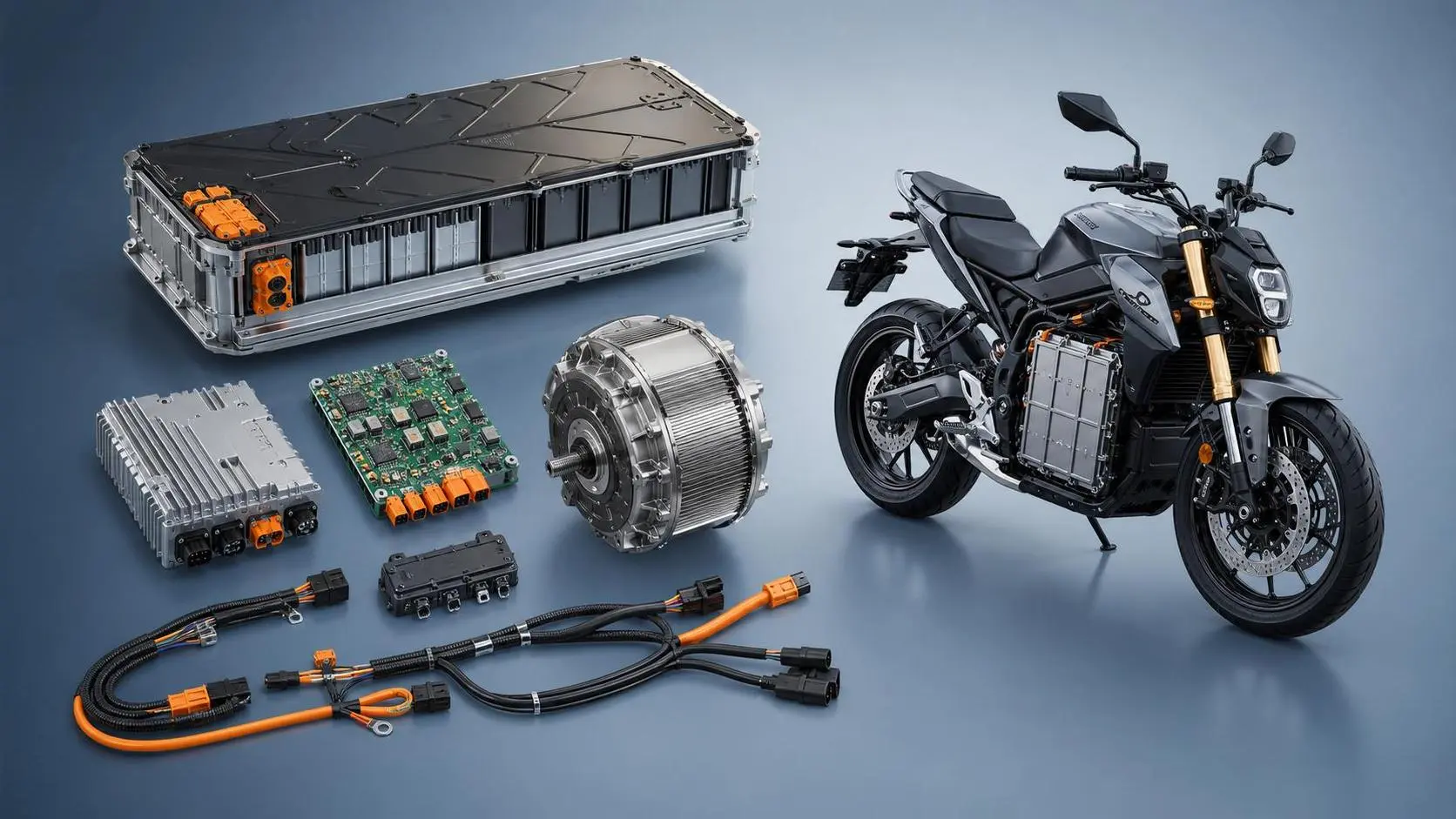
Electric Motorcycle Systems Price Breakdown: What Affects Cost From Battery to Controller?
Electric motorcycle systems price explained: see how battery, controller, motor, BMS, and wiring affect total cost, reliability, and sourcing value before you buy.
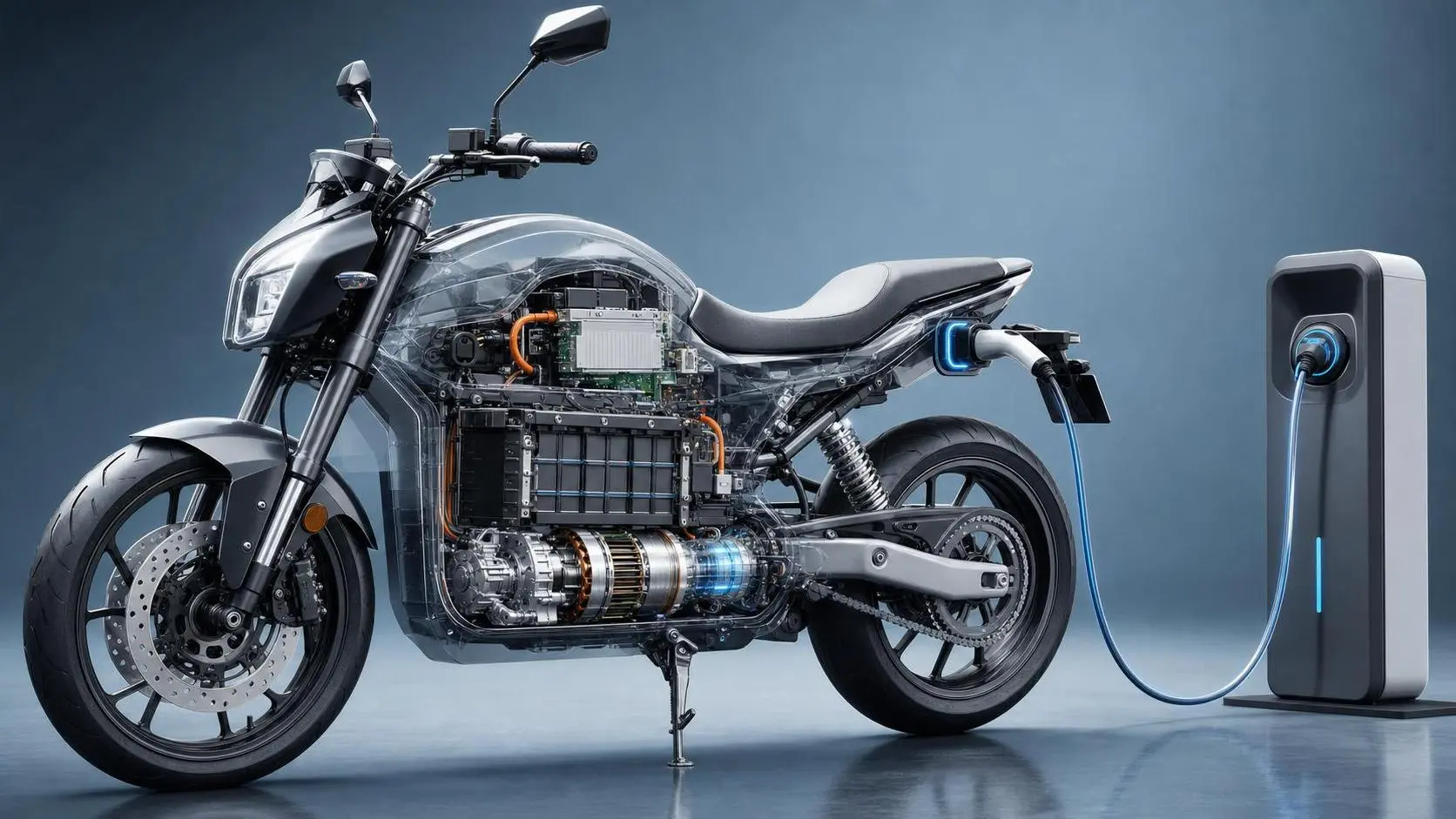
72V Electric Motorcycle Technology Explained: Motors, Controllers, Range, and Charging
Electric motorcycle technology 72V explained clearly: compare motors, controllers, range, battery design, and charging to choose a smoother, stronger, and smarter electric ride.
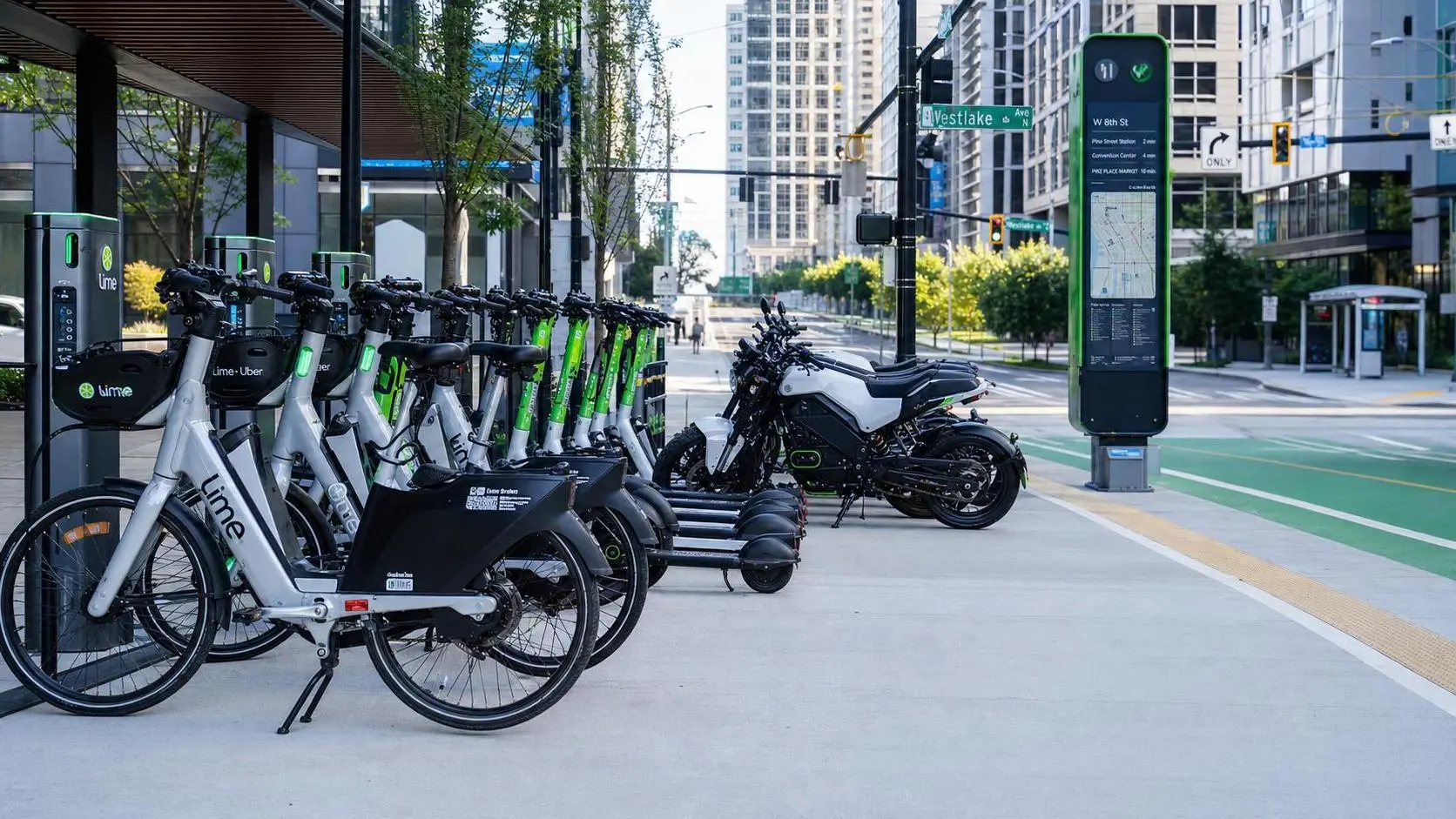
Intellectualization of Mobility in North America: What Is Driving Adoption Across Urban Transport?
Intellectualization of mobility North America is reshaping urban transport through data, smart fleets, and battery intelligence. Explore what is driving adoption and why cities and operators are accelerating now.
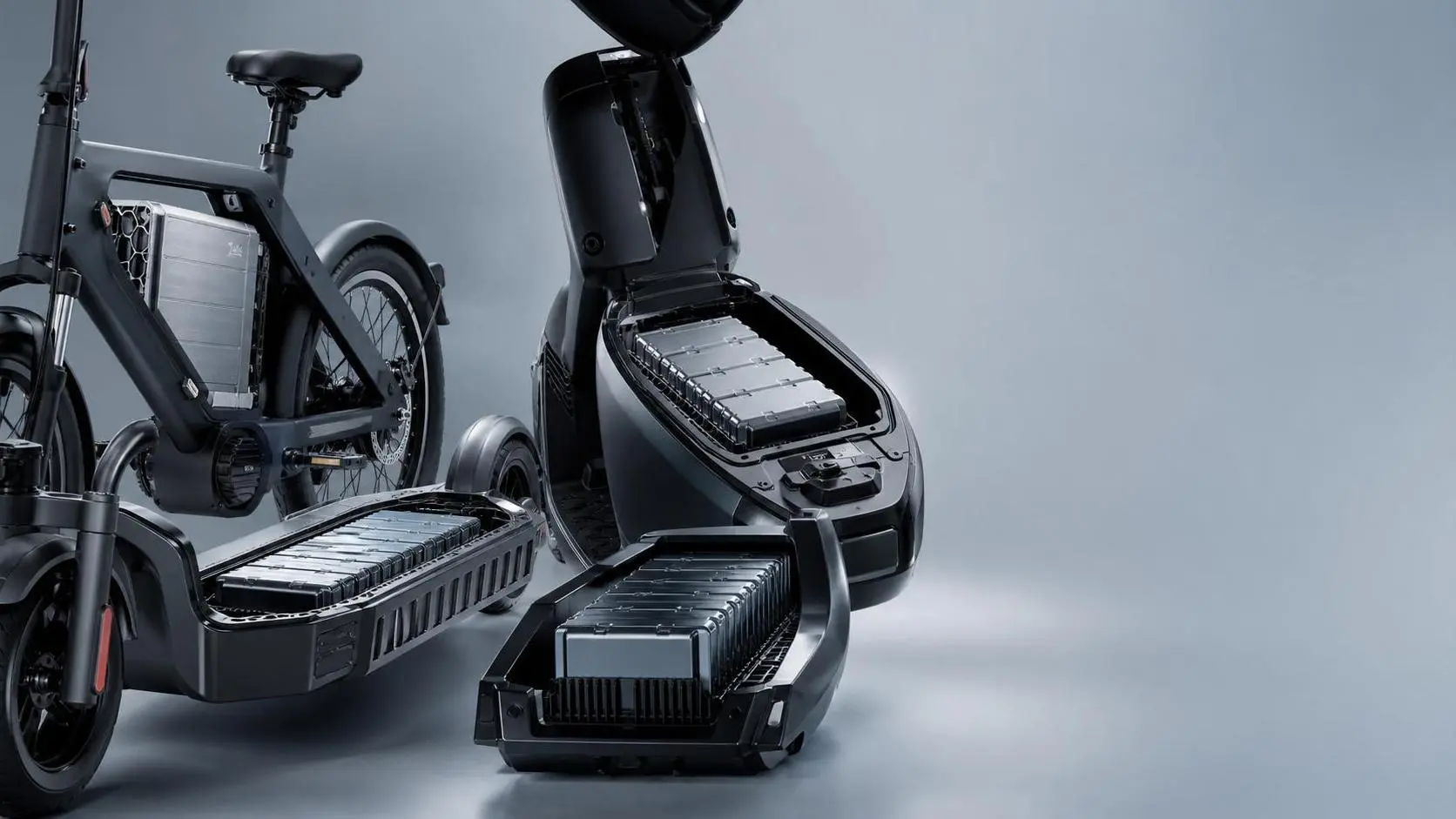
How to Choose a Compact Battery Pack: Size, Energy Density, Thermal Design, and Cycle Life
Compact battery pack selection starts with more than size. Learn how energy density, thermal design, and cycle life shape range, safety, and long-term value.
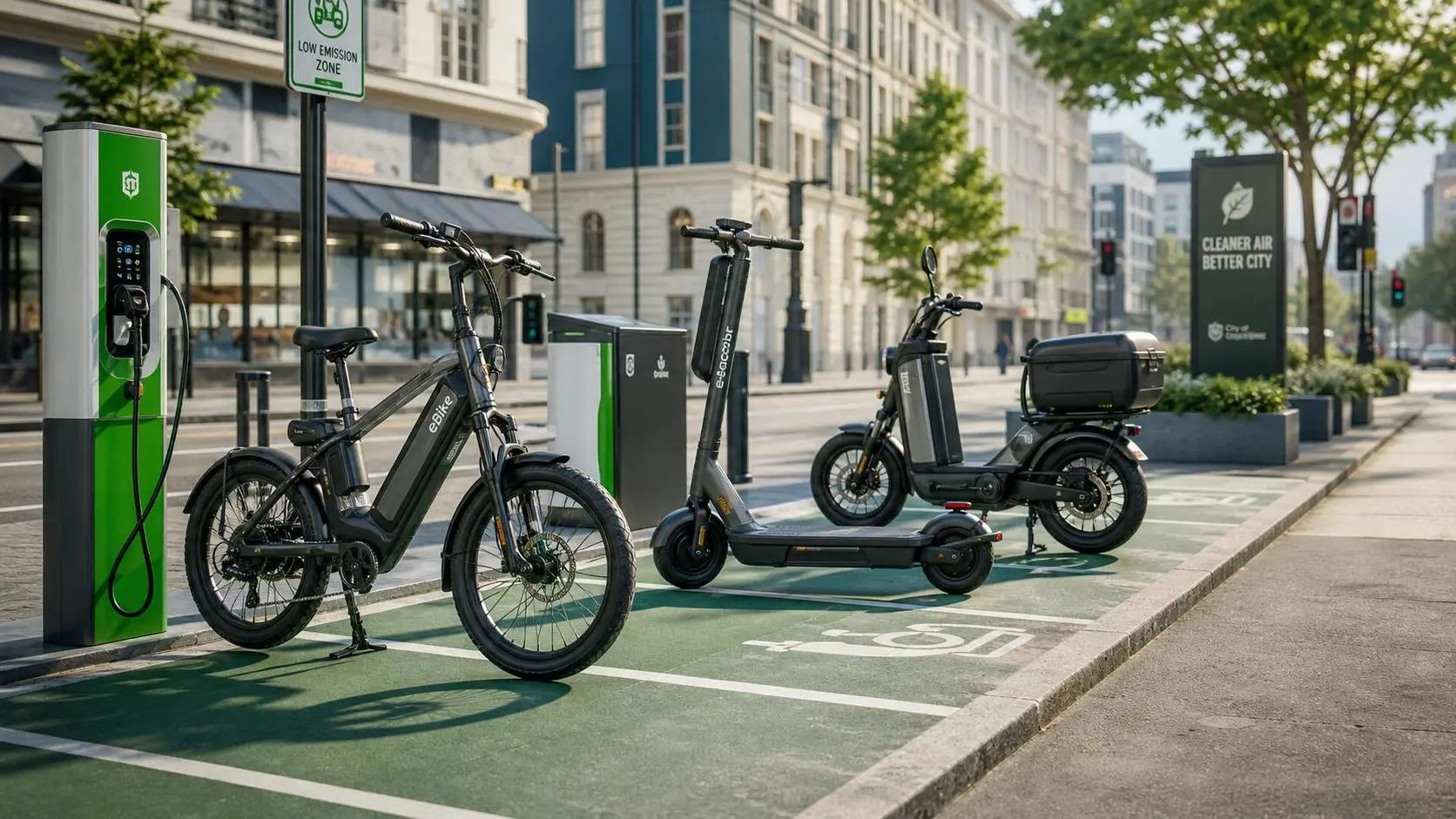
What Is Driving Green Two-wheelers Demand in Europe? Policy, Fuel Costs, and Buyer Segments
Green two-wheelers demand Europe is rising as policy support, fuel cost pressure, and diverse buyer segments reshape urban mobility. Explore the trends driving the next growth wave.
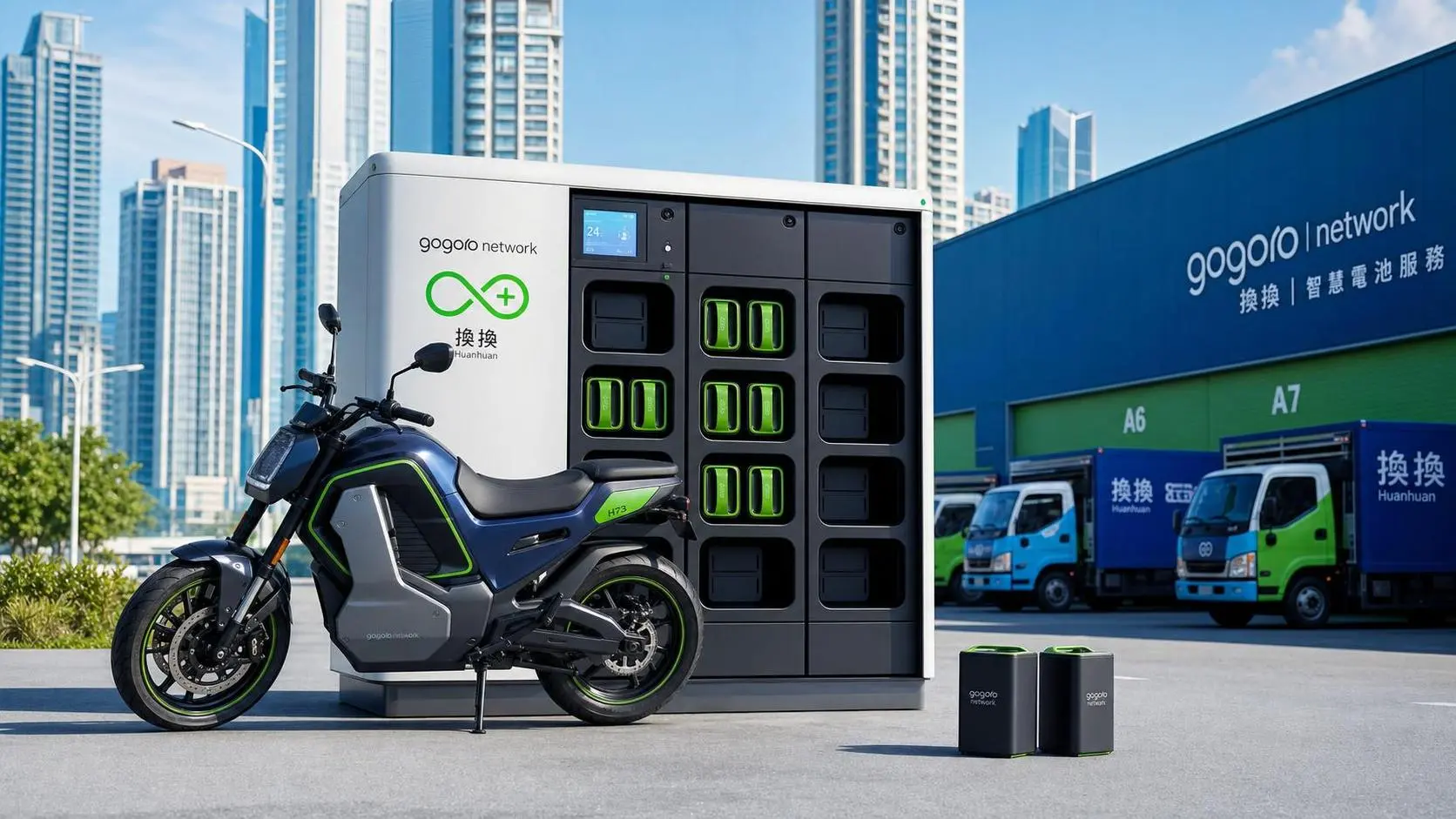
High-speed Electric Motorcycles with Swappable Battery: What to Check Before Commercial Deployment
High-speed electric motorcycles with swappable battery: learn what to verify before commercial deployment, from swap uptime and battery safety to compliance, serviceability, and real fleet ROI.
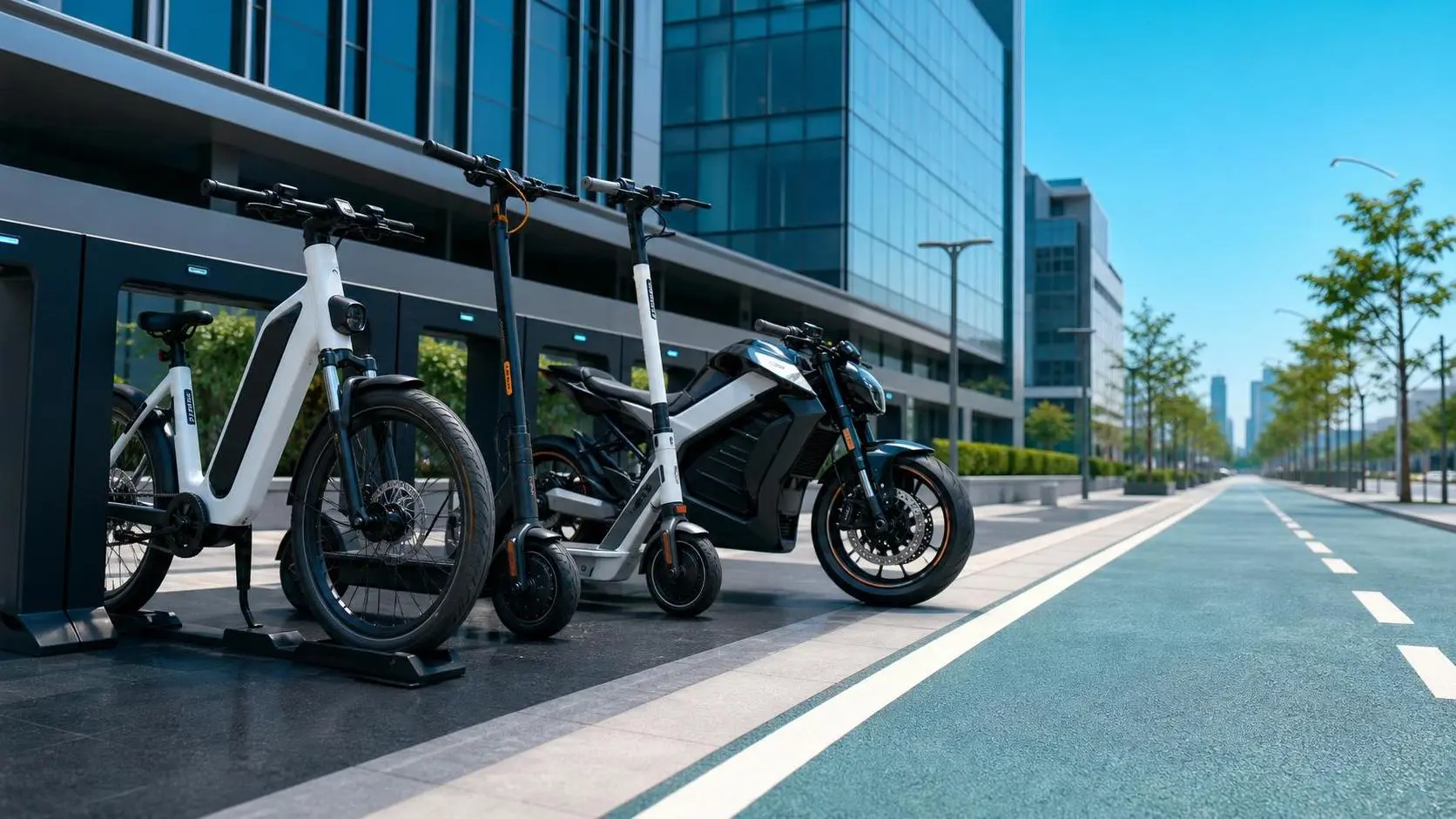
Micro-mobility Systems Explained: Core Components, Operating Models, and City Use Cases
Micro-mobility systems explained: discover key components, operating models, and real city use cases shaping cleaner, smarter urban transport and last-mile mobility.
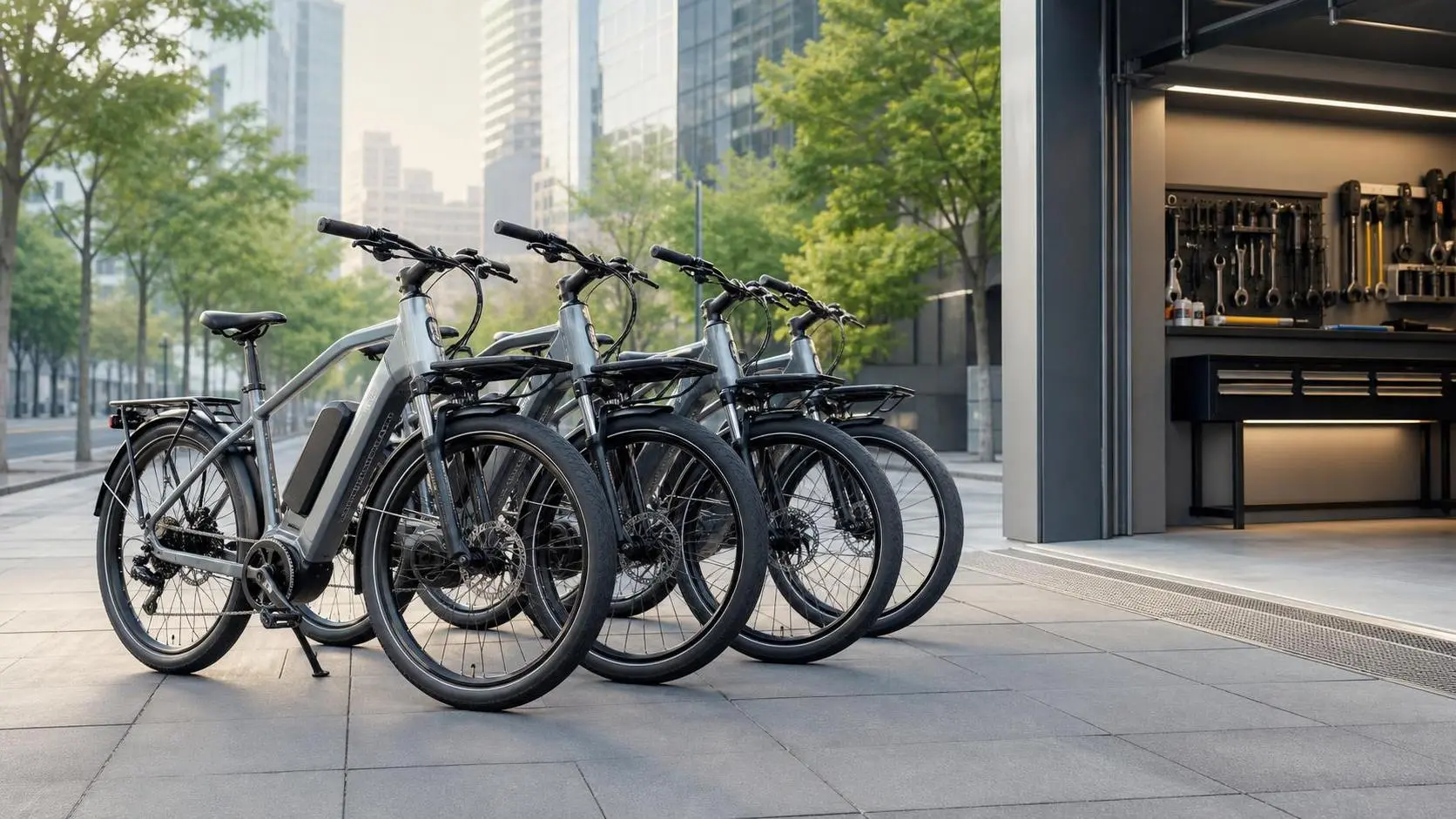
How to Choose Urban Commuting E-bikes for Rental Fleets by Range, Durability, and Serviceability
Urban commuting e-bikes for rental fleets: learn how to compare real-world range, durability, and serviceability to cut downtime, lower fleet costs, and choose smarter bikes.
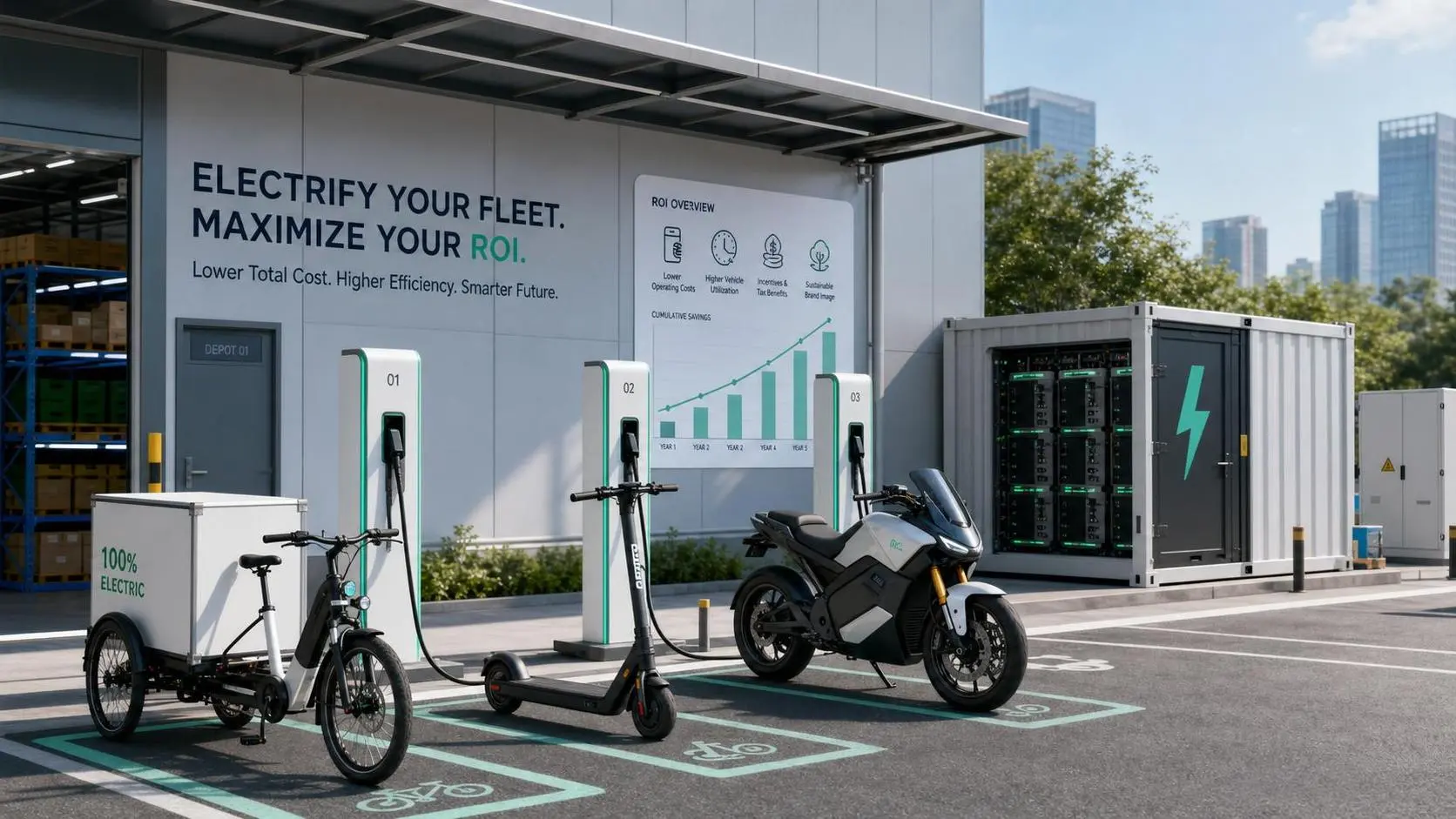
Electrification Strategies in Europe: Policy, Charging, and ROI Factors for Fleet Planning
Electrification strategies Europe: learn how policy shifts, charging readiness, and ROI modeling shape smarter fleet planning, lower risk, and faster payback across urban operations.